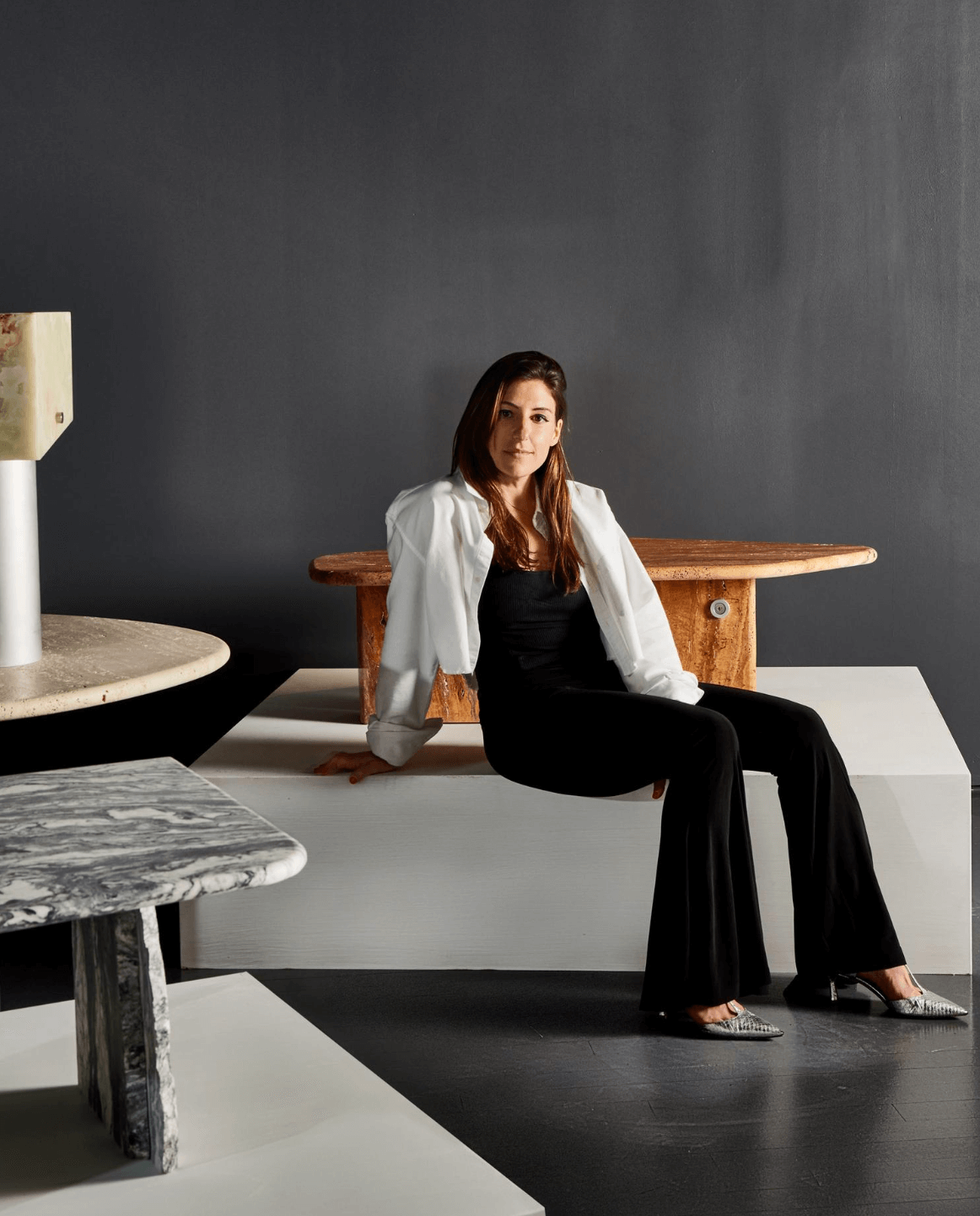
Emaho: You’ve said you grew up in Paris “very passionate about literature and dance”, and that art and design came later. What did those first loves train in you that still shows when you stand in front of a new piece?
Clémence Krzentowski: I don’t know if there’s a direct connection, but if there is, it’s probably a love of grace. It’s in the way a dancer moves, and in the rhythm of a sentence, too. A piece can be quite imposing and still have that quality. I think I notice it quite instinctively.
Emaho: Didier has said his parents created the ski-wear company that became Killy, so his family’s story is on record. Yours isn’t. What did your own parents give you, or expect of you, that shaped the woman who went on to build kreo?
Clémence Krzentowski: My father was a lawyer, and my mother owned a pharmacy. They both were very hardworking. They also always respected my interests and my independence. They believed in me hugely, and so I always felt free to follow my own path.
Emaho: Your first “real” job was at the Albertville Winter Olympics, where you became Director of the Torch Relay and brought in Philippe Starck to design the torch. You still keep one at home. How did that conversation with Starck come about, and what did it teach you about what a designer can do with the right invitation?
Clémence Krzentowski: I suggested Philippe Starck because Jean-Claude Killy and Michel Barnier, who chaired the organising committee, wanted these Games to set an example. They wanted to move beyond some of the old conventions and bring in people with a strong creative point of view.
It all happened quite naturally. I got in touch with Philippe’s wife, Brigitte, whom I was very fond of. It was the first time a designer of his standing had been asked to design the Olympic torch, and he was given carte blanche. The scale of the event and the visibility of the torch appealed to him.
The result was very Starck, and it made quite an impression. There’s a photograph of the torch on the back cover of one of his monographs.
Emaho: Before the gallery, you and Didier worked with designers on industrial projects and saw that they couldn’t express themselves as much as they wanted. What finally convinced you that an agency wasn’t enough? And when you opened on Rue Louise Weiss as the only design gallery among art galleries, did it feel brave or slightly mad?
Clémence Krzentowski: Through the agency, we got to know designers in the context of quite specific industrial briefs. There would often be a point in the conversation when a designer had an idea that took us beyond what the project could accommodate. Didier and I wanted to see what would happen if we could follow that idea and give it the time and means to become a piece.
What I liked about being on Rue Louise Weiss was that people would come in having just seen an art exhibition. They were already in a frame of mind to look closely. It gave us a chance to see what would happen when someone spent that kind of time with a chair or a light.
Emaho: You’ve said “design has always been quite expensive because of the production”, and an exhibition piece can take around three years to develop before it appears in a tiny edition. As an entrepreneur, how do you keep a business like that healthy? Have you ever had to say no to an idea you loved because the numbers wouldn’t work?
Clémence Krzentowski: Yes, of course. When we make a piece, we want it to have a life beyond the exhibition, and so does the designer. So we have to ask ourselves whether we can make it as we want it to be made, and whether we can do that at a price which makes sense. Sometimes the technique, or material, we’d need simply isn’t workable. Those are conversations we have with the designers.
In a small edition, all the time spent developing the piece and making prototypes is shared across very few objects. You have to be quite precise about what you take on, because that’s what allows you to give the projects you do commit to the time they need.
Emaho: Didier jokes that “Clémence does all the work while I take naps”. Joking aside, you’ve said you need to be “aesthetically shocked”, while he follows the idea and “doesn’t care about colour”. When the two of you disagree about a project, who wins?
Clémence Krzentowski: We’ve never really disagreed on the substance of a project. On details, perhaps. I think that’s because we tend to ask the same questions about a piece. Does it bring something new? Does it open up a possibility we hadn’t considered? Does it make us think? Those conversations take us well beyond whether we happen to like something.
Having said that, I do need to like the way it looks!
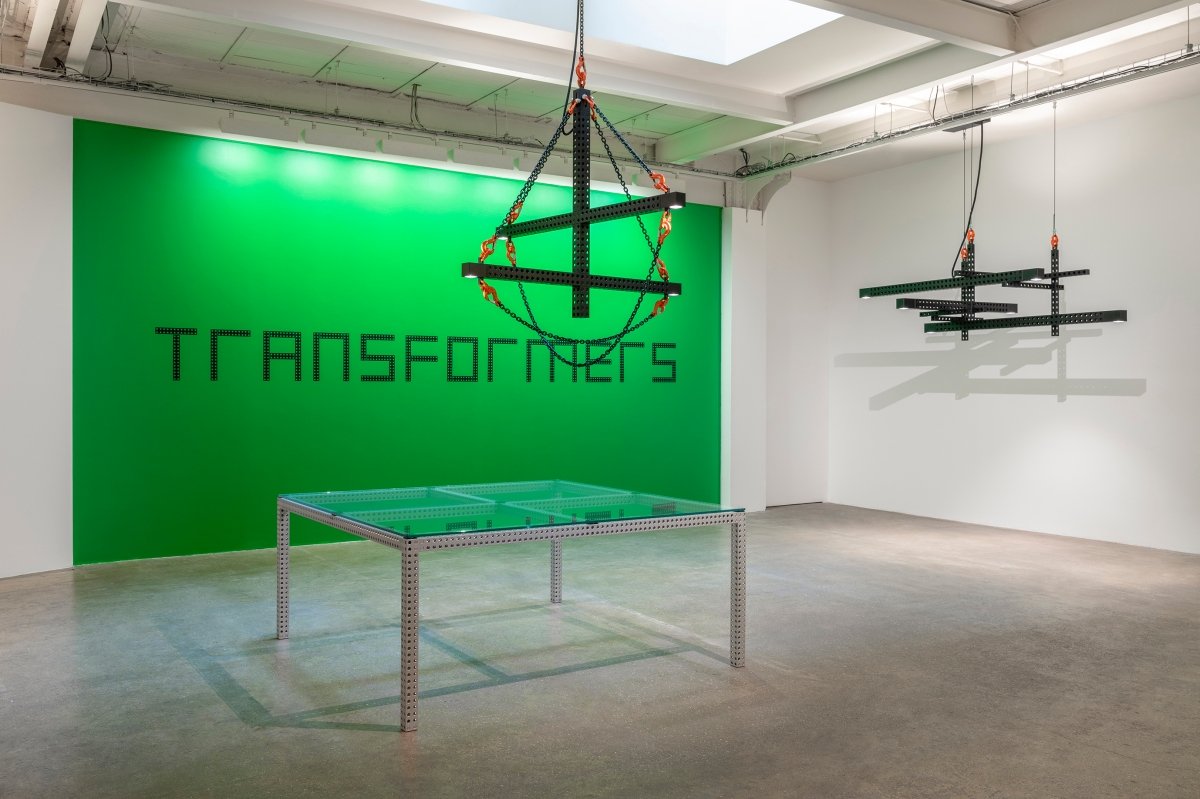
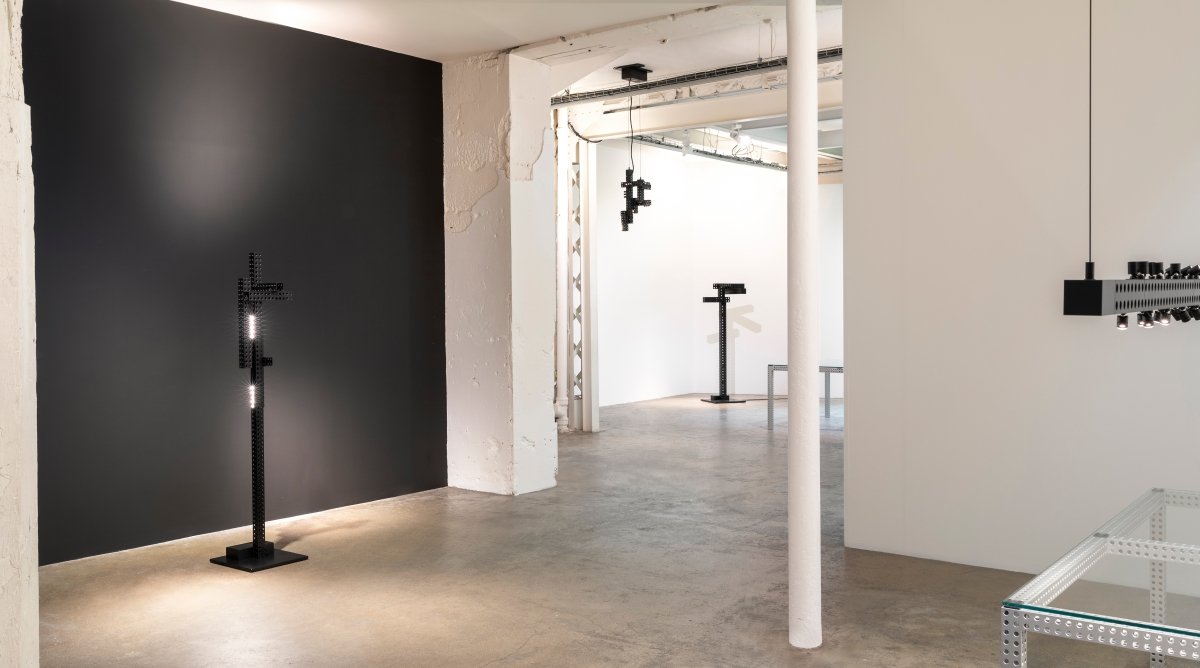
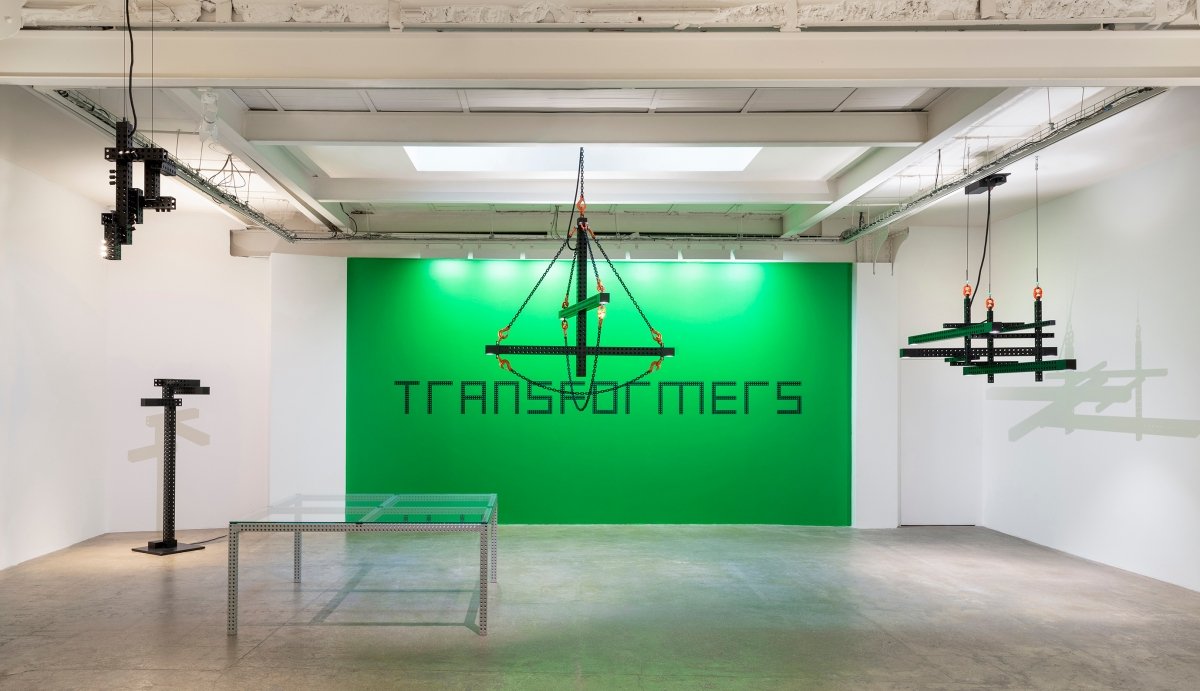
Emaho: You’ve pointed to Konstantin Grcic’s Transformers, built from precision measuring devices used in the car industry, as a project that captures the laboratory idea. You’ve also done 15 shows with Ronan Bouroullec and called his last one “mind-blowing”. After more than 25 years, what does a designer have to do to still surprise you?
Clémence Krzentowski: With Konstantin’s Transformers, we were first taken away and surprised by the sheer physicality of the pieces. They were bold, and they immediately made you wonder where those forms had come from. When you learn that they grew out of precision measuring devices used in the car industry, you look at them differently. There’s something about that leap, and about what it took to actually make the pieces, that captures what we mean when we talk about the gallery as a laboratory.
With Ronan, it’s a different kind of surprise. When you look at his work as a whole, his language is so recognisable. And yet with each new collection, I see him do something I hadn’t imagined. There’s a sense of rightness to it, always. I think that’s what Martin Bethenod meant when he spoke of Ronan’s esprit de justesse.
I love seeing their work unfold over time. There’s a real joy in still being surprised by them and falling in love with pieces after all these years.
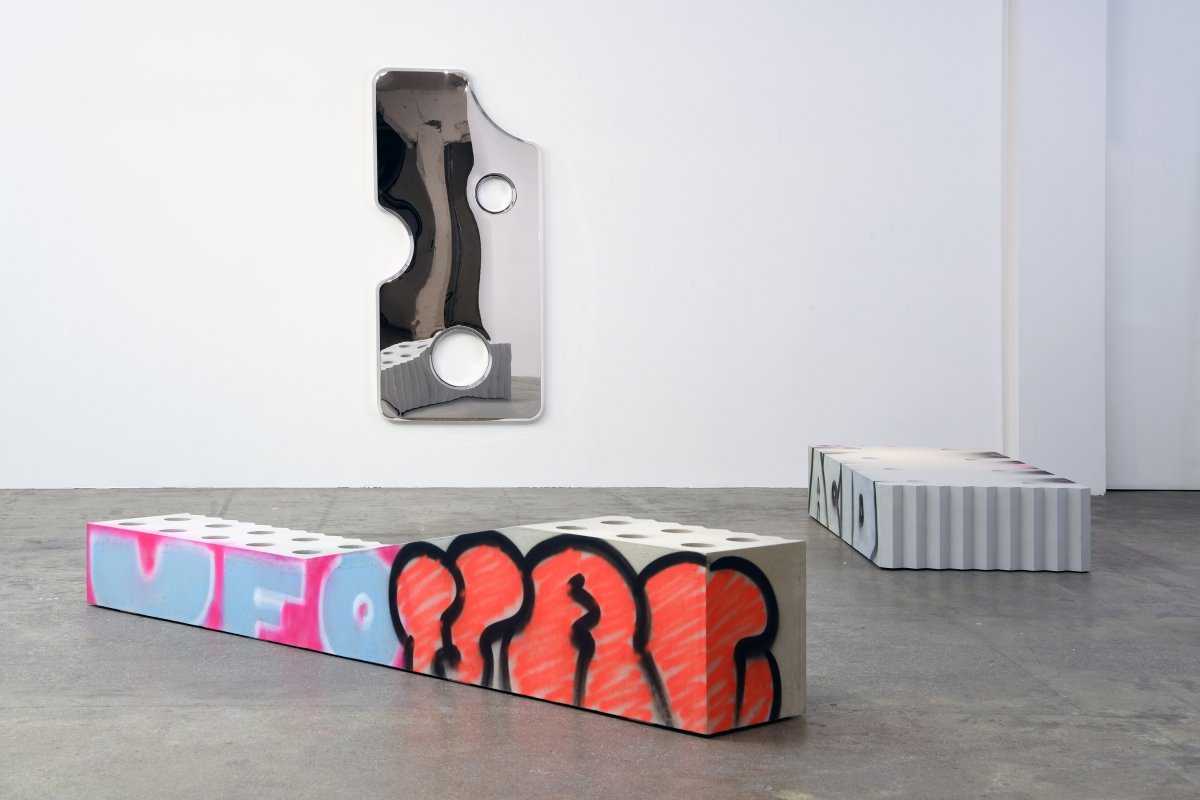
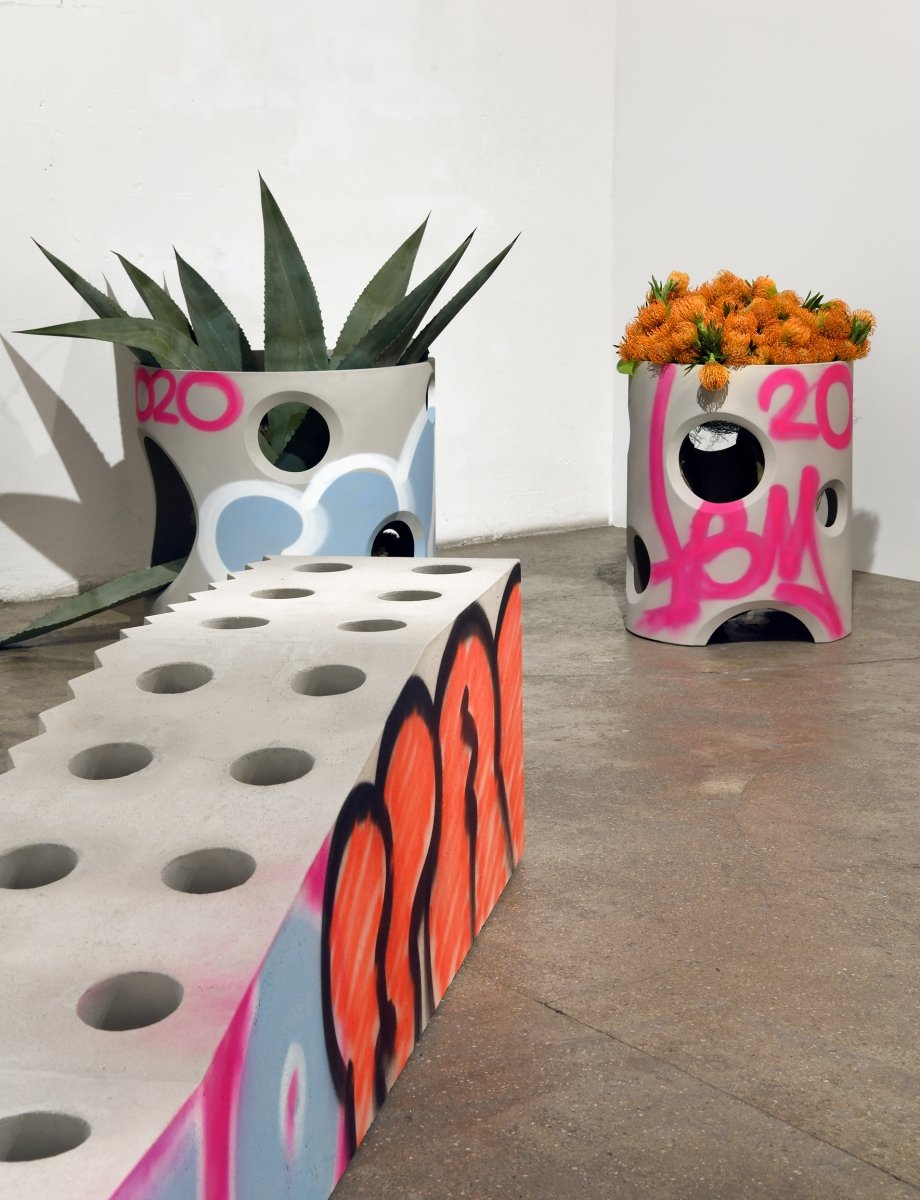
Emaho: You’ve said Virgil Abloh “introduced a new breath to the gallery” with Efflorescence. Didier has told the story of being thrown when Virgil wanted to cover the pieces in graffiti. Where did you stand when you first heard the idea, and what did that collection change at kreo?
Clémence Krzentowski: I was very impressed by Virgil. There was a great deal of thought behind the pieces, and he was very precise about their forms. And then there was this freedom in the way he worked on them. That’s what interested me about the graffiti. It brought the street onto the pieces, but it also brought his hand. There was something very public and something almost private about it.
Efflorescence was such a personal show for him. It began a conversation between us that continued for years. He also got to know some of the other designers we work with. He was curious about everything, and he took a real interest in what they were doing. They were just as curious about him. I think that had as much to do with his openness and the quickness of his mind as with the work itself.
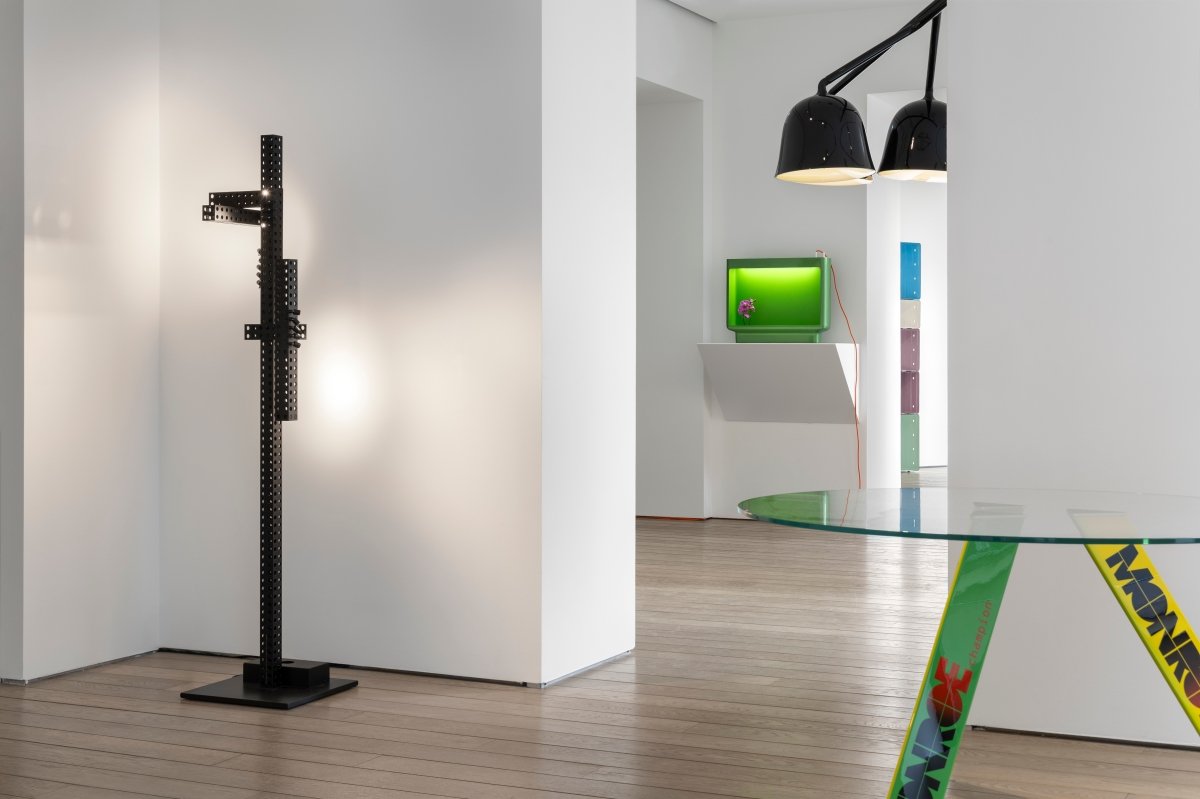
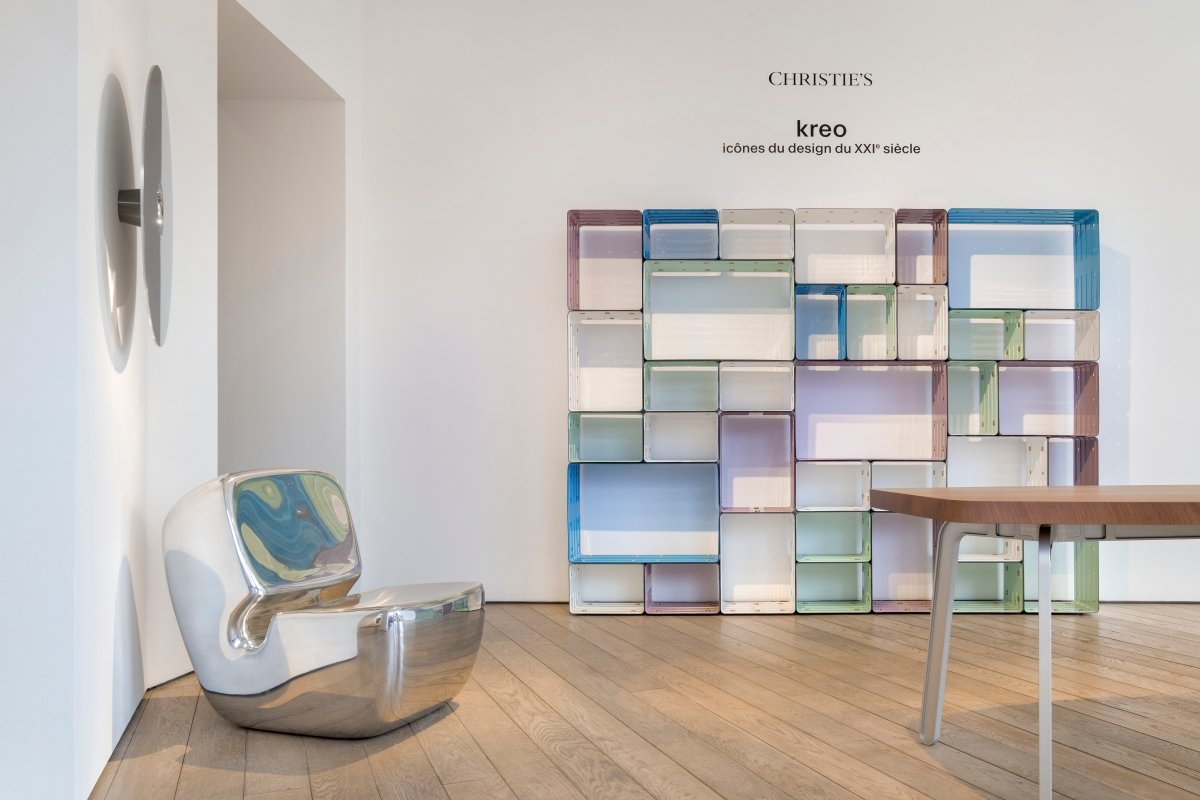
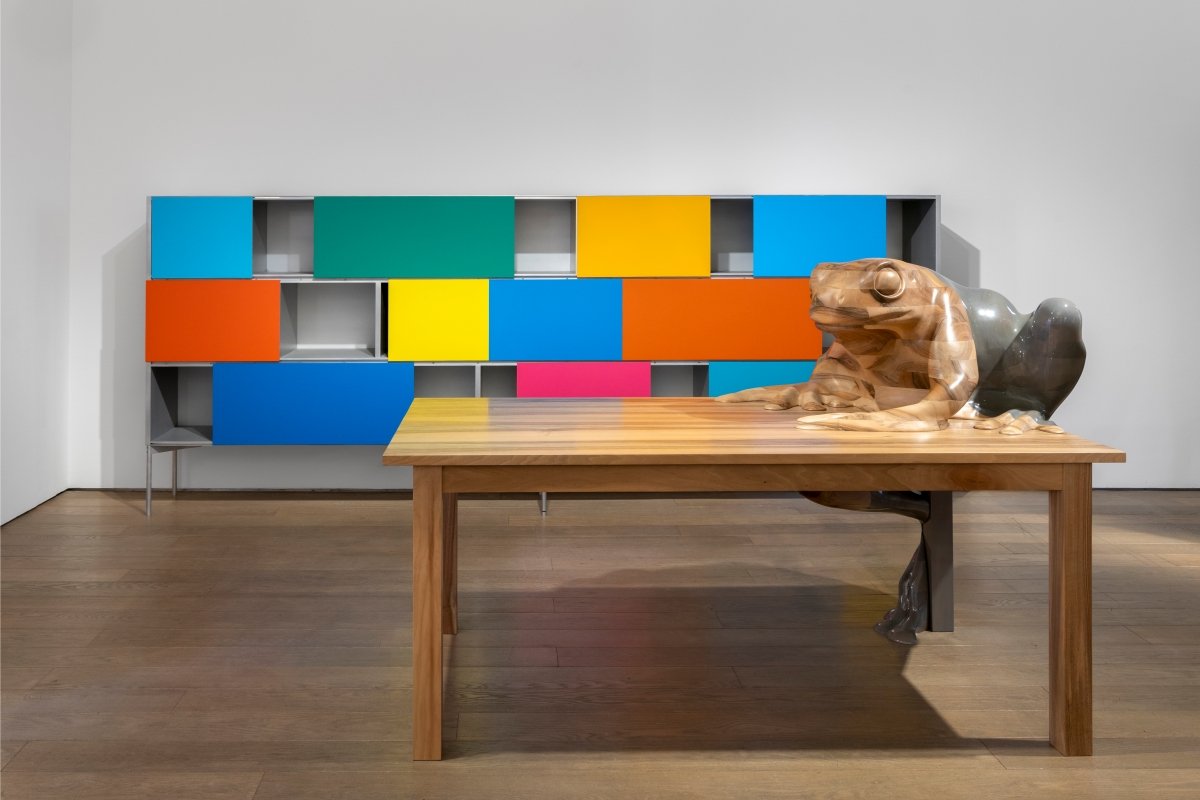
Emaho: You and Didier are Officers of the Order of Arts and Letters, and the designers you work with are held in collections such as MoMA, the Centre Pompidou and the V&A. Then Christie’s invited kreo to show its icons, in an exhibition rather than an auction, and you described looking back as “almost like pausing to reflect”. When you paused, which piece were you proudest of, and which one was the biggest gamble?
Clémence Krzentowski: It’s difficult to single out one piece. What moved me at Christie’s was seeing works from different periods together. The earlier pieces brought back the conversations we’d had while making them, and often quite small decisions that turned out to be important.
I think the biggest gamble is carrying on in the same spirit. That can be difficult sometimes, but there’s still so much pleasure in making something that can surprise someone and make them want to live with it.
Emaho: Clara spent her childhood Saturdays at the gallery with you, and today she directs kreo alongside you and Didier. What do you hope she protects exactly as it is, and what do you want her to feel free to change?
Clémence Krzentowski: When Clara was small, she spent Saturdays at the gallery, drawing or playing at one of the desks. By the time she was a teenager, she was helping us at the fairs. She’s known the gallery, the designers and many of our clients all her life. Today she has her own sense of what the gallery needs and what it can become. I trust her judgement completely. I know she’ll will continue to make it grow and flourish, while keeping at its heart the freedom to create, the desire to do it and the joy it brings.