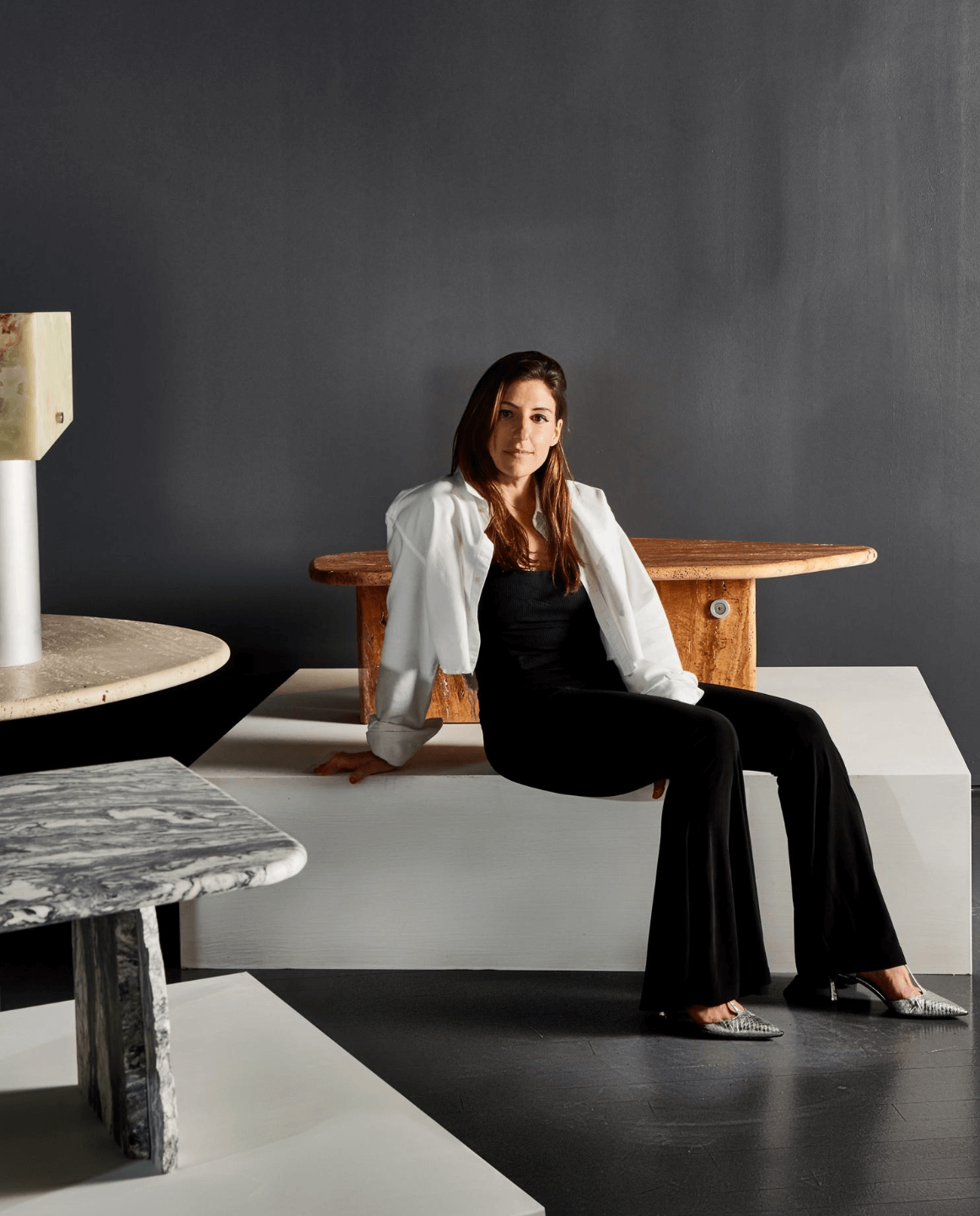
Emaho: From Casablanca’s Lycée Lyautey and business studies in Paris to Rodeo Drive’s revelation, what childhood spark in Morocco first whispered interior design to you?
Hind Magoul: I grew up in Casablanca, immersed in the textures, colors, and rhythms of Moroccan architecture. Even as a child, I was drawn to the geometry of riads, the play of light in courtyards, and the intimacy of private spaces. While my early education at Lycée Lyautey led me toward business, there was always this whisper of creativity, a fascination with how spaces could shape lives. That seed eventually grew when I discovered the boundless energy of creative environments abroad, confirming that interior design was the language I wanted to speak.
Emaho: Pivoting from UCLA commerce to LA’s Mondrian Hotel magic, what convinced you architecture d’intérieur was life’s endless metaphor over corporate paths?
Hind Magoul: Studying commerce at UCLA exposed me to the analytical world, but I realized that what truly excited me was the poetry of space. A pivotal moment was encountering the design of spaces like the Mondrian Hotel in LA by Starck. How architecture, light, and furniture could evoke emotion, tell stories, and transform daily life. It became clear that interior design is not just decoration; it’s an endless metaphor for human experience, infinitely richer than any corporate path.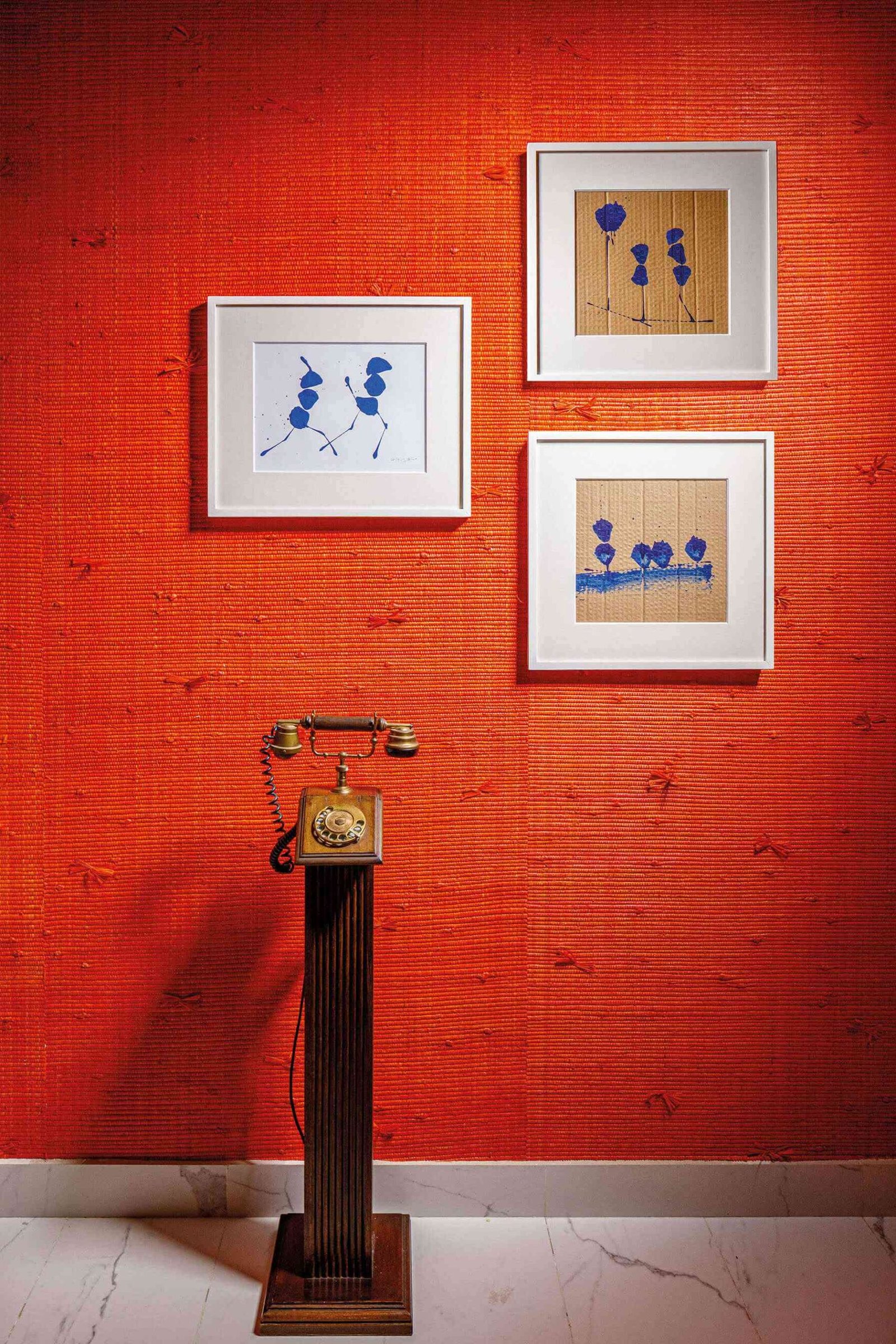
Emaho: For you, design marries intemporalité, humilité, conviction. How does this philosophy turn client intimacy into personalized, functional sanctuaries?
Hind Magoul: Every project starts with listening. Understanding a client’s habits, desires, and ways of living is essential. From there, I select materials, forms, and textures that endure beyond trends. Humility guides me to respect the client’s story, while conviction drives me to craft spaces that are functional, sensitive, and timeless. The result is a sanctuary that is truly theirs, where every element reflects both personality and purpose.
Hind Magoul: Working alongside Said Berrada on several remarkable private residences was, in many ways, my true masterclass in this profession. What makes him exceptional is his rare ability to move seamlessly between architecture and interior design, treating both with the same level of thoughtfulness and precision. He has an extraordinary eye for proportion, materials and light, and an almost obsessive attention to detail that elevates every project. Working with him taught me the importance of coherence.The idea that architecture, interiors, craftsmanship and atmosphere must all speak the same language. Being on site, witnessing his rigor and the high standards he holds for every element of a project, sharpened my own eye and deeply shaped the way I approach spaces today.
Later, spending years working closely with renowned international design brands and editors further refined my perspective. Engaging with iconic pieces, understanding their history, their craftsmanship and the thinking behind them allowed me to develop a deeper sensitivity to design. It reinforced something fundamental to me: design is never only about aesthetics. It is about function, proportion and intention. the subtle intelligence that makes a space not only beautiful, but truly meaningful to live in.
Emaho: Passionately fusing zellige textures and woodwork with modern polish, what is your favorite project reviving Morocco’s crafts without cliché excess?
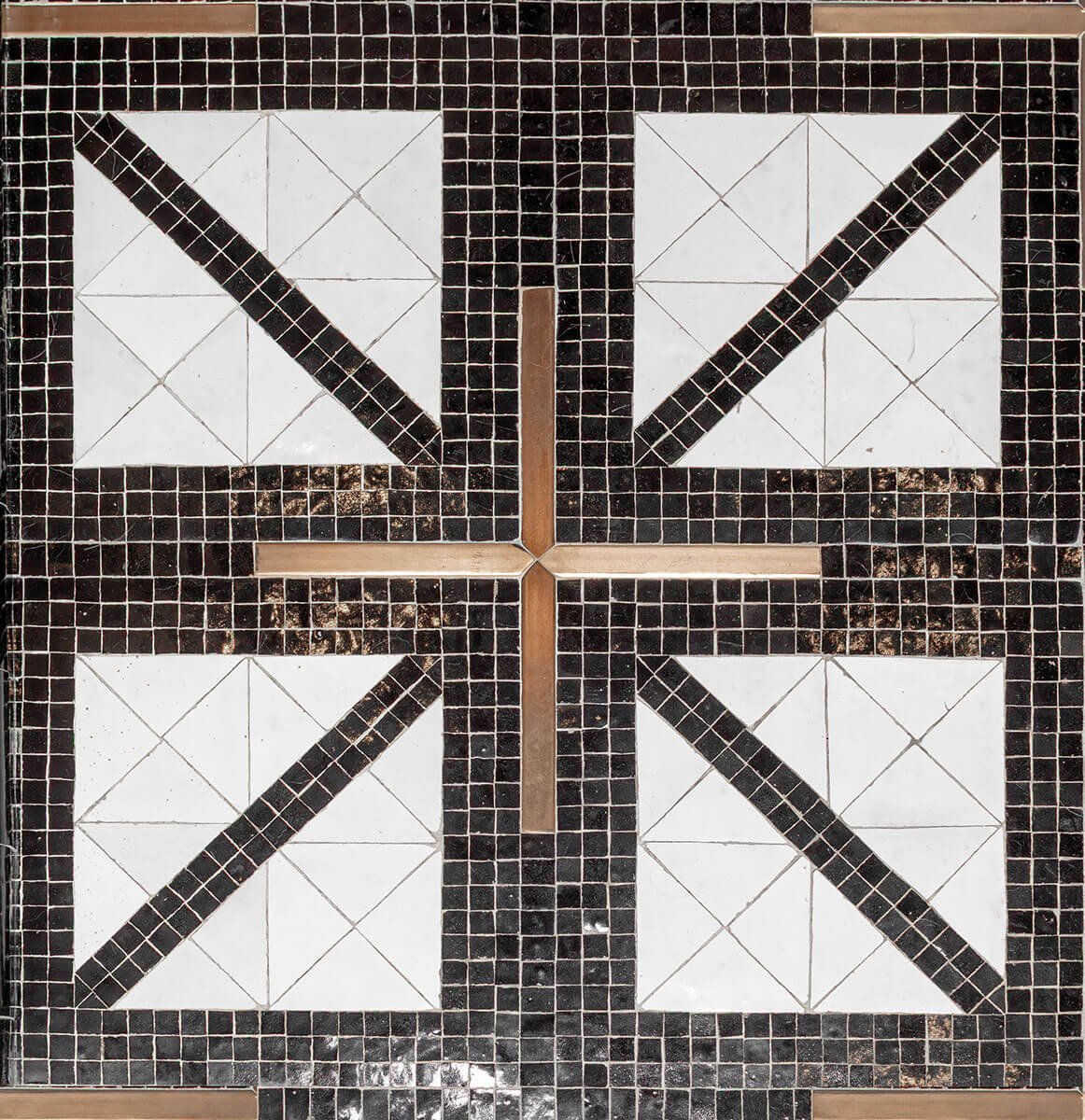
Hind Magoul: My collaboration with Aït Manos on my zellige collection exemplifies this. We explored geometric calepinage inspired by ancient mosaics, integrating brass to bring warmth and precision. It’s a project that honors Moroccan crafts while translating them into a contemporary architectural language, avoiding mere decoration or clichés. The result is tactile, structured, and deeply rooted in history yet entirely modern.
Emaho: Artworks vibrate your spaces, scents define atmospheres. How do olfactive and sculptural layers elevate a room’s emotional alchemy?
Hind Magoul: I consider every sense when designing a space. Sculptural pieces create rhythm, balance, and tension, while scents craft memory and mood. Together, they transform rooms into immersive experiences, where the materiality of zellige, wood, or stone converses with fragrance and art. This layered approach turns interiors into living, emotional landscapes, not just visual environments.
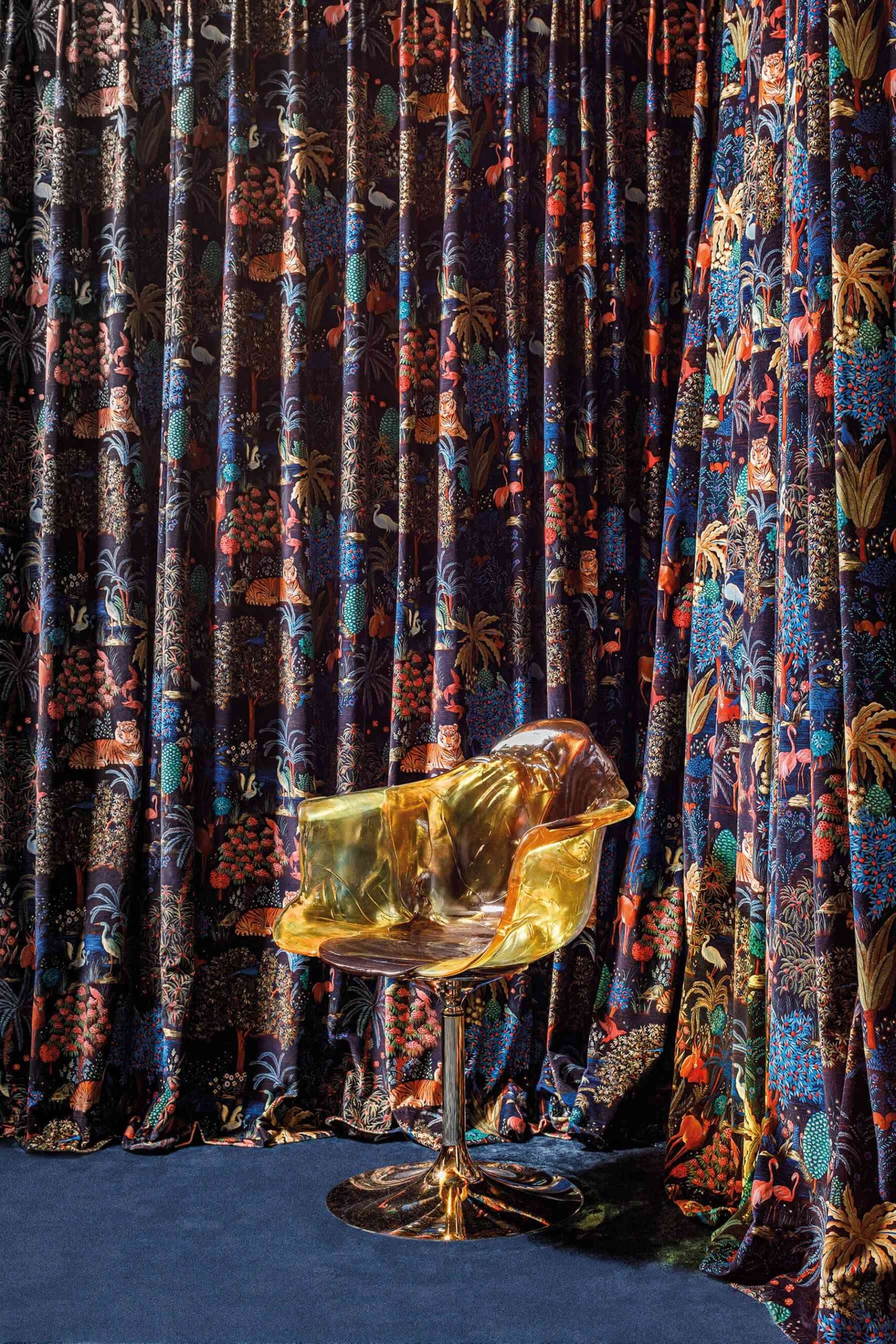
Emaho: As a female entrepreneur battling challenges to launch Hind Magoul Interiors, what adrenaline-fueled risk defined your independent leap?
Hind Magoul: Starting my studio in Casablanca nearly ten years ago was a leap of faith. Leaving the safety of structured employment, navigating client expectations, and building a high-end brand as a woman in a challenging market required courage, resilience, and conviction. The adrenaline came from trusting my vision, assembling the right team, and asserting a signature approach that remains both sensitive and bold.
Emaho: Travel fuels your refined sobriety. What recent journey sparked a material innovation, like stone’s myriad textures, in your work?
Hind Magoul: A recent trip to Italy, revisiting Ravenna’s mosaics, inspired the geometric calepinage in my zellige collection. Observing ancient compositions and textures reminded me that historical references can be reinterpreted through moroccan materials. This has directly informed how I layer zellige, brass, and stone in ways that feel contemporary while paying homage to millennia of craft.
Emaho: Crafting your furniture collection with artist collaborations, what bold fusion of Moroccan heritage and modernity can clients expect soon?
Hind Magoul: Clients can anticipate pieces that translate traditional Moroccan motifs into functional, sculptural furniture. My collection merges zellige patterns, metal inlays, and fine woodwork with modern forms and proportions. It’s a dialogue between heritage and innovation, where each piece tells a story while meeting the practical demands of contemporary living.
Emaho: Dreaming of a museum amid ambitions for savoir-vivre services, how will Hind Magoul redefine Moroccan interiors globally in the coming years?
Emaho: Your zellige collection has garnered attention for its geometric sophistication. How do you see it evolving, and what can clients expect in terms of customization or future series?
Hind Magoul: The zellige collection is designed as a flexible platform for architectural expression. Clients can choose color variations, brass inlays, and scale, allowing the pattern to integrate seamlessly into residential or hospitality projects. The collection will evolve with new palettes and finishes, maintaining its core geometric language while adapting to diverse environments and contemporary lifestyles.