Emaho: Slash Objects doesn’t fit neatly into the categories of art or design. When you begin a new piece, do you think about where it will sit in that spectrum, or do you prefer letting the object define its own identity?
Arielle: When I design a piece, I’m responding to a sense of absence—something I feel should exist but doesn’t yet. The work begins as a question rather than a category. I’m not trying to position an object as art or design; I’m trying to resolve an idea through form, material, and use.
I think of each piece as a way of thinking made physical. What matters is whether the object holds its own logic, whether it feels inevitable once it exists. The spectrum between art and design only becomes relevant afterward, when others try to name it.
Emaho: Your background in architecture is often mentioned when people talk about your work. Even though you’re no longer designing buildings, in what ways does architectural thinking still guide how you approach making objects?
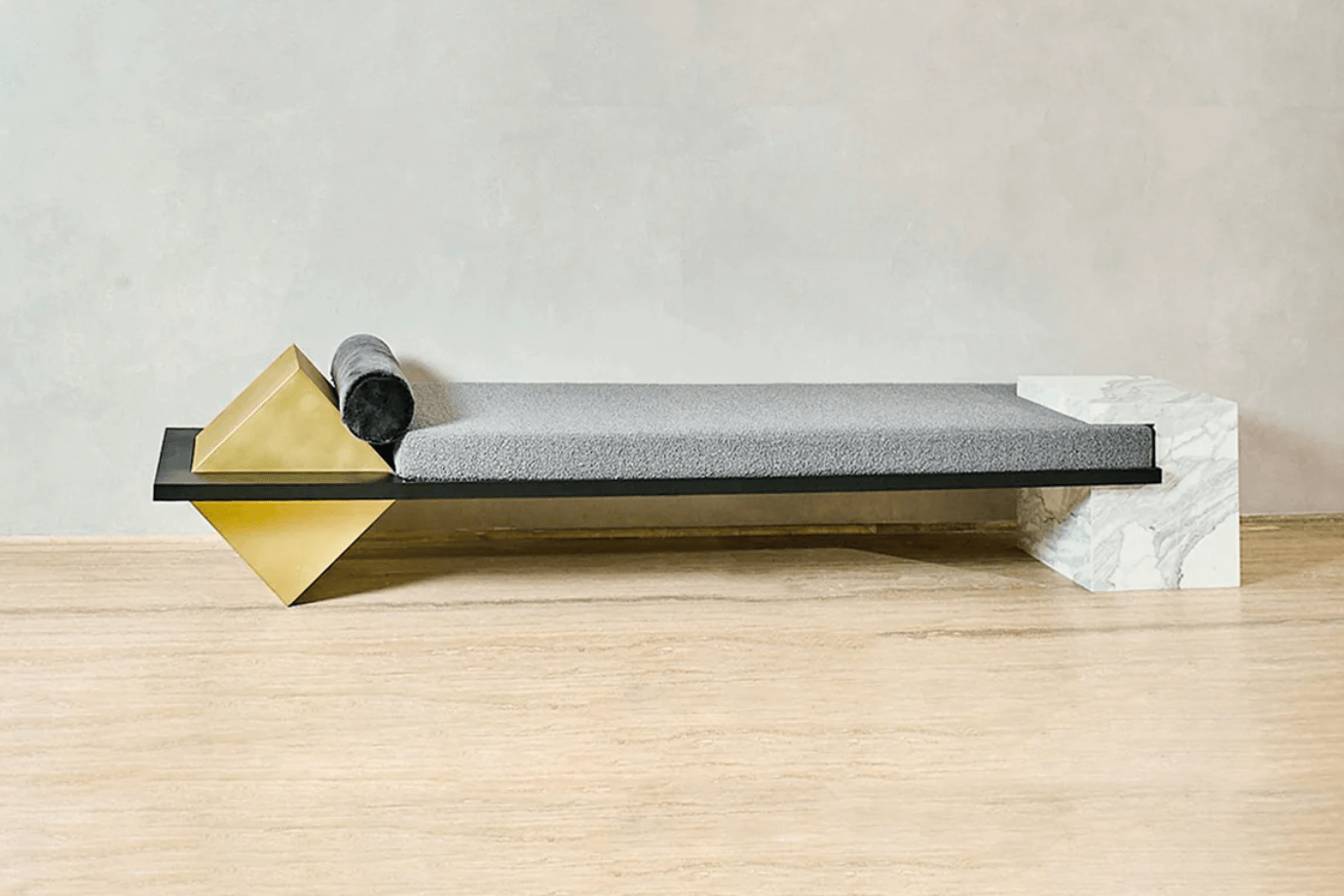
Arielle: My architectural training was grounded in a rigorous approach to material use and geometry, and those principles still guide how I make objects. Even at a smaller scale, I think in terms of structure, load, proportion, and how elements relate to one another in space. Objects, for me, are condensed architectures. They carry the same questions—how material behaves, how geometry organizes experience, how something is encountered and used over time.
Architecture also taught me discipline: to strip things back, to justify every decision, and to let material and construction do the work rather than relying on surface gestures. That mindset remains central to my practice.
Emaho: Many of your pieces are produced through industrial processes rather than traditional studio craft. How do you think about authorship and control when a work is made through collaboration with factories and technical teams?
Arielle: As a designer, I rely on small-scale artisans and fabricators to bring the work to life, but authorship remains very clear. I define the concept, proportions, material intent, and constraints from the outset. The making is collaborative, but the framework is precise.
Working with specialized workshops allows for a level of control that’s different from both studio craft and mass production. There’s deep technical knowledge on the fabrication side, and the work evolves through close dialogue, testing, and refinement. Decisions are shared, but responsibility for the final form stays with me.
I’m interested in that in-between space—where contemporary design meets skilled making—using craft not as ornament, but as a disciplined, intentional process that serves the idea of the object.
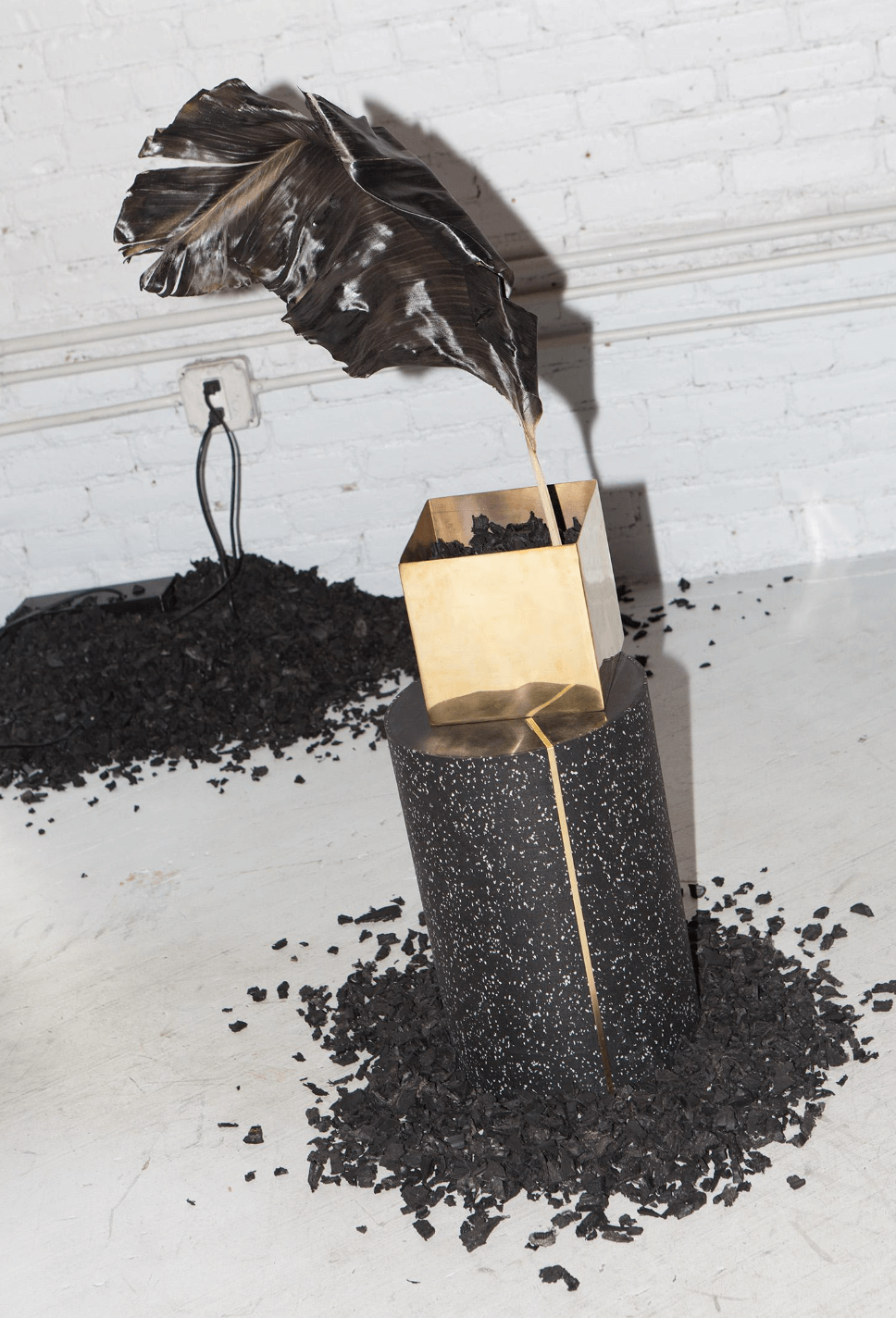
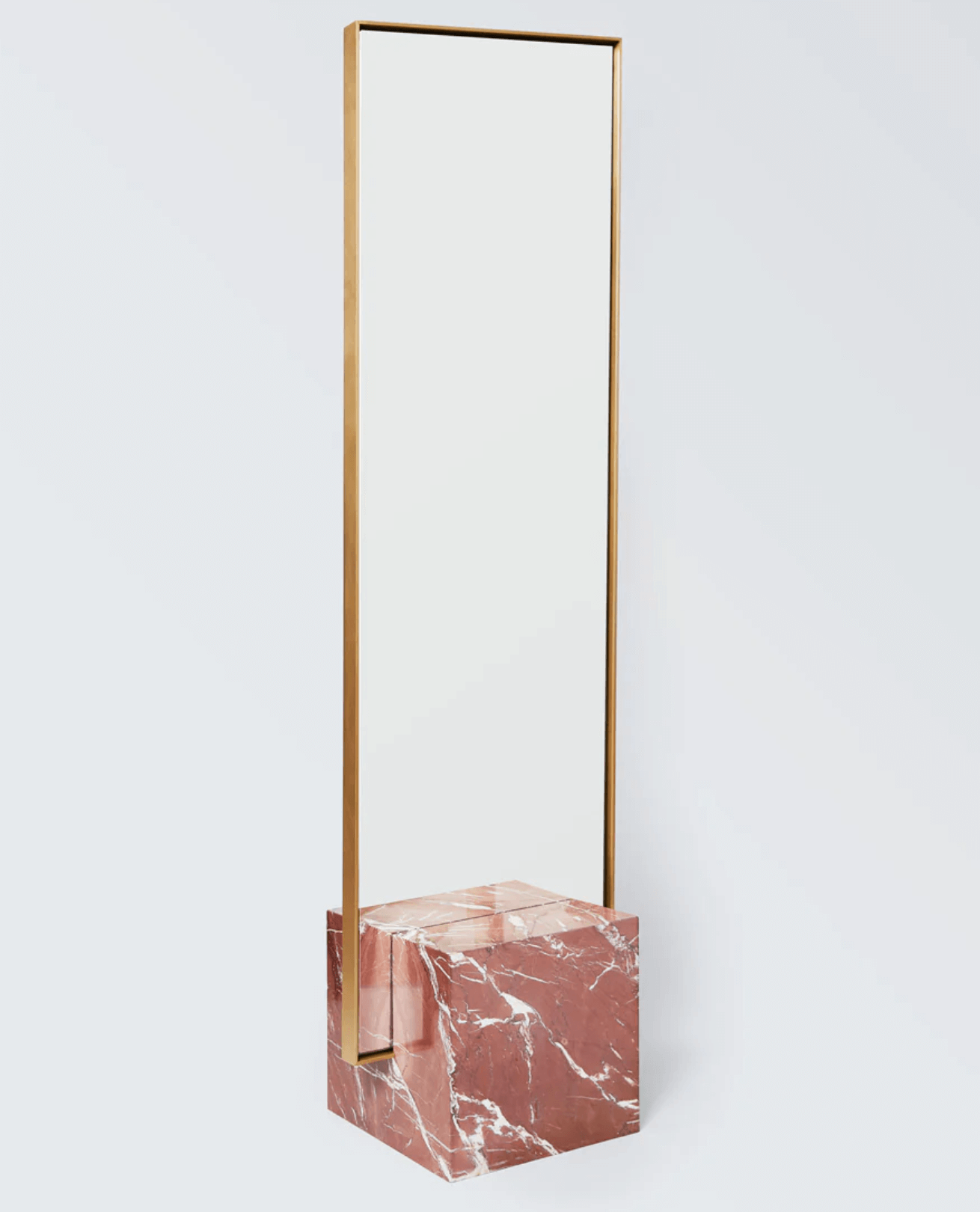
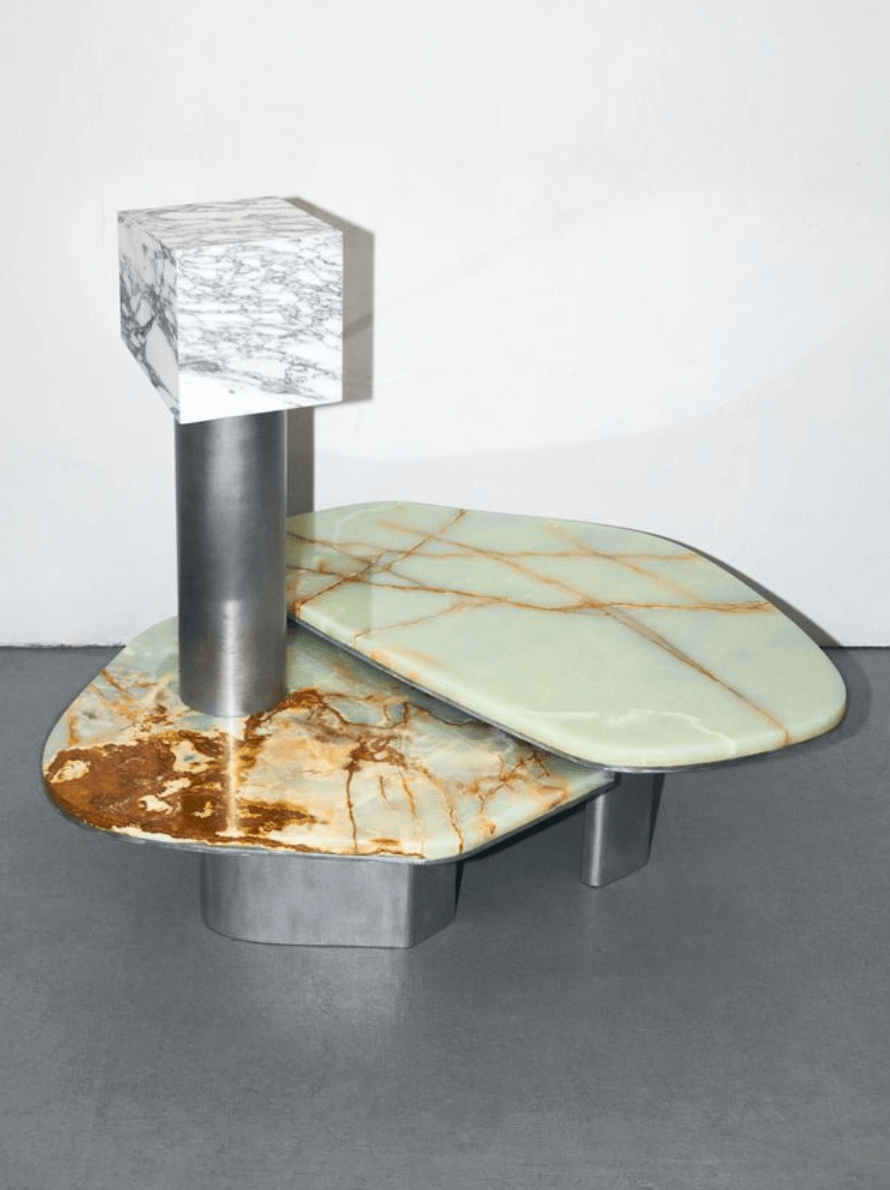
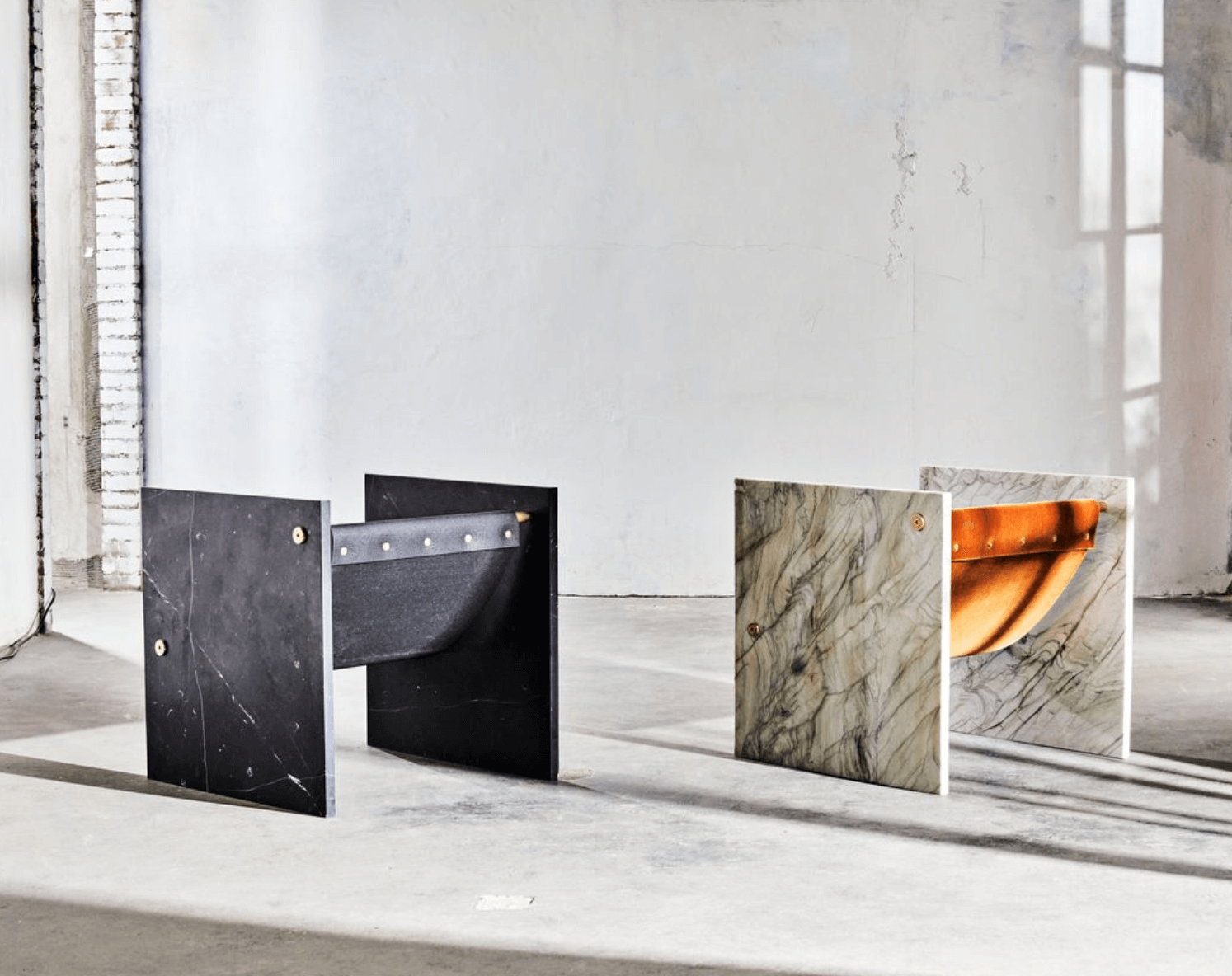
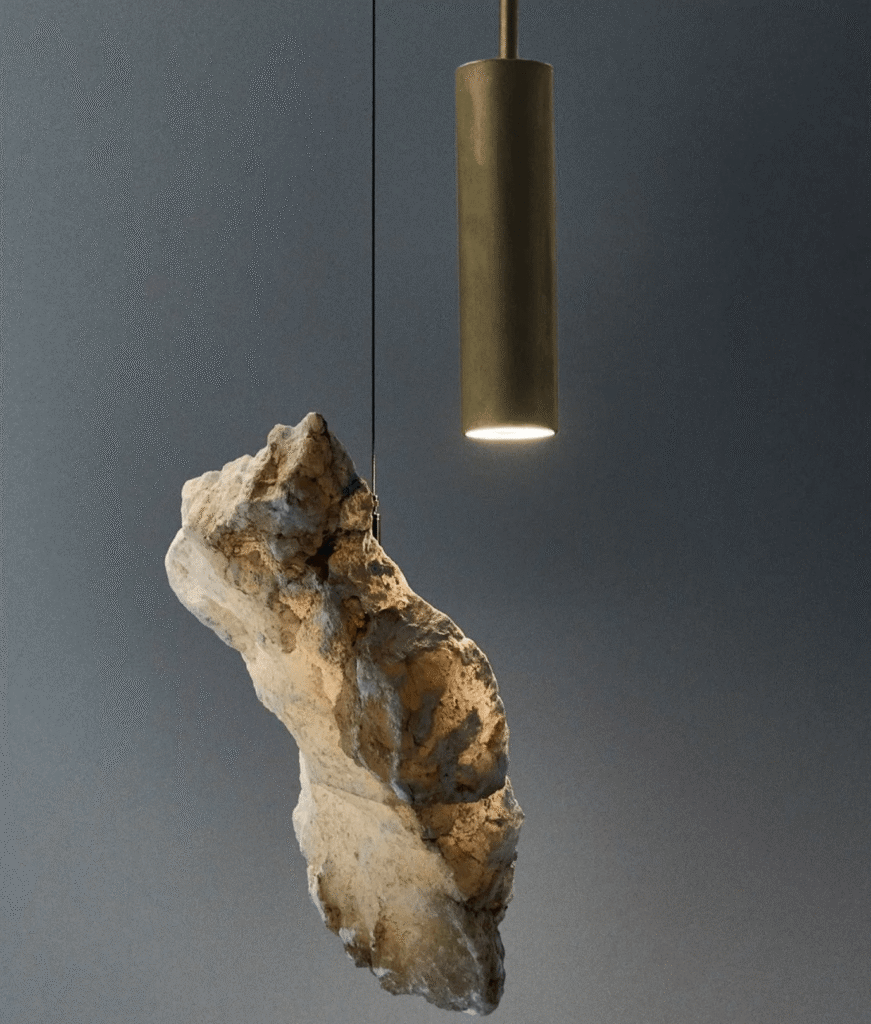
Emaho: Material plays a huge role in your work—especially your use of recycled rubber alongside stone or metal. What draws you to these combinations, and how do you decide when materials are “speaking” well together?
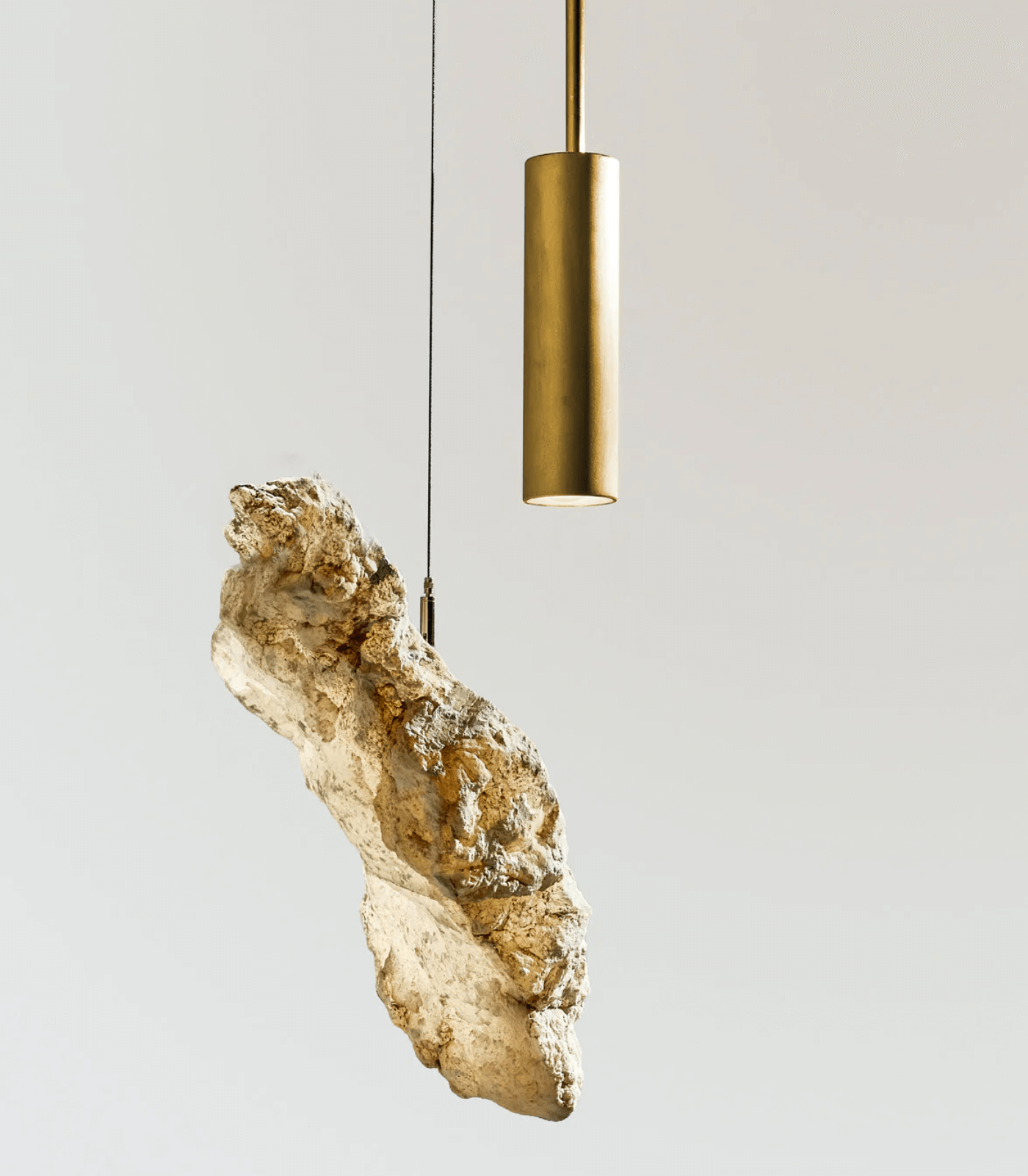
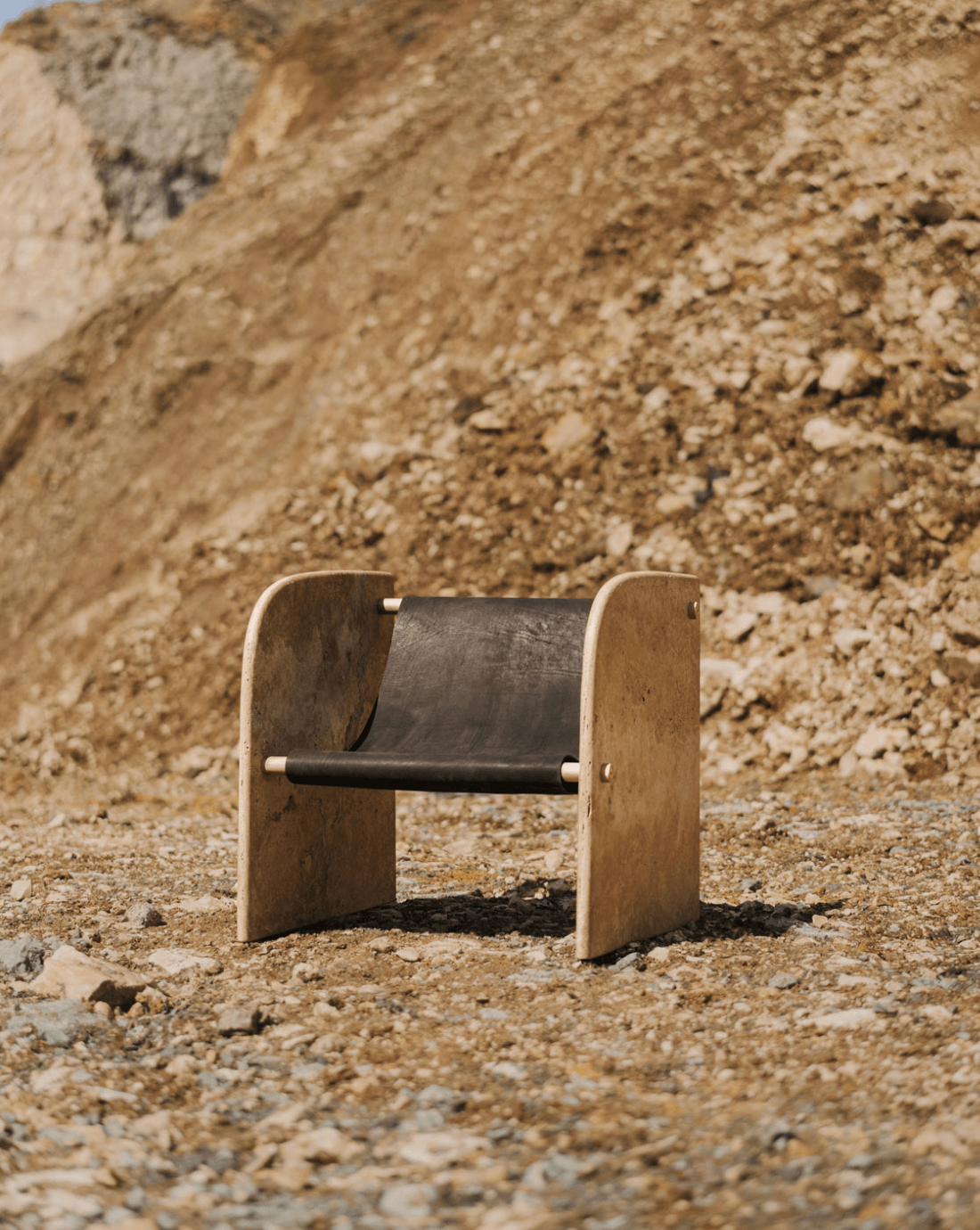
Arielle: I’m drawn to materials that carry time visibly. Stone and metals age in ways that feel honest—they develop patina, wear, and softness rather than degradation. Their surfaces record use, touch, and environment, and that accumulation becomes part of the object rather than a flaw.
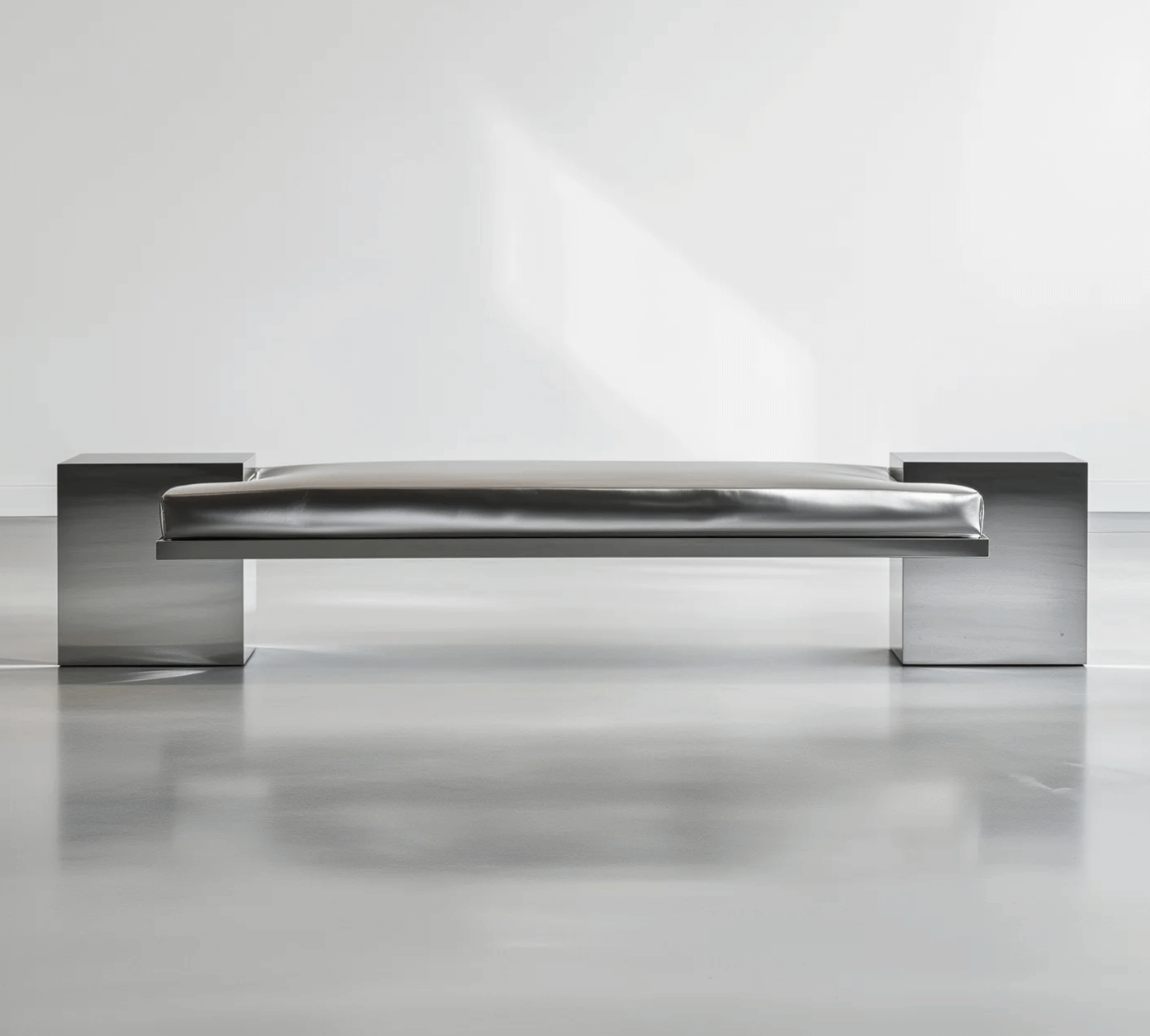
The rubber enters from a different place. It’s a utilitarian material, made from discarded tires which are all too prevalent. I’m interested in elevating it—treating it with the same seriousness and care as materials that are traditionally considered precious. The combination to me is an exercise in using design to transform reality and create desire.
Emaho: Slash Objects has been presented in galleries, design fairs, and commercial spaces. Does the context change how you expect people to experience your work, and does it ever influence how you design a piece?
Arielle: Context inevitably shapes how a piece is read, but I try not to let it dictate the design. The work needs to hold its own whether it’s encountered in a gallery, a fair, or a lived space. I would love to opportunity to design for my own gallery show one day but until now, I usually create the work without knowing the final place it will be received. I imagine realities and hope they become true. 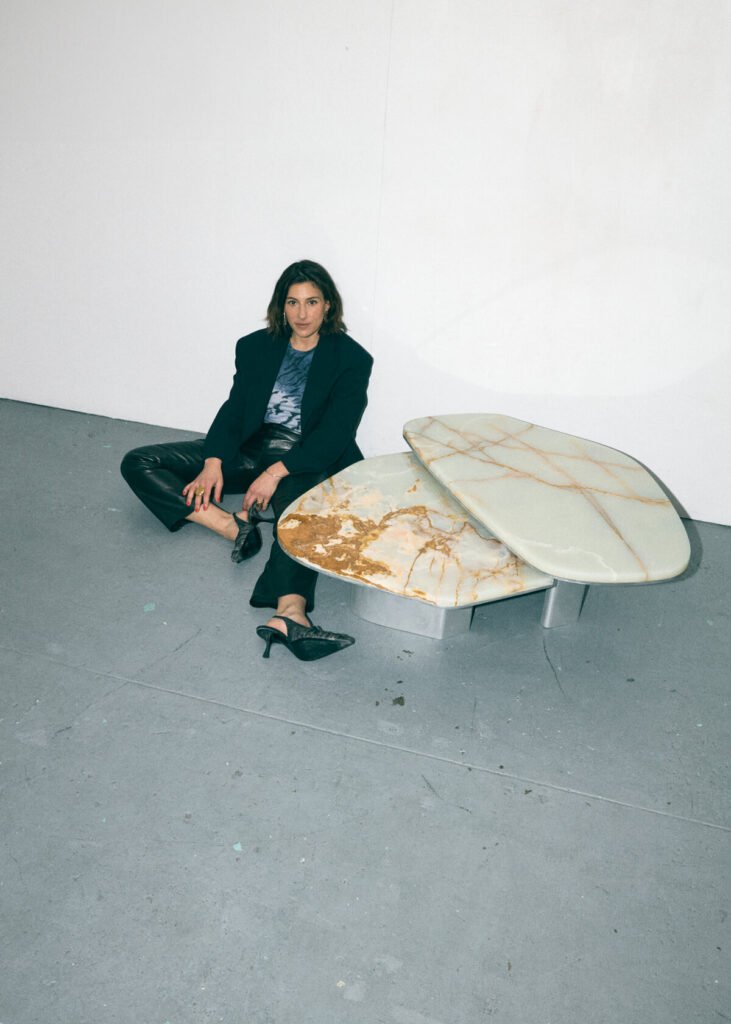
Emaho: We consume so much design today through images on screens. In a world of endless scrolling, what do you think physical objects can still offer that digital images can’t?
Arielle: I think we are gravitating back to the tangible because of much of our world is digitized. This is true with film and cameras people are returning to as much as it is for books and print. We create artifacts of humanity as a way of decoding our world. It is essential for the human condition.
Emaho: You’ve spoken before about transformation as a key idea in your practice. When you’re working, how do you balance intuition and experimentation with the practical limits of materials and production?
Arielle: The balance of practicality and desire are at the center of how I conceive of a piece – favoring done over perfect as a means to actually make things possible in this world. Constraints are famously a designers best friend- without any limitations I’m not sure anything would materialize as there are too many possibilities. I’m always pushing the boundary of what we can get away with.