Emaho: You grew up in Mexico, completed a Bachelor of Science in Industrial Design at Art Center College of Design in Pasadena, and worked your way through internships at Hyundai and 3M, famously carving a potato to build a portfolio model and being described as a wildcard pick for your 3M placement. You have spoken candidly about your struggles with traditional education before finding your footing through those unconventional early moves. What did those experiences teach you about how design ability actually gets recognized in an industry that relies heavily on formal portfolios and institutional credentials, and is there something fundamentally broken about how industrial design identifies its best talent?
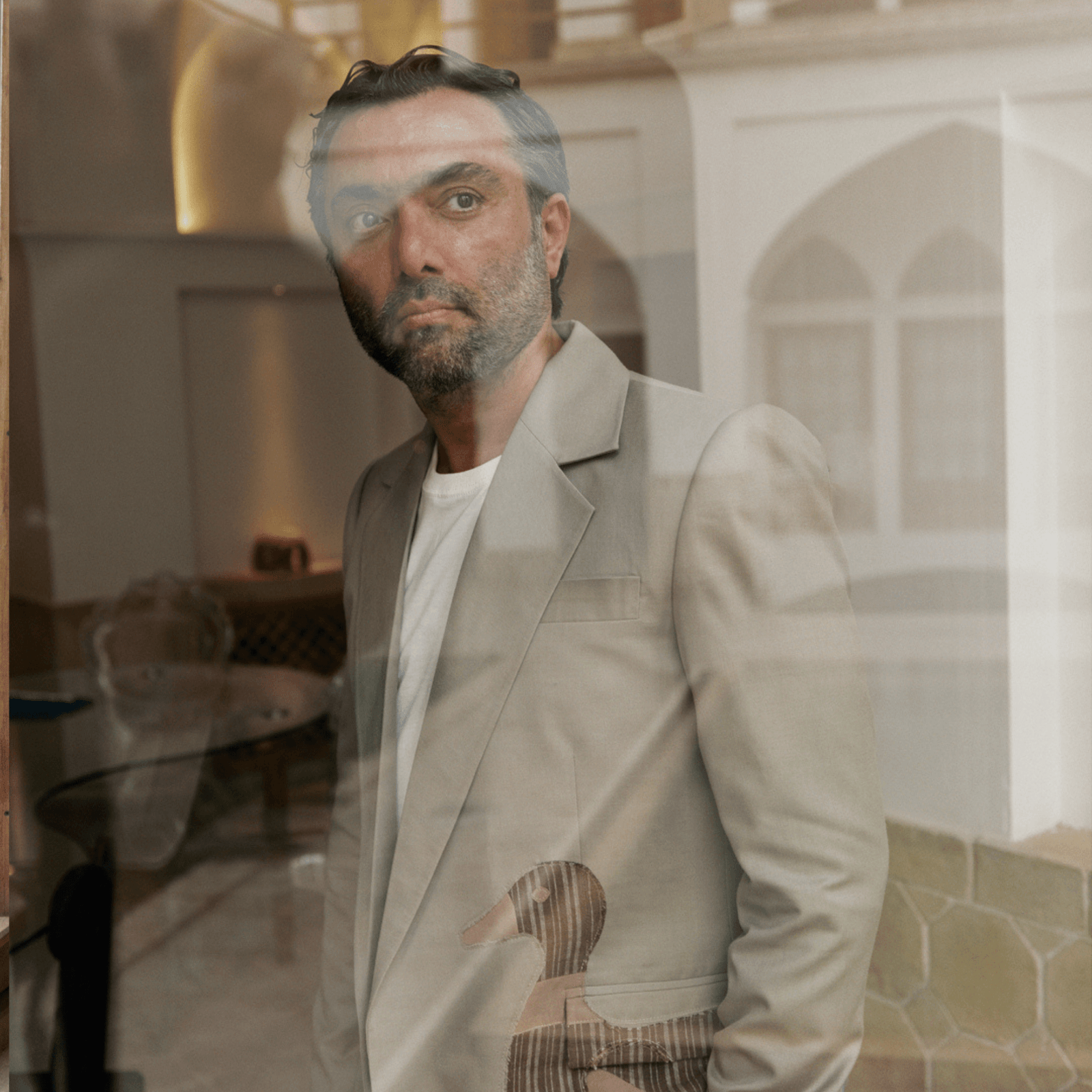
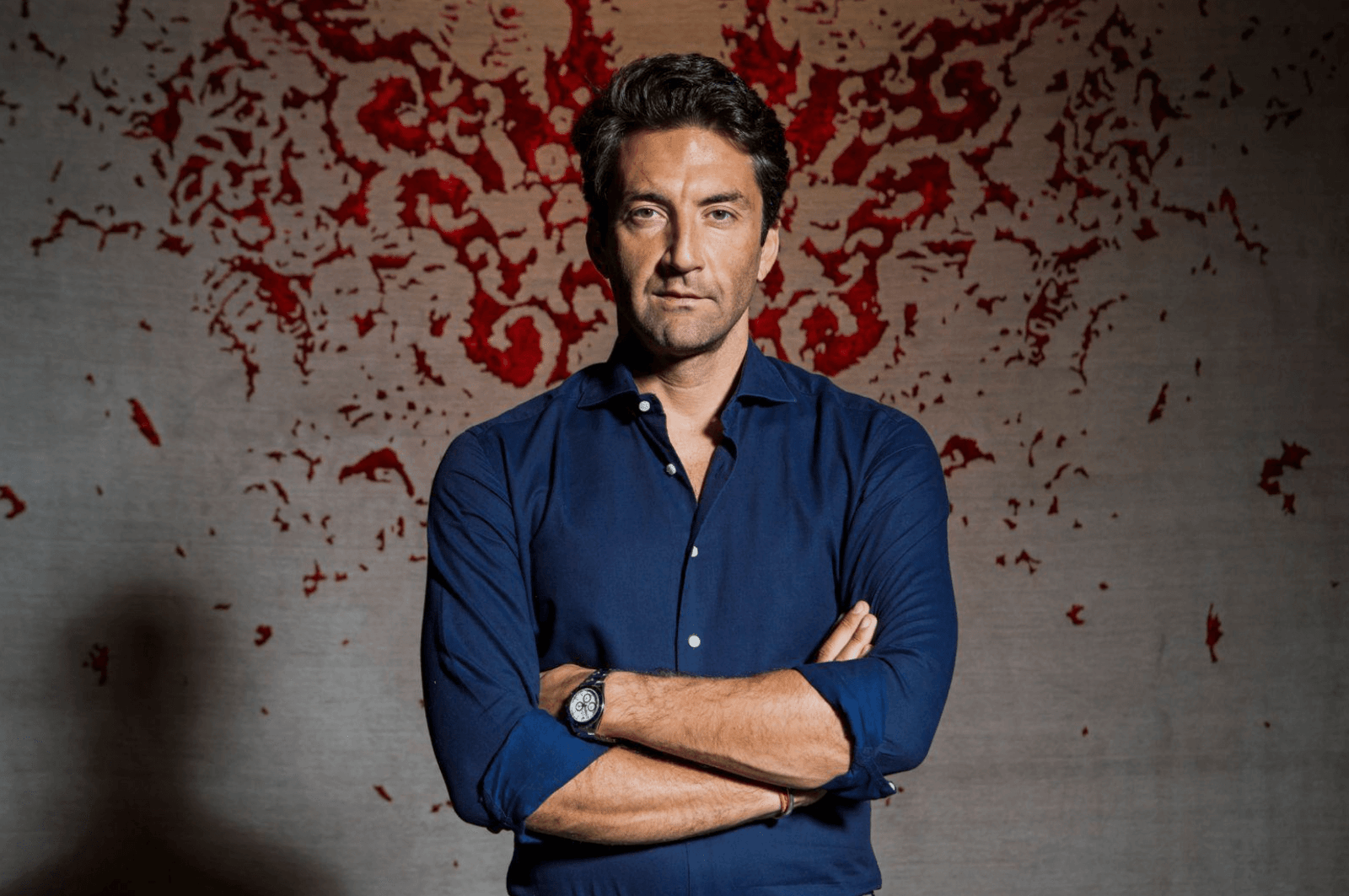
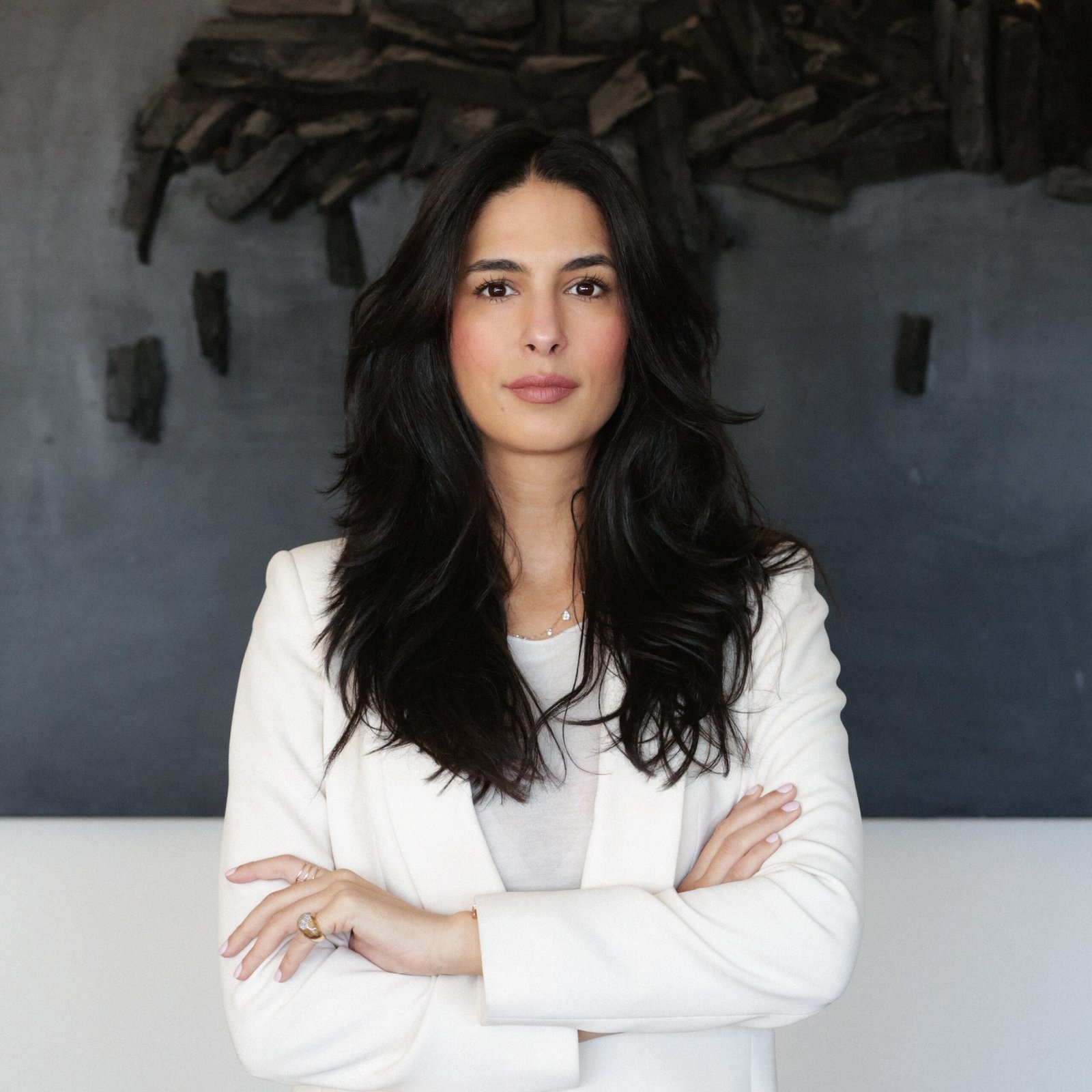
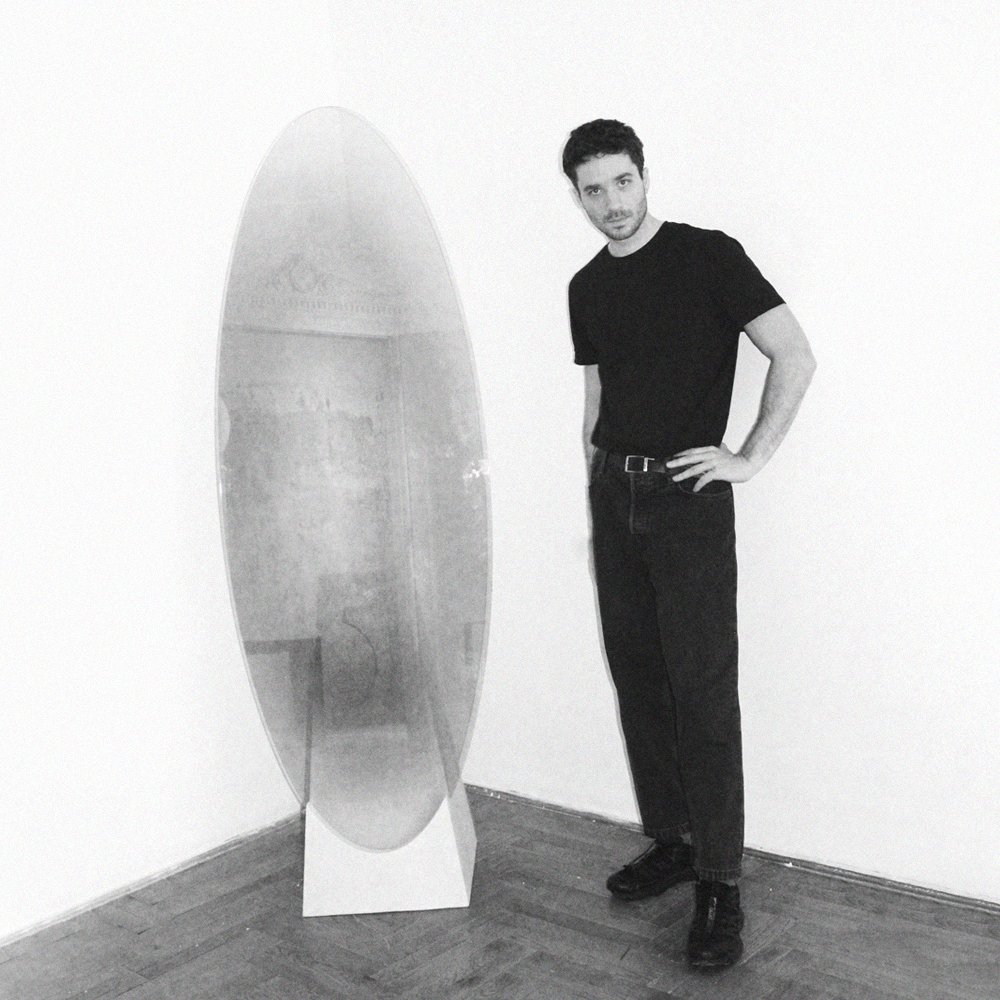
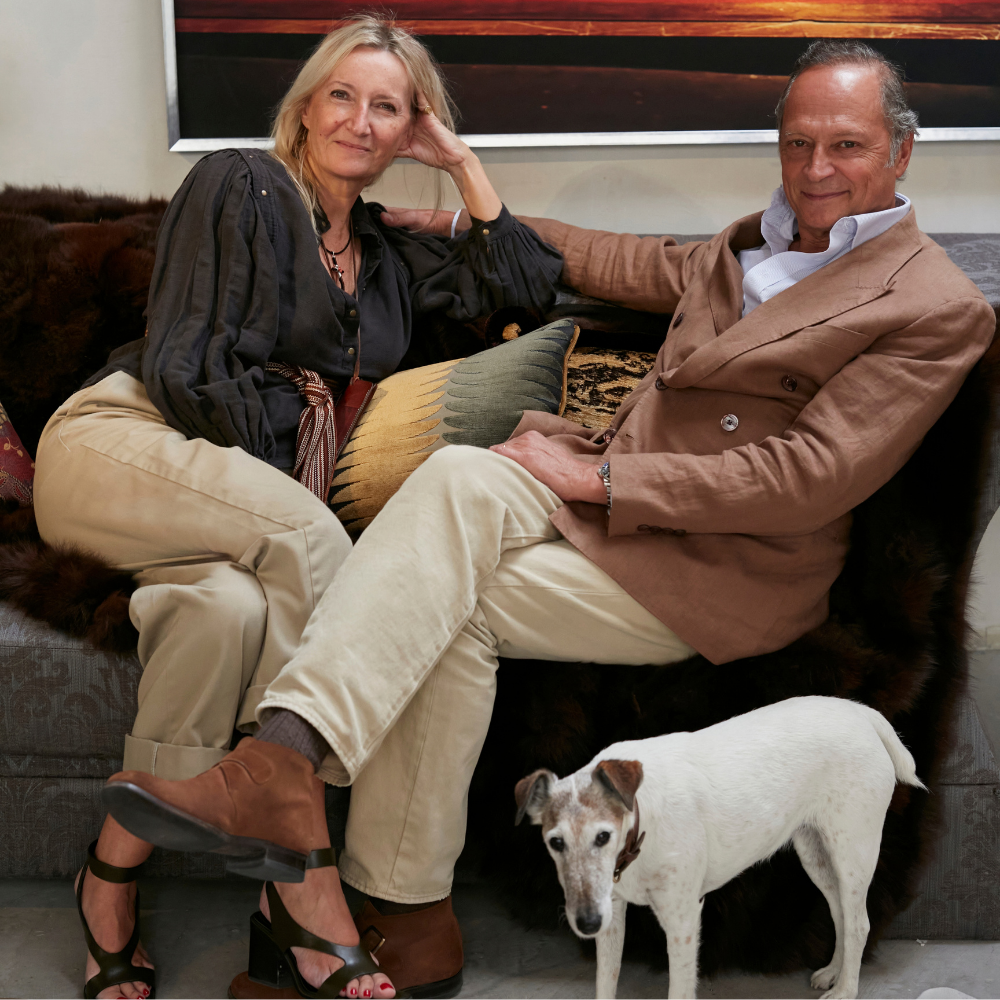
Alberto Essesi: The studio has now been founded by myself and my wife, Anna Esses. Alan collaborates with engineering on specific projects but is now working at Tesla full-time. I found that design is a puzzle with infinite paths to find the answers. Schools try to push everyone to follow the same path. The problem with that is the designer is a piece of the puzzle, and when they try to make you fit in a slot that you were not made for, even if the rest of the puzzle works, the key piece will not allow you to complete it.
I’ve had the opportunity to visit various schools inside the USA and abroad, particularly in Europe and Mexico. Most teachers are teachers. That is not what students need. They need professionals who teach. A professional who retired even 5–10 years ago is going to guide students through an incredibly outdated process.
Your portfolio is your holy grail as a designer. It is the one thing that defines you and your work. You cannot allow someone else to dictate how it should be. I fight every day to stay true to my principles and philosophy, and it’s a fight I will have throughout my entire life. Institutional credentials do not matter. For my studio, I do not care about your grades or even if you went to school. All I need to see is your portfolio. That will instantly show your point of view, skills and taste.
Emaho: Your career moved from Lead Industrial Designer at Tesla’s Design Studio in Hawthorne, California, to Head of Design at Mytra, where you worked on the future of autonomous robots, before you co-founded Essesi with your brother Alan, who was then a mechanical engineer at Formlabs. That is a deliberately varied trajectory across vehicles, robotics and then your own independent product brand. What did each of those roles give you that the previous one could not, and at what point in that sequence did you know you needed to build something entirely on your own terms?
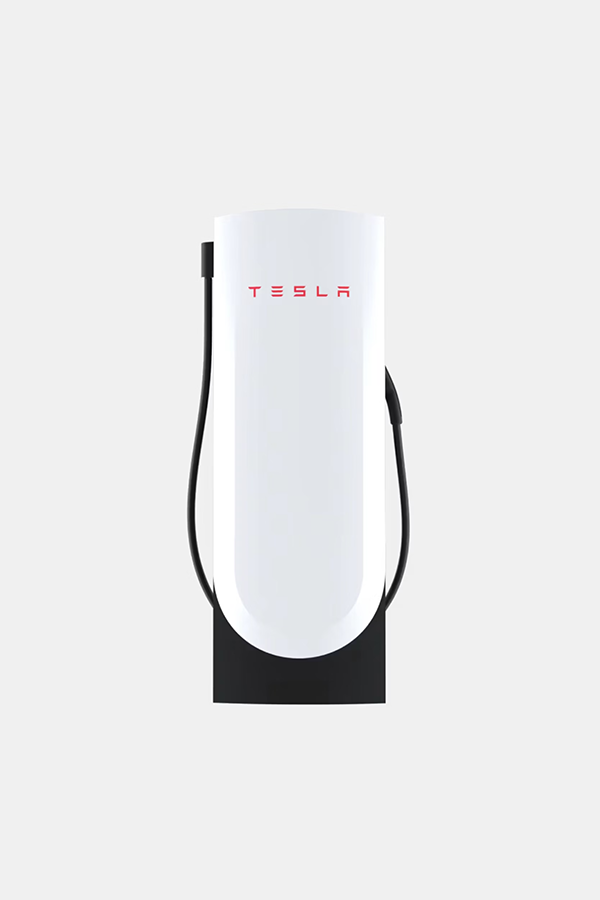
Alberto Essesi: Being at Tesla broke an illusion I had. That illusion was that large companies are “aliens” – that they know something you don’t, that the people working there are from another planet, untouchable, and that no matter what you do, you simply cannot compete. After seeing how decisions are made, being in the same room as Elon Musk and many important people, I realized that the decisions they make and the decisions you or I make are fundamentally the same. Apart from that, I learned the entire process of going from sketch to full production on dozens of products, and that also gave me confidence.
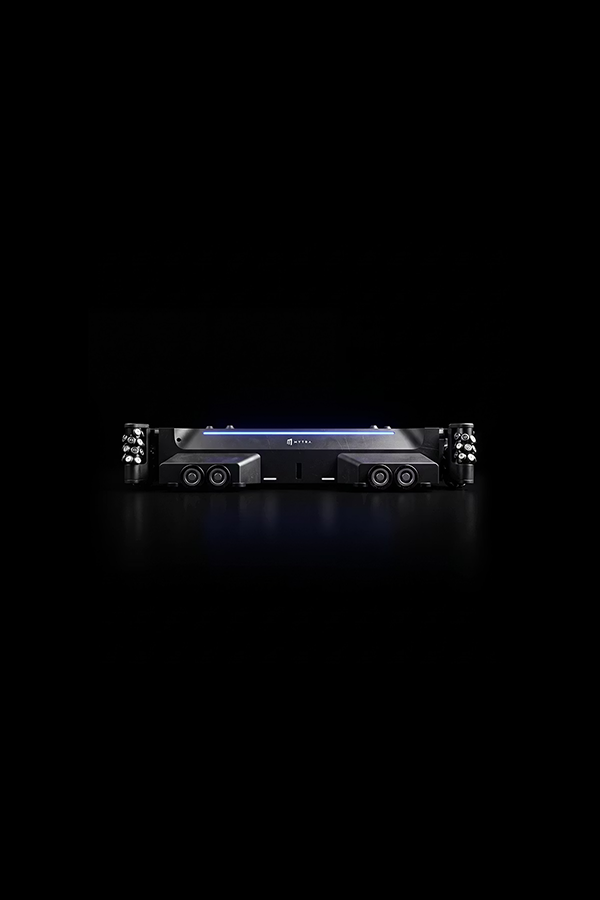
After Tesla, I became Head of Design for Mytra Robotics, a company founded by Chris Walti, who was the first lead engineer of the Tesla Humanoid. There, I was tasked with designing every touchpoint of the company, including the bot design, structure, UI, website, and, of course, creating the design studio and building a team.
During this time, I learned to think about design as strategy for a company, not only viewing myself as an industrial designer working on a specific product or object. To start your own studio, you must understand design as strategy, understand it as a business, and become someone who motivates and brings people together to reach a common goal. It’s easier to sell your skills than to sell your point of view. That is why many studios fully adapt to what the client wants, whether it is the right path or not for the client.
I see my role as not only making our clients happy but also as our responsibility to guide them through a path they might not yet be able to imagine. People always quote the phrase, “The client is always right,” but forget the full quote: “The client is always right, in matters of taste.”
Successful companies go beyond individual taste, and our mission is to collaborate with companies that are open to exploring beyond what they think they know.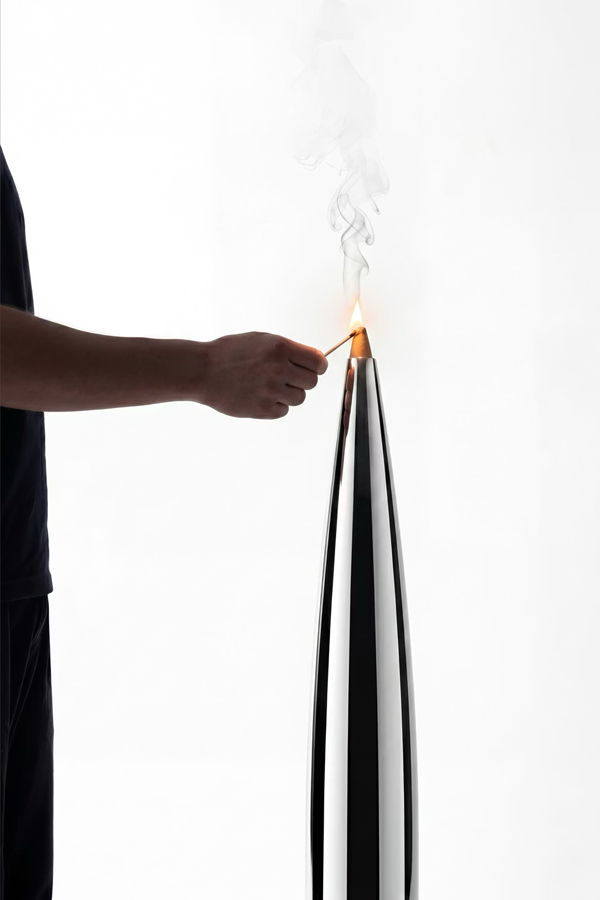
Emaho: Essesi’s founding mission statement is deliberately unconstrained: a growing collection that celebrates each object and its place in its environment, designed to elevate a moment, stimulate curiosity and create conversation, with no commitment to a particular product category or theme. That is the opposite of how most design businesses position themselves. How do you actually make decisions about what to design next when you have given yourself no brief, no category boundary and no repeat production, and has that freedom ever felt paralysing rather than liberating?
Alberto Essesi: We choose not to focus on any individual sector, as I have found that designers who hyper-focus keep replicating the same solutions over and over, while we are exposed to new ways of thinking from different sectors every single day. For me, it has been liberating and exciting. Every day is different, and we get to constantly learn and keep growing.
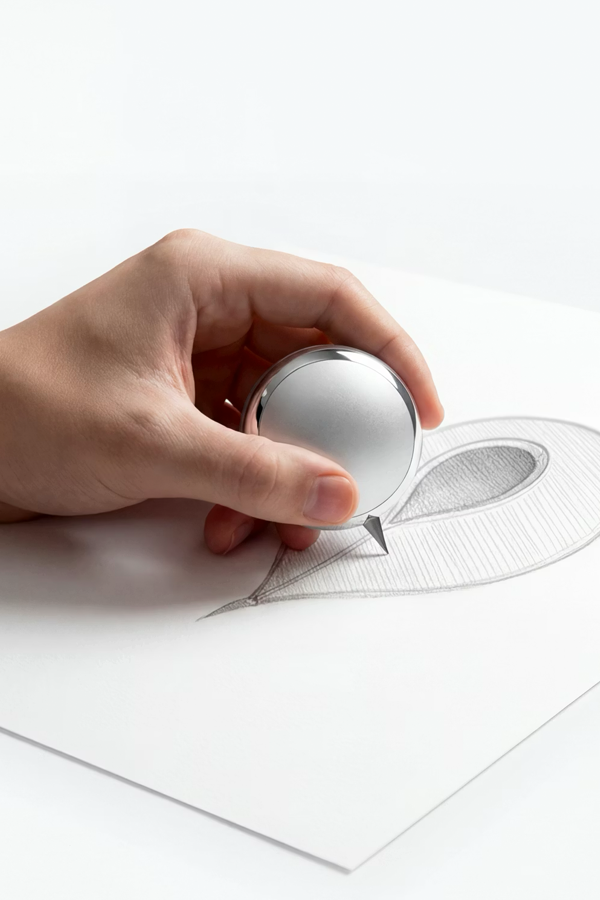
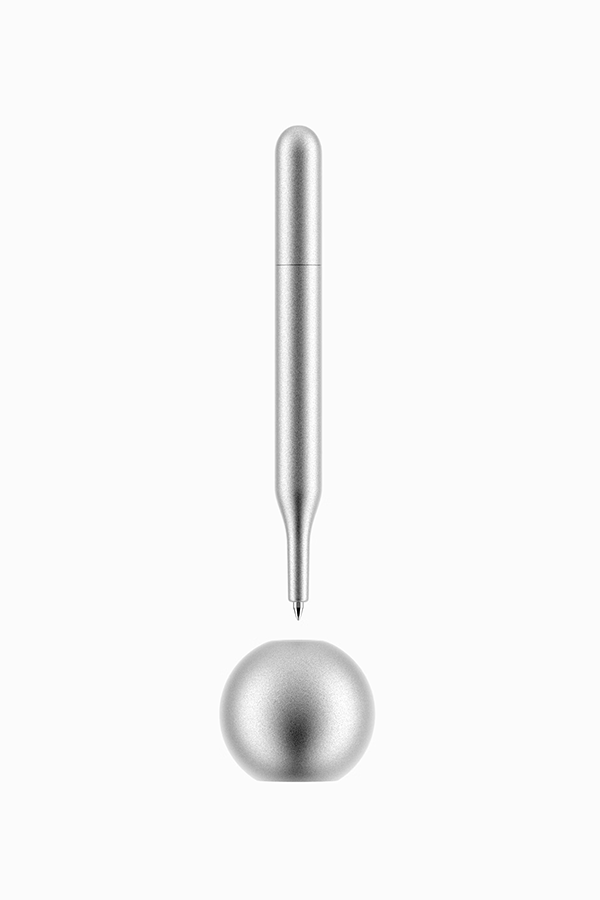
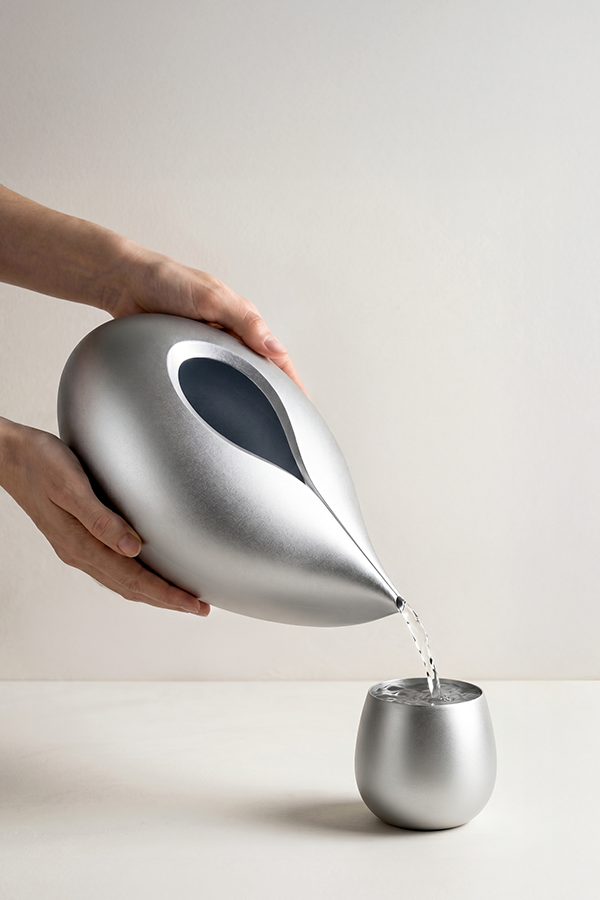
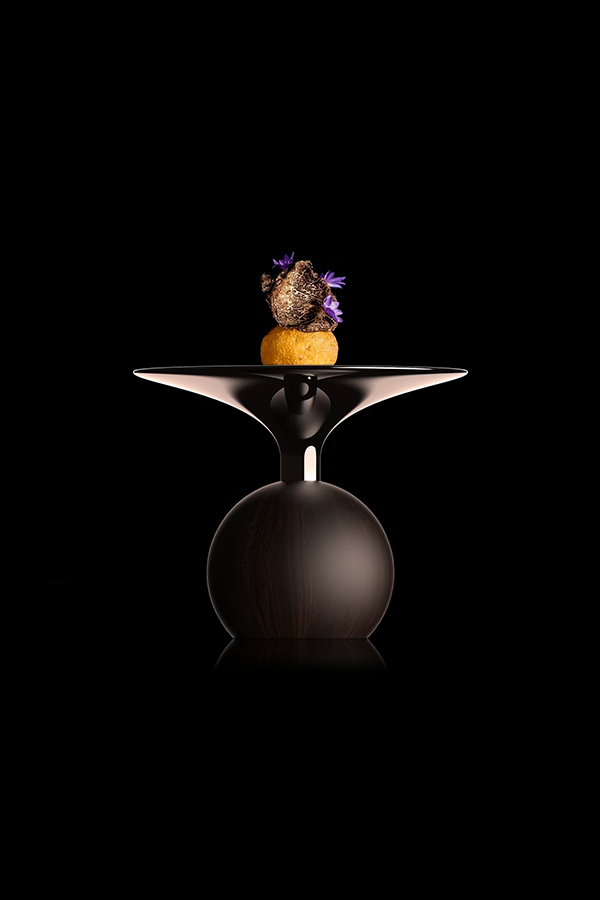
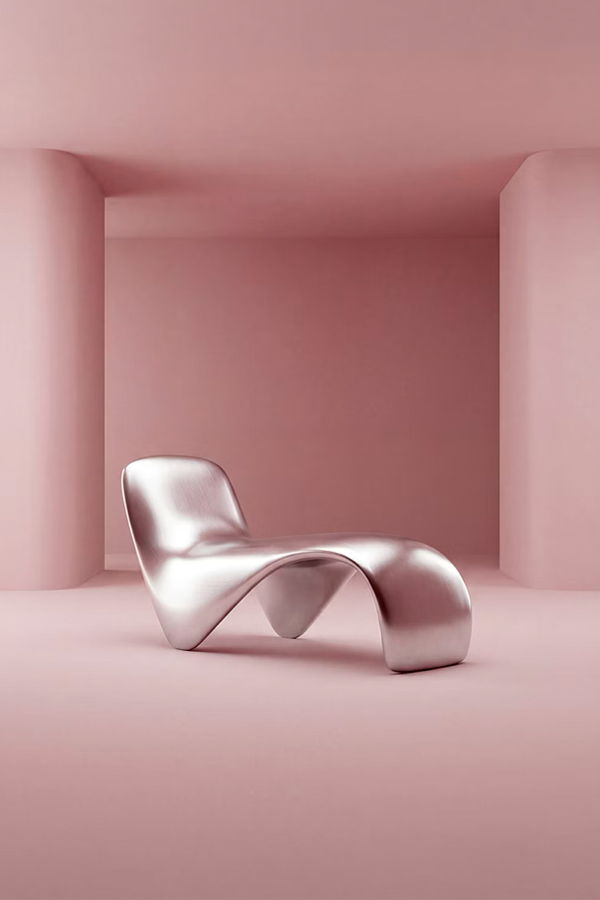
Emaho: Every Essesi product, from the lounge chair to the water pitcher, candle holders, pestle and mortar, and mood light, is manufactured in limited quantities and, once sold out, is never reproduced. That is a radical position for a product design brand in a market built on scalability and restocking. What does the decision never to reproduce a sold-out product ask of you as a designer in terms of how much you invest in each object, and does it change the way you feel when a piece sells out completely?
Alberto Essesi: Our collectible objects have limited quantities because we don’t want to become chair, pen or lamp producers. We always want to keep looking ahead, constantly creating and evolving. When we sell out, we are grateful, and our desire to keep moving forward increases.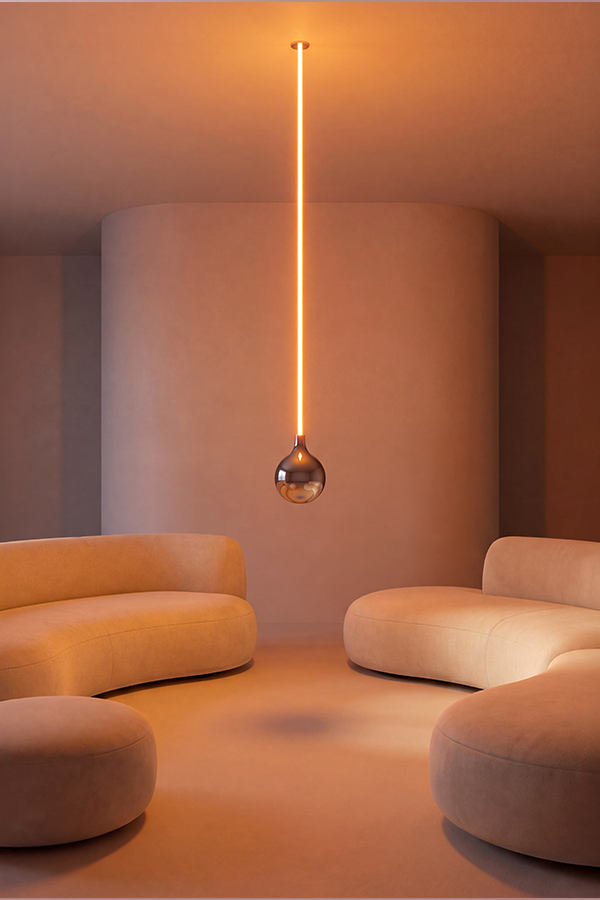
Emaho: You manufacture all Essesi products in Mexico, working closely with skilled craftspeople while using state-of-the-art technology, and you donate a portion of sales proceeds to non-profit organisations in Mexico that promote creativity and education. Most design brands manufacture where it is cheapest or most technically sophisticated. What made you commit to Mexico as a manufacturing home even when it created complications, and what has working with Mexican craftspeople given the objects that manufacturing elsewhere could not?
Alberto Essesi: We often create very high-end objects and want to give back to the community by donating a portion of the sales. Most of the products are manufactured in Mexico, as it is where I was born, and I wanted the objects to have their roots there.
I am obsessed with form and the endless pursuit of perfection, so we are always looking for the next manufacturing techniques that allow us to get closer to perfection.
Emaho: Your work across Tesla and Mytra included designing robots, drones, vehicles, architecture, collectible furniture, and objects for Michelin-starred restaurants. That is an extraordinary range of scales and typologies within a single industrial design career. What does designing an autonomous robot have in common with designing a candle holder, and is there a design principle you discovered at the extreme end of one of those scales that only made sense to you when you applied it at the other?
Alberto Essesi: Apart from the manufacturing techniques you can learn from designing technology that can later be transferred to furniture and objects, the most important aspect for me is to not box myself in. Humans have evolved to detect patterns and become efficient, and this can push us to constantly replicate the same solutions that bring us comfort. However, comfort is the enemy of innovation. By always having to learn about a new sector, we are pushed to find new solutions, new ways of thinking, and new ways of solving the puzzle.
Emaho: Essesi was nominated for the ART DESIGN AWARD 2023, and your work has appeared at NKBA, where a project involving FreePower wireless charging technology is showcased in a boardroom table. That recognition spans both the collectible design world and the technology product world, two communities with very different values around what an object is for. How do you hold both of those audiences simultaneously, and which one surprises you more with what it responds to?
Alberto Essesi: Both communities have something very similar: the members of these communities are human. Believe it or not, we all have more things in common than we might think. As humans, we are looking to be surprised, to be excited, and to enjoy experiences. That is where our values in design overlap across every community.
Emaho: You have described yourself as a general creative who finds creativity in every point of life, and said it genuinely feels like doing something you love so much it does not feel like work. Most designers describe their practice as also containing significant amounts of frustration, compromise, and repetition. What is the part of Essesi’s work that does feel like work in the difficult sense, and what has running your own brand taught you about yourself that designing inside a large organisation like Tesla never revealed?
Alberto Essesi: The part that feels more like work is the business administration side. I enjoy creating more than filling spreadsheets. However, if we have to fill spreadsheets, that means we have clients, and therefore I am grateful to have to fill them, even if they are boring.
I learned to become more adaptive, to trust my decisions, and to never become complacent. I also understand that when we collaborate, clients put immense trust in us, and I can’t hide behind a boss or a company. I must do everything possible to help them be successful.
When designing for a large organisation, particularly as a designer, you don’t have any risk in your decision-making. If the product succeeds or not, it does not change your pay check. Your responsibility at a large company often ends when your boss accepts the design, and the responsibility is then transferred to them, and so on. When you have your own studio, you need to become your own filter. You are responsible for the success of the product, and you decide when it is “ready.” Not to mention, the resources you use are yours and not the seemingly endless resources that come from a large company either.
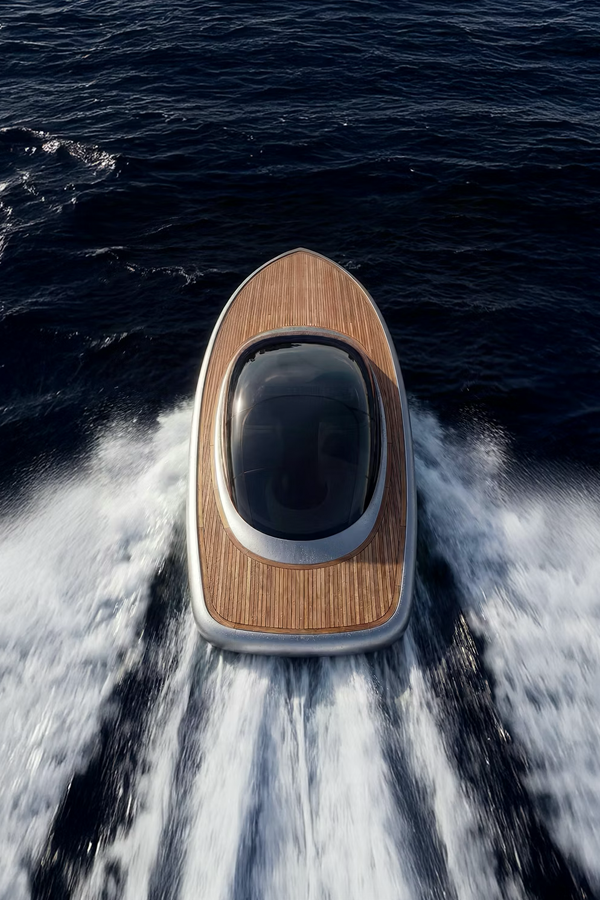
Emaho: Industrial design is entering a period of acute tension with AI-generated form, parametric tools that can produce thousands of product variations in seconds, and generative software that can aesthetically optimise an object before a human designer has sketched a single line. You trained at ArtCenter and built your career through the physical discipline of prototyping, model-making, and hands-on craft. Where do you think AI is taking industrial design as a practice, and is there a part of what you do at Essesi that you believe no generative tool will be able to replicate, or are you less certain about that than you were two years ago?
Alberto Essesi: AI will replace us, hopefully not quite yet. As of now, AI won’t replace you; a human using AI will. Today, AI is one of the most powerful tools humanity has ever created, just like the computer was not too long ago. Those who did not adapt to using computers disappeared, and the same will happen with AI.
That being said, until AI can replace us – and every job out there – designers are still incredibly powerful. That is why our studio’s mission is to “connect sentience to matter.” We want to advocate and fight for what is best for humans, even if AI can, at some point, execute better than humans can.
Emaho: Essesi is still a young brand with a deliberately limited and curated collection, structured to resist scale, resist repetition, and resist the logic of conventional product business. Looking at the next five years, what does Essesi look like if everything goes exactly as you hope, and is there a product, a collaboration, or a context that you are working toward that would mark the moment the brand became fully what you originally imagined it could be?
Alberto Essesi: We see Essesi continuing to collaborate with companies that share the same values as us – companies that are looking toward the future, that are not complacent, and that are ready to adapt and create innovation.
We are coming from an era where risk has been frowned upon across various sectors. I now see that cycle breaking, and not taking a risk will become the biggest risk of all. A huge wave of innovation is approaching, and we will be there.