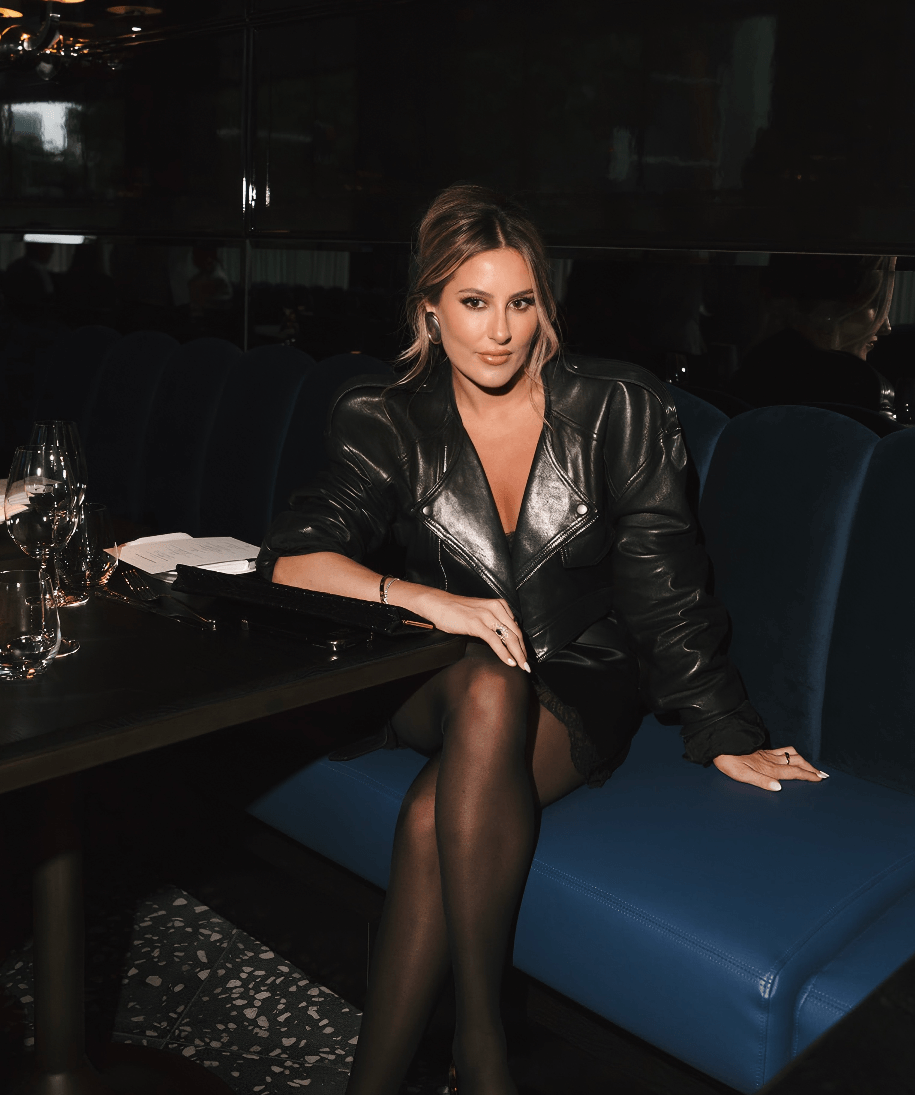
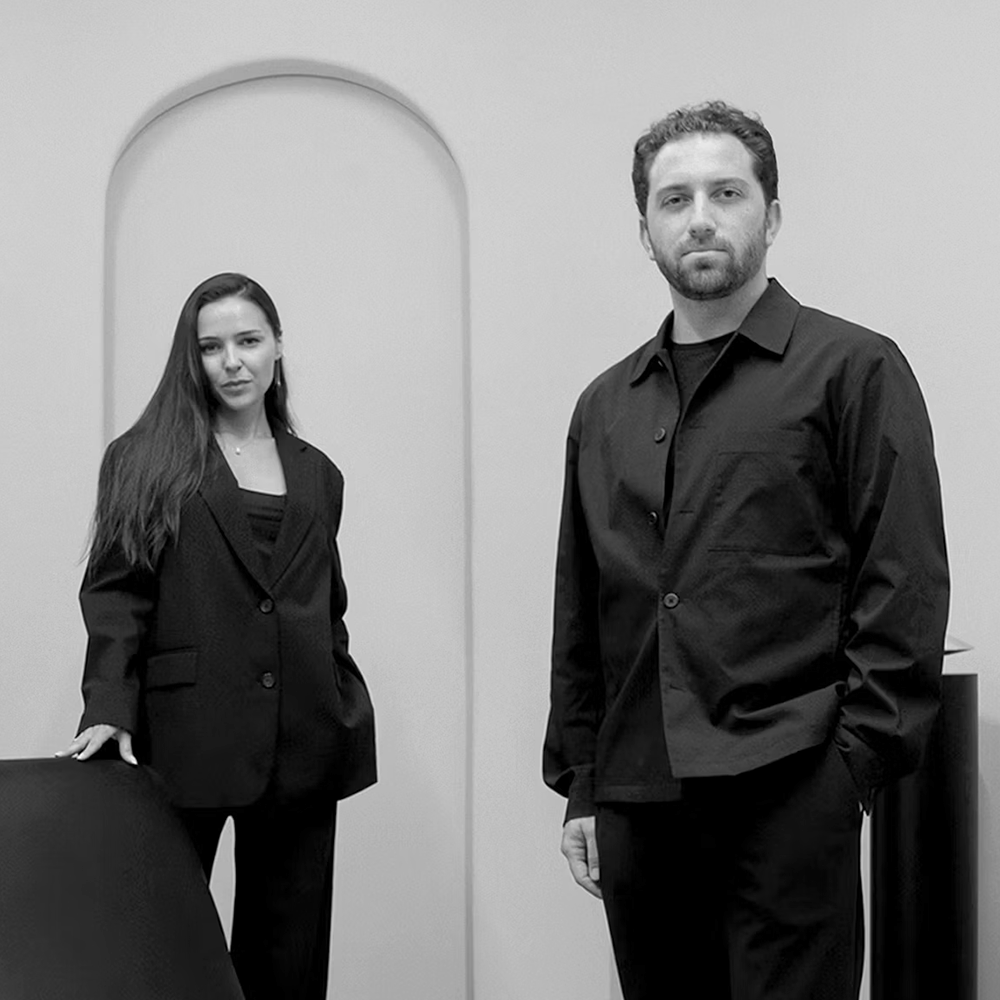
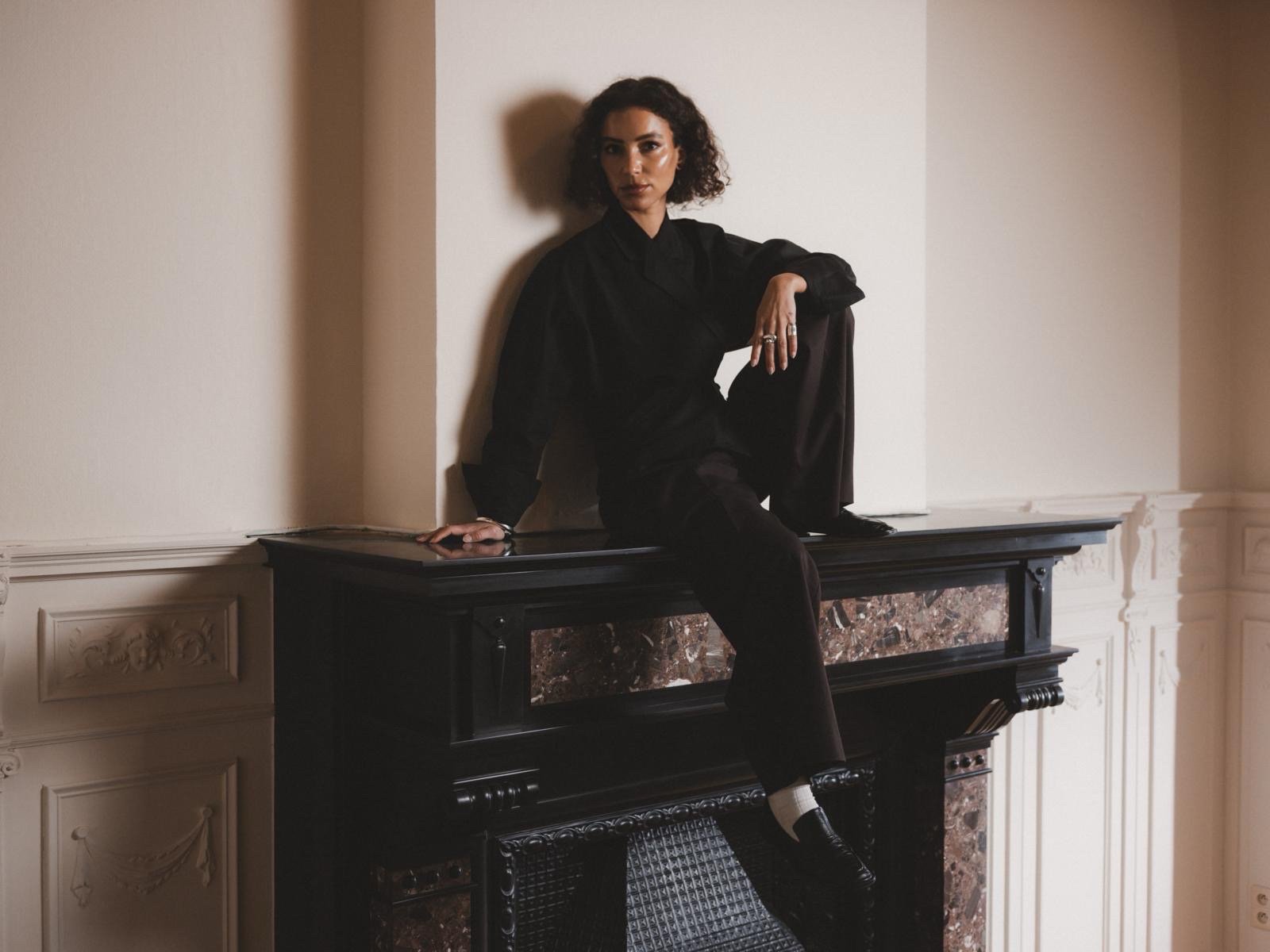
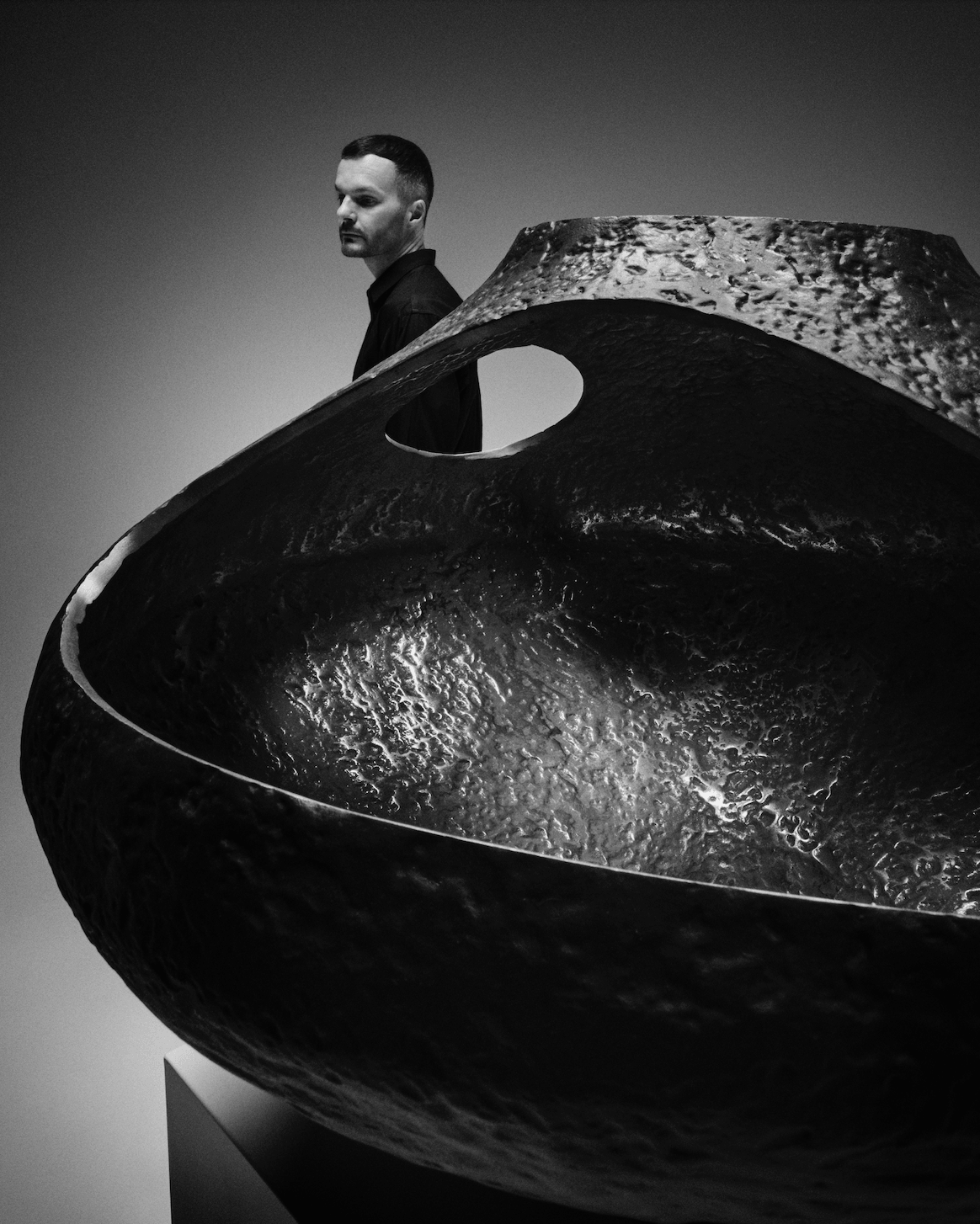
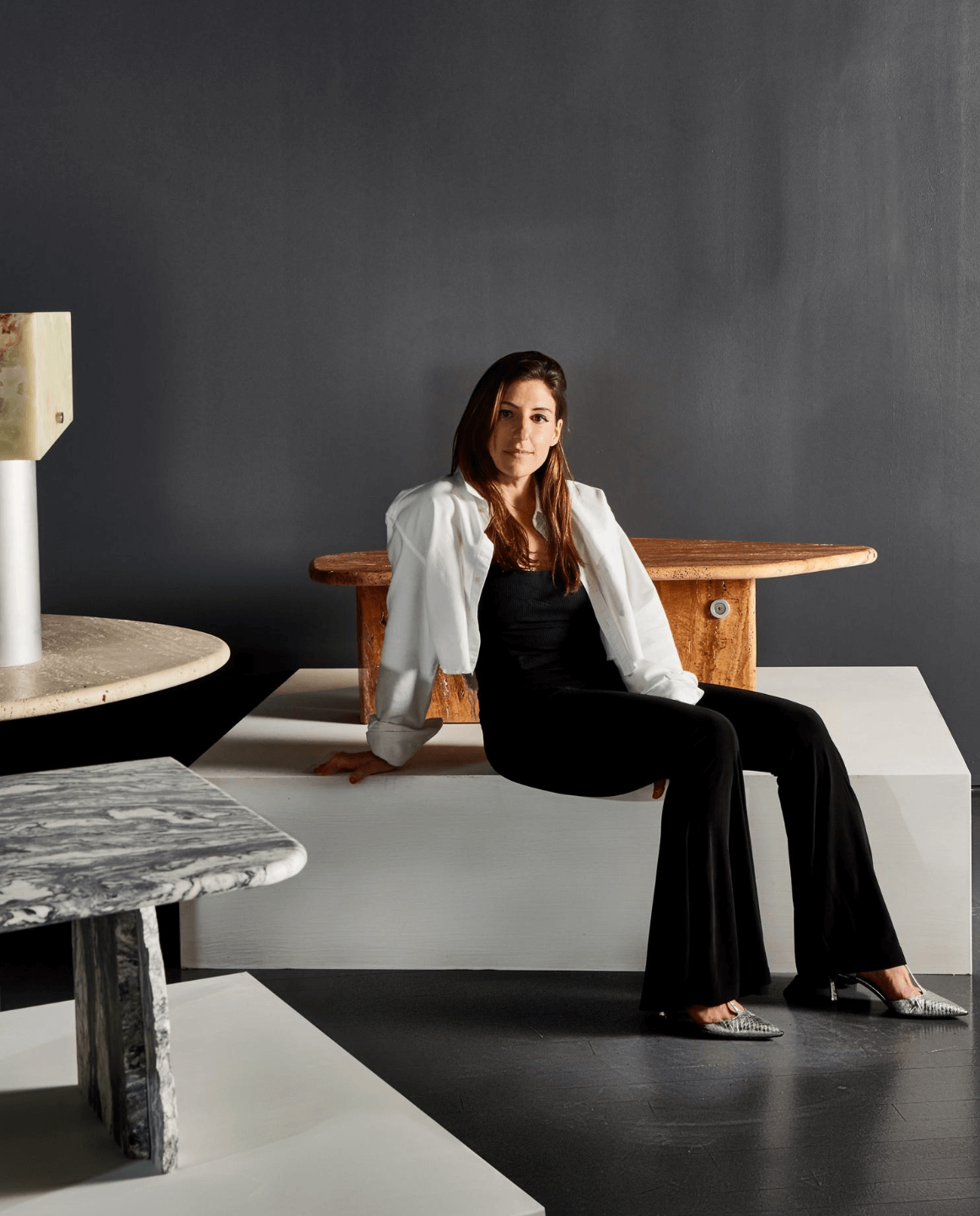
Emaho: You were born and studied in Pato Branco, but Studio Lunno‘s practice today is centered on São Paulo and extends internationally to cities like New York. What did you take with you from Pato Branco into a career that now runs on a completely different scale and geography, and is there anything about that early training that still shows up in your work, even if the city itself no longer does?
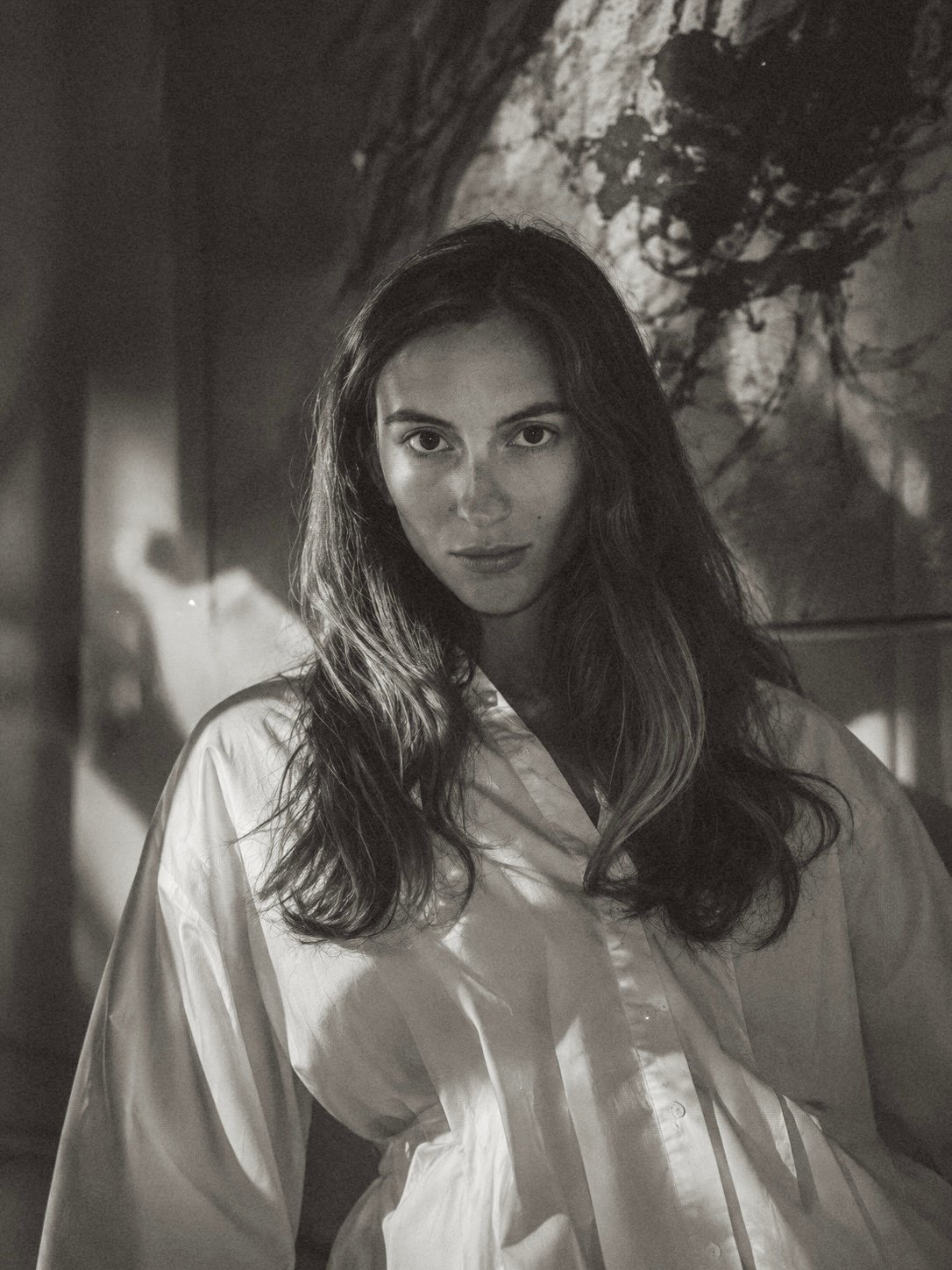
Letícia Zamboni: I was actually born in Francisco Beltrão, a city neighboring Pato Branco. I began studying Architecture there and completed my first two years, but eventually decided to leave because I didn’t identify with the university. I then moved to Pato Branco to continue my degree at a different school, and that was where I truly found myself within architecture.Looking back, I can see that the way I work today was already beginning to take shape during those years. Even as a student, I was naturally drawn to unconventional subjects and projects. I was always interested in questioning what was already established and exploring directions that weren’t necessarily the most obvious ones.My final thesis was a good example of that. I designed a center dedicated to video game development and eSports at a time when the subject was still rarely discussed within architecture, or even more broadly.
Choosing that topic already reflected my interest in looking at emerging cultures and behaviors and imagining the kinds of spaces they might require in the future. I think that summarizes what I carried with me from that period and what remains present in my work today. It isn’t necessarily a specific aesthetic or geographical reference from Pato Branco, but rather a way of thinking: a desire not to follow a conventional path simply because it already exists. That sense of curiosity and experimentation became a fundamental part of my architecture and, eventually, of Studio Lunno’s own creative language.
Emaho: Your studio’s own language describes your work as prioritizing futurism and innovation while still pursuing a timeless concept for every space. Those two ideas seem to pull in opposite directions: one points forward, the other resists the passage of time altogether. How do you actually resolve that tension when you’re standing in front of a blank floor plan, and which instinct usually wins first?
Letícia Zamboni: I believe the two need to go hand in hand. For me, futurism and innovation don’t necessarily mean creating something that looks futuristic, but rather constantly exploring new possibilities, whether through materials, technology, or new ways of thinking about and experiencing a space. At the same time, it’s very important to me that these choices aren’t simply a response to a passing trend. A project can feel innovative when it is created and still remain relevant as the years go by.Perhaps that is exactly the balance we try to achieve at Studio Lunno: to experiment, propose something new, and look toward the future without creating spaces that depend on a trend to make sense. To me, a good project should be able to surprise you today while still maintaining its strength and identity many years from now.
Emaho: Alongside Studio Lunno, you’ve also founded Paradoxia, a second architecture studio based in Tokyo that works in partnership with local Japanese architects. Starting one studio is already demanding; building a second one on the other side of the world, inside a design culture as distinct as Japan’s, is a completely different order of risk. What made Tokyo the place you wanted a second creative home, and what have your Japanese partners taught you that has genuinely changed how you now approach a project back in São Paulo?
Letícia Zamboni : It actually all started with an invitation. Naoya, a Japanese entrepreneur who already had an office in Tokyo, had been following Studio Lunno’s work for some time and connected with what we were doing. He reached out and proposed that we collaborate on a project, and that was how our relationship began.While working together, we realized that we had a very strong connection, not only professionally, but also in the way we think, create, and envision the future. The partnership developed very naturally, and from there, we decided to establish a studio together in Tokyo, which became Paradoxia.Japan had always been a place that sparked my curiosity, but it was through actually living and working alongside Japanese people that I realized how much deeper that interest was. There is something about their culture that I find fascinating, particularly the importance they place on respect for others and the way that respect is present even in the smallest everyday interactions.Perhaps that is one of the most important things I have brought from Japan into every other place where I work.
In the end, your name or the position you hold matters far less than what you leave in people, the way you treat them, and your ability to recognize what each person carries within themselves and what they can contribute.It is something I continue to learn from them every day. More than simply changing the way I see architecture, this experience has changed the way I see human relationships, and it has made me want to become a better person.
Emaho: Working between São Paulo, New York and Tokyo through two studios means holding at least three very different design languages, client expectations and paces of decision-making at once. Do those cities pull your aesthetic in different directions depending on where a project is, or has working across all three actually sharpened a single signature that now travels with you wherever you go?
Letícia Zamboni: I actually think that working across three very different places reinforces Studio Lunno’s identity even more. São Paulo, New York, and Tokyo have completely different cultures, rhythms, and ways of living, and being exposed to these different realities helps us understand more clearly what truly defines our creative language, regardless of where we are.We always try to bring the studio’s identity into every project, but without imposing an aesthetic or simply repeating a formula. For me, it is very important to respect the client’s needs, understand their personality and lifestyle, while also considering the cultural context of the place we are designing in.Lunno’s identity emerges precisely through the way we interpret all of these elements.
The project needs to carry our signature, but it also needs to belong to the person who will live in that space and to the place where it exists.So rather than pulling our aesthetic in different directions, I believe these three cities actually strengthen a single identity. The more different contexts we experience, the clearer it becomes to us what truly defines Lunno and what we want to carry with us wherever we work in the world.
Emaho: You’ve been described as bringing what is currently the most eccentric sensibility in Brazil’s interiors scene, a description that’s unusually bold for a studio to embrace rather than soften. Now that your practice spans São Paulo, New York and Tokyo, does that same eccentricity travel intact, or do you find yourself dialing it up or down depending on which city and which client you’re designing for?
Letícia Zamboni: I believe the eccentricity I carry is not only present in the way I design, but also in the way I dress, express myself, and, above all, in my authenticity. It is simply a natural part of who I am. Many of my references come from worlds outside of architecture. Films, games, and fashion are all part of my creative repertoire and have always been subjects I am deeply interested in. Inevitably, all of this influences the way I think about and create architecture. But I don’t believe the eccentricity of a project should come only from the architect. Every person has their own peculiarities, references, obsessions, and way of seeing the world. This is exactly where Studio Lunno comes in: understanding who that person is and translating part of their individuality into a concept and, ultimately, into architecture.
For that reason, I don’t really believe in dialing eccentricity up or down simply depending on the city we are working in. It comes much more from the person behind each project. To create something truly unique, you first need to understand what makes that person unique. In the end, a Lunno project carries our identity, but it also needs to carry the identity of the client. Perhaps that is exactly where the eccentricity comes from: the meeting of two different worlds, ours and that of the person who will inhabit the space.
Emaho: Beyond interiors and architecture, you’ve also developed your own authorial furniture line, the Renaissance Steel Collection, putting your name on individual objects rather than only full spaces. What does designing a single piece of furniture demand from you that designing an entire room doesn’t, and did creating your own furniture change how you specify or select pieces in your architectural projects afterward?
Letícia Zamboni: I think developing a piece of furniture requires a very different level of attention to detail. When you are designing an individual object, every decision carries much more weight: why a particular material was chosen, how the piece will function, how it will be produced, what can improve the comfort of the person using it, and, most importantly, why that piece needs to exist in the first place. I like to think of it almost as creating a narrative for the object. It needs to have a story, an intention, and a reason behind every decision. It is a much more meticulous process because there is no surrounding space to support the concept, the piece needs to communicate that idea entirely on its own. And yes, this has definitely changed the way I specify furniture in architectural projects. Today, when I choose a piece, I am not only looking for something that works aesthetically within the space. I want to understand who designed it, the context in which it was created, why certain materials were chosen, and the story behind the design. After going through the process of developing my own furniture, I began to see each piece differently. Aesthetics are still important, of course, but now I am equally interested in understanding the intention behind the object.
Emaho: Your studio’s website is candid about the kind of client it’s built for: people who want quality and good finishing but don’t want to spend their days on a construction site managing suppliers themselves. How much of your job actually involves managing a client’s trust rather than making design decisions, and does that dynamic change when the client is on another continent from the build itself?
Letícia Zamboni: Yes. In Brazil, alongside the architectural design, we usually offer project management throughout the execution phase. Our role is to prepare, coordinate, and oversee all the necessary information to ensure that what we designed is executed as faithfully as possible to the original project. It is somewhat similar to construction management, but with an important distinction: our focus is specifically on the design and the quality of its execution, rather than on managing the construction site itself. We follow up with suppliers, materials, finishes, details, and decisions that arise throughout the process to make sure the concept is not lost between the drawings and the final result. I believe a large part of this work is also about trust. The client is not only entrusting us with a design, but also with the responsibility of representing their interests throughout the process and making sure that every decision remains aligned with what we developed together from the beginning. In Japan, the dynamic works a little differently. Since we are working across continents, our Japanese partners take responsibility for the local project management and on-site follow-up. There is a constant exchange between our teams to ensure that the original design intent is preserved throughout the execution. In the end, regardless of the country, the goal is the same: the client should not need to be involved in every technical and operational decision on a daily basis in order for the final result to remain faithful to the project we created together.
Emaho: You lead a multidisciplinary team while remaining the creative signature behind two studios on two continents, coordinating everything from first concept through to delivery. Which part of running two studios did you feel least prepared for, and which one turned out to be the one you didn’t know you’d end up loving?
Letícia Zamboni: The part I felt least prepared for was actually overseeing the construction process. In the beginning, I didn’t feel entirely comfortable in that environment because I had always been much more connected to the creative side, the concept and the development of the project. Over time, however, I started to really enjoy the process. Being on site made me understand architecture in a different way, because that is where everything we imagine actually begins to take physical form. You develop a much deeper understanding of materials, processes, limitations, and also possibilities that you don’t always see when you are only working on the design. Today, we have a dedicated team that handles this day-to-day supervision, so it no longer depends directly on me. Still, at certain stages of a project, I make a point of visiting the site myself, especially during important phases or when certain decisions require a closer connection to the creative direction. I really enjoy those visits now. There is something very rewarding about arriving on site and seeing an idea that began in our minds, went through drawings and so many stages of development, finally becoming a real space. Perhaps that has been one of the biggest surprises for me: the part I initially felt least prepared for became something I learned to appreciate, and it has also expanded the way I understand architecture as a whole.
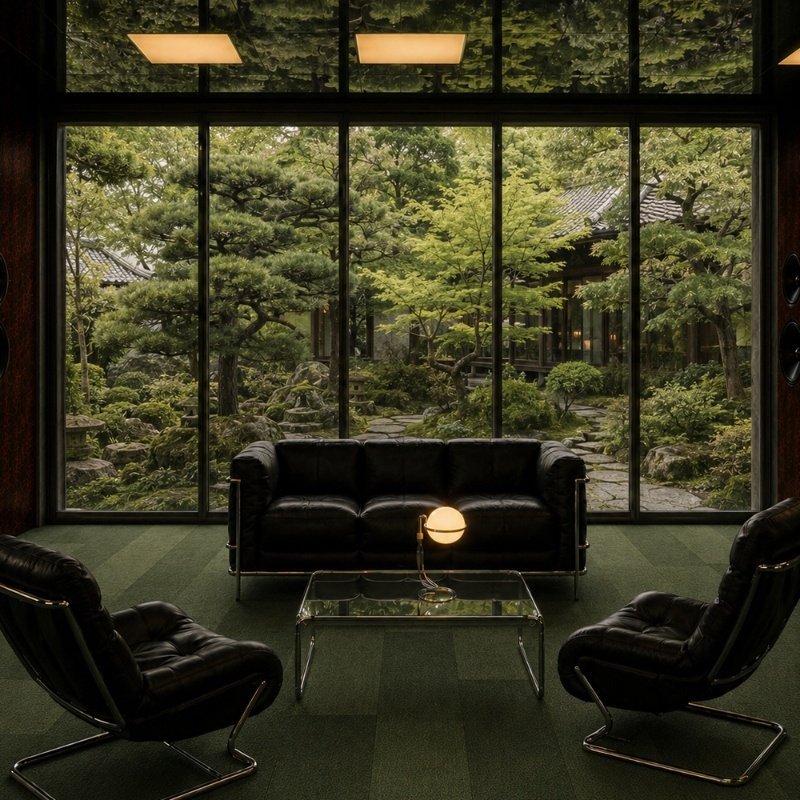
Emaho: Could you walk us through one of your most recent projects, the one you feel best represents where Studio Lunno’s creative language stands today? What was the core idea behind it, and what did it demand from you that your earlier work didn’t?
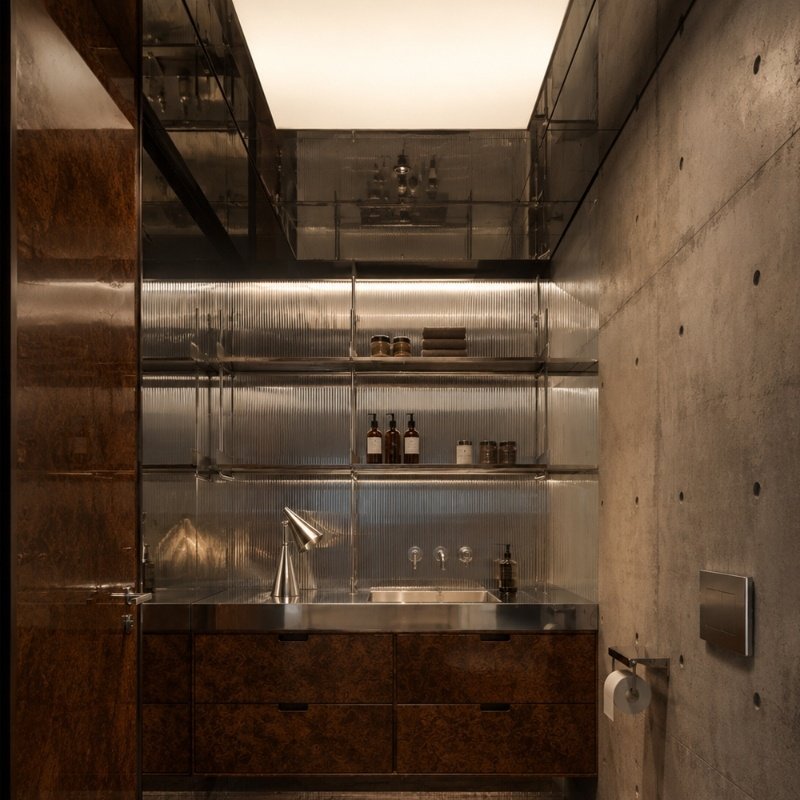
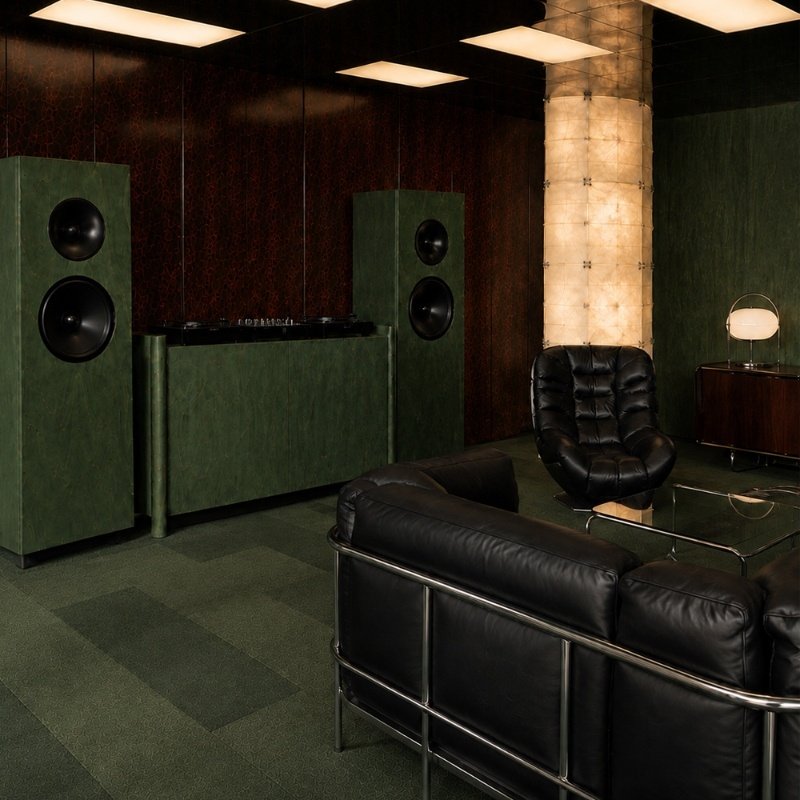
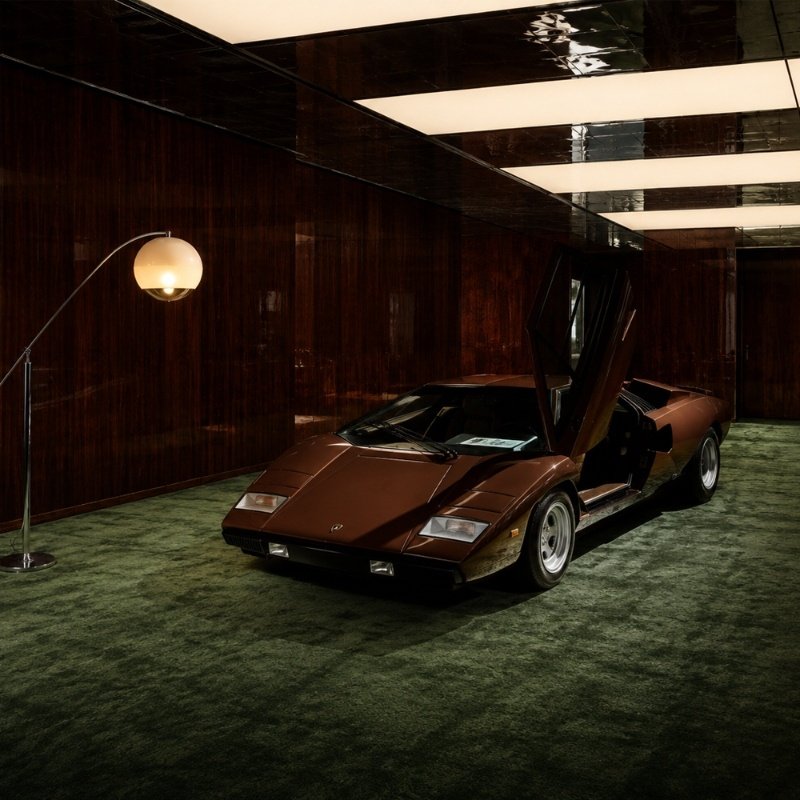
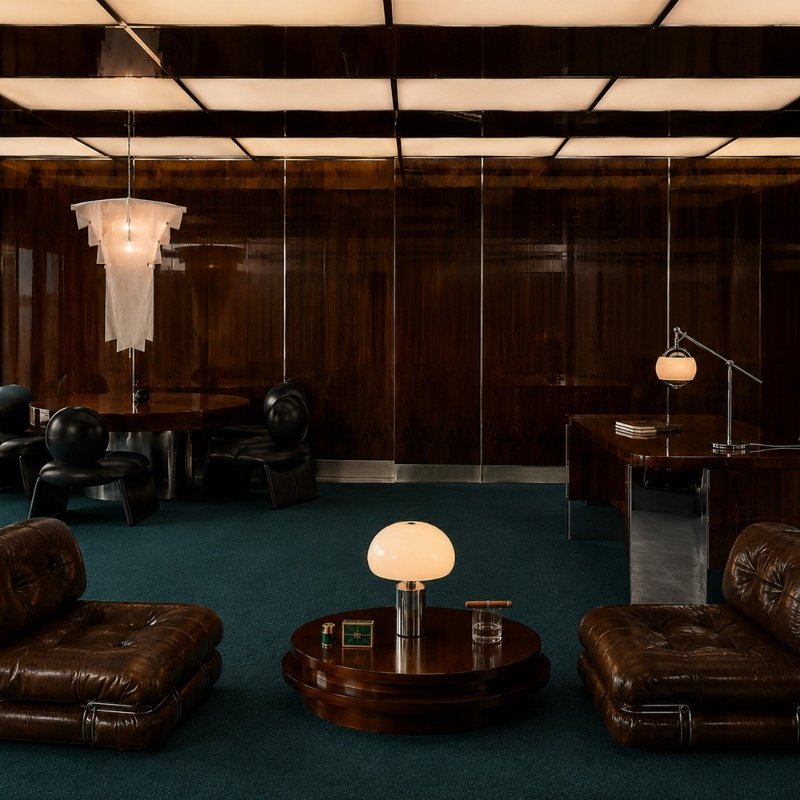
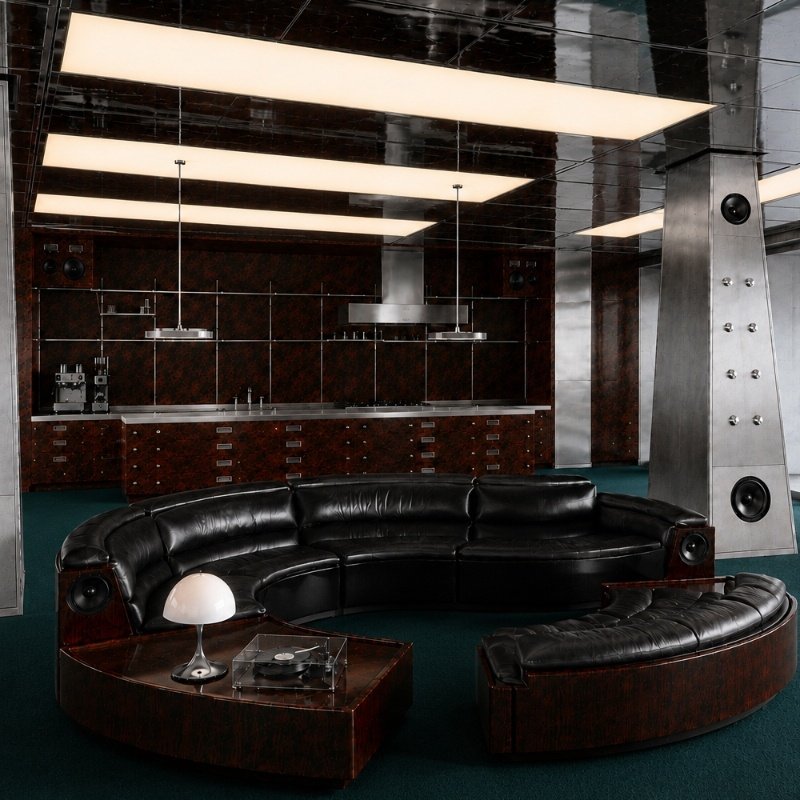
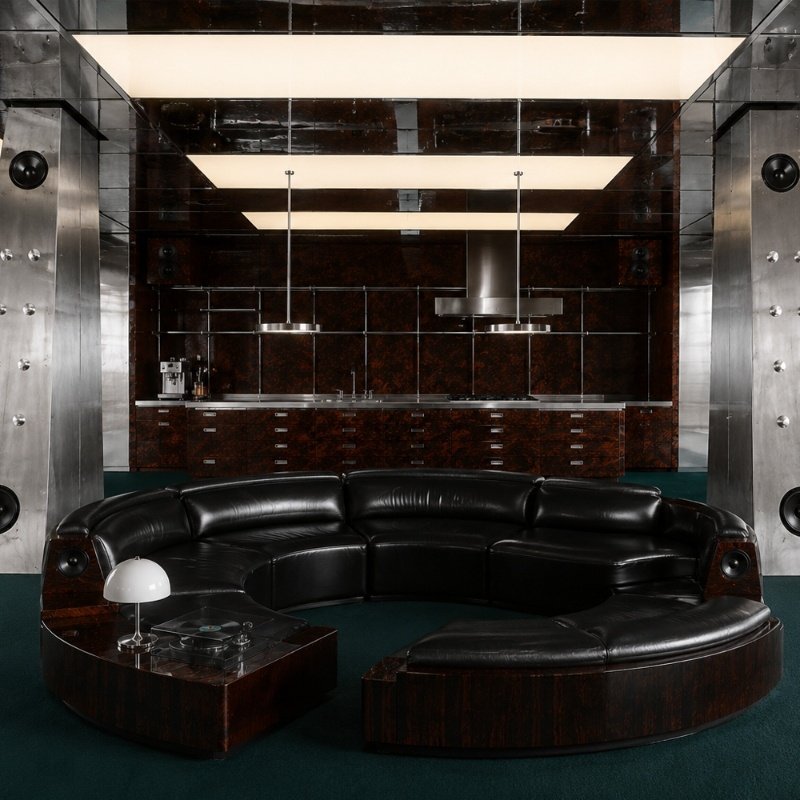
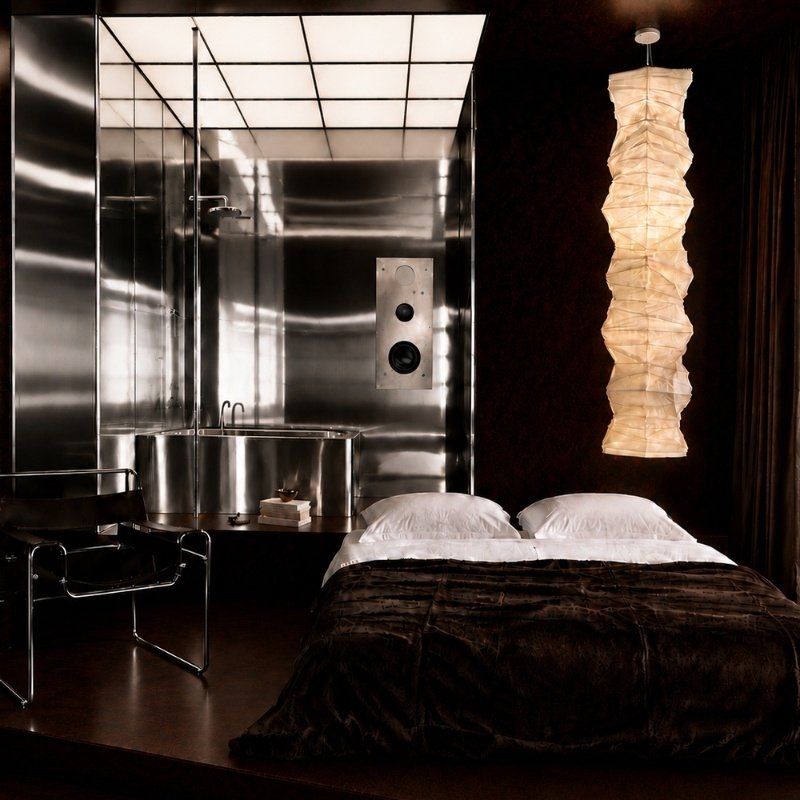
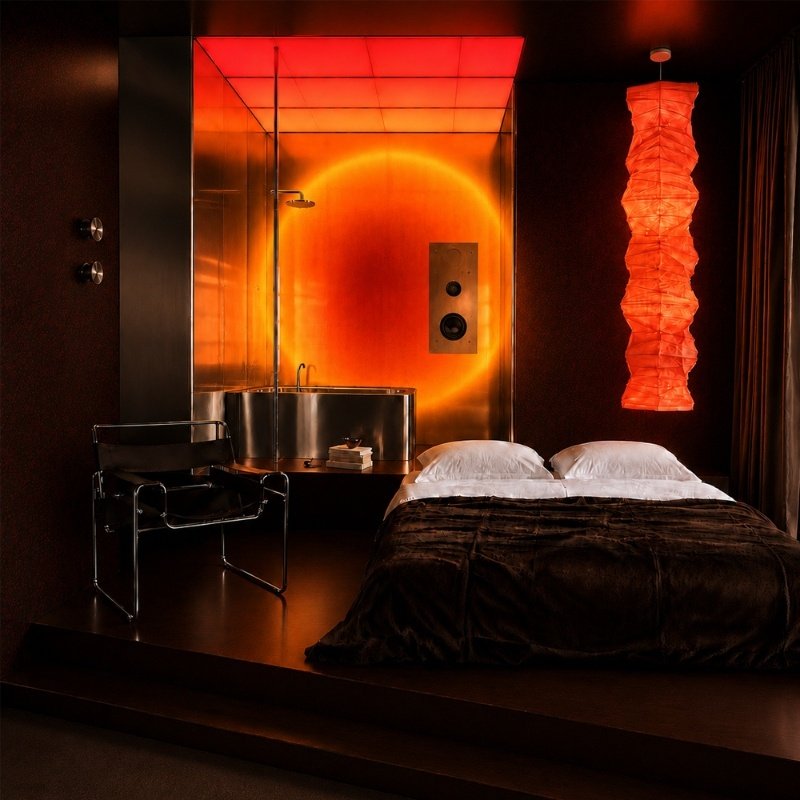
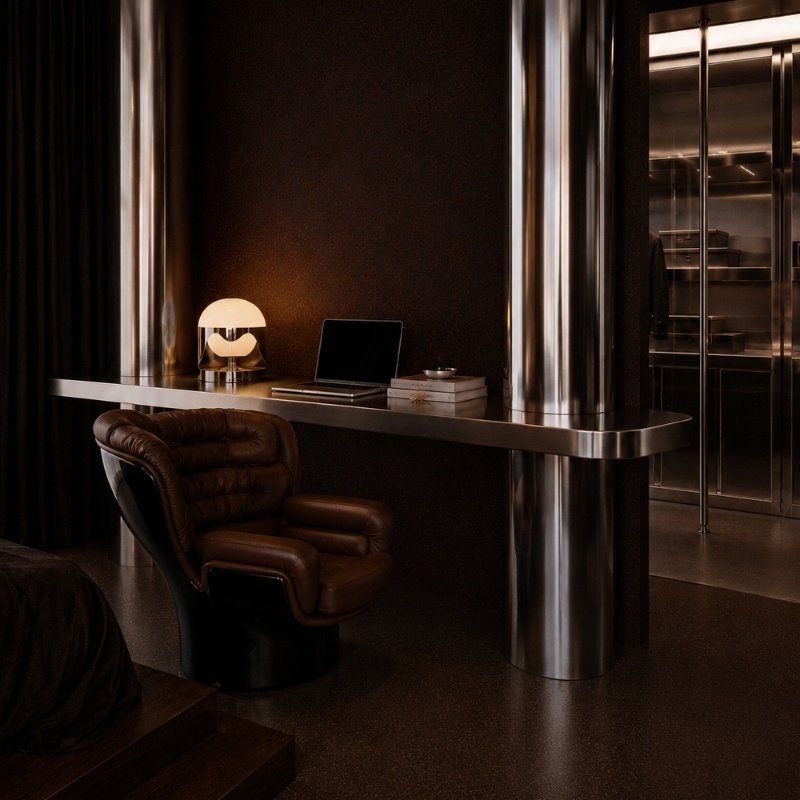
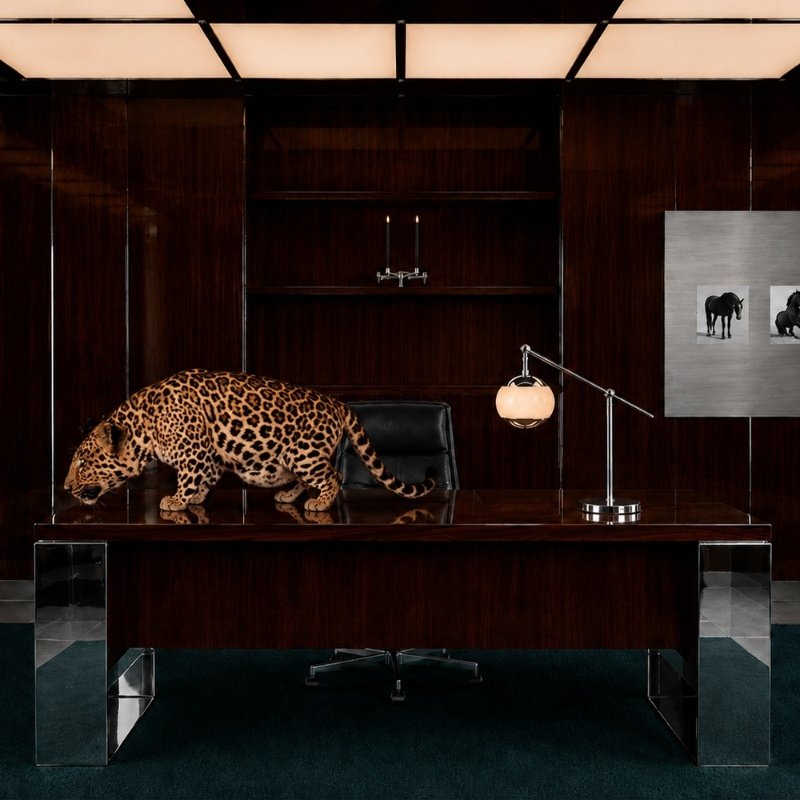
Letícia Zamboni: Yes. One of our most recent projects, and perhaps the one that best represents where Studio Lunno stands creatively today, is an apartment in Jardim Paulista, one of São Paulo’s most traditional neighborhoods, also known for its strong connection to greenery. The central concept of the project is music. From the very beginning, we designed the spaces not only around aesthetics or how they would be used, but also around the experience of listening to music. The way sound behaves within the space, the quality of its reproduction, and the relationship between architecture and audio became fundamental parts of the design process. Aesthetically, the project has what I would describe as a high-tech retrofuturist language, combining materials such as stainless steel, glossy wood, and carpet. There is a contrast between technology and nostalgia that represents our current creative direction very well. I believe the biggest challenge was precisely making sound one of the main elements of the project.
In architecture, we usually think first about what we can see within a space; in this case, we also had to design around what we can hear. That research eventually sparked an interest that went beyond the apartment itself. During the development of the project, we realized how much we wanted to have greater control over both the sound quality and the design of the audio systems we were incorporating into our spaces. That led us to create TARZ, our own speaker company, where we are responsible for both the design and production of the pieces. Today, the speakers we develop are already going beyond our projects in Brazil and are also being sent to New York and Japan. In that sense, I think this project represents Studio Lunno very well today because it didn’t end within the boundaries of architecture. A need that emerged from the design of a single apartment evolved into research, then into a product, and ultimately into a new business with an international reach.
Emaho: Six years since founding Studio Lunno, and now with Paradoxia extending your practice into Tokyo, your work moves between Brazilian and Japanese design cultures. If you had to choose only one geography to build the next decade of your career around, São Paulo, New York or Tokyo, which would it be, and is there a type of project or city you haven’t been commissioned to design in yet that you’re quietly hoping someone will finally ask you for?
Letícia Zamboni: I would choose Tokyo, although it would break my heart a little to leave São Paulo, because I truly love the city. Tokyo inspires an enormous sense of creative curiosity in me. I still have so much to discover there, both professionally and personally, and I feel I could spend many years working in the city without ever exhausting everything it and Japanese culture have to teach me. We have also had the opportunity to design in Milan, Italy, so if I think about a place where we haven’t worked yet and where I would secretly love to have a project, I would probably choose Sweden or Norway. There is something about the architecture, landscapes, and especially the cultural imagery of these countries that has always fascinated me. I have a particular interest in folk horror films and in the way they use landscape, isolation, nature, tradition, symbolism, and architecture to create such powerful atmospheres. I think it would be incredibly interesting to bring Lunno’s language into that context and see what could emerge from that encounter. I would love to receive a commission in Sweden or Norway and have the opportunity to interpret those places through our own creative universe.