Emaho: You’ve said your studio has grown from a single desk into a full interior design and architecture practice with its own showroom over more than fifteen years of work. What did the business look like in its earliest days, and is there a practice from those years that has stayed with you as the studio has grown?
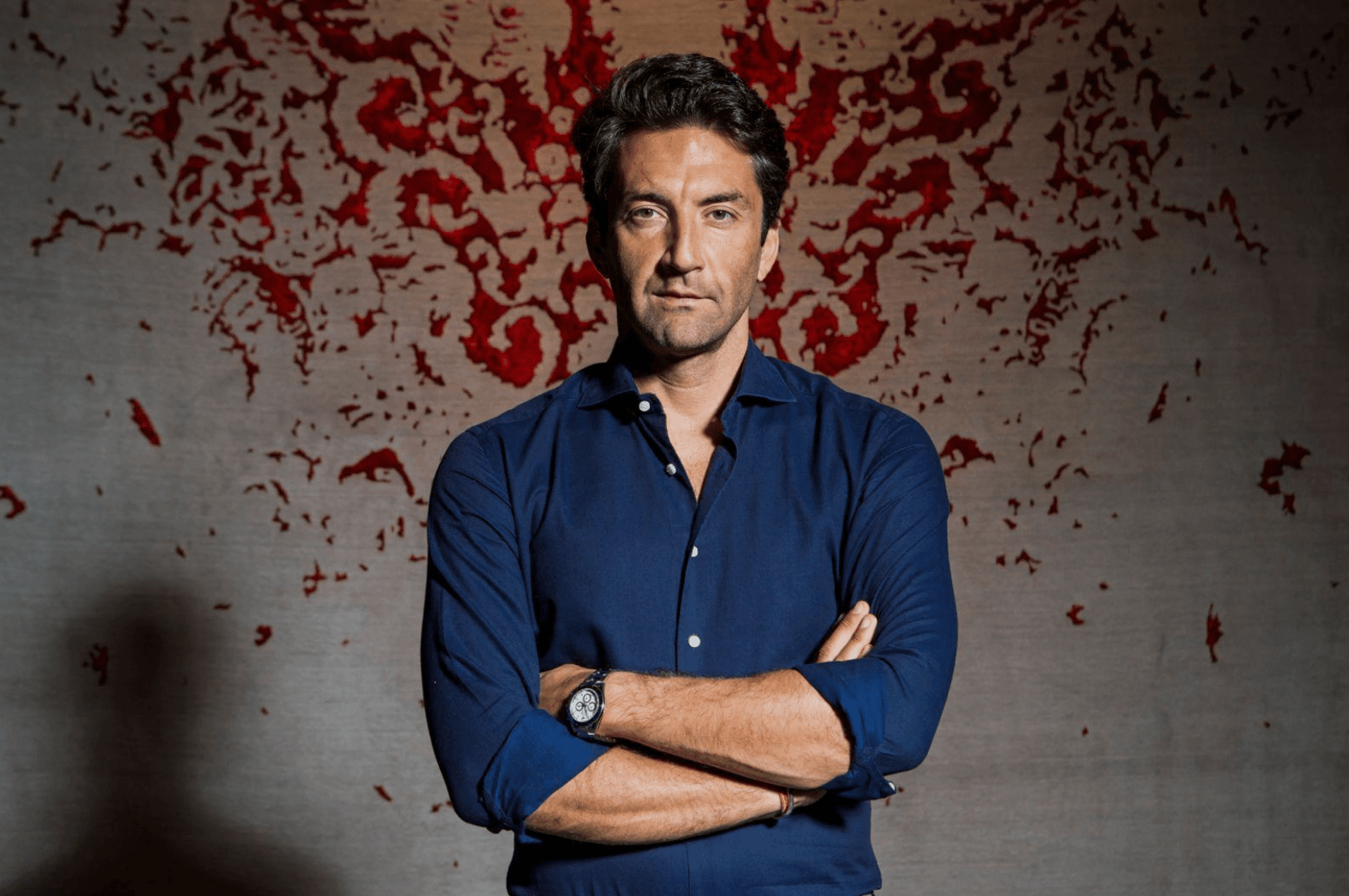
Dennis T’Jampens: It has been more than 23 years. I think the difference is not as significant as one might imagine. We now work with a team of six to eight people, but the nature of my work remains largely the same. I am still the creative person, and every project begins with my pen. This is the most rewarding part of my work, and I cannot imagine giving it up. It is my passion, my strength and my blessing. I also remain closely involved in the commercial side of the business and have always maintained direct contact with clients. They value and appreciate that personal relationship. As projects have become larger and more complex, I have needed a strong team around me, one that has grown alongside the practice. The biggest difference is that I now have to lead a team. That can be challenging because I expect my employees to bring the same passion and commitment to their work that I do.
Emaho: For Fine Fleur, you worked within a fifteenth-century site in the heart of Antwerp, and you have spoken about how strongly its architecture influenced your thinking. When entering a building with such a rich history, what is the first thing you look for before beginning to consider its design?
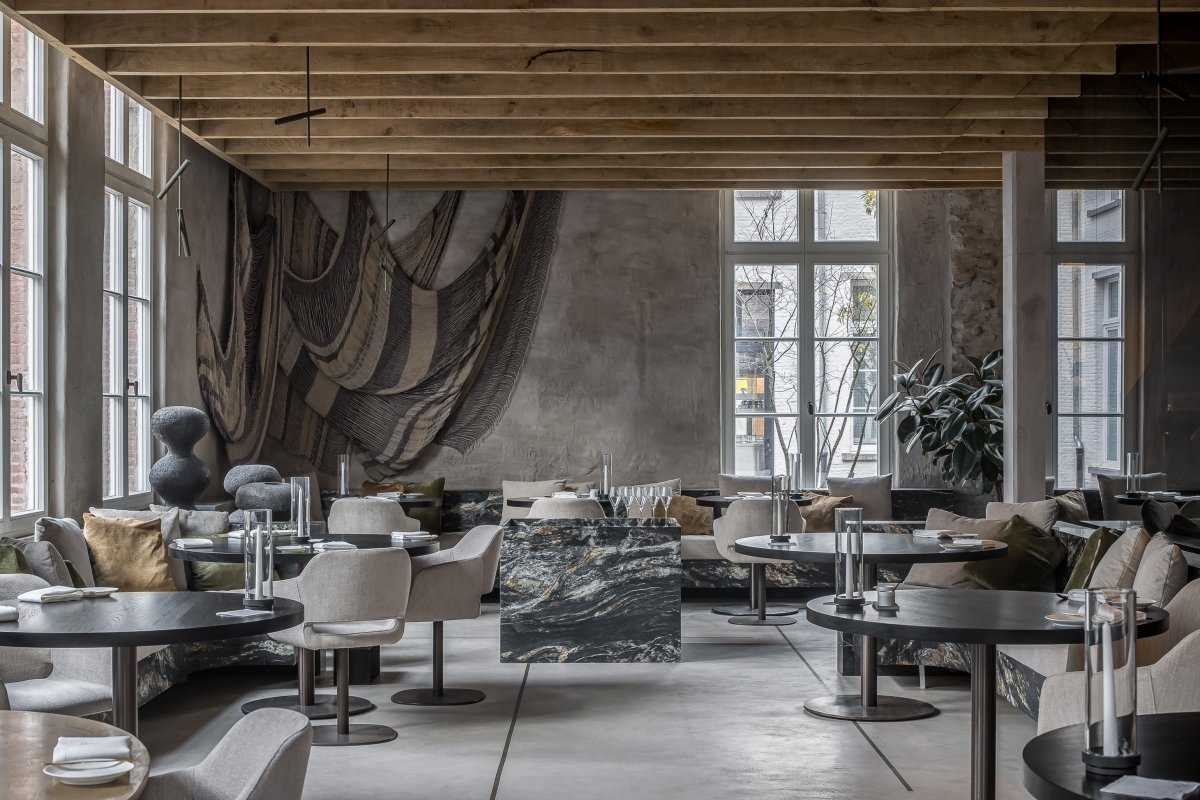
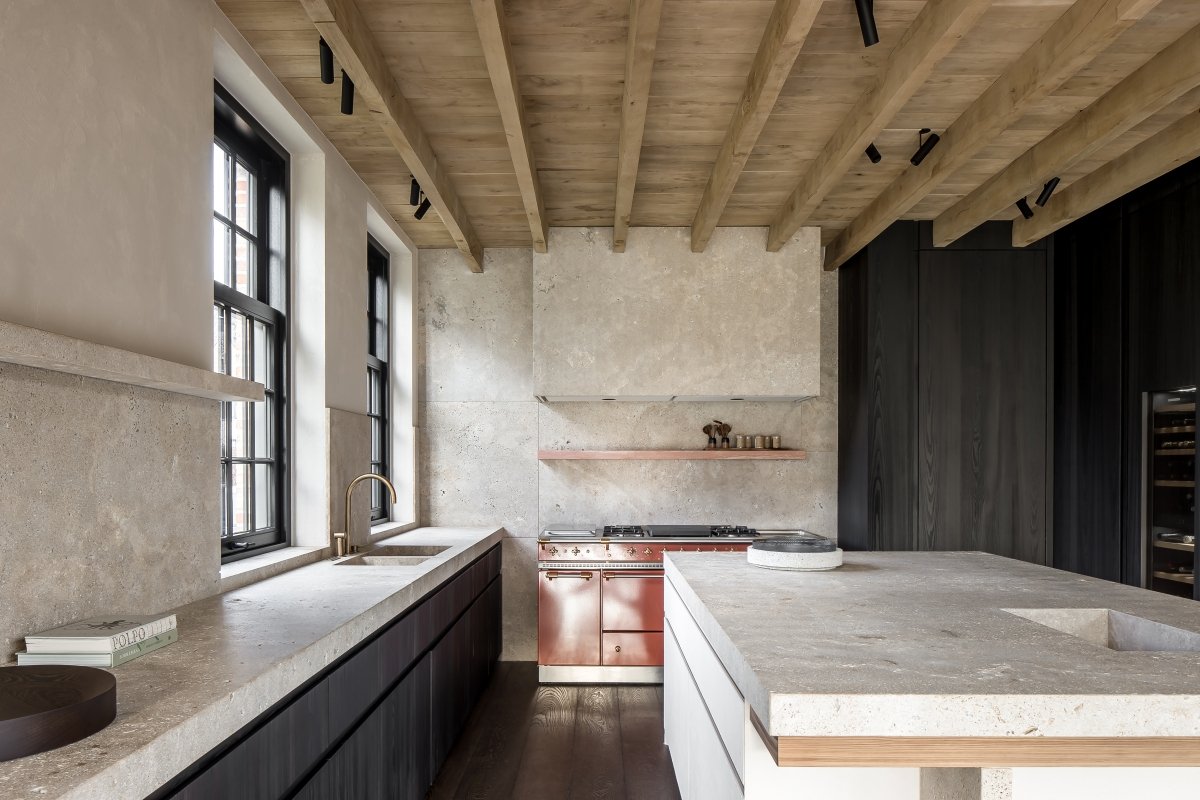
Dennis T’Jampens: It was, and still is, an extraordinary historical building. The most remarkable moment was when the site and the building had been completely stripped back. There was a purity to the space, with all those old oak beams exposed. It was impressive. That experience inspired me to design Fine Fleur in a way that respected its architectural heritage.
Emaho: You’ve spoken about the tension between rough and soft, shiny and matte, and the way you place materials that might not naturally complement one another side by side in the same space. Where does this instinct come from, and has a combination of materials ever proved difficult to resolve before you found the right balance?
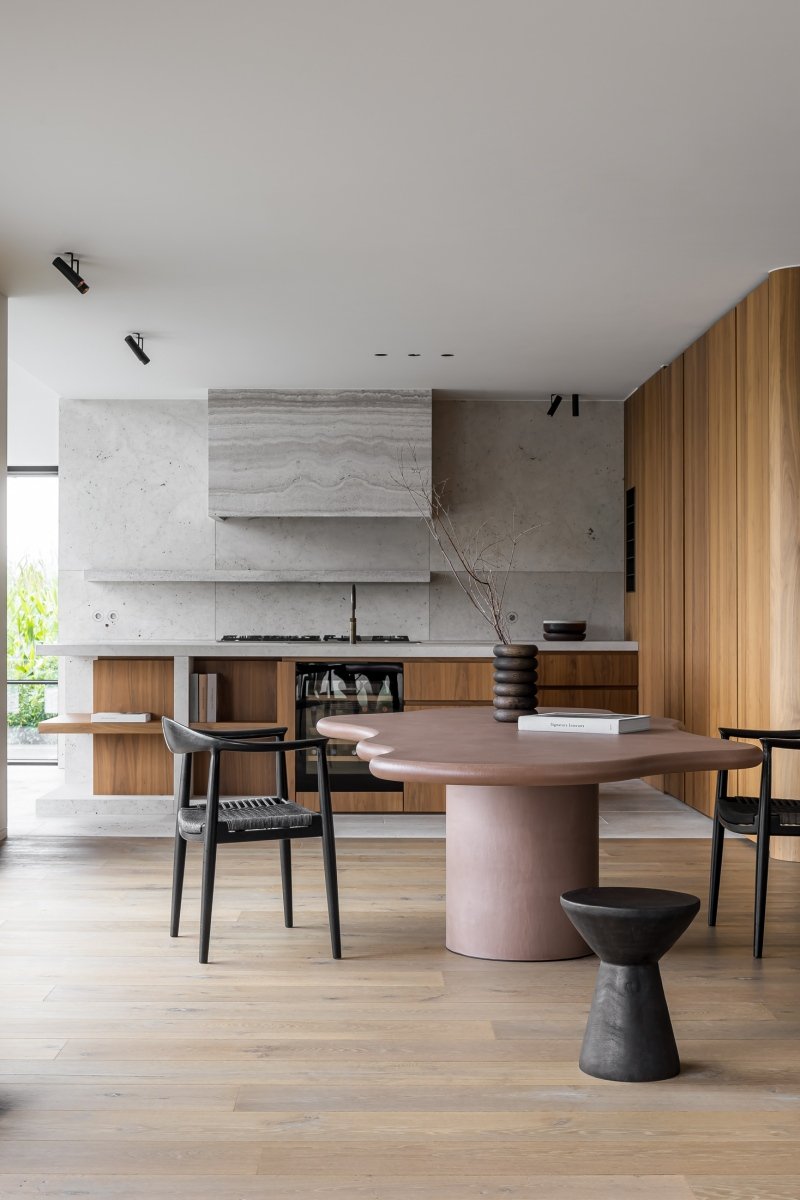
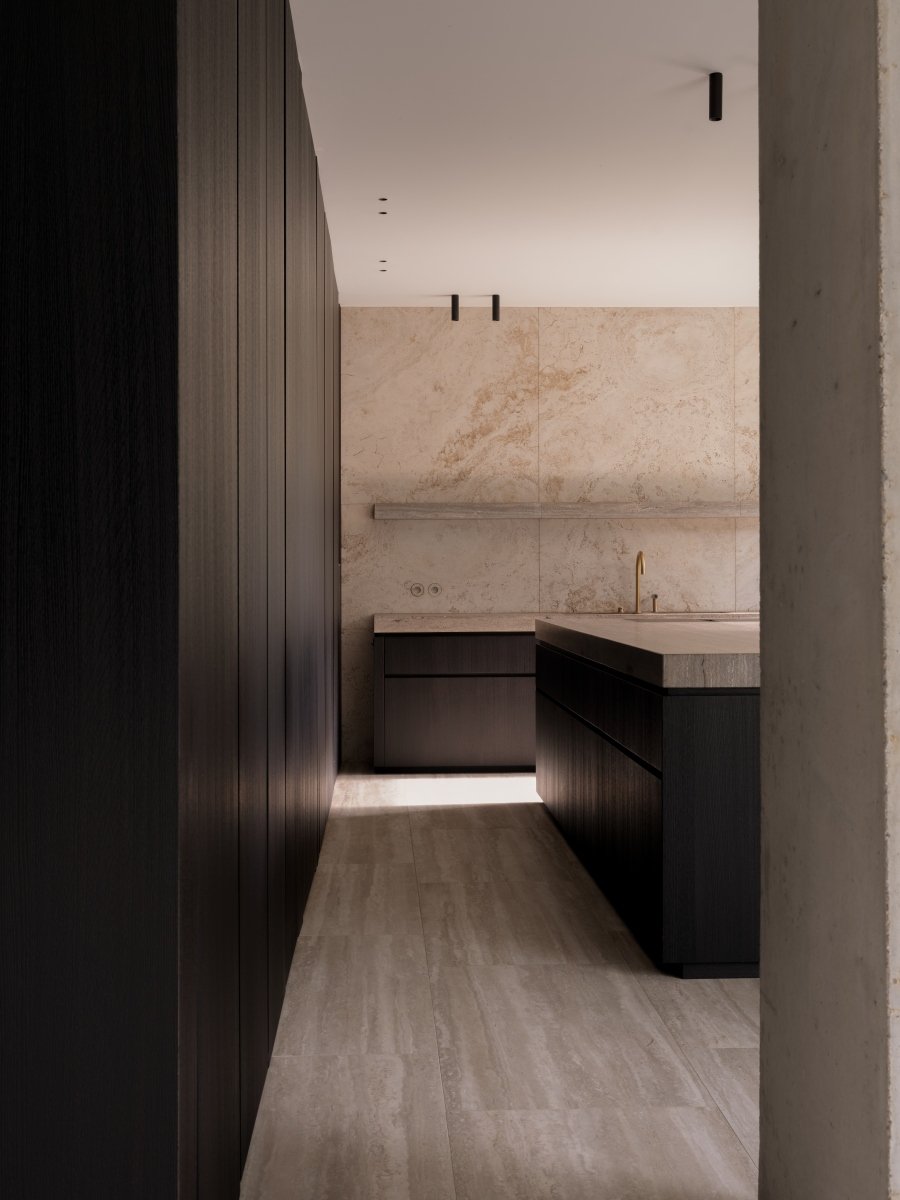
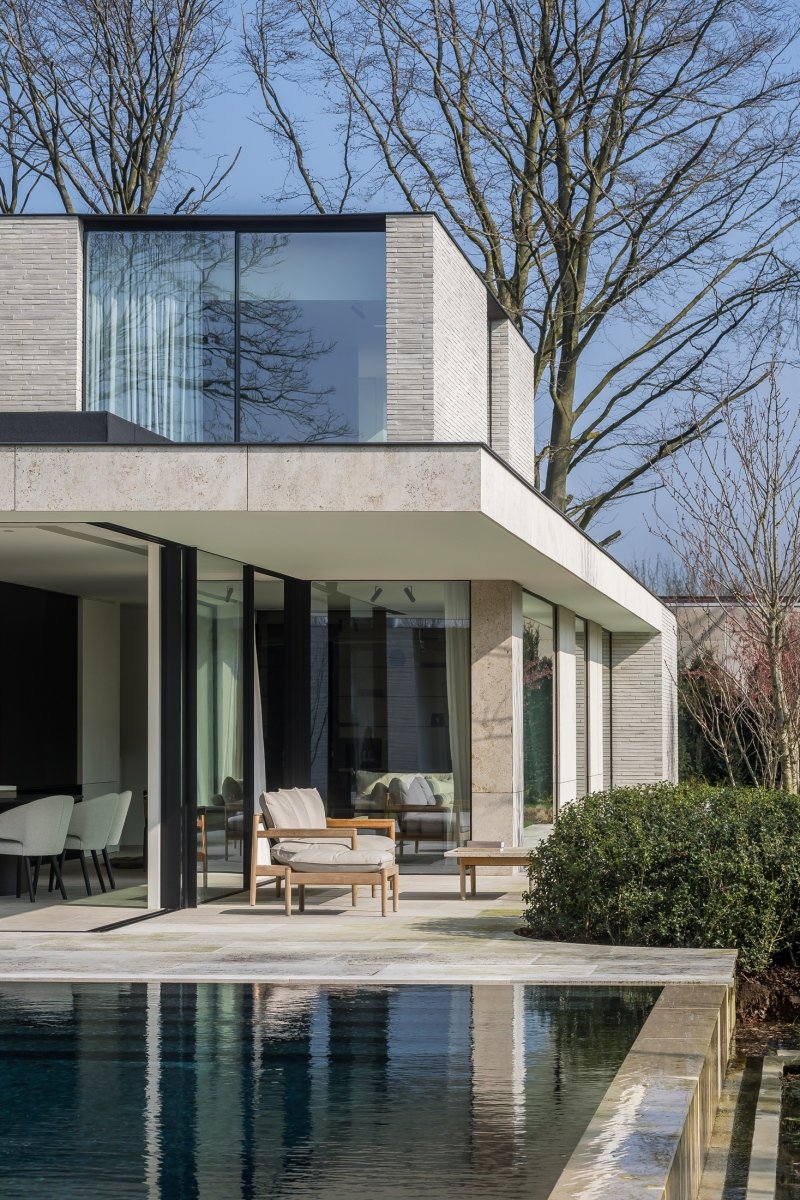
Dennis T’Jampens: An understanding of materials comes down to taste, but you also need the confidence to experiment and combine them. It is much like fashion, where the right combination of materials is essential. You make these choices in your mind, collect the materials, bring them together and eventually recognise the right combination. That is when you know it works. It comes naturally to me; it is in my blood.
Emaho: Despite the contrasts you introduce into a space, you’ve said that what you ultimately seek is timelessness and warmth. These can be difficult qualities to preserve when a design deliberately incorporates so much tension. How do you recognise when a room has achieved a sense of timelessness rather than simply reflecting current tastes?
Dennis T’Jampens: ‘Timeless’ is indeed a word that is used too often. What does timelessness really mean? I use the term based on more than 20 years of experience. Clients whose houses I designed 18 years ago still love them. They continue to find them contemporary and relevant, rather than outdated. When I read reactions to my projects from people around the world, the word ‘timeless’ appears almost every time. I can therefore conclude that my design approach is timeless, which is why I continue to work as I always have. Timelessness is important to me. Everything involves a significant investment, and I want my clients to enjoy their homes and projects for many years. However, timelessness does not mean sacrificing style. I believe my work demonstrates that. I am a designer who does not follow trends, and perhaps that is part of the answer.
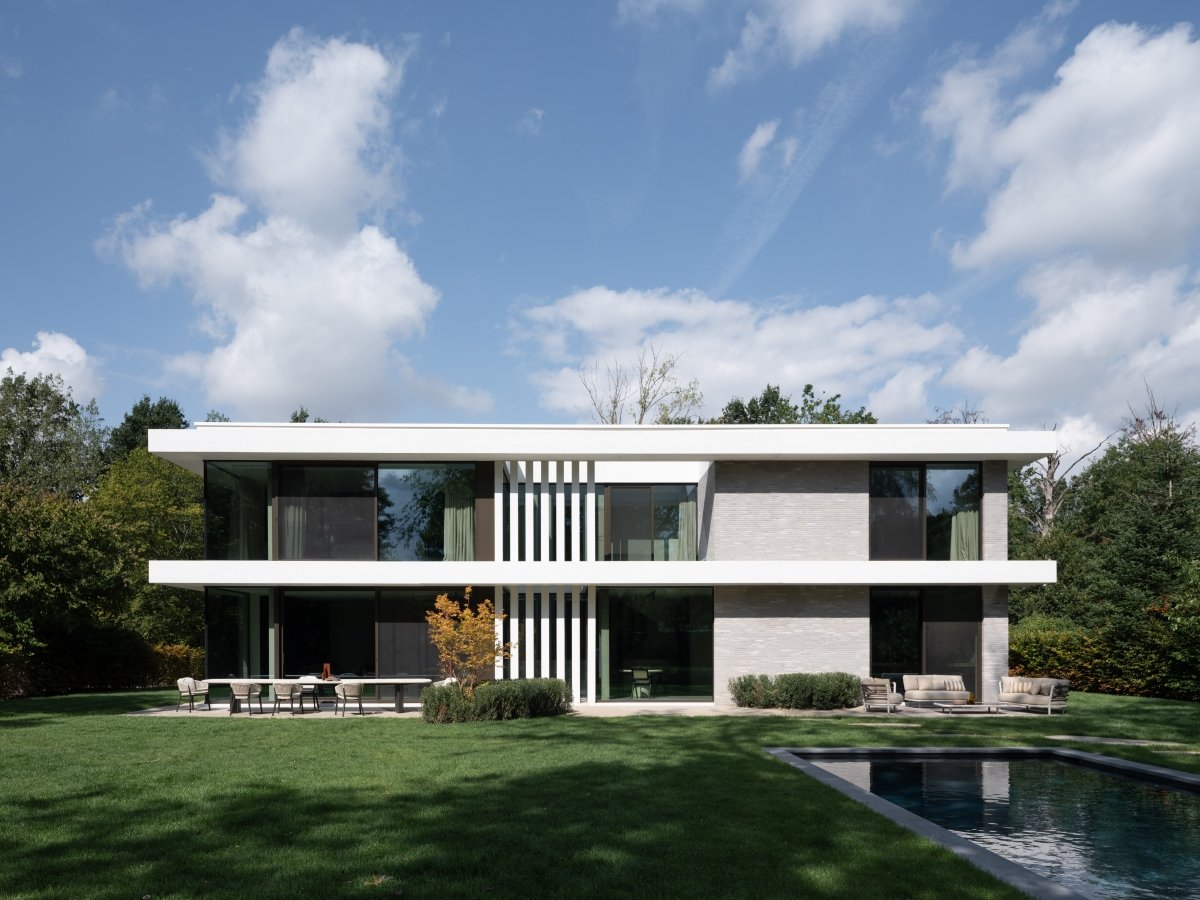
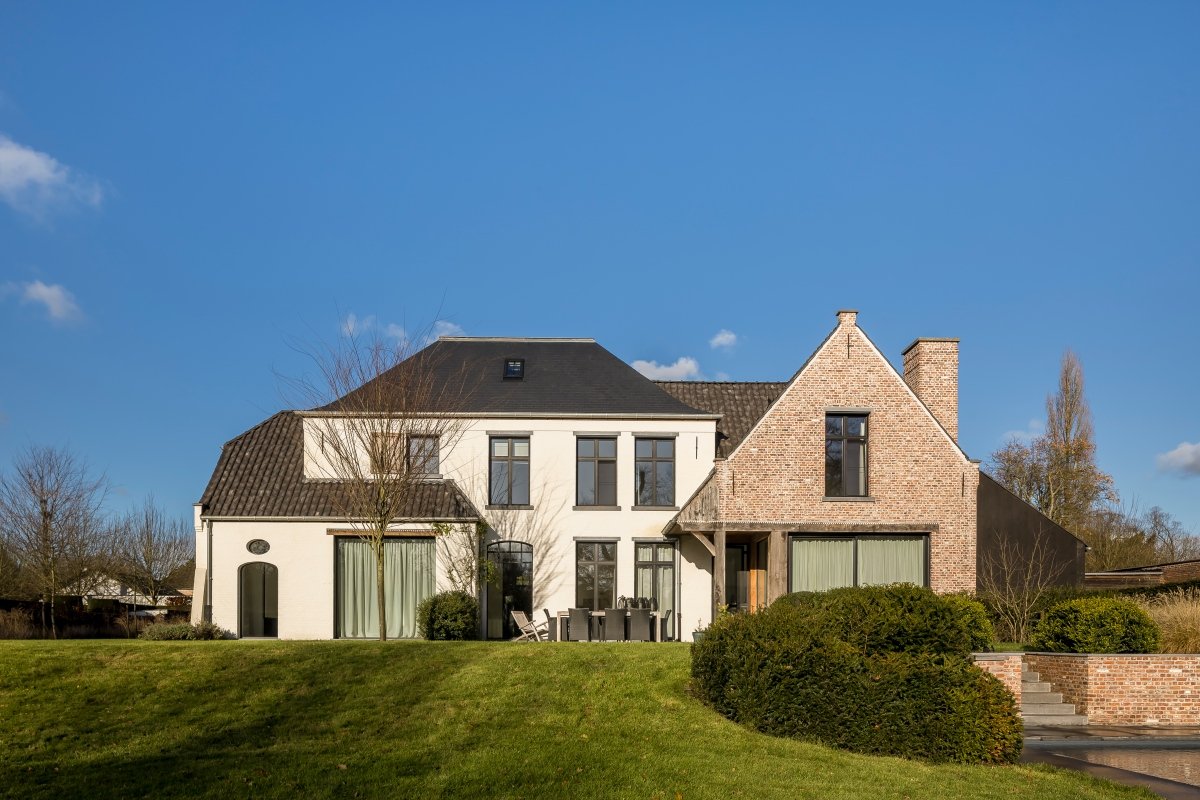
Emaho: Your work spans new builds, complete renovations, shops, private villas, outdoor spaces, restaurants and hotels. Which of these demands more of you as a designer: creating something entirely from scratch or working within existing walls that have a history of their own?
Dennis T’Jampens: It may sound like a cliché, but I bring the same energy and commitment to every type of project. Each project has phases that demand more energy than others. However, I find that a new-build project and a renovation can be equally straightforward or challenging. I give my best to every project.
Emaho: You’ve said that maintaining a personal relationship with your clients is important to you. What does that relationship look like throughout a project, and has a client’s perspective ever influenced a design in a way you might not have arrived at independently?
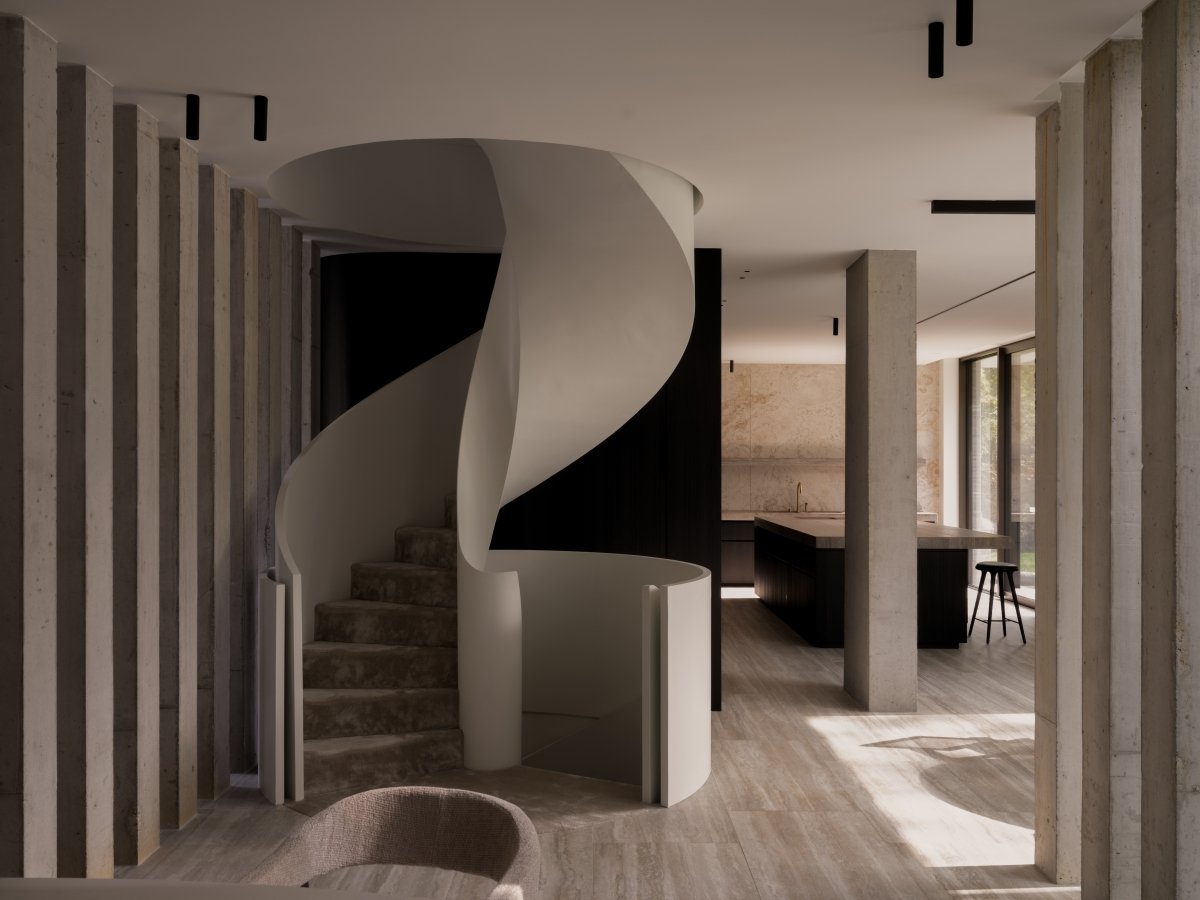
Dennis T’Jampens: Designing and building a house is a deeply personal process. Ultimately, you are creating a home specifically for your clients. They must like it, above all, and feel at home in it. To achieve that, I need to understand their individual wishes and habits. I design for them while bringing my own experience and creativity to the process. My signature remains evident in the work, and that is what my clients are looking for when they approach me. You also work together for around two years, meeting and communicating every week. You do not necessarily have to become friends, although that sometimes happens, but you do need to work well together. A connection and mutual trust are essential.
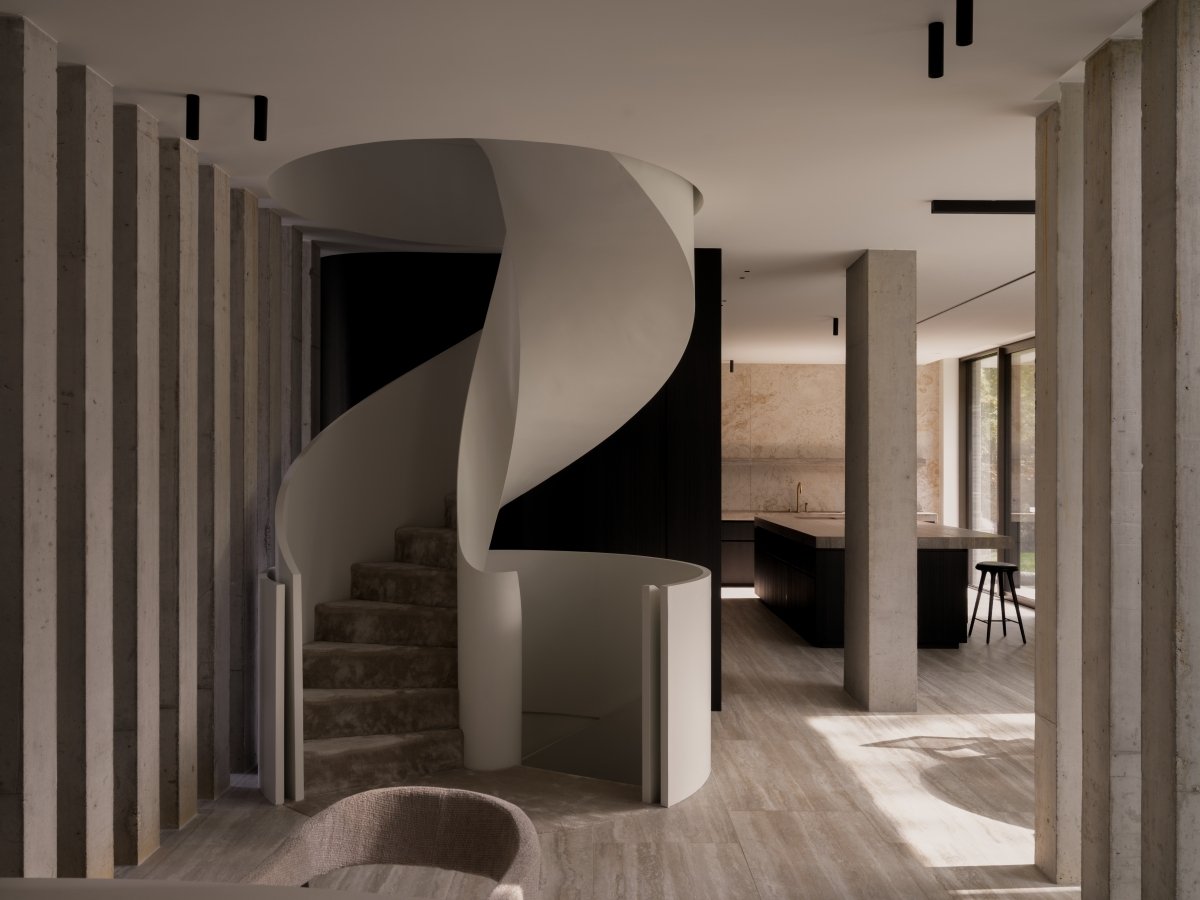
Emaho: Fine Fleur was your first restaurant project after years of working on homes, shops and private spaces. Unlike a home, a restaurant must serve people who may spend only an evening there. What did you need to reconsider when designing a space of this kind?
Dennis T’Jampens: That is true, but I approached Fine Fleur through the same perspective and sensibility that I bring to designing a home. Perhaps that is the key to its success. When I speak with the clients, they tell me that people feel at home, comfortable and relaxed there. That is a great compliment. We also made the restaurant distinctive through carefully considered details and the right combinations of materials. These elements contribute to making it a very good restaurant.
Emaho: Antwerp has a distinctive architectural identity, with a historic, layered city centre alongside a strong contemporary design culture. To what extent do you think working in this particular city has shaped your eye, compared with building your studio somewhere else?
Dennis T’Jampens: That is an interesting question. I am not certain that our approach to design comes from our beautiful city, just as I do not believe it comes from our formal education. I am completely convinced that I was born with this ability. It is something that cannot be taught; it is a talent and an instinct. It involves a sense of composition, combinations, balance and lines. Taste, and particularly good taste, is also important, and I do not believe that can be taught either. One might ask why so many people from our city excel in creative fields. We have remarkable painters, fashion designers, architects and interior designers. However, this is not limited to Antwerp. It is true of Belgium more broadly, including Brussels and Flanders. For such a small country, we have an extraordinary amount of creative talent and are recognised around the world. It is something we can be proud of.
Emaho: From Fine Fleur to Botanic Sanctuary, many of your projects involve buildings with significant histories. Is there a building in Antwerp or elsewhere that you have admired for years and would particularly like to work on if the opportunity arose?
Dennis T’Jampens: There are many beautiful places with rich histories that I admire. To be honest, I am not always sure that I would want to change them. The Antwerp Trade Fair, for example, is a wonderful place. But does it need a new function, or does it simply need renovation? If I were ever asked to transform a historic building into a restaurant, hotel or boutique, however, I would certainly consider it. I would aim to enhance its beauty while respecting its history.