Emaho: Can you tell us about your early life and the moment you first became aware that everyday objects and interiors could carry memory, emotion, and meaning?
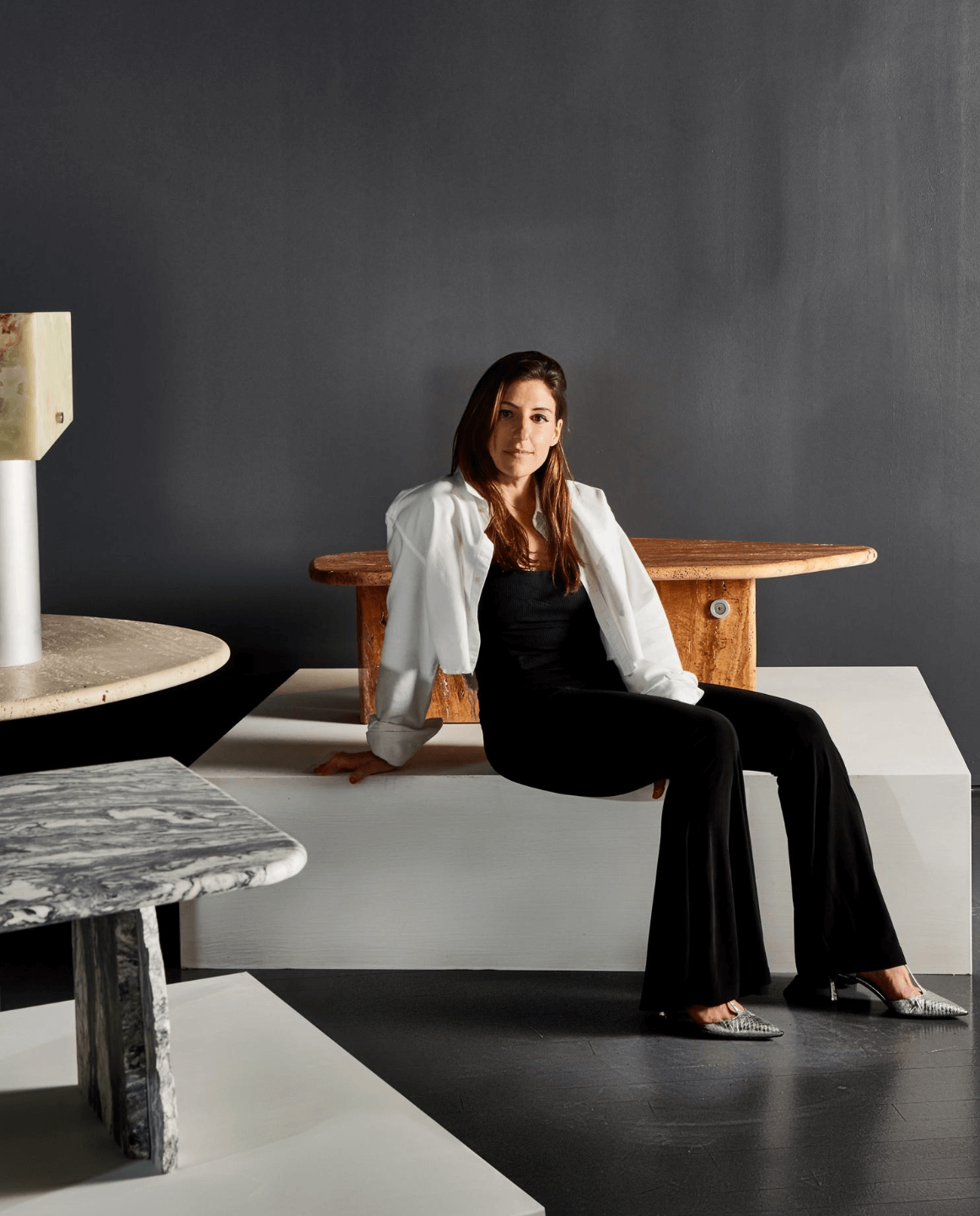
Manuela Wyszynski: I grew up in Vancouver, Canada, which isn’t traditionally considered a centre for design, but my upbringing felt different with both of my parents being immigrants from Argentina & Poland. Our home reflected their lives. Every object had travelled from somewhere or carried a personal story. Our walls were filled with large frames containing photographs they’d taken while travelling the world. My father painted the artworks that hung in our living room, and many of our furniture pieces were handmade antiques from East Asia or Europe. Looking back, I realise I was surrounded by objects that had history long before I understood what design was. Nothing in our home was chosen purely because it was functional. Every piece contributed to creating an atmosphere that felt deeply personal and impossible to replicate. I think that’s where my fascination began, with the idea that interiors were a visual autobiography that can hold memories, identity and emotion.
Emaho: What was your initial introduction to product or object design, and how did that early curiosity evolve into working with furniture and decorative pieces?
Manuela Wyszynski: I’ve always been drawn to making things. I was immersed in art and dance from an early age; my mother worked in fashion and my father in film, so creativity was always present in my life. Through modelling, I was also exposed to photography, styling and visual storytelling, which gave me an early appreciation for image-making and aesthetics. Growing up in Canada, though, I didn’t see a clear path into the design world I was searching for. I studied Psychology and Sociology at university but chose not to pursue it as a career. What stayed with me was an understanding of why people behave the way they do, something that has informed my work and the way I connect with others. The moment that truly shaped my career came when I joined a bespoke furniture and interiors company at twenty. My role involved curating fabrics and assisting architects and interior designers with custom furniture projects. Although I had no formal training in the industry, it was the first time I realised my creative sensitivity and visual instincts had a place. I wasn’t learning how to see, I was discovering where that way of seeing belonged. I’ve always had an innate sensitivity to materials, colour, composition and atmosphere, and for the first time I felt those instincts had purpose. Working with exceptional textiles from houses such as Pierre Frey, Élitis and Schumacher only deepened that understanding. I became aware of how materials alone could transform the atmosphere of a space. It confirmed that this was the world I wanted to be part of, and I knew I needed to immerse myself somewhere design was woven into everyday life. Paris was the obvious next chapter.
Emaho: You founded Manushi in Paris in 2019. What does the name “Manushi” represent to you personally, and what kind of vision were you hoping to establish when you launched the studio?
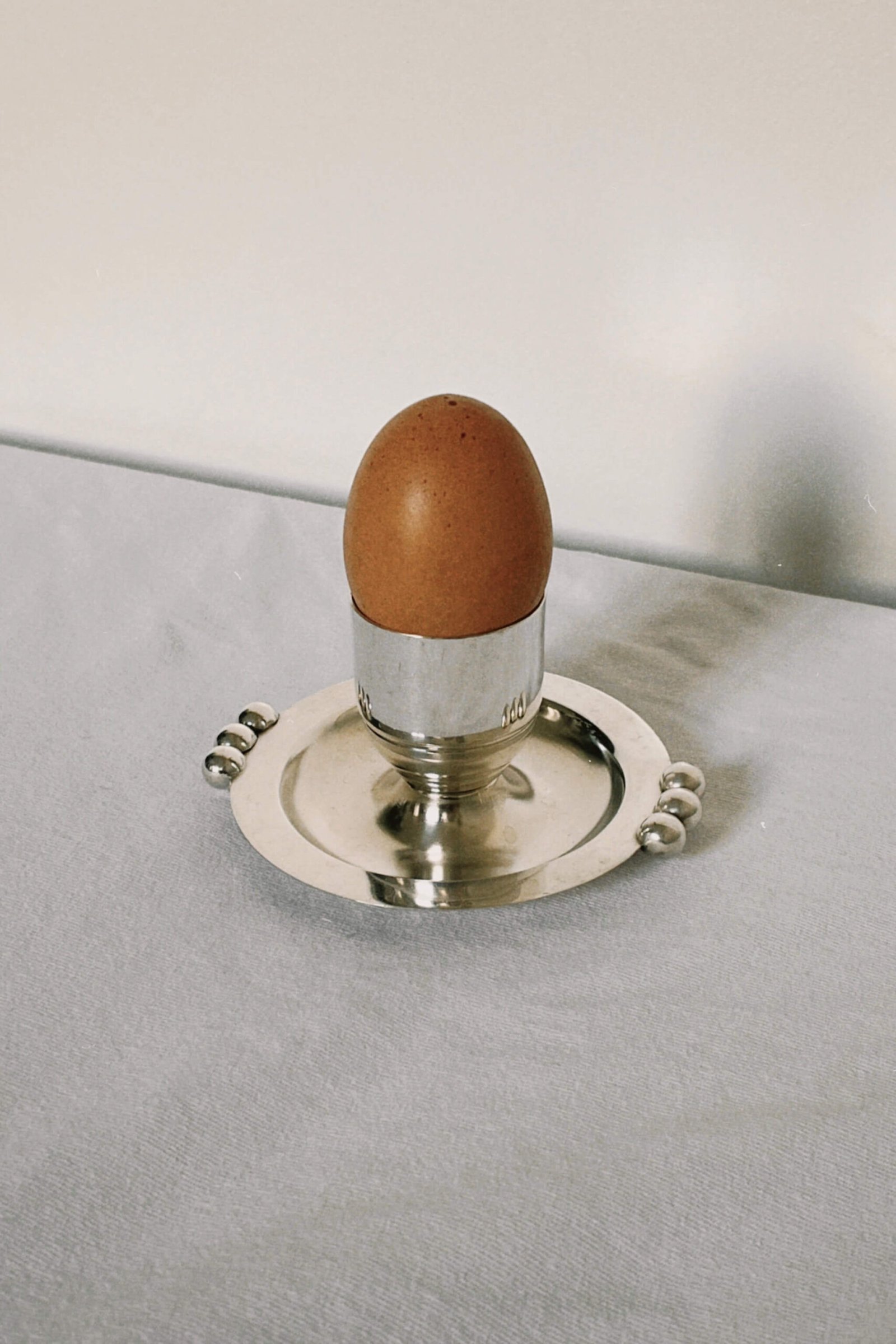
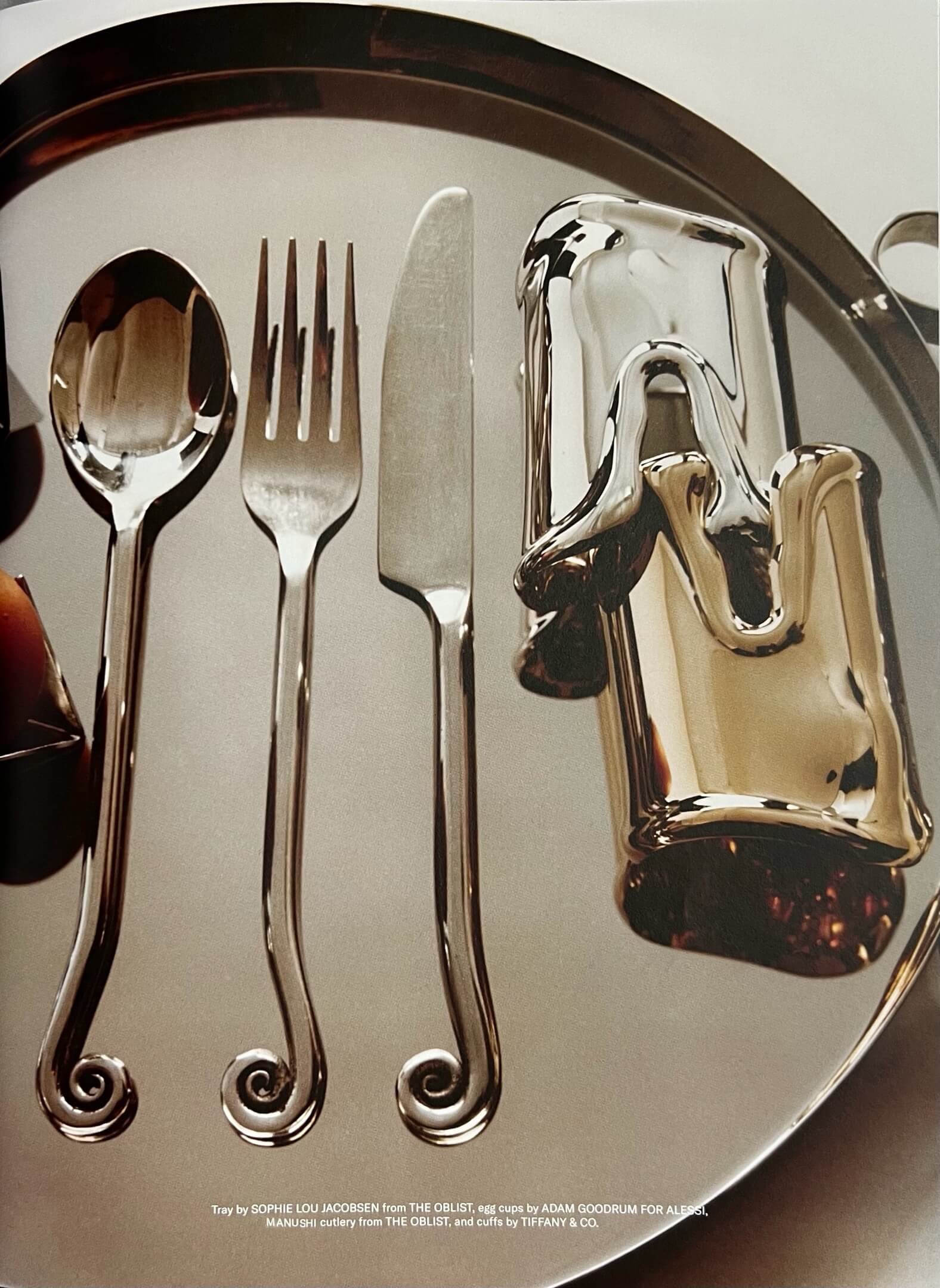
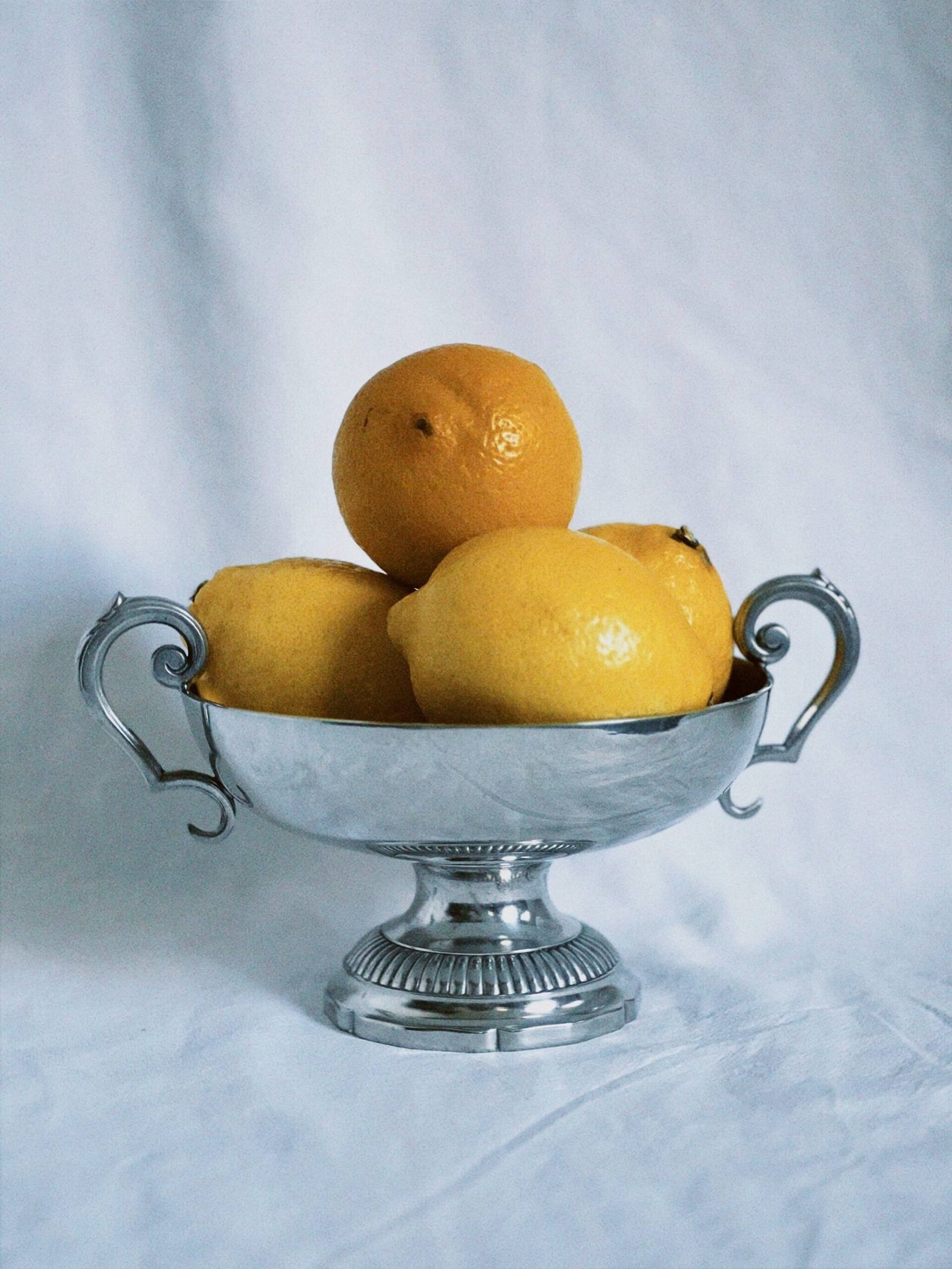
Manuela Wyszynski: Manushi is my Polish nickname, a connection to my paternal roots. In many ways, the studio has always existed, but it officially began with an instinct to preserve beautiful materials. While working in bespoke furniture design, I started collecting deadstock fabrics that I couldn’t bear to see go to waste. Some I framed simply because I thought they were too beautiful to be hidden away, and from others I taught myself to sew, creating bags that I began selling as the first expression of Manushi. When I moved to Paris in 2021, my perspective shifted. I spent every weekend exploring the flea markets, not with the intention of buying or selling, but simply because I was captivated. I’d never encountered anything like them. Looking back, those weekends were my self-education. I began sourcing pieces for myself, then for friends and private clients, and Manushi naturally evolved alongside that journey. Two years after moving to Paris, I became Head Curator at The Oblist, which allowed me to deepen that practice on a much broader scale. Today, Manushi is a reflection of my personal perspective and the way I see the world through objects. It’s a place where I can share the pieces that move me most. Connecting rarity and beautiful design to people with objects that deserve to be lived with and passed on.
Emaho: Manushi is deeply rooted in an appreciation for rare vintage and cherished objects. What draws you so strongly to vintage pieces, and what do they offer that newly produced objects often cannot?
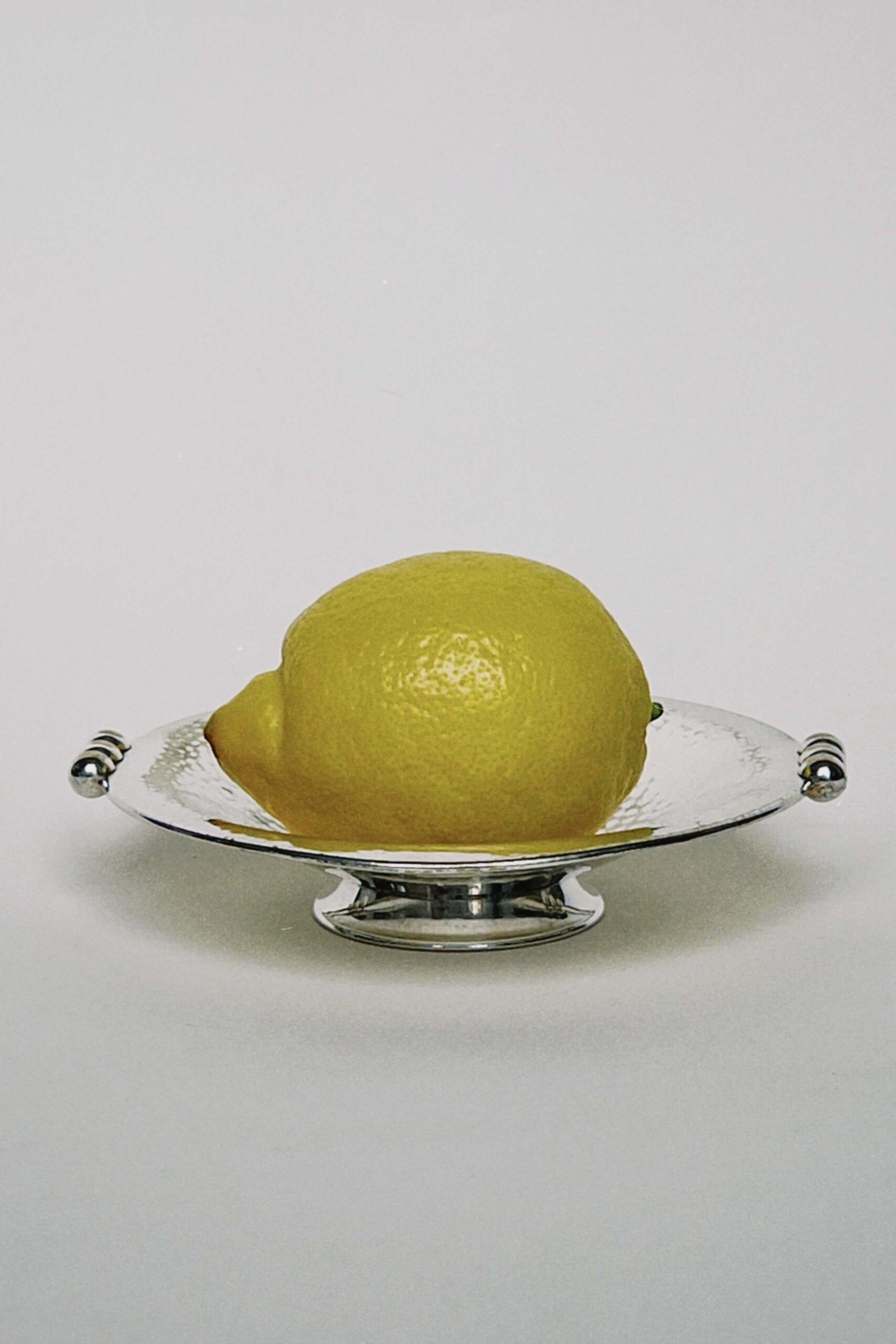
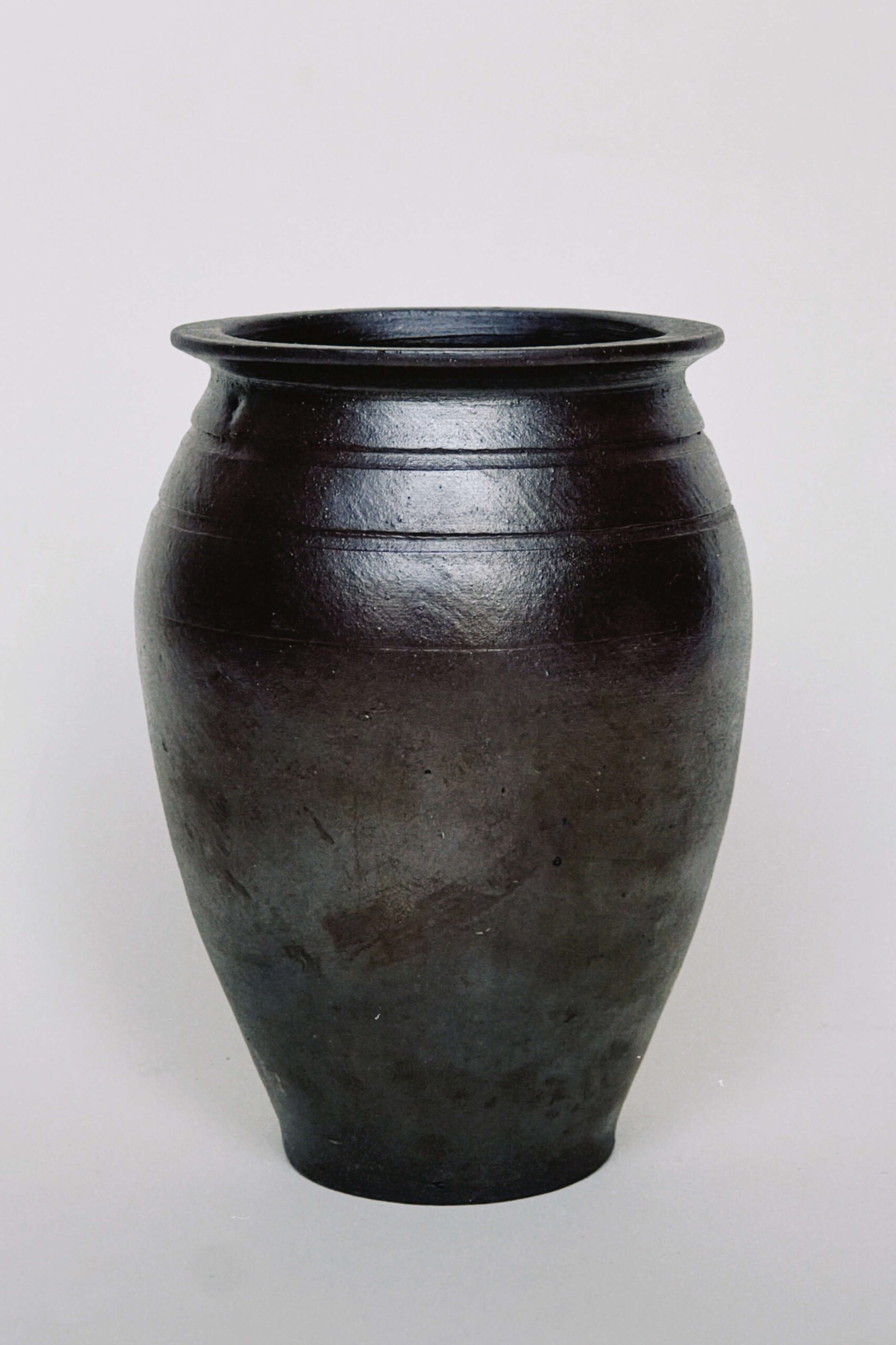
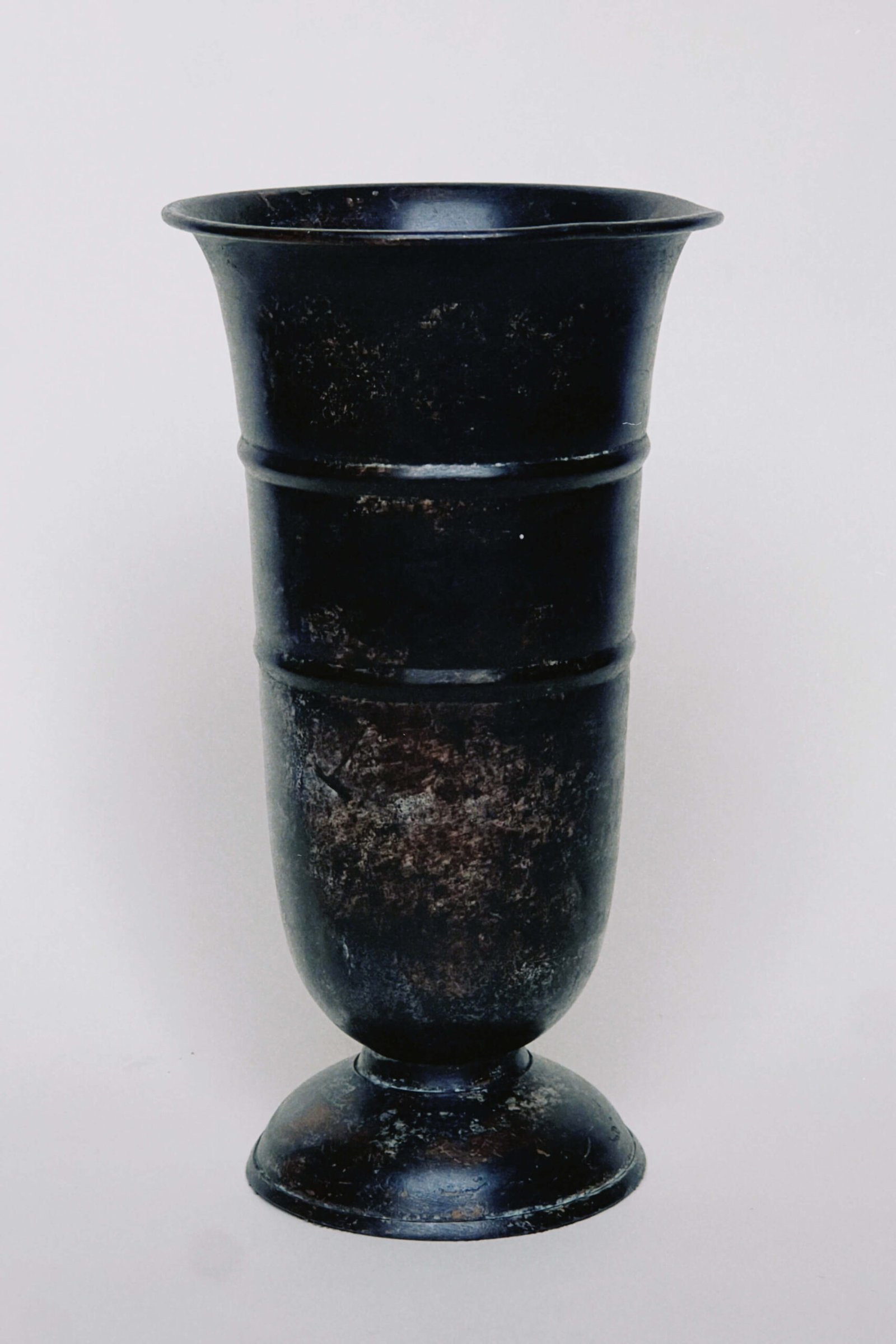
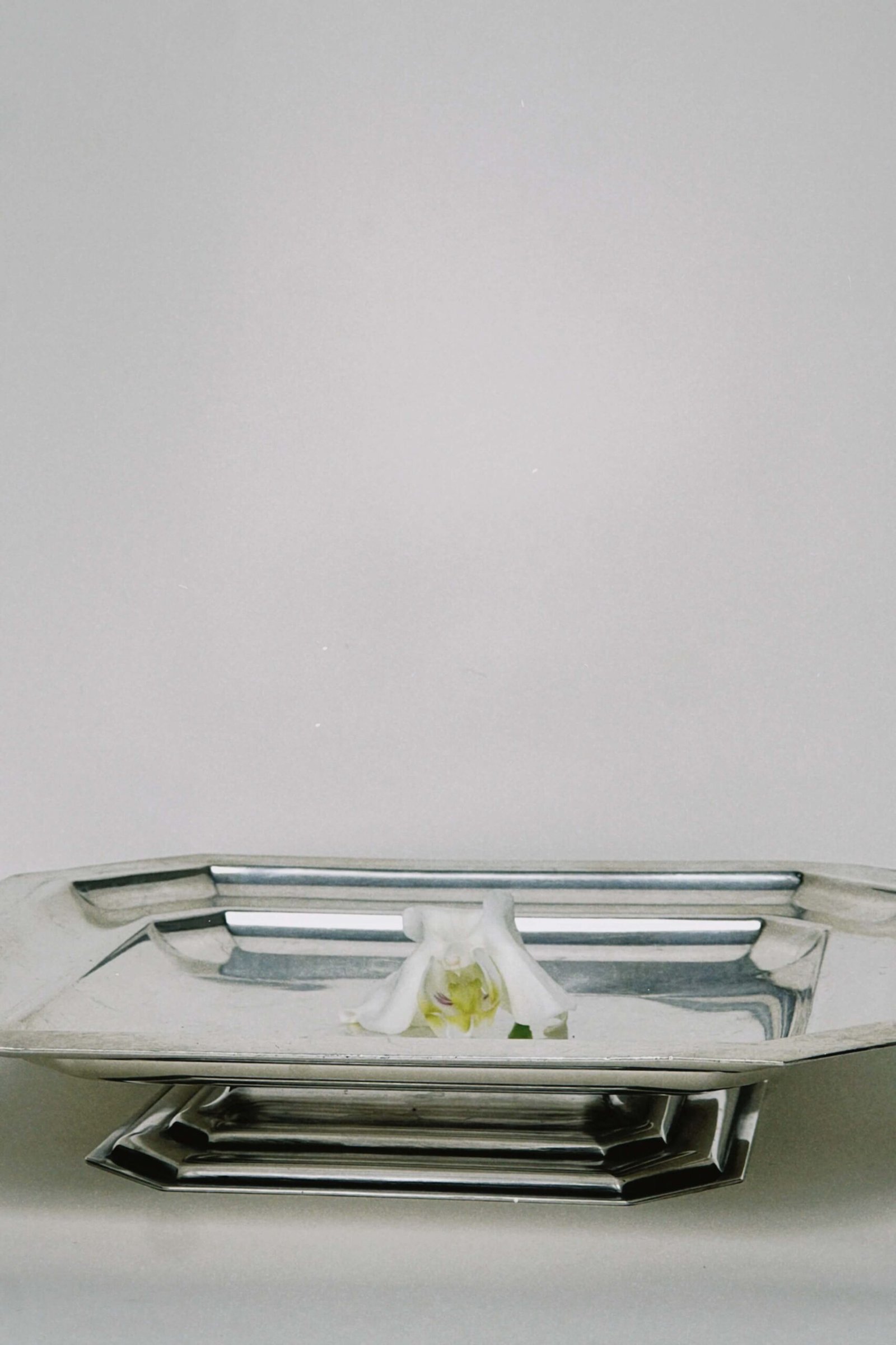
Manuela Wyszynski: What draws me most is evidence of life. I love patina because it’s something that can never be genuinely manufactured. It’s created slowly through time, use and touch. Every mark reminds us that someone once lived alongside that object. I’m fascinated by rarity. There’s something unreal about finding a piece that has survived decades of changing hands while retaining its beauty and integrity. I love the fact that an object has endured because someone chose to preserve it rather than replace it. New objects can certainly be beautifully made, but vintage pieces possess something that can’t be designed into existence.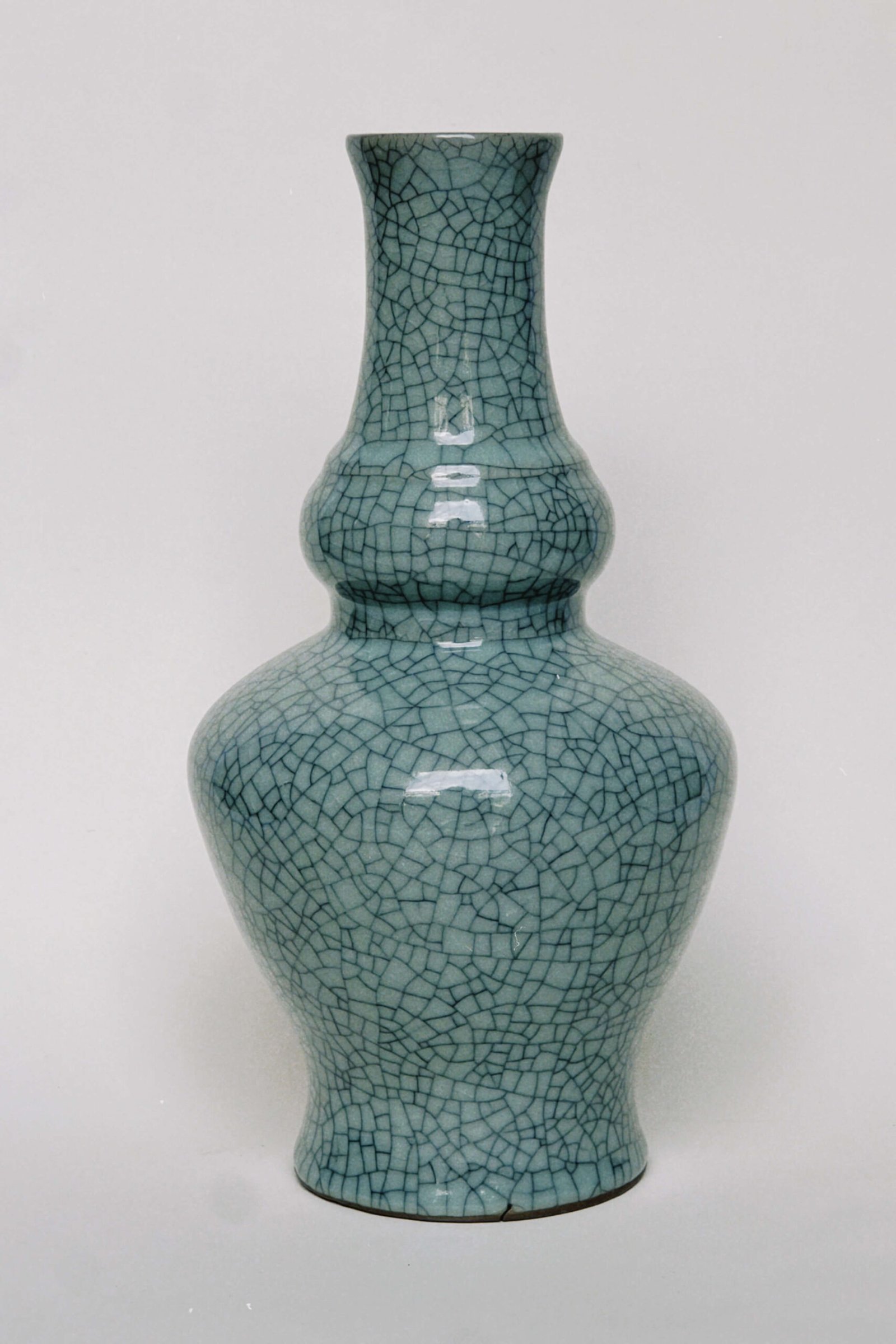
Emaho: Alongside your own practice, you curate for The Oblist. What would you say is your particular strength as a curator—your eye for form and proportion, sensitivity to patina and age, narrative intuition, or something more instinctive?
Manuela Wyszynski: Curating is a deeply instinctive process for me. I’ve learned to trust my eye. Of course I pay attention to things like proportion, materiality, technique and context, but what interests me just as much is the person behind the work. Every piece begins with someone’s obsession, and I love speaking with designers, artists and vintage dealers to understand what drives them to create or collect. The more I learn about the people behind an object, the more meaningful it becomes. Objects don’t exist in isolation, they’re always connected to someone’s imagination, experience, culture etc. Discovering those stories is one of the greatest privileges of my work.
Emaho: How do you define good design today, and what criteria must an object meet before you feel confident including it within the Manushi or Oblist selection?
Manuela Wyszynski: Good design is honest, it doesn’t rely on trends or novelty. It reflects thoughtful construction, beautiful materials and a clear point of view. Whether I’m sourcing for Manushi or curating for The Oblist, I always ask myself the same question: Would I still want to live with this twenty years from now? If the answer is yes, it’s usually because the piece has integrity. It’s beautifully made, emotionally resonant and capable of ageing gracefully rather than becoming obsolete.
Emaho: From your perspective as both a maker and a curator, what matters most when bringing an object into the world—its function, its beauty, its longevity, or the story it carries?
Manuela Wyszynski: I don’t think these qualities compete with one another, they should coexist. Beauty might be what first draws us towards an object, but longevity is what gives it value, function is what allows it to become part of daily life, and story is what creates an emotional connection. In a world defined by overconsumption, I believe every new object should justify its existence. If it isn’t made to last, to be loved and eventually passed on, then I question whether it needed to be created at all.
Emaho: In your view, what makes a piece truly unique rather than simply aesthetically pleasing – provenance, craftsmanship, imperfection, or its ability to capture a specific time and place?
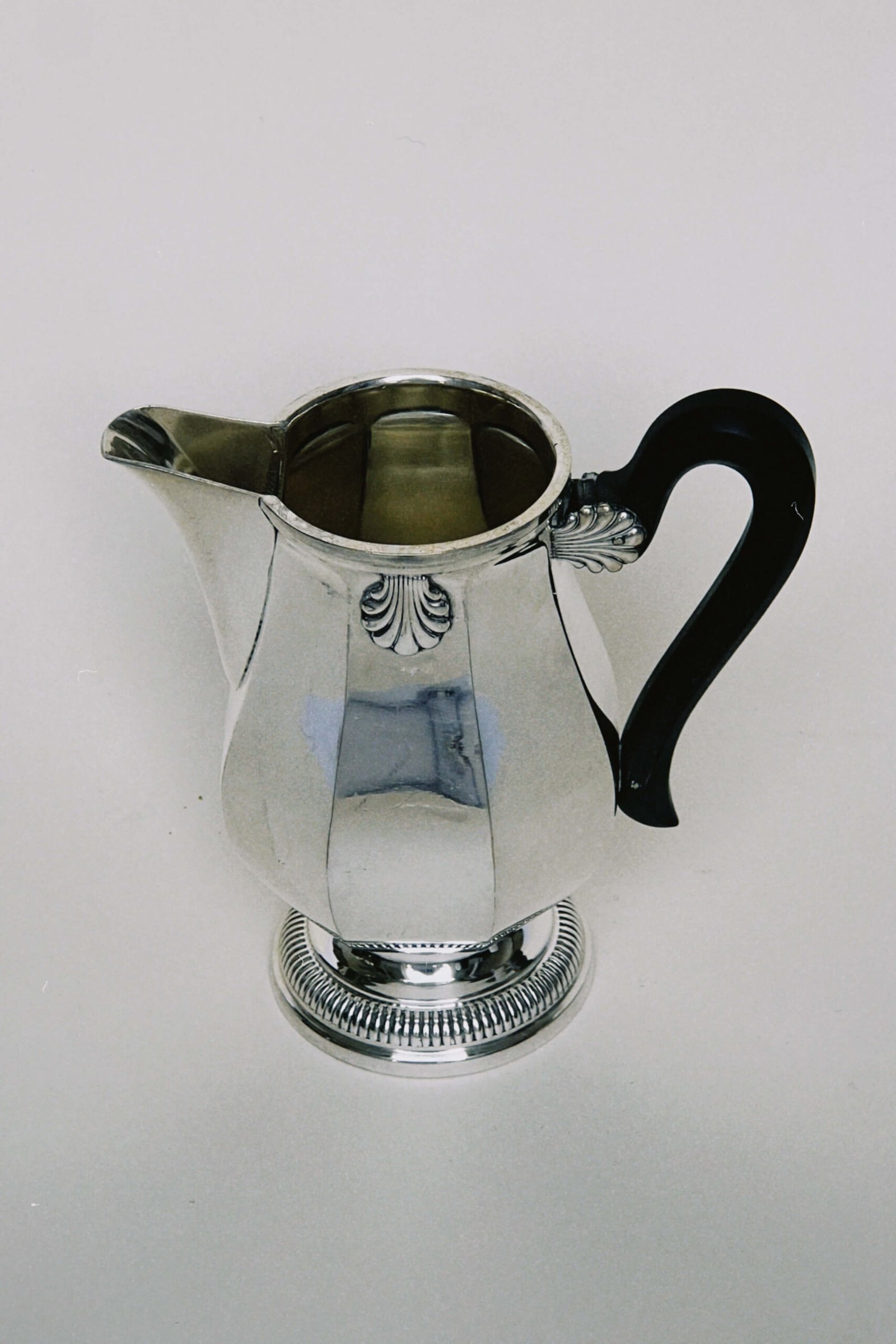
Manuela Wyszynski: Uniqueness isn’t something you can manufacture intentionally. It often comes from the combination of craftsmanship, provenance, imperfections and the passage of time. What ultimately matters most to me, though, is emotional response. Some pieces stop you immediately. You want to examine them and understand them. I trust that reaction completely. The objects I remember aren’t the most perfect, they’re the ones that make me feel something. And to me, that is what makes them unique.
Emaho: Looking ahead, what are your plans for Manushi in the coming years? Are you envisioning new collaborations, physical spaces, or expanded collections?
Manuela Wyszynski: Over the past three years, Manushi has been centred around vintage objects, but I see that as only the beginning. My vision is to expand into furniture, jewellery and clothing while continuing to build an evolving archive of carefully sourced pieces. Alongside this, I’ve developed a private curatorial consultancy, working closely with clients to source exceptional objects and help them build spaces and collections that feel deeply personal. I see myself as someone who connects people with pieces they’ll continue to live with, cherish and eventually pass on. It’s one of the most rewarding aspects of my work because every project becomes a conversation about how someone wants to live, rather than simply what they want to own. Looking ahead, I’d eventually love to create original collections inspired by the archive of forms and materials I’ve spent years observing and collecting. Ultimately I’m in no rush to arrive at a final version of Manushi. In many ways, I approach the business the same way I approach the design and collections in my own home. I don’t believe either should ever really be finished. The project is life. Both continue to evolve through experience, curiosity and the pieces & people I encounter along the way.