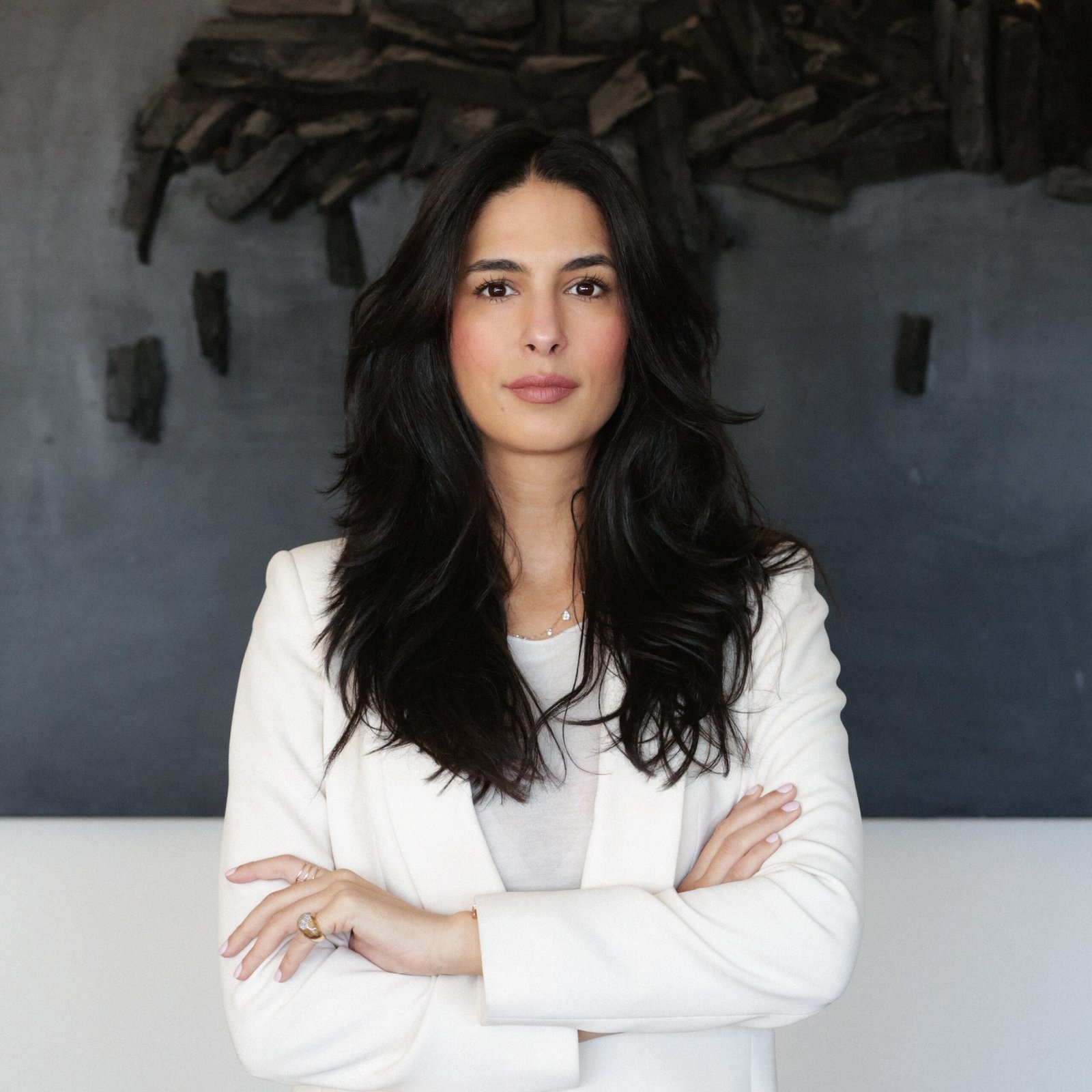
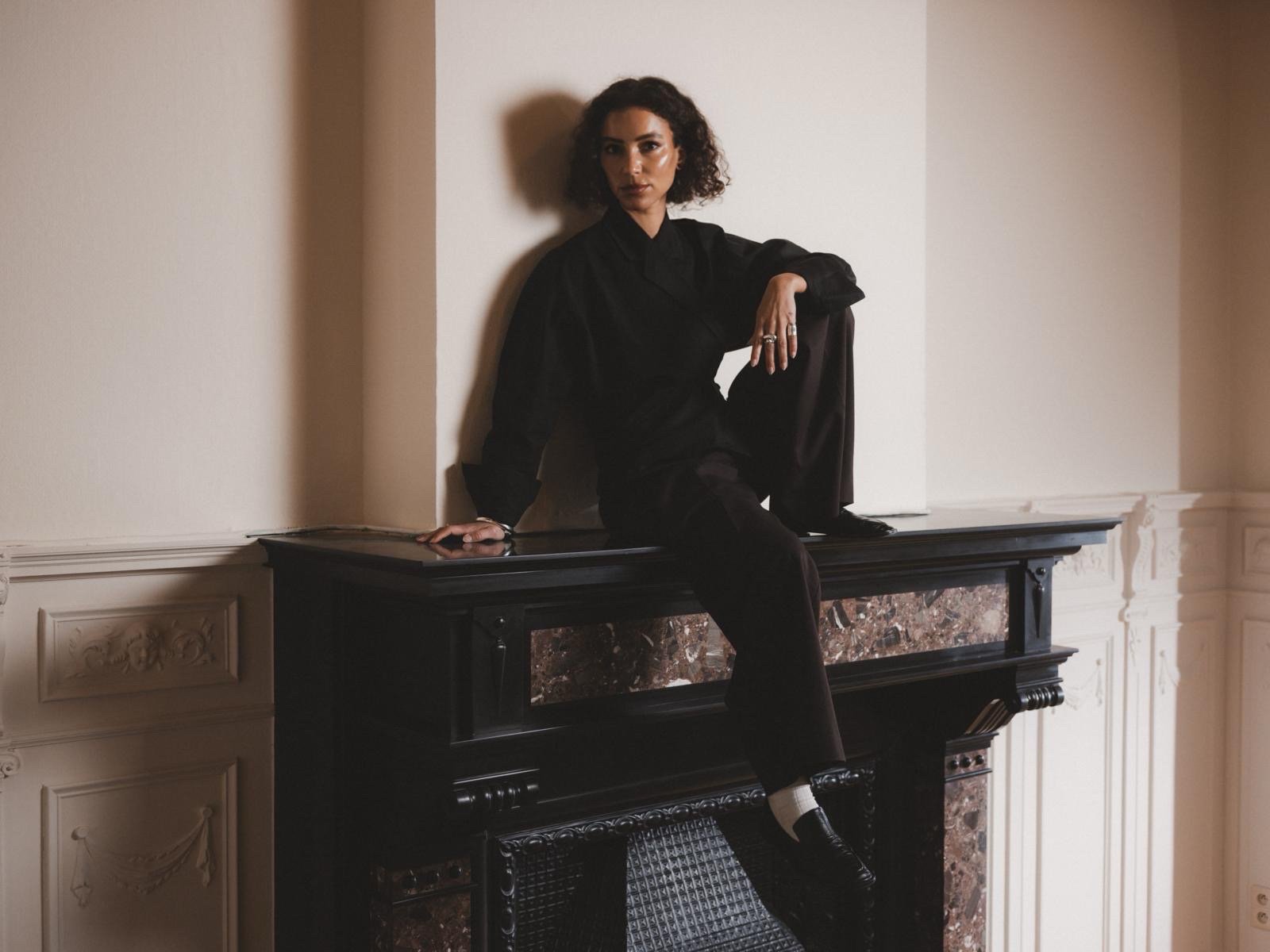
Emaho: You describe yourself as someone who seamlessly combines art and architecture, and you have said that your experience as an art curator adds enormous value to your work as an architect through your understanding of colour in its various palettes. Most architects come to art as an influence or a reference. You came to it as a practice in its own right. What did training your eye as a curator specifically give your spatial thinking that a purely architectural education does not give?
Elnaz Taghaddos: Architecture taught me how to organise space, understand proportion and resolve function. Curating taught me how to create emotion. It trained me to see beyond the physical boundaries of a room and to understand how colour, texture, light and objects can influence the way people feel within a space. As a curator, I learned to think about relationships between artworks, materials, scale and atmosphere. That experience sharpened my sensitivity to composition and taught me that sometimes the most powerful design decisions are not the loudest ones. It also deepened my understanding of storytelling. Every project, whether architectural or artistic, should communicate something meaningful.
Today, that perspective allows me to approach architecture not only as a technical discipline but as a cultural and emotional experience
Emaho: You co-founded E Plus A Atelier in Dubai in 2019 alongside architect Ali Mohammadioun, and have since founded ET’STUDIO as your own independent practice operating between the UAE, New York and Saudi Arabia. Running two distinct professional identities simultaneously, one collaborative and one solo, requires very different modes of thinking and very different relationships to creative authorship. What does each structure give you that the other cannot, and was the decision to establish ET’STUDIO a departure from E Plus A or a natural extension of it?
Elnaz Taghaddos: My experience at E Plus A Atelier was an important and formative chapter in my professional journey. It taught me the value of collaboration, dialogue and the exchange of ideas. Working within a partnership strengthened my understanding of leadership, project development and the collective nature of creative practice. The decision to establish ET’STUDIO was not a departure but a natural evolution of a vision I had carried from the very beginning of my career. I always knew I wanted to create something beyond a traditional design studio. My ambition was to build a multidisciplinary practice that could shape the entire experience of a space from architecture and interior design to art, materials, furniture and the finer details that ultimately define how people live, feel and connect within an environment.
For me, great architecture is never limited to a building itself. It is the atmosphere, the emotions it evokes, the craftsmanship behind it and the stories it tells. ET’STUDIO became the platform through which I could bring all of these elements together under a singular design philosophy. Every stage of my professional journey has contributed to that vision. What remains constant is my commitment to creating spaces that are thoughtful, emotionally resonant and deeply connected to the people who inhabit them.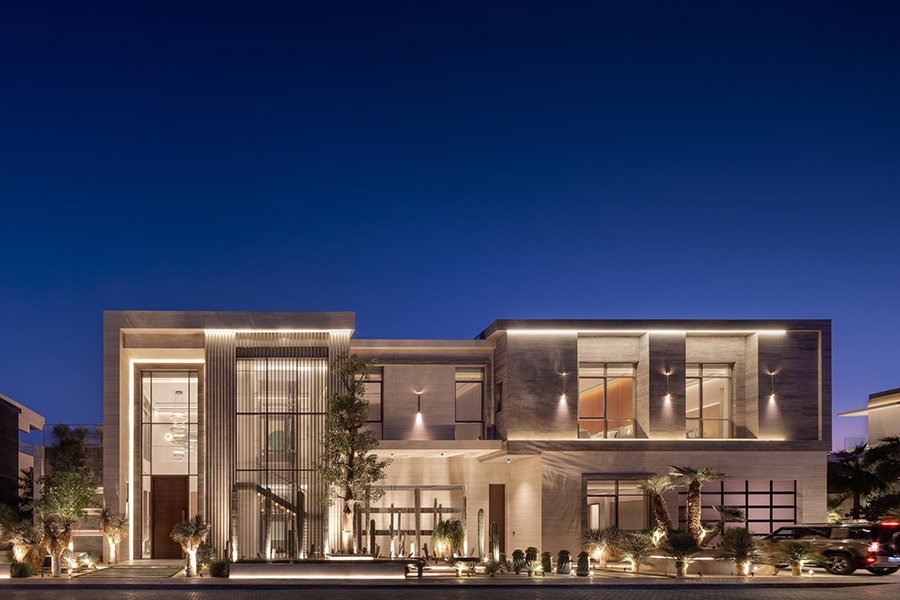
Emaho: ET’STUDIO specialises in luxury residential, hospitality and cultural projects, with expertise spanning spatial planning, interior architecture, material curation and bespoke furniture design, and also extends into art direction, exhibition design and consulting. That is an unusually wide scope for a boutique studio. Is that breadth a deliberate philosophy about what architecture should be able to do, or did the practice grow into that range organically through the clients and commissions that came to you?
Elnaz Taghaddos: It is both. The expansion happened organically through the nature of the projects and the trust clients placed in us. As relationships developed, clients increasingly looked to us not only for architecture and interiors, but also for guidance on furniture, art collections, material selections and the overall identity of a space. At the same time, I have always believed that architecture should be holistic. People do not experience a building in isolated layers. They experience everything at once the architecture, the materials, the furniture, the lighting, the artwork and even the smallest details.
For me, designing a space means shaping an entire experience. The wider scope of ET’STUDIO simply reflects that philosophy.
Emaho: You have described your design philosophy as one where every line, surface and material choice is purposeful, where sculptural gestures enhance rather than overwhelm the human experience, and where spaces achieve a balance of bold form and refined detail. That is a precise and demanding set of constraints to hold simultaneously. Which of those three principles is the hardest to protect when a client brief, a budget or a construction timeline is pushing in a different direction?
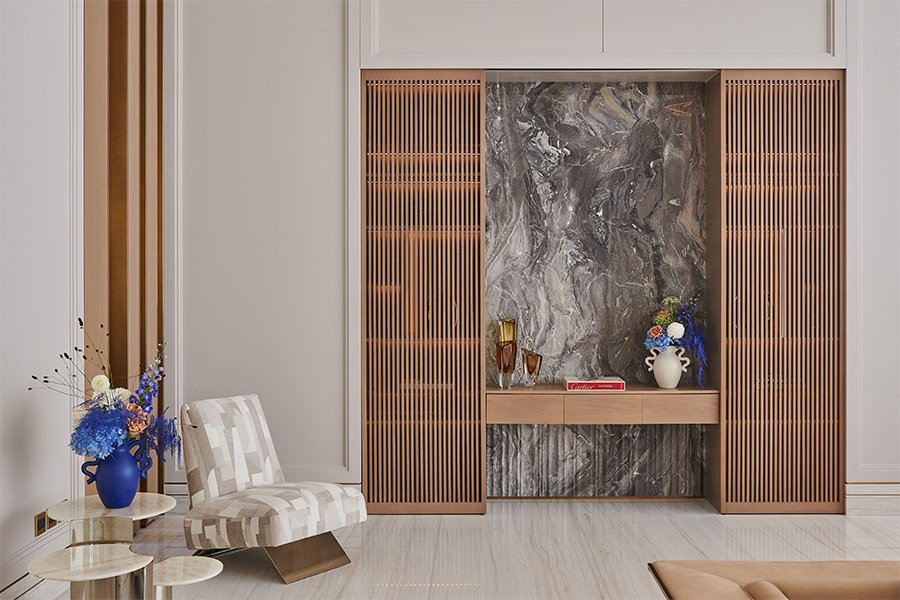
Elnaz Taghaddos: Without question, refined detail. Bold ideas often survive because they are visible from the beginning. The subtleties are more vulnerable. The quality of a material junction, the proportion of a handle, the depth of a shadow line or the finish of a handcrafted surface can easily be compromised when budgets, timelines or construction challenges arise. Yet these details are often what separate a good project from an exceptional one.
I believe luxury is not defined by excess but by precision. Protecting those moments of refinement requires persistence, discipline and a clear understanding of what truly matters to the integrity of the design.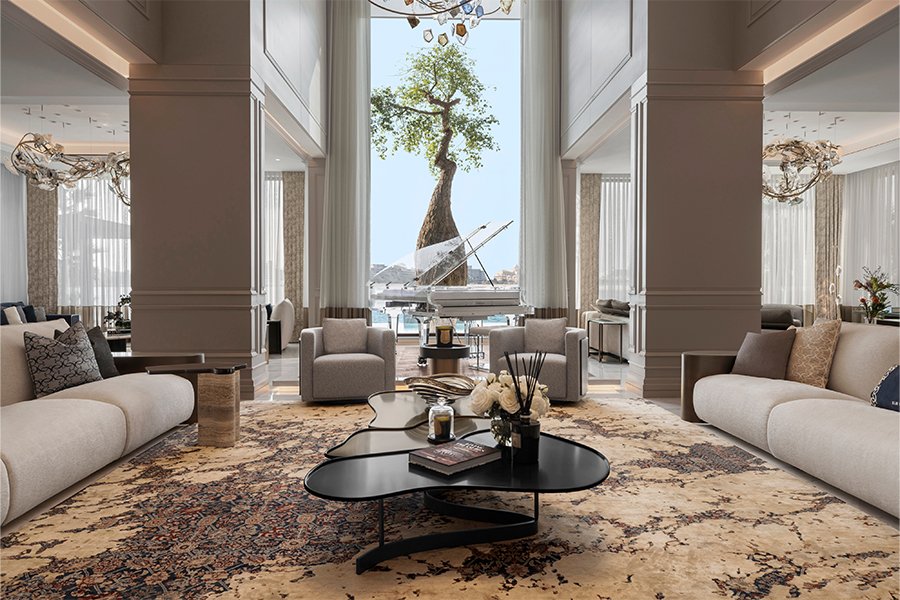
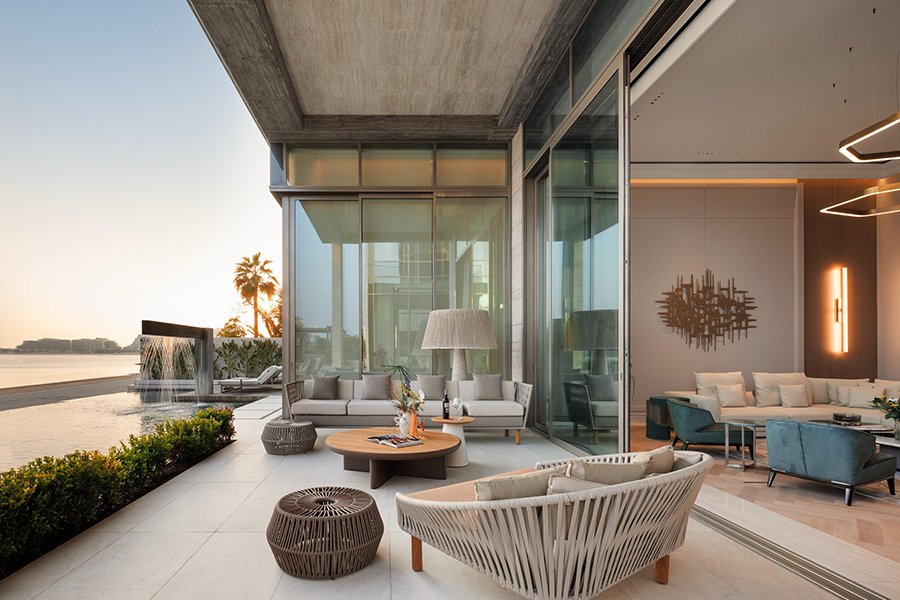
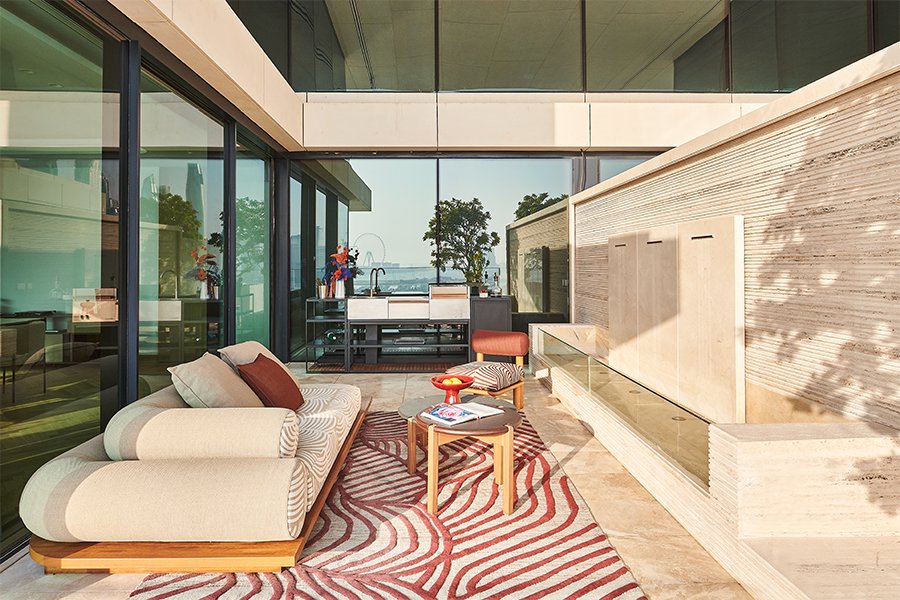
Emaho: The Sculptural Beachfront Villa on Palm Jumeirah, completed by E Plus A Atelier in 2025, is one of the practice’s most widely published projects, a residence conceived as a living sculpture composed of light, texture and movement, where the relationship between the building and the water, the interior and the exterior, the structural and the sensory, is the central argument of the design. What was the specific design challenge on that project that you did not anticipate when you took the commission, and how did resolving it change the building?
Elnaz Taghaddos: This project was particularly meaningful because it was created for a very dear family friend. Having such a close relationship with the client allowed me to understand their lifestyle and aspirations on a much deeper level than a typical commission. From the beginning, my ambition was not simply to design a residence but to create a living piece of art something deeply personal that would reflect both the family and the extraordinary setting. The greatest challenge was finding the right balance between architectural expression and environmental sensitivity. We wanted the villa to possess a strong sculptural identity while remaining connected to the softness of the sea, the movement of light and the natural landscape.
Resolving that challenge led us to blur the boundaries between interior and exterior spaces. Rather than feeling like a standalone object, the house became an immersive experience that changes throughout the day through light, reflection and movement. In many ways, the project taught me that the most powerful architecture is not architecture that dominates its surroundings, but architecture that enters into a dialogue with them.
Emaho: Operating across the UAE, Saudi Arabia and New York means designing for three very different cultural contexts, three very different client relationships and three very different definitions of luxury. The UAE client and the New York client bring entirely different expectations about what a space should feel like and what it should communicate. How do you adapt your design language across those contexts without losing the consistency that makes your work identifiable, and has any of those three markets fundamentally changed how you design?
Elnaz Taghaddos: Every culture has its own understanding of luxury. In the UAE, luxury is often associated with generosity, craftsmanship and a strong sense of presence. In New York, it is frequently expressed through restraint, functionality and sophistication. London brings a deep appreciation for heritage, character and timeless elegance, while Saudi Arabia has a profound relationship with hospitality, cultural identity and legacy. Through projects across these regions, including several ongoing commissions in London, I have learned that successful design begins with listening. Every client, culture and context has its own values, aspirations and way of experiencing space. The consistency in my work comes not from a specific aesthetic, but from a set of principles: thoughtful spatial planning, authenticity in materials, attention to detail and creating an emotional connection between people and the spaces they inhabit. Working internationally has reinforced my belief that successful design is not about repeating a signature style. It is about creating a meaningful response to context while remaining true to a clear design philosophy and set of values.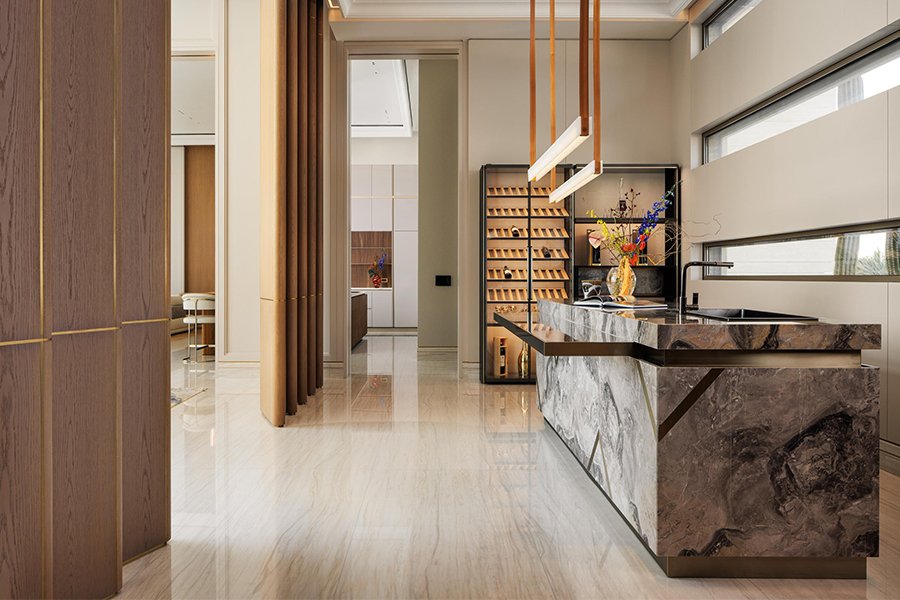
Emaho: You have described Persian heritage and the celebration of arts and crafts as the foundations of opulence as central to your upcoming work. Persian design has one of the richest visual languages in the world, from the geometry of Islamic tilework to the layered narratives of miniature painting to the spatial logic of the traditional courtyard house. How do you bring that heritage into a contemporary luxury context without it becoming decorative nostalgia, and what does Persian spatial thinking offer a luxury villa in Dubai or a hospitality project in Riyadh that a purely contemporary design language does not?
Elnaz Taghaddos: I am not interested in replicating historical forms or using heritage as decoration. What inspires me is the intelligence behind Persian architecture and craftsmanship the geometry, the rhythm of spaces, the relationship between light and shadow, the importance of privacy and the emotional quality of transitions between spaces. These principles remain incredibly relevant today. Persian spatial thinking offers something that contemporary luxury sometimes lacks depth, symbolism and a sense of cultural memory. It creates spaces that feel layered and meaningful rather than simply beautiful. My goal is not to recreate the past, but to reinterpret its values in a contemporary way. When done successfully, heritage becomes part of the architectural DNA of a project rather than an aesthetic reference applied to its surface.
Emaho: You have described collaboration as central to your practice, with clients positioned as active participants in the creative process rather than passive recipients of a design solution. That is a more demanding and more vulnerable creative position than a studio that presents a finished vision for approval. What does genuinely collaborative design ask of you that a more directive approach would not, and has a client ever taken a project somewhere better than you would have taken it alone?
Elnaz Taghaddos: Collaboration requires humility. It asks you to listen carefully, remain open to unexpected ideas and understand that great design rarely emerges from a single perspective. It requires trust not only in your own expertise, but also in the experiences and insights of the people you are designing for. I see clients as active participants in the creative process because they bring something no designer can provide: an intimate understanding of how they want to live, work and feel within a space. Some of the most rewarding moments in my career have come from conversations that challenged my assumptions and ultimately led the project in a stronger direction. True collaboration does not weaken a design vision. It enriches it.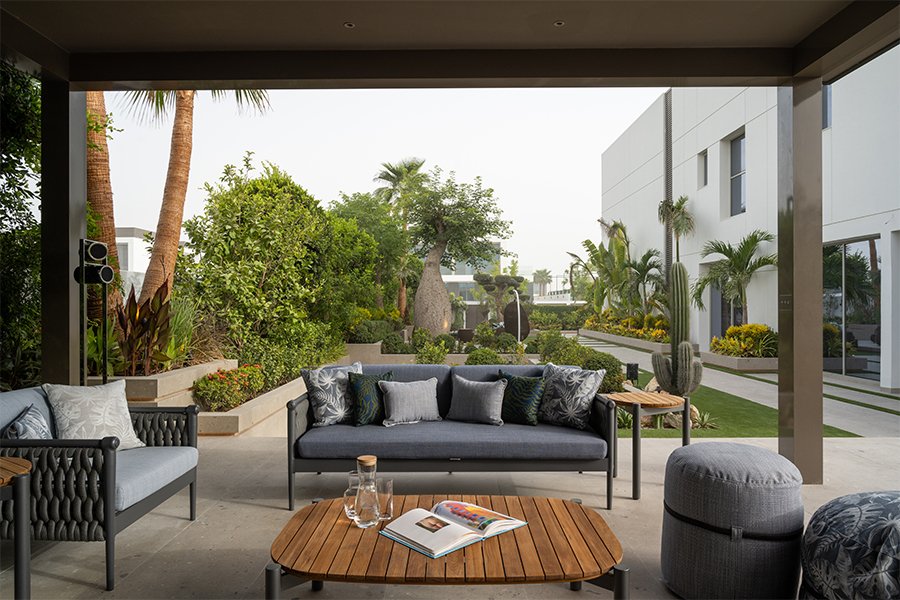
Emaho: You are an Iranian architect building an internationally recognised practice across the Gulf, New York and beyond, in a field and a region where the pressures of rapid development, fast timelines and commercial scale are intense. What is the thing you most want to protect in your work as ET’STUDIO grows, and what does the version of this studio in ten years look like that would make you feel the original vision had fully become what you intended it to be?
Elnaz Taghaddos: The soul of the work. As studios grow, there is always a risk that efficiency replaces intimacy or that processes begin to outweigh creativity. What I want to protect above all is the emotional quality of our projects and the level of care that goes into every decision. I never want the work to feel formulaic or repetitive. Every project should begin with curiosity and end with something unique. In ten years, I hope ET’STUDIO will be recognised internationally for creating architecture and interiors that are culturally aware, emotionally intelligent and deeply connected to craftsmanship. I hope it will remain a studio where art, design and architecture exist in constant dialogue and where every project continues to tell a meaningful story.
For me, success is not measured by scale alone. It is measured by the ability to remain true to the values that inspired the studio from the very beginning.