Emaho: You were born in Tehran in October 1952, trained as a photographer at the West Surrey College of Art and Design in the United Kingdom during the 1970s, and returned to Iran in autumn 1978 to find yourself at the beginning of a revolution. You were one of the only academically trained photographers present at the Iranian Revolution, and in the early days of that upheaval you had your skull fractured by a projectile. Most photographers describe finding their subject. Your subject found you at a moment of genuine physical danger. What did the revolution, and what happened to you inside it, permanently change about how you understand the relationship between a photographer and the event they are standing inside?
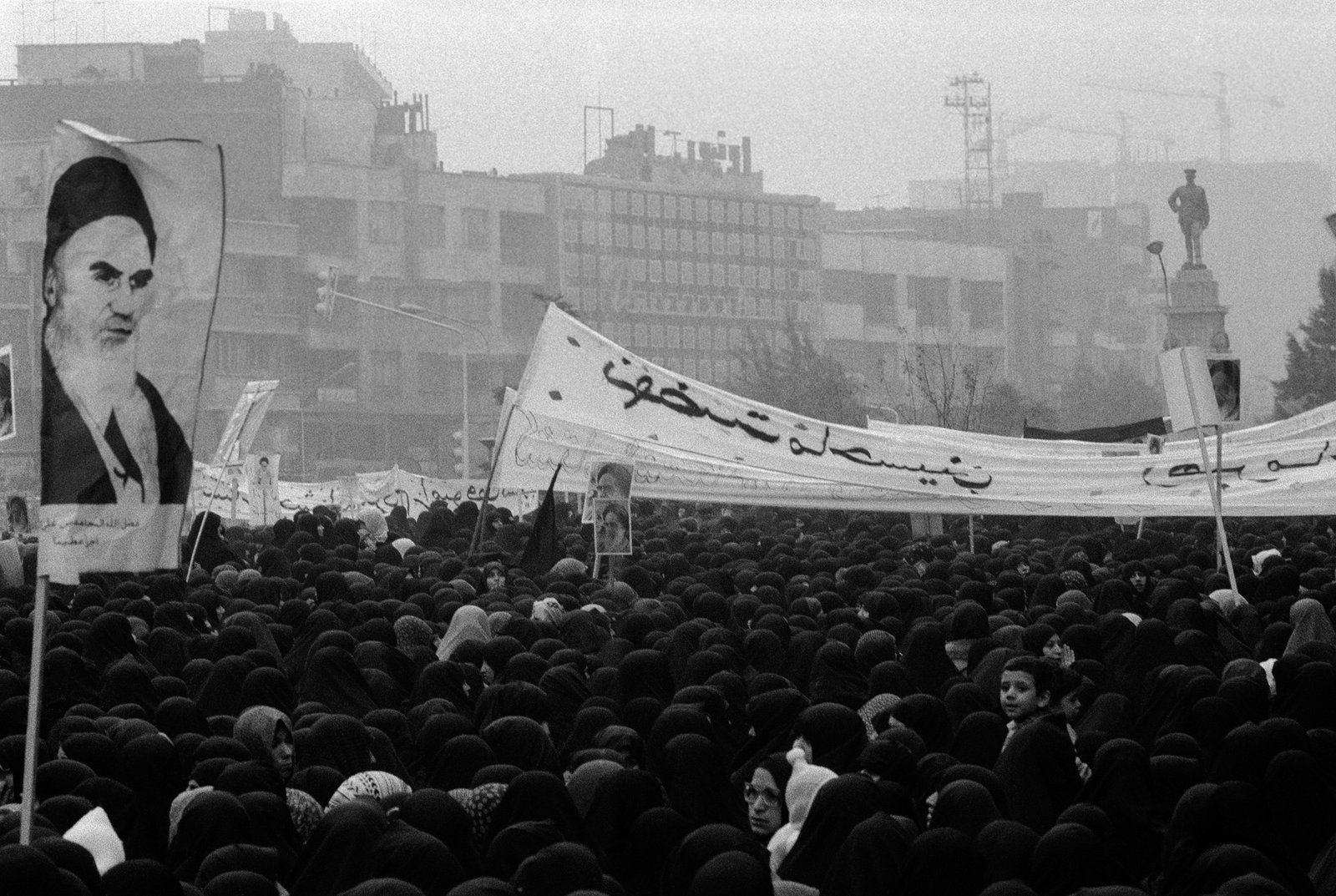
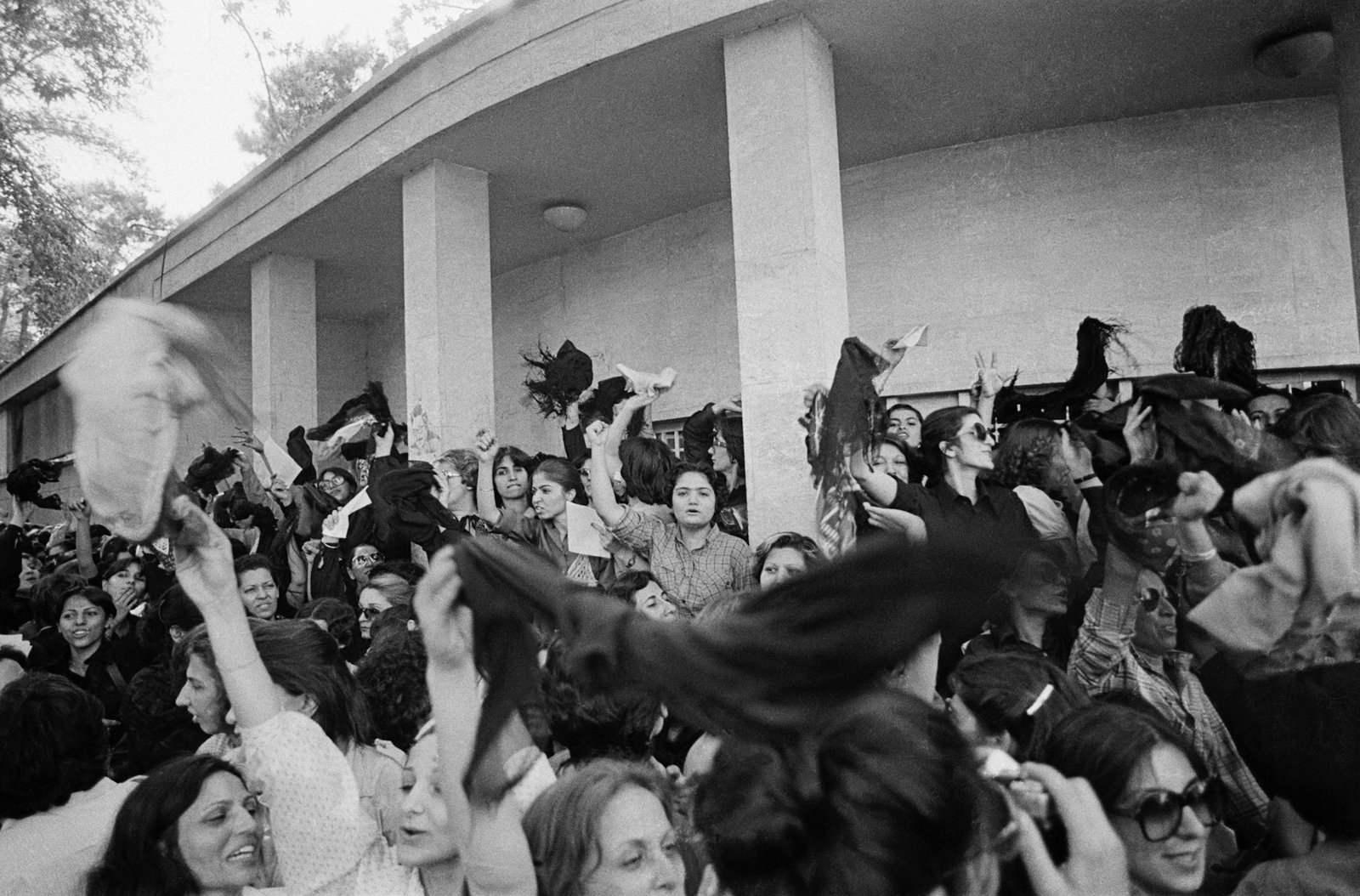
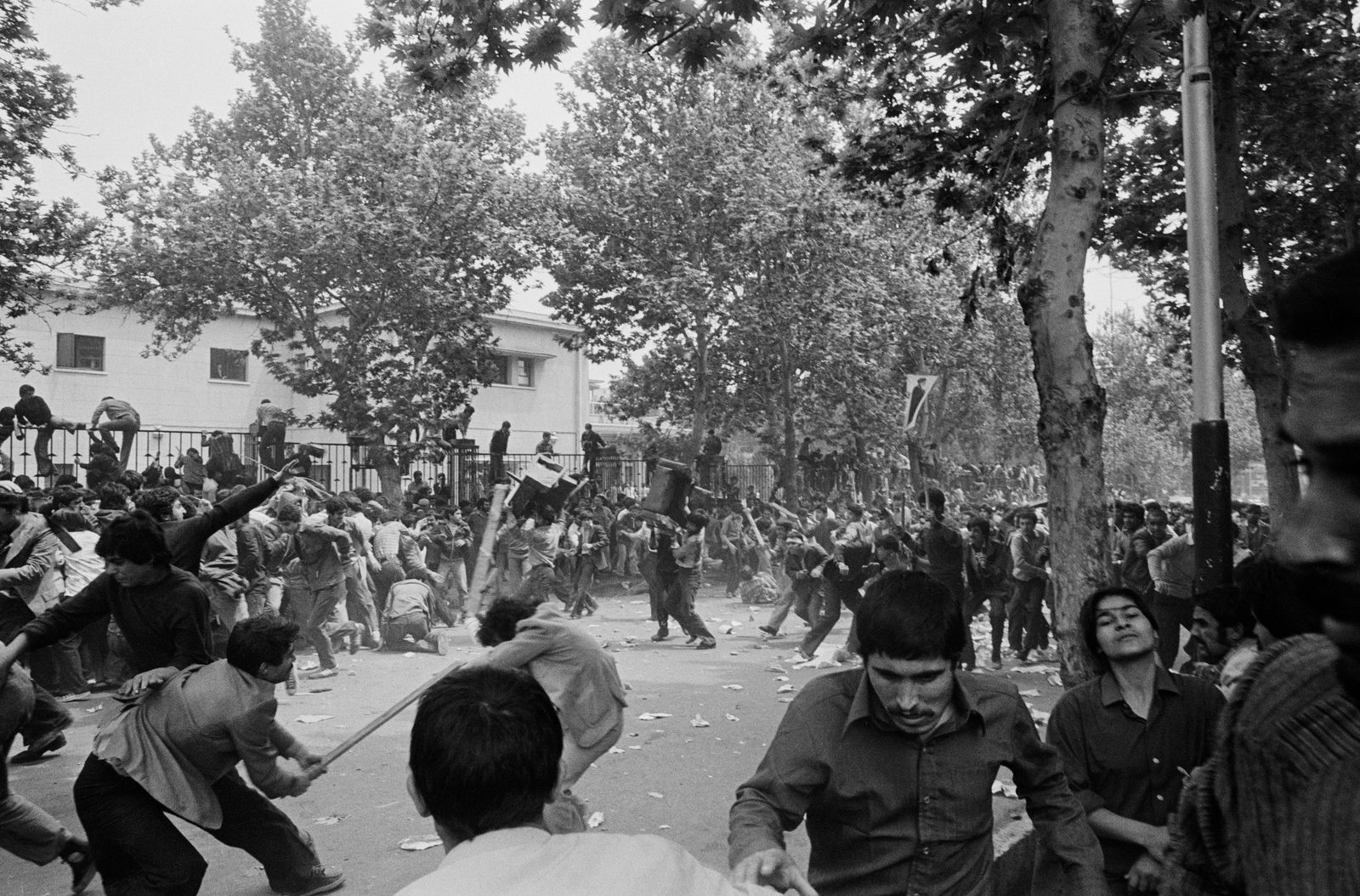
Kaveh Kazemi: Because there was no prospect of photojournalism during the Shah, I had specialized in advertising with large format cameras with studio lighting, although I had done street photography and reportage in those years. When I returned to Iran soon after I found myself in turbulent days of revolution. My skull became a target of a slingshot during the Cultural Revolution in 1981 which by that time I was well on my way of covering different phases of post revolution Iran including the Iran-Iraq war and occupation of the American embassy in Tehran and of course being published internationally.
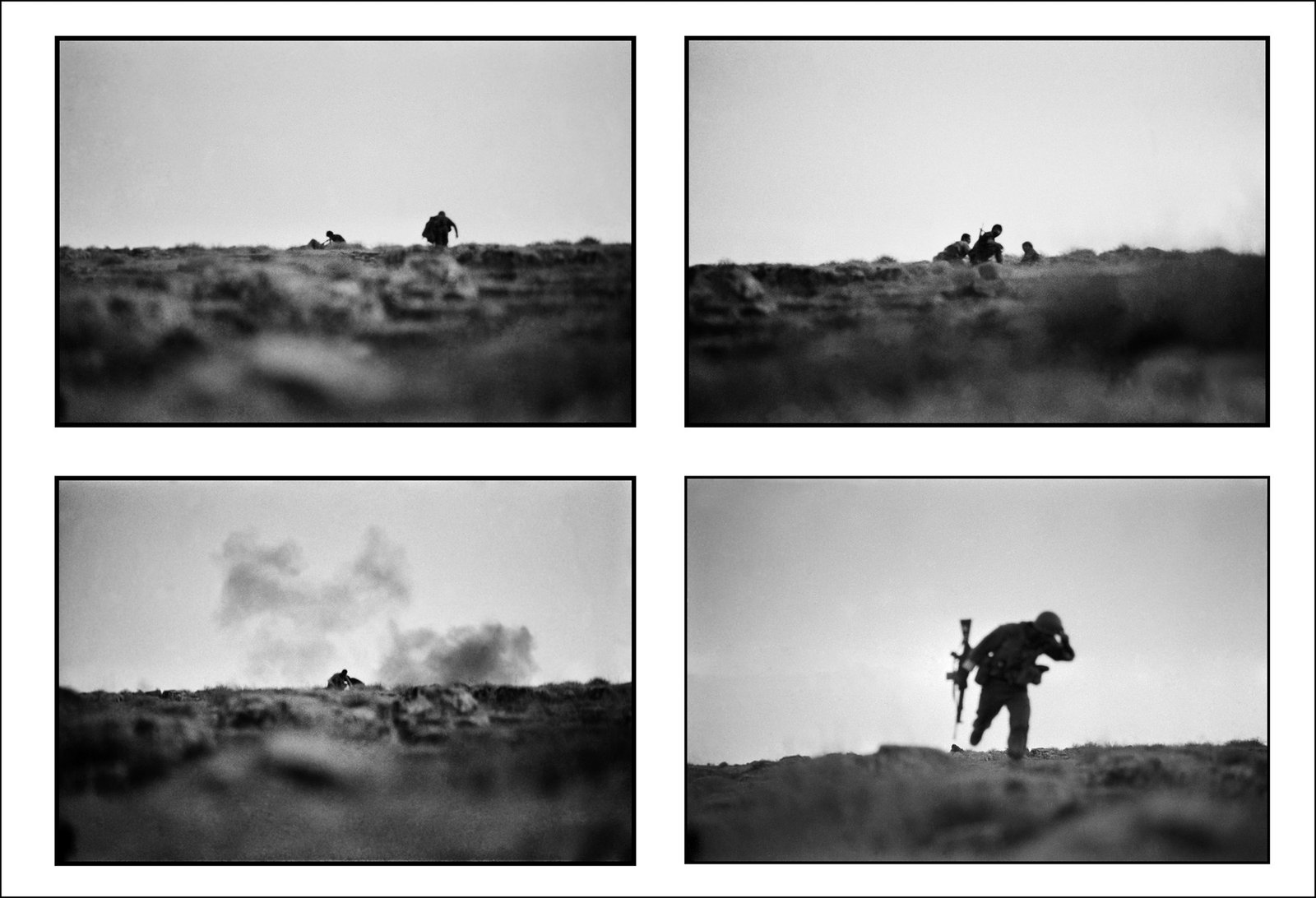
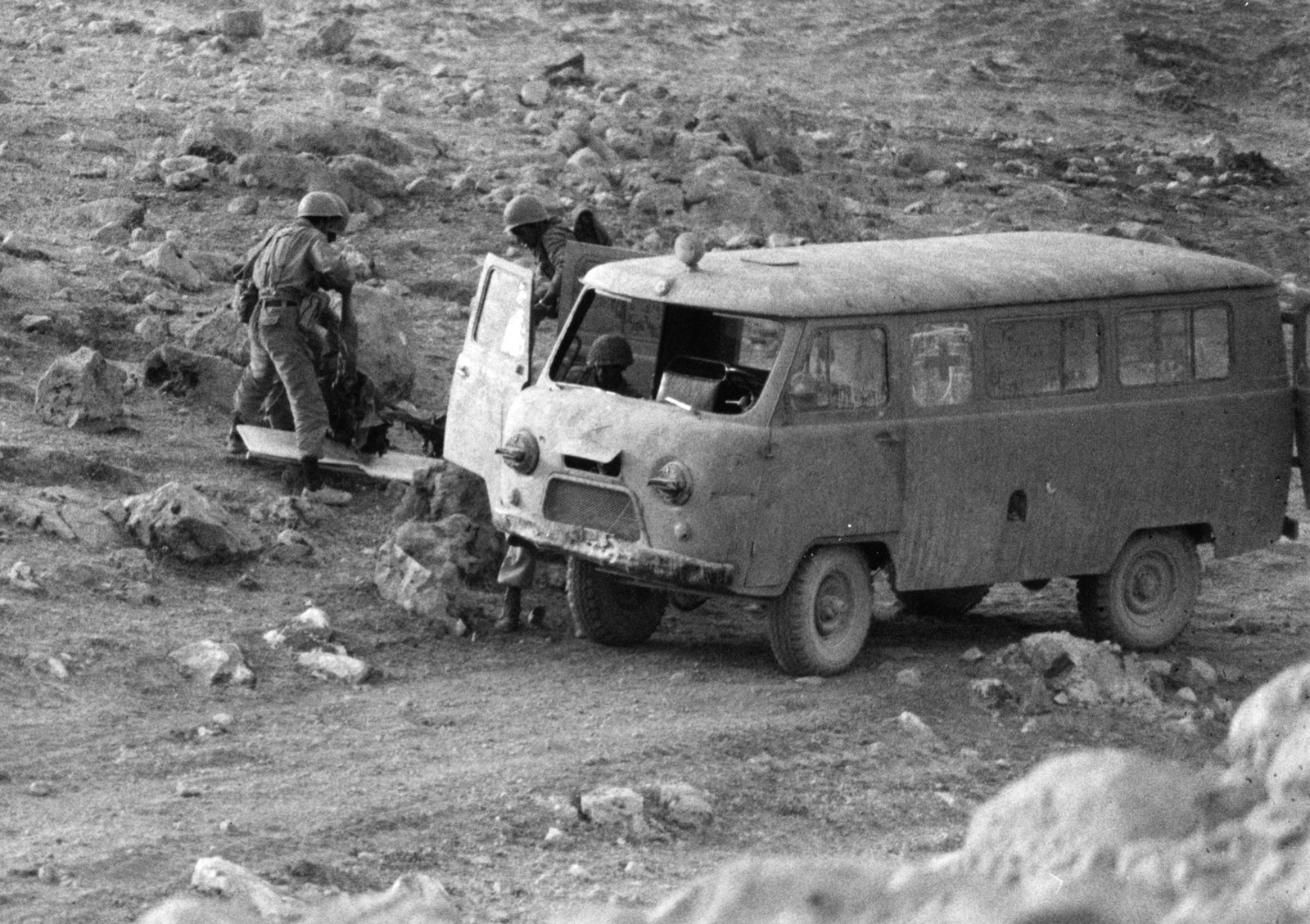
I think the occasion that changed me for life was on my first trip during Iran-Iraq war where a soldier hit by mortar shrapnel fell into half when the rescuing comrades picked him up by hands and legs to put on a stretcher. His guts fell out as I saw it through my telephoto lens.
The idea of a successful coverage is to slowly merge into the scene without any gesture of opportunism and hostility or intrusion.
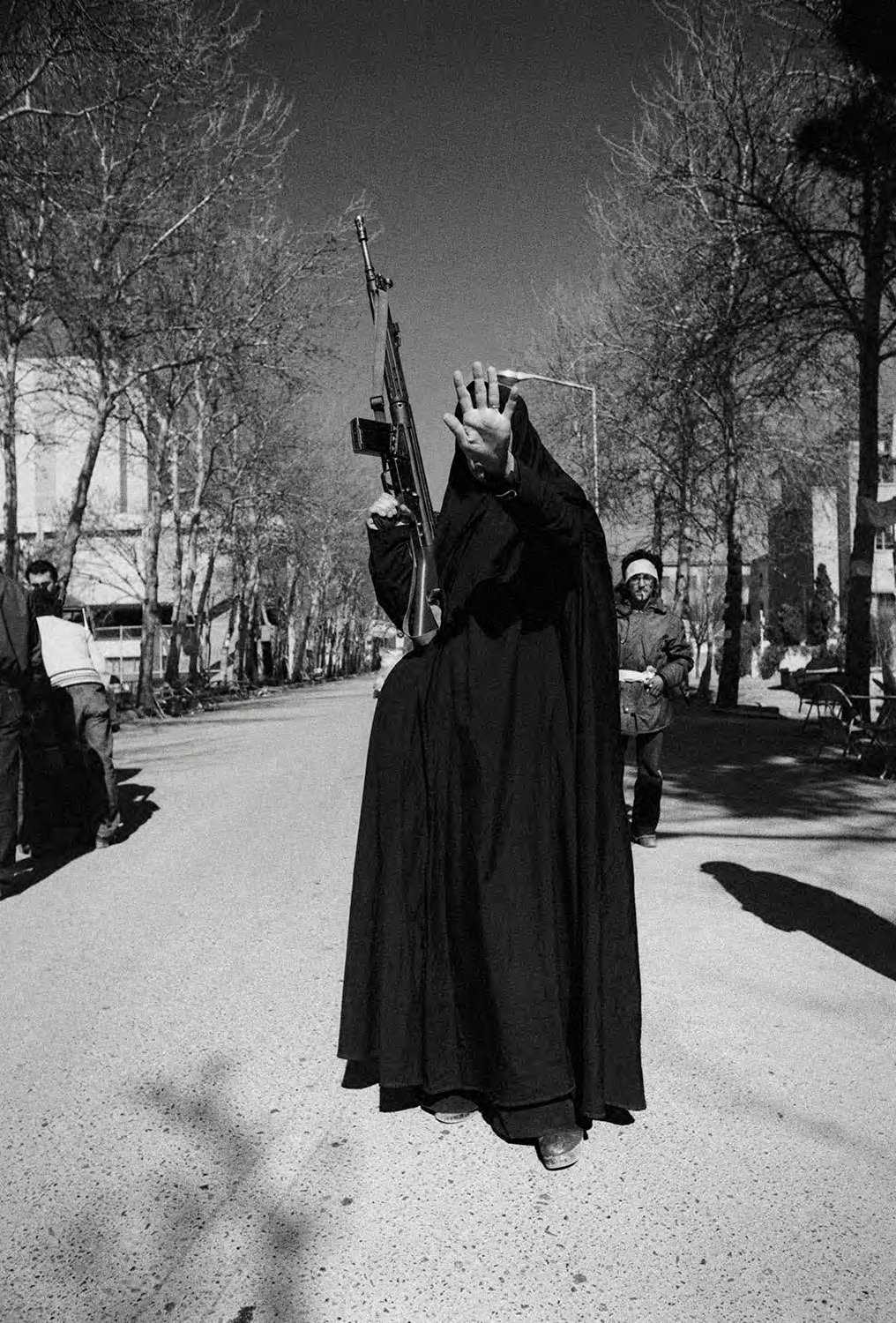
Emaho: One of your most celebrated images from the revolution is Defiant Revolutionary, 1979, showing a militiawoman holding her hand out of the impenetrable blackness of her chador while brandishing a G3 weapon, an image described as heralding what was to come in the Islamic hegemony forced on the country and how it would be represented visually for decades afterward. A single image carrying that much historical weight is an unusual burden. Did you know in the moment of taking it what you had, and how do you think about the gap between the fraction of a second in which an image is made and the decades of meaning that accumulate around it afterwards?
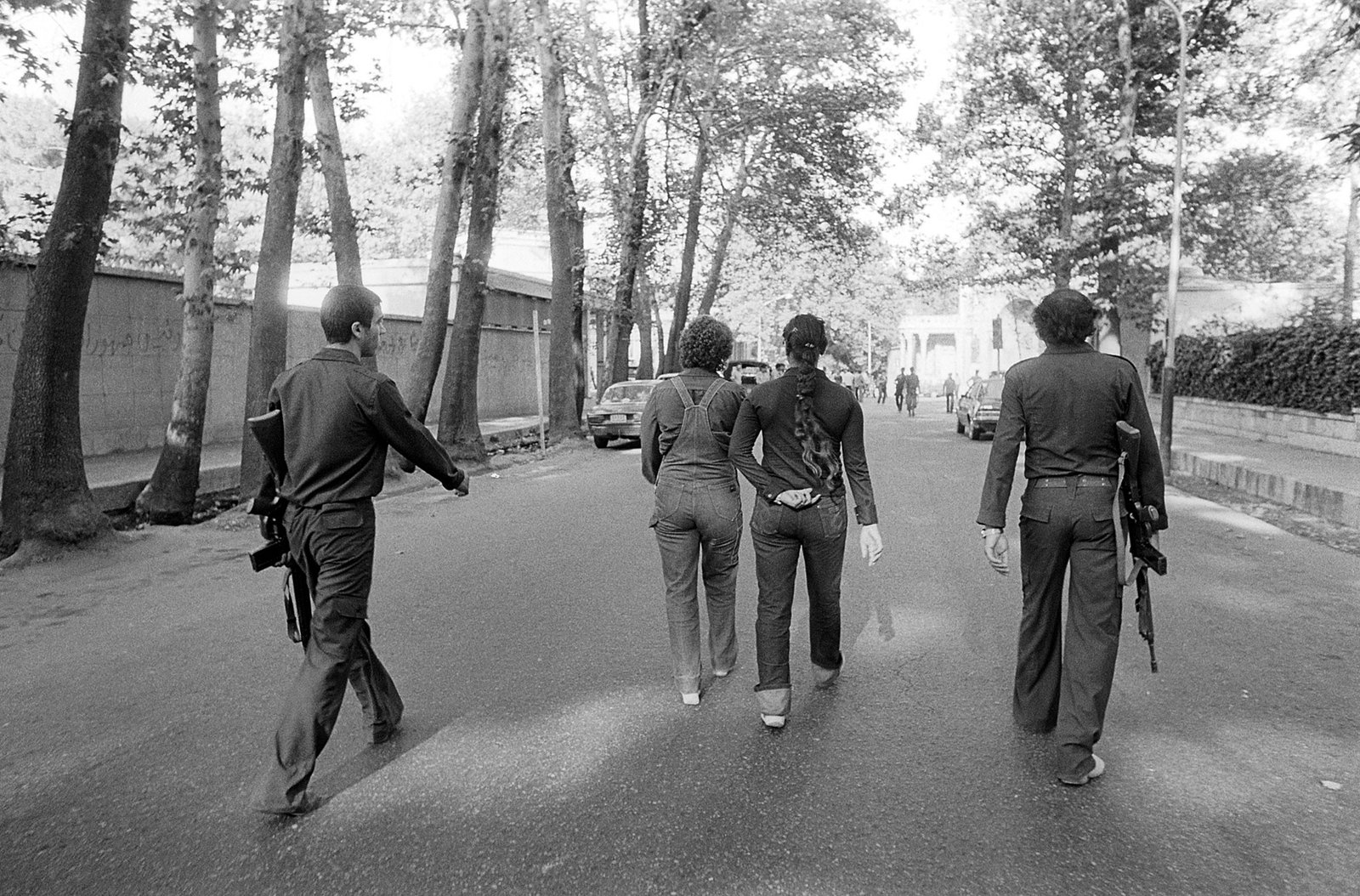
Kaveh Kazemi: It was the day after the victory of revolution being 12th February 1979. I went to Tehran University to look around and soon I noticed her standing within a few meters of me while talking, I believe, to a foreign journalist. As I got closer, I was raising my camera vertically, from waist level, and there she said NO – but by this time I had clicked and this iconic image was recorded. The interesting thing was that it was Frame 37 on a 36 exposure film which was very usual in those days. You’d get one or two extra frames occasionally.
So, I had 6 strips of 6 and no.37 alone by itself (a very mini-cut).This photo went unnoticed for a long time until it came to light and made its impact globally and now more so in Iran. People read a lot in this photo and it is one of the favourite for collectors.
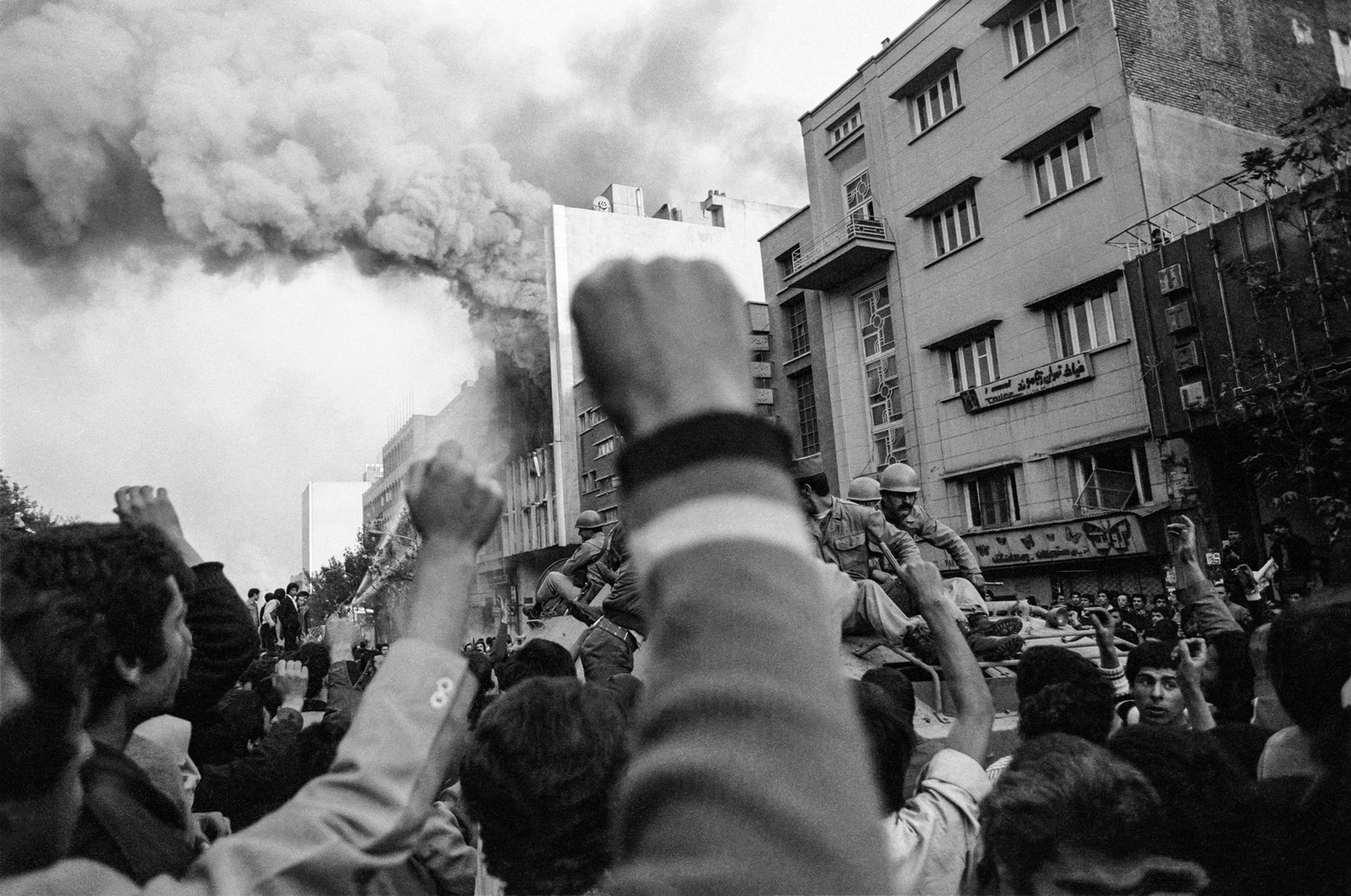
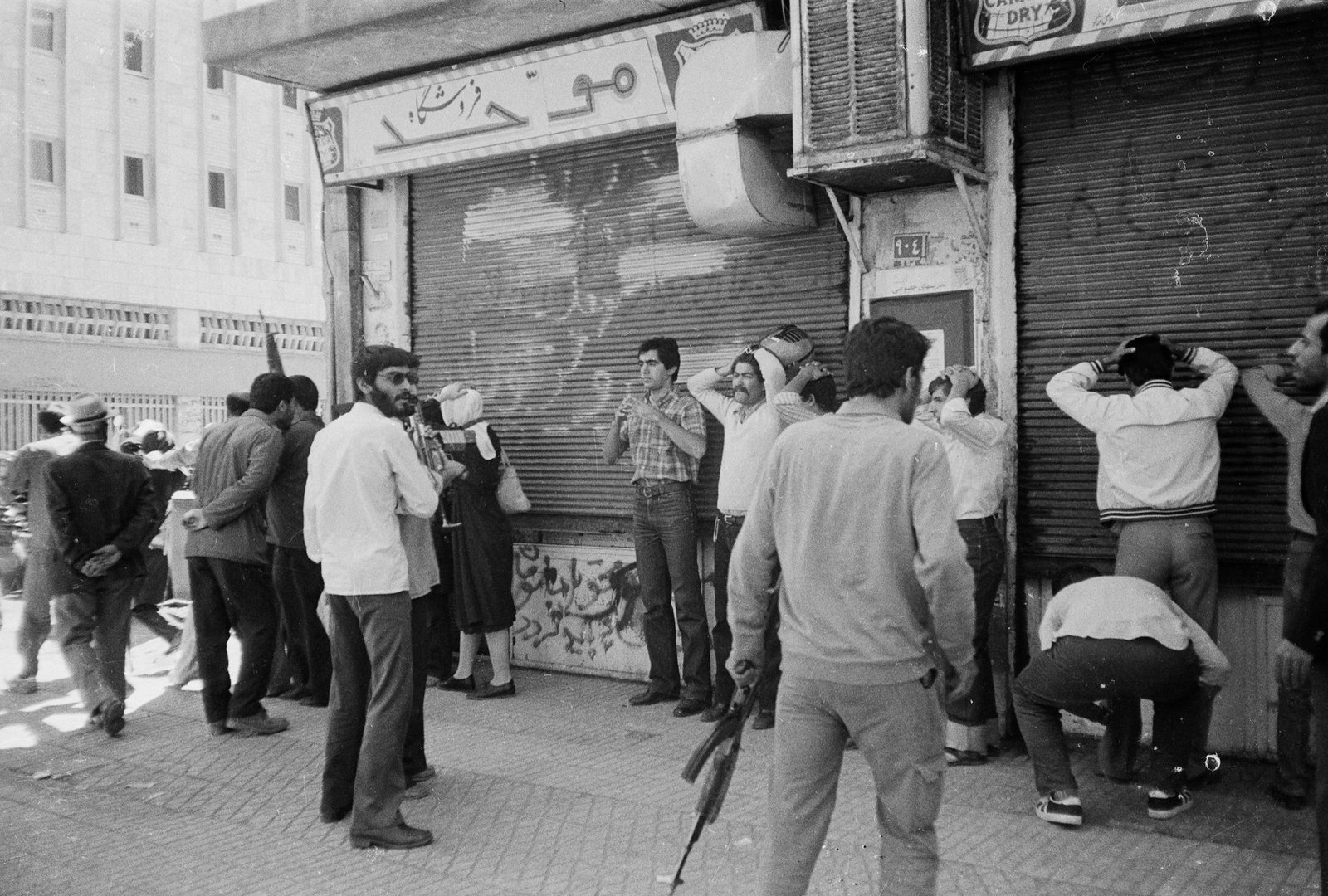
Emaho: In 2017, nearly four decades after the revolution, you published Revolutionaries: The First Decade with Nazar Art Publications, exhibiting the work at Aaran Gallery in Tehran from May 19 to June 9, making a substantial archive of black and white photographs available to a generation of Iranians who were not alive during those events. The younger generation in Iran is deeply interested in images that depict that period independently from the official narrative. What did returning to that archive after forty years feel like, and what did you discover in those contact sheets that you had either forgotten or that only became visible to you at the distance of four decades?
Kaveh Kazemi: The eagerness of the younger generation is amazing to see more of those days! My publisher Mr. Bahmanpour RIP (he passed away recently) was very keen on reprinting this book – but every time he brought up the subject I declined! I saw hundreds of images that some had fallen off my eyes before. I had to manage the book in some kind of manageable order. Therefore, decided to have only the first decade and only black and white photos. The iconic woman with G3 went on both sides of the cover in positive and negative form.
I am now marking the unused-unseen photos and hope to do something with them in the near future if these hostile enemies who are intent on bringing misery to Iranian people allow!
Emaho: In 1984 you left Iran, based yourself in Paris and chose Northern Ireland as the place where you would cut your teeth as an international photojournalist, travelling to Belfast, Derry, Donegal and South Armagh during some of the worst years of the Troubles. You have described covering Ireland as instrumental in shaping you as an international photojournalist. What was it specifically about Northern Ireland in the mid-1980s that was the right school for someone who had come from the Iranian Revolution, and what did photographing one deeply rooted conflict teach you about how to approach another?
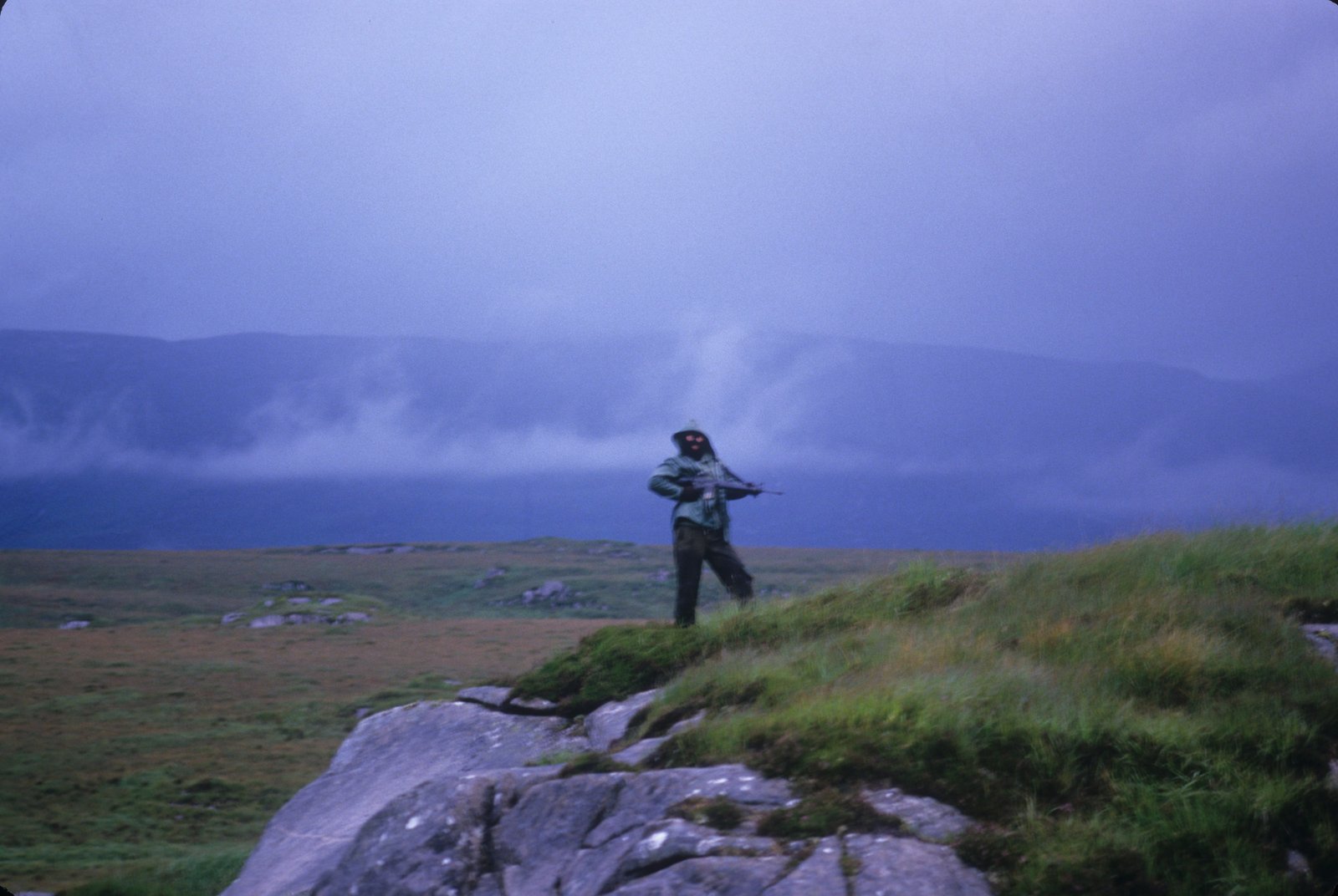
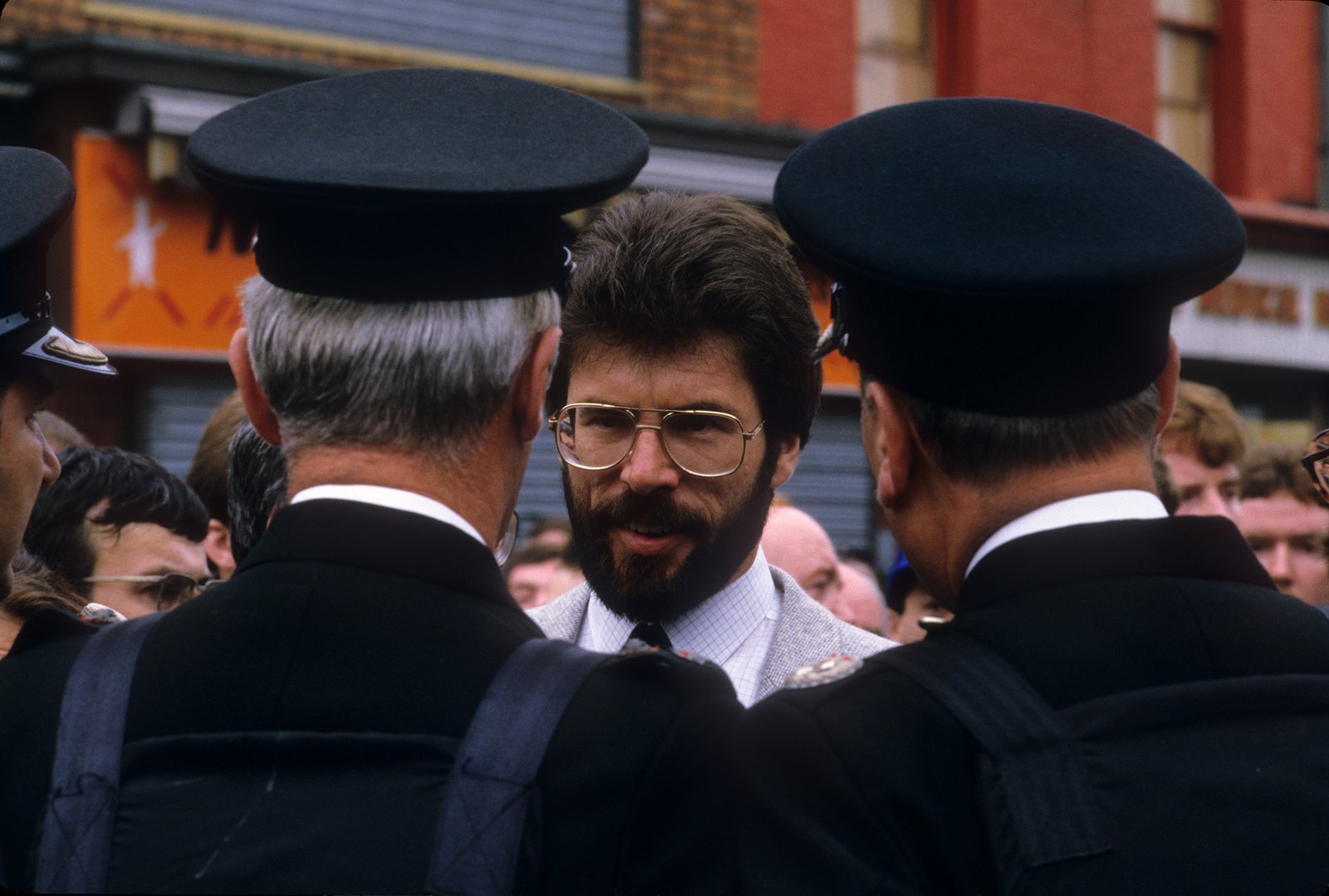
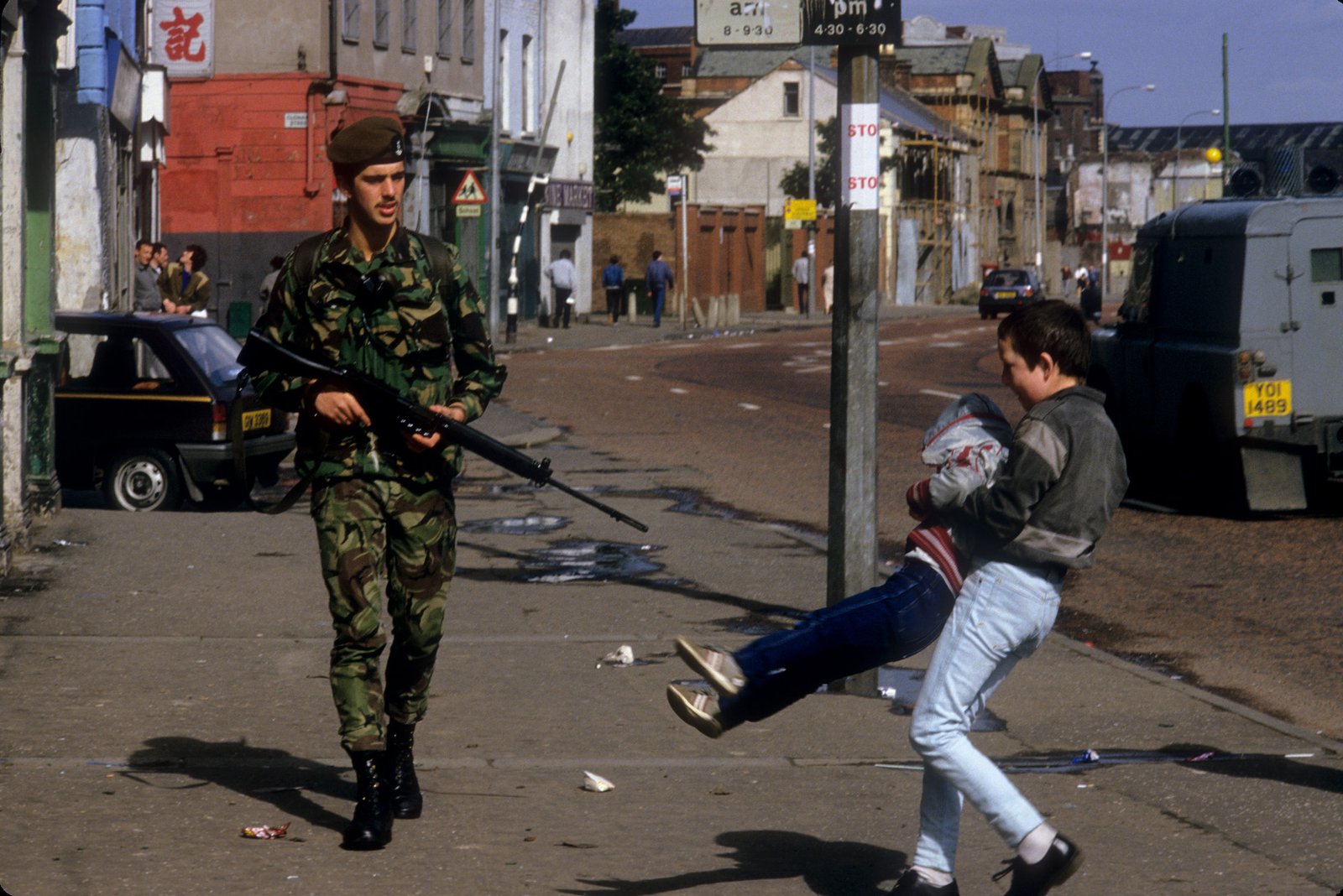
Kaveh Kazemi: Northern Ireland was indeed a big challenge! I first went there in 1985. I had this image of Troubles on my mind from my earlier days in the UK as a student – watching on TV the armoured vehicles and clashes which appeared frequently on television. Therefore, I decided to go there at my own expense. I was also very ambitious and was aiming high to photograph Gerry Adams, Martin McGuinness and do something on the IRA! An Iranian photojournalist living in Paris and covering the Troubles certainly impressed Adams and McGuinness when I saw them during a funeral in Buncrana in the south of the border which immediately became my passport to photograph them both later on – and later granted me the permission to go to the IRA training camps which has been the dream of many photographers to see! I was also photographing the other side the Protestants, and in my book “My Days in Troubled Ireland” which came out in 2019, I tried to remain balanced and unbiased. After my first coverage in 1985, I returned a few times and by 1986 I was smoothly and more confidently on my way to international hot spots like Lebanon, Nicaragua, Cuba.
Emaho: Your book My Days in Troubled Ireland, published more than thirty years after you first covered the conflict, includes British troops on the streets, Martin McGuinness in his home city of Derry, riots and civil disturbances, and images reflecting the first Christmas of peace in 1994. That temporal arc, from the worst years of the conflict to the first peace, is contained in a single body of work. How did you decide what the book needed to say that your photographs alone could not say by themselves, and what does a photojournalist owe to the communities they photographed across such a long and painful period of history?
Kaveh Kazemi: I think I answered this question in the previous one. But should add that we are always indebted to people who receive us, help us.
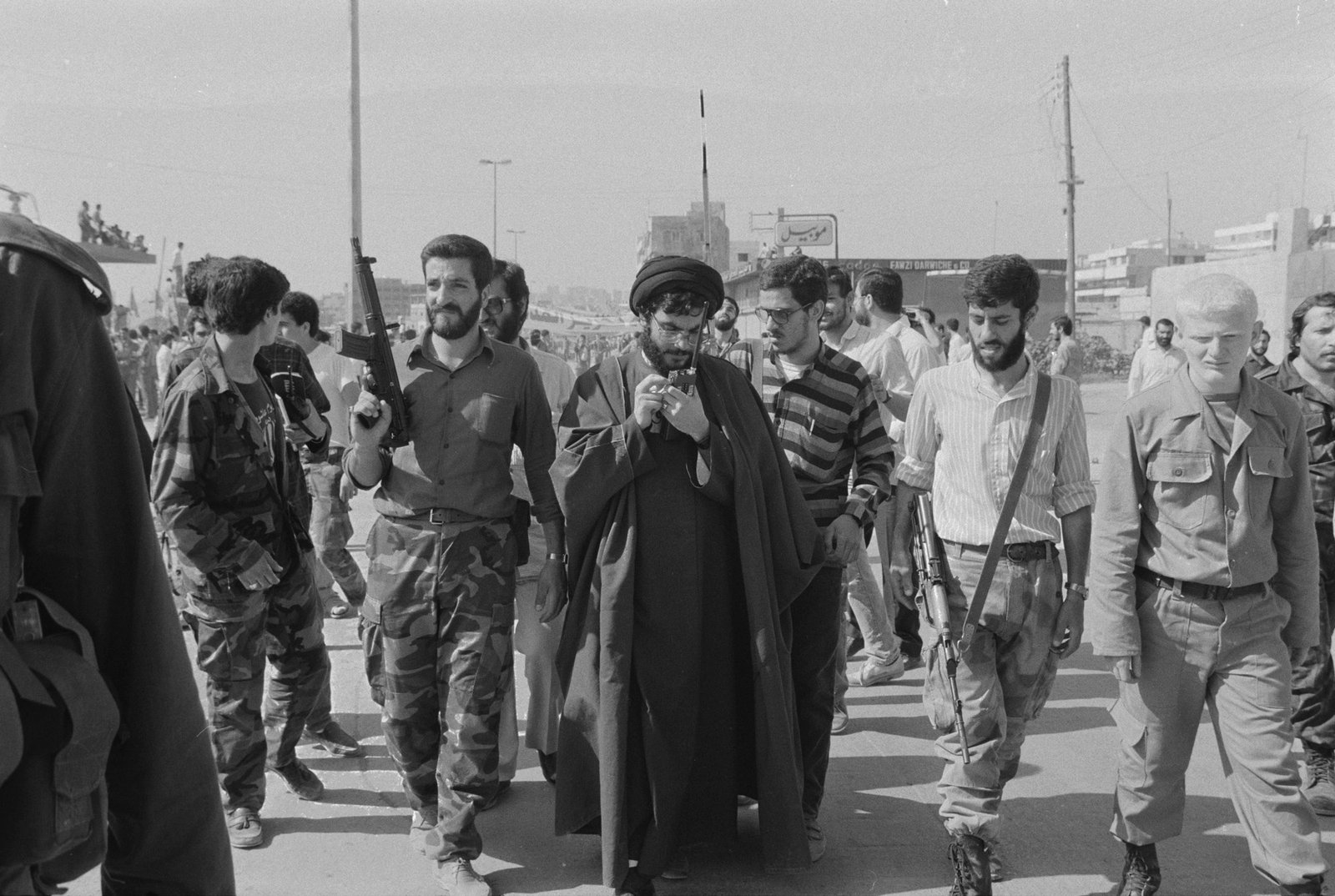
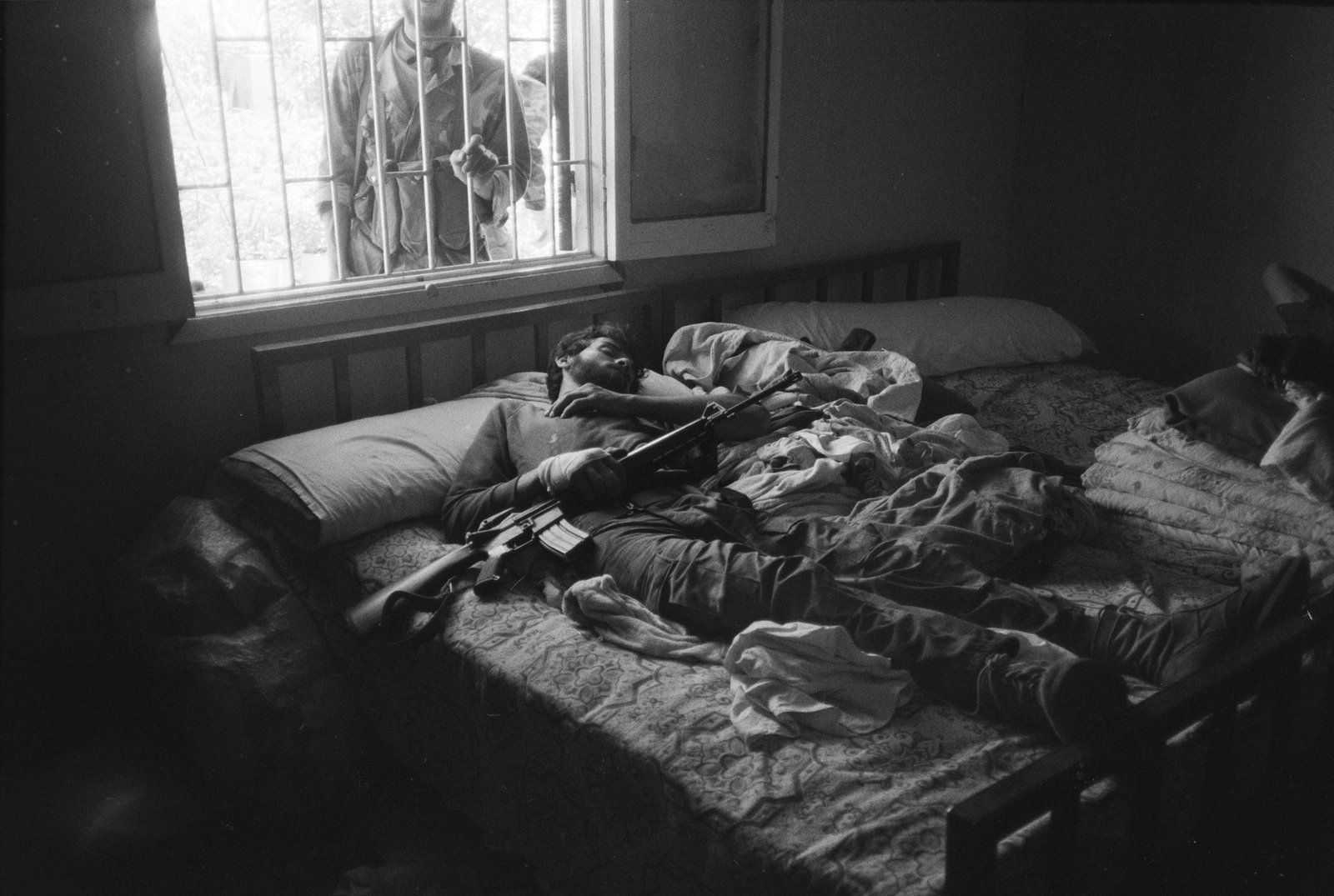
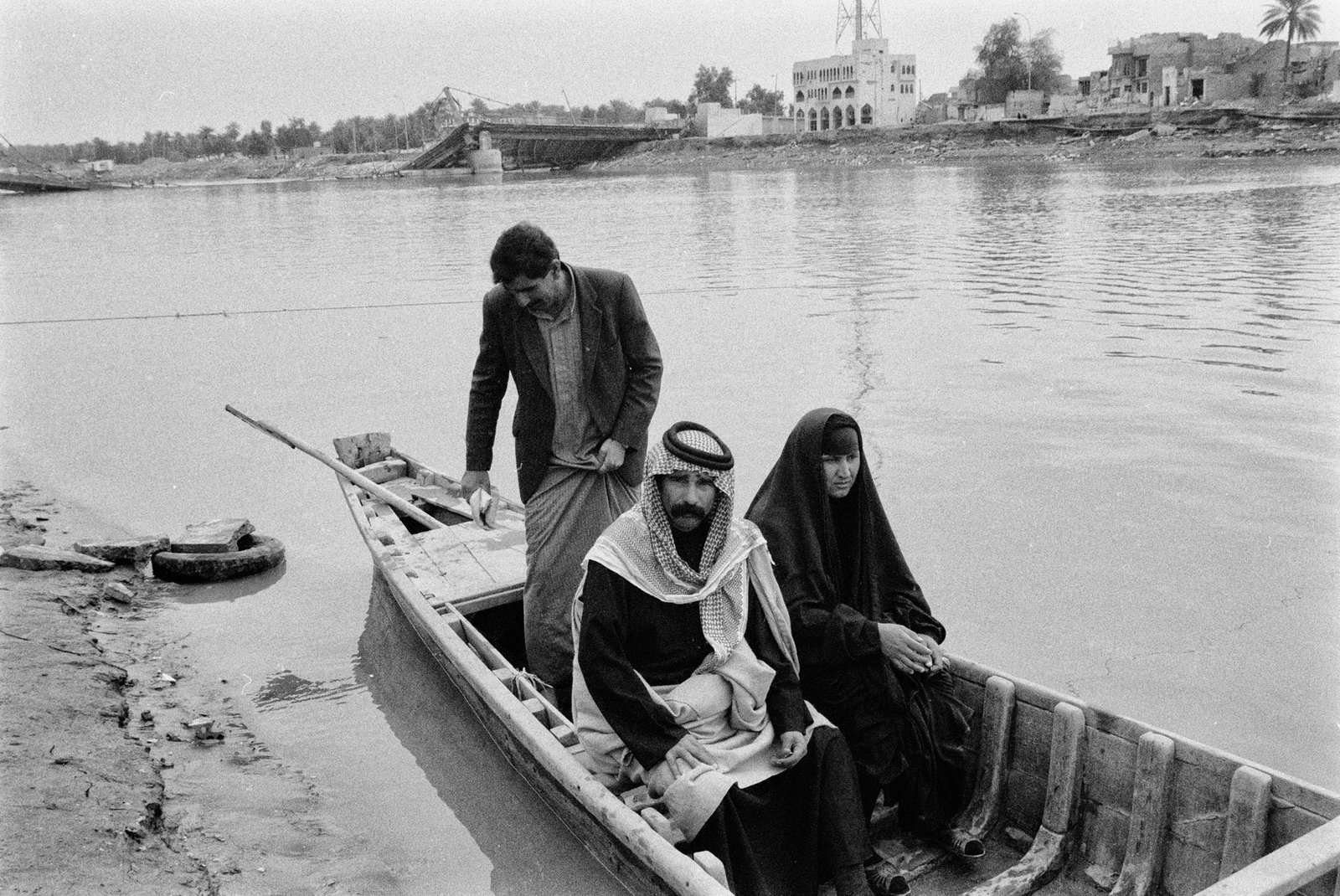
Emaho: In February 1991 during the Gulf War you were among the very few photographers present in Iraq and your pictures during three weeks there were published in TIME Magazine. You were also in Syria in May 2012 and went to Houla the day after more than 100 civilians were massacred. You have worked incognito, been detained, searched, questioned, shot at and blindfolded across a career spanning Lebanon, Azerbaijan, Iraq, Nicaragua, Colombia, Cuba, Yugoslavia, Afghanistan, Indonesia, Armenia and Syria. What does the accumulation of those experiences across that many conflicts in that many countries do to a person’s understanding of what human beings are capable of, and is there a site or a moment that you have genuinely never been able to leave behind?
Kaveh Kazemi: As I said in the beginning, I changed during my first visit of the Iran-Iraq war and changed many times again thereafter! I am still a man with cameras although much smaller (Fujis). I covered the 2 recent attacks on Iran by the US and Israel – running around with other hacks like a zero mileage photographer!
My policy has been not to fear the fear and always go forward confidently and robustly. The situations mentioned in the question were all very terrifying but you could not see it on my face being it in Iran or elsewhere on this planet.
Emaho: Your archive with Getty Images begins with the Iranian Revolution and continues to the present day, making it one of the most extensive single-photographer archives of contemporary history from the region. An archive of that scale is both a professional achievement and an ethical responsibility. How do you think about the governance of that archive, about who has access to those images, how they are used and what context they appear in, and has an image of yours ever been used in a way that made you want to reclaim it?
Kaveh Kazemi: Unfortunately, one can not have a say over who uses his photos and in one context! I will keep the right to have my say when it is being printed in a magazine meaning directly commissioned. When they are on Getty website and being accessed editorially from all over the world for different platforms and medias and usually on a single image basis, then one can not be very strict.
Emaho: You have described covering Northern Ireland as the experience that shaped you as an international photojournalist, and yet you began your career at the centre of one of the twentieth century’s most seismic political events in your own country. Most photojournalists describe becoming more themselves over the course of a career. Do you feel that your photographic identity was formed in Tehran or in Belfast, or do you think those two experiences are actually inseparable, each requiring the other to make sense?
Kaveh Kazemi: It is the collective work and its continuity that makes a photographer. I am an Iranian photographer and am mainly known for my extensive work in my country – also known for having been present at crucial times in Troubled parts of the world.
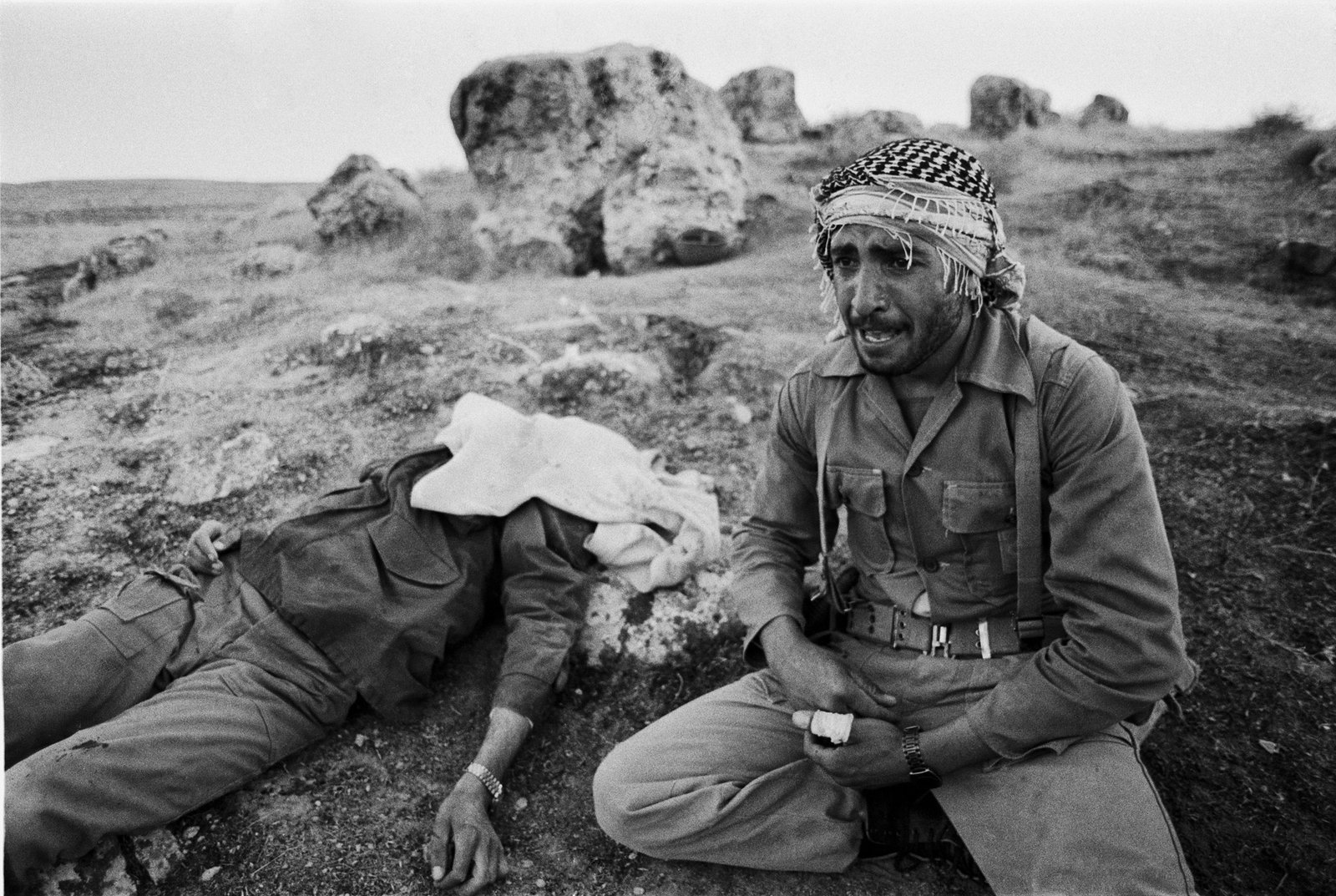
Emaho: You have photographed for Time, Newsweek, the New York Times, Stern, Der Spiegel, Paris Match, L’Express, Figaro Magazine and Geo across a career of more than four decades, and your image The Crying Soldier, taken in the early days of the Iran-Iraq war on the western front, has been categorised as a war classic. A single image that enters the canon of war photography carries its own complicated life beyond the photographer. What is your relationship to that image now, and is there a photograph you have made that you feel deserves the same recognition but has never received it?
Kaveh Kazemi: Two iconic images known internationally I think is good enough! Another photo that I think deserves more exposure and recognition is women wearing gas masks at the blackboard in a classroom taken towards the end of eight year.
And my relationship with the Crying Soldier photo is that of solidarity with him and all oppressed people of this world. But really, I am not obsessed with any of my photos! Just remember that I have taken and recorded these images and am aware of their historical impact.
Emaho: Your permanent base is now your native Iran, where you continue to work and cover the region. You have spent your career moving between the country you were born in and the conflicts of the wider world, always returning. What does Iran look like through the lens of someone who has spent four decades photographing it from the outside and the inside simultaneously, and is there a story about Iran that you feel the international photographic community has never adequately told and that you still want to make?
Kaveh Kazemi: I would have liked to cover the major social events in Iran at least in the past 10 years which we were all prohibited from covering due to sensitivity of security forces! One would face a very severe consequences if caught! One could sneak one or two photos but not have a proper coverage of those events…