Tommaso Tanini: “H. said he loved us” – An Oppressive Investigation

Born in Florence (Italy) in 1979. From 2003 to 2006 I attended a 3-years photography course at Fondazione Studio Marangoni. Since 2009 I work as a freelance photographer and a photography professor. In 2013, with two colleagues, I founded Discipula, a collaborative platform and independent publisher.

Italy – 

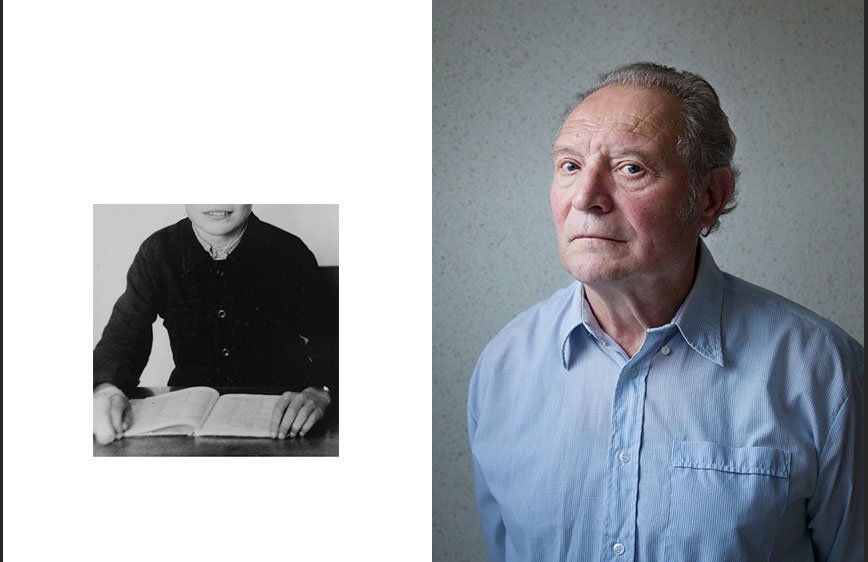
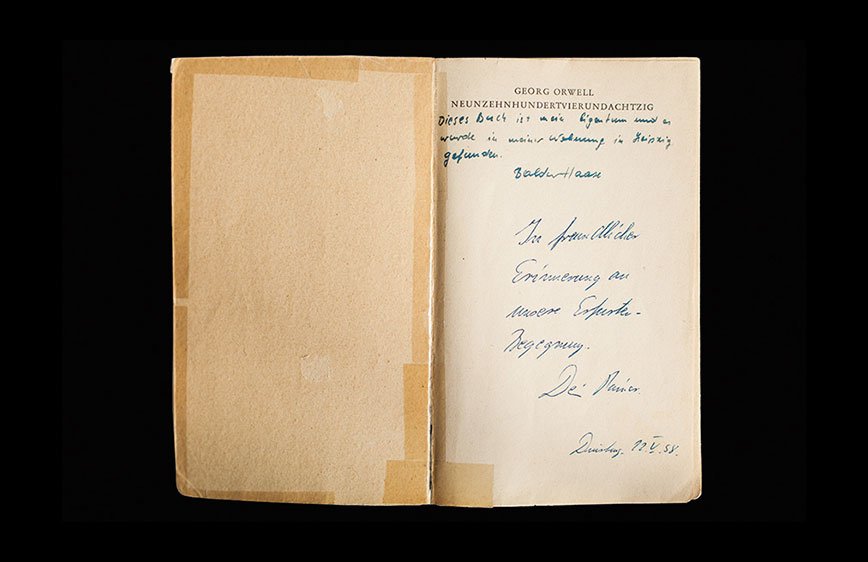
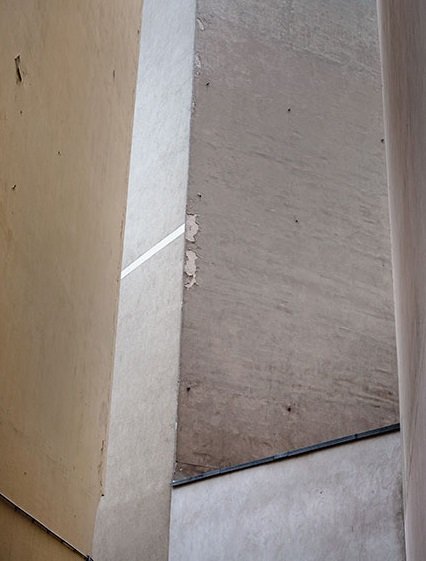
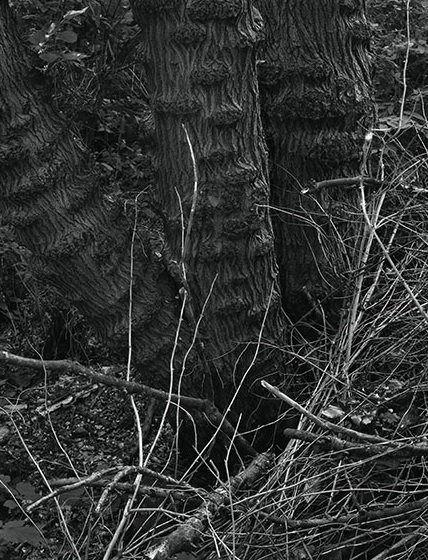
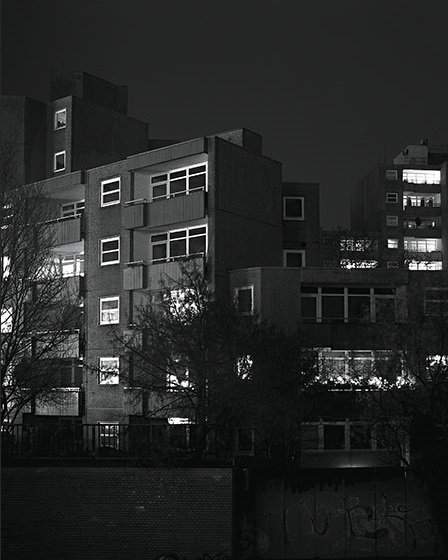
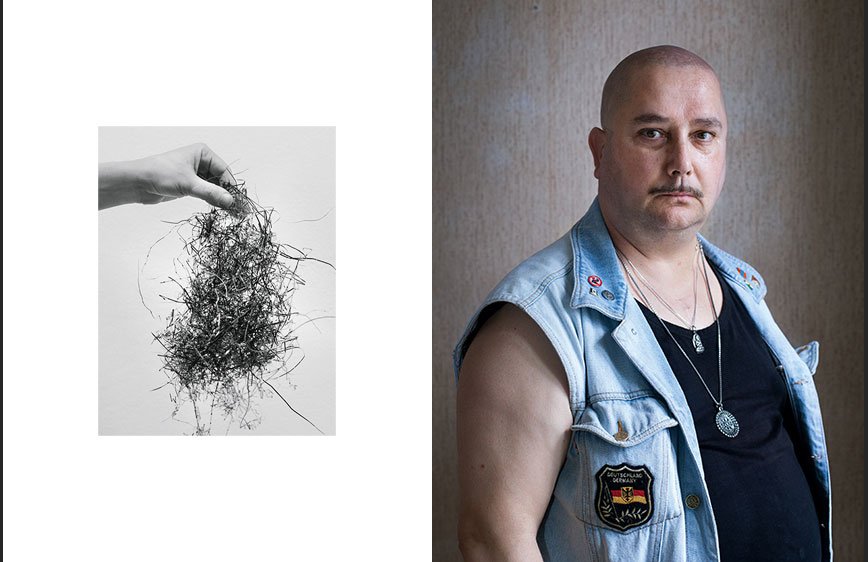
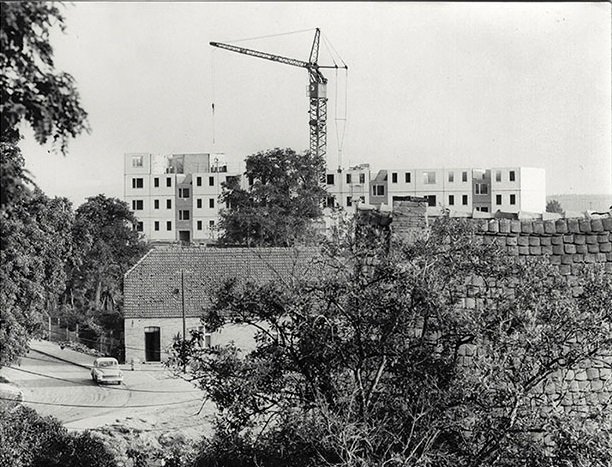
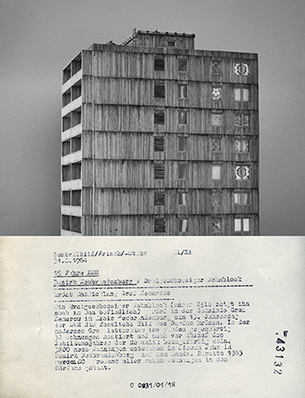
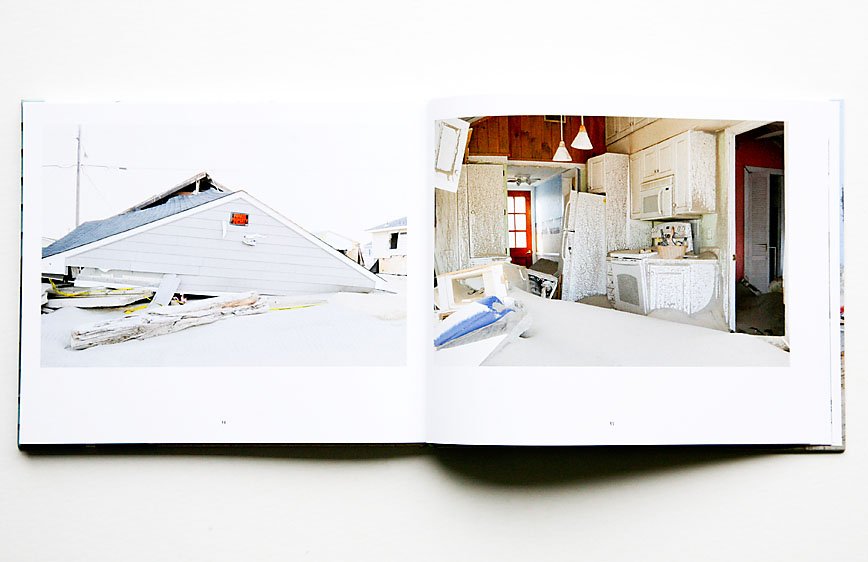
Following three years of travels and investigations in Germany, published by Discipula Editions Photography feature – Tommaso Tanini’s H. Said He Loved Us draws on the story of the GDR and the German Ministry for State Security (STASI) to explore the feelings of oppression and dread caused by living in a state of constant suspicion and diffidence. Mingling documentary research and literary references within a fictional narrative framework, his personal photographic study is an elegantly oppressive allegory of authoritarianism and domination.

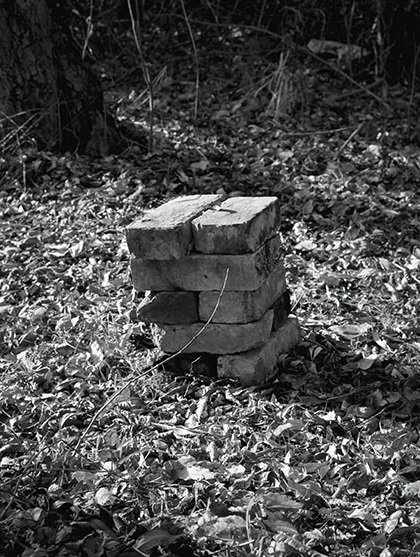
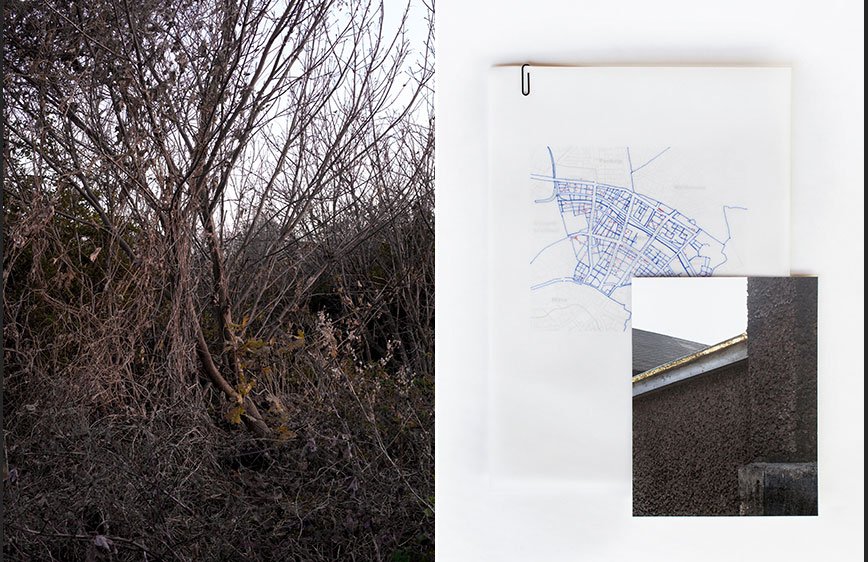
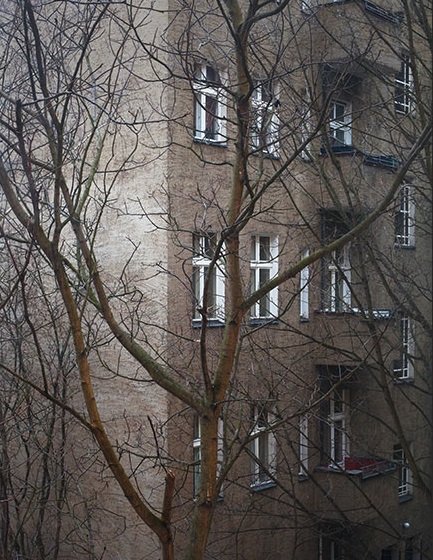
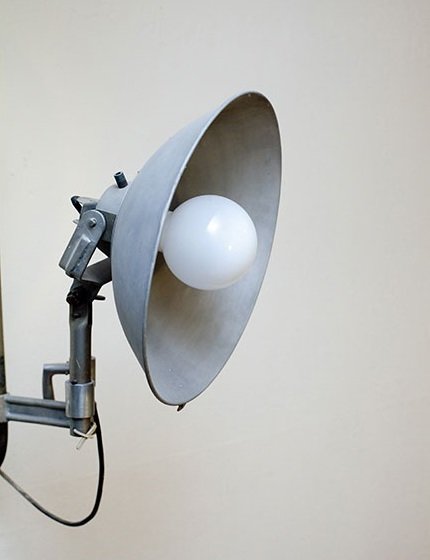
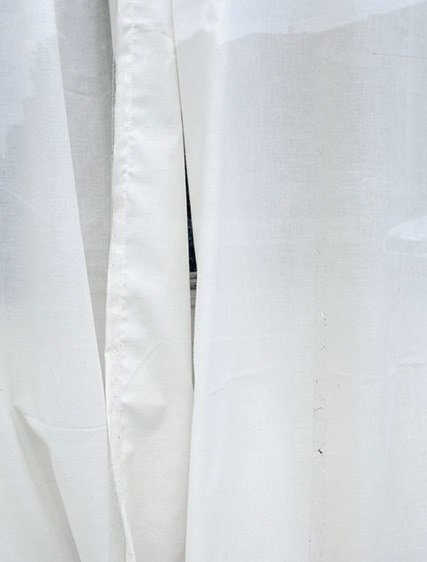
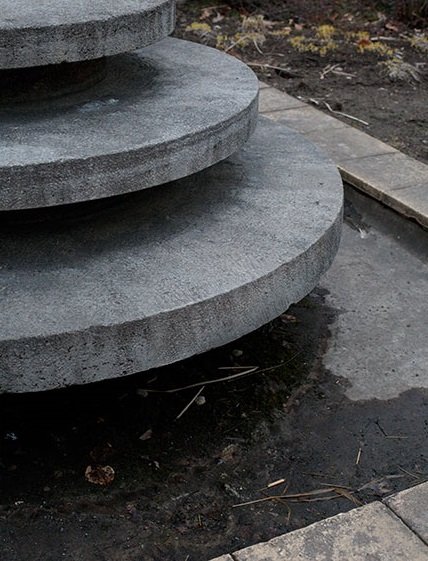
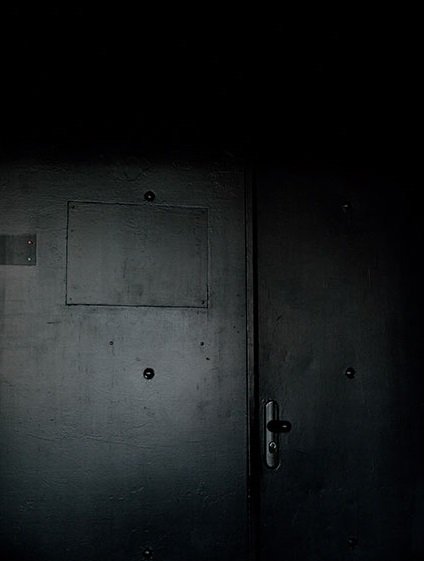
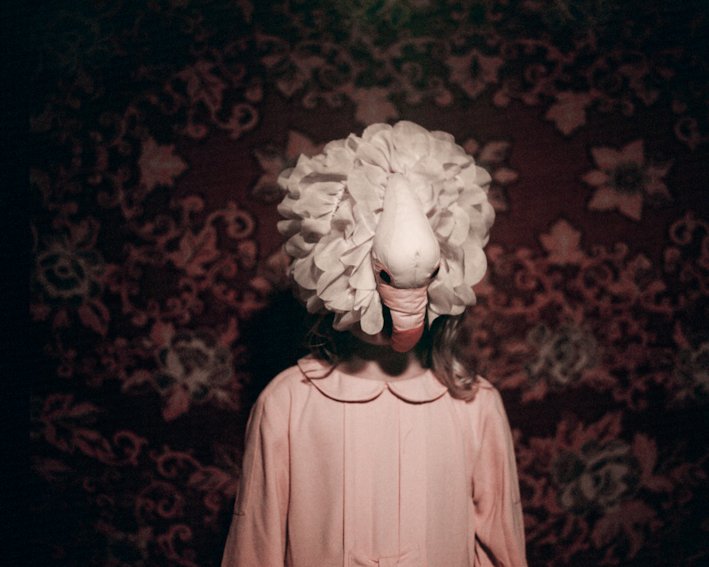
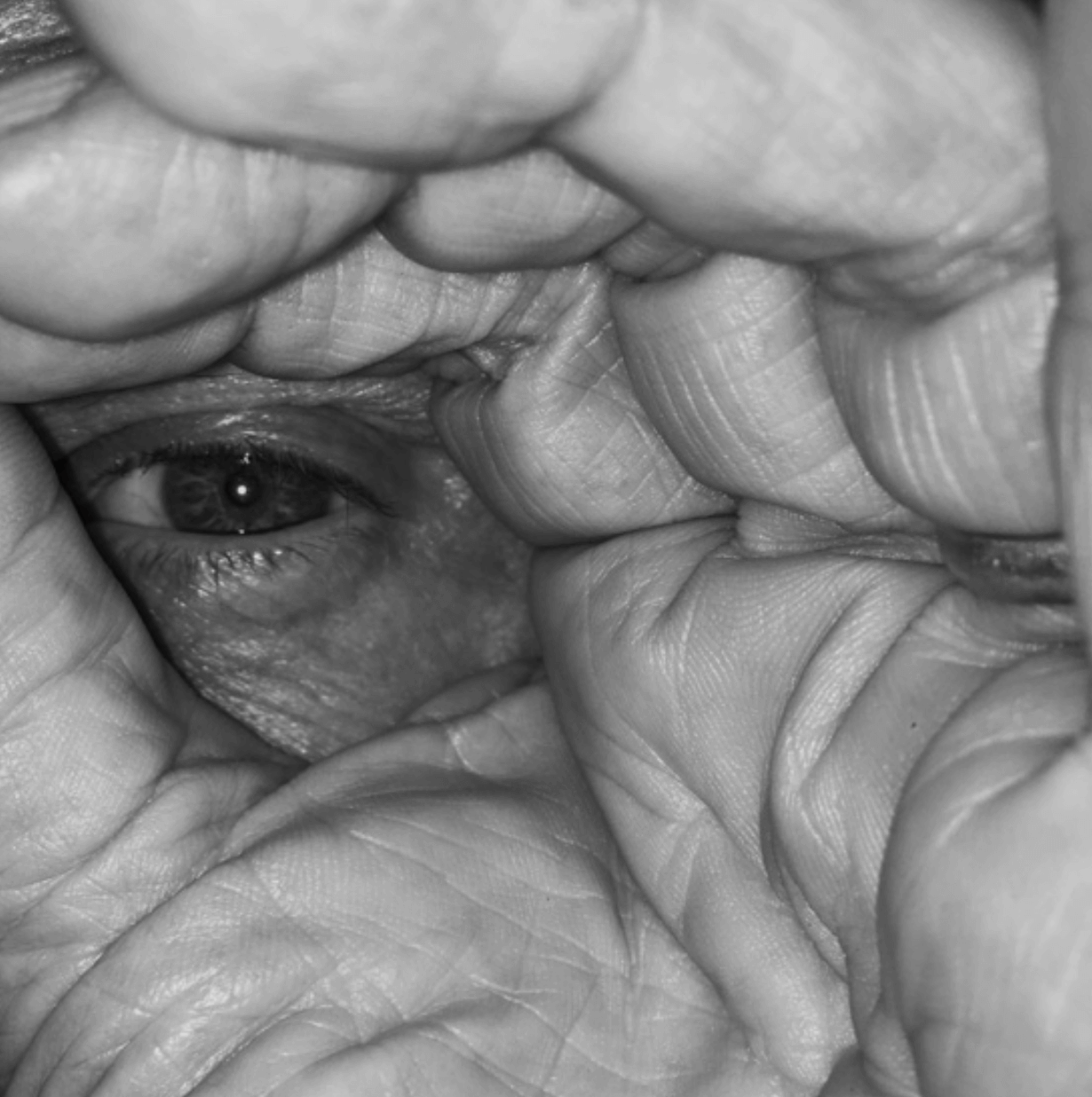
The images of H. Said He Loved Us are immersed in a world devoid of names and references. Their timeless and spaceless nature reveals instead subtle and psychological qualities. Anonymous corners and small details of urban landscape become enigmatic monuments that echo the feelings of the people Tanini encountered during his research. There is a sinister quietness in the meticulously crafted spaces of his photographs that invokes contemplation.


4


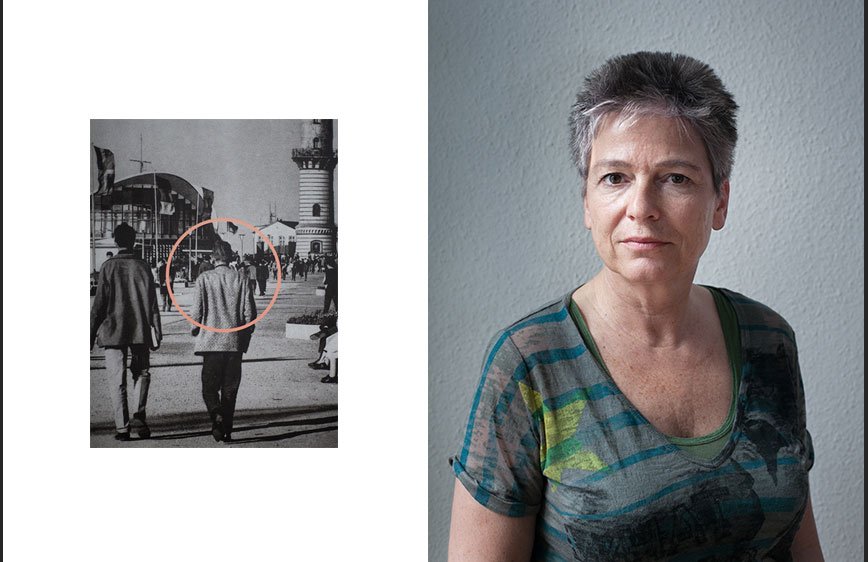
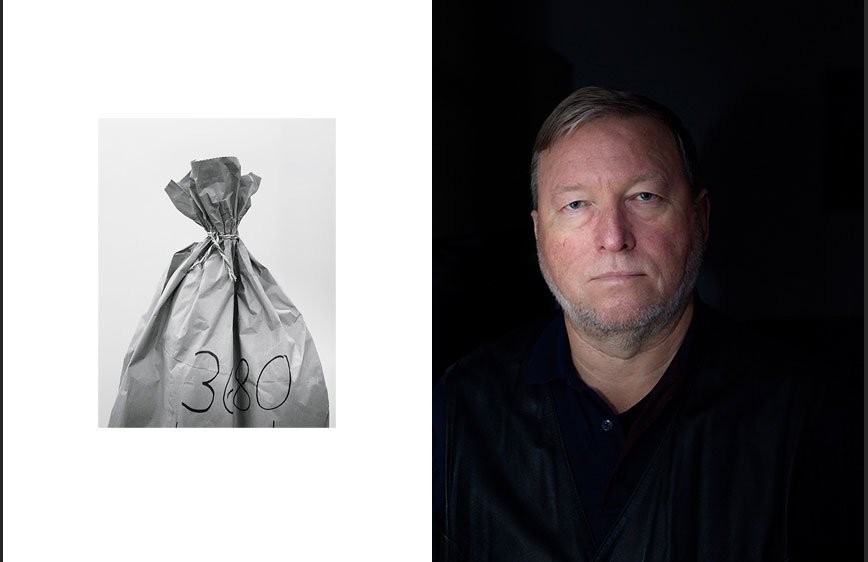
Emerging from this austere landscape, the stories of five victims of the STASI are presented as a patchwork of collected documents, autobiographical notes, found images and portraits. This way, they acquire a new fragmented spirit, and become loose, anonymous and interactive accounts.

Structured as a rich mosaic of traces and suggestions, H. Said He Loved Us subtly warns us about the cyclical and evil nature of any form of totalitarianism, without imposing any unilateral vision and avoiding clichés.


Text by Mfg Paltrinieri & Federica Chiocchetti

Related Posts

EMAHO Picks the Most Interesting Photobooks of 2014

“Just like every year, more and more photobooks were published in 2014. The importance and awareness of making a photobook ...

Wasted and Wounded : Palash Krishna Mehrotra on Andri Tambunan

Indonesia – Book review : Against All Odds by Palash Krishna Mehrotra Andri Tambunan had a moment of epiphany five years ago. He ...

Anna Planas (c) Cole Barash

Anna Planas: Shaping the future of Photography at Paris Photo – the World’s Most Important Photography Fair

In this interview with Emaho Magazine, Anna Planas reflects on her journey from Magnum Photos to becoming Artistic Director ...

Takeshi Ishikawa: HIJRAS – The Third Gender of India

THIS STORY CONTAINS EXPLICIT CONTENT In Indian society, it is said that when a hermaphrodite baby is born in an ...

Mikhael Subotzky Patrick Waterhouse Ponte City

Mikhael Subotzky & Patrick Waterhouse: “Ponte City” – Africa’s Tallest Residential Building

South Africa – Mikhael Subotzky and Patrick Waterhouse worked at Ponte City, the iconic Johannesburg apartment building which is Africa’s ...

Cristina De Middel Nigeria

Cristina de Middel: ‘This Is What Hatred Did’ – The Nigerian Escapade

Nigeria –  In the 1960s, a five-year-old Nigerian child’s village was attacked by soldiers. His mother had left him home ...

Koji Takiguchi: “Sou” – Celebration of Death in the Family

Japan –  Published by Little Big Man Books, Japan, Photography feature – Koji Takiguchi‘s images document his wife and her ...

The Yellow River – Zhang Kechun

China – The Yellow River Surging Northward Rumblingly Saying that it is a song might have been a popular joke. ...

Adam Lach: Stigma

Poland –  “STIGMA” tells the story of 60-person family of Romanian Romas living in the encampment in Wroclaw. This is ...

Showing Slide 1 of 10