Emaho: You were born in 1985 in Sivas, a high-altitude town surrounded by mountains in central Turkey where winters last for months at minus 20 degrees Celsius and where, as you have described it, people are generally irritable because of the climate but also very conservative and ultra-nationalist. You have said that the contrast between the place you grew up in and your insatiable curiosity about other places was the engine that eventually sent you out into the world with a camera. At what point did you understand that leaving Sivas was not just a physical act but the beginning of a lifelong investigation into your own country?
Emin Özmen: I think the desire to explore the world beyond the mountains of Sivas, my hometown, has been with me since I can remember. I hate the cold, and the nine-month-long winters reminded me almost every day that I should leave this place. The first chance I had to leave was when I started university studies at 18. I took that chance without much thought and left Sivas to study physics in Samsun, a city near the Black Sea in northern Turkey. There, I began searching for what makes me happy and what I could build a life on because physics certainly wasn’t it.
Emaho: The event that shaped everything came on a warm July day in 1993 when you were eight years old. You were holding your parents’ hands near a highway when they learned that the Madımak Hotel in Sivas had been attacked by a mob of radical Islamists after Friday prayer, who set fire to the building and slashed the fire hoses of firefighters, killing 37 people inside, mostly Alevi intellectuals and artists. You have described that moment as the beginning of many questions you began to ask yourself about your country. How does a single childhood memory become the founding impulse of an entire photographic career, and is there a photograph you have taken in the thirty years since that feels like a direct answer to the question that day first opened?
Emin Özmen: It was a horrible moment to witness, especially at the age of eight. It left many questions and caused trauma. The question was simple: “Why?” I then realized that finding the answer to this question was embedded in the layers of the deep history and culture of the place where I was born. But when it happens in your lifetime, you simply want to take action to change it. I still believe in change through collective action, so my role is to record it, at least for the sake of history and future generations.
The photographs I’ve taken are not meant to answer the question, but to ask it.
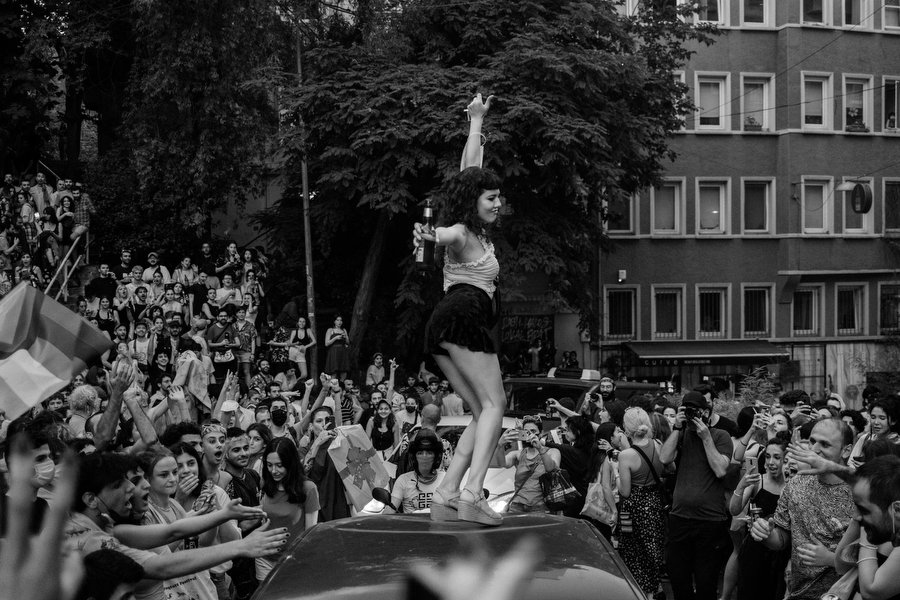
Government hostility toward LGBT+ individuals is dramatically rising in Turkey.
Emaho: You discovered photography in high school when you borrowed your brother’s camera to document your basketball team’s regional championship, and your encounter with the work of Greek Magnum photographer Nikos Economopoulos at a festival in Bursa set you on the path toward documentary photography. You then studied at Marmara University in Istanbul and completed a degree in media photography and documentary at the University of Art and Design in Linz, Austria in 2008. Most photojournalists describe their education as secondary to their field experience. What did the formal academic training in Linz give you that the work itself could not have taught you?
Emin Özmen: While studying physics, before moving into photographic studies at Marmara University’s Faculty of Fine Arts and Linz University of Art and Design, I did everything I could to feed my curiosity about photography. I read all the written materials I could find and experimented with all the tools, cameras, and films I could find in Samsun, a small city near the Black Sea in northern Turkey. However, that was not enough; I needed to learn more, especially about black-and-white photography and darkroom techniques. Field experience was always nearby, but not enough on its own.
Emaho: In 2011 alone you worked on the famine in East Africa, the Tohoku earthquake and tsunami in Japan and the economic protests in Greece, and the following year you began covering the Syrian civil war and the ISIS crisis in Iraq. That is an extraordinary concentration of some of the most significant humanitarian crises of that decade in a single two-year period. What does that kind of sustained exposure to human suffering at scale do to a photographer over time, and how do you protect your capacity for genuine emotional presence in front of a subject when the accumulation of what you have witnessed is enormous?
Emin Özmen: I’ve always told myself that I’m just a photographer who witnessed and documented what happened. The people I’ve photographed are the ones who are actually living it and suffering. This idea has always kept me humble and prevented me from exaggerating my role.
However, these moments, places, and people have certainly opened deep wounds in me that will probably never heal. Now I’m searching for peace, both in my heart and in my photography.
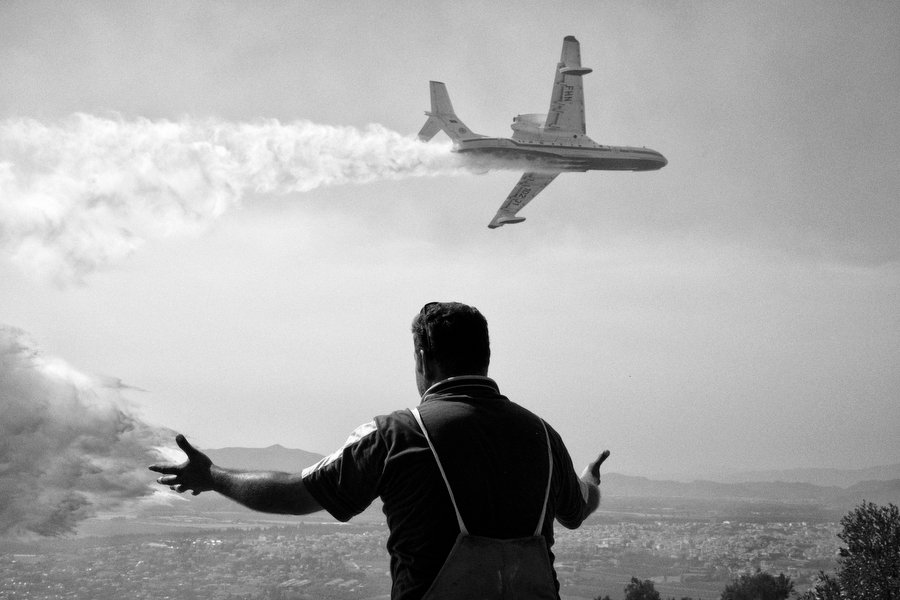
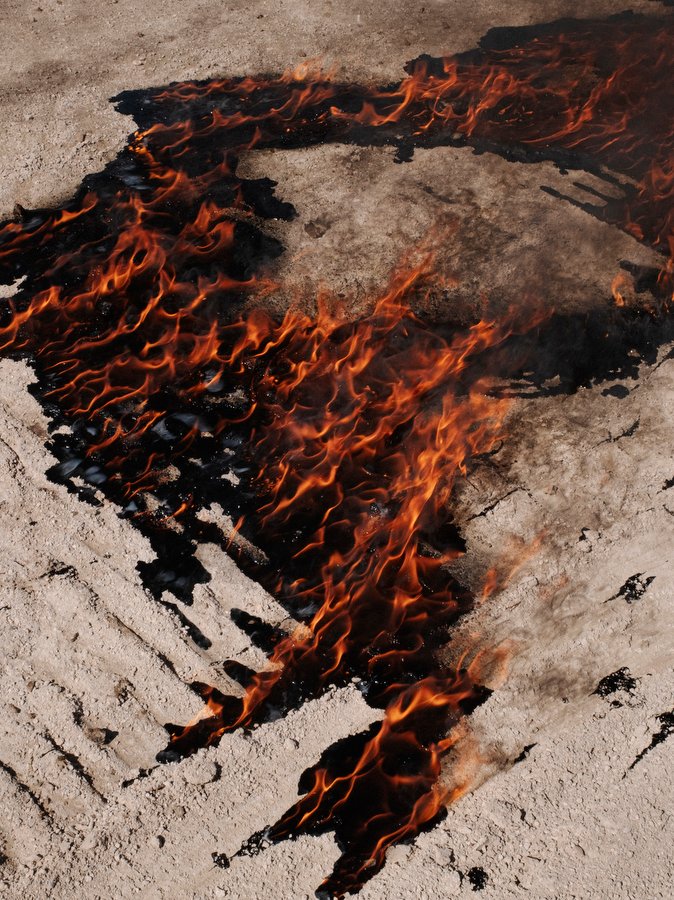
In July and August 2021, a series of 299 forest fires ravaged the Mediterranean region of Turkey in the worst-ever wildfire season in the country’s history. According to EFFIS (The European Forest Fire Information System ), about 178 thousand hectares of Turkish forests have been lost due to fires.
These wildfires have left little behind, killing 8 people and turning green forests into ashen, barren hills.
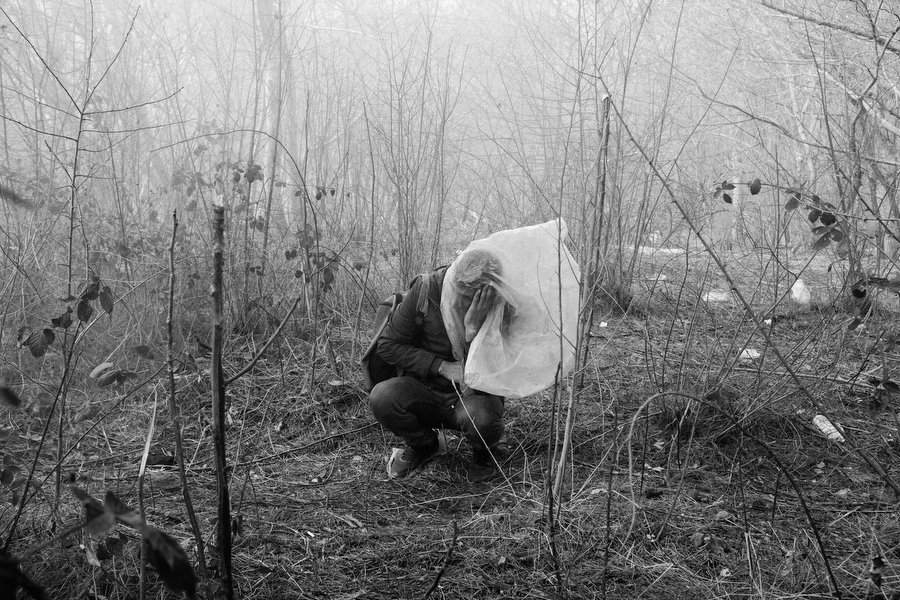
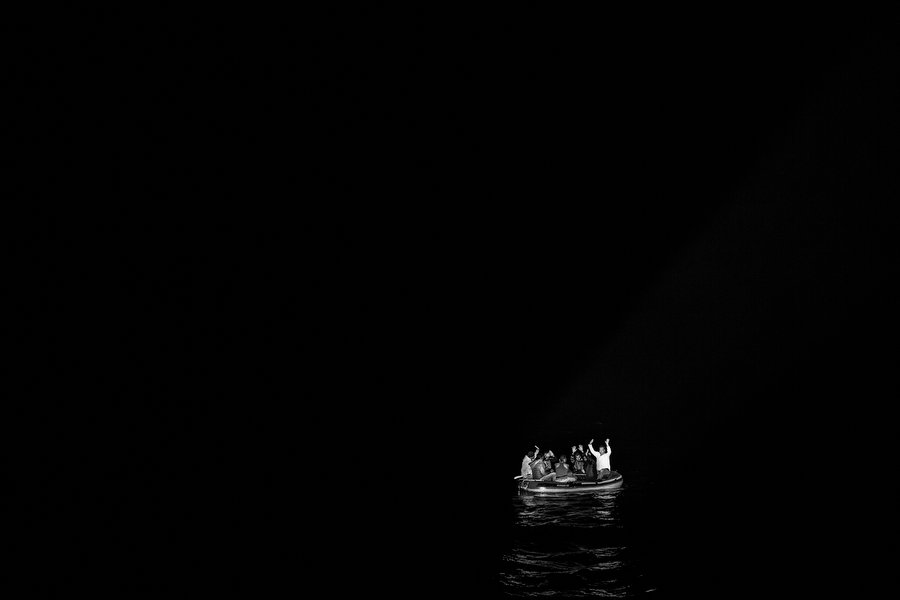
Emaho: Your long-term project Limbo, which won the 2015 Magnum Photos Photographer Fund, documents populations uprooted by the spiral of conflicts, tracing the lives of people forced into becoming refugees across Syria, Iraq, Turkey, Greece, Macedonia, Serbia, Croatia, Hungary, Austria, Germany, Italy and France. That is a project built on return, on following the same people across borders and years rather than parachuting into a crisis and leaving. What does the long-term relationship with a subject give a photographic project that the single visit, however intense, fundamentally cannot?
Emin Özmen: If you are parachuting into those subjects, you can probably have an opinion about them, but a deeper understanding can only come through the time you invest. You can’t even tell if you don’t understand it.
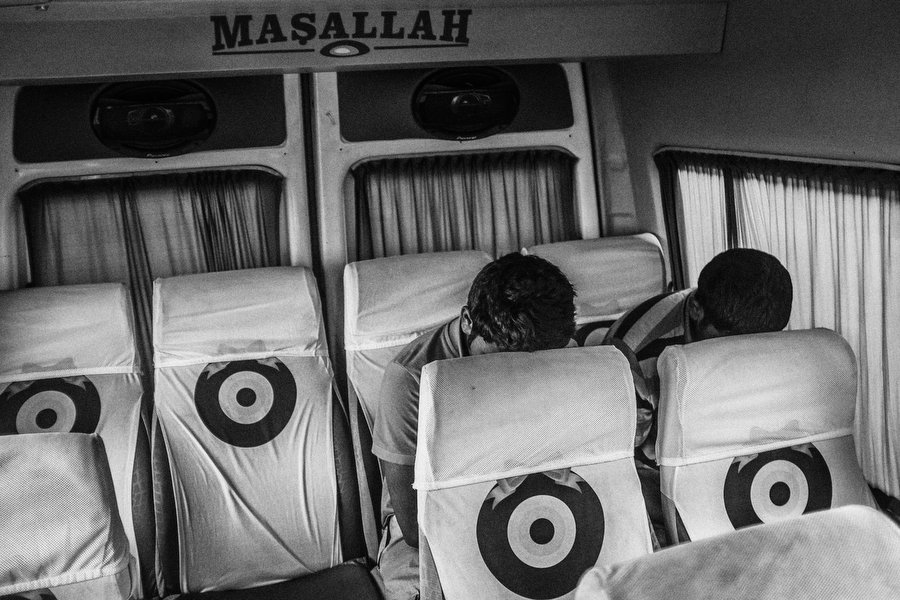
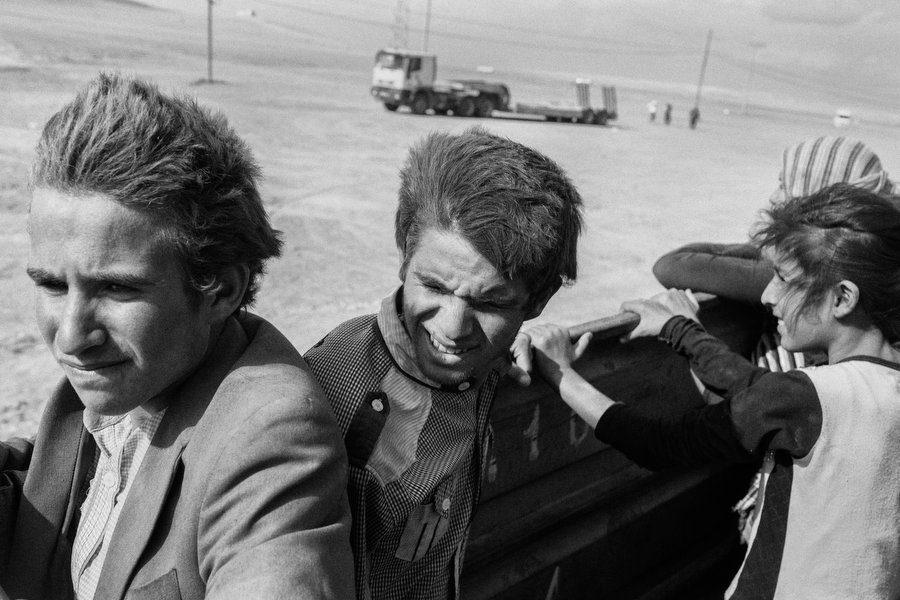
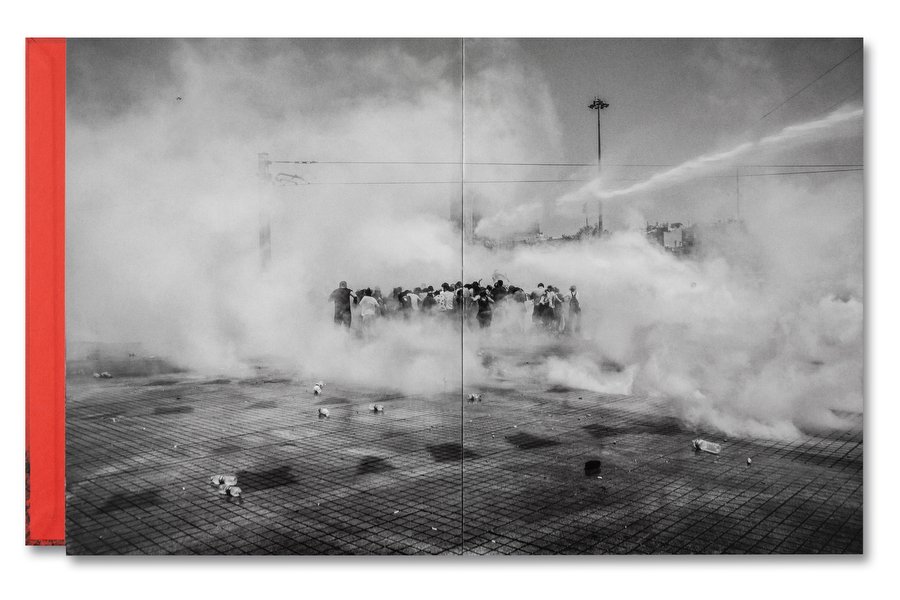
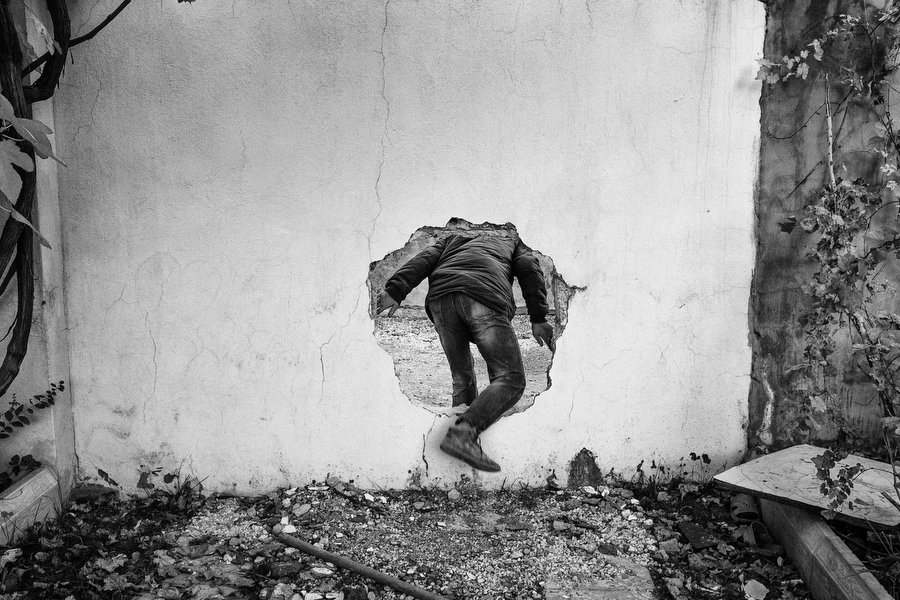
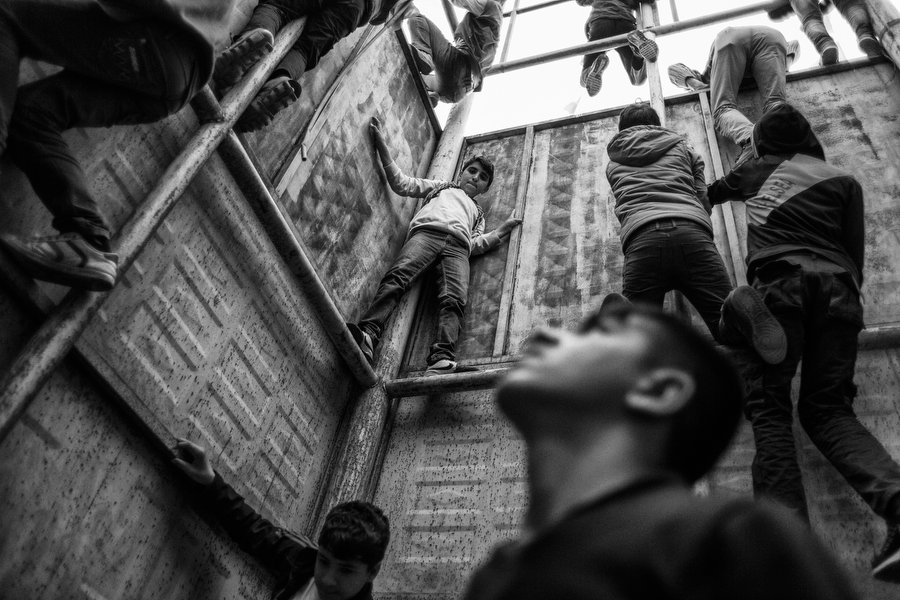
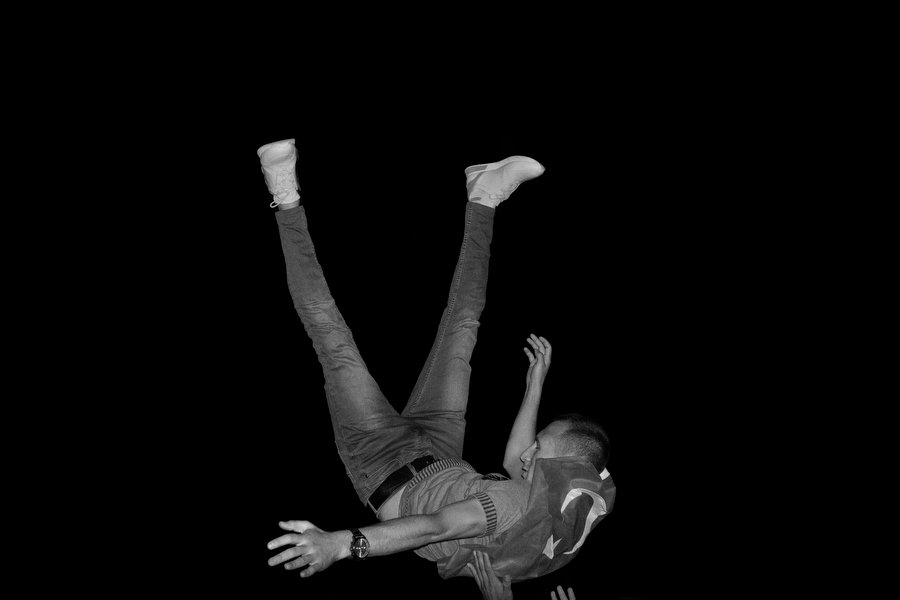
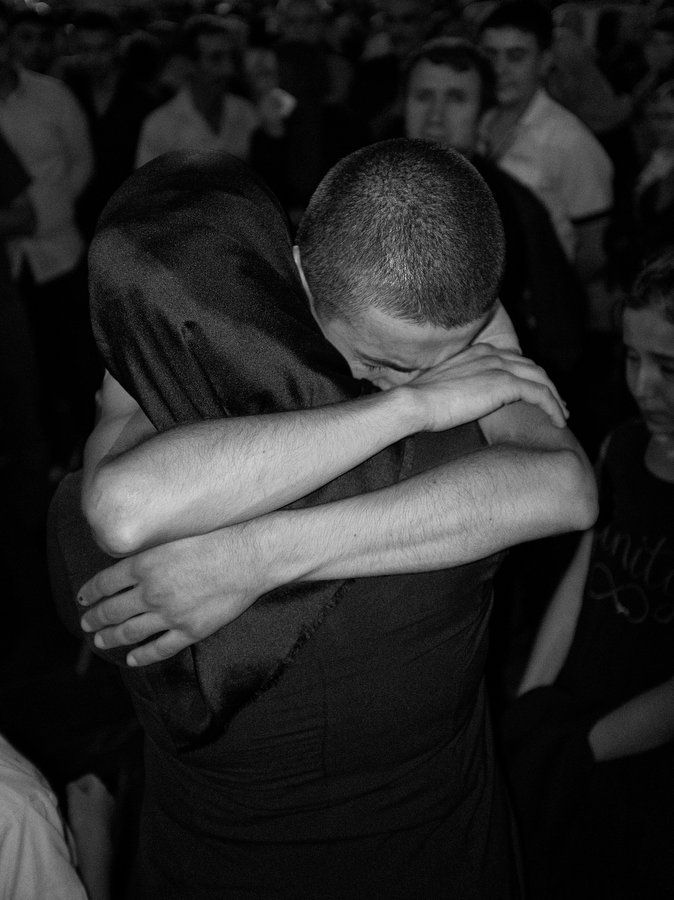
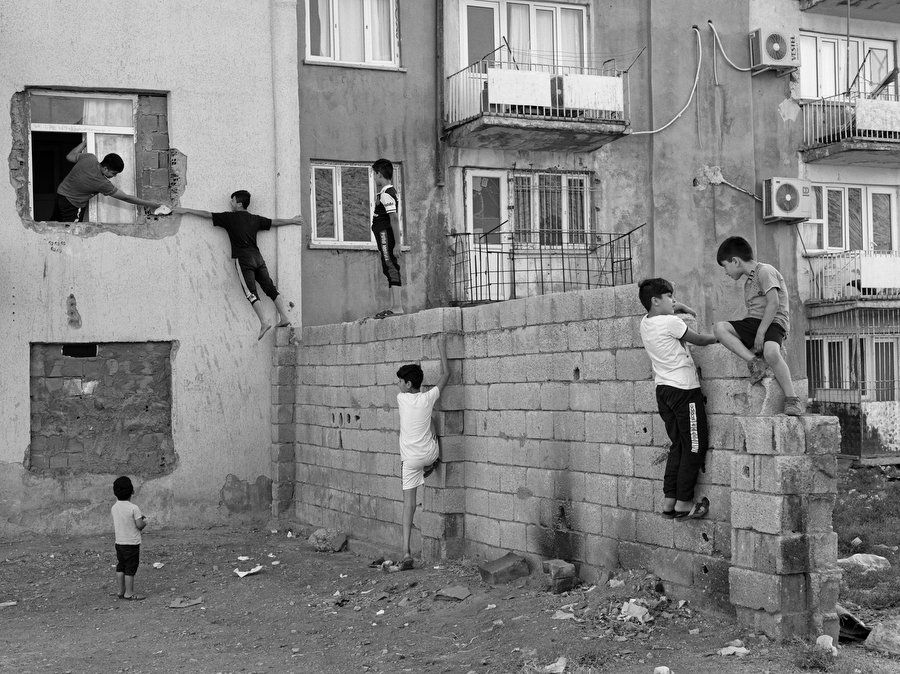
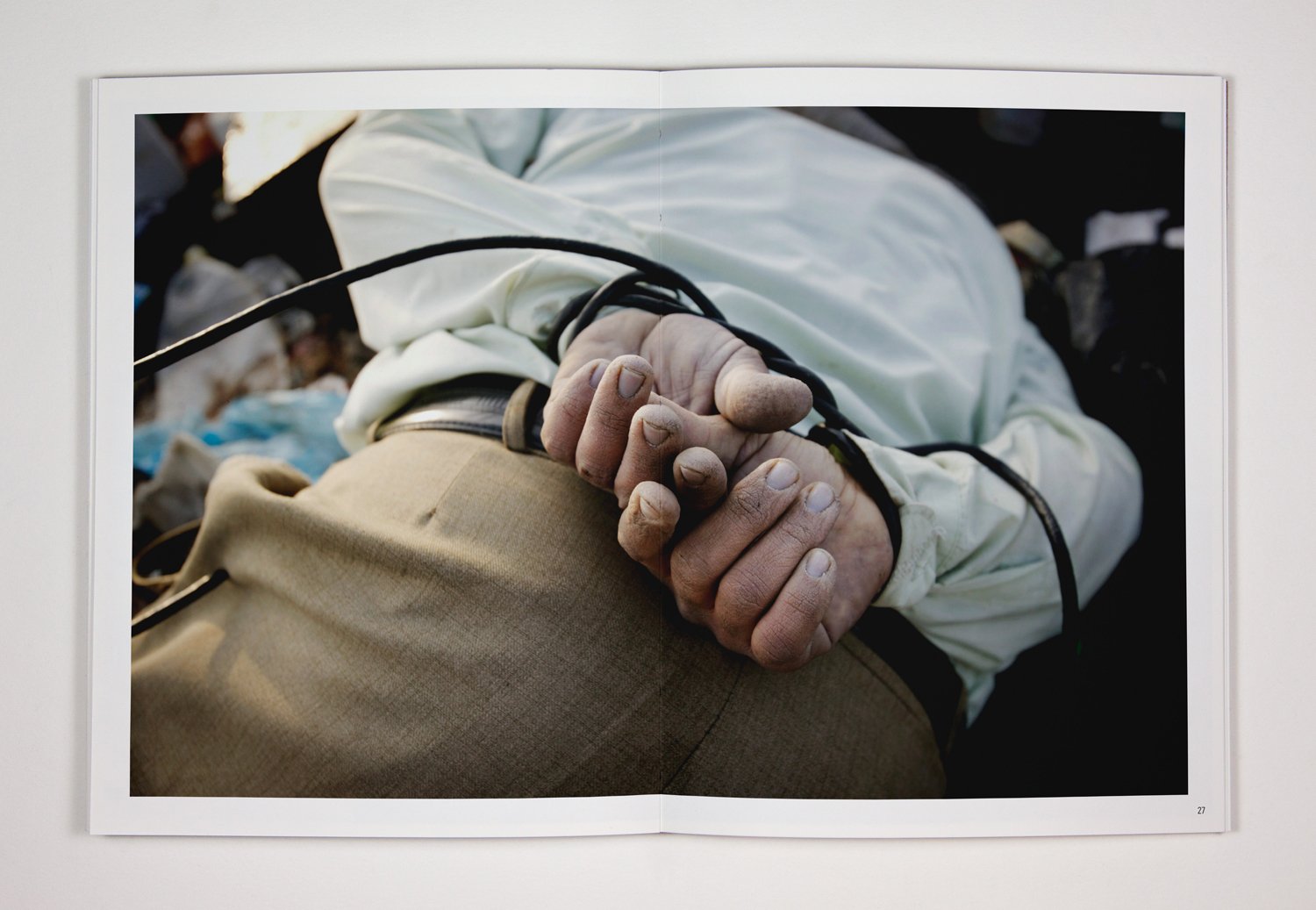
Emaho: Your debut photobook Olay, meaning event or incident, published by MACK and co-edited with your wife Cloé Kerhoas, brings together 87 images tracing a turbulent decade in Turkey from 2013 onwards, including the Gezi Park protests, the Kurdish conflict, the failed coup of 2016, natural disasters and political purges, punctuated with meditative colour images and your own personal texts, and includes a timeline introduced by Piotr Zalewski, Turkey correspondent for The Economist. You have described the book as a way to bring closure, to put an end to a whirlwind that left you exhausted and drained, and as a symbol of what you and Cloé went through together during those years. What does it actually feel like to hold a decade of your country’s pain and your own in a single physical object, and has the closure you were looking for actually arrived?
Emin Özmen: It felt great to turn it into a book and leave it to history. Those images are evidence, so no one can deny it anymore. I feel like I did my part. Now, I’m just hoping it reaches the people who can make real change.
While editing the book with MACK, the 2023 presidential elections in Turkey were approaching, and I was hoping for change. I wanted this book to represent what happened during that period. Sadly, nothing changed with the election results, and Olay continues. I continue recording it.
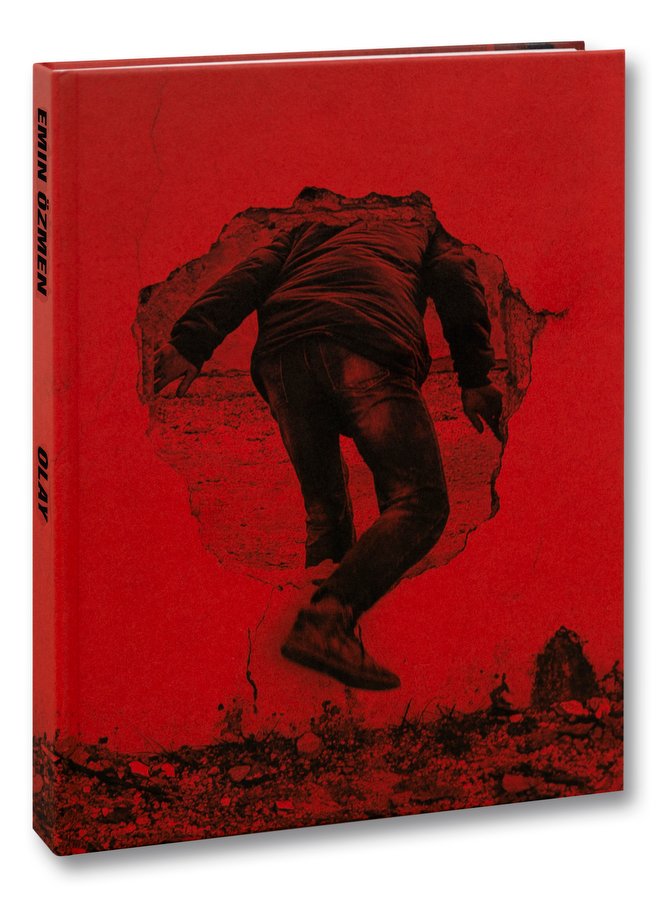
Emaho: Olay is structured as both a political document and a deeply personal one simultaneously, with your own writing sitting alongside the photographs and a fast-paced series of black-and-white images punctuated by moments of colour. You have written that you will probably carry all these painful memories forever. How did you navigate the decision about what to make public and what to keep private in a book that is as much about your own emotional and psychological experience of these years as it is about Turkey’s?
Emin Özmen: Olay is an individual’s perspective on problems that concern the entire population, because I, too, am an individual within a generation being dragged into this darkness. That is why it is deeply personal—and just as much a part of all of us.
Emaho: You became a Magnum nominee in 2017 and a full member in 2022, joining an institution whose alumni include some of the most consequential photographers in the history of the medium. Magnum carries an enormous weight of legacy and expectation. How has membership of that specific institution changed how you think about your own work, and is there a pressure that comes with the Magnum name that you have had to consciously negotiate?
Emin Özmen: Knowing that almost every single image you make goes into one of the most important photographic archives certainly brings more responsibility to my work. It also adds another layer of pressure, although less than the pressure I already put on myself. But this responsibility is an engine that moves me from Syria to Venezuela, South Sudan or Nigeria. So this responsibility affects me in a positive way.
Emaho: You have said that you fear the worst for the future but also know that anything can happen in Turkey, including the best, and that you keep a glimmer of hope inside you. That is a very precise emotional position to maintain as a photographer whose entire practice is built on witnessing difficulty. What does hope actually look like inside the frame for you, and is there a single image from your years of documenting Turkey that you return to most often because it still holds that glimmer?
Emin Özmen: Hope is still there, and it will remain there until the very last person who says “no” to these injustices is left. My own country is at the center of my concerns, but it is not the only one. I believe this world order will change. If I thought otherwise, I would have no reason to get out of bed tomorrow morning. How happy can living in such a world really make you? I know there are millions of people whose hearts are bleeding even as they smile. As far as I’m concerned, if the world is still turning, it’s thanks to them.