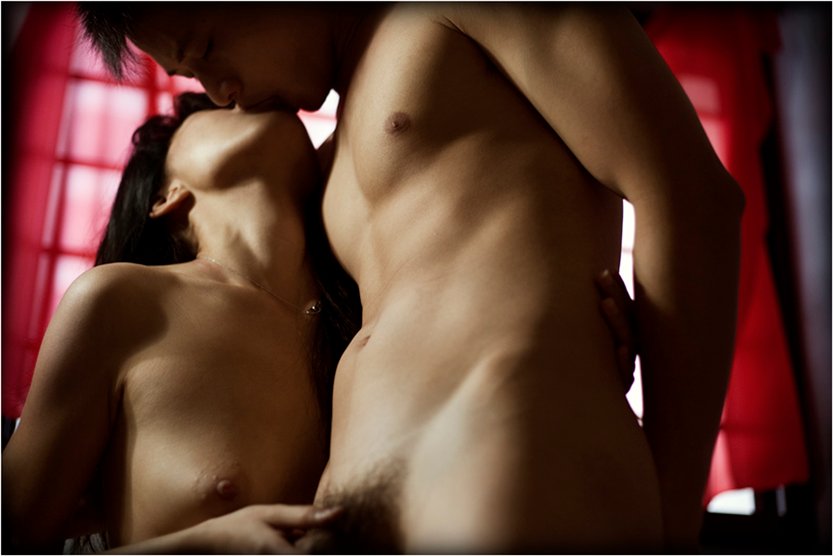
THIS STORY CONTAINS EXPLICIT CONTENT
Singapore – I have always felt that it is very difficult to argue with a photograph. Within the four edges of a photographic print, everything just seems real and believable. As a medium, photography seemingly cannot lie. It is with this sentiment that I go about my work, which for awhile has always involved the staging and construction of narratives and stories.
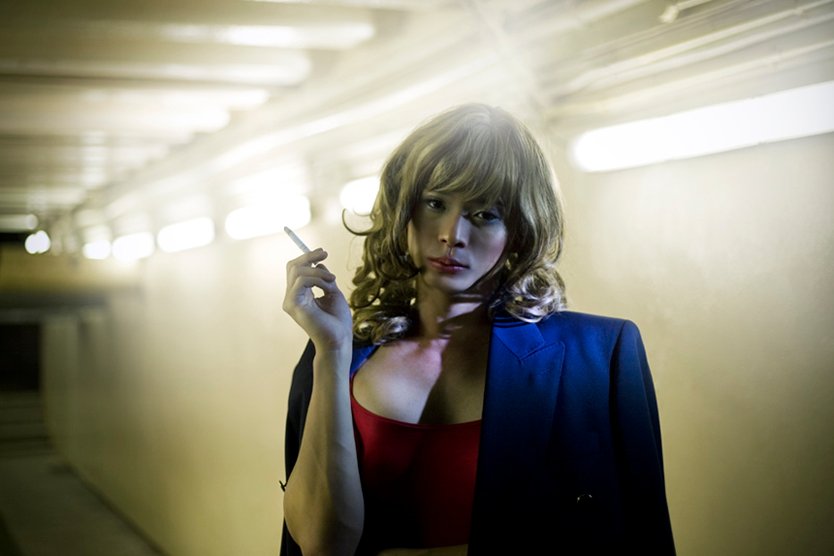
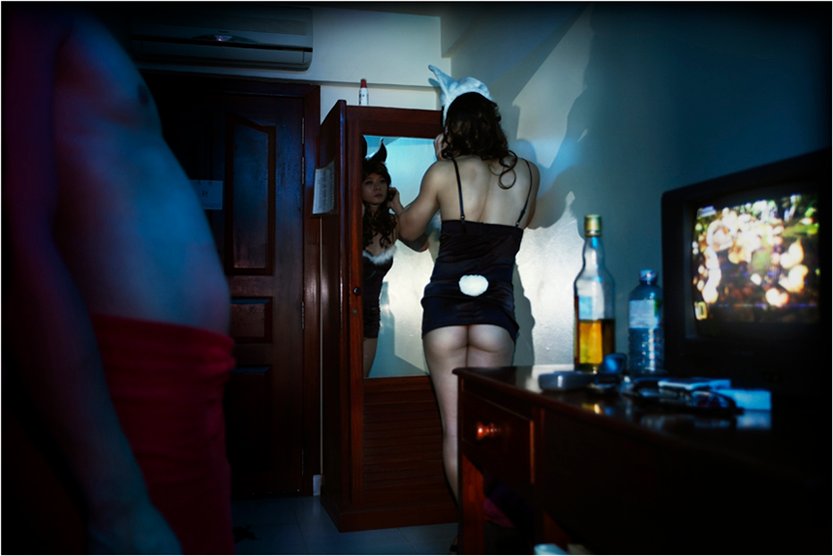
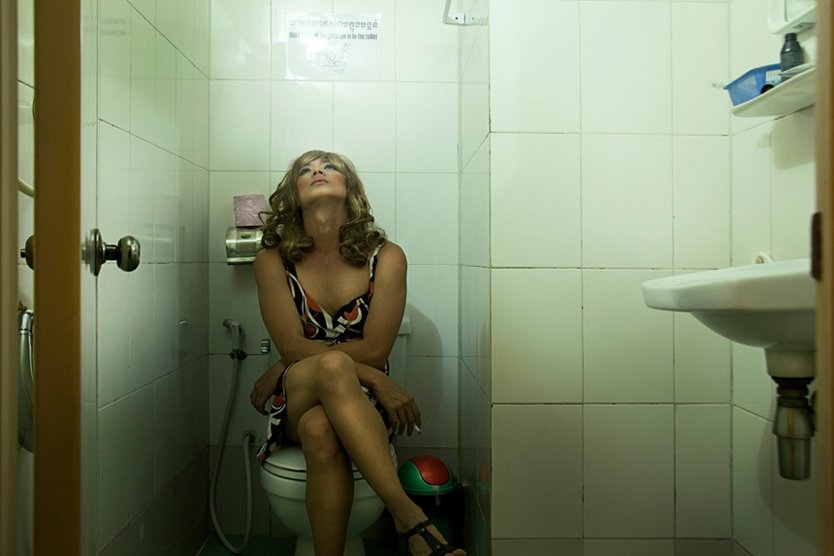
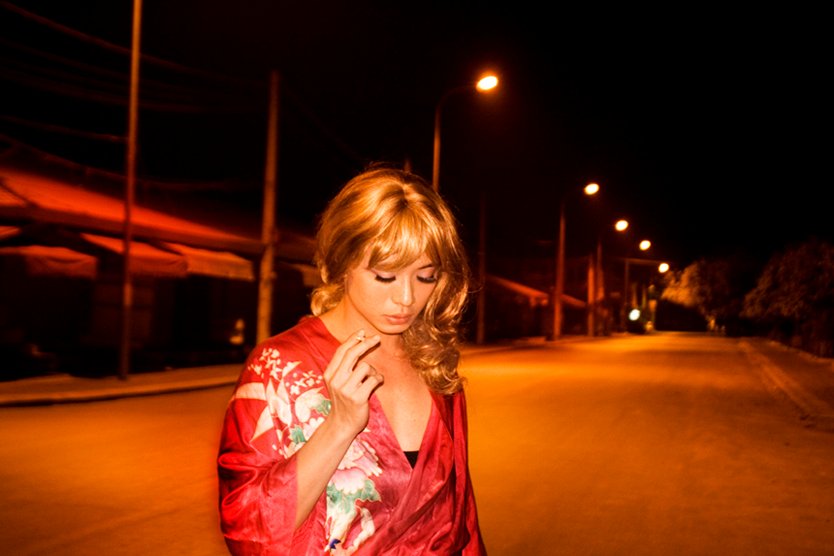
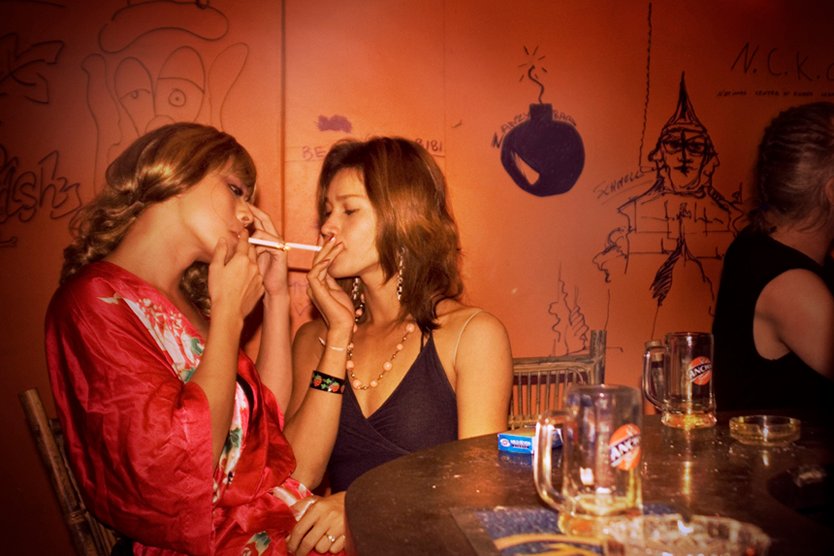
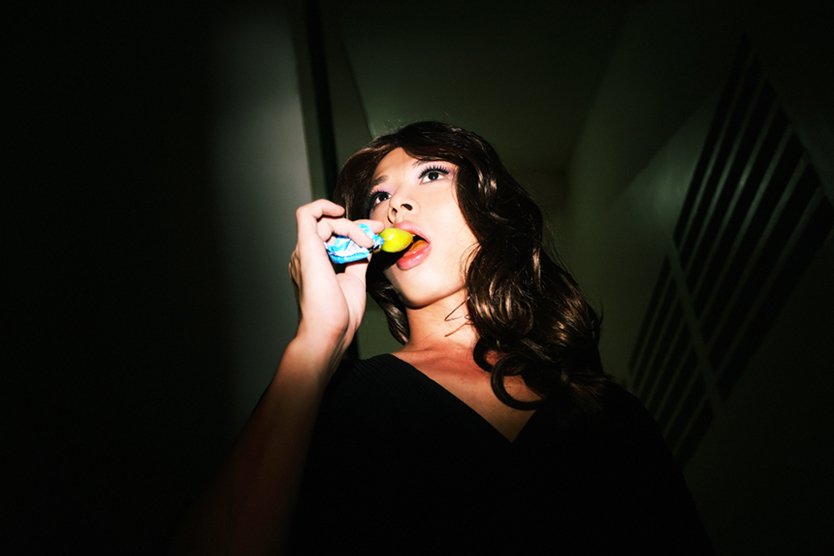
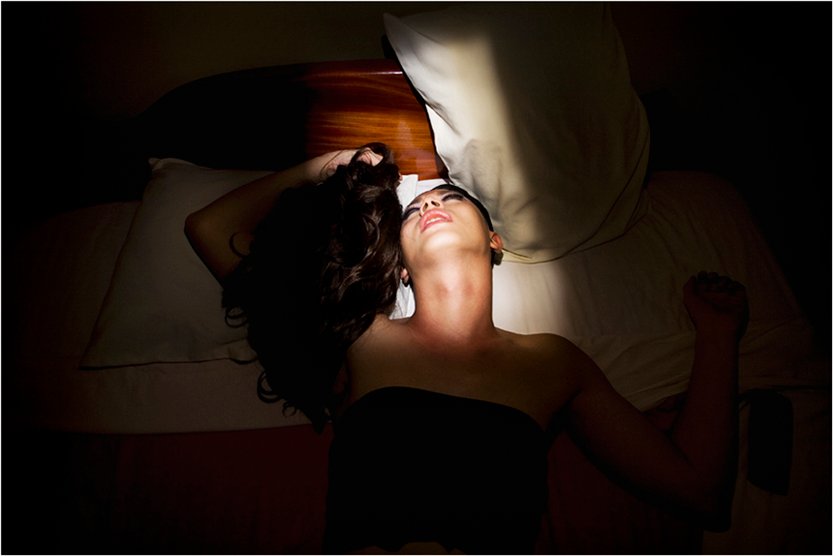
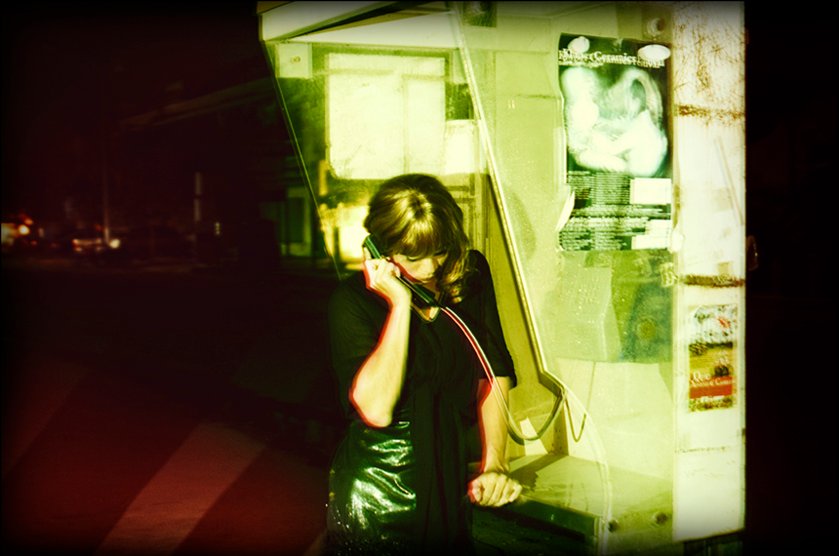
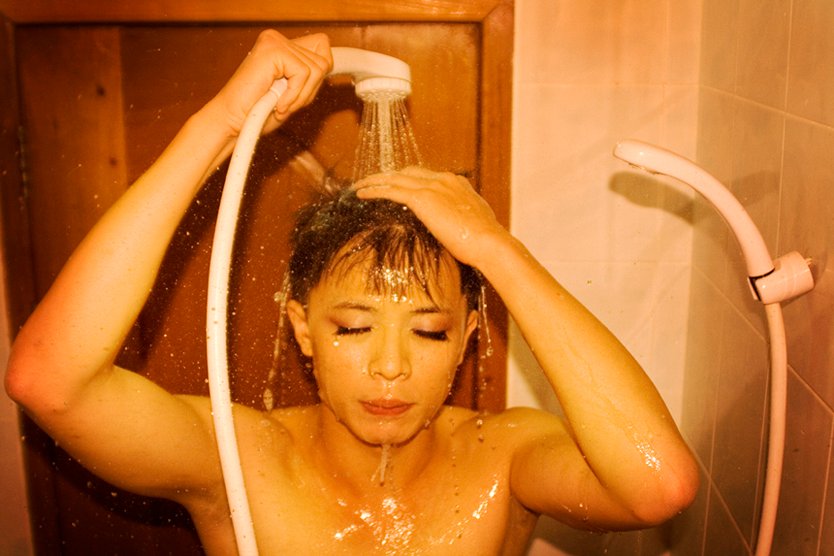
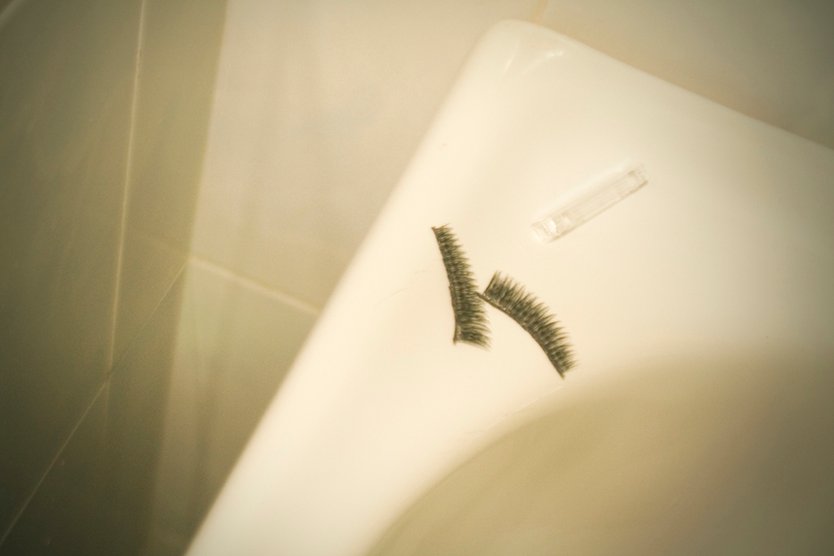
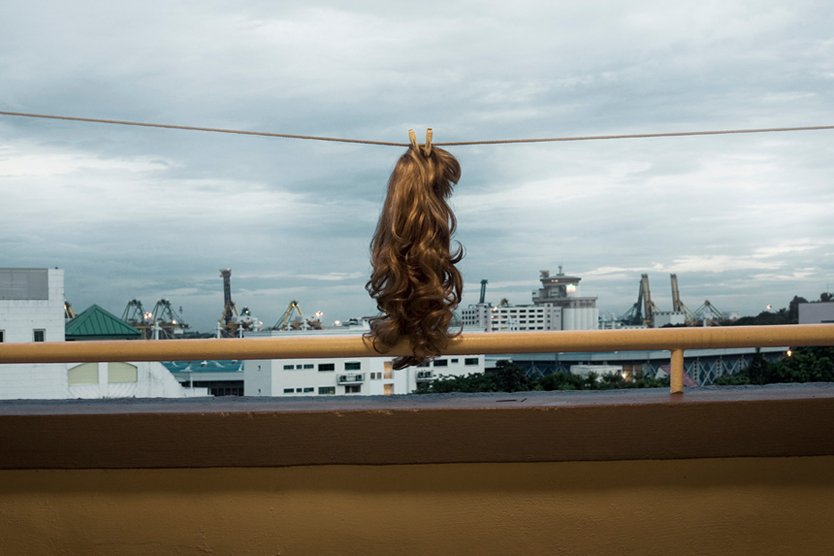
I started this work in 2007, I was in Cambodia attending the free Asian photographers workshop hosted by the Angkor photo festival in Siem Reap. I saw many ladyboys over there and I was immediately drawn to them. For some reason, I decided to become one of them and make a story about that. That was the birth of Shauna. My character.I started then to dress as a woman and make pictures. It was immediately addictive. Strangely, I have always felt that photography is kind of violent. We take and we take. sometimes,it feels more like stealing than taking pictures. A camera is like a symbol of power. However, when i became Shauna and people started to take pictures of me/her, I felt for the first time a reversal of roles. I was the powerful one now. The lines between performance and being was getting thin. I felt like I became the work and it was exciting.
For a while, I felt I was merely starring in my own scenes. Taking on the roles of both the photographer and the photographed. It did not occur to me then that with time, I would start to feel different. Perhaps good acting is also a kind of “becoming” and after being somebody else for sometime, you are in turn characterized by the role that you play. So eventually what started out as just making pictures and appearing in them as the main character, things started to change.
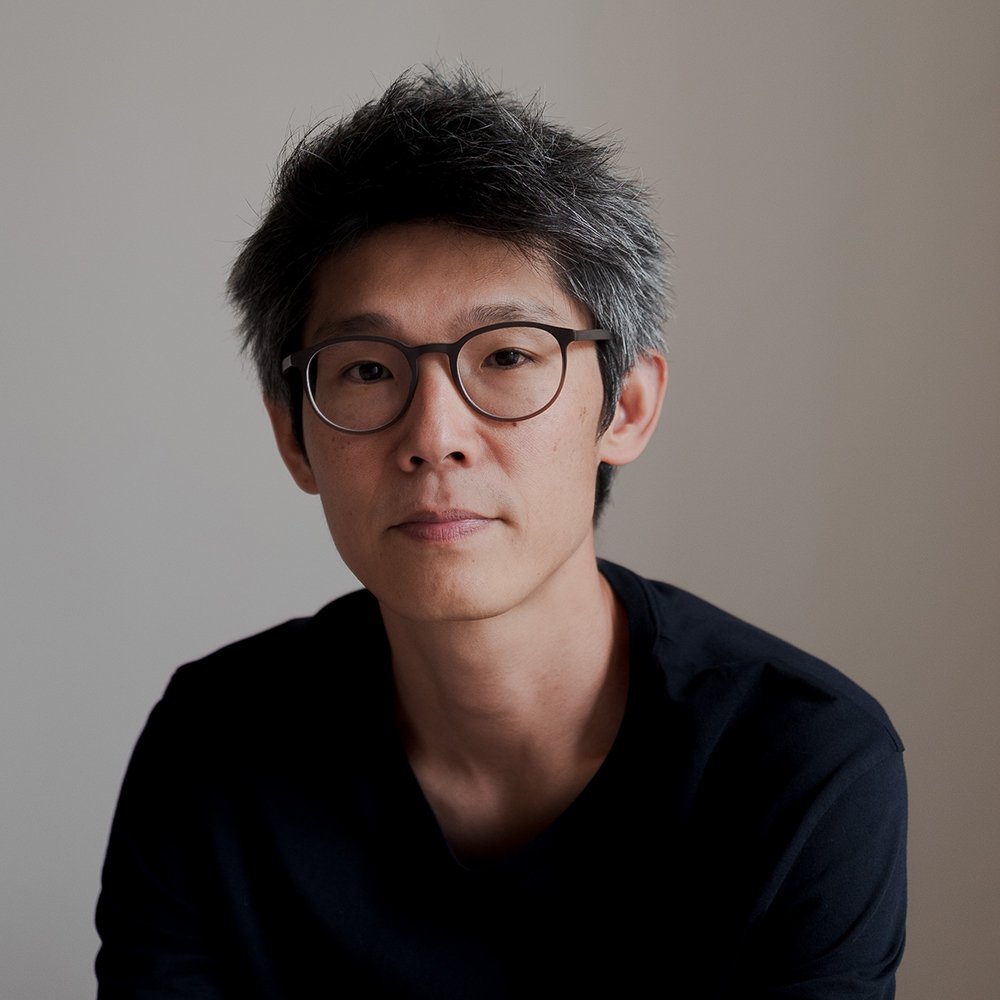
Photography feature -Written by Sean Lee
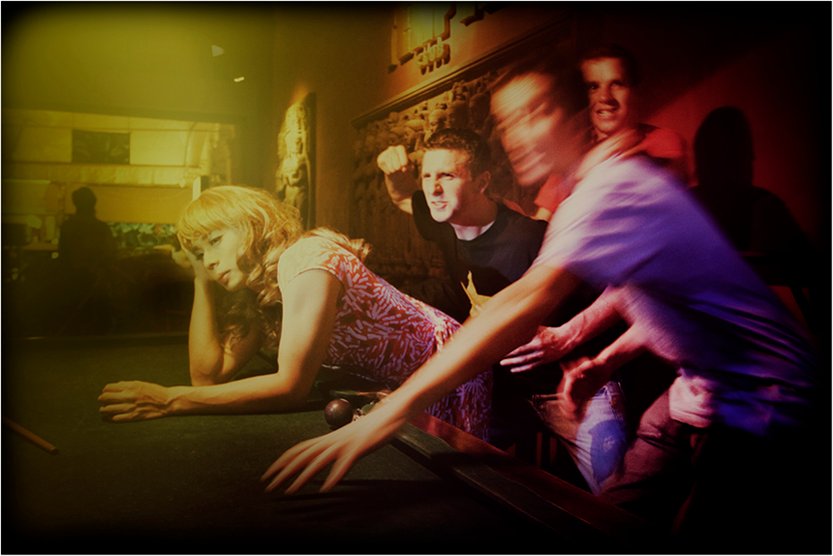
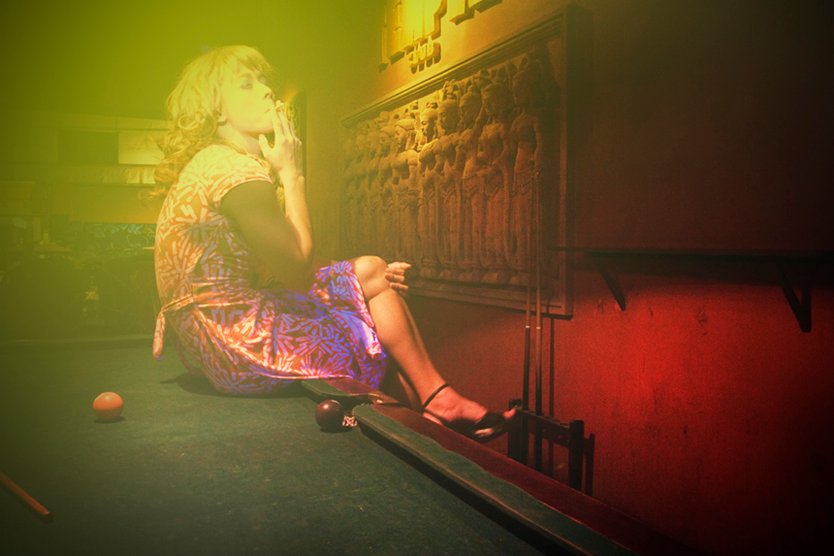
SEAN LEE AND SHAUNA. Photography, as we all know, can be deceptive. Its ambiguous relation with reality and its capacity to delude us into believing that the images it offers are ‘true’ and ‘objective’ are precisely the source of its fascination. Young Singaporean Sean Lee uses this aspect of photography in a decidedly unsettling manner—even more so because what he depicts is in itself unsettling. With a beautiful, sensitive mastery of colours and a mix of amusement and gravity, he presents Shauna, a character of his own creation: a pretty Asian ‘lady boy’, an elegant night owl surrounded by his transvestite friends, posing on stage, chatting in clubs, sitting smoking on the edge of a billiard table or crossing the street. And yet Shauna is also Sean, who both embodies and photographs her in a role-playing, cross-dressing game which Marcel Duchamp, Claude Cahun, Andy Warhol and Cindy Sherman, among others, have used to question the notion of gender. The plot thickens when we are told that Sean is absolutely not homosexual, that he proudly proclaims his love of women and explains that he made up Shauna as a tribute to feminine beauty. Thus, he says, when dressing and living as a girl he is not pushing a sexual choice to its limits. Complex, sincere, in turn playful and grave, his approach consists above all in questioning the notion of ‘beauty’ central to many contemporary issues. One thing for sure: Sean and Shauna love each other very much.
Christian Caujolle