Emaho: Your long-term engagement with Iraq began not as a fleeting assignment but as a deep curiosity about culture, heritage and environment. Looking back, what was it about the Arba’een pilgrimage in 2017 that fundamentally shifted how you wanted to tell stories about this country, beyond conflict headlines?
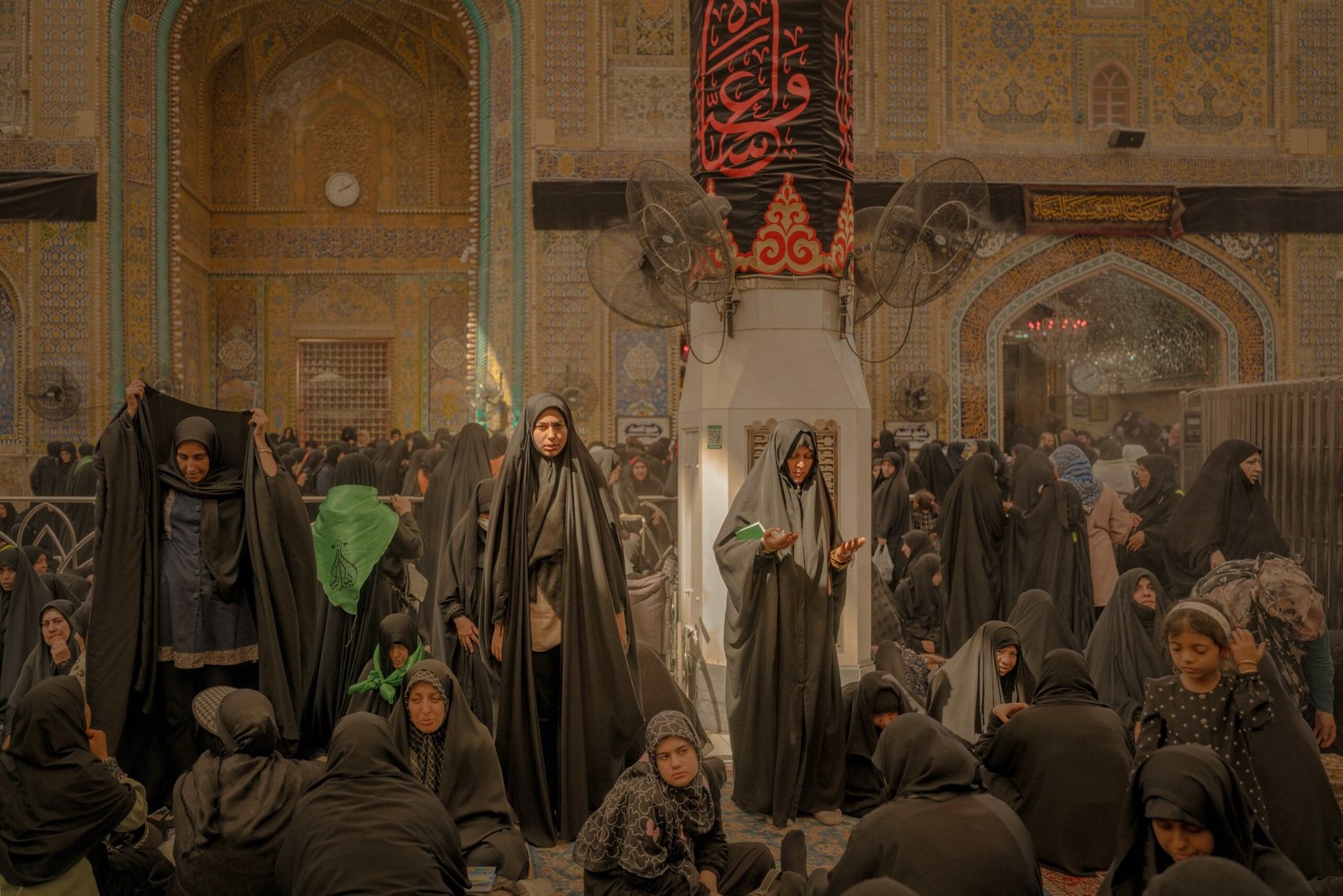
Emily Garthwaite: When I first walked Arba’een in 2017, beginning in Najaf, it was my first introduction to Iraq. Having grown up in the UK watching the war play out on the news, I simultaneously anticipated and refuted a certain image of the country, but what I encountered on foot was completely different. When I walked through Babylon, along the Euphrates and the old canals, the experience felt transformative in its simplicity. It reaffirmed what I knew, that there was a whole Iraq the headlines had never reached, and that the slowest possible way to travel, by walking, was the way to share my experiences.
Emaho: Tears of the Tigris required a journey of months on the river from Turkey to the Gulf, and a commitment to returning repeatedly over years. You’ve said you wanted to show “what has survived… without encouraging hopelessness.” How did you balance that focus on resilience with the urgent environmental and geopolitical threats facing the Tigris?
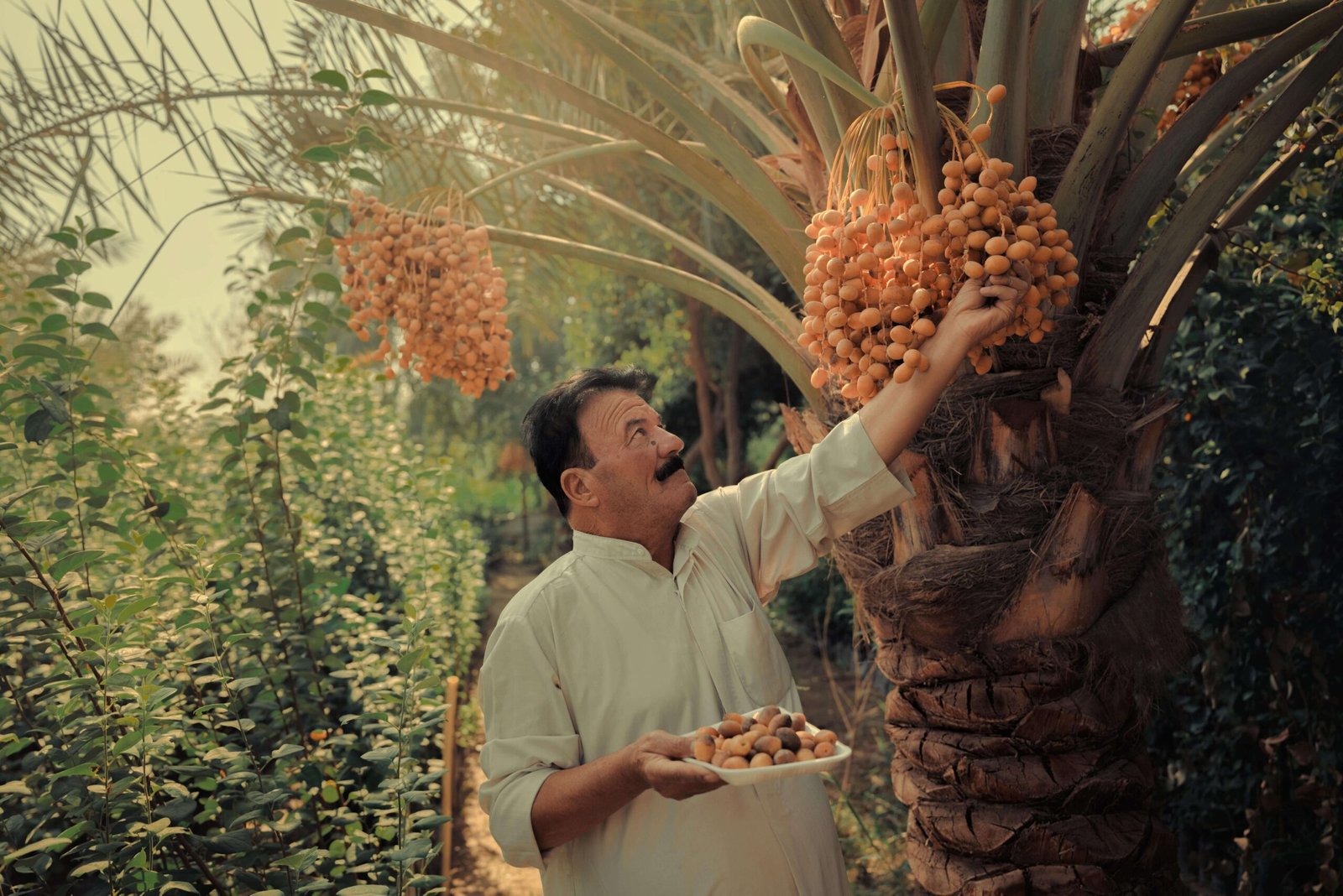
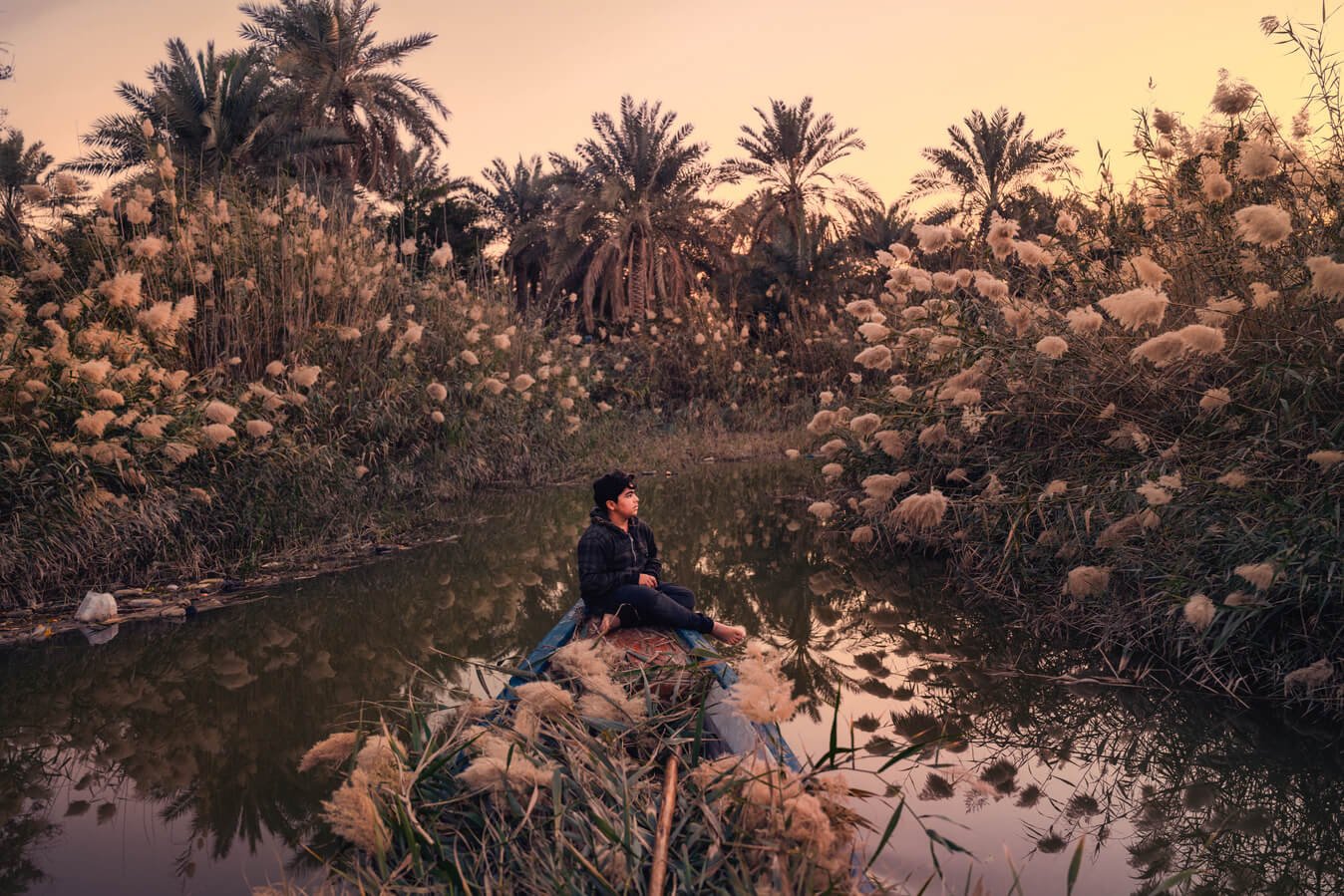
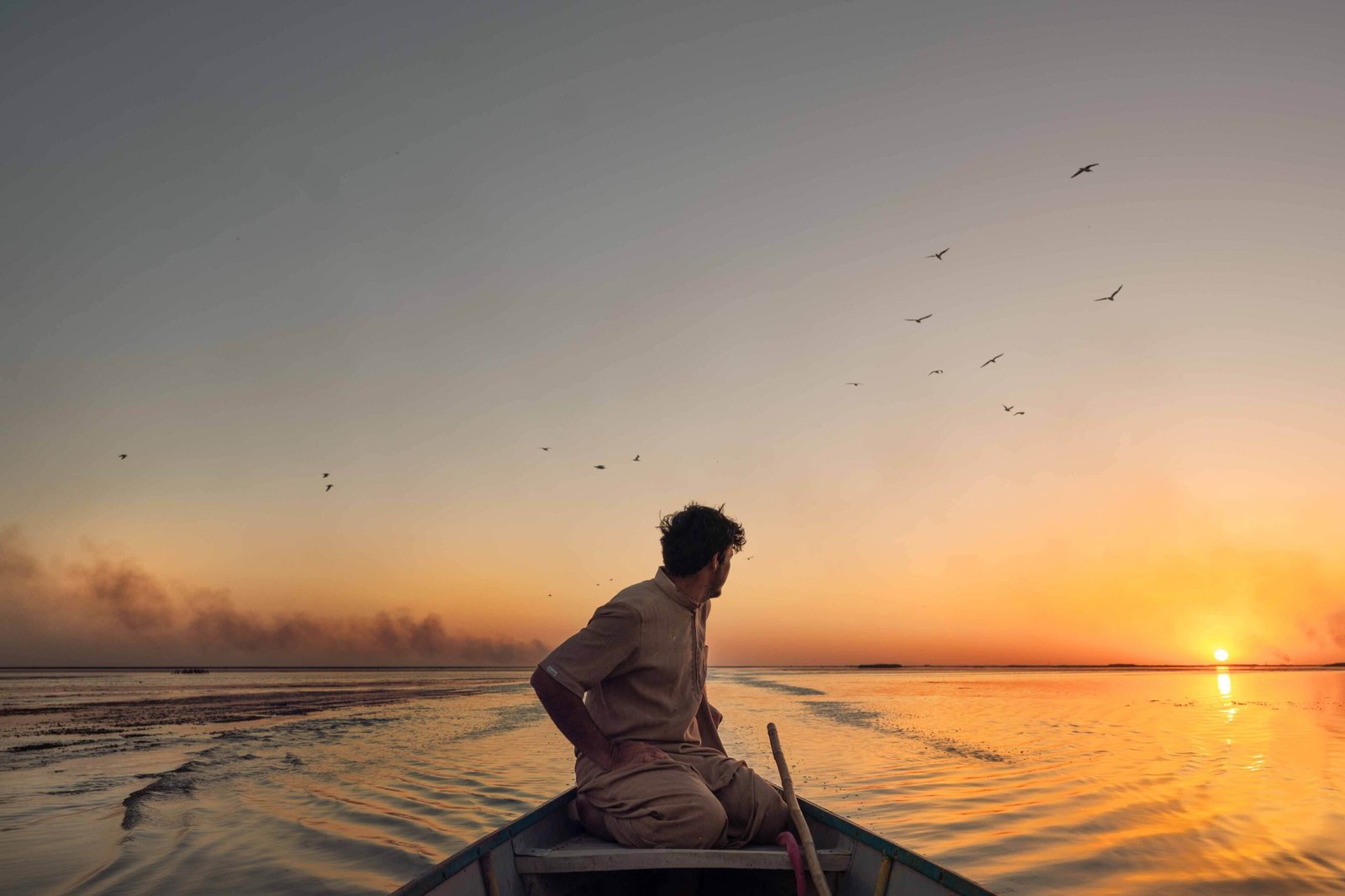
Emily Garthwaite: I won’t pretend the balance came easily. After the first expedition in 2021, it was hard not to lose faith in a positive future for the river. In many ways, that first experience of the river from source to sea felt as if preparing for a funeral, and as it stands, the Tigris is not going to survive without monumental shifts. But I learned that despair is a poor teacher! No one feels compelled to act if they’re told everything is already lost. During the second expedition, I chose to focus on culture and heritage along the river; the people, the rituals, and the life that endures. The threats are urgent, and I, of course, document them unflinchingly, but you have to bring people into the story before you can ask them to fight for it. And the truth is, I’m sustained by joy out there. It is a truly beautiful river that has gifted me some of the most serene and joyful moments of my life.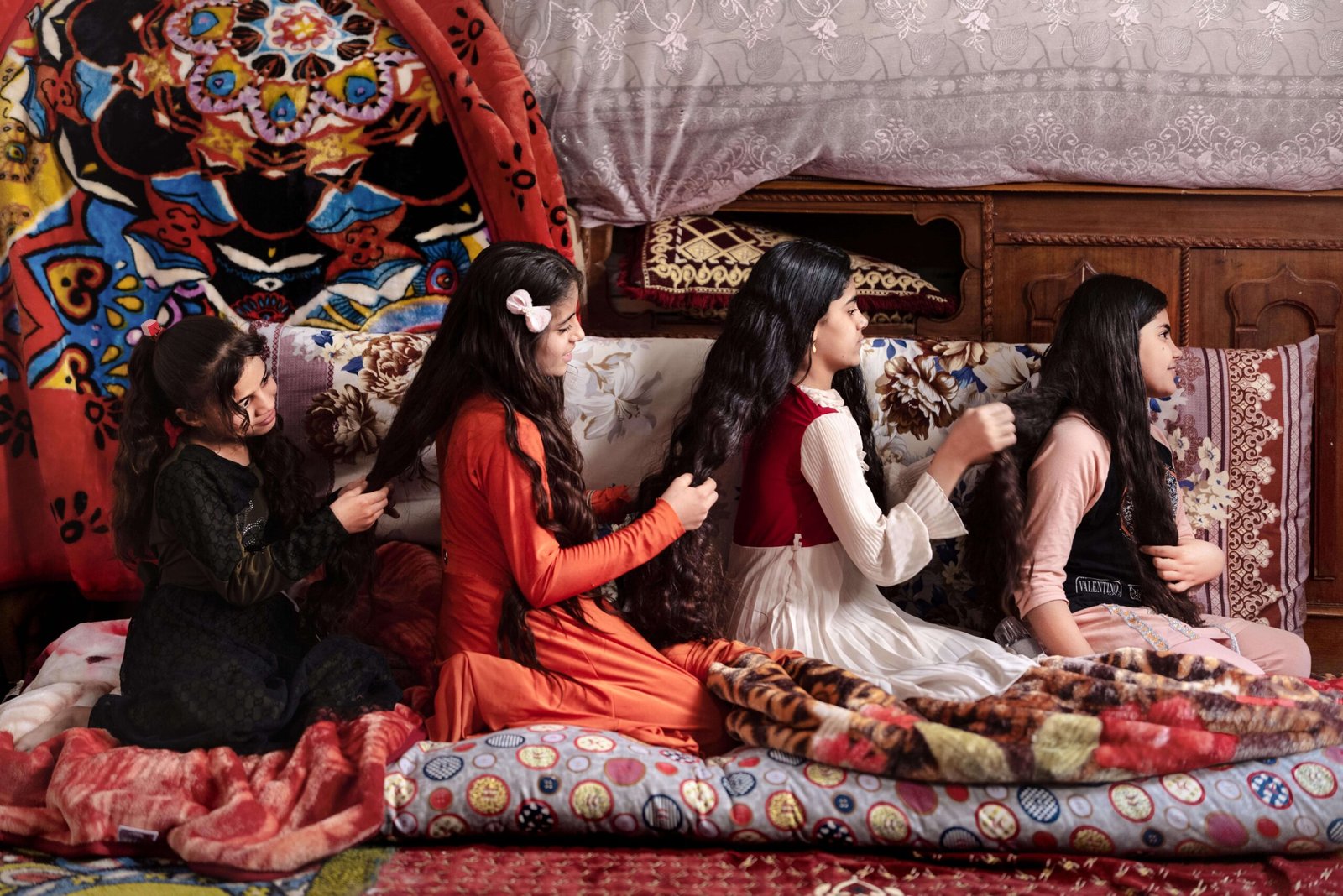
Emaho: Your photographs reveal both the environmental degradation of the Tigris and the everyday rituals—picnics, family life, traditional livelihoods—that persist along its banks. How do you manage the tension between documenting environmental crisis and illustrating lived humanity without either narrative overwhelming the other?
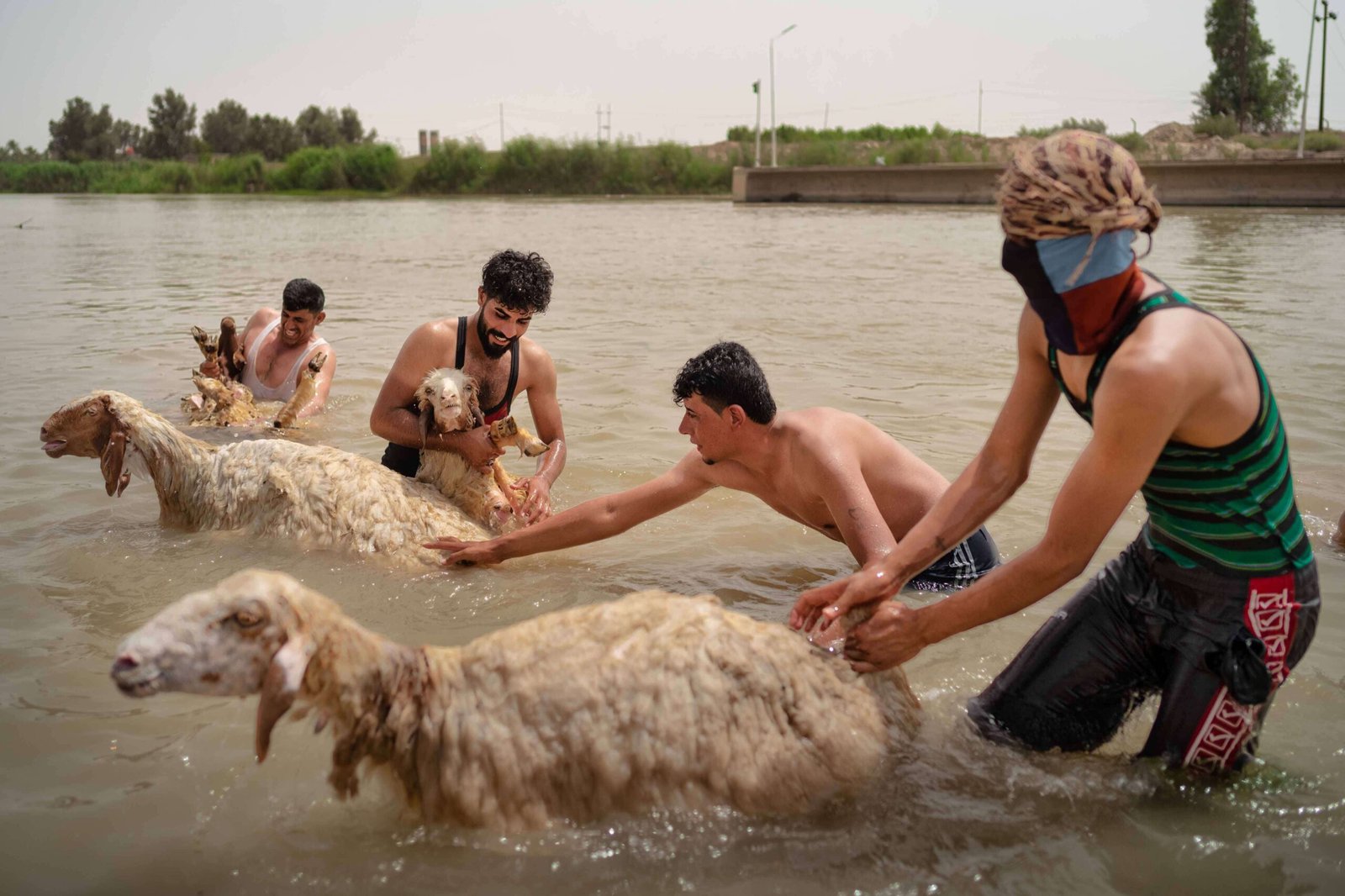
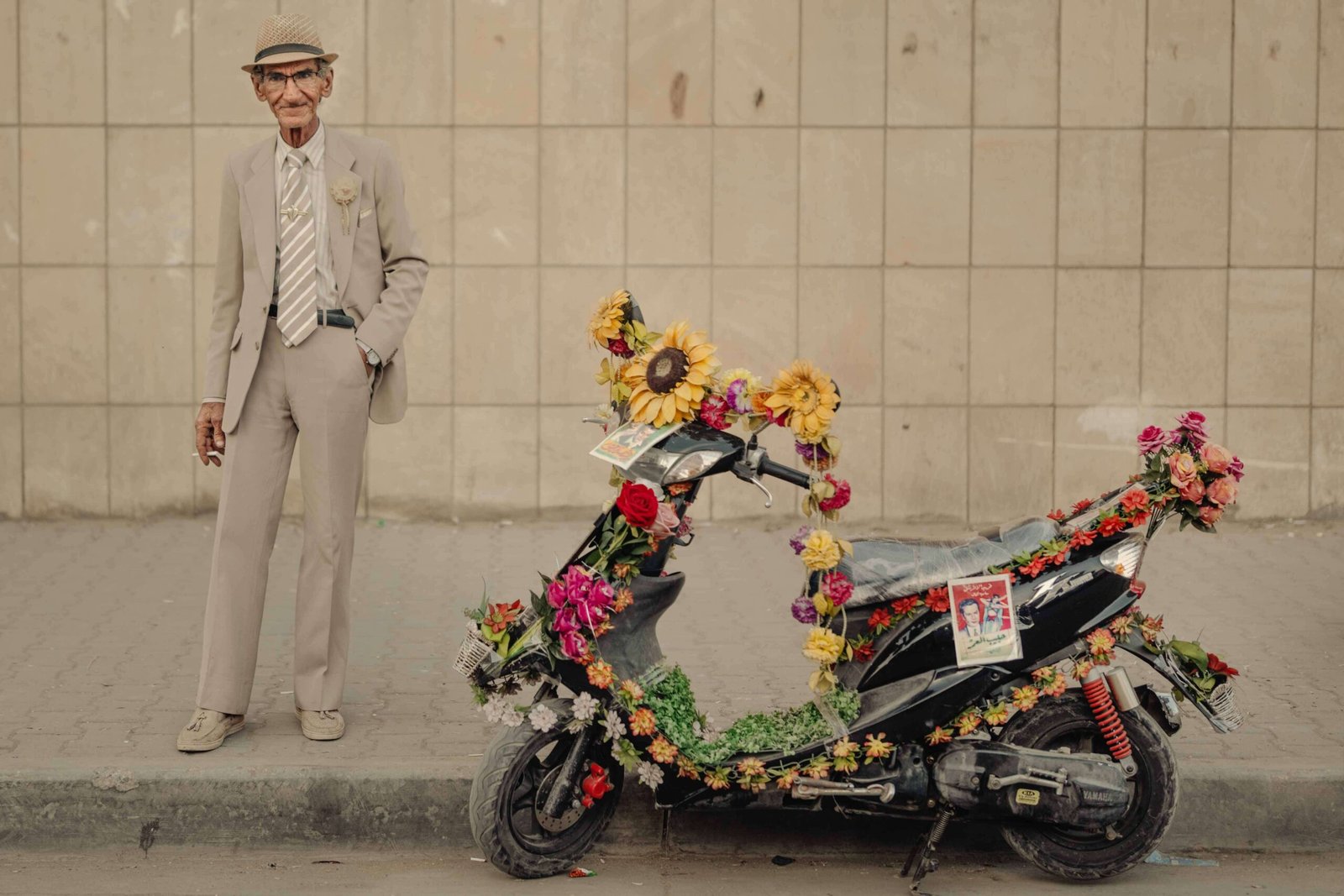
Emily Garthwaite: I researched environmental storytelling extensively before and during the work, and I made lists of the images I felt would carry the story beyond the clichés, beyond the cracked earth image or the broken boat marooned on a dried bank. I feel that everyday life became the essential counterweight, and kept me positive! So I focused on capturing picnics along the Tigris riverbank, sisters plaiting each other’s hair, a fisherman preparing masgouf, and pairing those alongside the degradation that so clearly presents itself. The crisis only lands emotionally once we understand what could be lost, and you only understand what’s at stake when you’ve seen the life still being lived there.
Emaho: You recently helped lead workshops and exhibitions with Iraqi Female Photographers, and have spoken about the importance of women in shaping visual storytelling in Iraq. What insights have you gained from working alongside female colleagues there, and how does this influence the stories you choose to amplify?
Emily Garthwaite: Working with Iraqi Female Photographers has been one of the most energising parts of my time in Iraq. The collective was founded in early 2024 by Forqan Salam and Ishtar Obaid, and I first came across their work online and reached out asking if I could be involved in any capacity, and was grateful to be brought into the fold! Over two intensive workshop days in Baghdad, we worked through sequencing, pitching and navigating identity through the camera, with women joining from across Iraq, often supported by their families. What struck me most is what happens when women gather: we uplift one another, we seek solutions, we soothe one another. Creativity isn’t reserved for the lucky few…what people often lack is simply the confidence to pursue it, and that’s the real engine of IFP. Male photographers can’t enter many parts of Iraqi homes, but women can. So when more women are working behind the camera, you don’t just gain gender equality in the industry, you gain equity in the storytelling itself.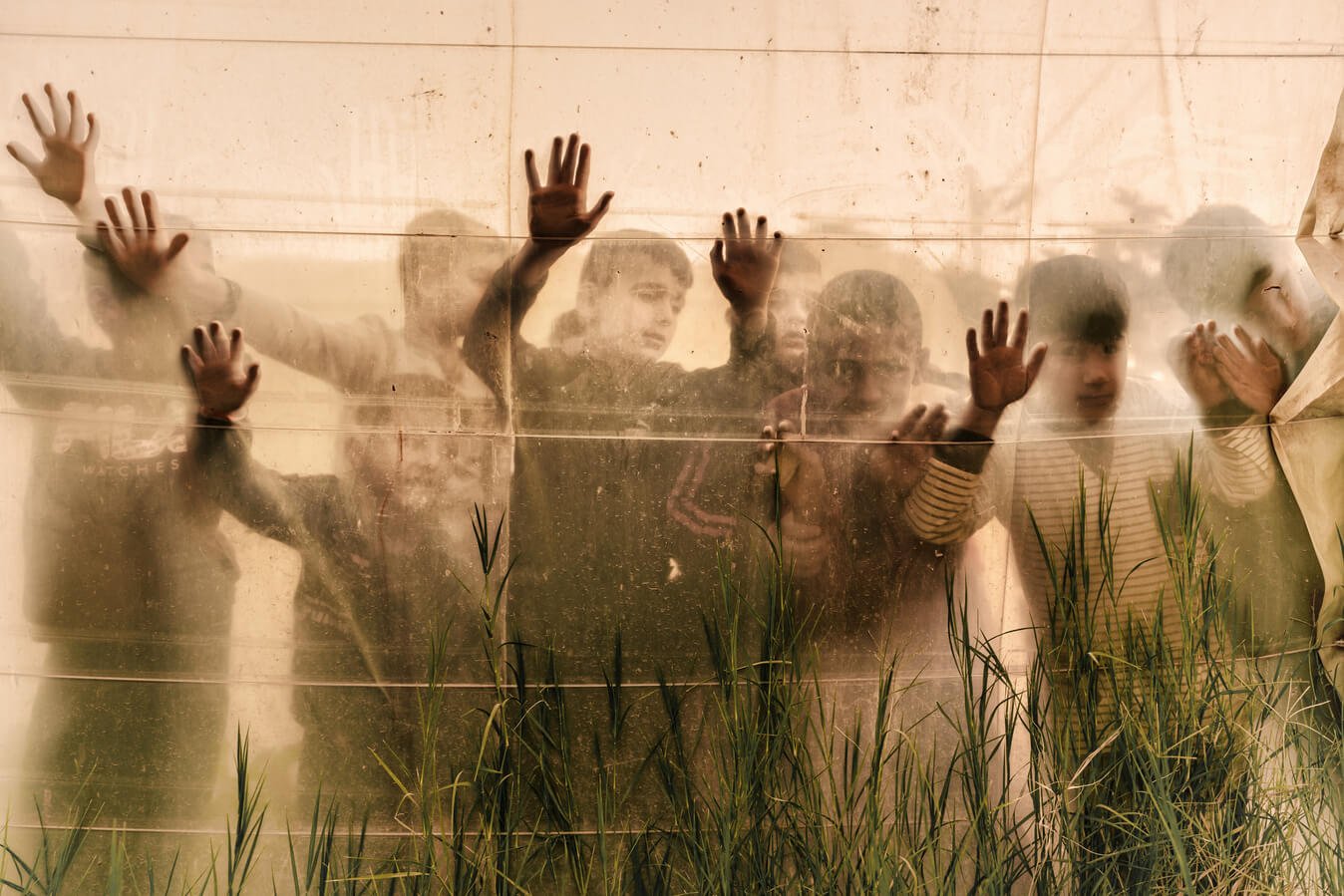
Emaho: Your work has been recognised with awards like the Visa d’Or at Visa pour l’Image and shown internationally. How do exhibitions like Perpignan or at Leica Gallery London transform the impact of your projects compared to the experience of making these stories in situ along the Tigris?
Emily Garthwaite: So much of what I photograph is digital and lives on hard drives, only ever encountered through a screen! So to print it large, to give it scale and physical presence, completely changes the relationship a viewer has with it, including me. In many of the images, I noticed new details such as birds perched, a figure in a crowd, or simply a greater depth of colour.
What moves me most is watching the Iraqi diaspora engage with it, especially older generations.
Emaho: Beyond the Tigris, you’ve long documented the Zagros Mountain Trail and tribal traditions, including the Kooch migration and nomadic routes in Iraqi Kurdistan. What does walking – and physically inhabiting landscape over time- teach you about place and belonging that shorter assignments never could?
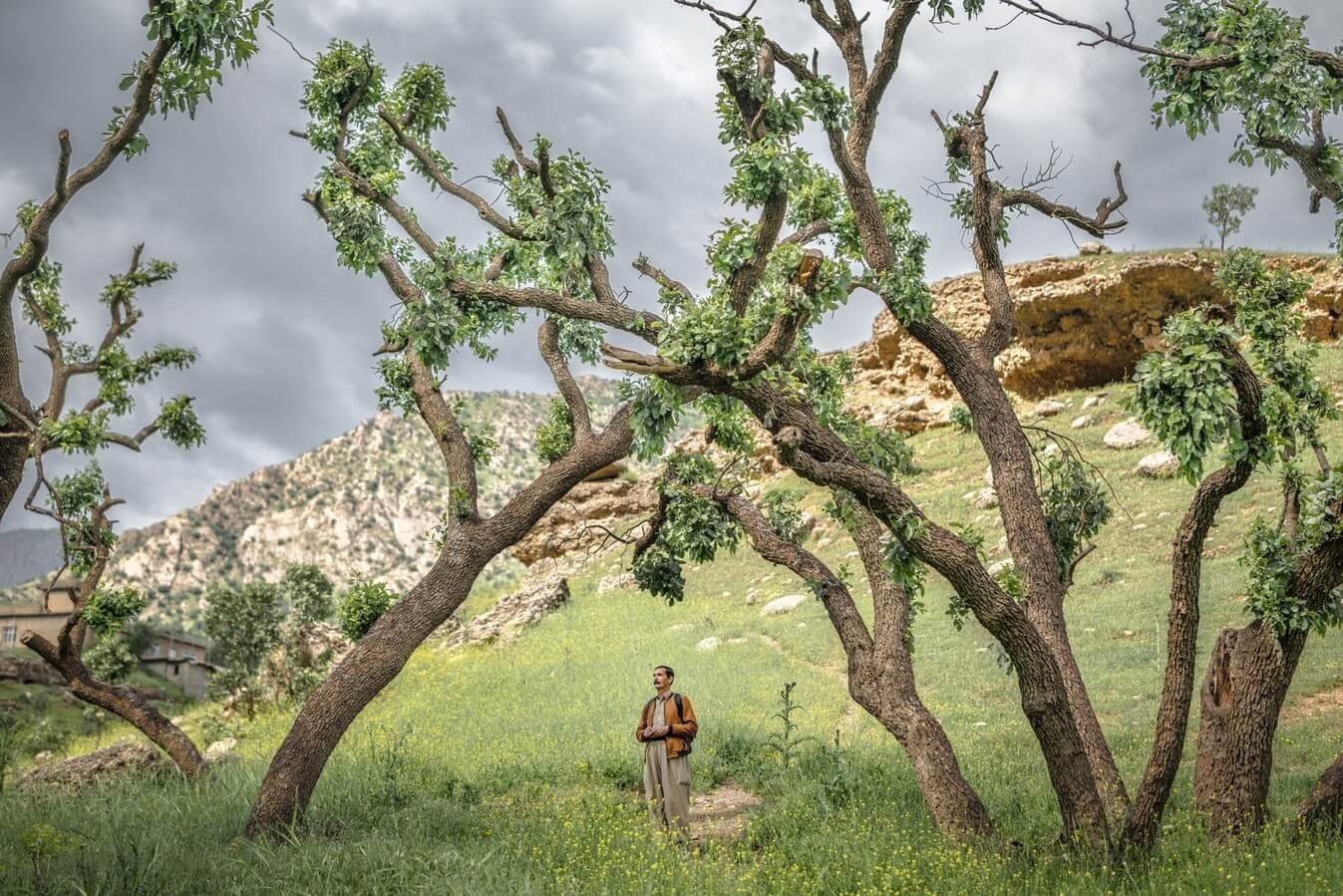
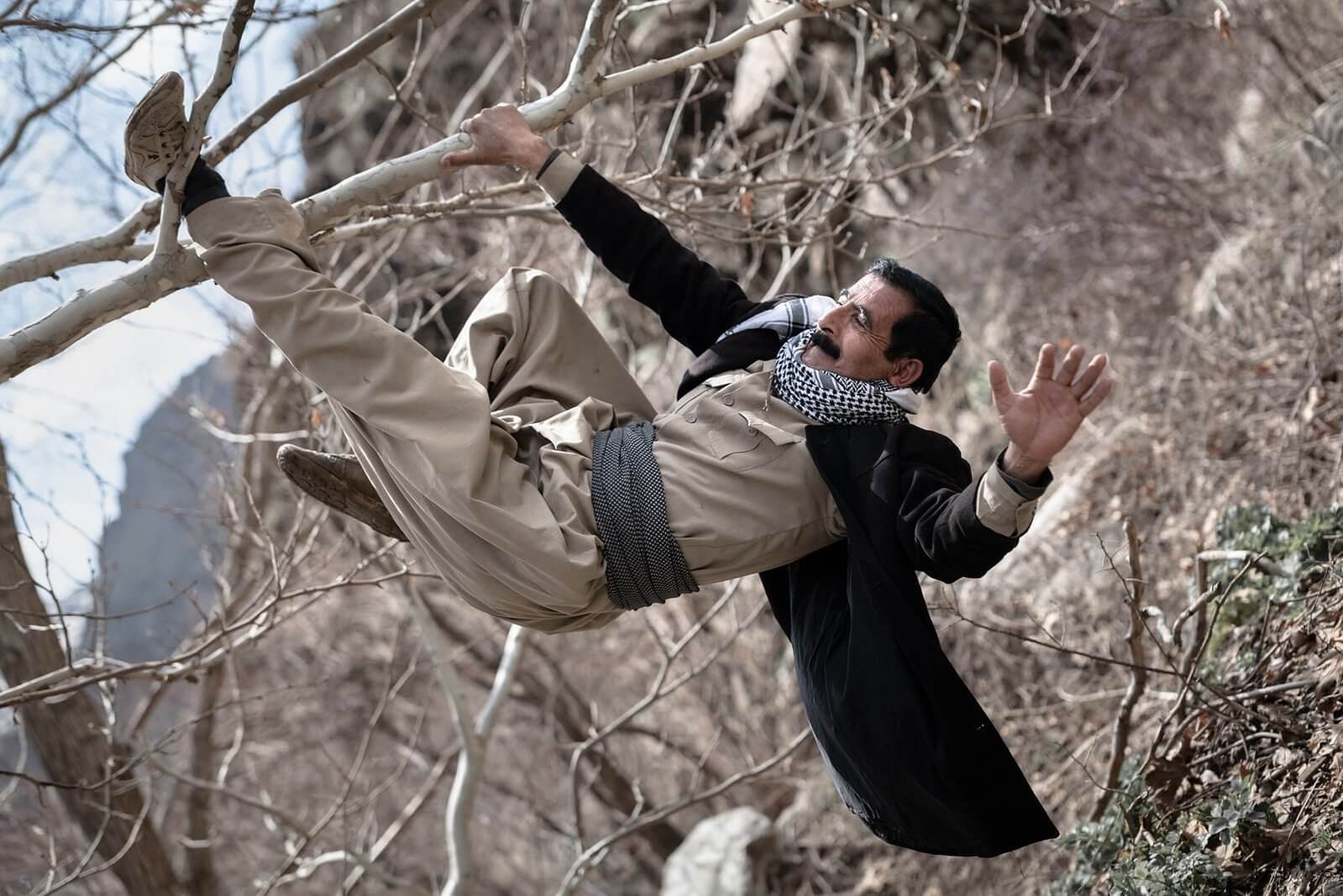
Emily Garthwaite: Walking is how I came into Iraq in the first place, and it remains the truest way I know to understand a place. As a photographer, you have to move slowly enough to encounter chance, to see the world fully and with clarity, and walking is what allows that. It’s about the spaces in between, rather than the walk itself. On the Zagros Mountain Trail, which I co-founded with Lawin Mohammed and Leon McCarron, the stories are laced into the trails themselves. An old Peshmerga fighter named Ahmed Rezani once told me that in the war, he walked through a place of pain, but now he walks without it. That, to him, was heaven, because the mountains were free.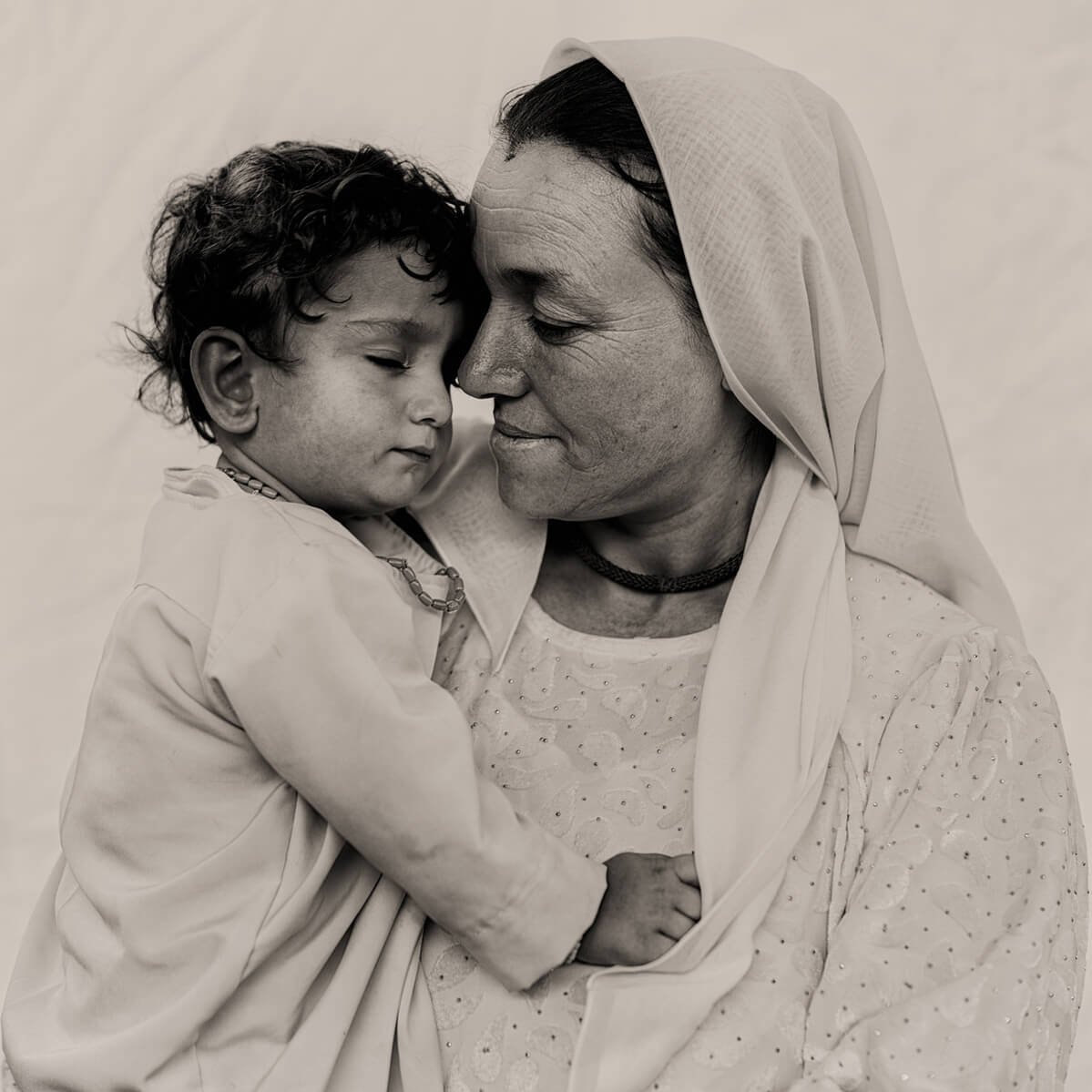
Emaho: You were commissioned by Save the Children to document the Yazidi community ten years after the genocide, focusing on survival, tradition, and resilience rather than solely on atrocity. How did your relationship with the Yazidi people shape the way you approached that project, and what lessons did it teach you about storytelling versus representation?
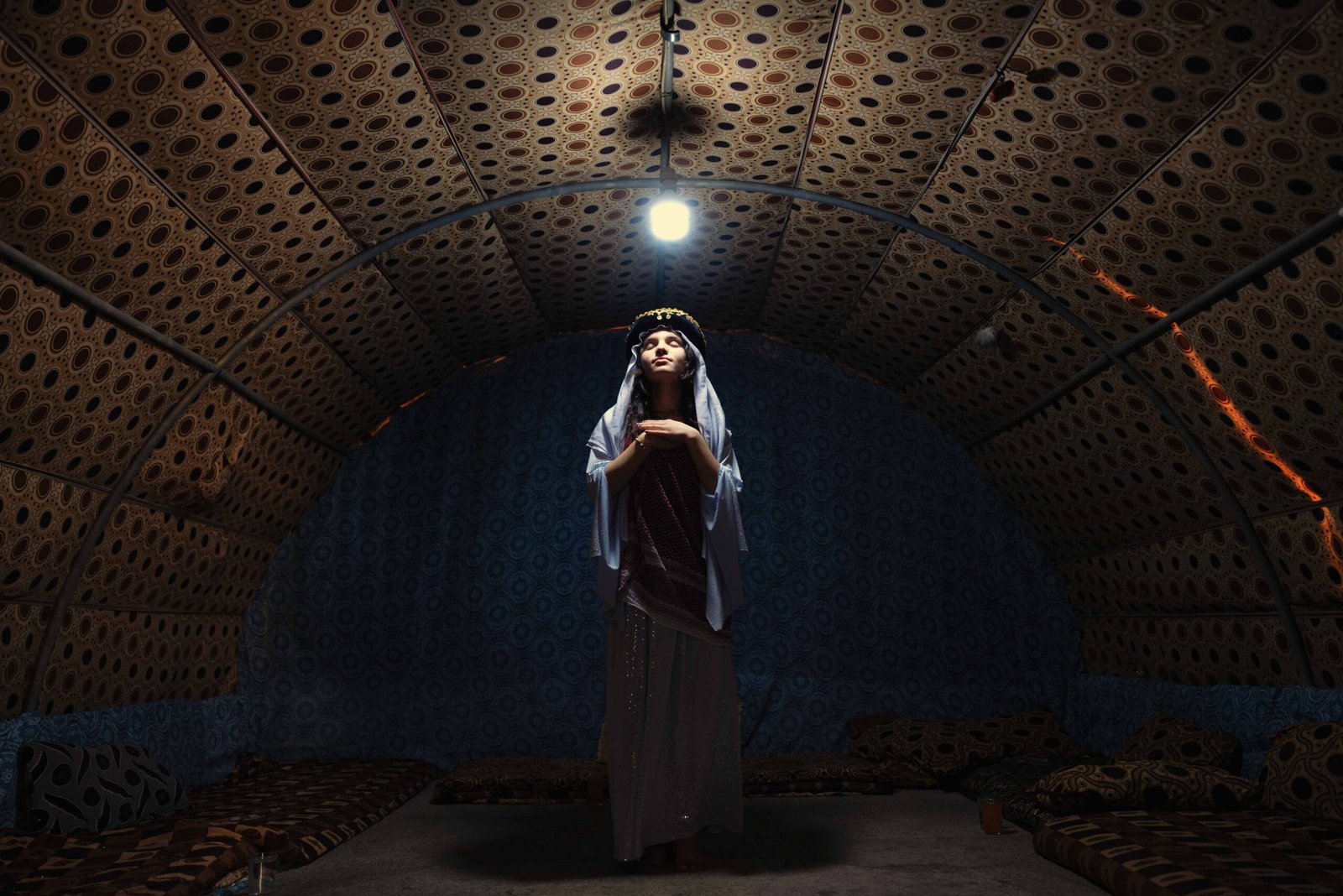
Emily Garthwaite: I’ve spent five years photographing Yazidis in IDP camps near Duhok, diaspora communities in Germany, and Shingal. For much of that time, I lived near their sacred shrine in Lalish and swam in the nearby river. When Save the Children commissioned me to document the community a decade after the genocide, I finally visited Shingal. I never wanted the Yazidis to be defined only by the crimes committed against them. My focus is on survivors rebuilding their lives and on the cultural traditions and heritage they continue to uphold.
More recently, in Shingal, I worked alongside Lena Dawid, a 19-year-old Yazidi woman and lent her my second camera to photograph a sacred festival at the base of Mt Sinjar. I don’t want my work to be about an outsider coming to document a community. This is about a young Yazidi woman, a genocide survivor, learning to tell her own story visually. My role is to support and witness!
Emaho: In past interviews you’ve described photography as a kind of therapy and talked about the need to find joy and levity even amid challenging work. When you’re in environments marked by trauma, how do you hold space for moments of connection, beauty, or humor, and why is that important to you as a storyteller?
Emily Garthwaite: The communities I spend time with are full of humour and tenderness, and to leave that out would be a kind of dishonesty. I’m sustained by those moments, and frankly, I wouldn’t still be working in Iraq if I didn’t have hope and laughter to hold onto.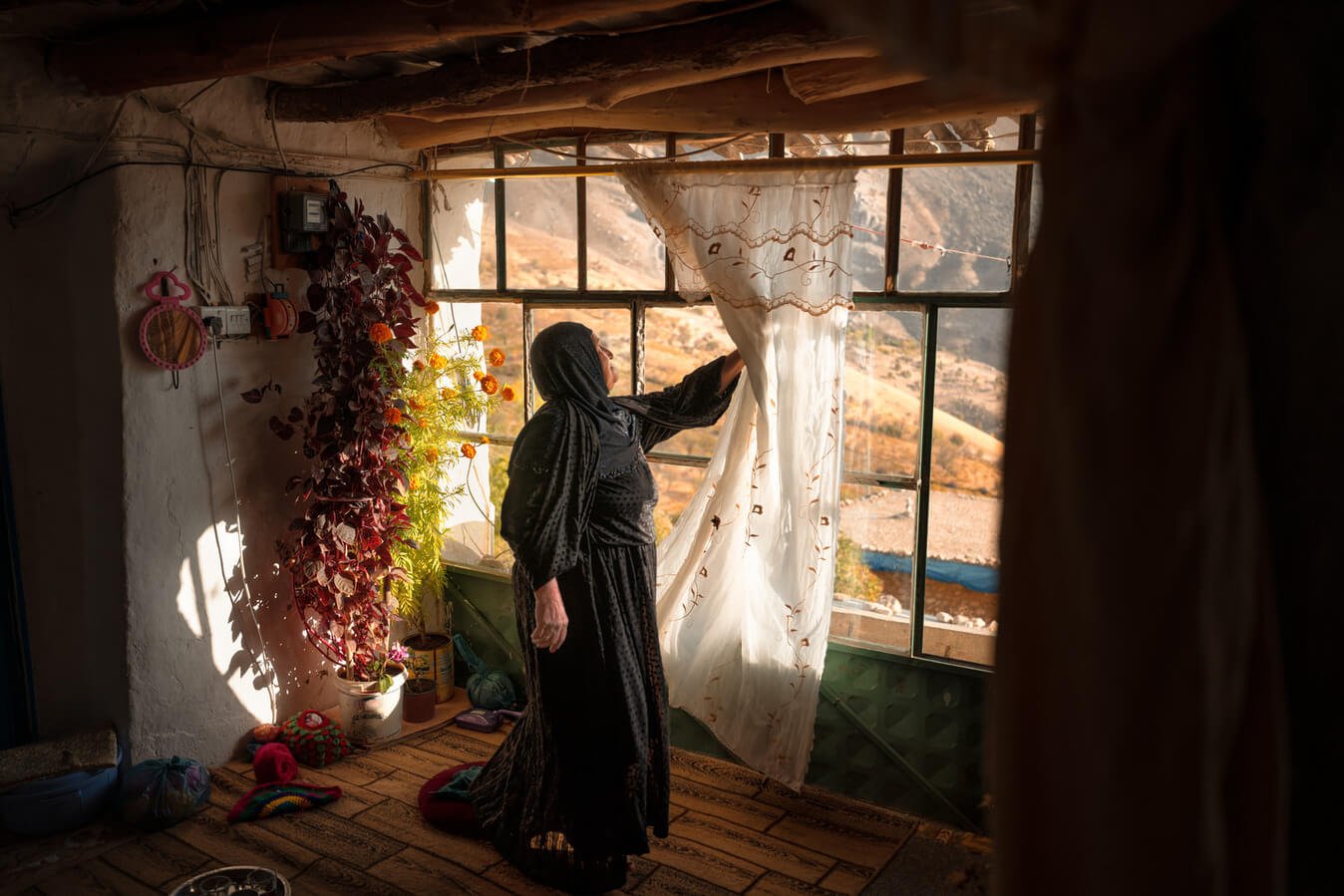
Emaho: Your projects often sit at the convergence of environmental change, cultural survival, and collective memory. As you look ahead, what themes, geographies, or narratives are you most compelled to explore next—and how do you see your work continuing to evolve in a shifting world?
Emily Garthwaite: My focus is now shifting towards film. Over the past two years, my colleagues Sangar Khaleel, Daniel Etter, and I have made two documentary films in Iraq about environmental defenders and the Tigris River. And, photographically, I will continue my work with the Yazidi community alongside my colleague, Sister Makrina Finlay, and the NGO Regenerate Shingal.
I’m interested in the stories that sit slightly off to the side of the headlines, the esoteric and the folkloric, ecology and faith and the quiet ways people hold onto home – and walking, I will keep on walking, wherever it takes me!
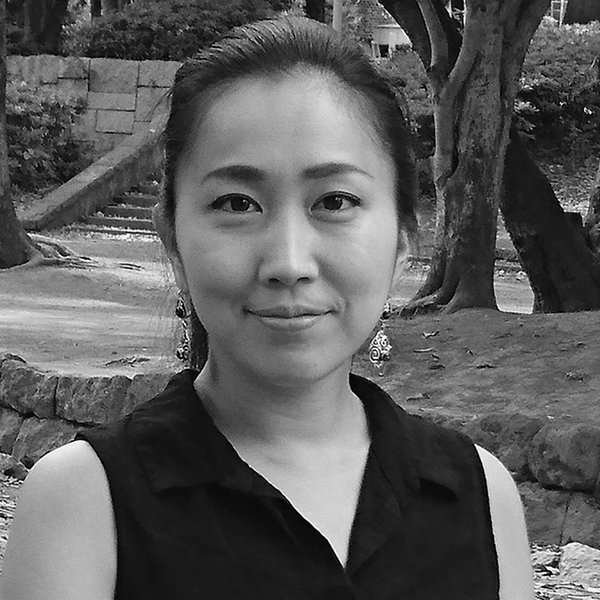
Emily’s portrait by Tarek Turkey