Dan Budnik: ‘Marching to the Freedom Dream’ – The Heroic Encounter

Dan Budnik (Long Island NY, 1933 – Tucson AZ, 2020) studied painting at the Art Students’ League of New York. After being drafted, he started photographing the New York school of Abstracts Expressionist and Pop Artists in the mid-fifties, making it a primary focus for several decades. He made major photo-essays on Willem de Kooning and David Smith, among many other artists. It was his teacher Charles Alston at the Art Students’ League of New York, the first African American to teach at the League, who inspired his interest in documentary photography and the budding Civil Rights Movement.

USA – 

Marching To The Freedom Dream presents American photojournalist Photography feature – Dan Budnik’s significant body of work documenting three seminal marches of the civil rights movement. It is published to coincide with the 50th anniversary of the Civil Rights Act of 1964, and precedes the 50th anniversaries of the Selma-Montgomery March and the Voting Rights Act in 2015. A foreword to the book is written by prolific civil rights activist, Harry Belafonte.

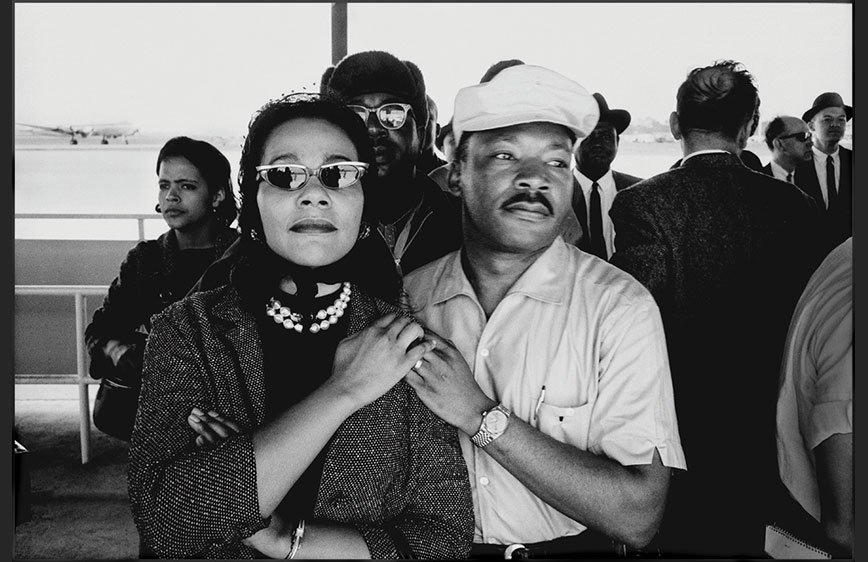
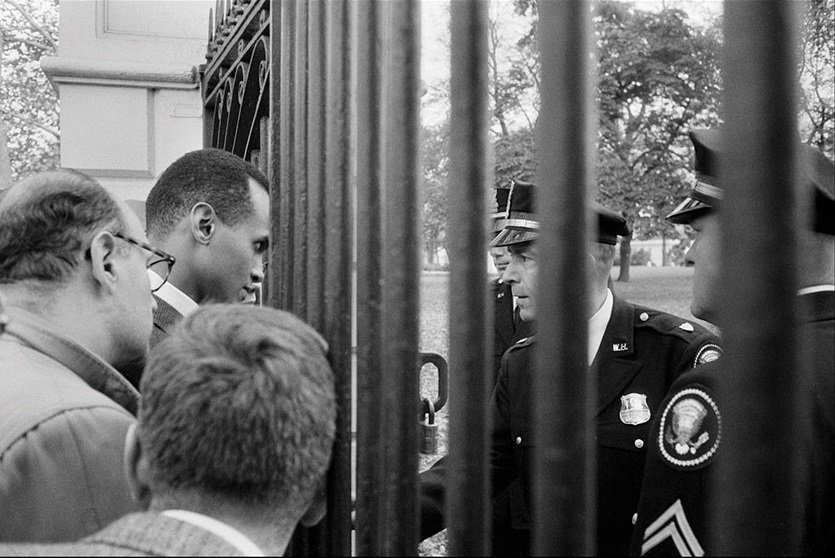
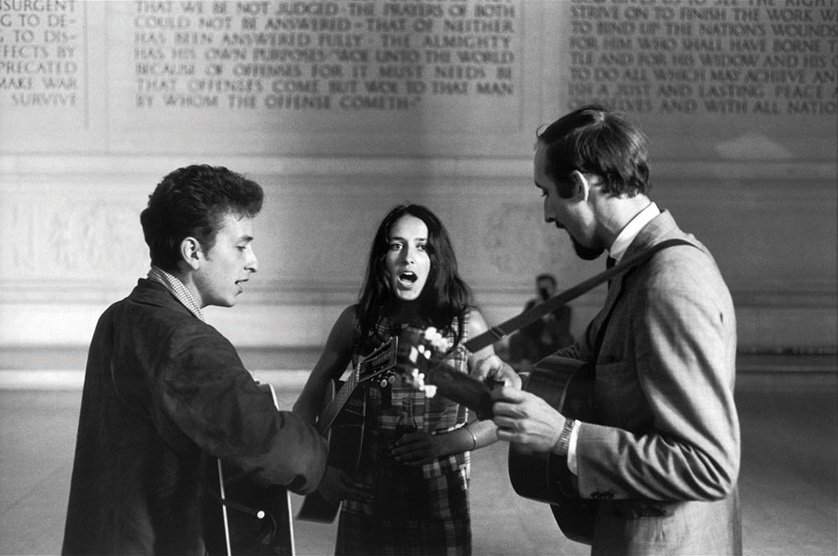
Published by Trolley Books, the book begins with the peaceful Youth March for Integrated Schools in 1958, organised by Harry Belafonte and Bayard Rustin, where the White House gates were rudely slammed in the faces of the petitioners. We then move to the iconic March On Washington in August 1963, where Dr. Martin Luther King Jr delivered his monumental “I Have a Dream” speech.


budnik-book-cover-219x300


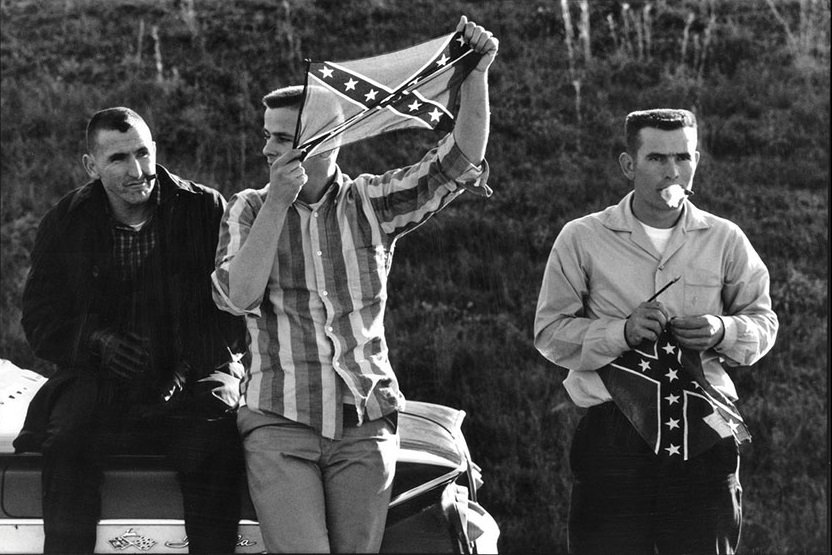
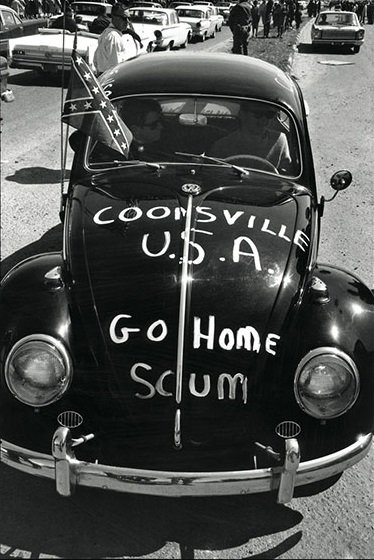
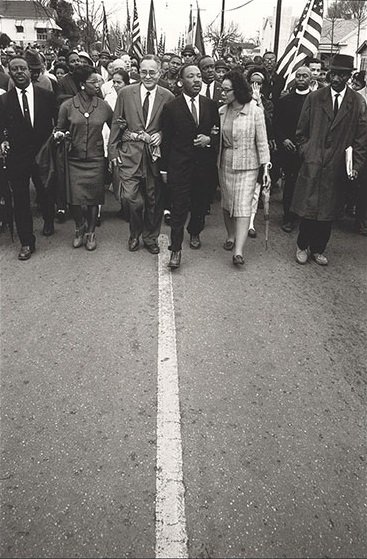
The book culminates with the unprecedented and triumphant 54 mile Selma to Montgomery March in 1965. This was Dr. King’s greatest achievement where he led marchers, which at times swelled to 1000’s of people when safety conditions permitted, through some of the most segregated areas of rural Alabama, the heart of racist Dixie. Budnik’s images capture the non-violent solidarity of the participants. He salutes the diversity and passion of the marchers ranging from all walks of life who were willing to serve and sacrifice.

Alongside Budnik’s black and white photographs, his newly found colour work has been included in the volume, with his own handwritten- captions accompanying the images, providing a more contextual and personal information on the marches’ participants.

A photohistoric context will be written by photographer and scholar James L. Enyeart, former director of the Center for Creative Photography in Tucson, Arizona and the George Eastman House in Rochester, NY.

“Dan Budnik is amongst American photography’s best kept secrets. His exceptional images from the Civil Rights era have been rarely seen since they were taken half a century ago….his portrait of Martin Luther King Jr. adorns one of TIME’s most memorable covers.” – Phil Bicker, Senior Photo Editor at TIME.
Related Posts

Wasma Mansour: ‘I would really like to widen the debate on Saudi women’

Saudi Arabia  – Wasma Mansour shoots intimate scenes and portraits in large format and elucidates the great in the mundane. ...

Oscar Monzon: KARMA

Spain –  In Karma, a project developed in Madrid between 2009 and 2013, Óscar Monzón focuses on the car as a ...

Clara Vannucci: Bail Bond – Bondsmen, Defendants and Bounty Hunters

USA –  ‘Bail Bond’ by Italian photographer Clara Vannucci is a visual tale set in contemporary New York. By weaving ...

Establishment Earthquaker : Shahidul Alam

Bangladesh –  Emaho got into a free-wheeling tête-à-tête with the legendary award-winning Bangladeshi photographer, Shahidul Alam to pry beyond his ...

Anna Fox: ‘Resort 2’ – British Adult Parties and a Photographic Carnival

United Kingdom –  For two years British photographer Photography Feature –  Anna Fox documented holiday culture at the iconic Butlin’s ...

Tanya Habjouqa: Occupied Pleasures of Palestine

Palestine –   Occupied Pleasures, from Gaza and across the Occupied Territories, was taken just last summer. It explored how ...

Awoiska van der Molen: “Sequester” – Photographic Meditation of Volcanic Landscape in Canary Islands

Netherlands – I stay in places, locations far from the outside world. Being in this world -and the long time ...

Ken Schles Invisible City

Ken Schles: “Invisible City” – Portrait of 1980’s Downtown New York

USA –  New York has always been the city of ultimate extremes, extremes in terms of social classes, races, wealth, ...

Richland : Gustavo Jononovich

Argentina – On behalf of “progress” we have transformed our environment into the lifeblood of our economy. Everything we manufacture ...

Showing Slide 1 of 10