Emaho: You grew up as an only child in Londerzeel, a small Flemish town between Antwerp and Brussels, with a father who was a car mechanic and a mother who was a secretary, in an environment you have described as so dull it was not even bourgeois. It was your grandmother who said that taking care of yourself is a form of politeness, who had you making clothes on her sewing machine at 12, and who instilled in you both a love of fashion and an understanding of the importance of a beautifully laid table. You then studied womenswear at the Royal Academy of Fine Arts in Antwerp under course directors Linda Loppa and Walter Van Beirendonck. What did that specific grandmother and that specific academy give you that no other combination could have produced?
Kris VAN ASSCHE: I grew up in a caring, loving family as an only child, with parents who valued hard work and a sort of no-nonsense approach, and without much cultural or artistic presence. My grandmother was indeed much more of an aesthete, and I was naturally drawn to that. Not to say she was into arts, but she understood the importance of beauty in everyday life. At 18, I entered the Antwerp Academy, and in a way, I was again faced with a similar duality: the balance between the importance of hard work and a need for a personal view on beauty.
Emaho: You graduated in 1998 at 22, moved to Paris for a four-month internship at Yves Saint Laurent, became Hedi Slimane’s first assistant for the Rive Gauche Homme line, followed him to Dior in 2000, and left in September 2004, saying you were creatively frustrated because you were not working on your own vision but on someone else’s. That is a very clear diagnosis of a common professional situation, but very few people act on it that decisively, especially when someone else’s vision is as powerful as Slimane’s. What did that specific frustration feel like from the inside, and how do you distinguish between creative frustration that is productive and the kind that tells you it is time to leave?
Kris VAN ASSCHE: My time as an assistant was an incredible learning experience, and I cherish those years. But working for a hands-on designer means you also get a good idea of what you would do differently, working on your own. It was a touch decision: I was in a spot many envied. There was this moment I simply wasn’t enjoying what I was doing, so I left. I have always thought there was something a little obscene about being unhappy working in fashion. It is a cliché, but hey, we are not saving lives. The experience had prepared me to have an idea of what I was getting into launching my brand. I had been fortunate to assist to the start-up of Dior Men’s – it did not exist before. I always say the Academy was a good place to start, but the real schooling happened within those 6 years I was an assistant.
Emaho: You launched KRISVANASSCHE in 2005 with a team of three people, had Suzy Menkes in the front row at the debut show, went on to be stocked in 150 stores across more than 30 countries, and then put the label on hiatus in May 2015 after twenty seasons because sustaining an independent reality had become impossible. You have described this as the toughest decision of your life. What does the fashion industry still get wrong about what it costs a designer to run an independent label, and what did those twenty seasons teach you about your own work that eleven years at Dior Homme could not?
Kris VAN ASSCHE: People would always assume I had more creative freedom at my own brand than I did working for the LVMH-brand Dior. What they don’t understand is that freedom comes with a price tag. To be able to research and develop new fabrics, volumes, to do photoshoots, work on accessories, design a new sole for a sneaker, … All that costs a lot of money, and in that sense I have never been more free than at Dior. I had the chance to work with the best craftsmen and tailors in the business, and you somehow get used to this extend of quality and research. At one point, I did no longer enjoy the way I had to do the collections at my brand. There was always the pressure of the shows, and both of my collections would be compared, which made no sense. I would use a similar casting, but asides that, the situation couldn’t be more different. If I were to do it again, I would do things differently.
Emaho: You succeeded Slimane at Dior Homme in April 2007, the man who had been your mentor, and stayed for eleven years. You introduced wide-leg tailoring and volume years before they became ubiquitous, brought in A$AP Rocky for the fall 2016 campaign, made Oliver Sims of the xx a muse, and fused skate culture, hip-hop and workwear with the rigorous codes of a French house long before that crossover became mainstream. Looking back at that specific period, what is the one decision you made at Dior Homme that you think had the most lasting effect on how menswear actually gets dressed today?
Kris VAN ASSCHE; I personally feel my first show for my own label in January 2005 – showing 3-piece tailored suits with baggy trousers on white sneakers – was the real starting point of all you mentioned above. Back in 2005, sneakers worn under a suit was completely not-done, and the way that became the norm is quite fascinating. When I accepted the role at Dior, I entered a position where it was almost impossible for me to succeed: nobody wanted Dior Homme to change, yet nobody wanted me to do the same thing and be a copy-cat. It was an impossible situation that I managed to survive, pushing my ideas little by little with the support of the best ateliers in the world.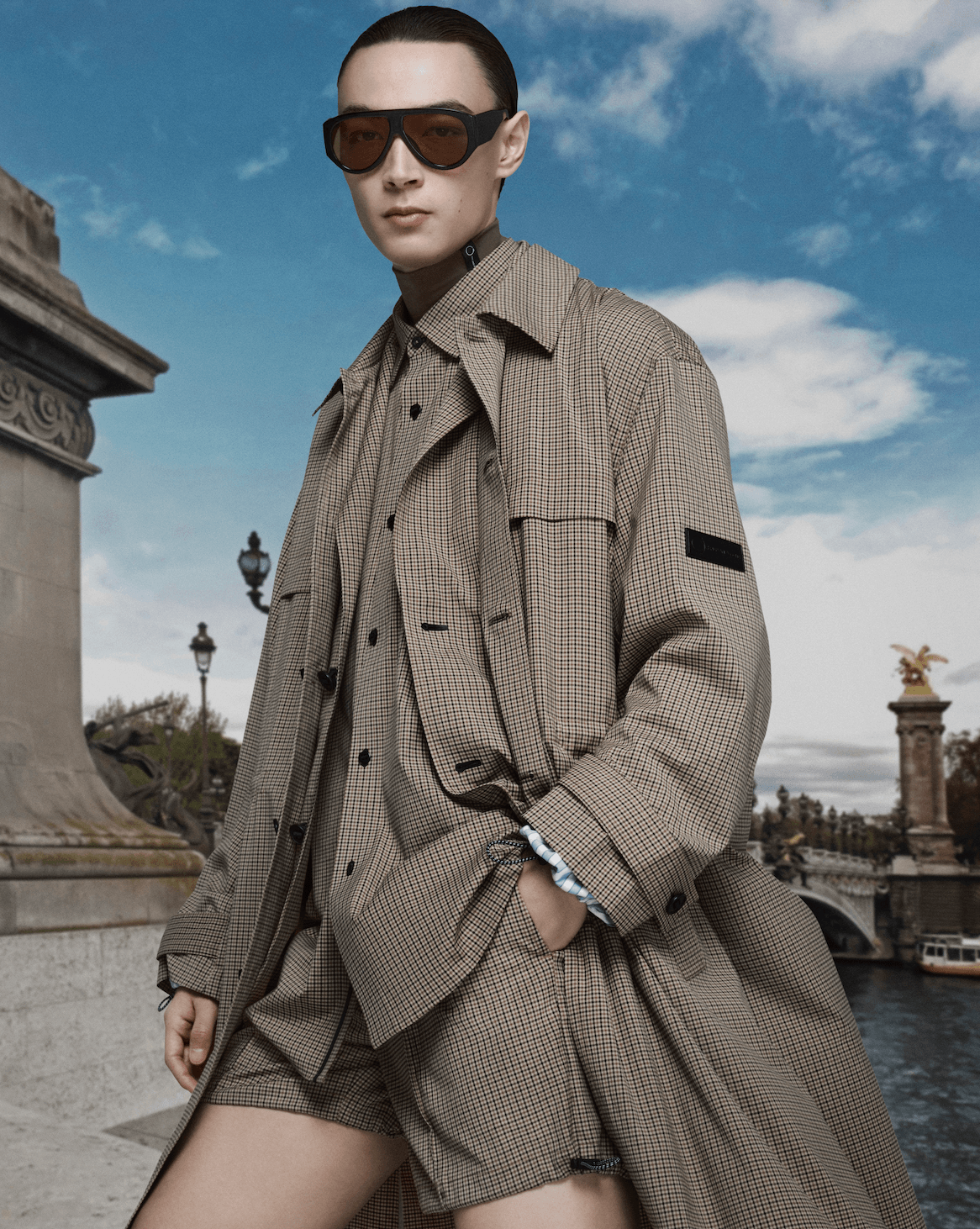
Emaho: When you moved from Dior Homme to Berluti in 2018 you went from a house with one of fashion’s deepest archives to one that essentially had only shoes. You have said the lack of boundaries led to what you believe were your best clothes, and that inventing a language rather than inheriting one unlocked something in you. You also brought your partner, stylist Mauricio Nardi, with you to the brand. What does that tell you about the relationship between constraint and creativity, and why do most designers seem to need an archive even when its absence can be more generative?
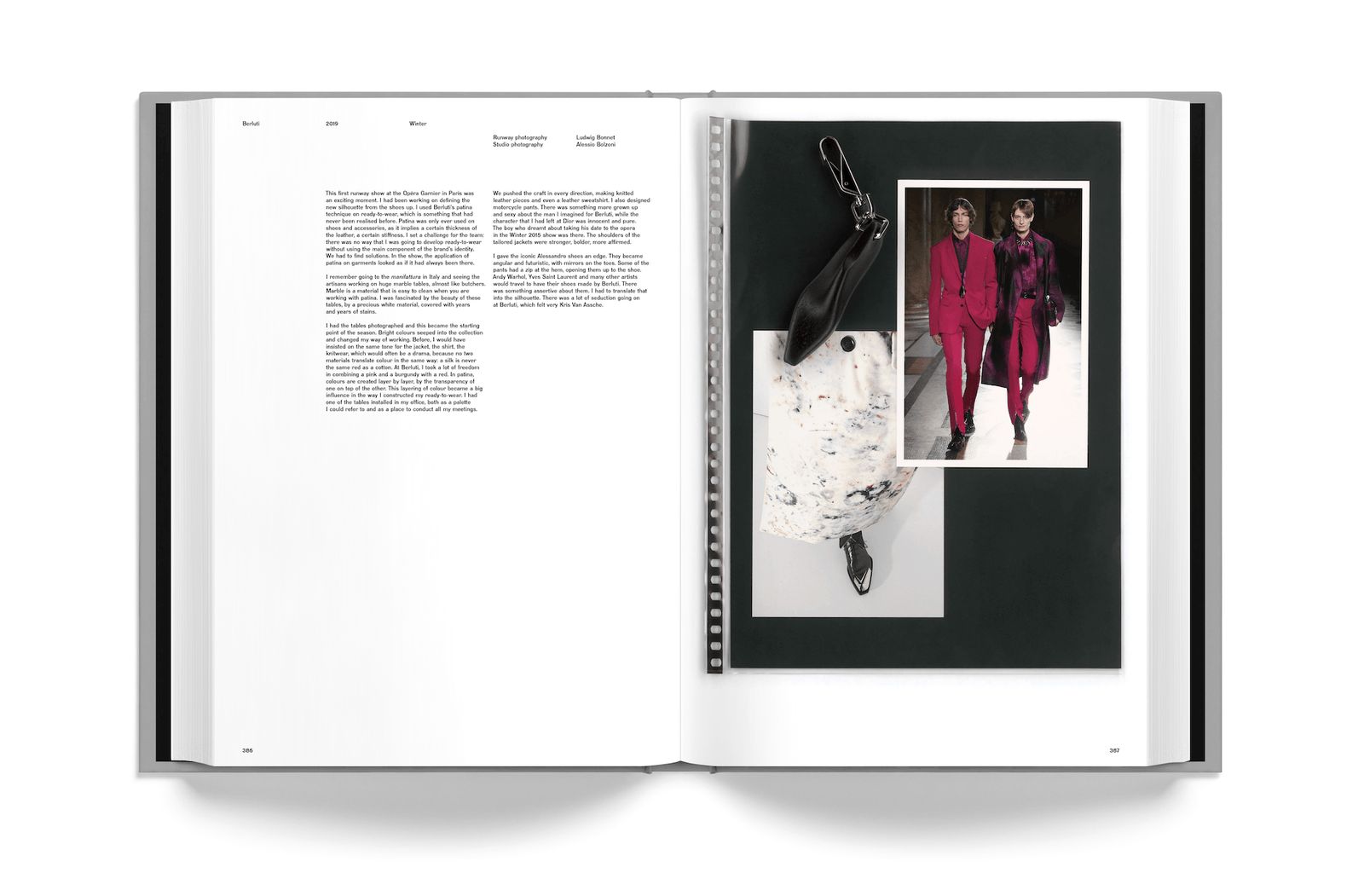
Kris VAN ASSCHE: There were indeed no archives to start from at Berluti, yet there was a craft – a know-how – which completely defines the brand DNA: the patina. Patina had only been used on shoes and accessories, and it became an instant obsession to also apply it on clothes, which, I learnt, hadn’t been done for a good reason as it turned out to be extremely difficult to do. Either way, be it through archives or know-how, I do believe it is important to understand the difference between working on one’s own brand, or an existing one… I have learnt it is hard for a brand to actually stand for something, to resonate with a certain code, a look, a silhouette. That needs to be respected. The challenge lies into pushing those codes forward without losing their essence.
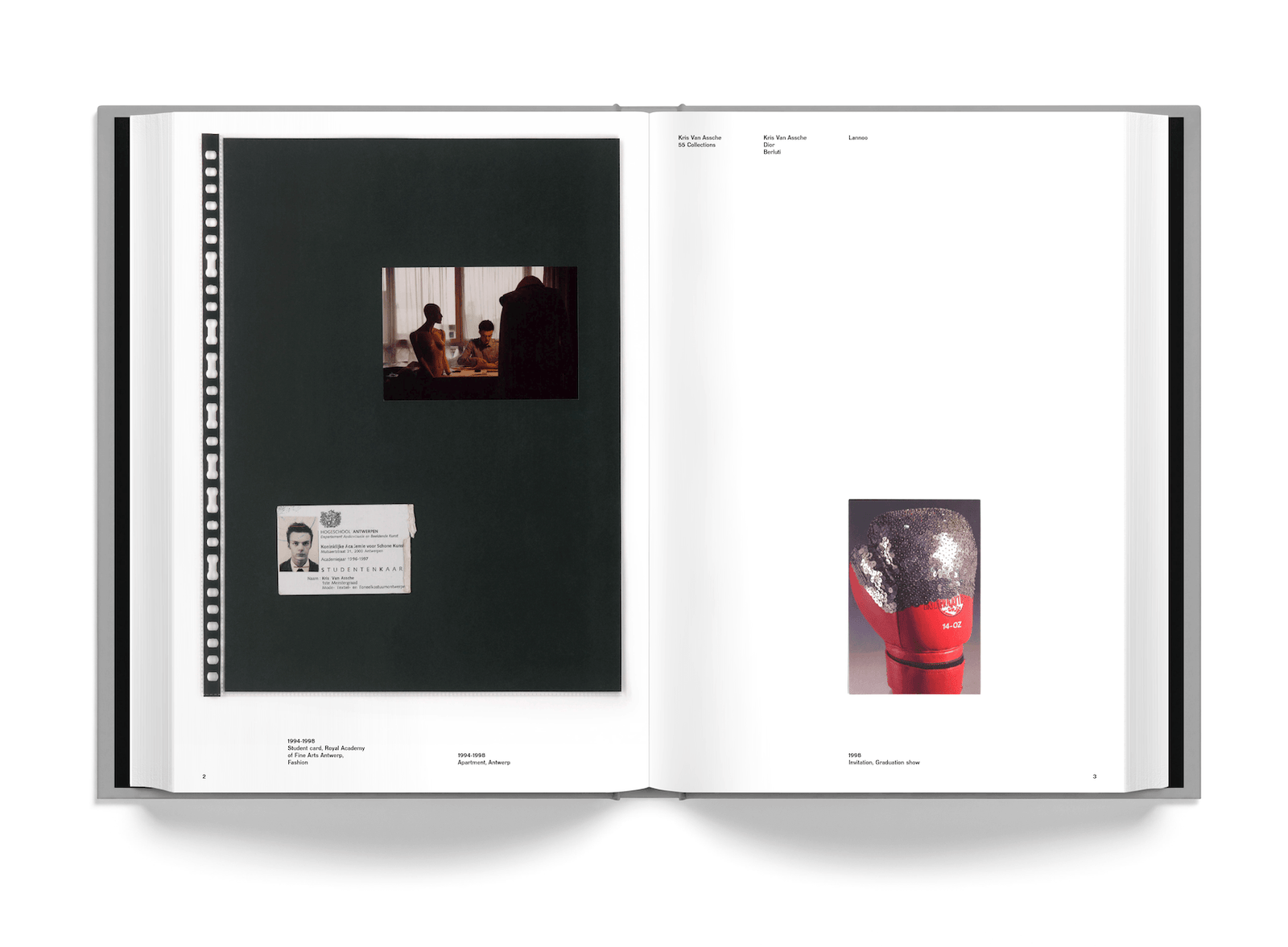
Emaho: You published 55 Collections with Lannoo in 2023, a career-spanning retrospective designed by M/M (Paris), with photography from Nan Goldin, Alasdair McLellan, David Sims and Willy Vanderperre. Assembling it required around 5,000 emails and a lot of help from editor Grace Johnston. Your partner told you that if you were going to make the book you needed to give more than you were used to giving. The book opens with a First Communion portrait of you at six wearing a necktie and ends with a photograph of you and Mauricio Nardi. What did the process of laying twenty years of work into a single chronology reveal about your consistency as a designer that you had not seen clearly while living inside it?
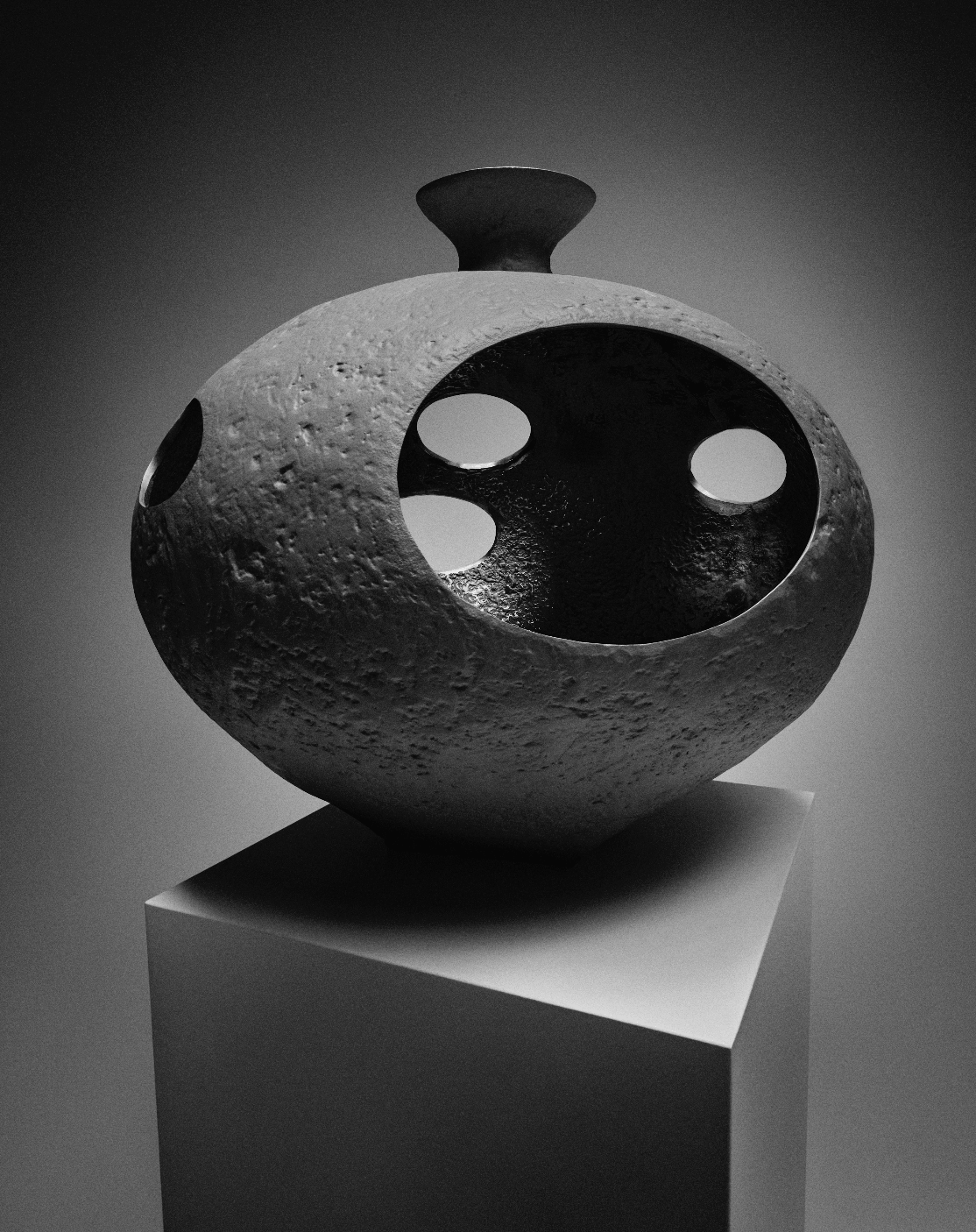
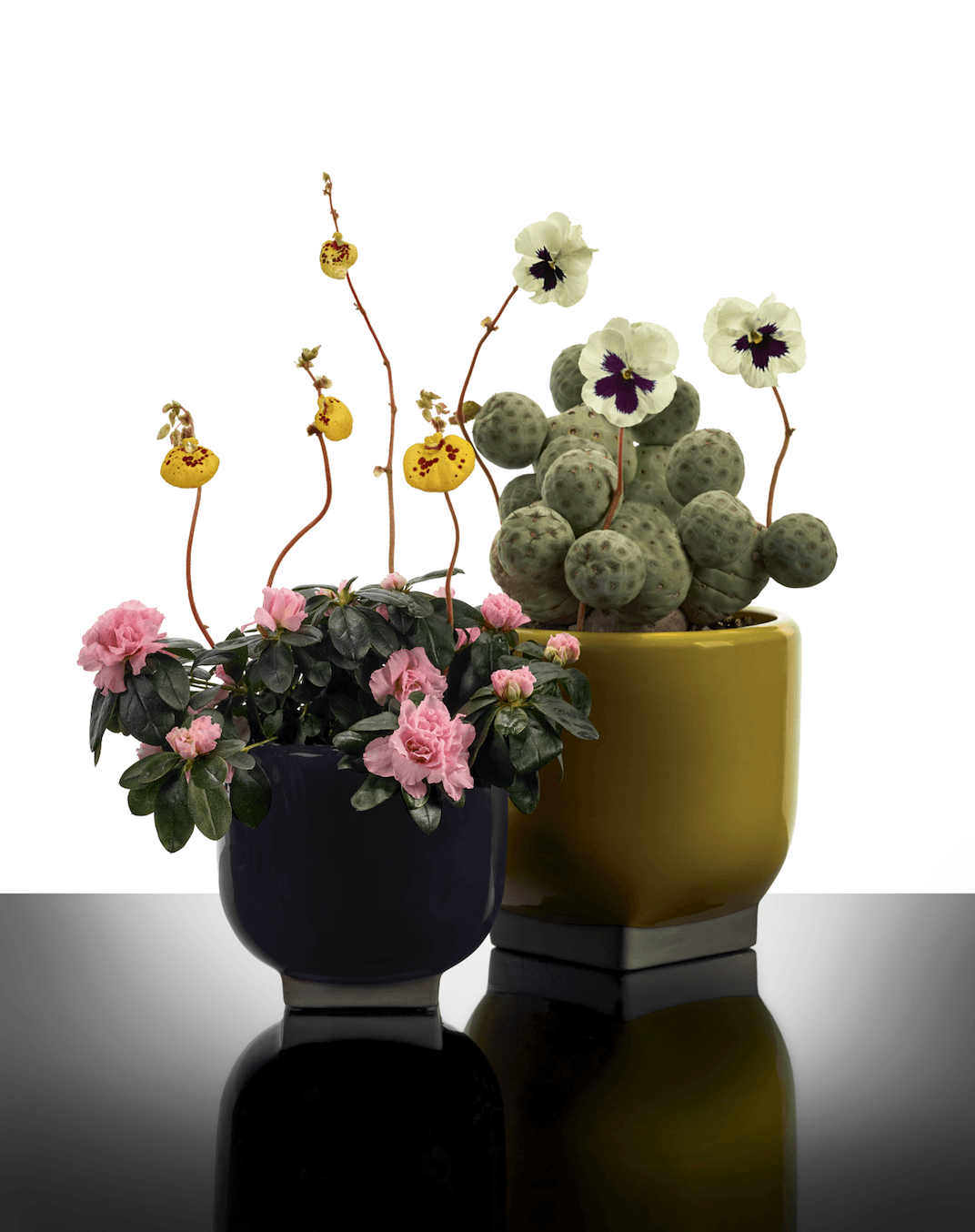
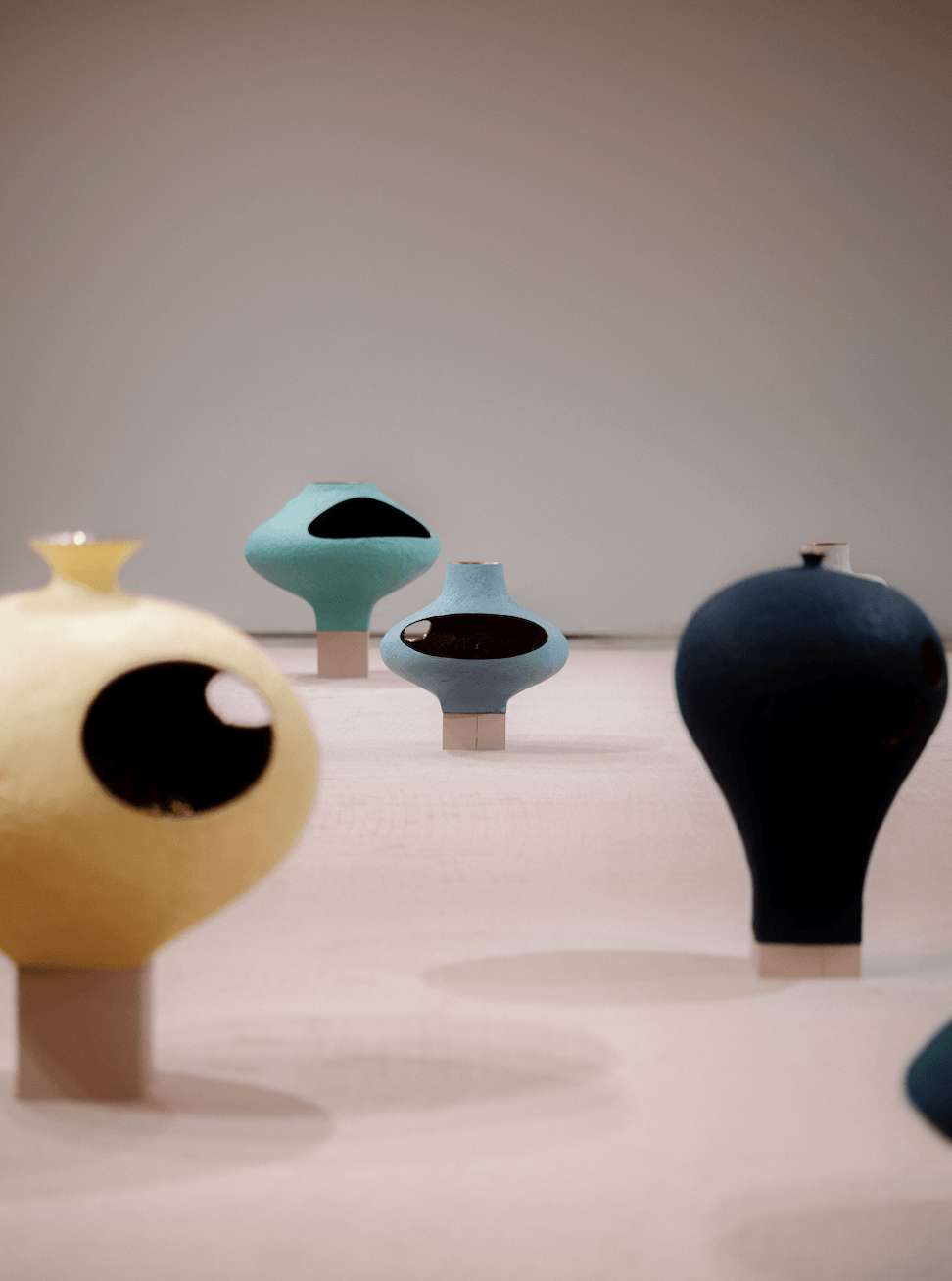
Kris VAN ASSCHE: By leaving Berluti, I somewhat fell into a black hole, as I had never had all this free time on my hands. But I did feel a certain relief in stepping away from the rollercoaster I had been on for nearly twenty years. I questioned my personal style, had to define the links between my work for my own brand, Dior and Berluti. Those brands can feel quite different first, and I needed to connect the dots. My brand was small, Dior was huge, and Berluti was crafts-niche. Making a book on almost 20 years of my work was like a psychoanalysis on speed; not always easy, but healthy. I understood I was always the same designer, simply working with different tools. I decided on a more transversal approach and wanted to shift my focus to different types of projects that might be smaller in scale, but extremely precise. I have always felt a strong connection between fashion and design; in the end it is all about making every day-life more beautiful. For as long as I can remember, I have been buying flowers, so vases came as a natural evolution to my design work. First came the idea to work on bronze with Downtown Gallery. But I also knew Serax from other projects they did, so I reached out to them with an idea. Other projects happened.
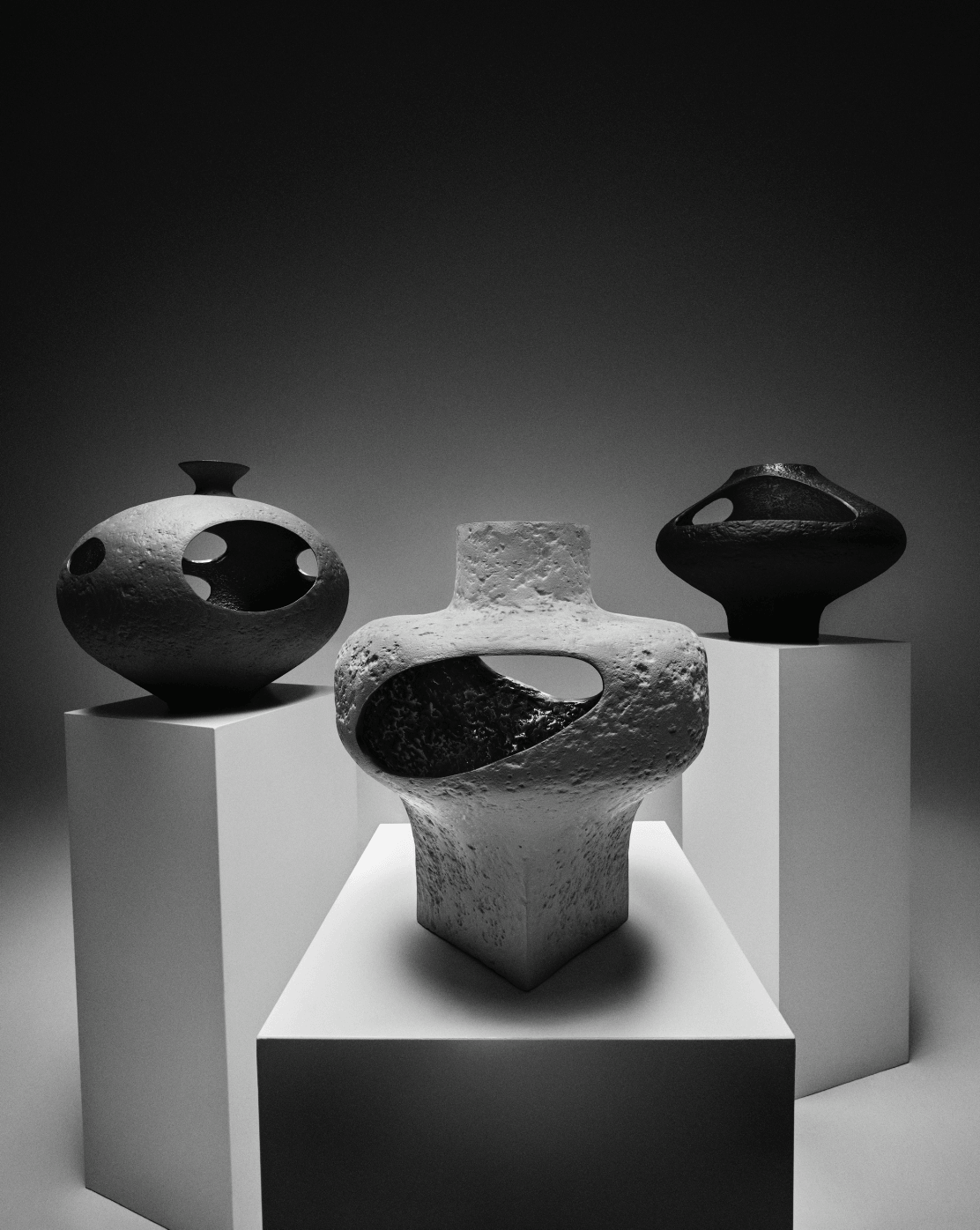
Emaho: Since leaving Berluti in 2021 you have designed the Josephine collection of glass vases and bonbonnieres for Belgian brand Serax, inspired by your grandmother, and the Rosamar collection of ceramic urns and pots rooted in childhood memories of family trips to the Costa Brava. You also developed 14 bronze sculptures over two years with François Laffanour’s Galerie Downtown, presented in Paris as Nectar Vessels Bronzes in 2025, and debuted at your first Milan Design Week appearance at Fondazione Sozzani in April 2026. You have said flowers are like fashion: not an absolute necessity but they make life more beautiful. What have you discovered working in bronze and ceramics that you cannot access through cloth, and has working at that pace changed what you want from fashion?
Kris VAN ASSCHE: I am not trying to replace fashion or to get away from it; I still love fashion very much and can’t wait to get my hands on a creatively stimulating new project. The design collections are complementary, and I work on them with a similar focus; in the end, all is a question of volume, material, craft, colour, texture. It is really just the material that changes. Of course, there is much less pressure of time. That has been pleasant, but I do enjoy the rhythm of fashion as well.
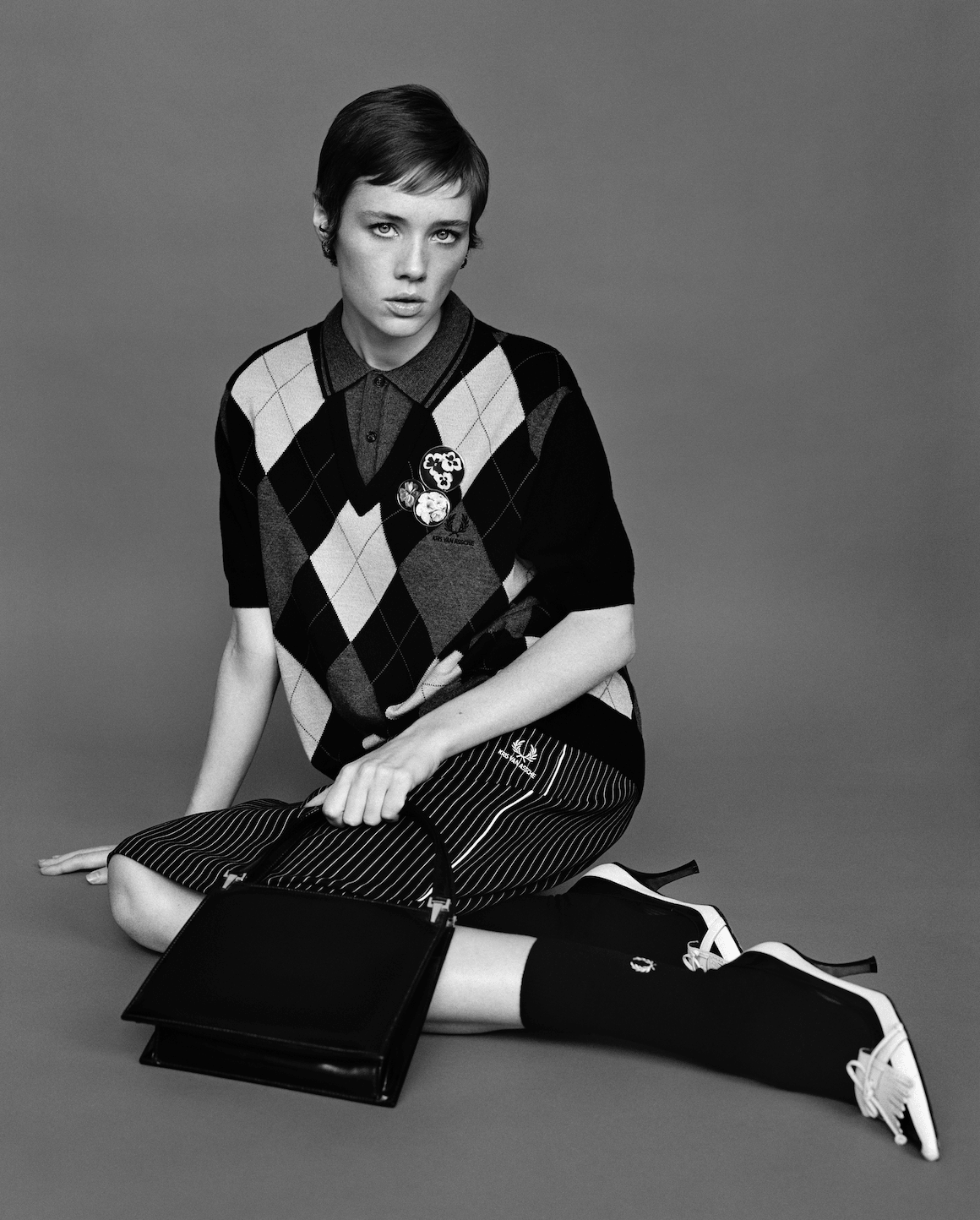
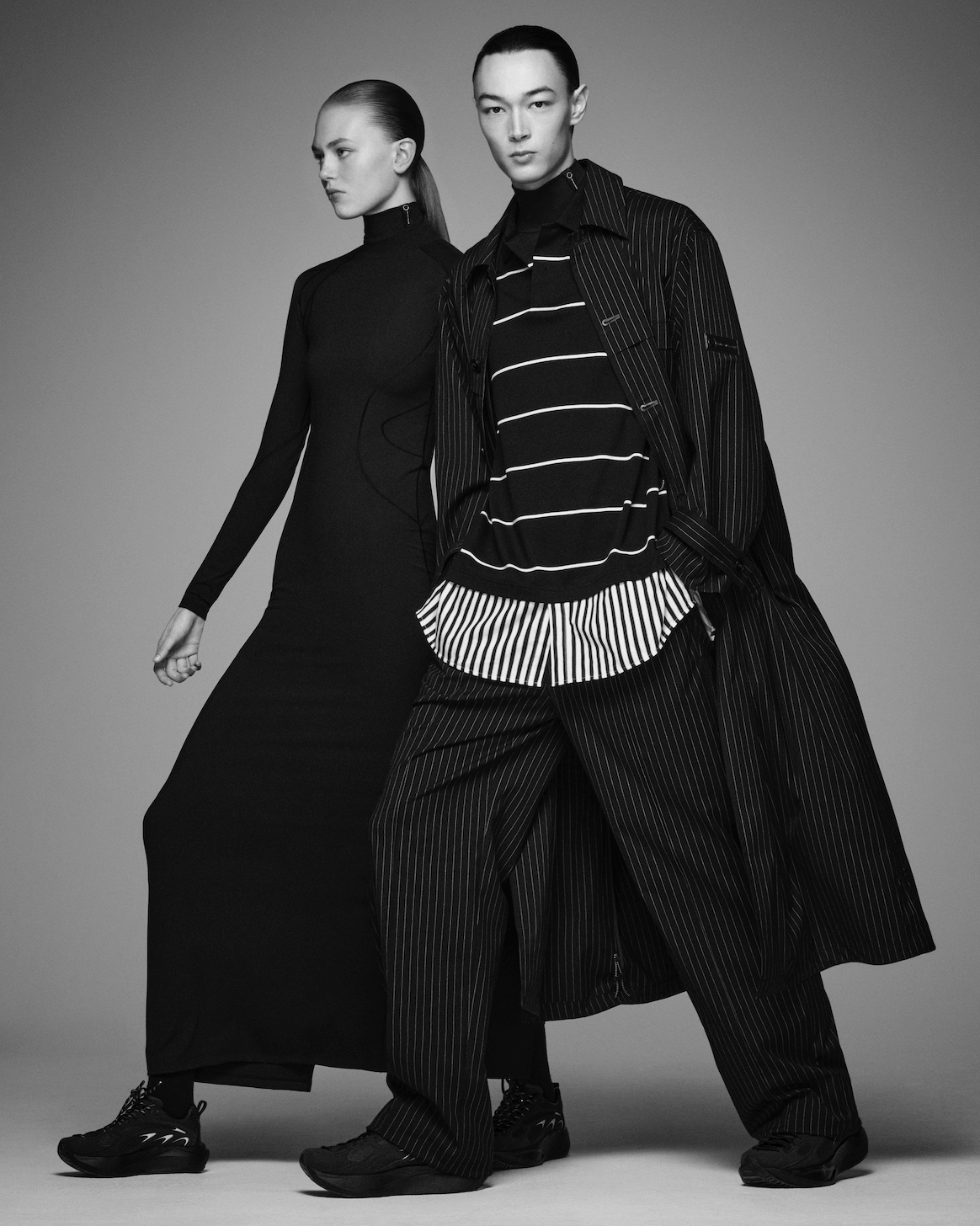
Emaho: Your Anta Zero debut collection launched at Dover Street Market Paris in November 2025 using Aerovent Zero waterproof membranes, EcoCosy biodegradable fibres and Mulkol vegan leather, and you have described it as a full-circle moment because the very first look at your 2005 debut was a tailored suit with white sneakers. You have since also collaborated with Fred Perry and Balabala. After two decades of monogamous institution-designer relationships, what has working with multiple very different kinds of brands simultaneously told you about where your creative identity actually resides, and what do you now know it is not?
Kris VAN ASSCHE: A part of me enjoys entering a brand and working within certain restraints, seeing how my identity can bounce back on the one of the brand I am collaborating with. Such collaborations are usually short term, and so another part of me also misses the act of building a brand, season after season, brick by brick, on the longer term, with a much more personal approach. I have been very lucky working for such long periods on my namesake label, Dior and Berluti. I would love another one of those big love stories. One important thing I have learnt is that I no longer want to be working on fashion only; I do love the design part too much for that.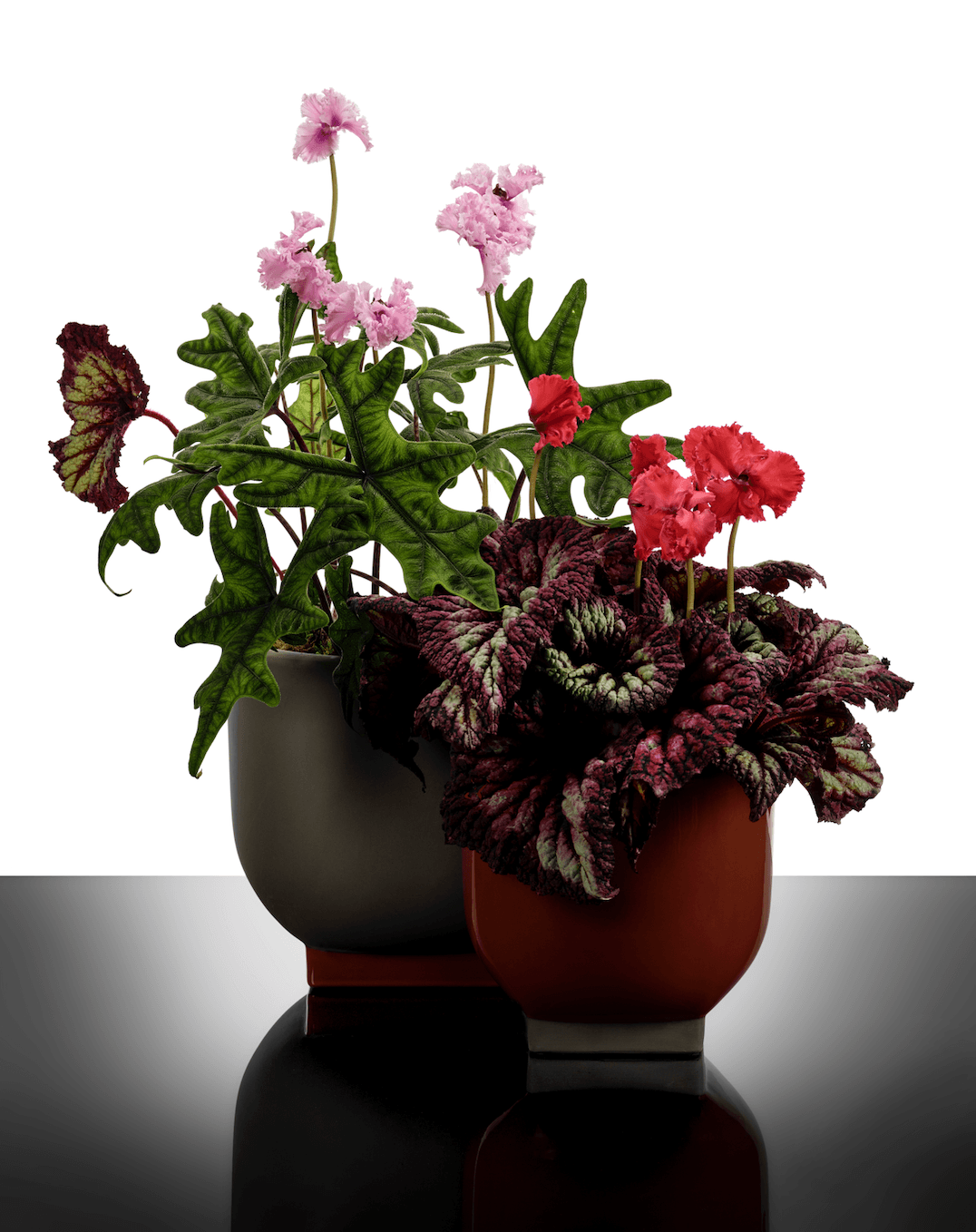
Emaho: You have been a mentor of the Master in Creative Direction at Polimoda in Florence for two years (2021-2023) and have said that being a creative director is first of all about understanding the specific brand you are working for, because no two brands have exactly the same needs. That is a very different skill from being a designer. What do young creative directors get wrong most consistently, and what is the thing about creative leadership that can only ever be learned by doing it badly first?
Kris VAN ASSCHE: It can be tempting for a creative director to apply his or hers personal vision to full extend, even though they are working for a brand with a history, a heritage. I was fortunate to have launched my own brand before being named creative director at Dior Men’s, so doing the same thing at both was not an option.
Emaho: You have said you are way more about old world beauty and how to bring that into a contemporary context, and that so much effort in fashion today goes into blending in despite all the conversation around self-expression. You have spent four years now working outside the monogamous institution-designer relationship that defined your career from 1998 to 2021. What does that distance from the system tell you about what fashion does well and what it consistently fails at, and is there a version of a return that would genuinely excite you without asking you to surrender what this period has given you?
Kris VAN ASSCHE: It has definitely been a healthy thing to take some distance, and I do have a pretty good idea of how I would approach a new challenge. Fashion has changed so much, and so have the client’s needs and expectations. I believe there is no longer a one-fits-all logic; there are as many work methods and options as there are brands out there, and it is imperative to find the one that fits best. Do all brands need 10 collections a year? Do all brands even need to stage fashion shows? I believe the answer is no.