Tommaso Tanini: “H. said he loved us” – An Oppressive Investigation

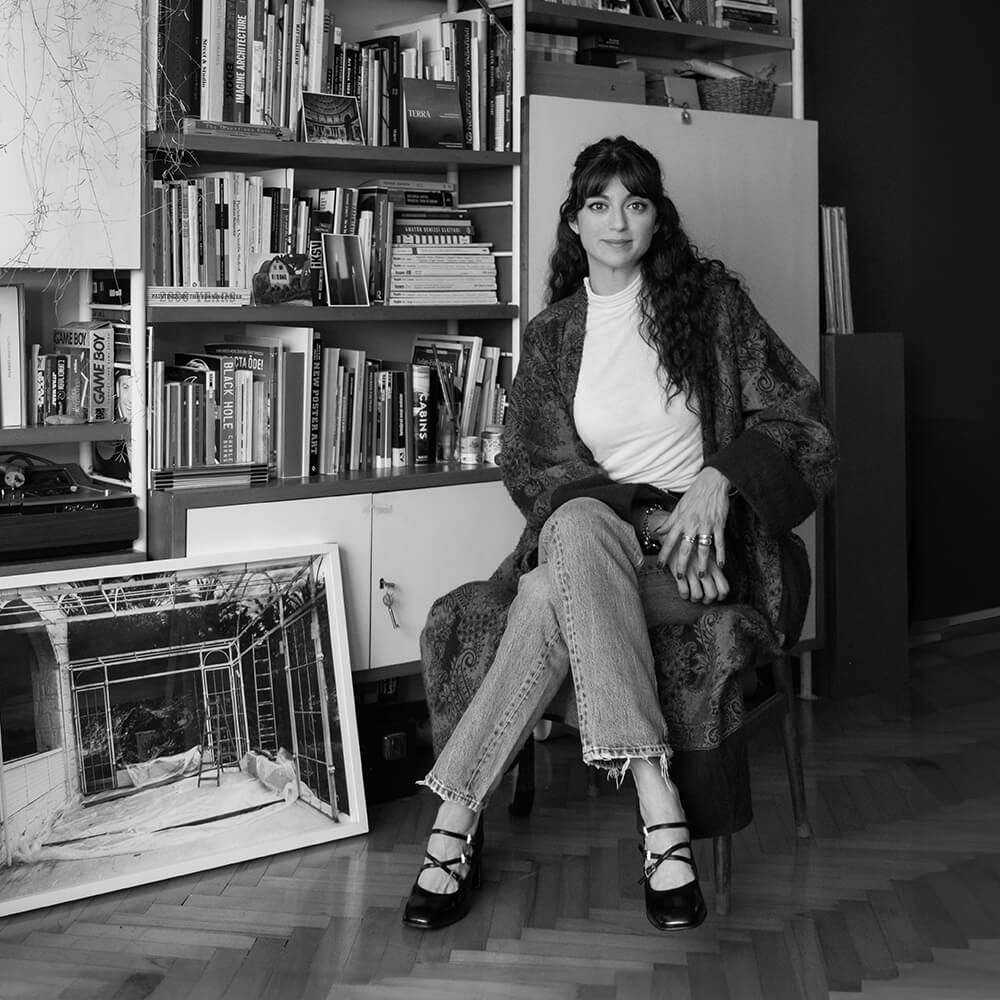
Born in Florence (Italy) in 1979. From 2003 to 2006 I attended a 3-years photography course at Fondazione Studio Marangoni. Since 2009 I work as a freelance photographer and a photography professor. In 2013, with two colleagues, I founded Discipula, a collaborative platform and independent publisher.

Italy – 

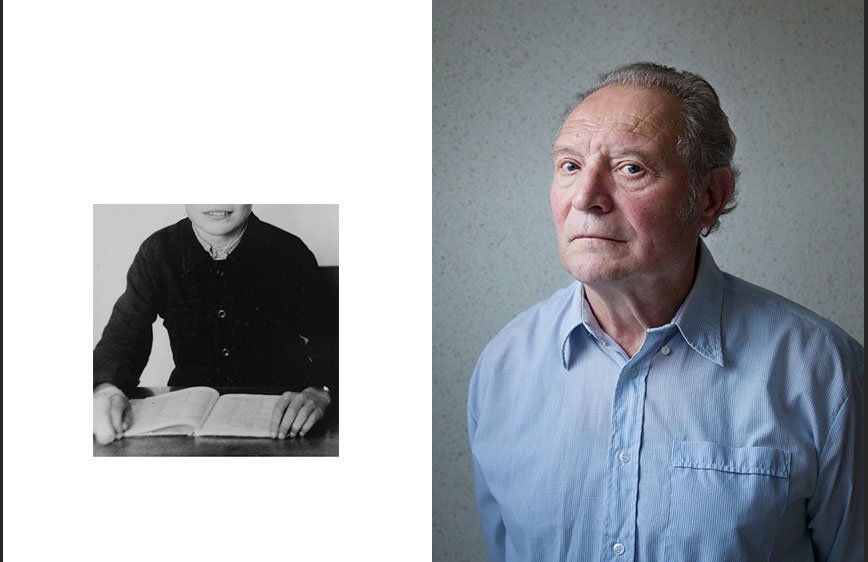
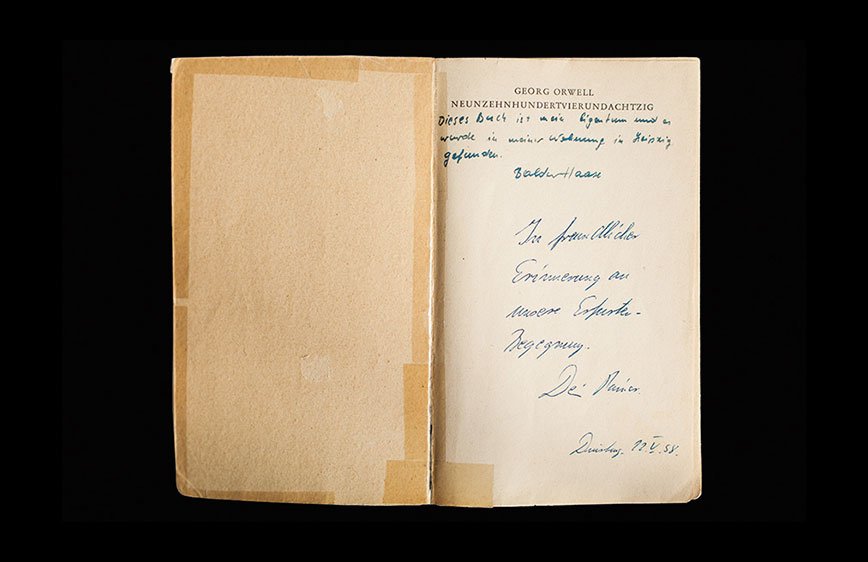
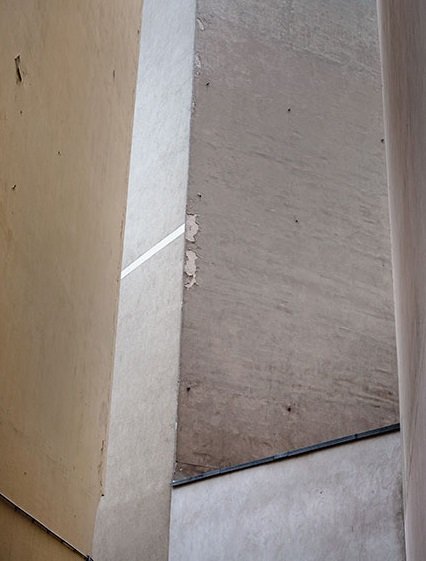
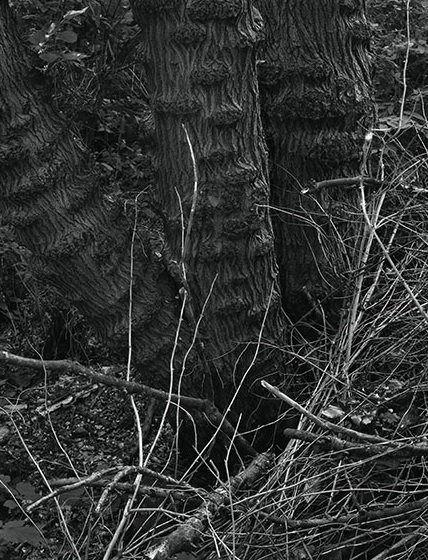
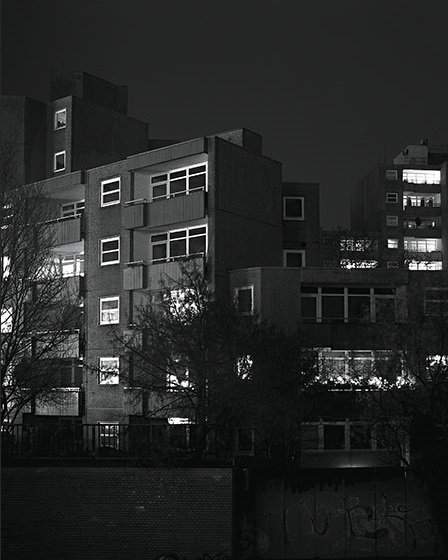
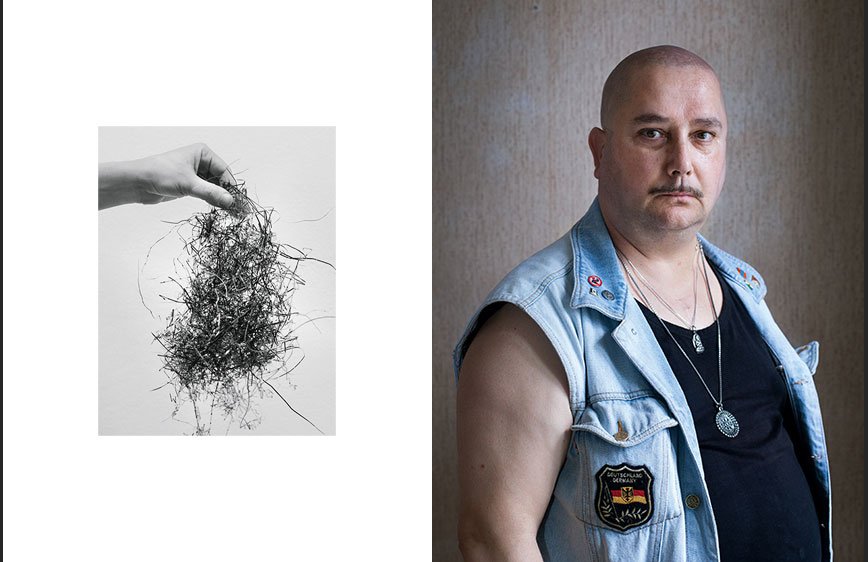
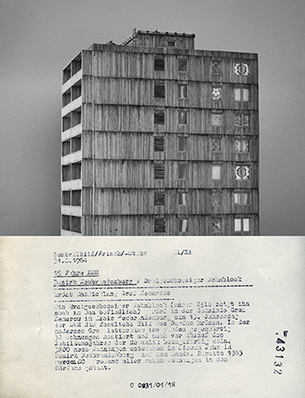
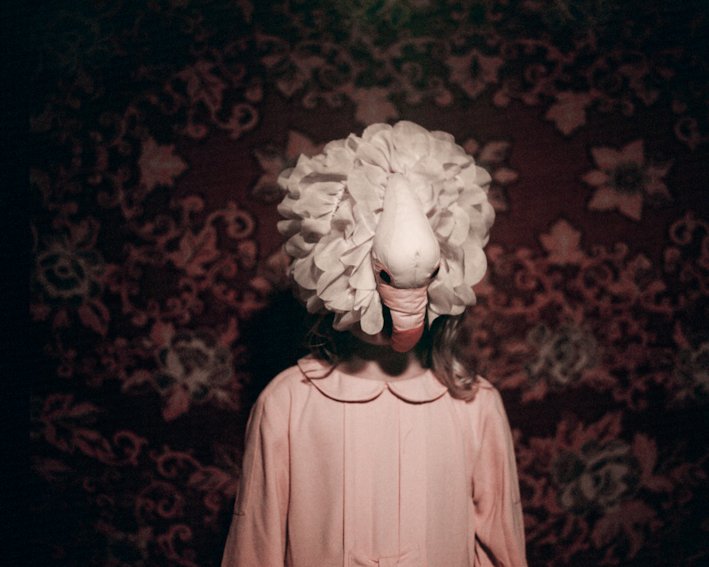
Following three years of travels and investigations in Germany, published by Discipula Editions Photography feature – Tommaso Tanini’s H. Said He Loved Us draws on the story of the GDR and the German Ministry for State Security (STASI) to explore the feelings of oppression and dread caused by living in a state of constant suspicion and diffidence. Mingling documentary research and literary references within a fictional narrative framework, his personal photographic study is an elegantly oppressive allegory of authoritarianism and domination.

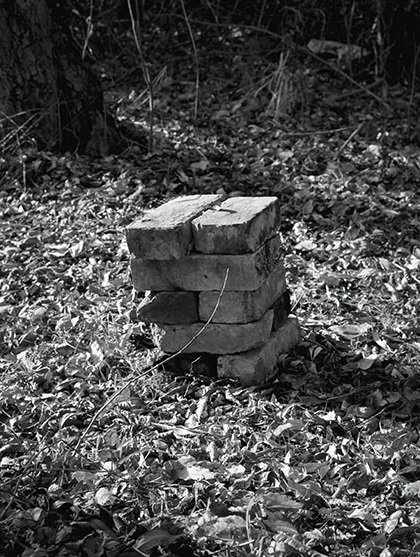
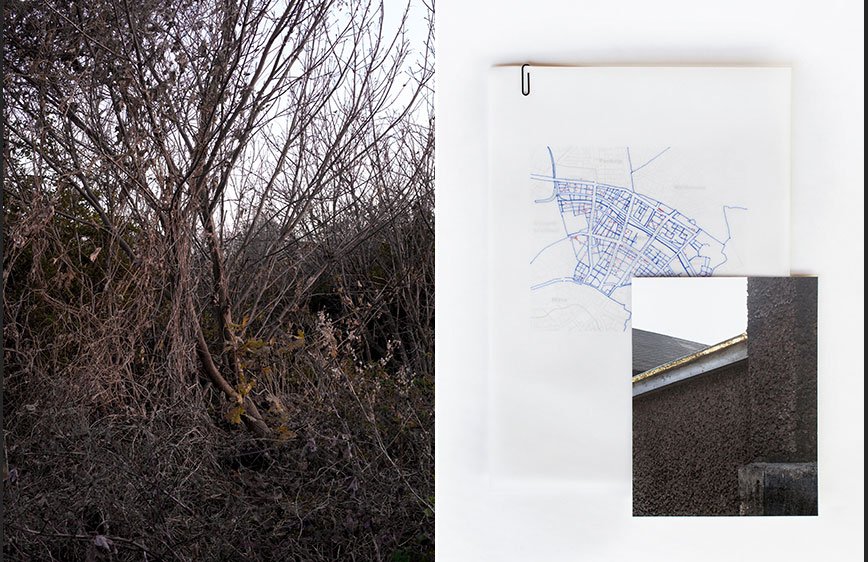
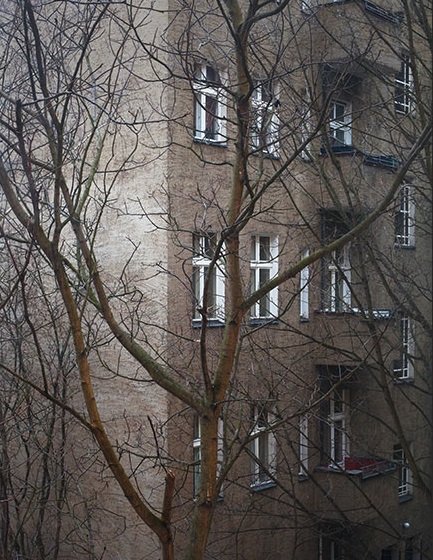
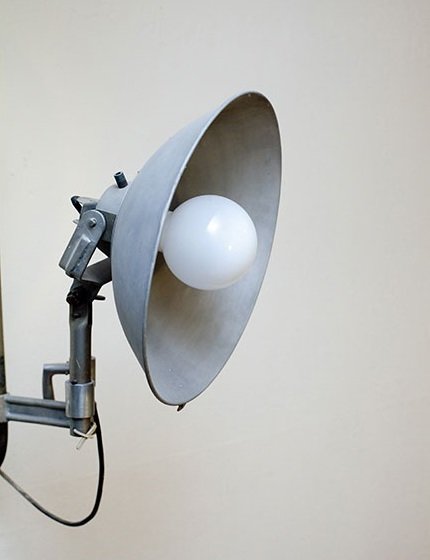
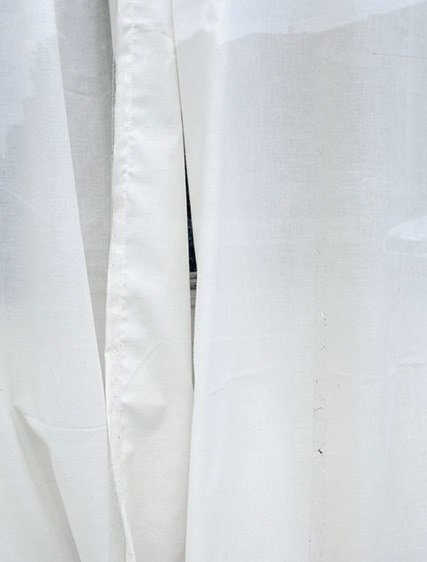
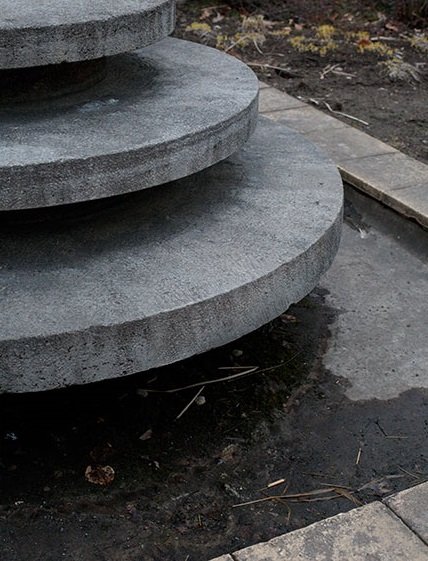
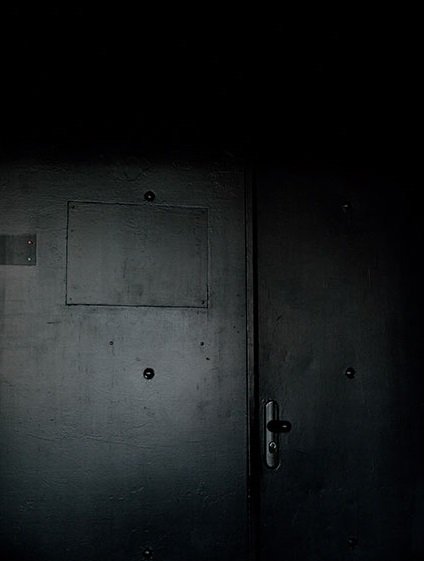
The images of H. Said He Loved Us are immersed in a world devoid of names and references. Their timeless and spaceless nature reveals instead subtle and psychological qualities. Anonymous corners and small details of urban landscape become enigmatic monuments that echo the feelings of the people Tanini encountered during his research. There is a sinister quietness in the meticulously crafted spaces of his photographs that invokes contemplation.


4


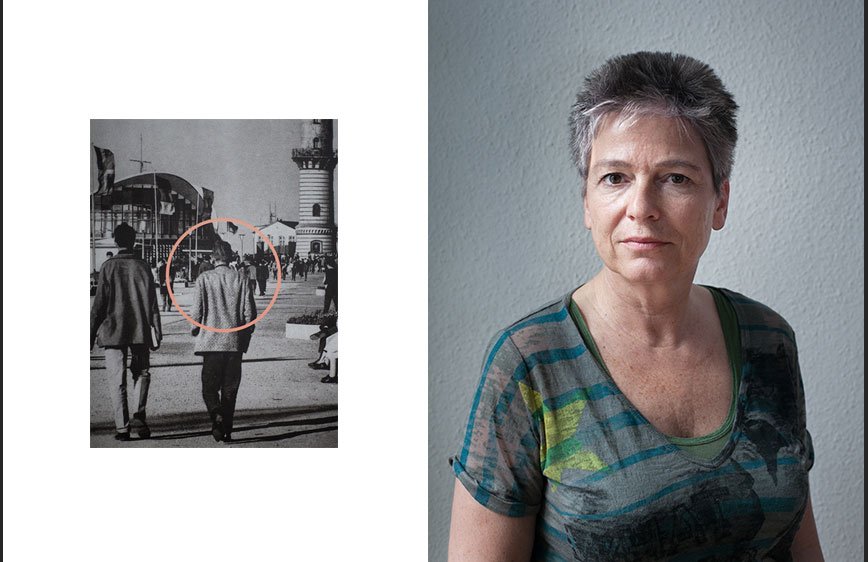
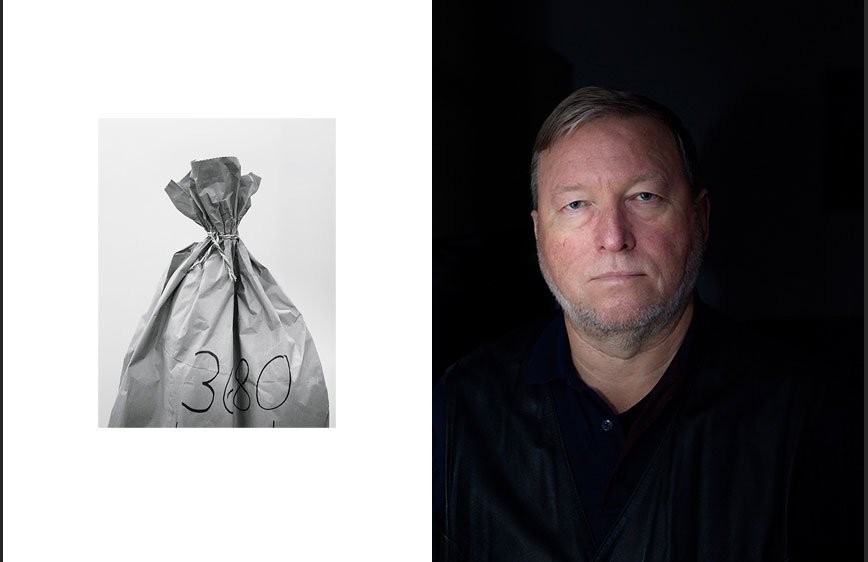
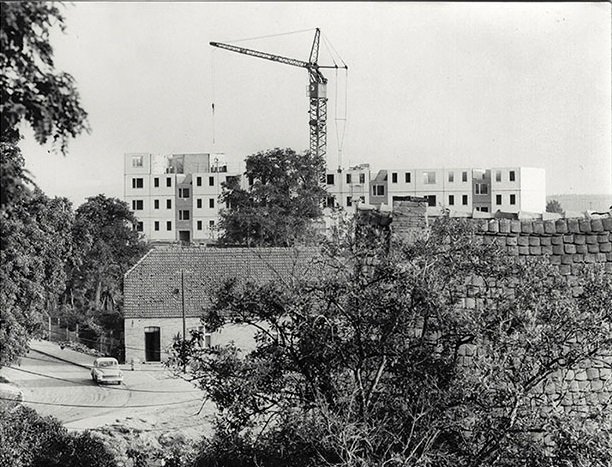
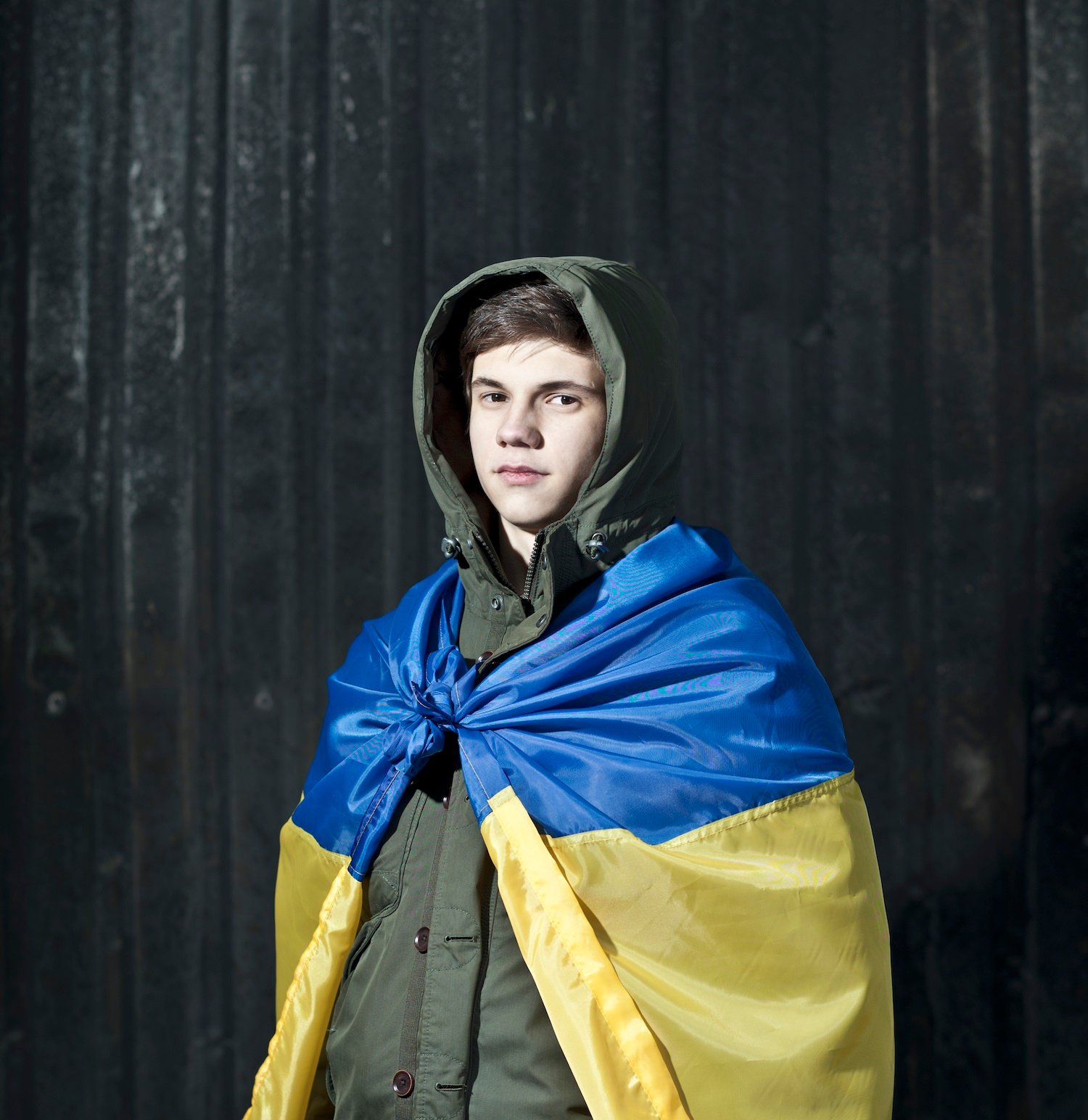
Emerging from this austere landscape, the stories of five victims of the STASI are presented as a patchwork of collected documents, autobiographical notes, found images and portraits. This way, they acquire a new fragmented spirit, and become loose, anonymous and interactive accounts.

Structured as a rich mosaic of traces and suggestions, H. Said He Loved Us subtly warns us about the cyclical and evil nature of any form of totalitarianism, without imposing any unilateral vision and avoiding clichés.


Text by Mfg Paltrinieri & Federica Chiocchetti

Related Posts

Jordi Ruiz Cirera Los Menonos

Jordi Ruiz Cirera: Los Menonos

 Bolivia –  Comprising of images taken between 2010 and 2011 in the Mennonite colonies of Santa Cruz, in Eastern Bolivia, Los Menonos ...

Juan Cristóbal Cobo: “I’m interested in discovering new ways of translating the everyday, in finding poetry in seemingly insignificant moments, and in allowing photography to surprise me again”

Colombian photographer Juan Cristóbal Cobo speaks about finding poetry in everyday life, transforming seemingly insignificant moments into powerful visual stories. ...

Ricardo Cases: El porqué de las naranjas (Why Oranges)

Spain –  I have seen a river in Paris / next to the grey tower / I have seen an ...

Colin Pantall on Melinda Gibson’s Miss Titus Becomes a Regular Army Mac

United Kingdom – Melinda Gibson’s new book, Miss Titus Becomes a Regular Army Mac is a book about a collection ...

Jiehao Su: “Borderland” – Reconstructing Personal Memories

China –  Borderland is a project deeply rooted in my personal history. I spent my early twenties living a nomadic ...

David León Rodríguez: Decency

Spain –  “LA DECENCIA” …there are two races of men in this world, but only these two: the ‘race’ of ...

Life after the Iron Curtain – Jutta Benzenberg

Albania – Albanian documentary photographer Jutta Benzenberg’s photographs tell the story of her country and its people through three books ...

Petra Stavast: ‘Ramya’ – Beautifully Archiving Your Landlady for 14 years

Netherlands –  Ramya, long-term personal project converted into a photobook by Dutch photographer Petra Stavast, made over a period of 14 years, ...

PhotoEspaña 13 : Body. Eros and Politics.

Spain –  PhotoEspaña, one of the most important photography festivals in Europe, which has its epicentre in Madrid (exhibitions also ...