TiTo Mouraz: Open Space Office

Tito Mouraz, 1977, Portugal. He finished the Visual Arts and Photography course in the Superior Art School of Oporto (Escola Superior Artística do Porto) in 2010, being this the city where he lives and works currently. Exhibits regularly since 2009 in Portugal and abroad.

Portugal

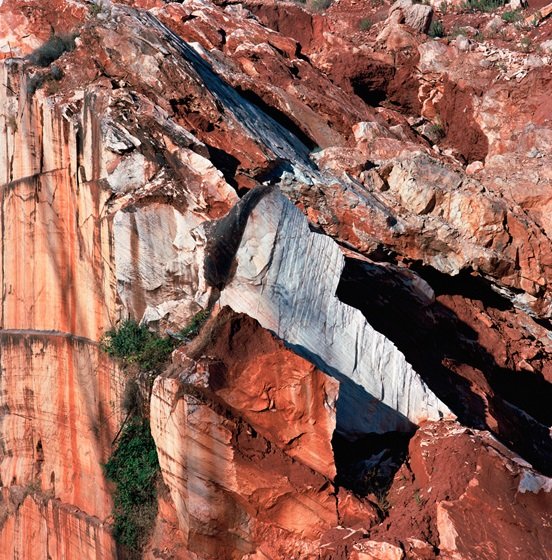
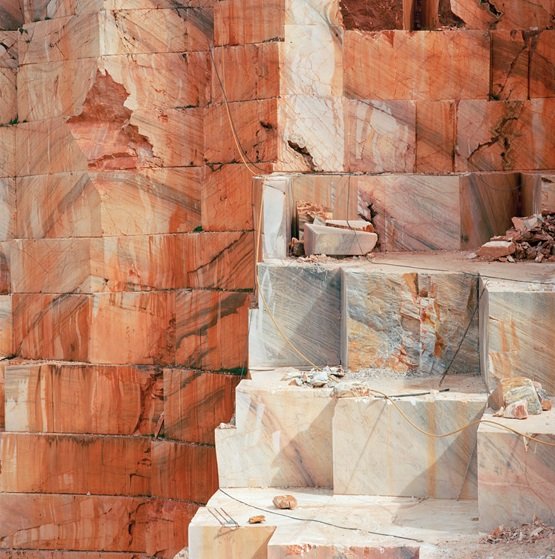
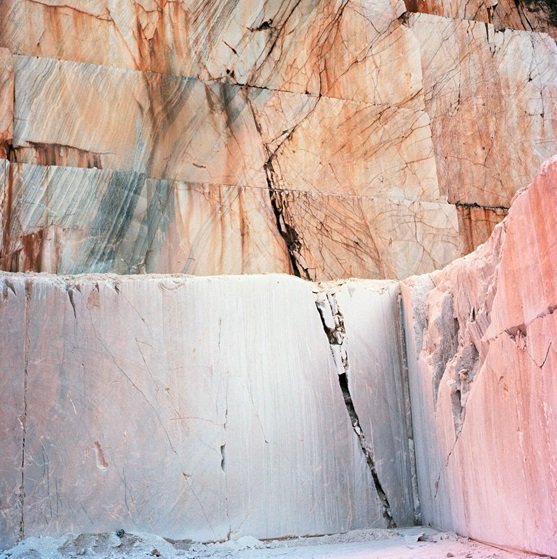
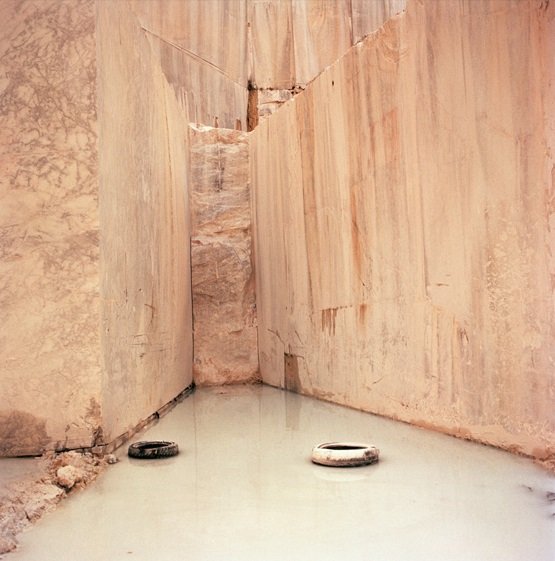
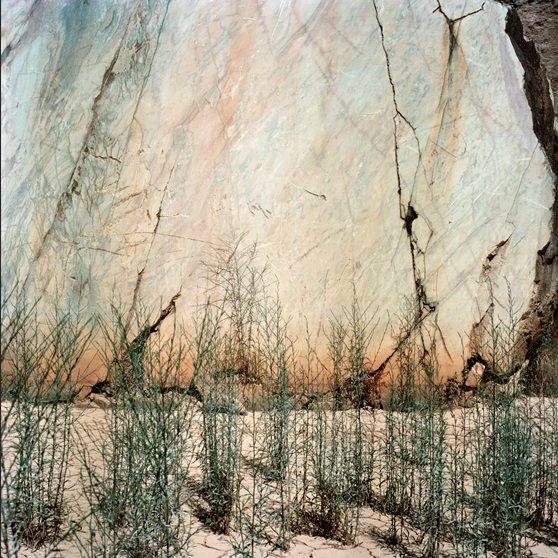
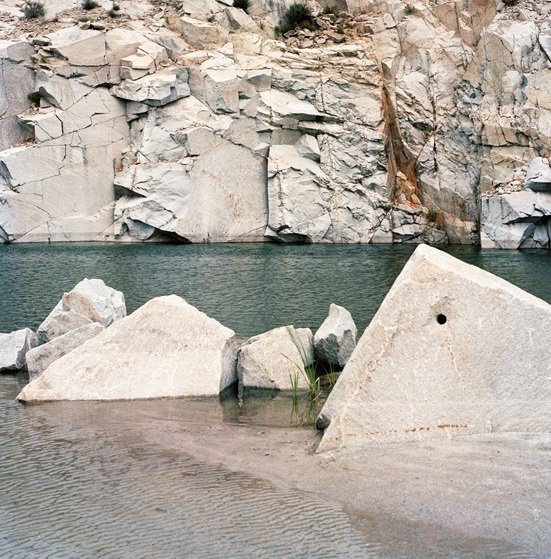
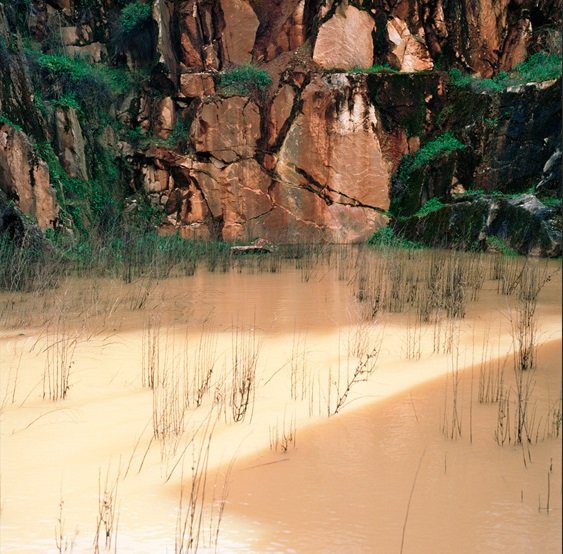
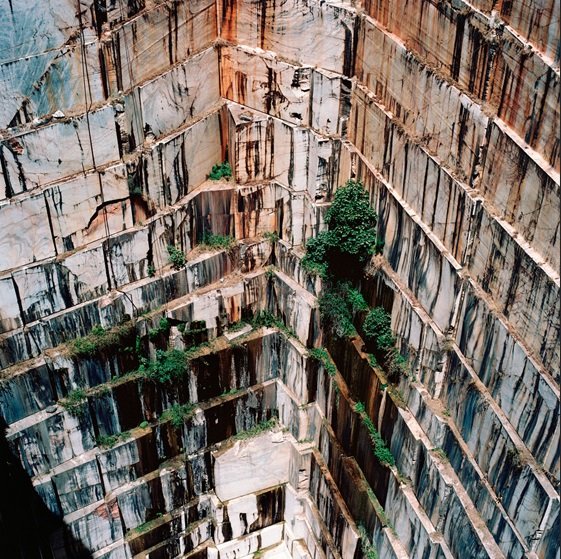
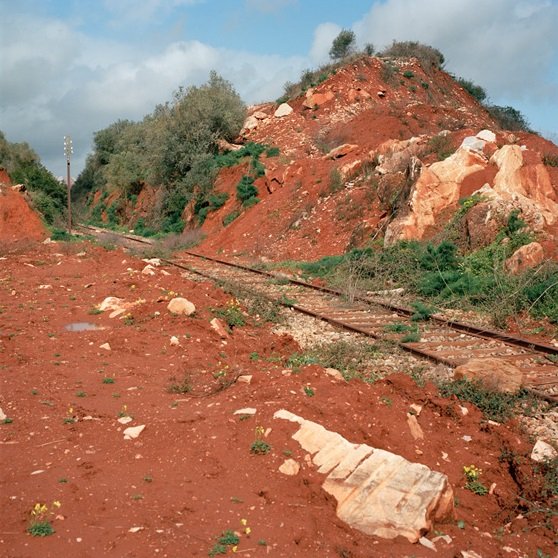
The series presented here was shot in Portugal over a 3-year period and represents a transformed landscape that portrays the existence of Man as a constructive, reconstructive and contemplative being. The landscape appears completely and irreversibly transformed and it was this transformation that caught my eye and fueled my interest in conducting this project, basing it on this very landscape.

Thus, the work presented aims to portray a reality that suffers an ongoing daily process of rapid transformation. Therefore, the pictures show a temporary reality inserted in a natural landscape undergoing progressive transmutation. They are unique and imposing spaces with a undeniable visual impact which bestow on the images a strong formal and plastic content.
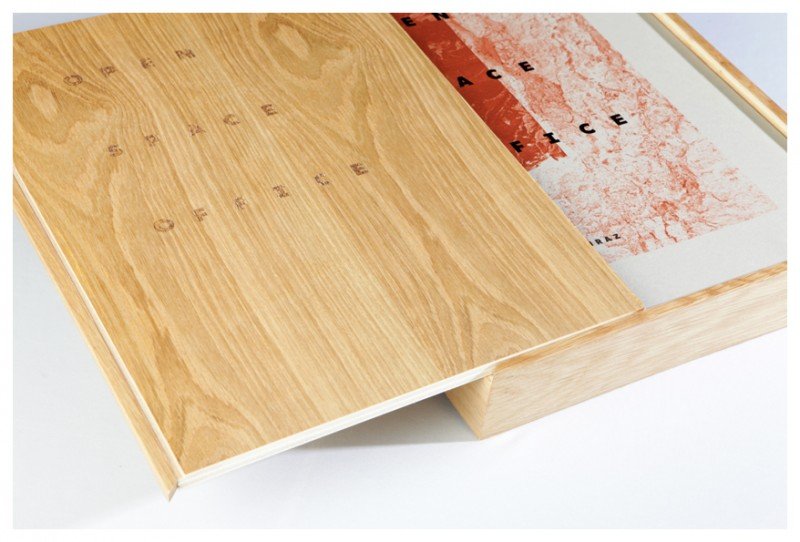
 

Tito_Mouraz_Special_EditionTito Mouraz@Open Space Space – Special Edition

I would like to emphasize that these were the aspects I concentrated on and attempted to visually portray the best that this intervention could present to the eye, both in relation to the formal configuration and in relation to the chromatic and lighting harmony that characterize these spaces that create a unique environment. In this way, we can behold a dialogue between Nature and Man’s action, between harmony in a texturized cutting and what develops in it, what involves and transforms it, as is particularly visible in the first images of this series, that portray the idea of an organic whole.

I find it difficult to transmit on film the personal experience and all that one feels and observes at these immense and torn sites, where silence is felt in an unnatural and intimidating way. It is a well know fact that an image cannot replace reality. That is why I chose to include parts of a hidden horizon or an incomplete landscape,in this way suggesting a different perspective, since the proximity to these sites which grow in the opposite direction to what is normal, are usually unobserved by the spectator almost giving them the chance to rebuild them.


Written and Photography by – Tito Mouraz
Related Posts

Ren Hang

THIS STORY CONTAINS EXPLICIT CONTENT China – Photographer and poet, Ren Hang was born in Changchun, in northeast China in ...

Katrien de Blauwer: “I do not want to disappear Silently into the Night

Belgium –  Through Photography feature – Katrien de Blauwer‘s collages and their short circuit effect in our ways of seeing, the book intends to explore ...

Tim Richmond: ‘Last Best Hiding Place’ – Exploring the Longstanding Myth of the American West

USA –  Deserted streets with beer cans blowing down the road…a cowboy washing his shirts…a train on its way into ...

Ghosts of Genocide : Palash Krishna Mehrotra on Ziyah Gafic

Bosnia : Book Review : Quest For Identity By Palash Krishna Mehrotra By themselves, these are ordinary objects. These are objects that ...

Emeric Lhuisset: Hundred Portraits of Demonstrators from Maydan Square in Ukraine

Ukraine –  On Maydan Square in Kiev, French photographer Émeric Lhuisset (b. 1983) created a compelling series of portraits of ...

Lina Hashim: “Unlawful Meetings” – Photographing Young Muslim Couples Sexual Encounter

Denmark –  Like any of the major religions, Islam seeks to regulate sexual relationships between members of their society through ...

Daisuke Yokota Corpus

Daisuke Yokota: “Corpus” – Fictitious Mix of Nudity and Reality

Japan –  Photography feature –  Daisuke Yokota was selected for the first OUTSET UNSEEN AWARD in 2013, and his first ...

Ayako Mogi: Travelling Tree

Japan – “Travelling Tree” collects photos taken by Photography feature – Ayako Mogi during her peregrinations throughout Europe and Japan ...

Joanna Kinowska on Mateusz Sarello’s Swell – ‘For watercrafts the swell is more disturbing’

Poland –  The black book. Canvas. Pressed letters. The half poetic text is in English. The  photographs are black and ...

Showing Slide 1 of 10