Emaho: You were born in Tehran into an extraordinary household, your mother Firouzeh Athari is an architect who designed the family home, your father Aydin Aghdashloo is one of Iran’s most celebrated painters, and you grew up surrounded by figures from Iranian cultural life including filmmaker Abbas Kiarostami, a close friend of your father’s. You began writing poetry at 9 and wrote a 300-page novel called Rebecca in the Mirror at 12 that was never published because your family left Iran when you were 14. What specific thing did growing up in that house give you that you could not have found anywhere else, and what did it make almost impossible?
Tara Aghdashloo: My upbringing was not typical, especially compared to many other Iranian households. My parents weren’t very strict, and despite the societal pressures on women, I always felt like my voice mattered, and was encouraged to be independent. My father was immersed and dedicated to painting, teaching, and writing, and my mother was working as an architect — and my family from her side, my grandmother and my uncles were all passionate academics and concerned with social justice. When I trace the twin poles that have always drawn me; politics, and art, I can route it in this dynamic environment. Growing up first in Iran and then moving to Canada as a teenager meant I had this dual experience: in Tehran, though our life was simple, I was always scrutinised against who my father was, for better or for worse. In Canada, I was anonymous and free, but without the comforts of my home or mother tongue.
Emaho: You moved to Canada as a teenager, attended Newtonbrook Secondary School where you were active in sports and spent much of your time in the art studio, then completed a BA in Journalism at Toronto Metropolitan University with a focus on print journalism and political science, and went on to an MA in Global Media and Postnational Communication at SOAS, University of London. That is a deliberately cross-disciplinary education that refused to choose between the analytical and the creative. What were you building toward, and did you know at any point during those years that you were actually preparing to become a filmmaker?
Tara Aghdashloo: Yes exactly — I was enamoured by both. I loved theory, political philosophy in particular and the cross-section between art and aesthetics and the politics of image as well as language — semantics and semiotics. But on the other hand, sitting still indefinitely, not leaving my desk, and not working in the “field” felt strange. Particularly when it came to media or storytelling, I had a desire to be connected to real life as opposed to siloed in self-referential academic studies. I am grateful I dedicated as much as I did to those studies, as they’ve informed and shaped the way I see and analyse the world, and my own place in it. My mother also would always tell me that I’d be a great director. I think she had recognised early on my draw to it.
Emaho: Before filmmaking you reported for Channel 4 News and BBC World, published essays and reviews in London Review of Books, The Guardian, Financial Times and Harvard Business Review among others, co-hosted and produced Samt-e No on Manoto TV, described as the first Persian-speaking all-woman talk show, and wrote all the lyrics for King Raam’s debut solo album Songs of the Wolves in 2011, including Hunter, which opens with lines from a poem you wrote at 15. You have described journalism as a former life. What did that former life give your filmmaking that a formal film education could not, and is there anything from journalism you have actively had to unlearn?
Tara Aghdashloo: I still write essays and articles, but I no longer report. Filmmaking is one of the most intersectional art forms – it blends literature and storytelling with visual arts, and in practice, directing really requires an understanding of psychology, performance, and leadership in large groups and across backgrounds. So all the experiences you’ve mentioned from my past, meet within this nexus of independent filmmaking. Working in broadcast journalism was in one way my practical introduction to filmmaking (editing, shooting, being on set), but I had to unlearn a lot of the ways that we actively simplify and often flatten stories in that context, in order to lean into my preferred poetic language. Even in interviews I sometimes catch myself avoiding using certain words to make my speech more accessible — this can help, say, when giving direction in a set or communicating an idea to various departments, but as an independent artist I sometimes have to remind myself I have the freedom to be completely myself. To express my thoughts based on my own judgement alone and not for a specific outlet’s audience. The other thing is speed — journalism has a relatively quick life cycle, stories are researched and made and released and done with. A work of narrative fiction will take years, and needs a different kind of stamina.
Emaho: You co-founded The Invisible Line Gallery in East London where you curated over 30 exhibitions alongside film programmes and events focused on contemporary and experimental voices, particularly Iranian and Middle Eastern artists. Shows like Tell Me Again in 2014 and If Chaos Had a Name in 2015 were built around questions of pattern, identity and legibility. In 2017 you curated a retrospective of Portuguese artist Cristina Rodrigues at the Castelo Branco Museum. What is the relationship between your curatorial practice and your filmmaking, and does curating other people’s work change how you see your own?
Tara Aghdashloo: Curating and journalism both have this element of gathering and representing — using existing elements (of life, of artists, or real events) to compose a wider piece, a new conversation. I feel like with my filmmaking, instead of gathering I’m originating an idea and then creating new connections to existing ideas, or placing it into a world and context for the audience. So the relationship is inverse. What’s helped along the way, particularly in the writing phase, is that I can still see a story or discern a pattern anywhere.. In how I can still collect and coalesce like a journalist or a curator on the hunt for new talent. In my practice as a director it has also helped me in having the tools to work with various artists (and the insecurities or egos that invariably arrive with it), or establish trust in the same way that a reporter does with their interviewees.
Emaho: Your poetry collection This Is Not a Pomegranate was published by Shahrvand Publications in 2011, your painting practice draws on Iranian architectural motifs, calligraphy and textile patterns layered onto contemporary forms, you write, direct, produce, curate and compose song lyrics. Each form you work in seems to solve a problem the others cannot. What does poetry give you that film cannot, and what does painting give you that neither poetry nor film can reach?
Tara Aghdashloo: I’m a poet first, everything else arrived later. I wrote my first poem when I was 8. It was my first framework of expression and the medium that taught me the foundations of everything, without me even recognising it. How to evoke a feeling on page, to create rhythm with words, to ruthlessly edit what has come out organically, to be in flow. There is also the thing of the search for poetry: in unexpected combinations , in the mundane, in repetition. When I was still a young reporter, an author on Iranian cinema, Hamid Dabashi, whom I used to speak to about cinema and poetry and more, gave me golden advice: make film the way you write your poems. I don’t think I understood exactly what he meant until years later when I started producing my first narrative work.
About painters: some of my favourite directors happen to have been painters, or failed painters, rather. As much as I enjoy putting together an entire production from page to the set, to screen, there is the undeniable seduction of the unbridled connection between one’s hands and mind’s eye. Yet there is often a vast gap between intention and result, at least for those who haven’t mastered it — I certainly haven’t. I’ve always been in utter disbelief at how my father is able to, with a few strokes of colour and line, document something in front of him or in his imagination so beautifully.
Emaho: Your foray into narrative filmmaking began with your participation in Mohsen Makhmalbaf’s filmmaking course at the London Film Academy, and you have also studied under director Amir Naderi, who both remain as your mentors. A pivotal early step was the 2020 fashion film Henriette von Grünberg, a short you directed that blended experimental visuals and performative aesthetics, produced independently as a stylistic bridge from your documentary roots. What did working with Makhmalbaf change in the way you think about what a scene is for, and how do you carry his influence into a filmmaking context that is formally and culturally very different from his?
Tara Aghdashloo: Makhmalbaf is a prolific and masterful filmmaker — no one can deny his range and his dedication to his craft. What I learned from him was beyond the techniques and so-called tricks of the trade. Makhmalbaf is an autodidact as well. He has the most extraordinary life story (as does Amir Naderi, by the way), and its through an insane amount of determination and persistence that he’s achieved what he has. What I’ve liked about him is his relationship to the world: unflinching, honest, open to making mistakes and changing course, wanting to do good along the way of achieving and being the best. And, he loves cinema. He loves movies. He loves making them. Naderi is similarly inspiring, and one of the most uncompromising artists I’ve ever met. These two filmmakers, both generous and with a wealth of knowledge, are from a generation that has been through a lot for their art. In ways we can’t begin to understand. And we’re lucky to have them. I spent the first few years of stepping into narrative soaking up everything I could from every corner I came across, and I now have developed my own cocktail of tools. And the signpost keeps moving — I keep experimenting.
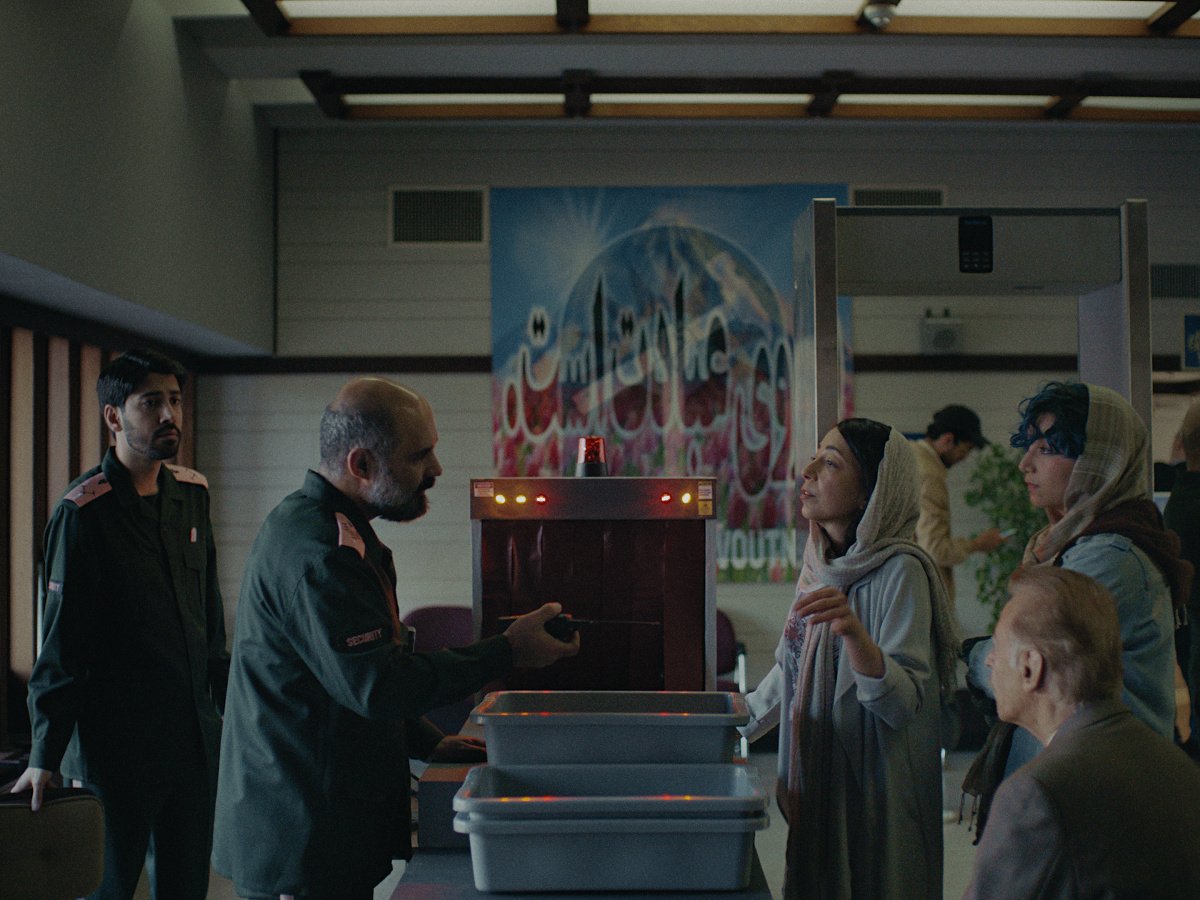
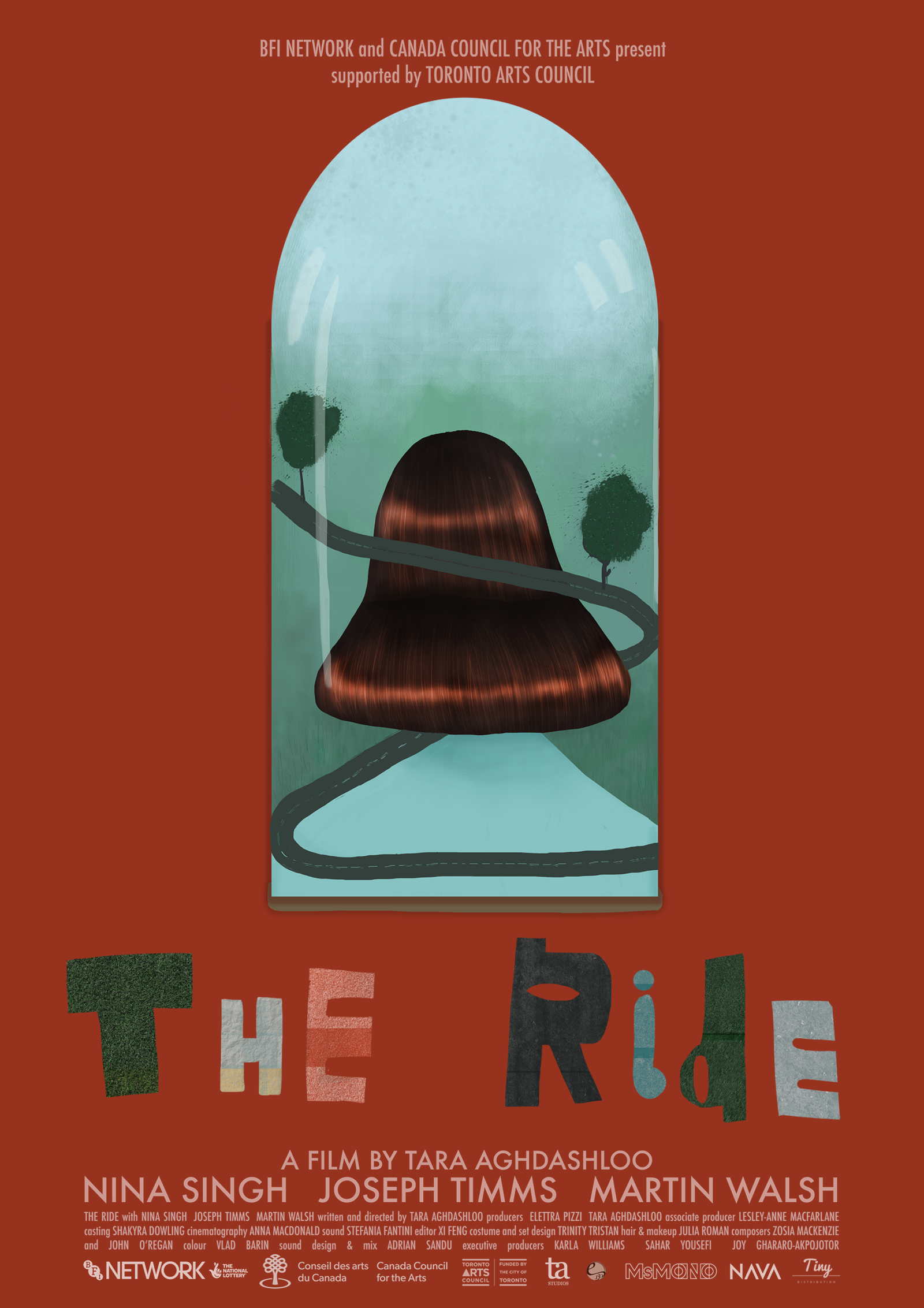
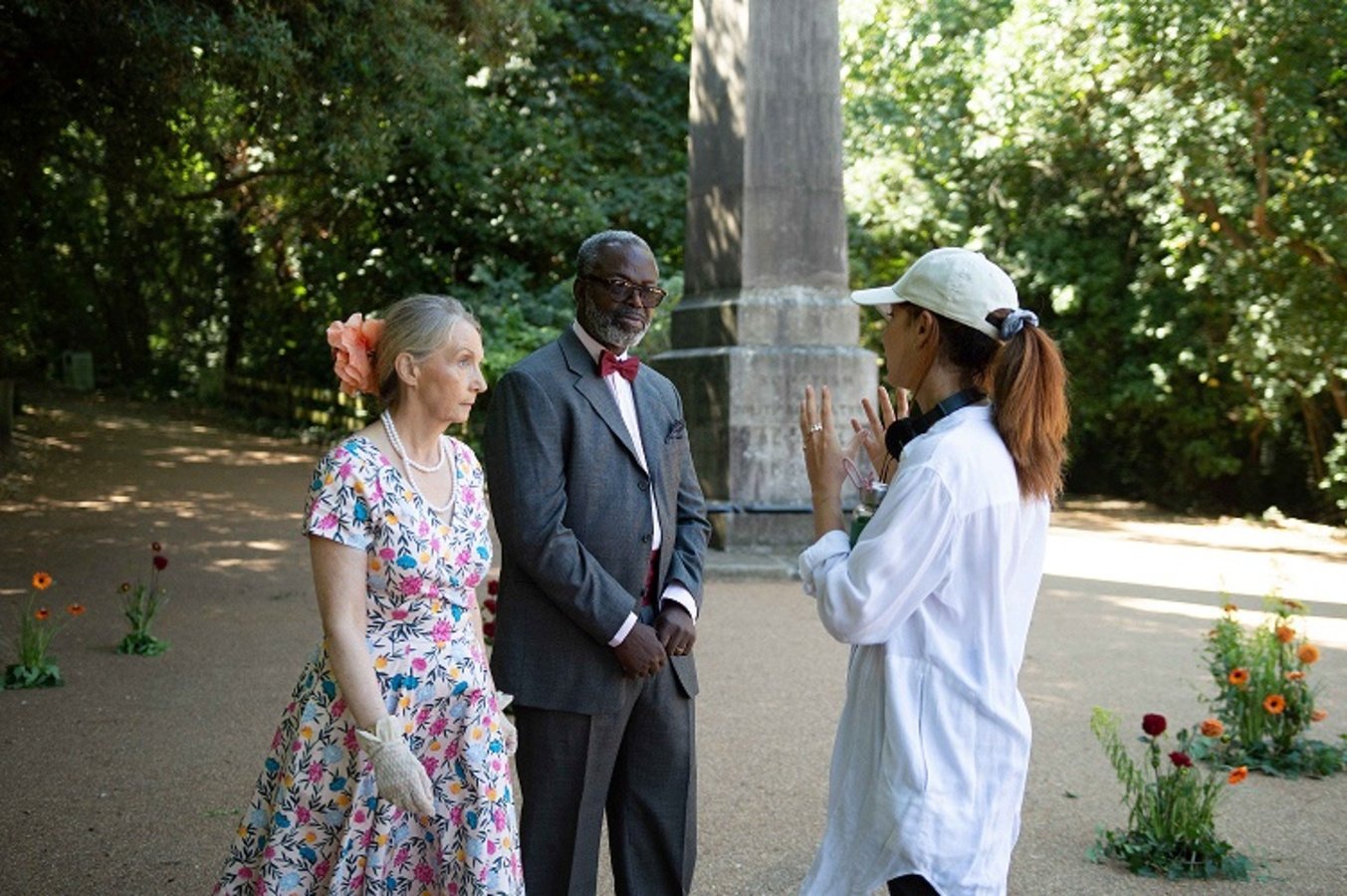
Emaho: The Ride, your debut narrative short commissioned by BFI Network with the support of Canada Council of the Arts and Toronto Arts Council, follows a young couple whose car breaks down on the way back to London and who hitch a ride with a lorry driver, their relationship fracturing as three worlds collide. It premiered at Cinequest Film Festival and won Best Short Film at Nostalgia Film Festival. You work closely with actors and non-actors in developing emotive performances. What specifically do non-actors bring to a scene that trained actors cannot replicate, and where does the risk of that choice actually live?
Tara Aghdashloo: The difference from one actor to the next can be just as wide as the difference between an actor and a non-actor. What I look for is a relationship we can build on together, a sense of play, and a connection to the character beyond what’s on the page. With Empty Your Pockets especially, I spent a long time searching for the right cast — I was adamant about authenticity, that the people in front of the camera actually carried the world I was depicting, not just performed it. That’s where the risk lives too: you’re trusting someone’s lived experience to do work that technique alone can’t, and you have to build enough safety with them that they’re willing to bring it. It’s always different, and I’ve been lucky to work with such a range of actors and non-actors across all my projects.
Emaho: Bridge, your second short produced by Kusini Productions for BBC, is an adaptation of an award-winning poem by Gemma Barnett, which makes it a very specific creative challenge: translating something that works through the compression and musicality of poetry into the temporal, visual and performative logic of film. It premiered at Norwich Film Festival and has received 18 nominations and won 8 awards including Best Direction at Contemporanea International Film Festival. What do you lose when you move from a poem to a film, and was there a specific line or image in Barnett’s poem that you knew could not survive the translation and had to be let go?
Tara Aghdashloo: There was a lot that changed from the poem to the first draft, and by the time we reached the shooting script. I knew we had to dig into the DNA of the poem and extract its essence whilst creating a cinematic experience, and Gemma was very open to this process with me. The poem was much longer at first and initially there was narration in the script, but that felt unnecessary. I think there’s a level of abstraction that is possible with a written poem, when the connections between those words and ideas fire up in your mind. But once we have the image — what the character actually looks like, where she actually lives, or works, then we have entered a different type of playground.
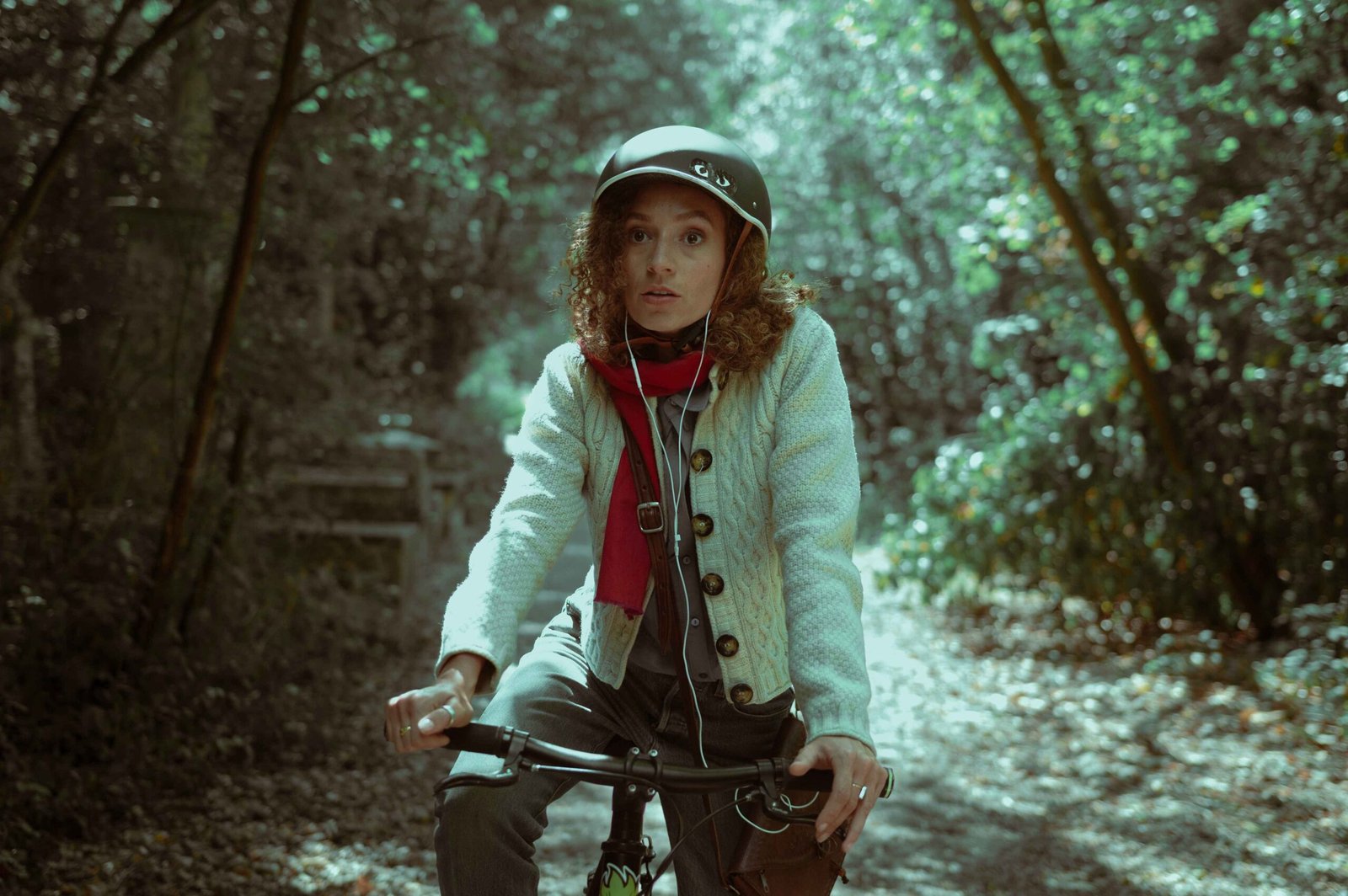
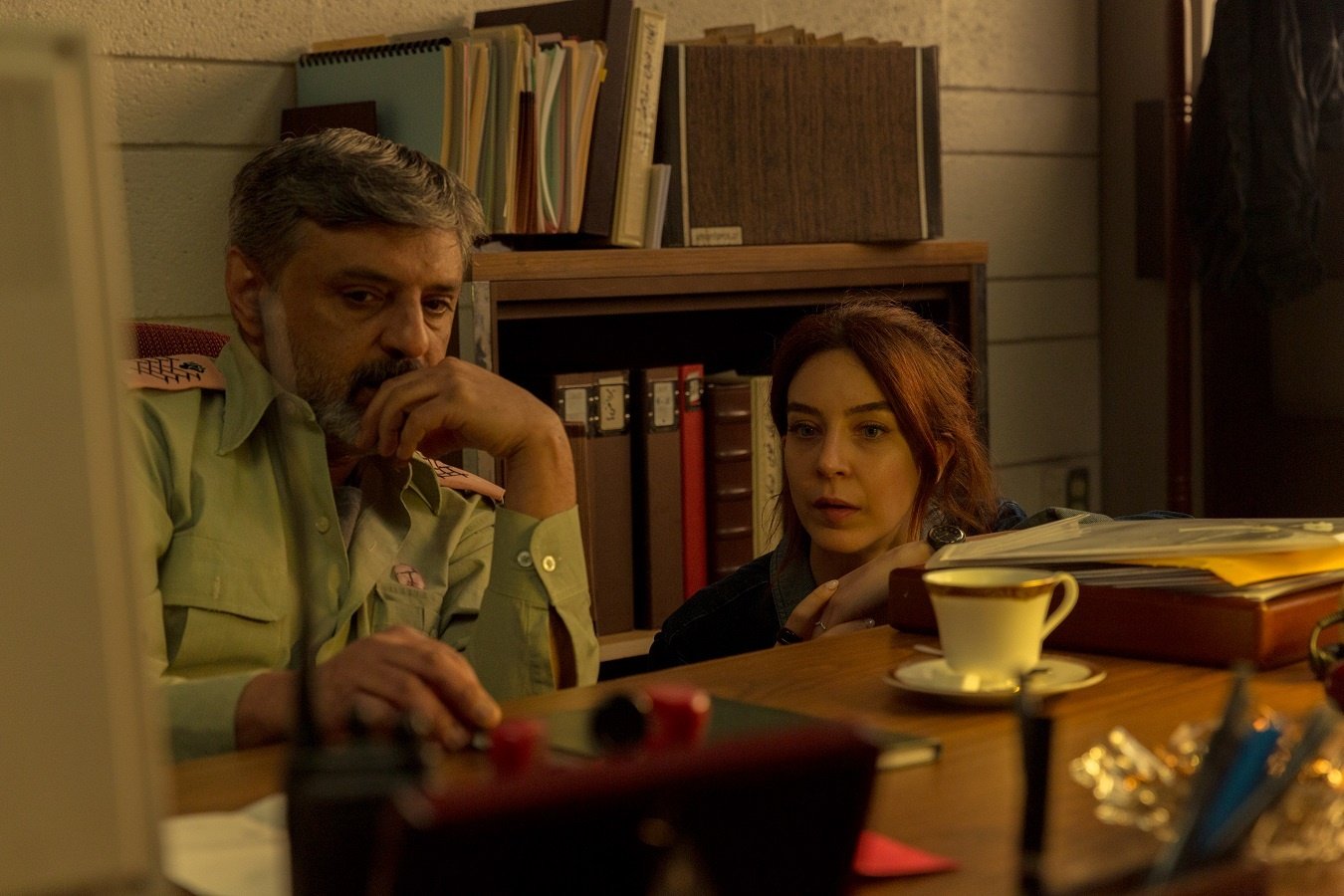
Emaho: Empty Your Pockets, your third short produced by OPC Film and Intermission Films, follows Hassan, a young airport customs officer who must secure a salary advance for his mother’s medication while the dark side of his job becomes increasingly clear, forcing a moral choice at considerable personal cost. It premiered at BlackStar Film Festival in Philadelphia and has won 16 awards. You have said the film examines the contradictory nature of human desire. What draws you consistently to characters who are trapped by systems larger than themselves, and is the moral dilemma at the centre of your films autobiographical in any way?
Tara Aghdashloo: It’s hard to grow up in Iran and not feel the deterministic nature of systems. In other parts of the world, in Canada, say, or the UK, you might see the contours of society, you might educate yourself on it, or push against it particularly if you’re in some ways marginalised. But in Iran, we are acutely aware of the totalitarian structures that permeate all aspects of life — from your bedroom to your school, work, education, all of it. I think of Empty Your Pockets as being about a corrupt society, or an infested jungle, and how that infects everything within its ecosystem — Hassan is a bit like an ant tending the very fungus that ends up controlling him, sustained by the system and consumed by it at the same time. So no, the story isn’t directly correlated with my life, but there are echoes of all those characters within me, and around me. Outside of that context, I am generally interested in the tensions between our desires — what we can do, want to do, and ought to do. And the rare occasions when it all aligns. Humans are so imperfect and vulnerable and defensive and in some ways utterly predictable and in other ways a universe of mystery. I’m endlessly fascinated. And frustrated.
Emaho: You are currently developing your debut narrative feature, Alterations about an Afghan asylum seeker dreaming of becoming an artist while working illegally at the back of a dry cleaners, as a UK-Canada co-production with Caspian Films, supported by BFI, Telefilm Canada and Ontario Creates, and you were one of 12 participants selected for the Oscar Academy-backed Cine Qua Non Lab in Mexico in 2024.
Tara Aghdashloo: I’ve been working on Alterations on and off alongside my other work for a few years. Being mentored by Christina Lazaridi through the Cine Qua Non Lab pushed the script somewhere new, and this year it’s been selected for a BFI-backed impact lab in the UK with my incredible producers. I feel ready and excited to make it, but I’m also aware of the tug and pull nature of when and how a project is finally green lit. I’m also developing a few other projects, and I’m shooting a short film this year as well, inspired specifically by the recent difficult months that we as Iranians have experienced.