Richland : Gustavo Jononovich

Gustavo Jononovich was born in Argentina in 1979. He began his studies in photography in 2002. In 2006, he started working as a professional photographer.

Argentina –

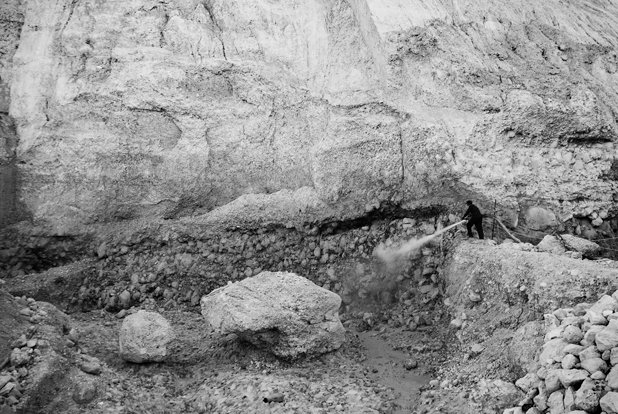
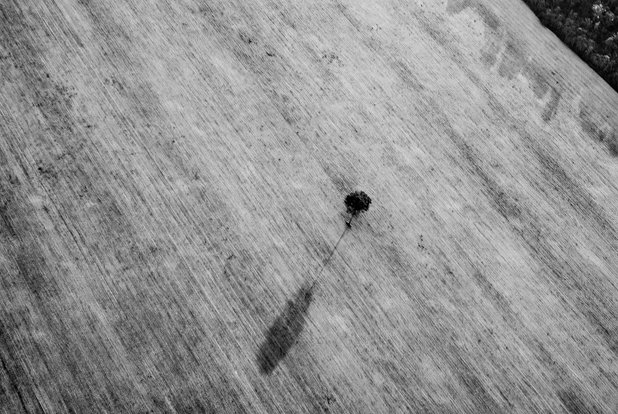
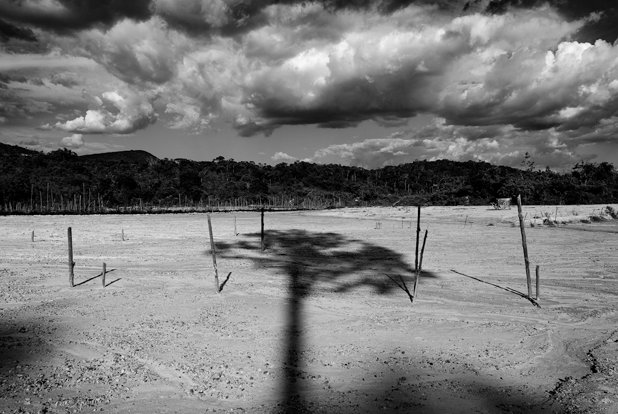
On behalf of “progress” we have transformed our environment into the lifeblood of our economy. Everything we manufacture and consume it’s been made from the same natural resources. Lead is commonly used in car batteries, as coloring in paints and ceramic glazes. Gold is a highly efficient conductor that can carry tiny currents and remain free of corrosion, hence is used in almost all our electronic devices like computers and cell phones. It is used in windows of buildings and planes because gold reflects large amount of light. Diamonds are used in industry for cutting, drilling, sanding and polishing. With oil we produce thousands of products, the soles of our shoes, matches, shampoo, asphalt, cleaning products, sunglasses, synthetic fibers, tires, insecticides, fertilizers, carpets, shower curtains, trash bags, tennis rackets and children’s toys. Coal and natural gas to generate electrical power, silver in mirrors, knives and water purifiers. Bauxite to produce aluminum which is extremely used, nickel is used in batteries and magnets. Copper can be found in any electronic device, in musical instruments and electrical wires. Zinc in deodorant and sulfur to produce powder, fungicides as well as laxatives. Chromite, talc, barites, marble, limestone, platinum, vanadium, salt, sand, gravel, timber, soil. We use everything.


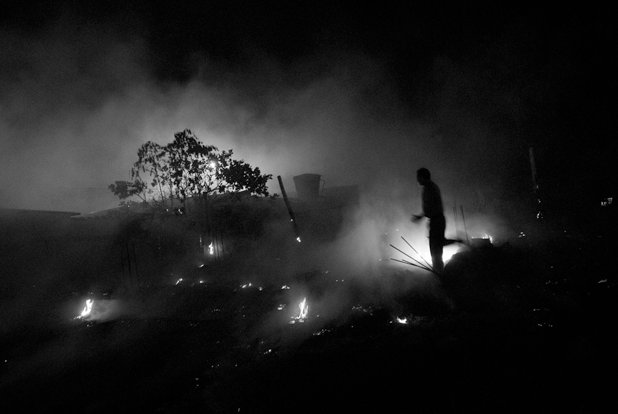
Richland is a project about the exploitation of the natural resources in Latin America and the resulting long-term negative effects. Rather than benefit from natural resources abundance and wealth, local people living in areas of exploitation have experienced loss of livelihoods, health problems, human rights violations and environmental degradation. This body of work was made between 2008 and 2012 in Brazil, Peru, Venezuela, Ecuador, Bolivia, Chile and Argentina.

Photography

Related Posts

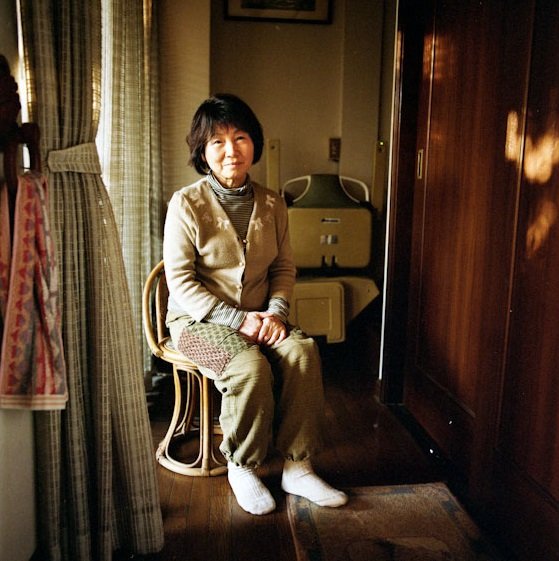
Noriko Hayashi: “I saw many bride kidnappings in Kyrgyzstan”

Kyrgyzstan – Represented by Panos Pictures, Japanese photojournalist Noriko Hayashi has worked in diverse regions around the world, including Pakistan, ...

Andrea Botto: “19.06_26.08.1945”

Italy –  “This book was produced in memory of the return journey my grandfather made from the Nazi prisoner-of-war camps ...

Spotlight on the Sexually Violent– Tim Matsui

U.S.A. – Multimedia journalist Tim Matsui calls himself a storyteller. And once you’ve taken a look at his work, you ...

Colin Pantall on Max Pinckers “Will They Sing Like Raindrops or Leave Me Thirsty”

Belgium – What do you do if you love somebody but your love is forbidden by your parents, by your ...

Oscar Monzon: KARMA

Spain –  In Karma, a project developed in Madrid between 2009 and 2013, Óscar Monzón focuses on the car as a ...

Mohamed Hassan: “Turning Our Hidden Room into a photobook allowed me to build a physical space where memory, trauma, masculinity and love could exist together”

Egyptian-born Mohamed Hassan explores memory, trauma, and father-son bonds in Our Hidden Room. Reconstructing his late father's photographic archive amid ...

Rafal Milach: The Winners

Belarus –  ‘The Winners’ published by GOST, is dedicated to winners of various state and local competitions held between 2010-2013 ...

Karen Paulina Biswell: “Against Extraction: Photography, Right to Opacity, and the Refusal to Translate”

In this Emaho Magazine interview, Colombian-French photographer Karen Paulina Biswell reflects on 14 years collaborating with Emberá-Chamí artist Maria Amilbia ...

Roger Ballen: ‘Maybe I can speak goat, and I can speak a little chicken’

South Africa –    Celebrated Photographer Roger Ballen has been photographing for around 50 years mostly in Johannesburg, South Africa. ...

Showing Slide 1 of 10