Massimo Berruti: LASHKARS

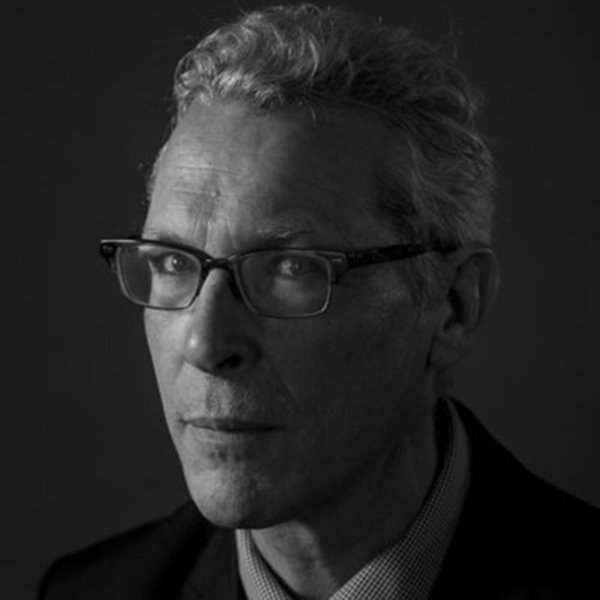
Massimo Berruti was born in Rome in 1979 and became interested in documentary photography for the first time in 2003, while he was at university. He left university in 2004 and took part in a collective project on the cultural and industrial crisis in Italy. This led to the book Made in Italy, published in 2006.

Pakistan –

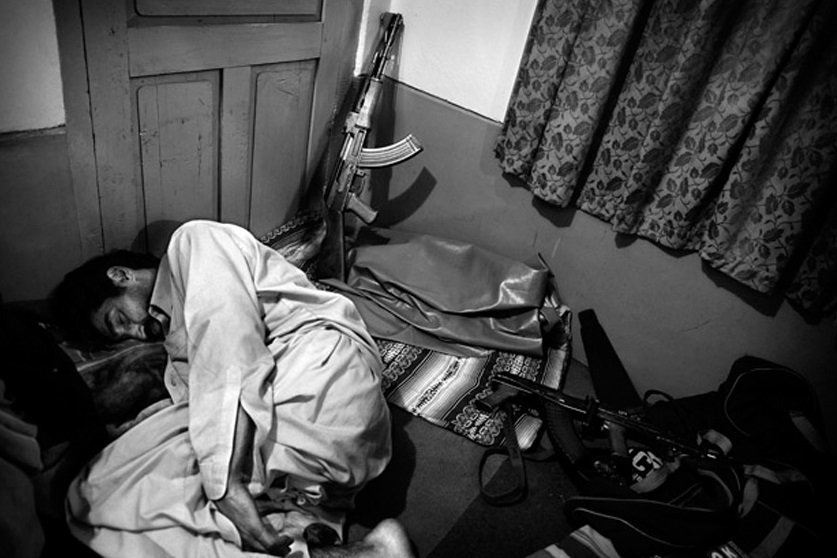
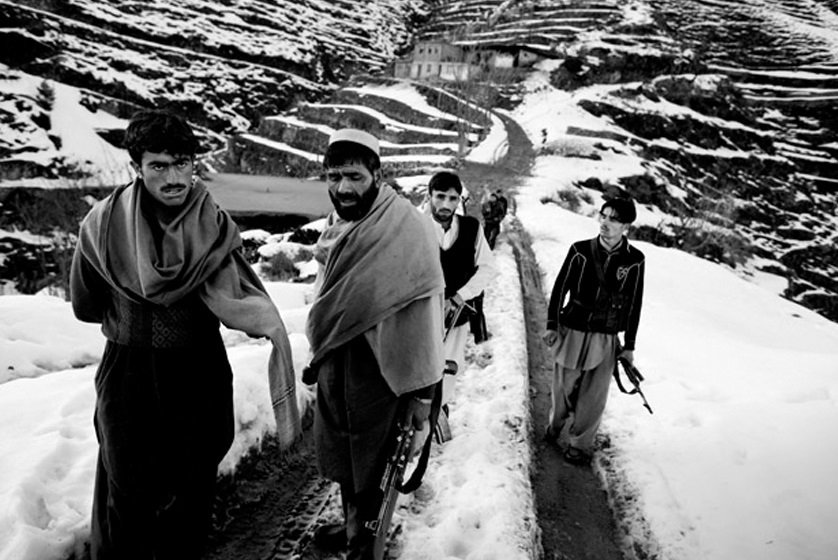
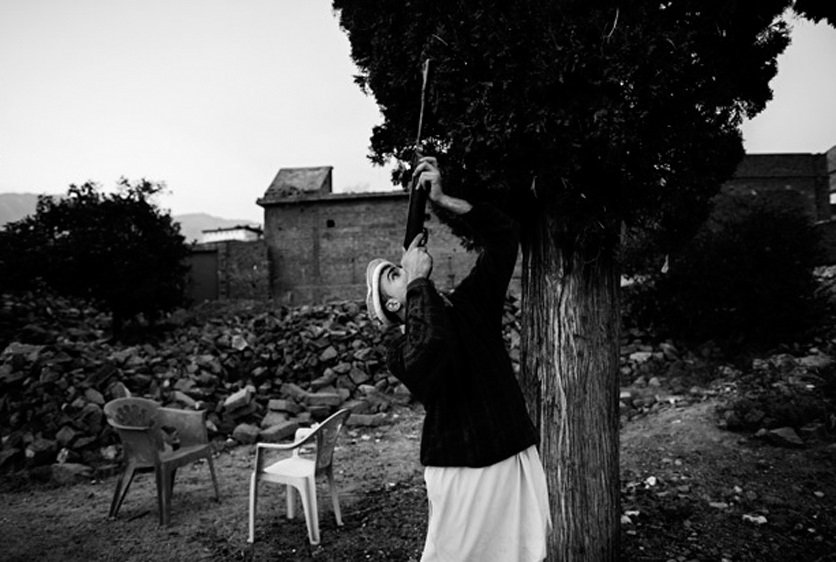
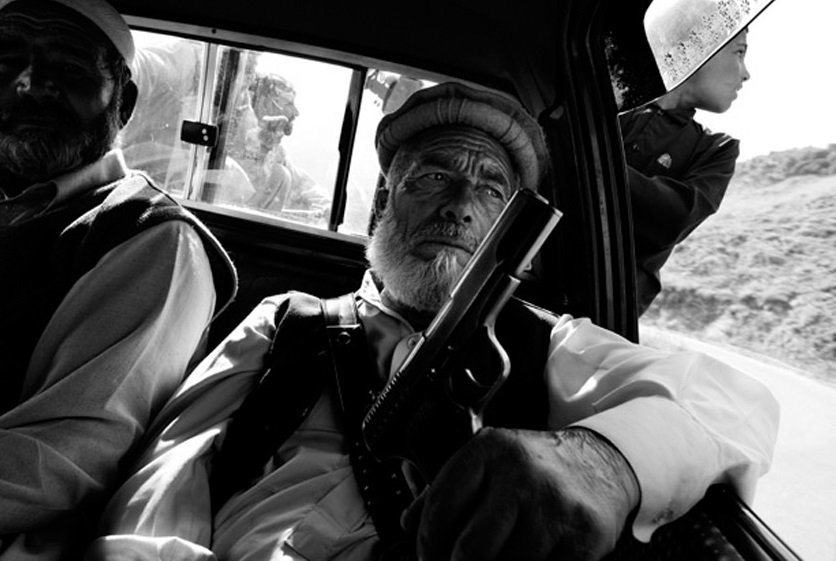
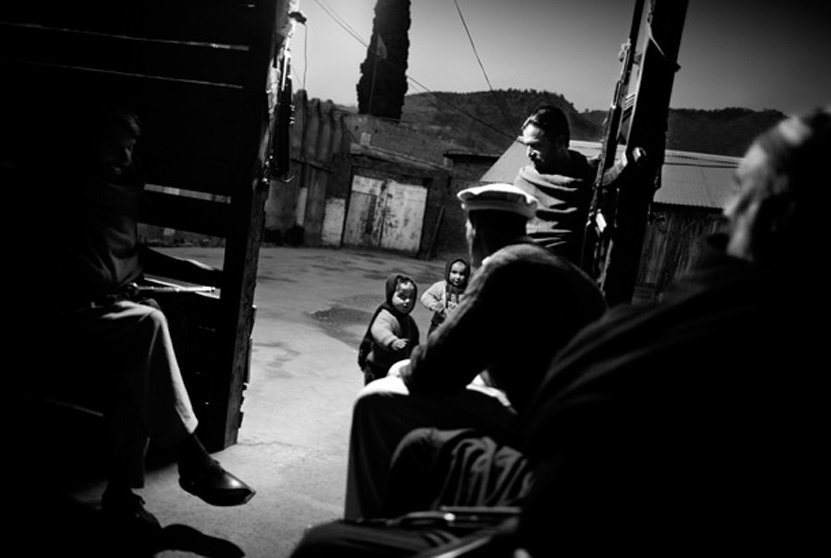
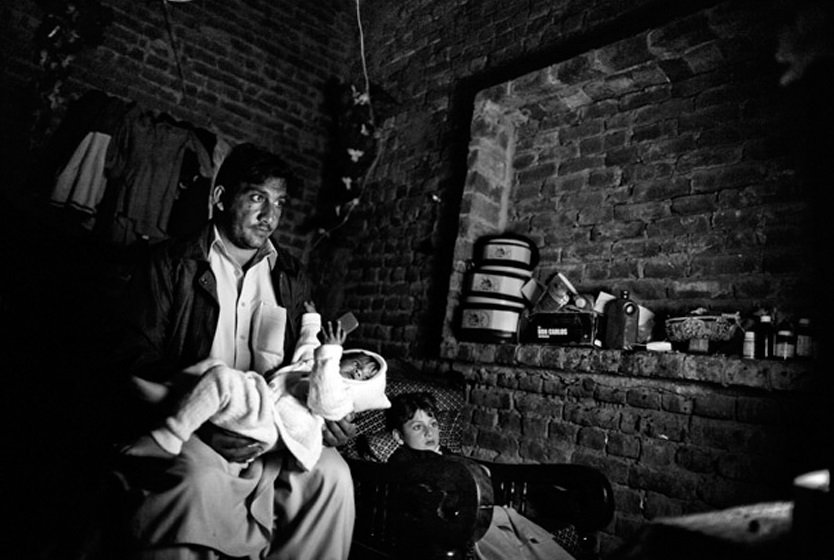
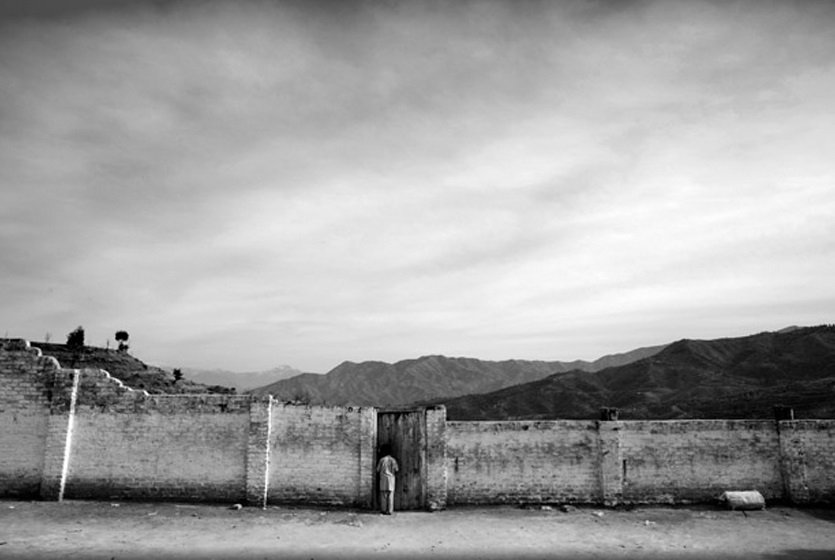
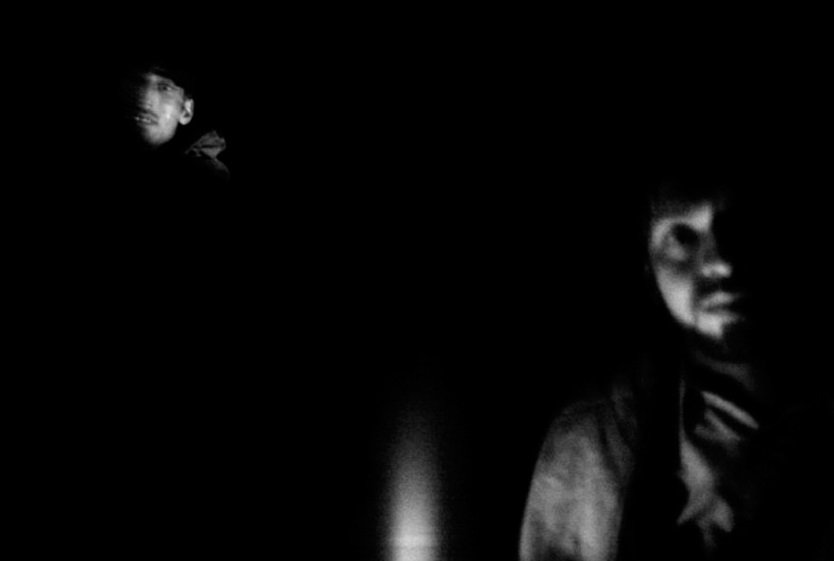
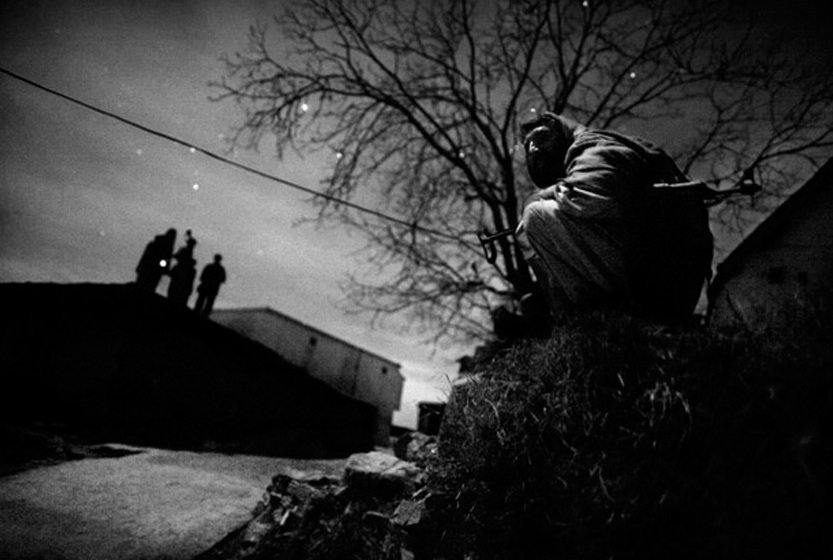
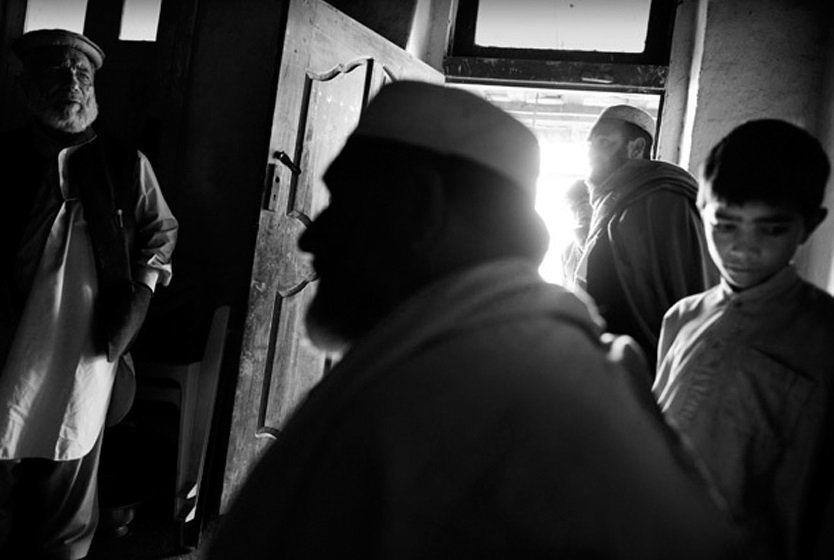
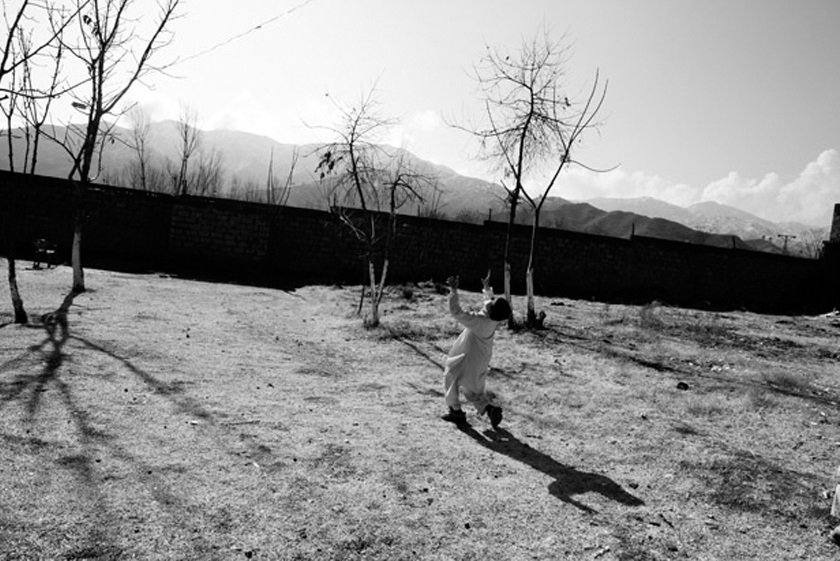
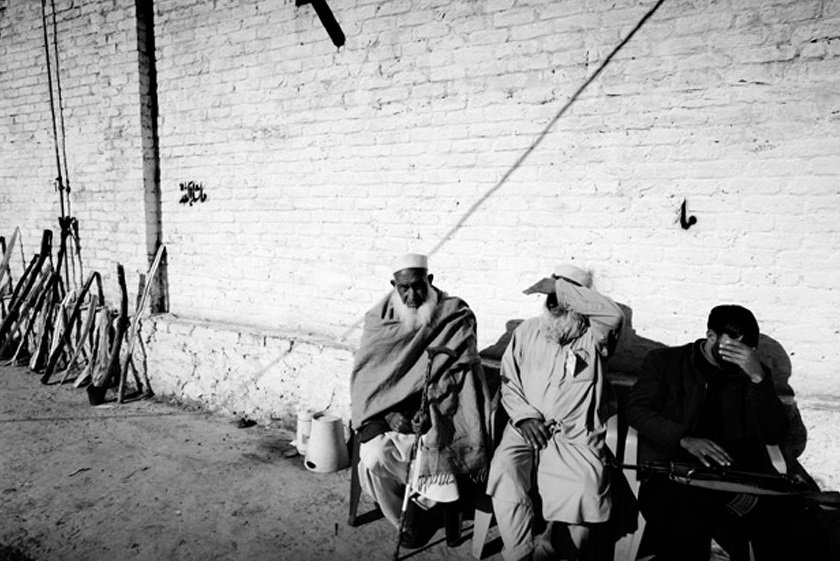
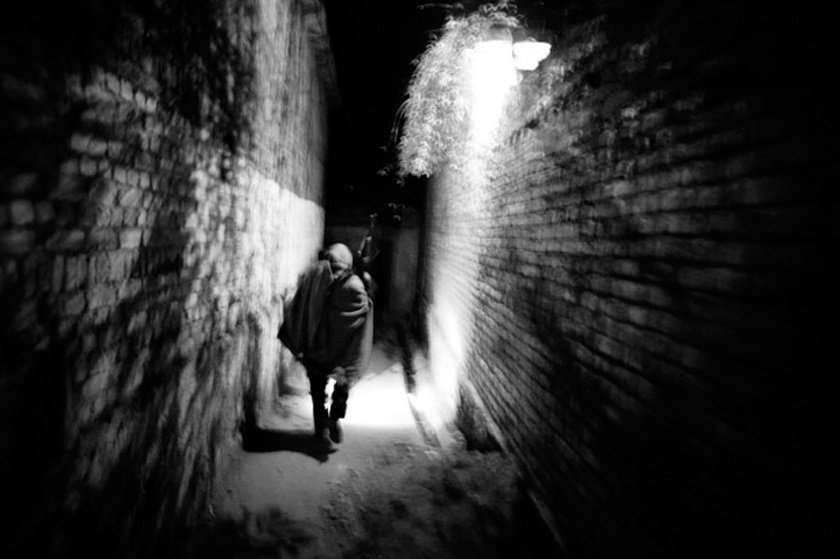
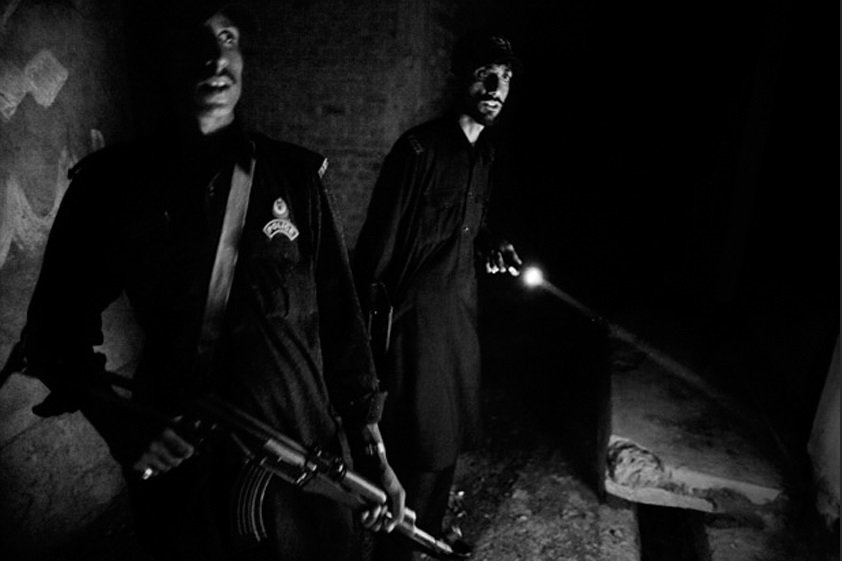
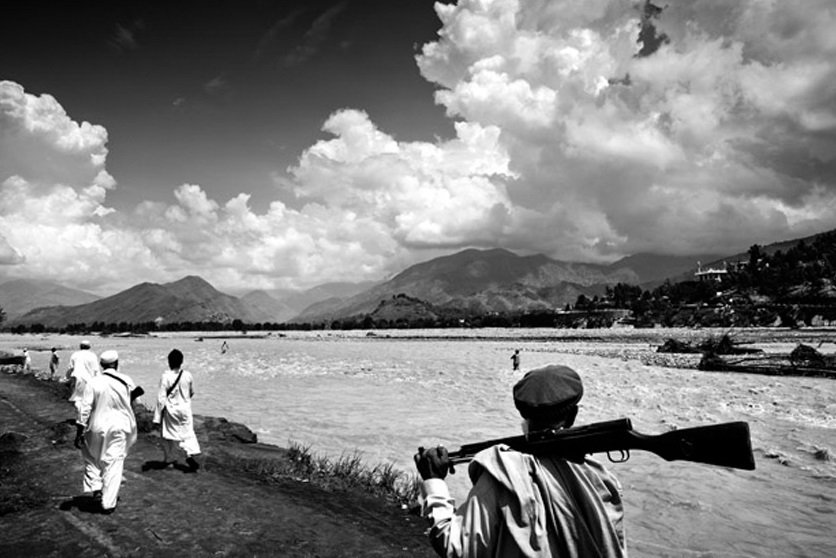
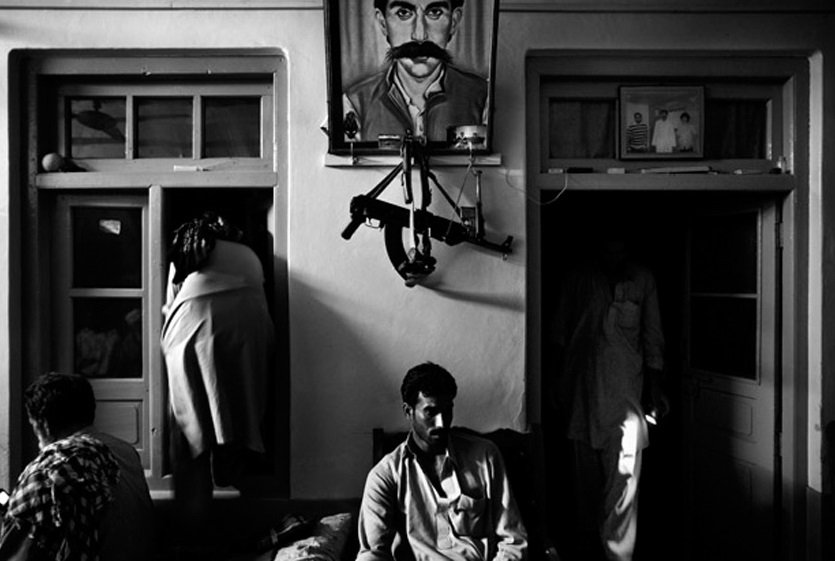
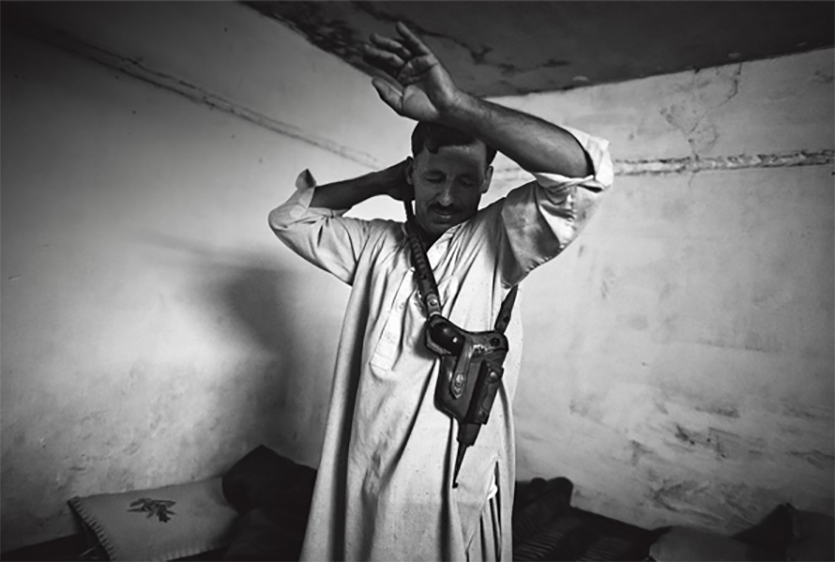
Massimo Berruti’s long-term assignment in the Swat valley, in the provinces of Khyber Pakhtonkhawa, is keeping up with the daily life of the Lashkars. Lashkars are civilian militia historically comprised of tribal warriors, who place themselves in the front line against the Taliban threat. Defending their own people, with the support of the Pakistani army, they contribute to pacifying and ensuring the security of a zone prone to bomb attacks and insurgent infiltration.

Lying along the northern border of Pakistan, the Swat valley fell into Taliban hands In 2007, returning to Pakistani army control only in 2009. Massimo Berruti covered the successful army offensive against the fundamentalist insurgents.These territories close to the tribal zones are today in media spotlight, thanks to the discovery and death of Osama bin Laden there. At the epicentre of omnipresent world terrorism, these zones remain at the forefront of a conflict that extends widely beyond regional issues.

Massimo Berruti compiled this report in Pachtounistan from January to April of 2011.

 Pachtounistan is the strategic border area between Afghanistan and Pakistan; a unique locality this second edition took for its theme. Massimo Berruti wishes to highlight the Lashkars’ courage and humanity, so counter to Western preconceptions.

“It is very rare that one experiences so directly, before a photographic work, the feeling of what inspired it and of what from day to day was its purpose. It is especially so as this feeling is completely contrary to what we think – or believe – we know of war Photography” – Christian Caujolle in “Lashkars” Ed Actes Sud 2011


Massimo Berruti is a photographer based in Paris and Rome.

Related Posts

Dignity or Death – Svetlana Bachevanova

Bulgaria –  Emaho caught up with renowned Bulgarian photographer and founder of FotoEvidence, Svetlana Bachevanova to learn what it takes ...

Jordi Ruiz Cirera Los Menonos

Jordi Ruiz Cirera: Los Menonos

 Bolivia –  Comprising of images taken between 2010 and 2011 in the Mennonite colonies of Santa Cruz, in Eastern Bolivia, Los Menonos ...

Emaho Foundation’s Emerging Asian Photography Grant Winner Announced

India –  We are delighted to announce that Tsunomu Yamagata has won the Emaho Foundation‘s Emerging Asian Photography Grant 2015 ...

Tomasz Lazar: Theater of Life

Poland – In Ancient Greece people were believed to be only actors, playing roles written by powerful gods. Nowadays, mass ...

Federico Clavarino: Italia o Italia

Spain –   Italia o Italia is built over the ruins of an unresolved empire, a place in which monuments ...

Awoiska van der Molen: “Sequester” – Photographic Meditation of Volcanic Landscape in Canary Islands

Netherlands – I stay in places, locations far from the outside world. Being in this world -and the long time ...

Sputnik Photos Lost Territories

Lost Territories: Support Sputnik Photos project on Post-Soviet Countries of Central Asia

Poland –  Twenty-five years after the fall of the USSR five Sputnik Photos photographers are setting out on a journey ...

Francesca Seravalle on Paul Kooiker “HE SHE WE”

 Holland – THIS STORY CONTAINS EXPLICIT CONTENT Hidden from indiscreet eyes, in his room, in a heavenly garden or exposed ...

Juan Cristóbal Cobo: “I’m interested in discovering new ways of translating the everyday, in finding poetry in seemingly insignificant moments, and in allowing photography to surprise me again”

Colombian photographer Juan Cristóbal Cobo speaks about finding poetry in everyday life, transforming seemingly insignificant moments into powerful visual stories. ...

Showing Slide 1 of 10