Emaho: You met in 2010, and first collaborated on a project together in 2011, the same year as the Great East Japan Earthquake and the Fukushima disaster. How did this event act as a catalyst to starting the festival in 2013?
Yusuke: Our first project together was a series on traditional ghost stories, Kyo-kaï. While working on this project, the Great East Japan Earthquake struck, so I travelled to the north to face the aftermath of the disaster. At the time, the media and official sources were sending mixed signals – the severity of the radiation exposure was unclear. It felt like we were in the dark. We felt more than ever a need for a new kind of media, one that would confront the truth rather than obscure it.
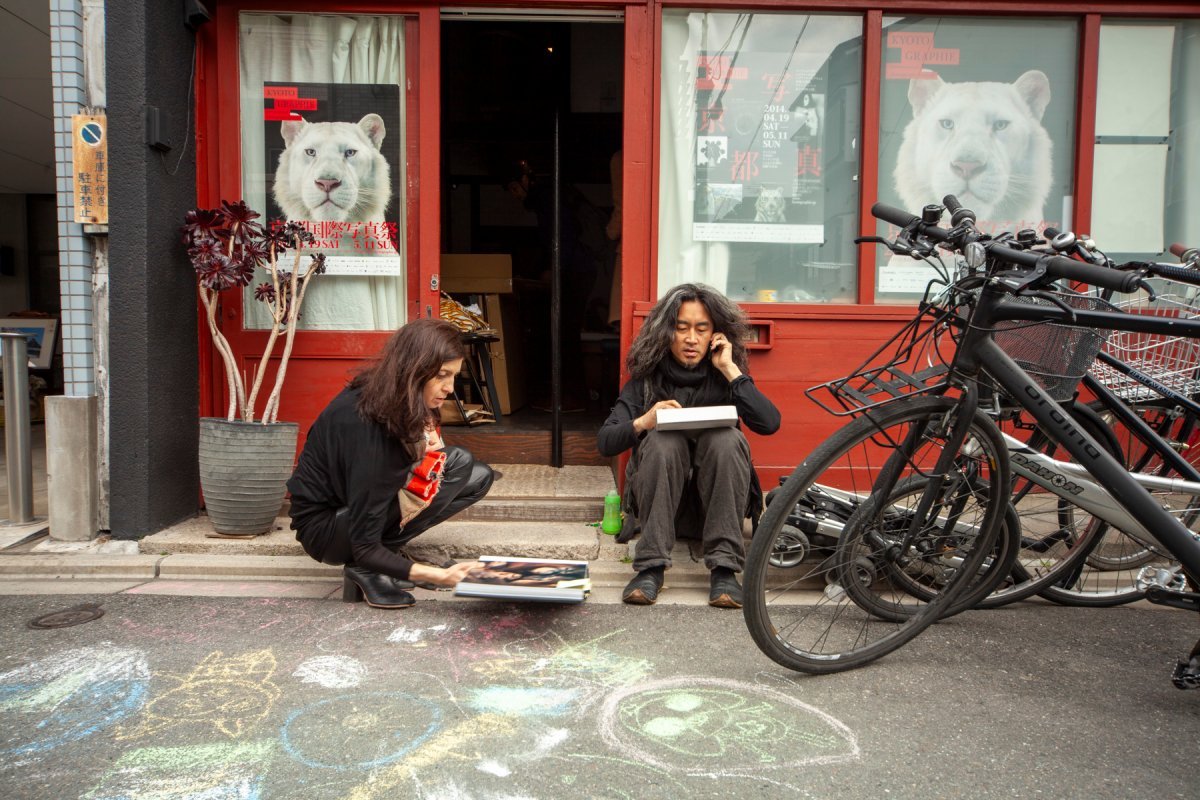
Lucille: Living in the capital exposed just how vulnerable the city was, and it felt like the right time to leave. We relocated to Kyoto, but not with the idea of creating a photography festival. As we cycled around the city, we became fascinated by its extraordinary architecture: its temples, machiya, historic buildings and unexpected spaces. Around this time, we visited Les Rencontres d’Arles and began to imagine what such a festival set within the cultural and architectural fabric of Kyoto could look like. We were also keen to create a platform for people to engage with and discuss important cultural, social and political topics. This was how the idea of KYOTOGRAPHIE was born.
Emaho: You’ve said your greatest strength as partners is that you understand each other without words, and that the French tendency to see situations broadly meets the Japanese attention to detail. You married at a Shinto shrine in Kyoto in 2016, three years into running the festival together. Fourteen editions later, is there still a genuine creative friction between your two ways of seeing?
Lucille Reyboz and Yusuke Nakanishi: That friction is just as strong as it was fourteen years ago. But we don’t see it as something negative, in fact, it’s what gives the festival its strength. Photography is a window into new perspectives on the world we live in. Difference, tension, and friction is an essential part of these discussions. This is something we try to encourage within our team and among our audience, because it’s often in those tensions that new ideas emerge.
Emaho: Lucille, you spent your childhood in West Africa and built your career as a portrait photographer; Yusuke, you were a lighting director for film, theatre, and concerts. Neither of you trained as a festival curator. What do a photographer and a lighting director’s backgrounds offer to a festival that a conventional curatorial background would not, and where has that outsider training ever worked against you?
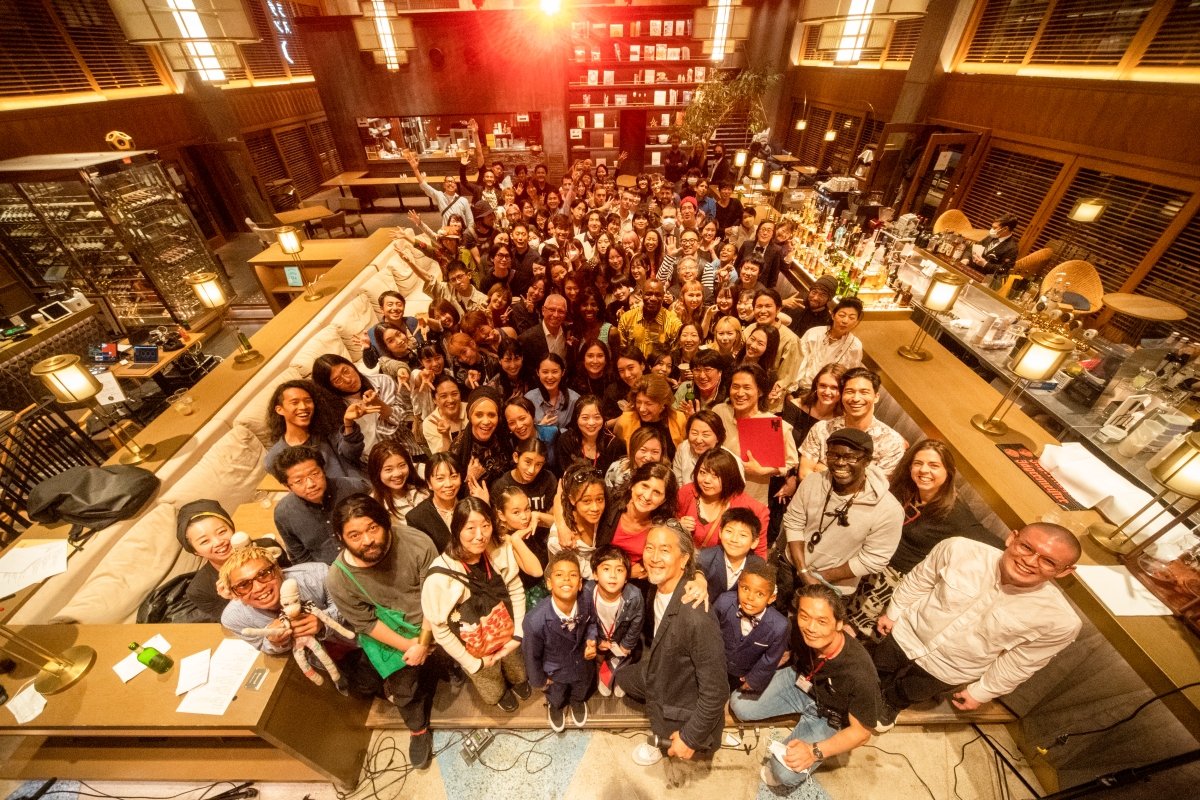
Lucille: At the beginning, many people doubted us. We had produced our own exhibitions in the past but we were not academics, and we did not have qualifications or institutional backgrounds. But we understood what artists needed. We gathered a team of advisors, including established curators, critics and a production team, many of whom we continue to collaborate with today.
Looking back, Yusuke’s background as a lighting director fed into the festival’s adventurous approach to scenography, while my experience as a photographer gives sensitivity to the artists’ perspective.
We see it as part of our role, as outsiders, to push the boundaries. And our audience expects that of us every year. If we have changed anything, we hope it is this: preconceptions can be broken, and with a shared goal anything is possible.
Emaho: Arles, a festival founded by artists in the 1970s, was a model for KYOTOGRAPHIE, and now you are part of the festival’s Associé programme. What does it mean to have gone from being students of that festival to being exhibitors, and has that relationship changed how you think about your own festival’s place in the world?
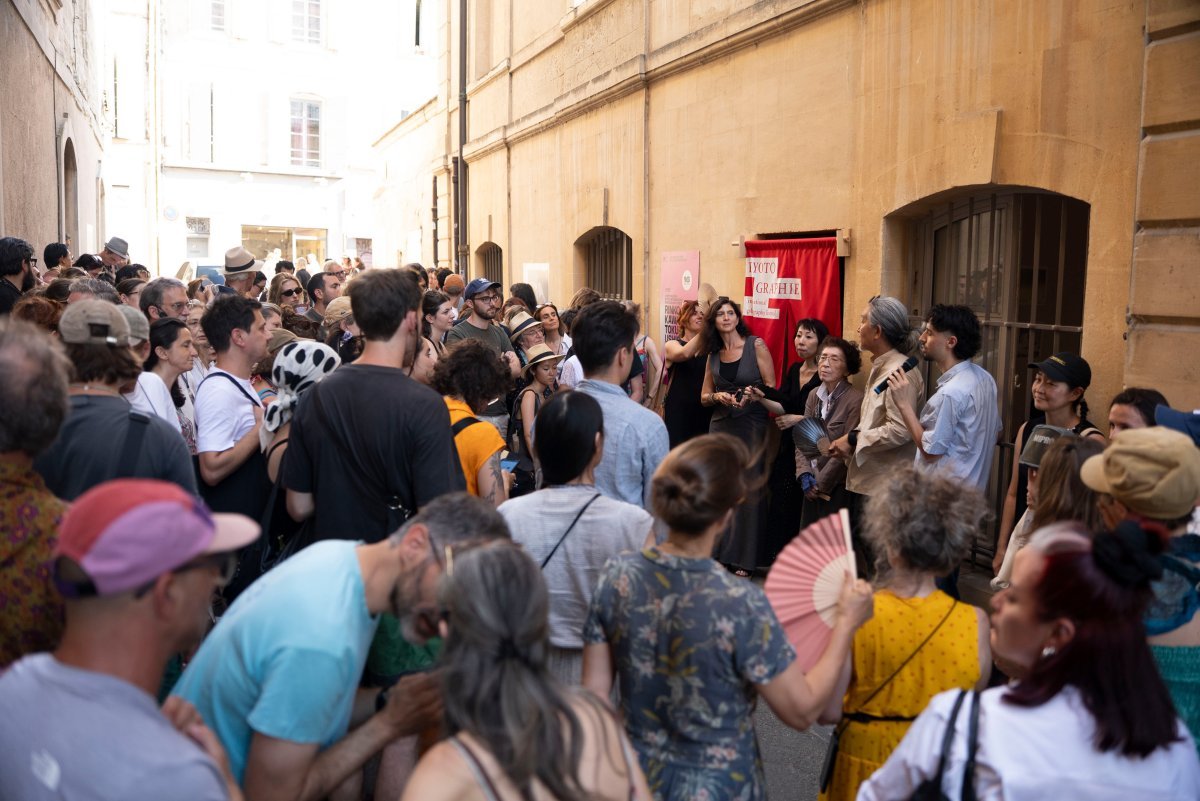
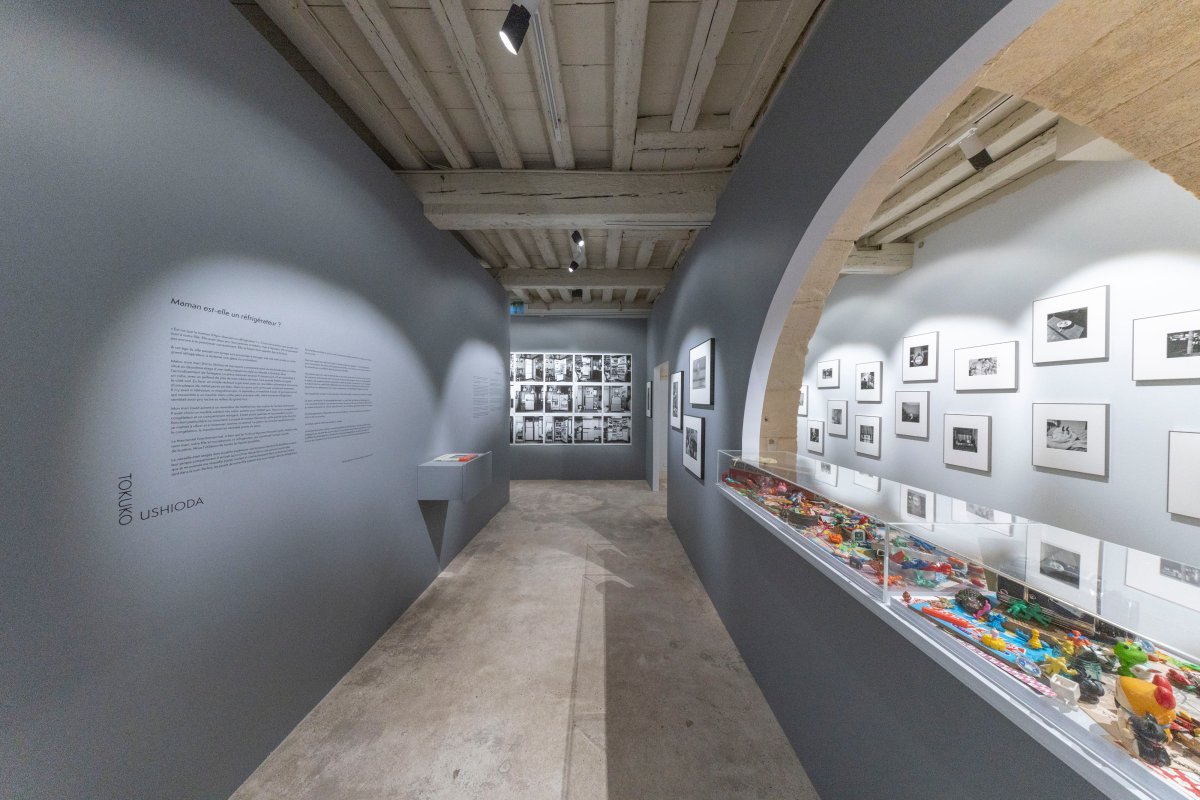
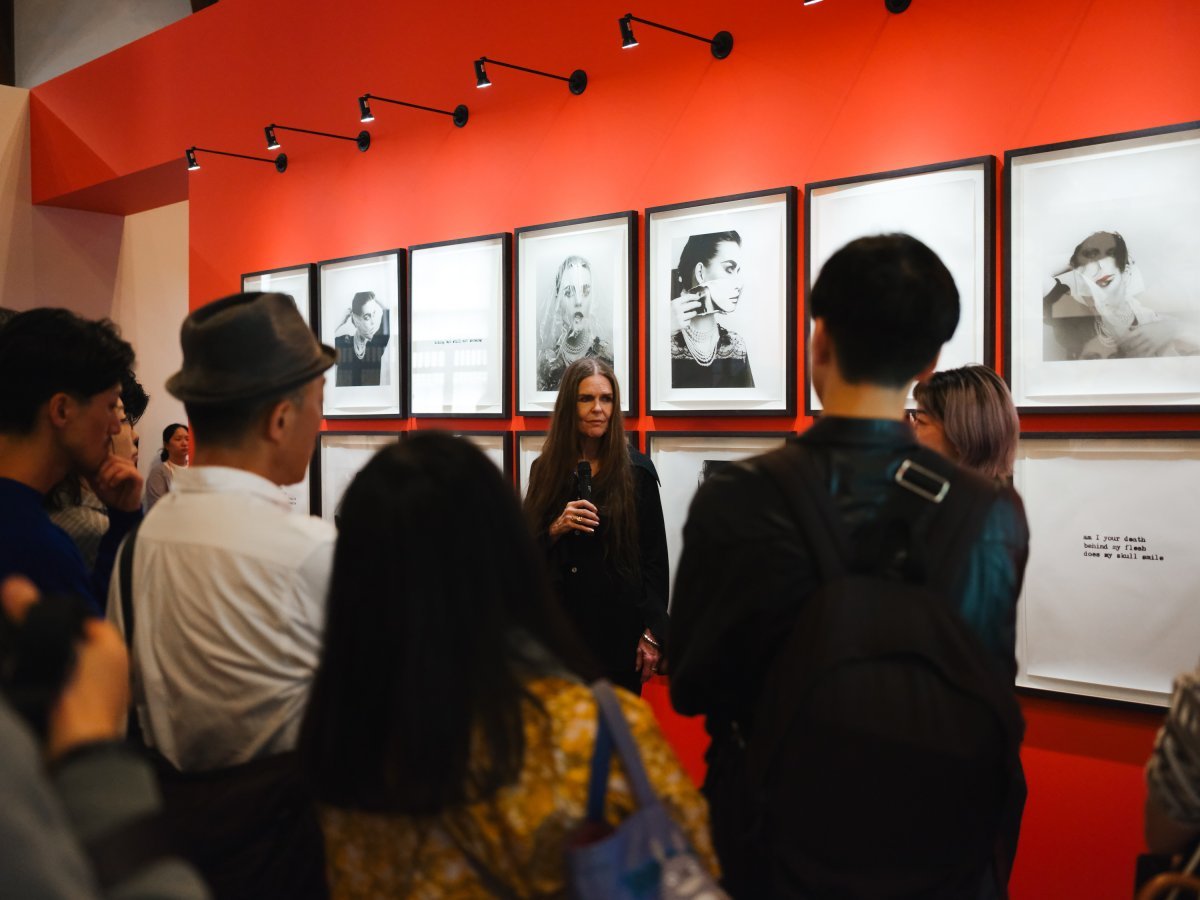
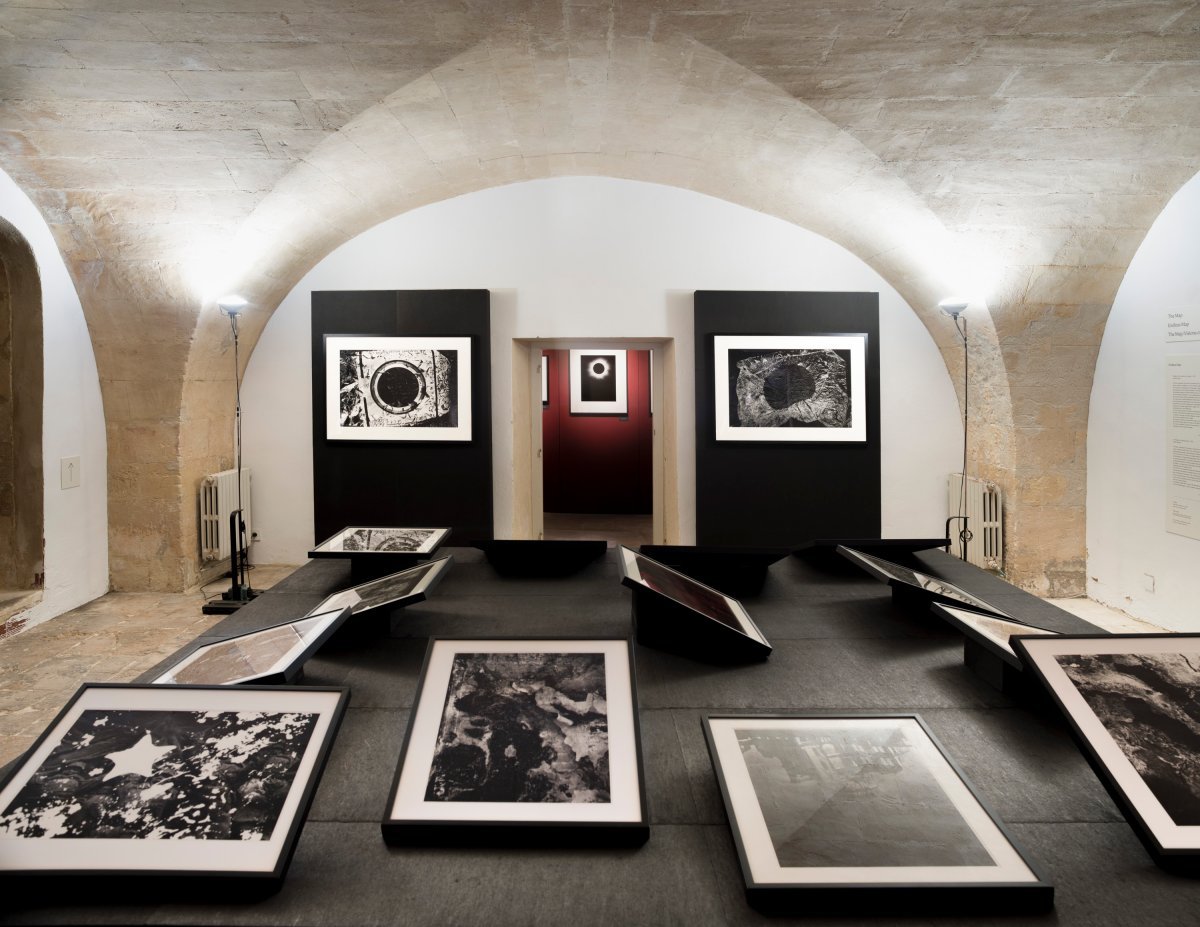
Lucille Reyboz and Yusuke Nakanishi: KYOTOGRAPHIE first took part in the Arles Associé programme in 2024 with Transcendence, an exhibition featuring the work of six women Japanese photographers: Ai Iwane, Tamaki Yoshida, Hideka Tonomura, Mayumi Suzuki, Momo Okabe, and Mayumi Hosokura. We were fortunate to return in 2025 with Kikuji Kawada, and again this year with Tokuko Ushioda and Rinko Kawauchi.
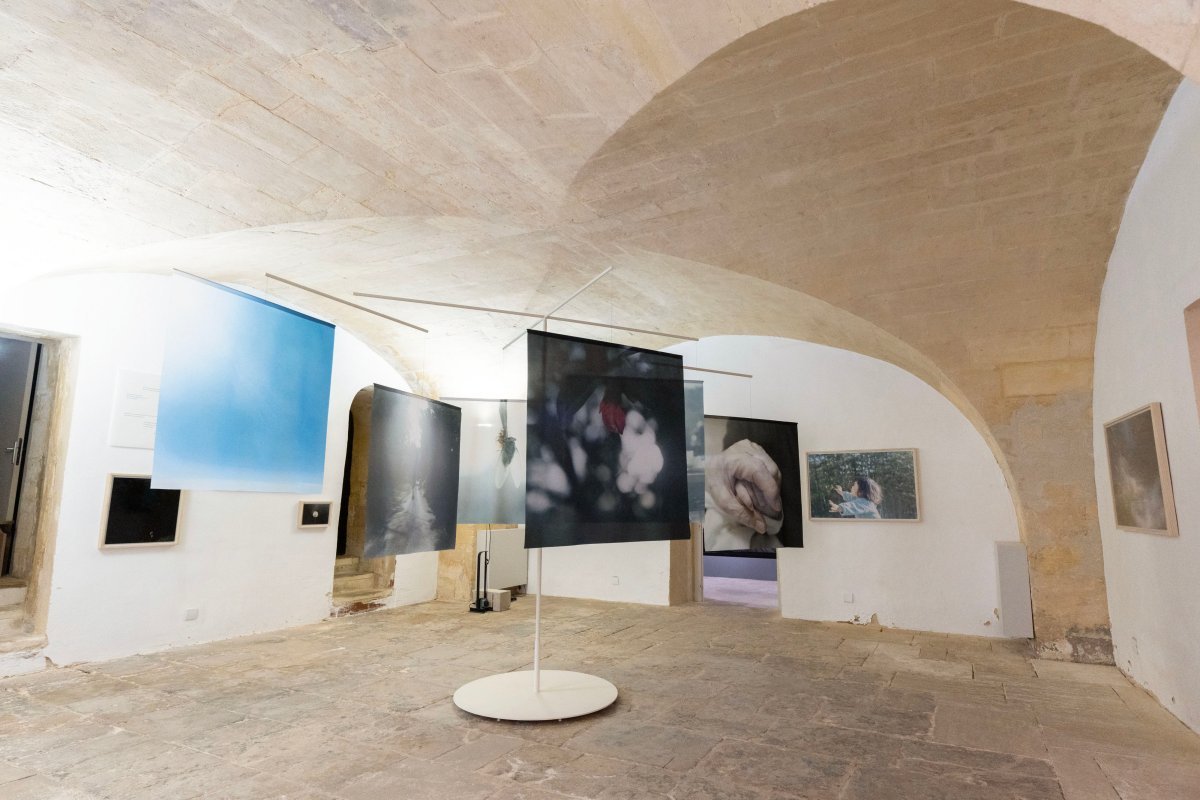
Arles holds a very special place in our hearts. It was, after all, one of the inspirations behind KYOTOGRAPHIE. It was hard to imagine whether something like that could be possible in a guarded city like Kyoto but we had a vision, and we worked tirelessly to achieve it. The goal never was to replicate Arles in Japan. Kyoto’s distinct culture, tradition, and craftsmanship have shaped the festival and its approach to scenography from the beginning.
It means a great deal to share a piece of what we have built in Kyoto with a festival that has inspired us so much. Our original mission was to create a stage for photography in Japan, but also to take Japanese photography overseas. It took a decade to achieve it, but becoming part of Arles was a realisation of that dream. To have the opportunity to bring the work of Japanese artists to international audiences and to create connections between them and the wider photography world, is something we are very proud of.
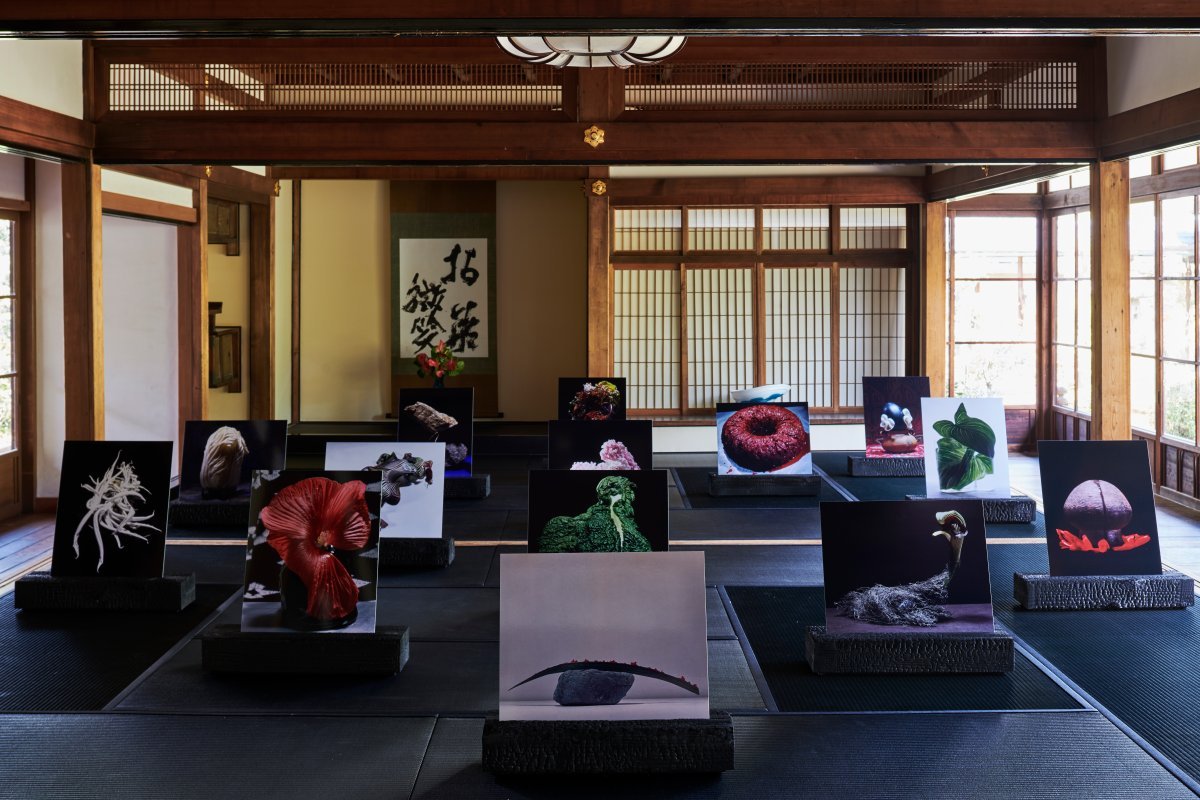
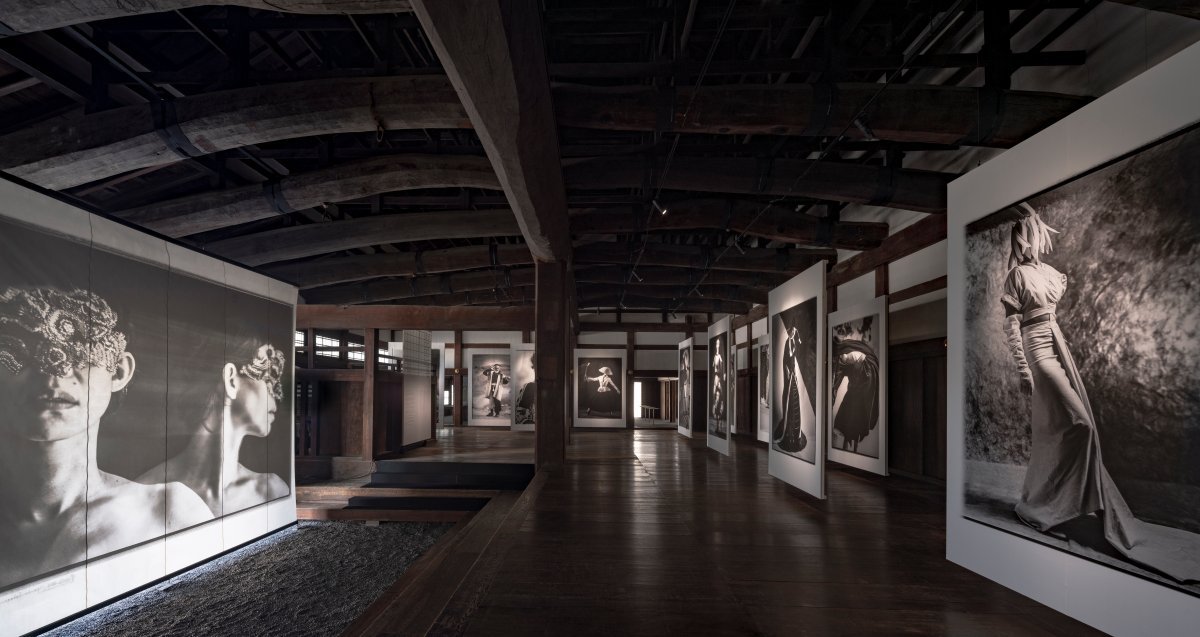
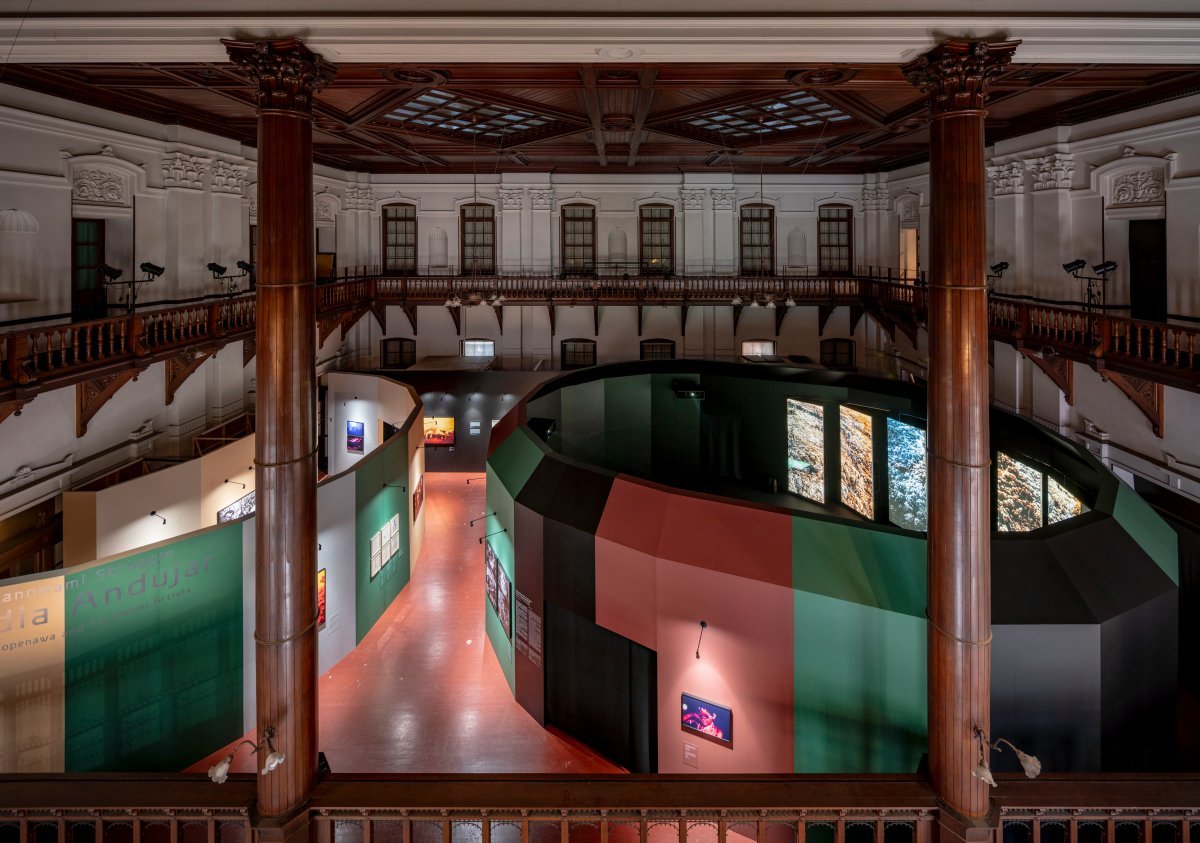
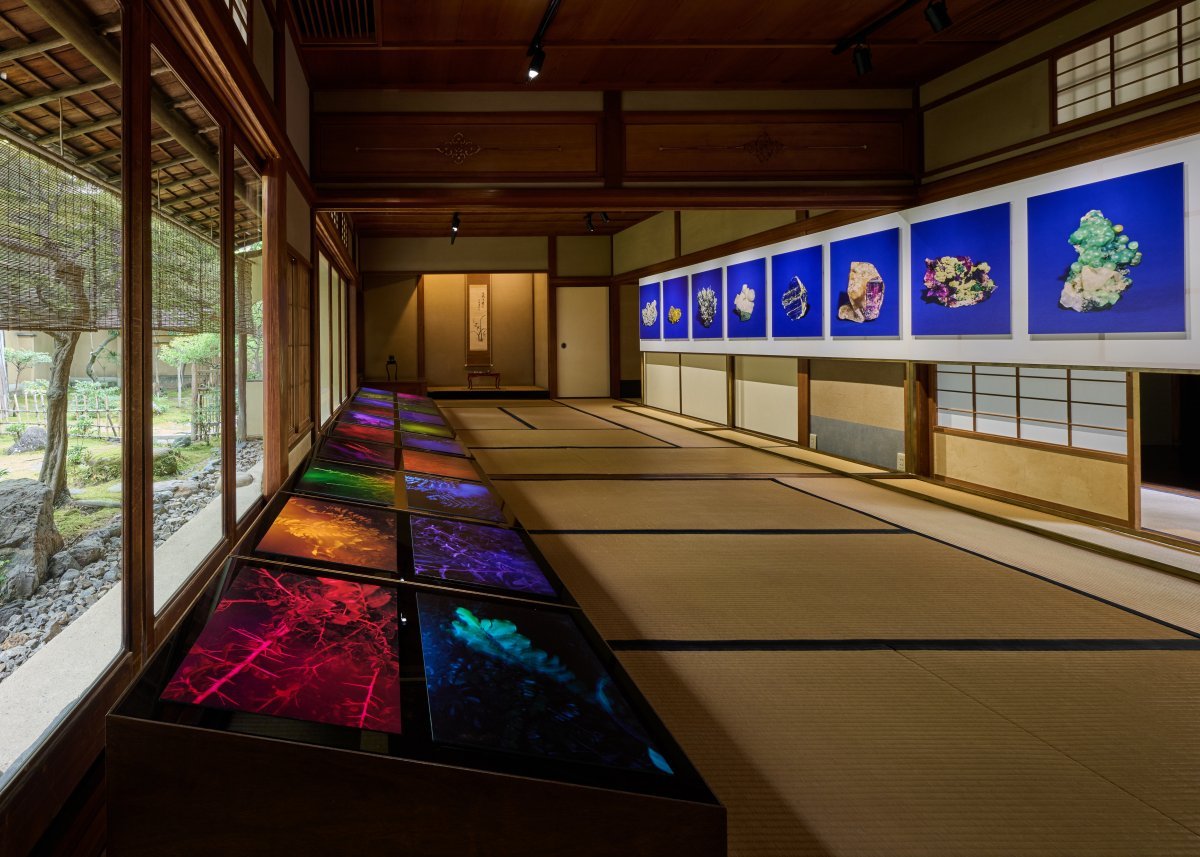
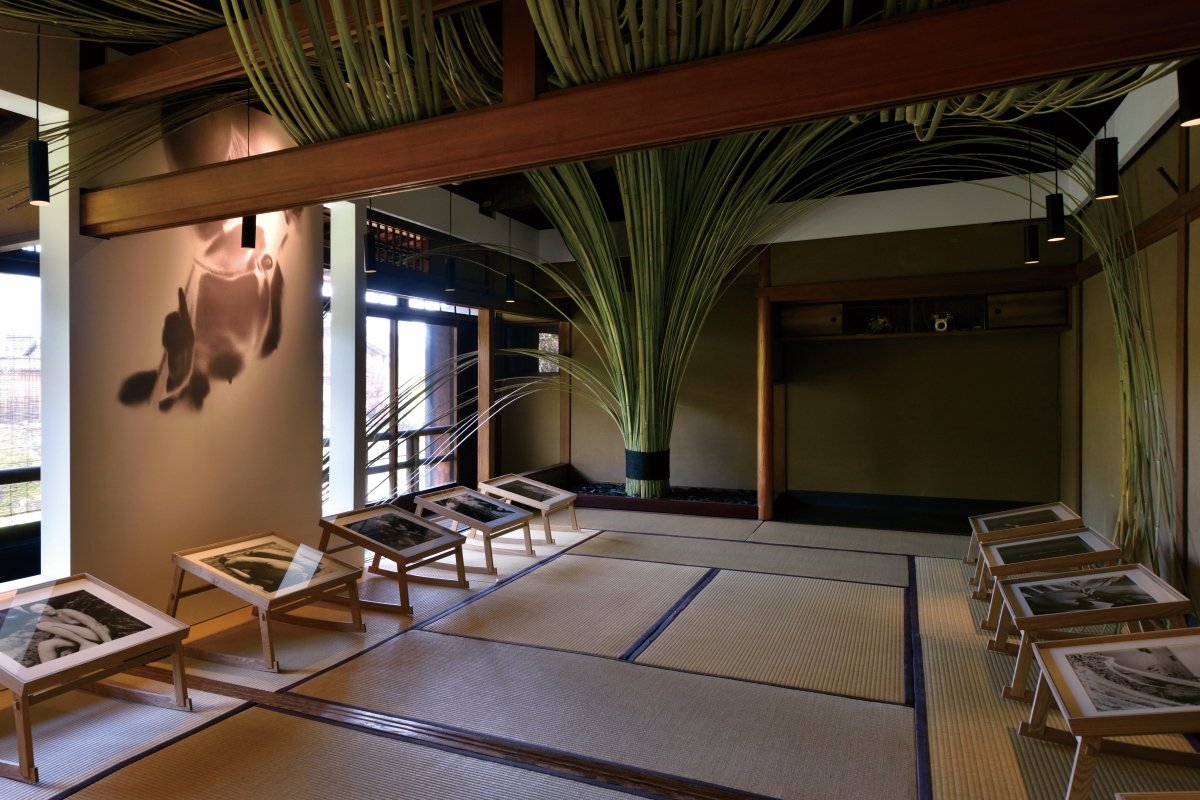
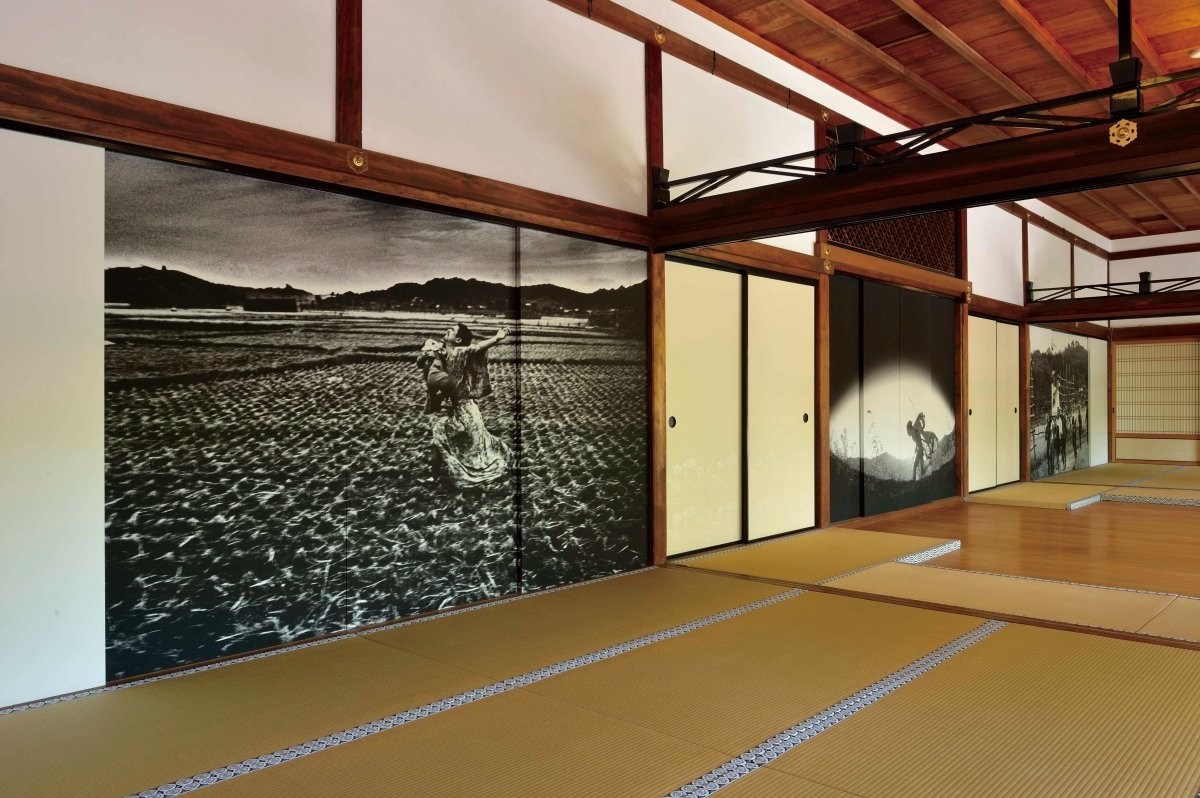
Emaho: Kyotographie stages its exhibitions inside temples, teahouses and historic buildings across Kyoto rather than in conventional white-cube galleries, making the city itself part of the curatorial statement. But it also means every exhibition negotiates with centuries of architectural history before a single photograph goes up. What has Kyoto’s own resistance as an exhibition space taught you that a purpose-built gallery never could, and has any venue ever fundamentally changed the meaning of the work you installed inside it?
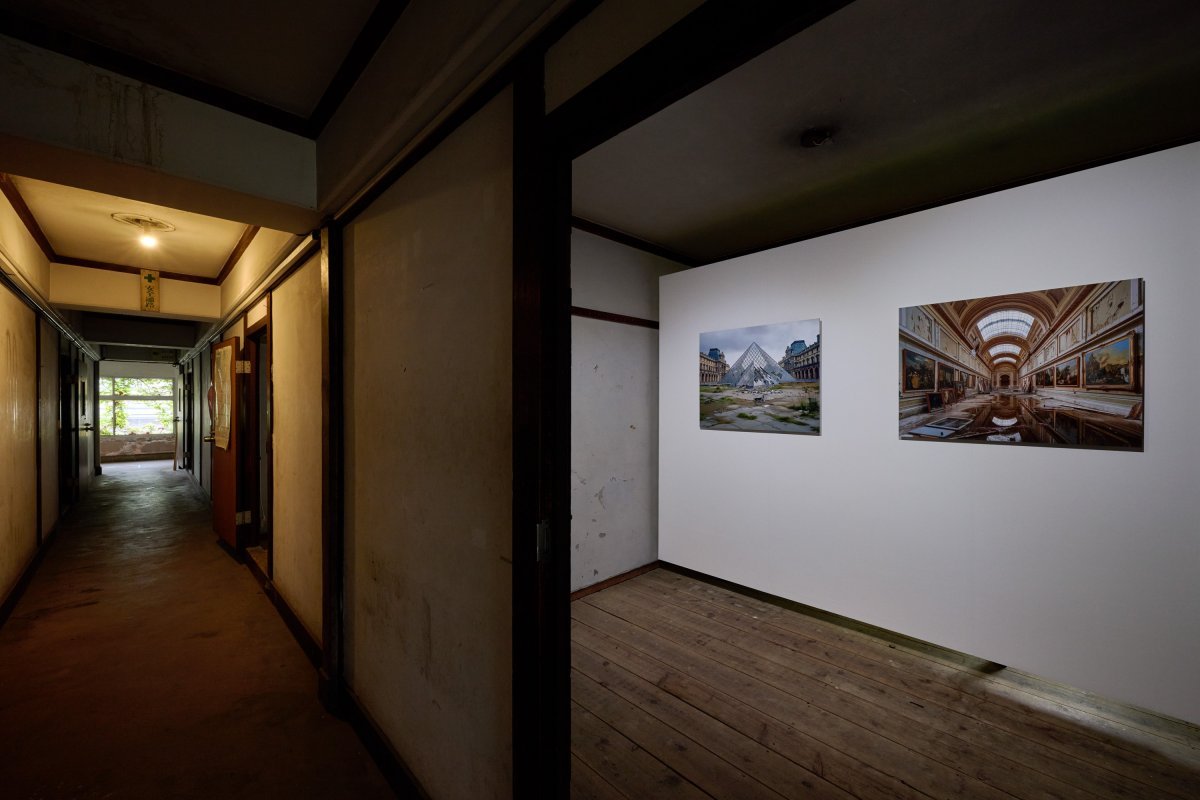
Lucille Reyboz and Yusuke Nakanishi: A venue doesn’t usually change the meaning of a work, but it can offer a new way of considering it, or enhance how people experience it. This year for example, we exhibited Yves Marchand & Romain Meffre’s images of ruins in an abandoned student dormitory and even had a custom soundscape made. The whole experience felt as though you were stepping inside of the artist’s work and into their world.
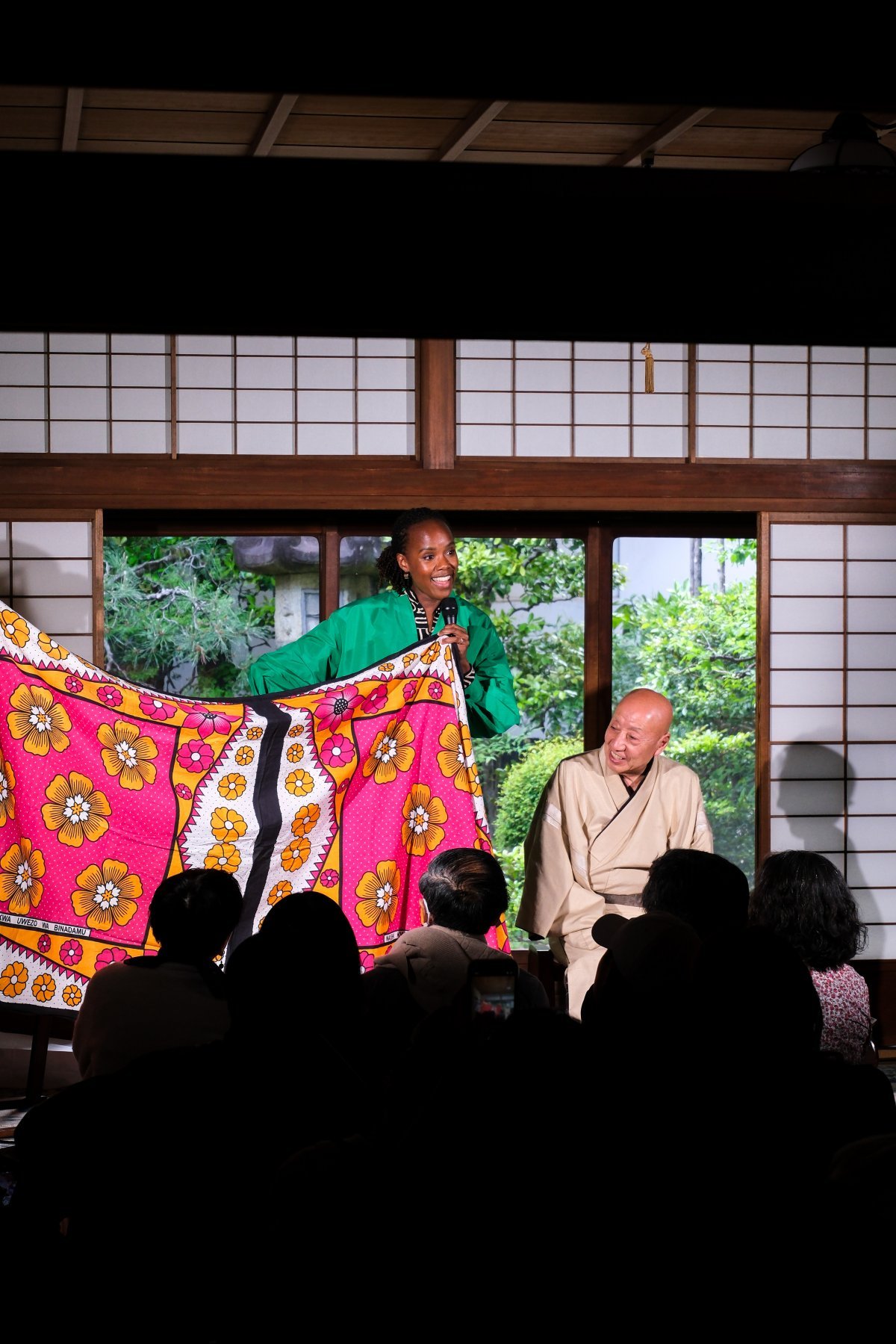
We also displayed our African artist in residence Thandiwe Muriu’s work at Kondaya Genbei, a historic textile maker of kimono and obi (kimono sashes). As part of her ongoing series on womanhood and research into the history of textiles, Muriu collaborated with Kondaya Genbei, using its traditional Japanese textiles to create a new dialogue with African wax fabric. It was a unique example of how an artist can respond to a place with a completely new visual language.
Emaho: In 2025 you published KYOTOGRAPHIE: A Kyoto Story – A Twelve-Year Cycle, marking the festival’s completion of a full twelve-year cycle of the Chinese zodiac. How does it feel now that you’re in the second cycle?
Lucille Reyboz and Yusuke Nakanishi: It felt significant to mark the first 12 years – not as a complete or isolated cycle, but as a way to acknowledge what we’ve achieved and how much we’ve grown. There are many exciting possibilities on the horizon for us as a festival: an increased international presence, a growing team, and a consistent flow of new ideas about how to engage the community, especially the next generation of photographers.
Next year is the festival’s 15th anniversary, which happens to coincide with the 200th anniversary of photography. We’re currently working on the programme, and there are many ambitious ideas being thrown around. It will be exciting to see which ones take shape and how they grow. We see the next 12 years as a continuation of everything we’ve built, but also an opportunity to dream bigger.
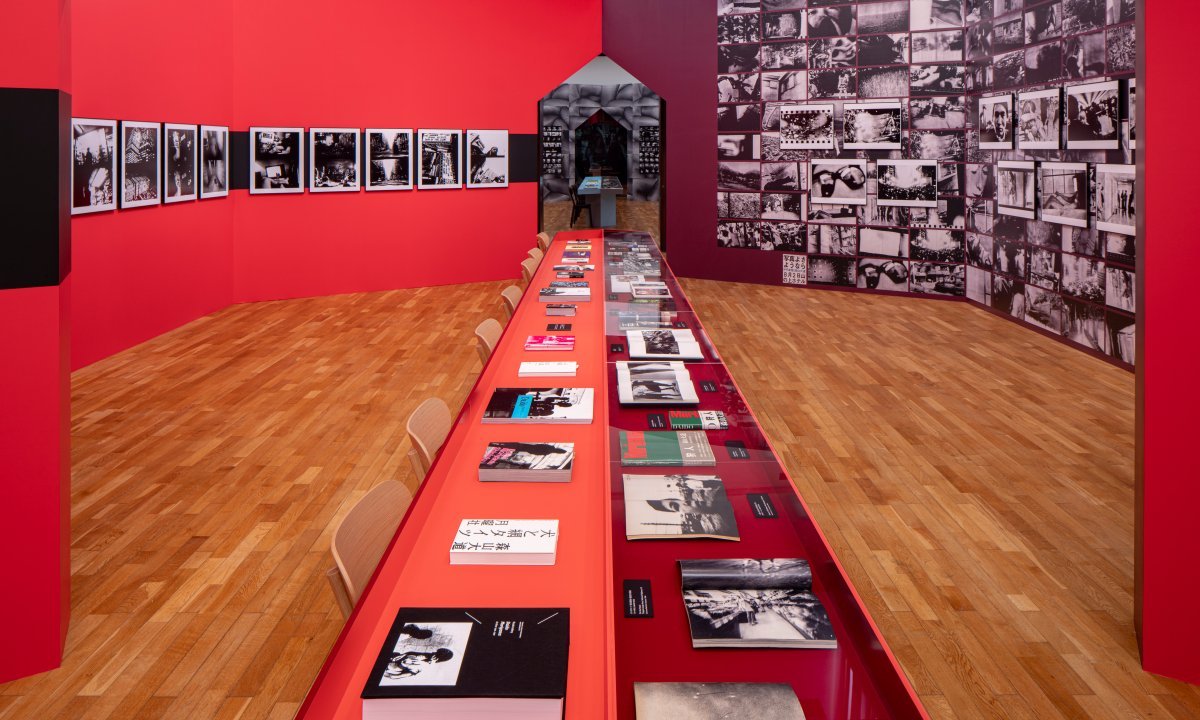
Emaho: Your 2026 theme EDGE addresses a photography world contending with new technologies and an overload of images. That’s a notably unresolved, almost anxious framing for a festival to choose for itself. Do you see AI-generated imagery and the sheer volume of images now in circulation as a genuine threat or as pressure that will ultimately sharpen what makes a photograph worth making?
Lucille Reyboz and Yusuke Nakanishi: Photography as a medium has experienced astounding technological developments in a very short time. From analog to digital, then with photoshop, and now AI. The medium has consistently faced new challenges, new changes. AI is another one of these changes. But what’s different now is that we’re also witnessing the possibility of losing control.
For example, we just came back from Visa pour l’Image. The annual festival for photojournalism is radical in it’s mission, defending the role of verified photojournalism against fake news and AI-generated imagery. There, we saw the dangers of AI in spreading misinformation, and we’re grateful that this kind of festival exists – it is a guardian of truth and integrity in image-making.
We see the value AI can bring to the photographic process when it is used to create interesting, unexpected works, but it’s important to remain aware of its dangers. It is eroding public trust, devaluing the physical human craft that we admire so deeply, and is disrupting the economic livelihoods of working photographers. With all of that in mind, we are keen to be part of the conversation, and to engage with photographers that are investigating both the good and the bad as the technology develops.
Emaho: You’ve described wanting to correct an imbalance: Japan produces extraordinary photographers, yet historically had few platforms built to properly value them internationally. Years into the festival’s run, where do you think Japanese photography now stands in the global conversation because of that work, and is there a particular photographer or body of work Kyotographie surfaced that you believe would have remained invisible internationally without the festival’s platform?
Lucille Reyboz and Yusuke Nakanishi: From the beginning, our instinct has been to open things up. We try to provide photographers with a platform, but also with the support and opportunities that can help them build connections internationally. It would be wrong to say these photographers were ‘invisible’, but we like to think we have contributed to a greater awareness of their work and helped bring it to new audiences.
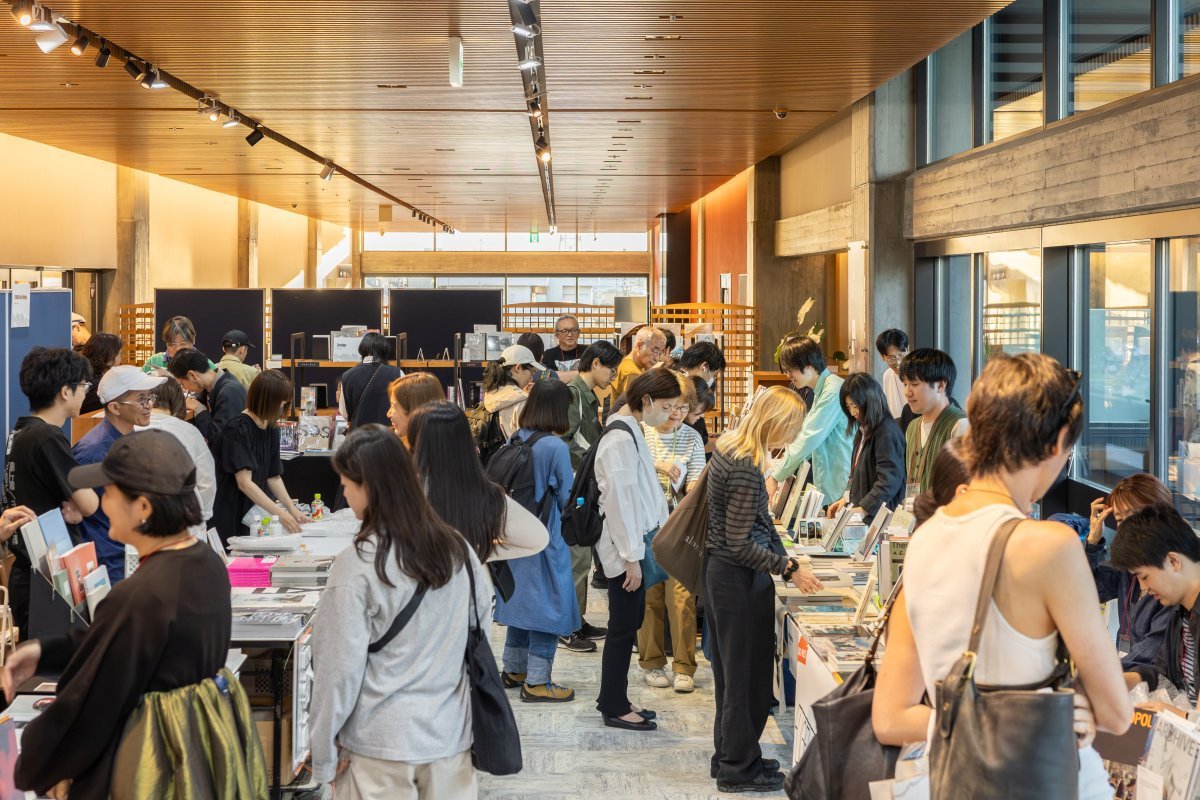
KG+SELECT is probably the best example of this. It’s an open call for early-career photographers that had over 400 submissions this year. Alongside that we also run portfolio reviews, which puts photographers directly in front of international curators, writers, and academics to discuss their work. Photographers have gone on to having their work published by magazines overseas, featured in festivals, and opened up numerous new opportunities like commissions, residencies, and awards for emerging artists.
The exchange isn’t just in one direction either. We want to bring the international community to Japan, putting them in the same rooms and conversations as Japanese artists, so it isn’t just Japanese work travelling outward, but photography moving both ways.
Emaho: Beyond photography, you’ve built DELTA as a permanent exhibition space and launched Kyotophonie as a companion music festival in 2023, extending what started as a spring photography event into something closer to a year-round cultural institution. What made a music festival feel like the necessary next expansion, and how do you decide what lives in the world of Kyotographie and what doesn’t?
Lucille: Music and photography have always been powerful forms of connection in our lives. Growing up, my family home was filled with the sounds of jazz, reggae, and records by musicians from Brazil and African countries. That shaped my passion for music, and photography too. In my early career I was a portrait photographer, shooting CD jackets for Blue Note Records and Verve. I shot several covers for Salif Keita, who was the reason I first came to Japan. He was invited to collaborate on Ryuichi Sakamoto’s opera LIFE (1999), and asked me to accompany him as a photographer.
Yusuke: For me, music has always been a companion. It connected me to places and cultures I had yet to experience but would later go on to travel and explore.
Lucille: We have always invited musicians to perform during KYOTOGRAPHIE’s opening ceremonies, but when the Covid-19 pandemic hit, all live events shifted online and left a noticeable absence. It was clear we needed a space where people could reconnect, and music felt like the universal form of expression to do so. After ten years of KYOTOGRAPHIE, music felt like a natural step.
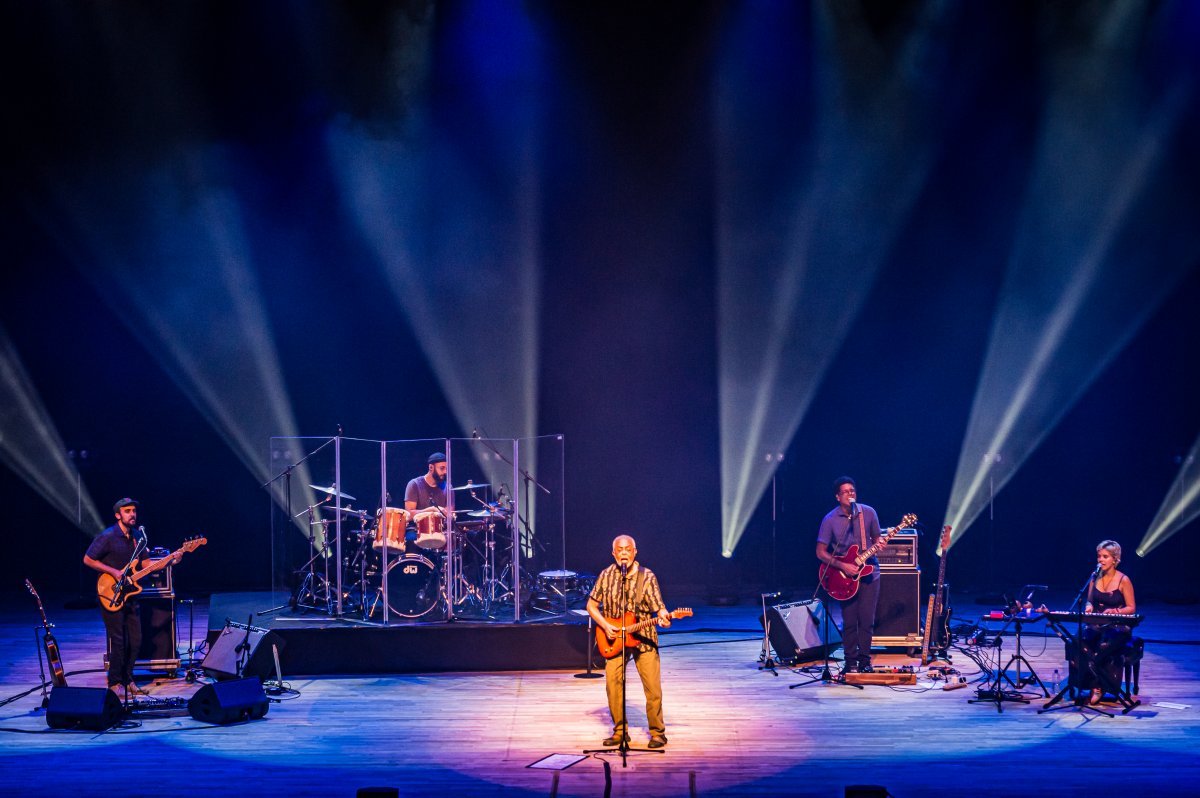
KYOTOPHONIE launched in spring 2023 and since then we’ve welcomed some incredible artists to perform in unique spaces across Kyoto: Salif Keita, Patti Smith, Gilberto Gil, Chico Cesar, Ichiko Aoba to name a few. We have exciting plans for KYOTOPHONIE 2027, which will be announced early next year.
Emaho: You’ve spoken about growing up in eras with more surprise and less overload of information, and about wanting art to help people imagine a better world. What does the festival still need to become that it hasn’t yet, and is there an ambition for Kyotographie’s future that hasn’t been achieved yet?
Lucille Reyboz and Yusuke Nakanishi: There’s still so much to do. Looking locally, there are many more ideas we want to bring to the festival, so many issues we still want to raise with audiences here in Kyoto and across Japan.
And then there’s the outward direction. We started KYOTOGRAPHIE by bringing international photography to Japan. Now we’re trying to do the reverse. We’ve recently had the chance to do this in Arles, in London, and in São Paulo, and each of those experiences has shown us how much appetite there is internationally for Japanese photography.
We’d love to build on that with more international collaborations. Those partnerships feel like a real model for building long-term relationships that can help create bridges between Japan and the rest of the world. We want to encourage interactions, conversations, and a global way of thinking – now, more than ever. Looking ahead, we’re committed to taking on challenges that the festival is yet to explore, to keep surprising the audience, and to offer new experiences to engage with photography and its endless evolution.