Emaho: Can you tell us about some of your most significant photography projects and the inspirations or experiences that sparked them?
JCC: Up until now, I don’t usually begin to photograph with a specific project in mind; those structures tend to appear later. I came to photography almost by accident. For years I worked with images through film: I was a cinematographer and also directed commercials. At some point I felt the urge to pursue something more personal, perhaps more intimate, and I bought a camera that also shot video, thinking I would film on my own. Photography wasn’t really part of the plan.
But one day I went for a walk in New York, where I was living at the time, and I started shooting – not video, but photographs. That unexpected shift opened up a new way of seeing and of understanding myself in the world. That’s where it all began.
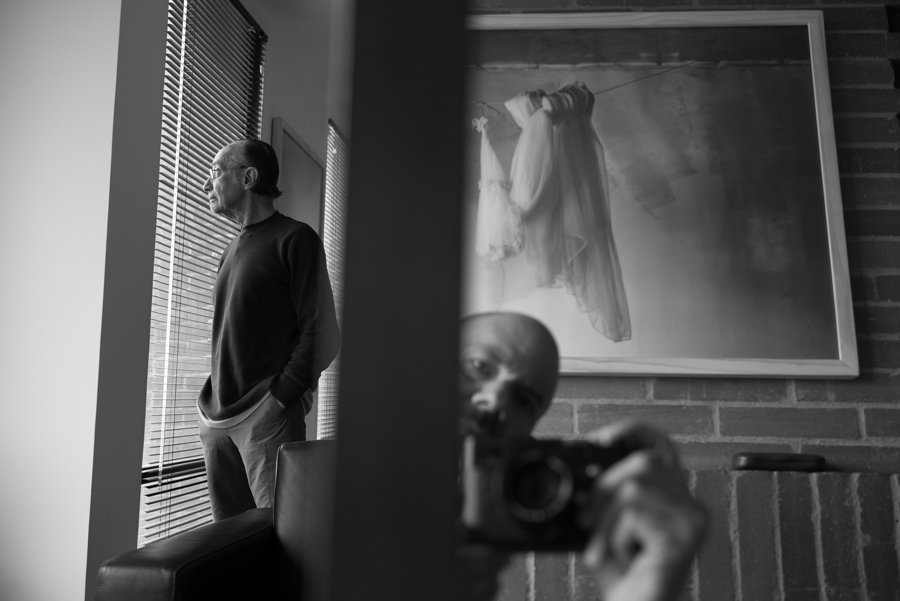
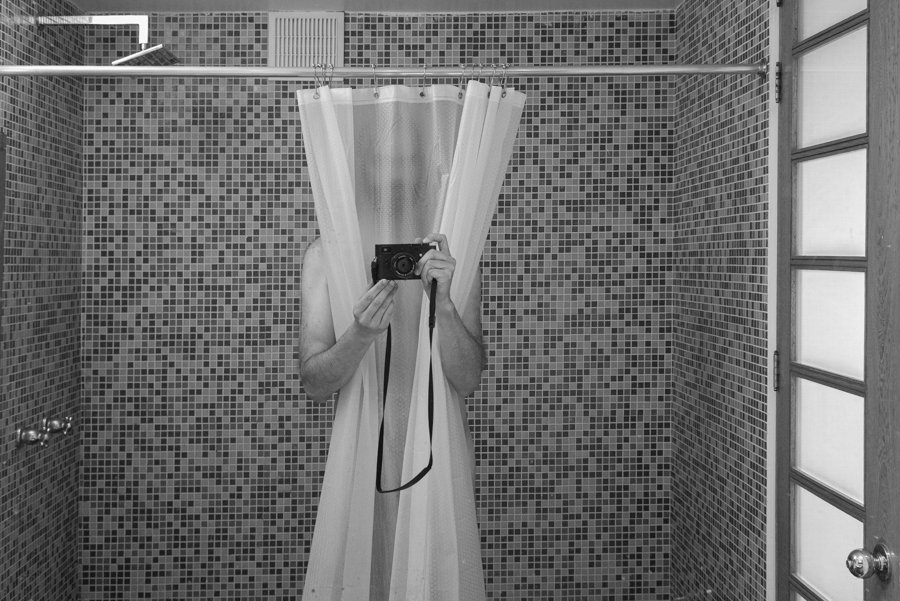
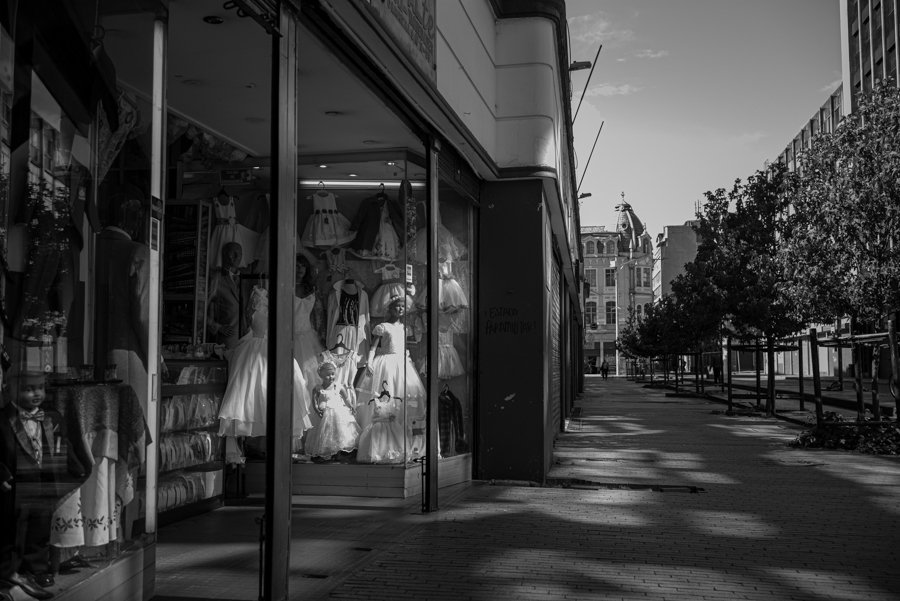
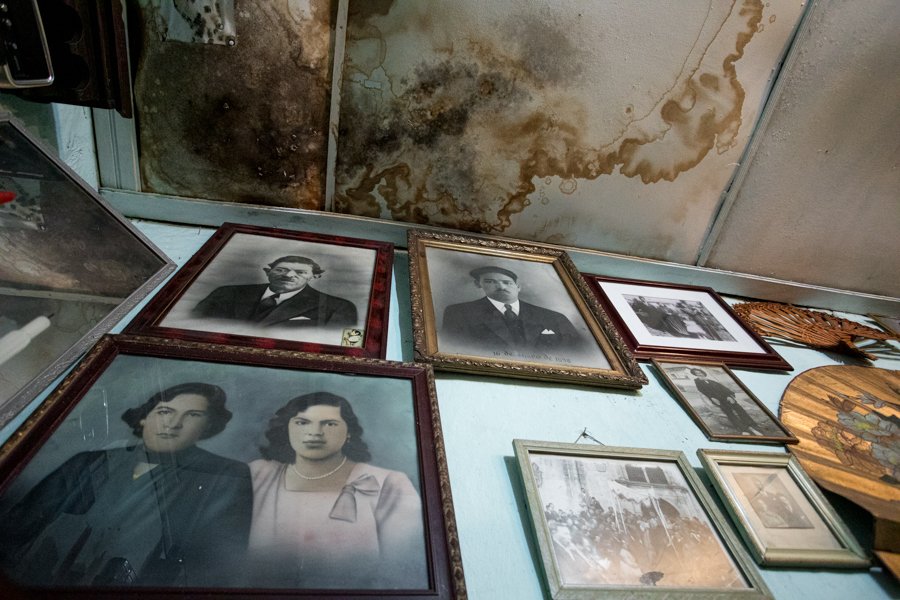
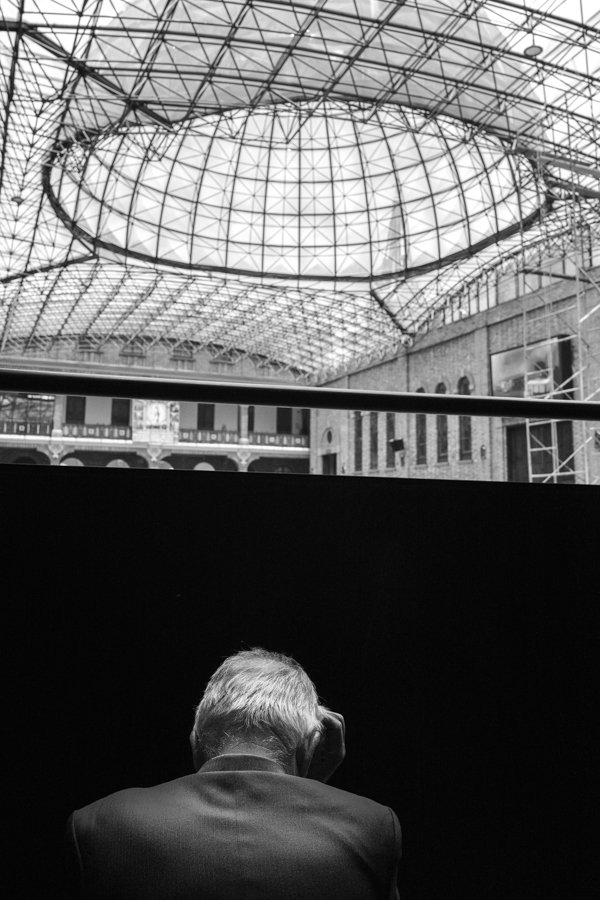
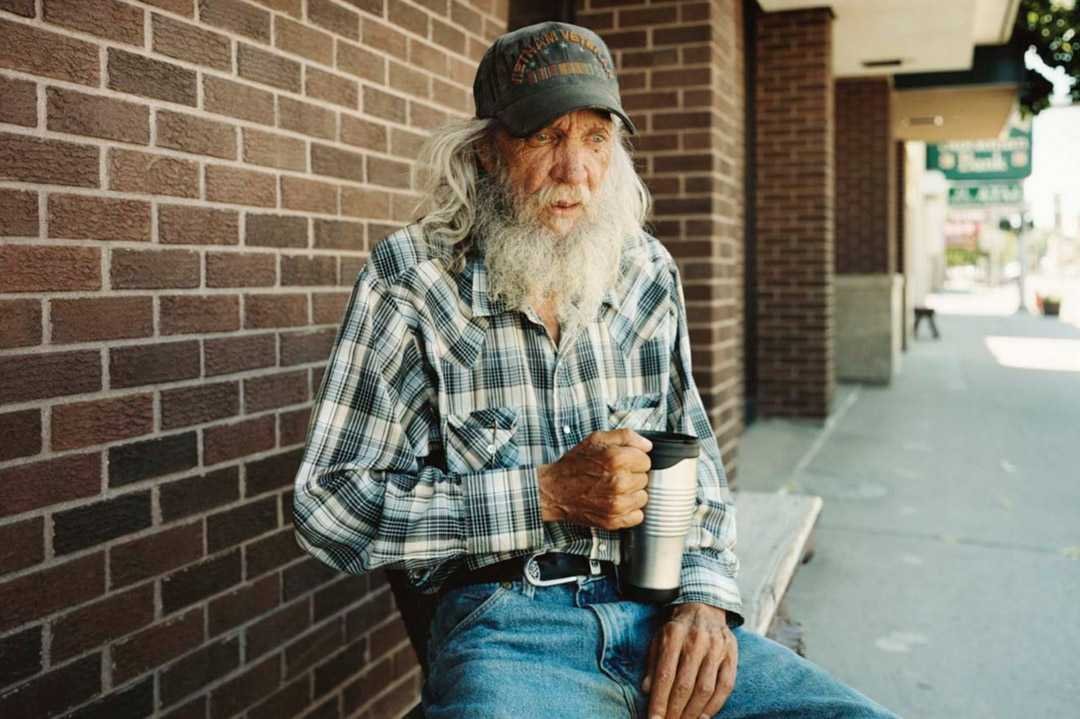
My projects take shape much the same way: after long stretches of photographing without a clear map, guided only by curiosity toward certain places, cities, or anonymous faces. From that wandering came several bodies of work I hold close, like the series I made along Bogotá’s Carrera Séptima, which later became my book La luz opaca, or the ongoing project about Catholic faith in Colombia, El que reza y peca empaca. And there is also the series I created during the pandemic, without leaving my apartment, alongside my father—self-portraits, still life, and quiet reflections on those suspended days. It’s a kind of work I haven’t returned to since. In the end, I think of my practice less as planning projects and more as continuously collecting and excavating images—photographs that, with time, begin to gather around certain themes and eventually define themselves as projects.
Emaho: Among your body of work, which photographs or series feel the most personally meaningful, and why?
JCC: Among all my work, there is one series that remains especially meaningful because it essentially marked my beginning as a street photographer. It became my first major project: the one I made in the historical center of Bogotá, initially titled La Carrera Séptima and later published as my first photobook, La luz opaca. That project not only defined me as a photographer, but also taught me a way of working and of connecting with the world through the camera.
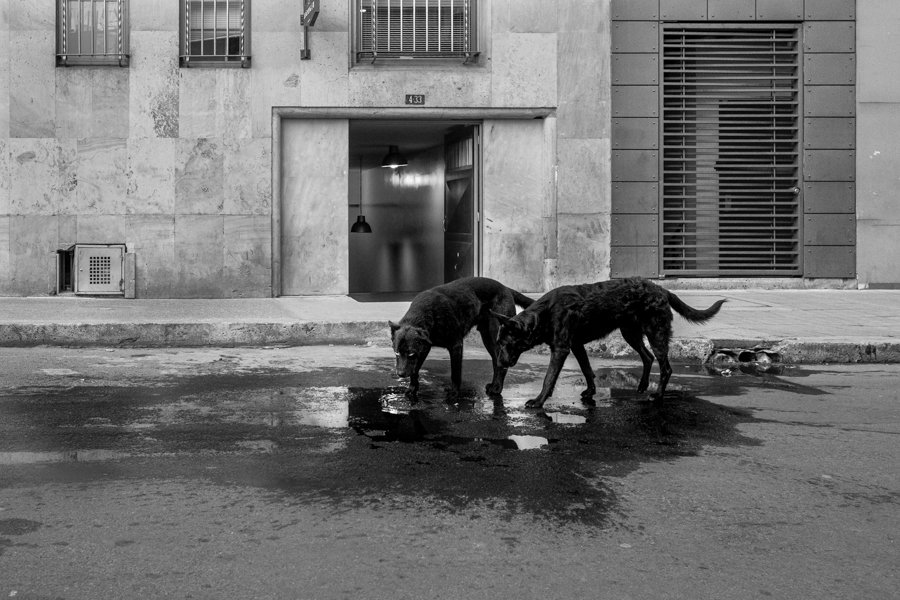
Within that series, there are a couple of images that have continued to resonate strongly with viewers and that seem to return again and again for their power or their mystery: one is the photograph of two stray dogs, and the other is of a young girl who appears to be either playing with – or playfully challenging – a security guard. I titled that image Homenaje – a HCB, a nod to Henri Cartier-Bresson because of the grace of the moment and the almost choreographed energy it contains.
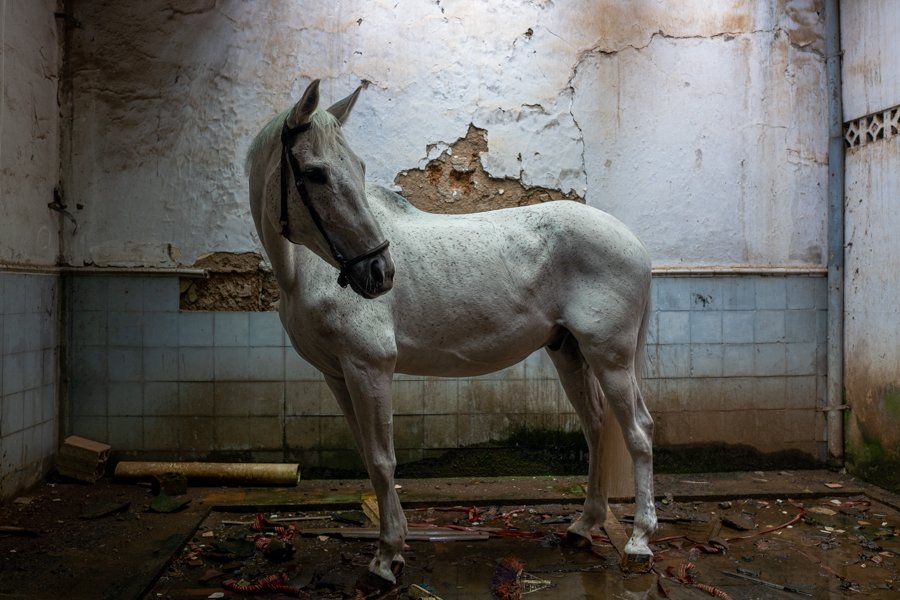
In my new photobook Inventarios, which emerged from a thorough revision of my archives since the moment I began photographing, there is also an image that has become a recent favorite. It shows a woman pushing a dresser while, behind her, we see a white horse. I’m drawn to that photograph because it holds something almost operatic; the central figure feels like she could have walked out of a Fellini film. It’s one of those unrepeatable images in which everything aligned in a single instant – something that is nearly impossible to stage or encounter again. There is magic and coincidence in that picture, and its strangeness, I think, says a lot about how I observe the world.
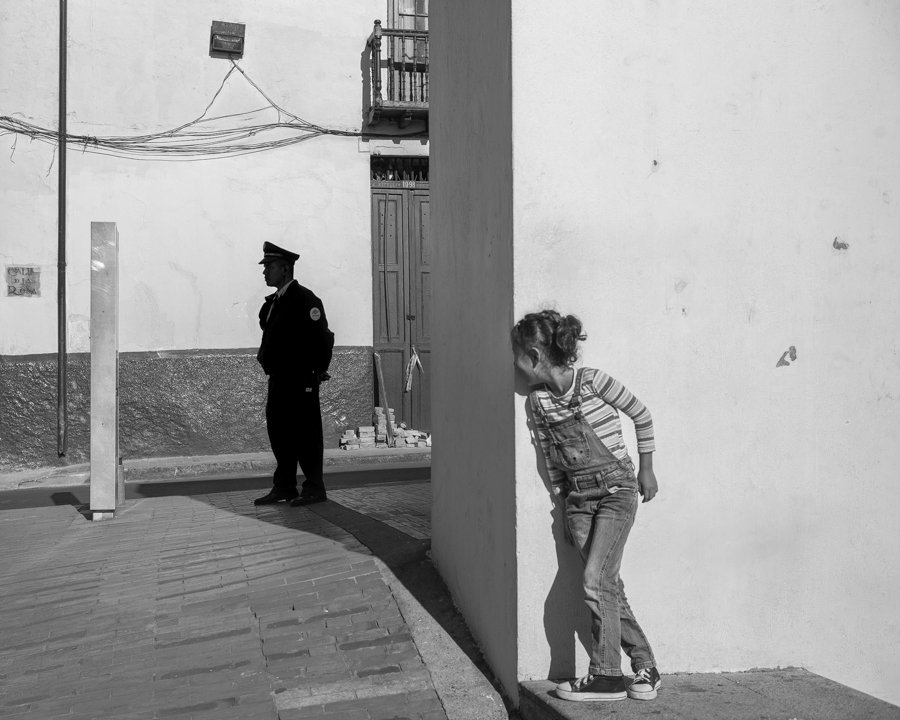 Photo by @juancristobalcobo / I had just visited a major exhibition by Henri Cartier-Bresson at a Museum in Bogotá, Colombia when I saw this scene unfolding and was able to shoot just two frames with my camera. The result I thought was very much in the spirit of “The Decisive Moment” , coined by Bresson.
Emaho: You come from a strong background in filmmaking. How has this cinematic experience shaped the way you compose, observe, and create still photographs?
JCC: This is an interesting subject. In the beginning, I resisted the idea that my photographs looked or felt “cinematic,” even though people kept telling me so. When I stepped away from filmmaking – after so many years of immersion and passion – I wanted distance. I wanted my photographs to be something different, to be read in another way, not like a shot or a sequence in cinema.
Over time, I realized that resistance was pointless. I will always carry the craft of a cinematographer and the sensibility of a cinephile, and they inevitably seep into everything I do, especially when I’m working with images. In the end, what I’ve always wanted is to tell stories or to provoke emotion and reflection through images, whether they move or remain still.
Emaho: What is your personal philosophy on the role of photography in contemporary society – especially in a world where images are produced and consumed at unprecedented speed?
JCC: I believe photography remains relevant, and not from a single place. Photojournalism, for instance, continues to inform us about the world, and it should always be practiced with responsibility and ethics, offering perspectives that are as genuine and trustworthy as possible – recognizing that every photograph is, inevitably, a personal interpretation of reality.
On the other hand, I want to believe that photography as an artistic tool also holds a crucial role today. As a visual medium, it doesn’t just communicate the concrete facts of the world; it also helps construct identities, question reality, and offer personal forms of companionship. Without photographs, we would have no memory. And in this era of disposable images, I feel there is a heightened responsibility toward archiving, preserving, and even returning to materiality as a form of grounding and resistance.
Emaho: When developing a new series, how do themes emerge for you? Do they emerge organically, or do you follow a specific research or emotional process?
JCC: I believe that making photographs always begins with an emotional process, though in my case it wasn’t something I understood right away; it has revealed itself gradually over time, and continues to reveal itself every day. I like to think of it as watching an image develop in the darkroom: it slowly emerges, always offering details we hadn’t anticipated.
That said, I also believe preparation is essential. And preparation can be academic and precise, but it can also come from the insistence on contemplating something, on letting yourself be moved by it, or from the need to return again and again to certain places or people who will eventually become the protagonists of a story. For me, themes arise from that blend of emotional intuition and a curiosity that persists.
Emaho: Your images from Bogota often capture intimate, unguarded moments. How do you approach connecting with your subjects and earning their trust, whether in staged or spontaneous settings?
JCC: I try not to engage with my subjects before taking a photograph. When I do, the outcome is usually different; something about the spontaneity shifts. That said, I often talk to people after I’ve taken the picture, and when I’m working in the same place repeatedly, I like to bring prints and offer them to the subjects I’ve photographed. It’s always one of the most rewarding parts of the process.
I deeply value spontaneity – the sense of a moment simply unfolding. And I believe it can be achieved in two opposite yet equally meaningful ways: by having no prior contact with the subject, or by staying with them for a very long time, long enough for the camera to stop feeling intrusive and for everything to settle into its own rhythm.
Emaho: Photobooks have become a cornerstone for many photographers. What draws you to this medium, and how do books complement or deepen your artistic practice?
JCC: I believe the photobook is one of the most compelling spaces in which to give photographic work a home. It’s an inexhaustible territory that transforms images into an intimate, concrete, material object – something that can be revisited again and again to uncover new narratives or meanings.Within a photobook, editing, sequencing, design, and the physical presence of the object go far beyond simply presenting photographs: they can weave a thread of ideas that often emerges from the subconscious and, at best, continues to evolve with each reading.
Collecting photobooks has also become essential for me. Staying in constant contact with other authors through their books allows me to engage in a dialogue with other worlds and enrich my own. That quiet, ongoing conversation is a vital part of my practice.
Emaho: With the rise of digital platforms, AI tools, and new media, how do you envision the future of photography evolving? Are these changes exciting, challenging, or both?
JCC: I think it would be presumptuous of me to predict the future of photography at a time when everything is evolving so quickly. In the realm of photojournalism, we will certainly need to be more cautious when receiving images as reliable information, because new technologies will make it increasingly easy to fabricate convincing scenes – and there will always be those who try to manipulate or deceive through constructed imagery.That said, I’m also more and more convinced that these tools open up exciting possibilities: not only for exploring new visual languages, but also for reviving more tangible, presence-filled practices—ideally ones that draw photography closer to an artistic territory.
Materiality, in particular, may gain renewed importance. The way we exhibit, share, and circulate photographic work could change profoundly, and it’s within these material forms that I see a meaningful place for photobooks, among other formats that restore weight, texture, and permanence to images.
Emaho: Is there a current project or idea you’re working on that particularly excites you? Are you exploring new themes, places, or even new mediums in your upcoming work?
JCC: I have to say that I’ve been making less street photography lately. I’ve lost some interest in photographing people in public spaces because I feel I fall too easily into clichés that no longer excite me. I’m not drawn to humorous street moments, bizarre or embarrassing situations, or those images where someone looks like they’re about to have an accident. That kind of photography interests me less and less.
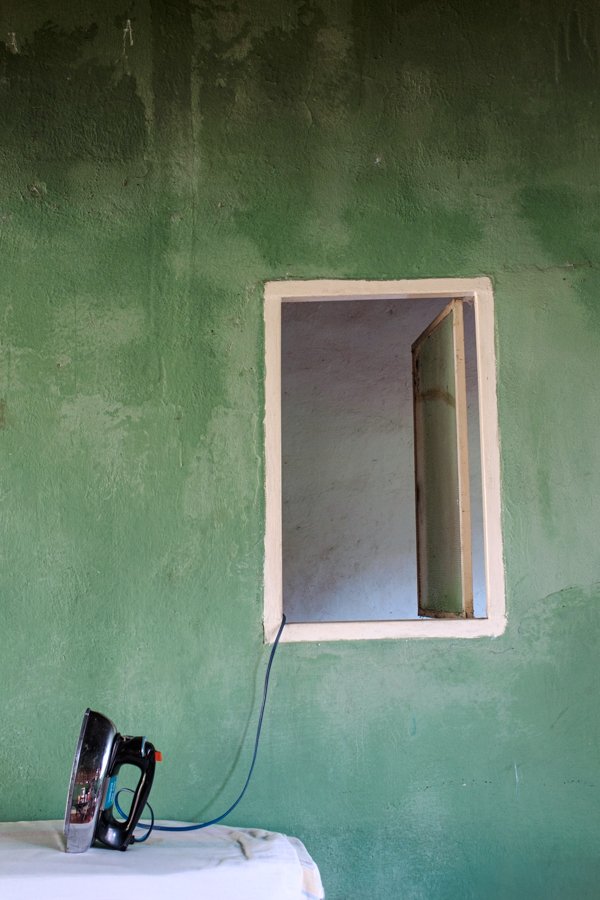
Right now, I’m more attracted to spaces – to the traces people leave in the city without needing to appear in the frame. This doesn’t mean I won’t photograph the street or its inhabitants again, but it’s not where my strongest connection lies at the moment.
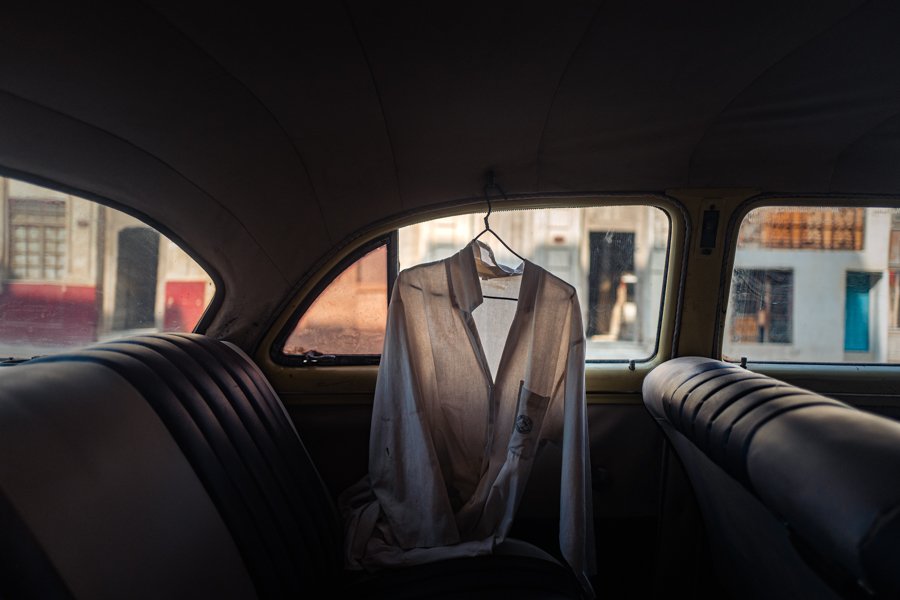
I’m also interested in exploring more abstract work, possibly studio-based, with objects and still lifes. And I’m questioning formats as well: I’ve grown a bit tired of the hyper-defined, ultra-sharp images produced by modern cameras, as well as the color and contrast trends that feel almost obligatory across many media outlets today.
In response, I’ve been experimenting with low-resolution cameras, analog processes, medium format, and panoramic cameras. I’m not sure where all this will lead, but I feel that rowing against perfection—and against the polished aesthetic of artificial intelligence – is what keeps my curiosity alive.
Emaho: When you look ahead, what artistic questions or visual stories feel most urgent for you to explore in the next chapter of your practice?
JCC: Ultimately, the questions that guide me now have to do with how to keep looking at the world without falling into my own routines, how to dismantle the formulas that once worked in order to make room for a more attentive, more vulnerable gaze. I’m interested in discovering new ways of translating the everyday, in finding poetry in seemingly insignificant moments, and in allowing photography to surprise me again.
At the same time, I feel the need to sustain a practice that resists – even if only slightly – the immediacy and polished aesthetics that dominate our current relationship with images. I want my work to breathe more slowly, to invite a pause, a moment of observation. Perhaps what feels urgent now is precisely that: reclaiming time, uncertainty, fragility, and ambiguity as spaces where an image can regain its meaning.