Emaho: You founded Blaasmo Art Advisory after more than a decade working across London, Shanghai, New York, and Oslo, four cities with fundamentally different collector cultures and market logics. What did moving between those specific art capitals teach you about advising a client that you couldn’t have learned by staying based in just one of them, and is there a habit from one of those cities that still shapes how you work today?
Truls Blaasmo: Moving between London, Shanghai, New York, and Oslo taught me that the art market isn’t one market, it’s several, each with its own structure, logic, and cultural grammar. Living inside each ecosystem, rather than just visiting, is what let me absorb the fundamentals of art and culture as they’re actually practiced locally. Each city speaks its own cultural language, and learning to speak all of them is what lets me advise a client anywhere grounds me, rather than a borrowed framework.Of the four, London shaped me most. Fifteen years there built both my network and my whole approach to the art ecosystem. Without question, it’s the city that shaped my career.
Emaho: You trained on a short course in independent curating at Central Saint Martins, a formal design education that sits somewhat apart from how most art advisors enter the field. What did that specific training give you that experience alone in the market wouldn’t have, and is there a piece of curatorial theory from that period you still consciously apply when you’re building an exhibition today?
Truls Blaasmo: The design training gave me something experience in the market alone couldn’t: a way of understanding process, the actual “making of” an artwork, in direct conversation with artists, gallerists, and collectors. Form and function are present in everything I do. That’s why my curatorial work is so often in dialogue with space and collectible design, and more often than not with architectural features. I believe every project I build starts from the given context of the space itself, not from the artwork in isolation. Over time, that approach has developed into an aesthetic vision I can genuinely call my own.
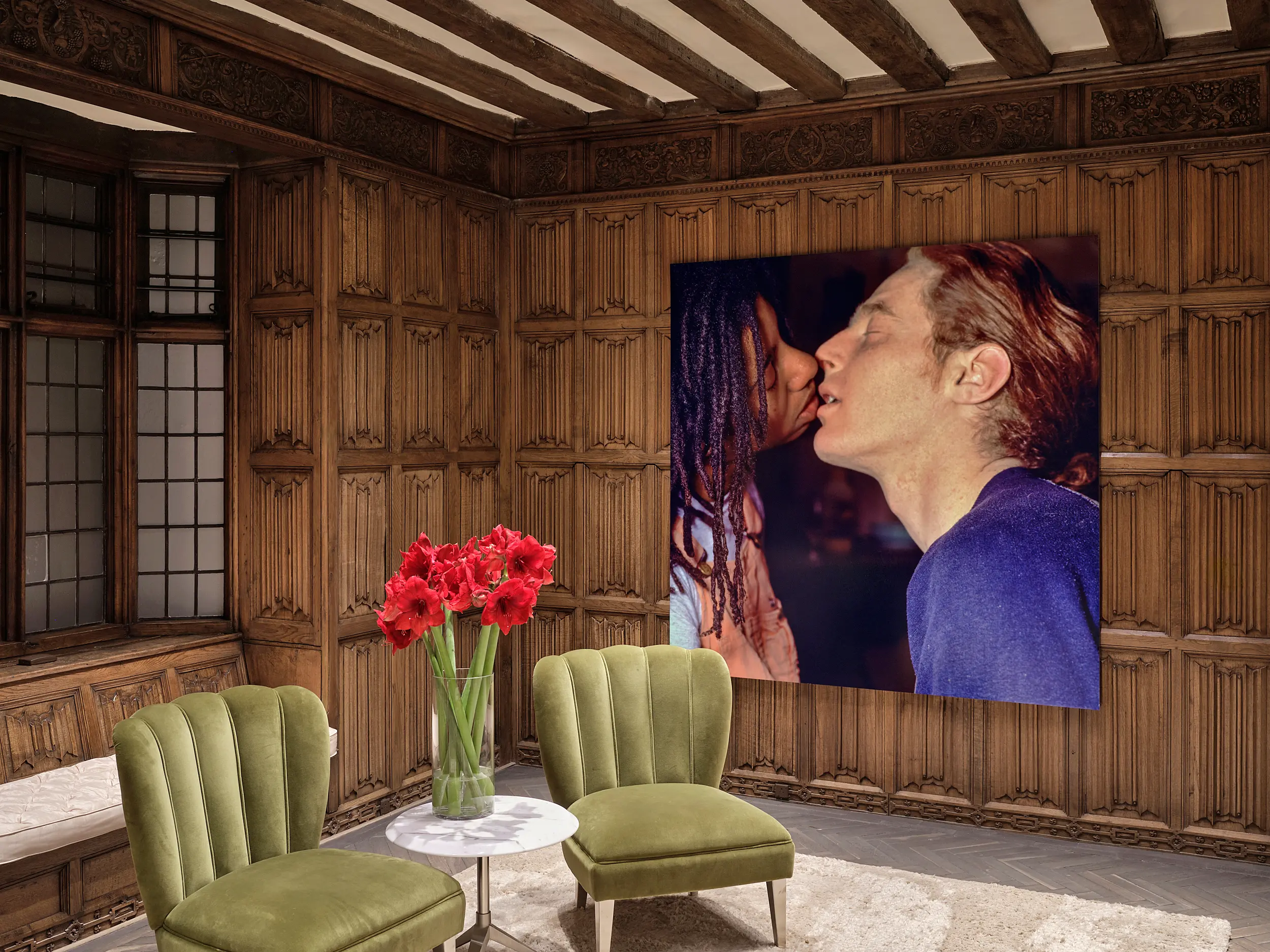
Emaho: You’ve described one of the most role-defining projects of your career as a client’s basement full of untouched artworks, both international and Norwegian, works on paper and oil canvases, that hadn’t been seen since the 1960s. Walking into a discovery like that means making rapid decisions about value, condition, and significance with no advance preparation. What was the first thing you did once you realized what you’d actually found down there?
Truls Blaasmo: This discovery still stands as one of the personal highlights of my career. Once I understood what I’d actually found, we set up a conservation lab over the course of that summer, and I brought in a team of international experts to help catalogue the works. Everything, luckily, had been preserved in good condition.
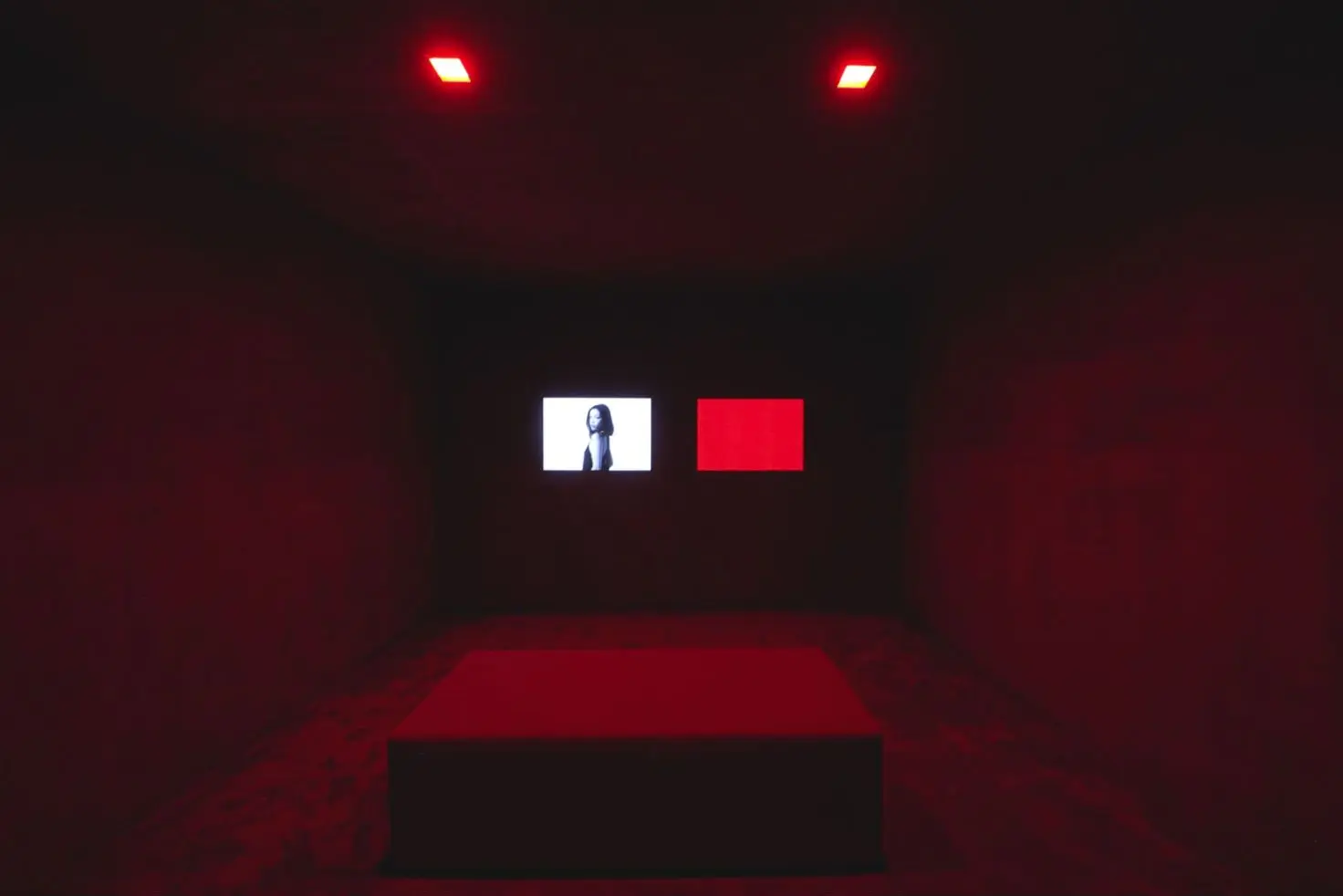
Emaho: You curated the exhibition space at Fotografiska Shanghai, working alongside OMA on the spatial design, pairing your curatorial eye with one of the most influential architecture practices in the world. When a curator and an architecture firm as conceptually rigorous as OMA are shaping the same space together, whose vision actually leads, the photography being shown or the architecture holding it?
Truls Blaasmo: A successful project, whether with OMA or any other architecture office, comes down to finding balance, respecting each other’s vision and way of working. Naturally, you have to be willing to compromise on your own ideas. I’ve had the pleasure of working with architectural creatives I truly admire and trust, and that’s always what I fall back on.
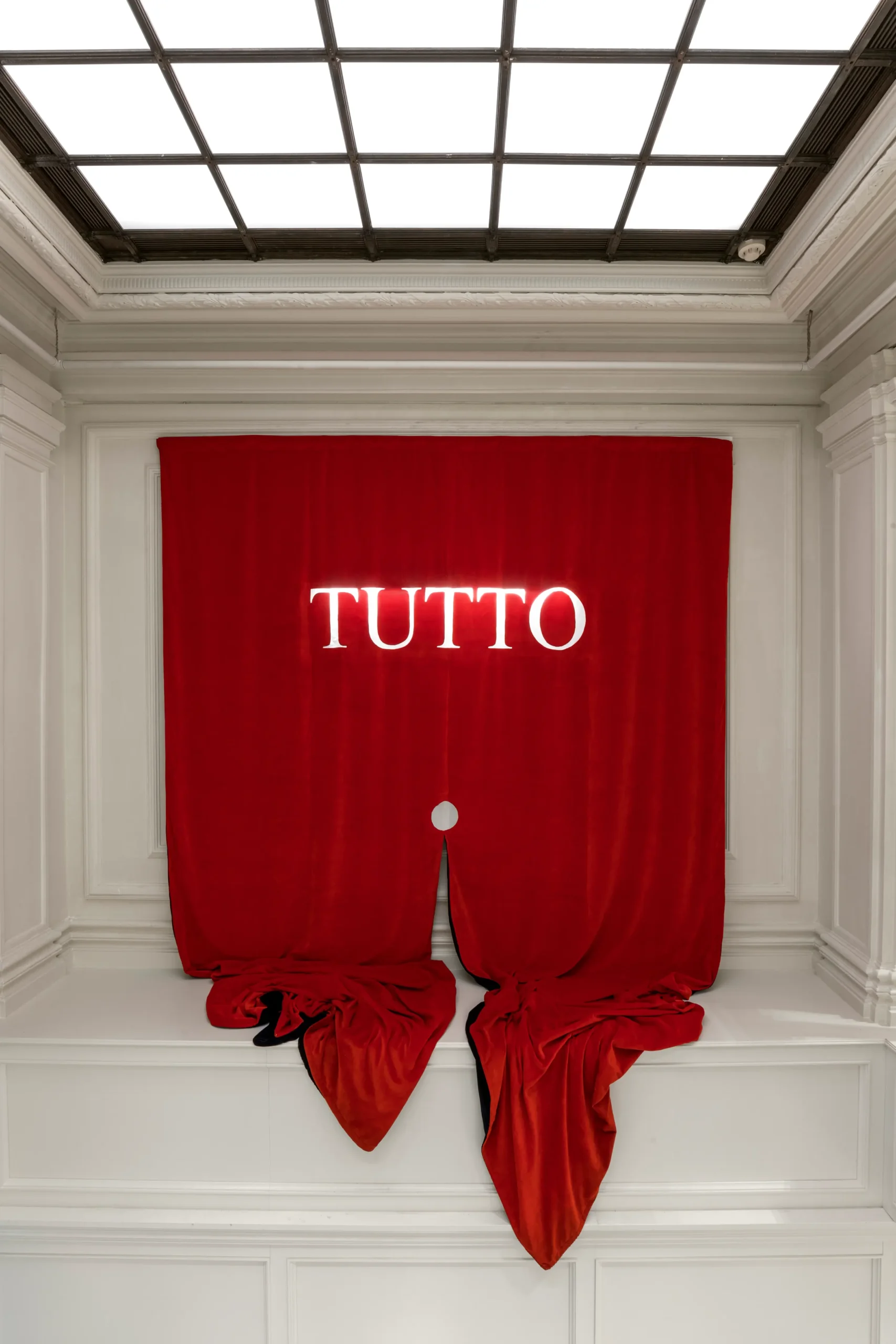
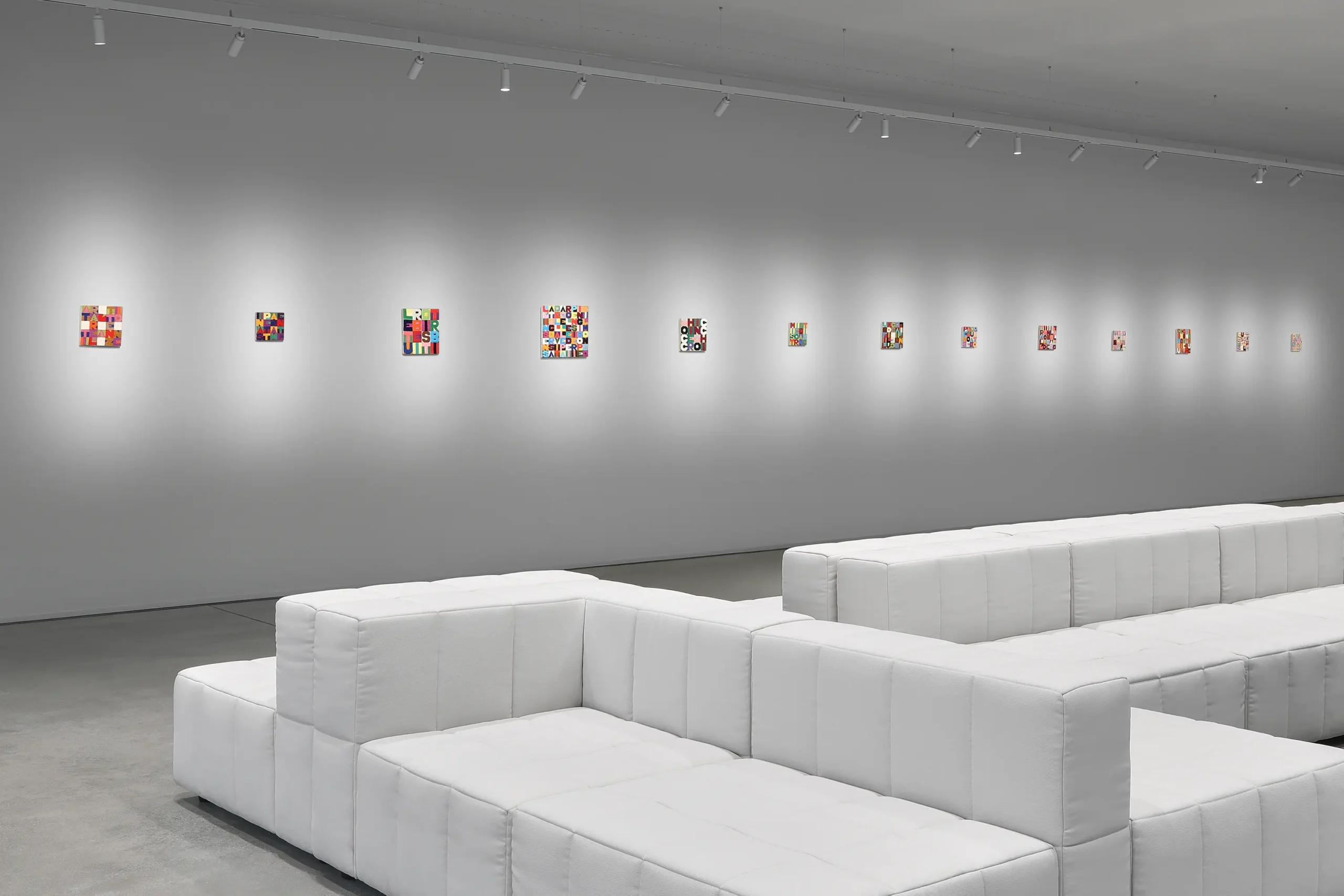
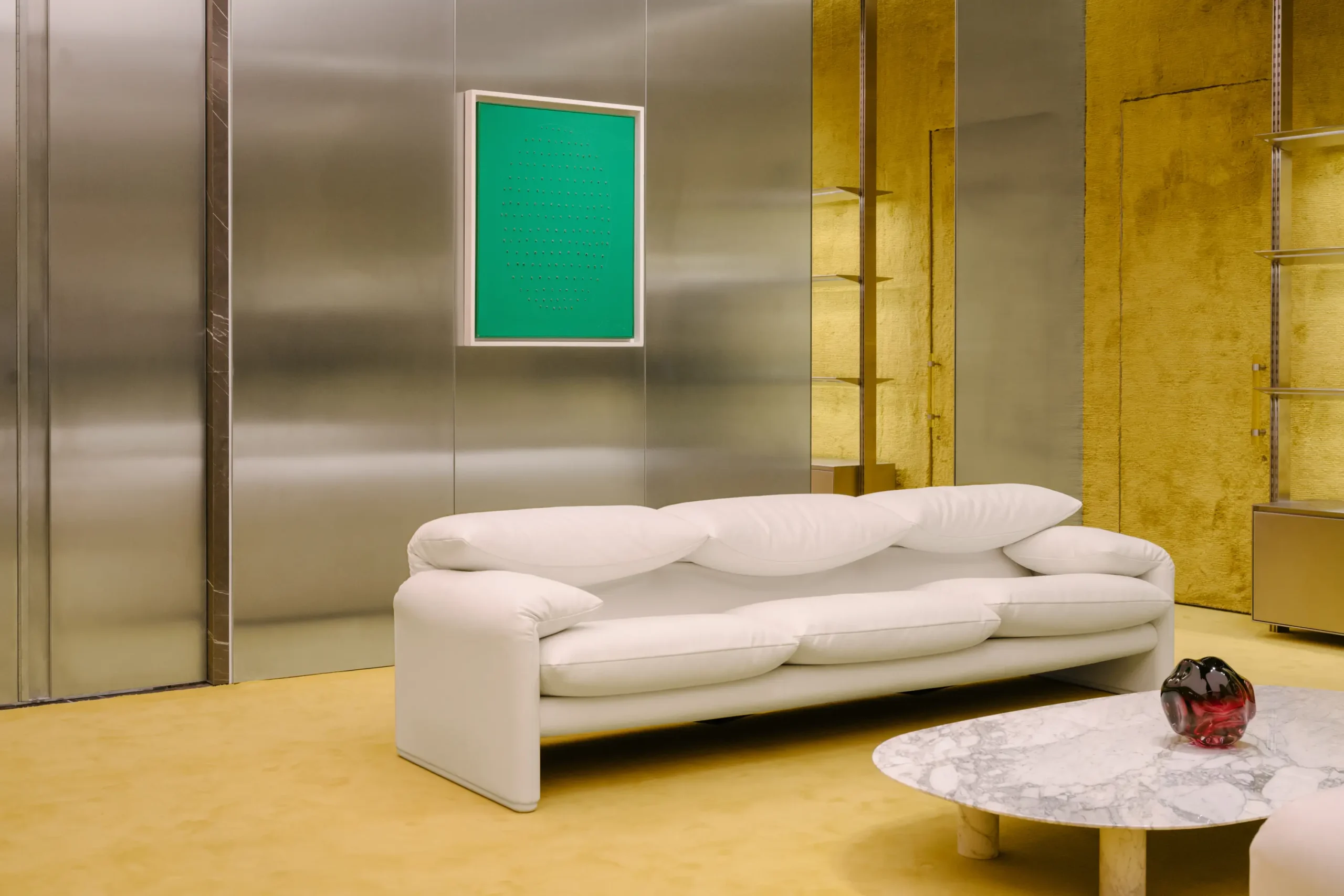
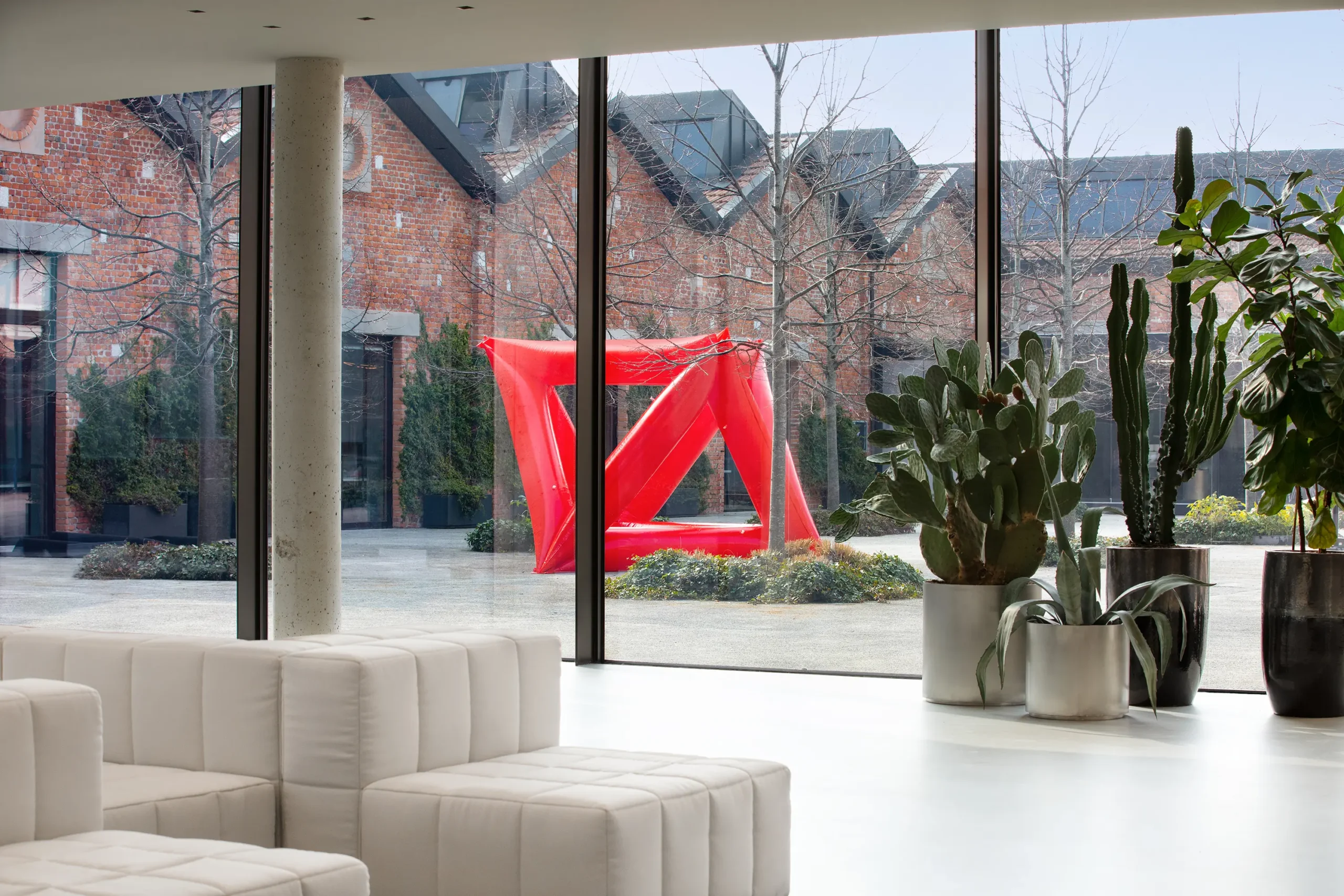
Emaho: Your work with Gucci has included the Gucci Hub Mecenate installation of Franco Mazzucchelli’s work in Milan, placing you inside a luxury brand’s cultural programming rather than a traditional gallery or museum context. You’ve said brand partnerships can create access and reach that institutional programming simply can’t, but only when the cultural ambition behind them is genuine. How do you personally tell, before you agree to a project, whether a brand’s cultural ambition is real or just aesthetic borrowing?
Truls Blaasmo: It usually starts with a dialogue with the brand’s creative director. I spend time understanding their vision and direction, and from there I draw the lines between the fashion house’s past and future in conversation with the art world. My core job is to avoid creating just aesthetic borrowing. The Franco Mazzucchelli inflated work felt natural on both counts, for the volume and architecture of the space, and as a dialogue with the creative director’s aesthetic for the brand and his own personal vision. It’s worth mentioning that the Mazzucchelli piece was part of a larger installation that also included over twenty Alighiero Boetti tapestry works.
Emaho: You’ve said your curatorial decisions are driven primarily by emotion rather than conceptual clarity, even while you clearly consider the broader context of a work. That’s a striking admission from someone whose job also involves guiding clients through market logic and valuation. When emotion and market sense genuinely conflict on a piece, which one do you actually let win, for yourself and for a client?
Truls Blaasmo: We’re not talking about ruling one out over the other here. I strongly believe I can guide my collectors to that middle ground. That said, with the few collectors I advise, I truly appreciate their tastemaking, their passion, and their vision. My own collection is mostly driven by passion. Each piece marks a milestone in my life and career.
Emaho: Your own art collection lives across your apartments in Milan and Paris, and you’ve described it as an ongoing domestic experiment rather than a fixed collection, featured recently in both AD Italy and AD Spain. What does living inside a collection that keeps changing actually cost you, in terms of attachment, when a piece you’ve lived with has to eventually move on?
Truls Blaasmo: It’s part of my job, understanding what it actually means to live with a piece of art, so I keep rotating the works within my own space. That said, there are naturally a few “babies” in my personal collection I would never get rid of.
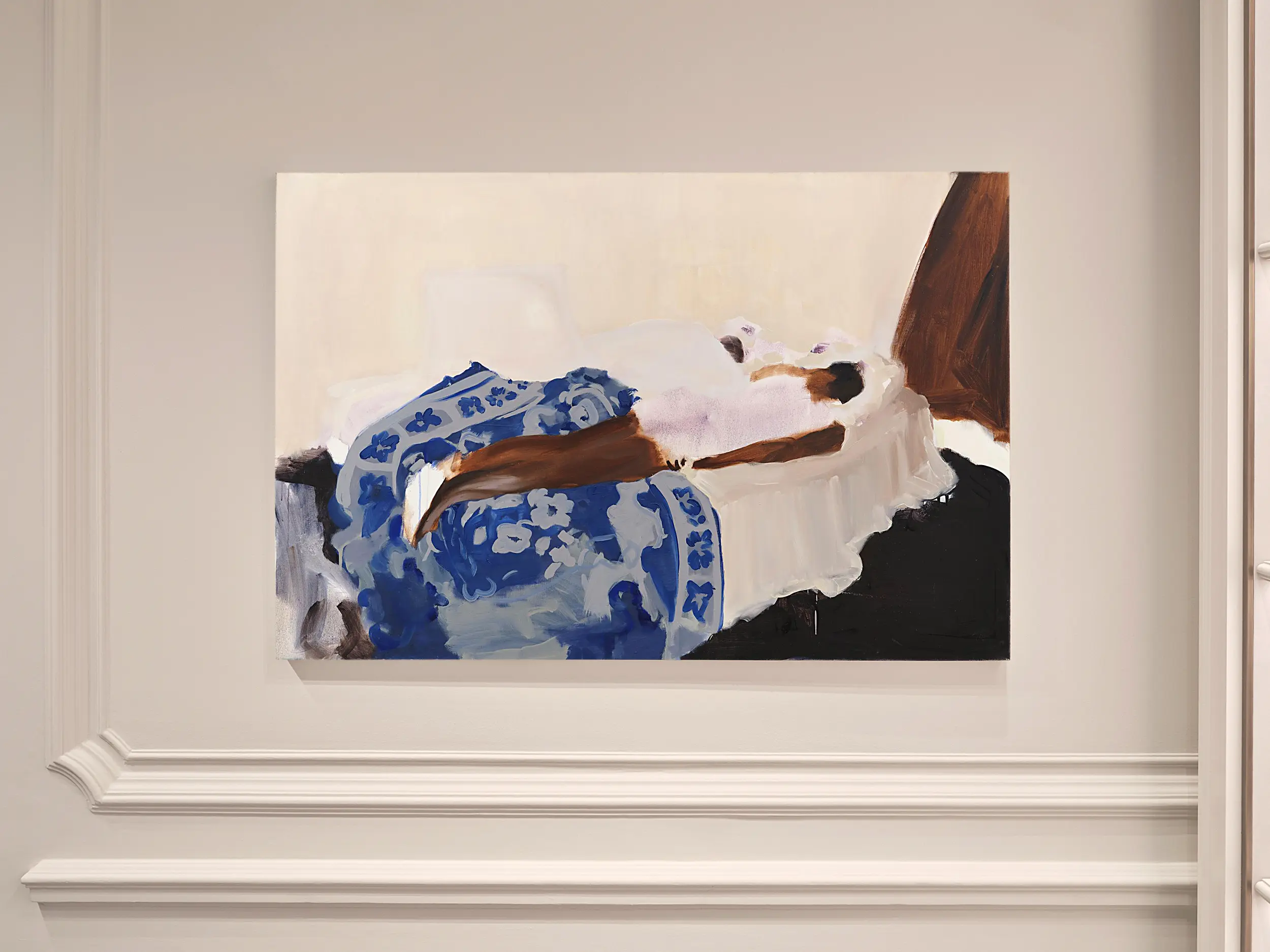
Emaho: You collect artists including Daisy Parris, Frida Orupabo, Katsumi Nakai, Sascha Hut, and Tim Garwood, a genuinely varied group in terms of geography, generation, and medium. Is there a common thread that made all of them land with you personally, even though your professional eye moves across a much wider spectrum of artists on behalf of clients?
Truls Blaasmo: I’ve picked up works since the very start of my career, and most of them mark a collaboration or a connection I had with the artist at the time. What I advise and explore in my curatorial work is a much wider spectrum, simply because each project requires drawing different lines and synergies. My own collection, though, is more personal. It’s less about range and more about the relationships behind each piece.
Emaho: You’ve described the curator’s role as having shifted from caretaker of objects to cultural translator, someone bridging disciplines, geographies, and audiences rather than simply selecting and presenting work. If that’s true, what do you think the field has lost in making that shift, is there something the old caretaker model protected that today’s more expansive, translator-style curating puts at risk?
Truls Blaasmo: Yes, works can indeed get lost as a vehicle of a story rather than understood on their own terms. That’s the real risk in the shift toward translator style curating. But I believe there are tools and strategies to protect a work’s own momentum over a longer period of time, rather than letting it be used up by a single narrative moment. Social media, cataloguing, publishing, and other forums are all great examples of how an artwork can continue building its legacy. I strongly encourage my collectors to let their art travel, to have it shown, or even lent out to another family member, so it can be seen and appreciated more widely rather than sitting fixed in one context or one story.
Emaho: You’ve said you’re currently watching how physical space is being reconsidered as a curatorial tool, genuinely site-specific environments where the architecture itself becomes part of the meaning, rather than just white cubes. As someone advising both private collectors and brands, do you think that shift toward site-specificity is a genuine evolution in how people want to experience art, or is it partly a reaction to how oversaturated conventional exhibition formats have become?
Truls Blaasmo: I think it’s genuinely both. There’s real appetite for site specificity, for architecture becoming part of the meaning rather than just housing it, but it’s also undeniably a response to how saturated the white cube format has become. People have seen enough of it to want something else. I’d say my own background feeds directly into this. My curatorial training isn’t academic, and I think that shows in the work. It gives me freedom to think outside a fixed framework or point of view. I’m not trying to hand a visitor a thesis. I want to leave them with the unexpected, with a line of thought they hadn’t imagined before walking in. I welcome them into the objects and aesthetics I dream of. I’m always happy to talk through the why’s and how’s afterward, those conversations are genuinely fulfilling for me, but the experience itself comes first. I want visitors to dream.