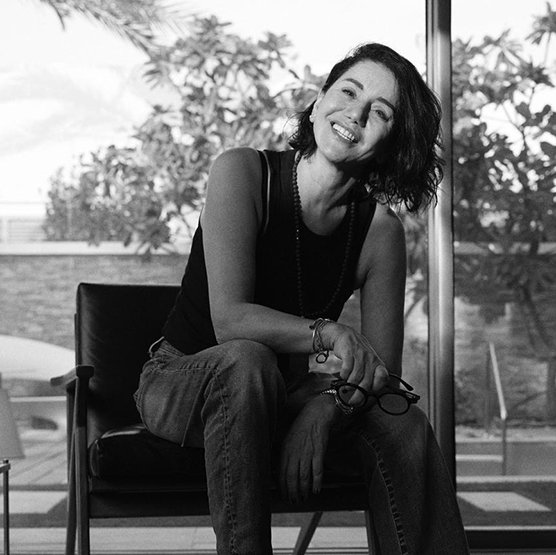
Emaho: Can you tell us about your early life and the first moments when you began paying attention to objects, colour and ornament around you?
Roham Babaei Fard: Since a very young age, perhaps around 10 or 12, I was drawn to antiques and everything with colour. Historical stained glass windows that would beautifully reflect rays of sunlight, colourful objects and decorative items. Tiffany glass used in architecture and opaline crystals would take my breath away. This passion grew with me as I got older. As a teenager, I used to visit antique markets in Tehran, especially the Friday market in Naser Khosro. My encounter with antique jewellery began when I saw my grandmother’s unique vintage Qajar brooch. I remember standing at the window of Mozaffarian’s jewellery shop, studying their antique pieces and wondering why such gorgeous work was no longer being made. It made me sad to see enamel and precious stones replaced with white gold and diamonds.
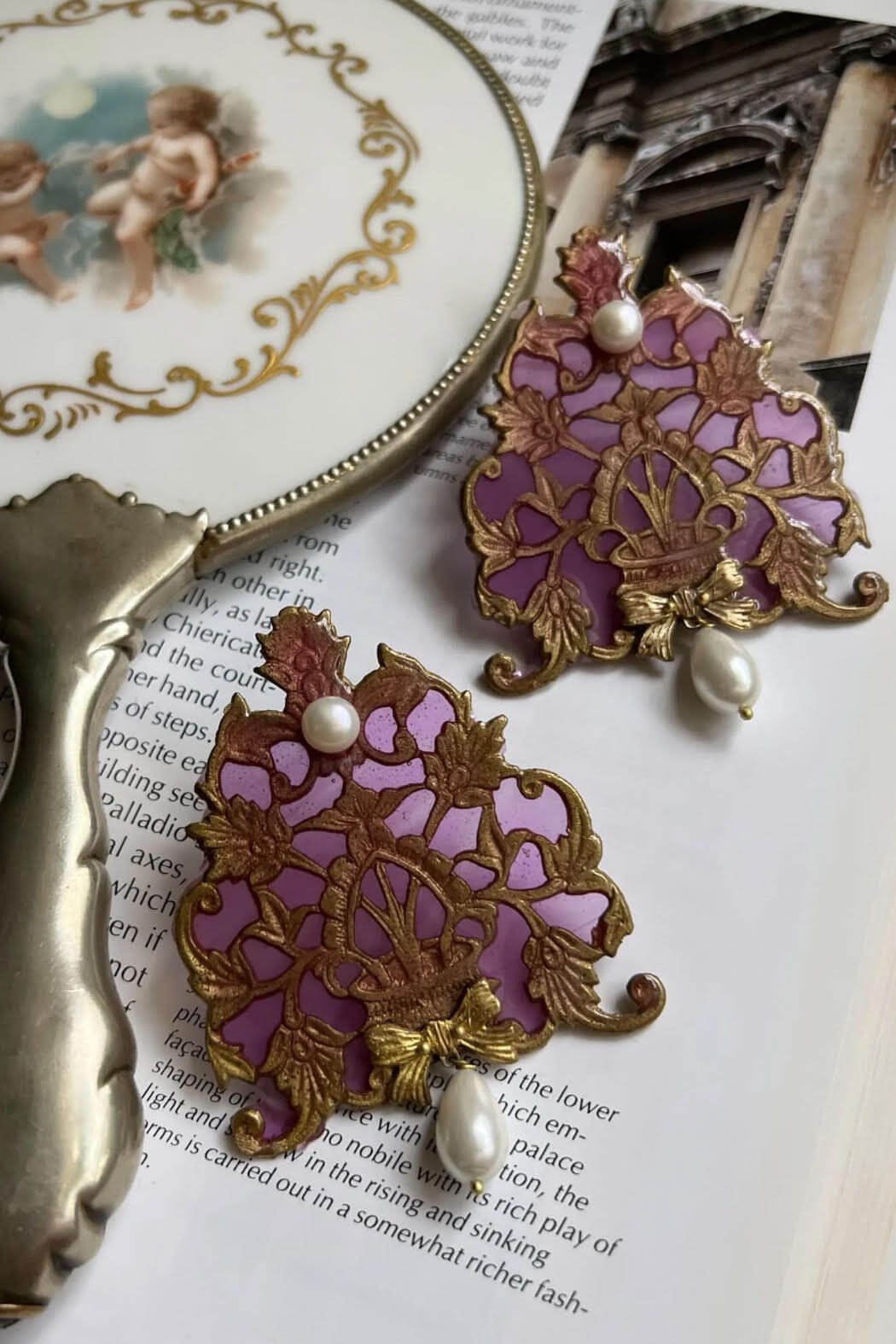
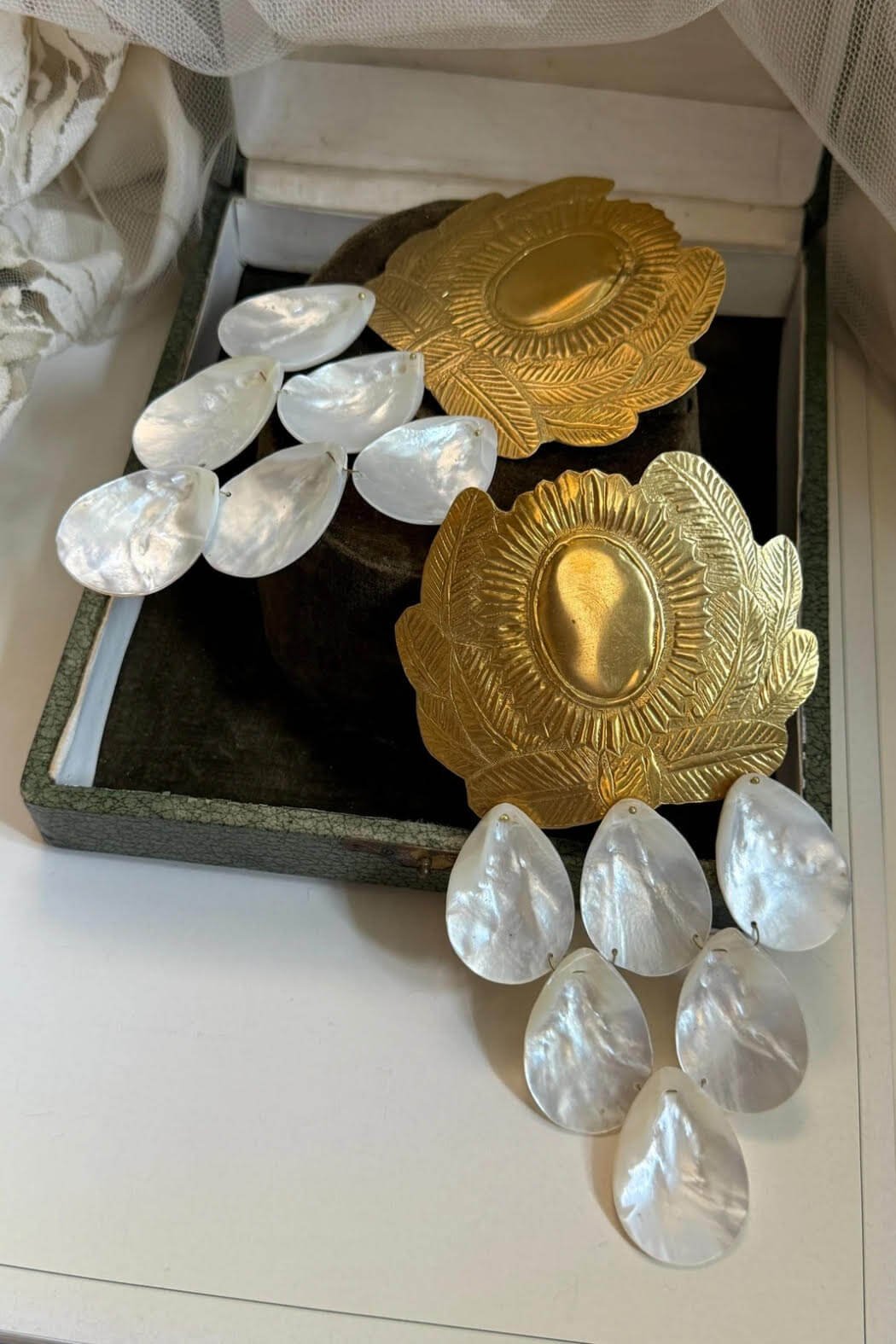
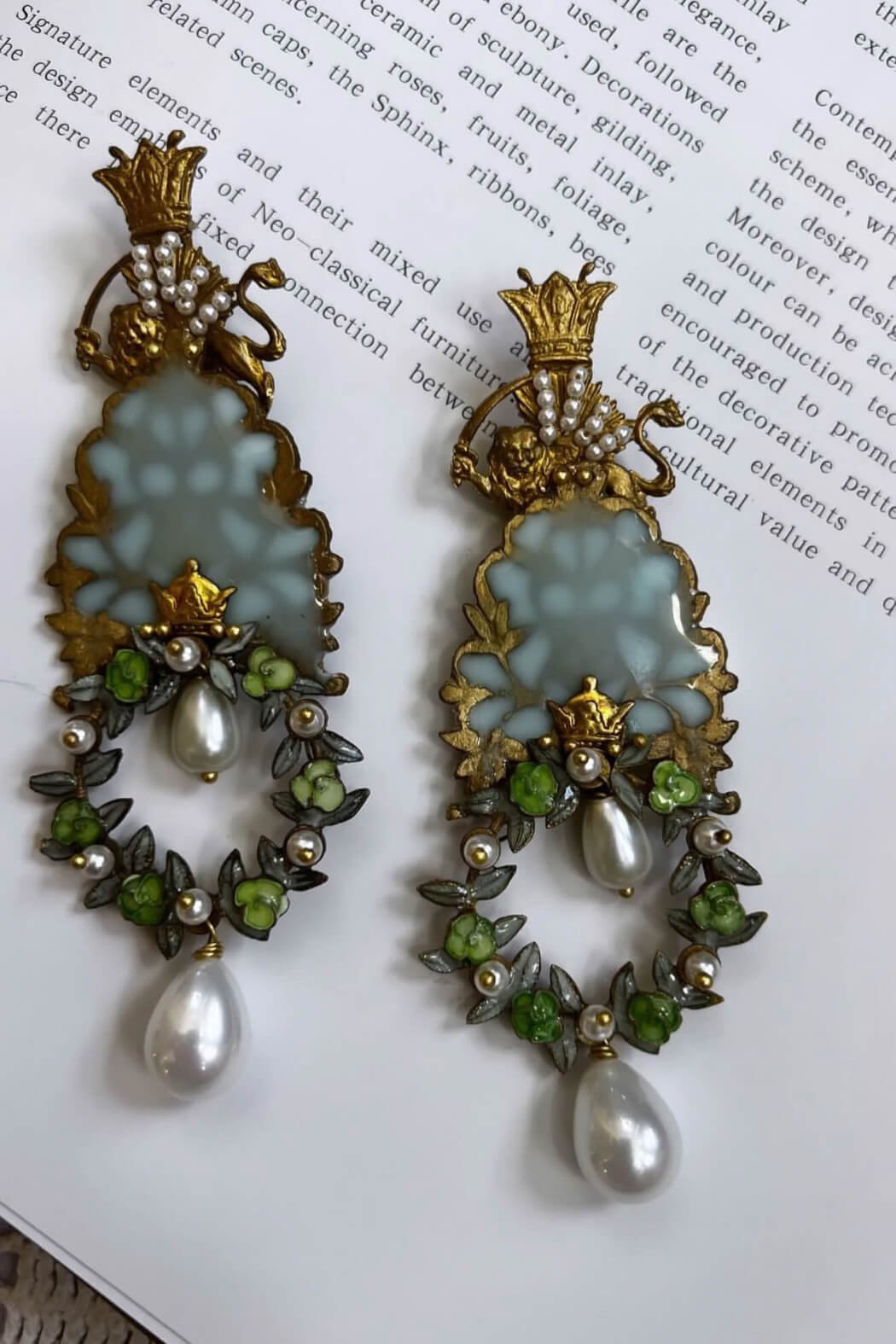
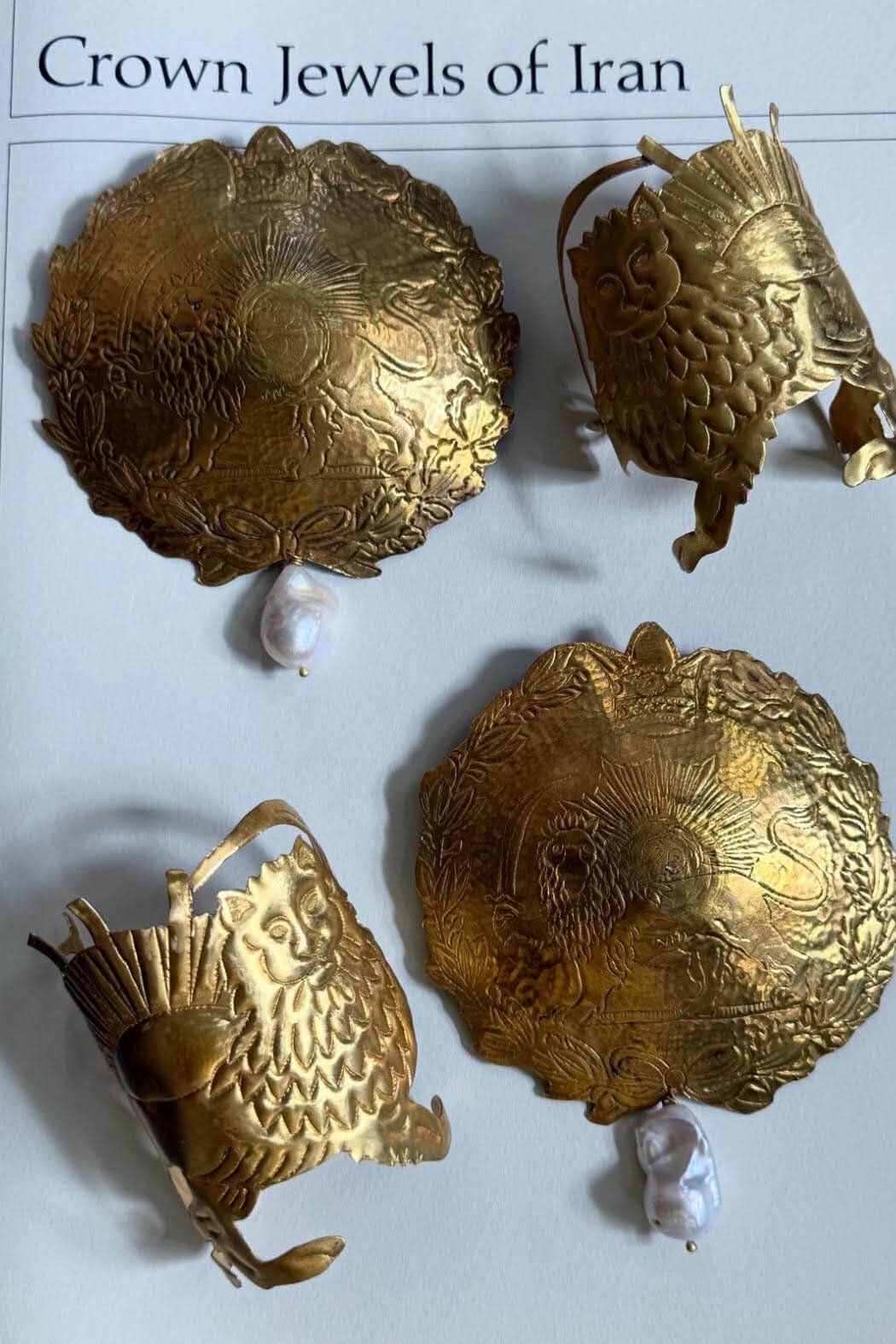
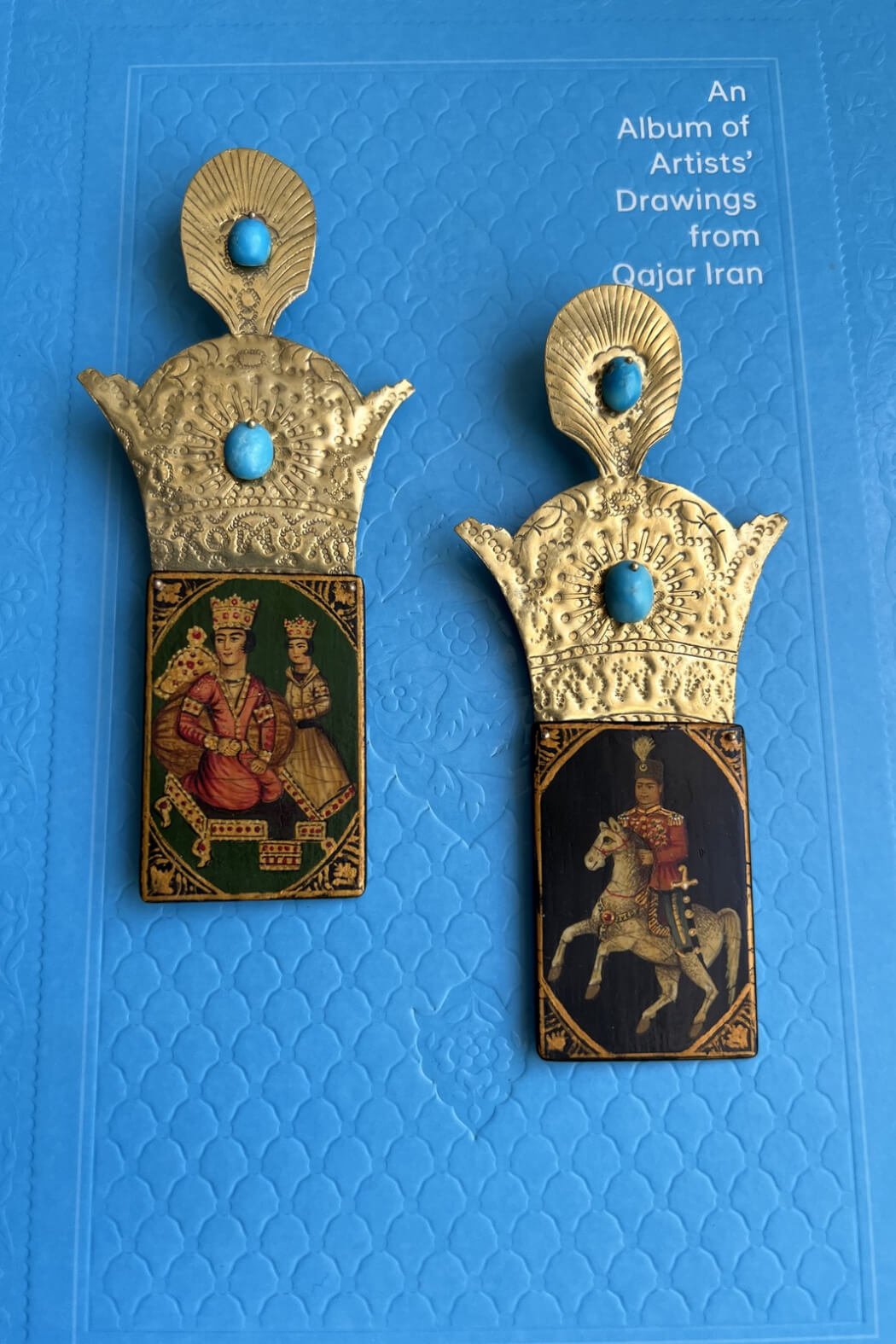
On the occasion of some friends’ weddings, I could not find anything at the jewellery shops that moved me, so I decided to design something myself and have it crafted by a jewellery maker. Based on what I have just described, and the positive feedback and attention I received for those early designs, the idea of jewellery design became more serious in my mind. It was very important to me that my work be treated as art, like a sculpture or a masterpiece. A painting’s value is never measured by the materials used; its real value lies in the creativity and technique of the artist. I wanted to use simple and semi-precious materials to create wearable art, which is why I chose brass as my primary material. As you know, brass changes colour over time and takes on the appearance of an antique.
Emaho: You studied civil engineering and later architecture before turning to jewellery. What shifted your focus from designing buildings and spaces to creating small, intimate objects meant for the body?
Roham Babaei Fard: Actually, I have not changed my occupation. I still practise architecture professionally, so you could say jewellery design is my second calling. I believe the two are related and complement each other, as I follow the same style and sensibility in both.
Jewellery design excites me partly because I am impatient by nature and love to see the results of my work quickly. I can think of a design at night and see it come to life the next day. I draw inspiration from the coloured glass I encounter in architecture and translate it into wearable accessories through colourful stones and enamel work. Sometimes I use colour in designing buildings and simultaneously in creating intimate objects for the body.
I believe our eyes are made to see beauty in the world, and I love to capture that beauty in my work. Beautiful faces, beautiful furniture, beautiful walls and spaces. Needless to say, beauty is only genuine when it shines from within and carries authenticity.
Emaho: At what point did jewellery move from being a personal fascination to something you knew you wanted to pursue seriously, and what gave you the confidence to launch your own brand?
Roham Babaei Fard: For me, jewellery was never intended to be a business or a serious career path at the beginning. Back then, I had an Instagram page where I mostly shared my architectural projects, and occasionally posted earrings I had made for friends’ weddings.
At first, I shared these pieces purely for fun, without any expectation. But very quickly, I realised they were attracting attention. Many people, especially stylish women, started asking about the designer, the story behind the pieces, and where they could get them. I think the moment I saw that people genuinely connected with my work and wanted to own it was the first spark of confidence for me. I had no formal training in jewellery design, yet the orders and interest I received encouraged me to continue.
About a year in, a friend suggested I display my work in a gallery. That was incredibly exciting. Seeing my pieces in a space usually reserved for paintings and sculptures made me view them differently. It was important to me that my work be recognised as art, not merely as accessories. My first exhibition exceeded all expectations. The response was overwhelming and people queued to see and purchase the pieces. At that time in Iran, this approach to jewellery was entirely new, and it captivated many.
Reflecting on it now, there was no single defining moment when I decided to take jewellery seriously. It was a series of experiences: people’s curiosity, the first orders, the gallery show, and the incredible reception. Each step gave me greater faith in my path, until I realised this was no longer just a personal hobby. It was something I wanted to make an integral part of my professional identity.
Emaho: Your collections are filled with flowers, birds, insects and saturated colour. How would you describe what sets your jewellery apart within Iran’s contemporary design landscape?
Roham Babaei Fard: Iran has always been a land of beauty and artistry to me. That said, I do not believe art belongs to any single geography. Beauty can be found everywhere in the world. I draw inspiration from French architecture, Russian art and the refinement of British craftsmanship, but no matter where the inspiration begins, there is always an Iranian soul at the heart of my work.
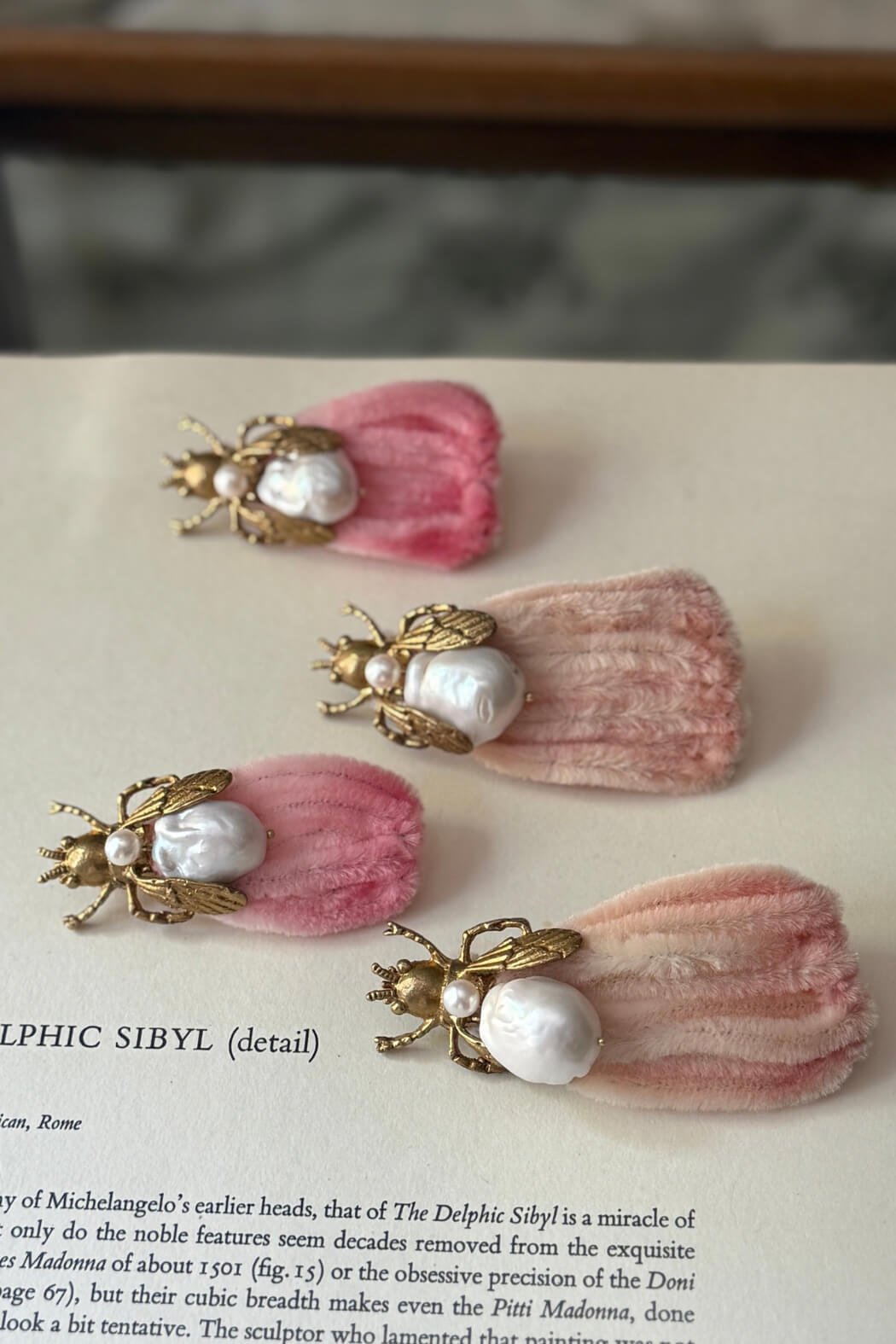
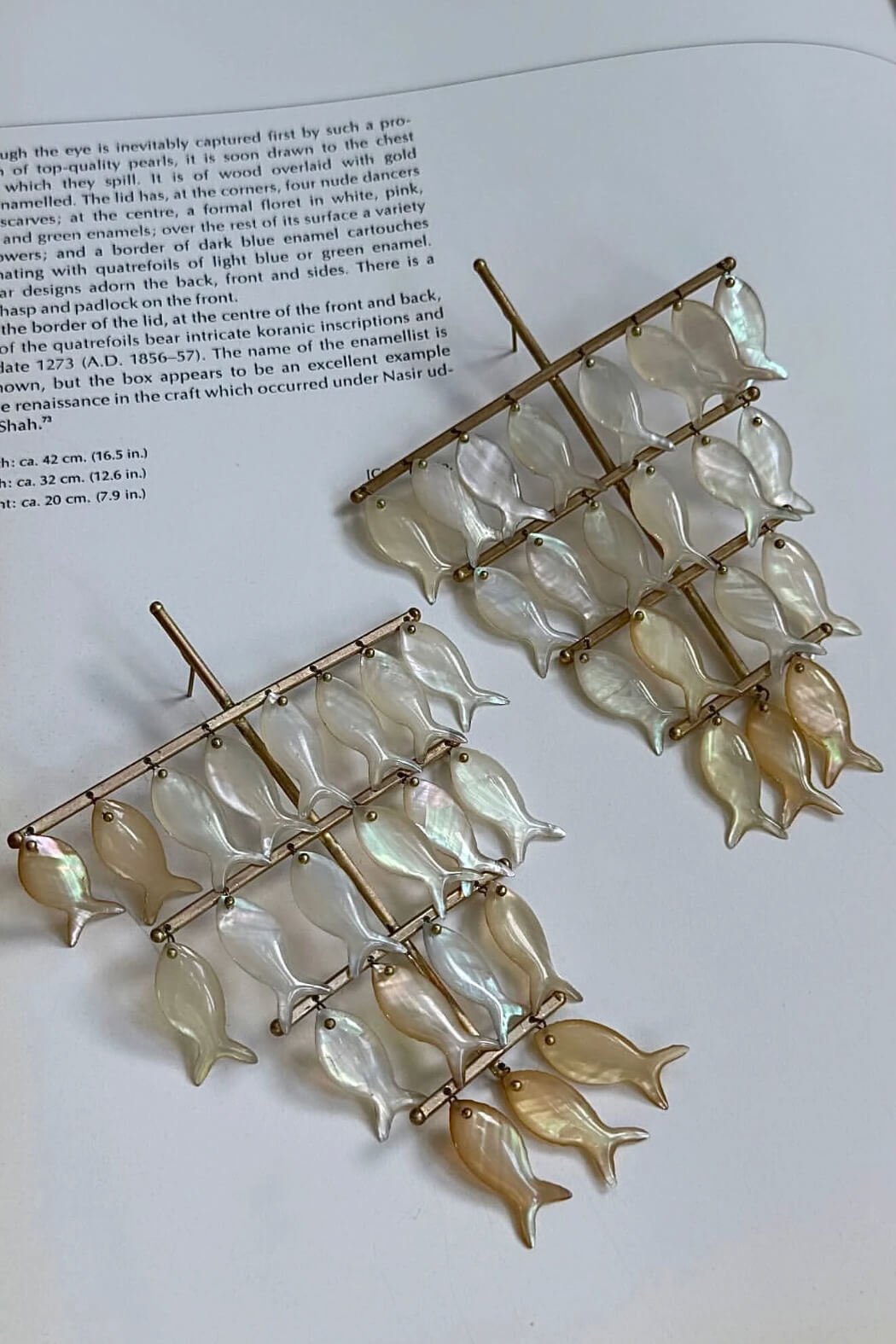
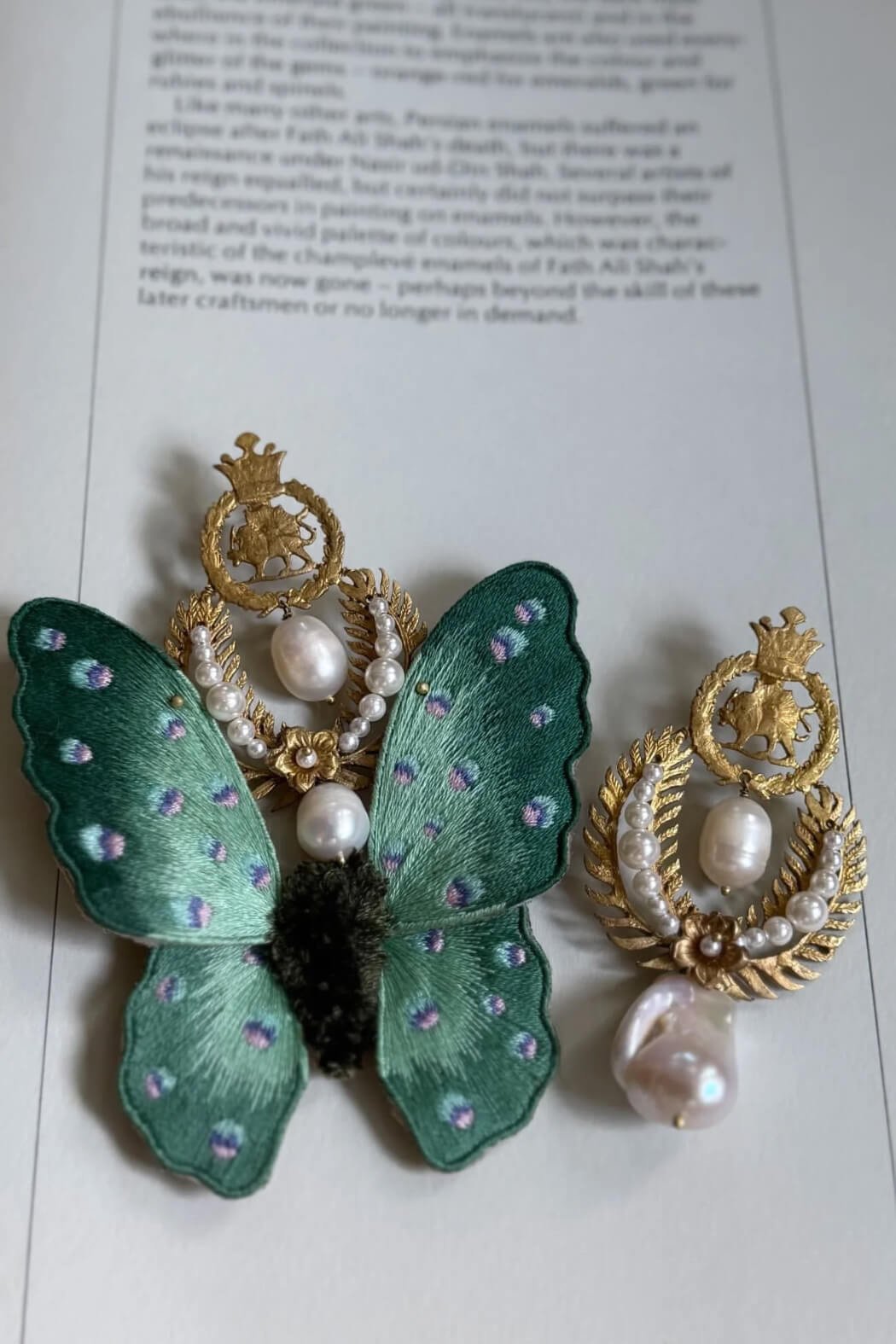
As for the flowers, birds, insects and vibrant colours that appear throughout my collections, they all come from a deep and lifelong love of nature. In the early years of my career, I was more inspired by the courts, kings and visual heritage of Iran. But during the pandemic, when nature seemed to reclaim its place in our daily lives, something shifted in me as well. Suddenly, flowers, birds and insects became a new source of fascination and inspiration. I have always been captivated by the extraordinary colours found in nature, the iridescence of beetles, the wings of butterflies, the brilliance of parrots. Their colours often find their way into my designs.
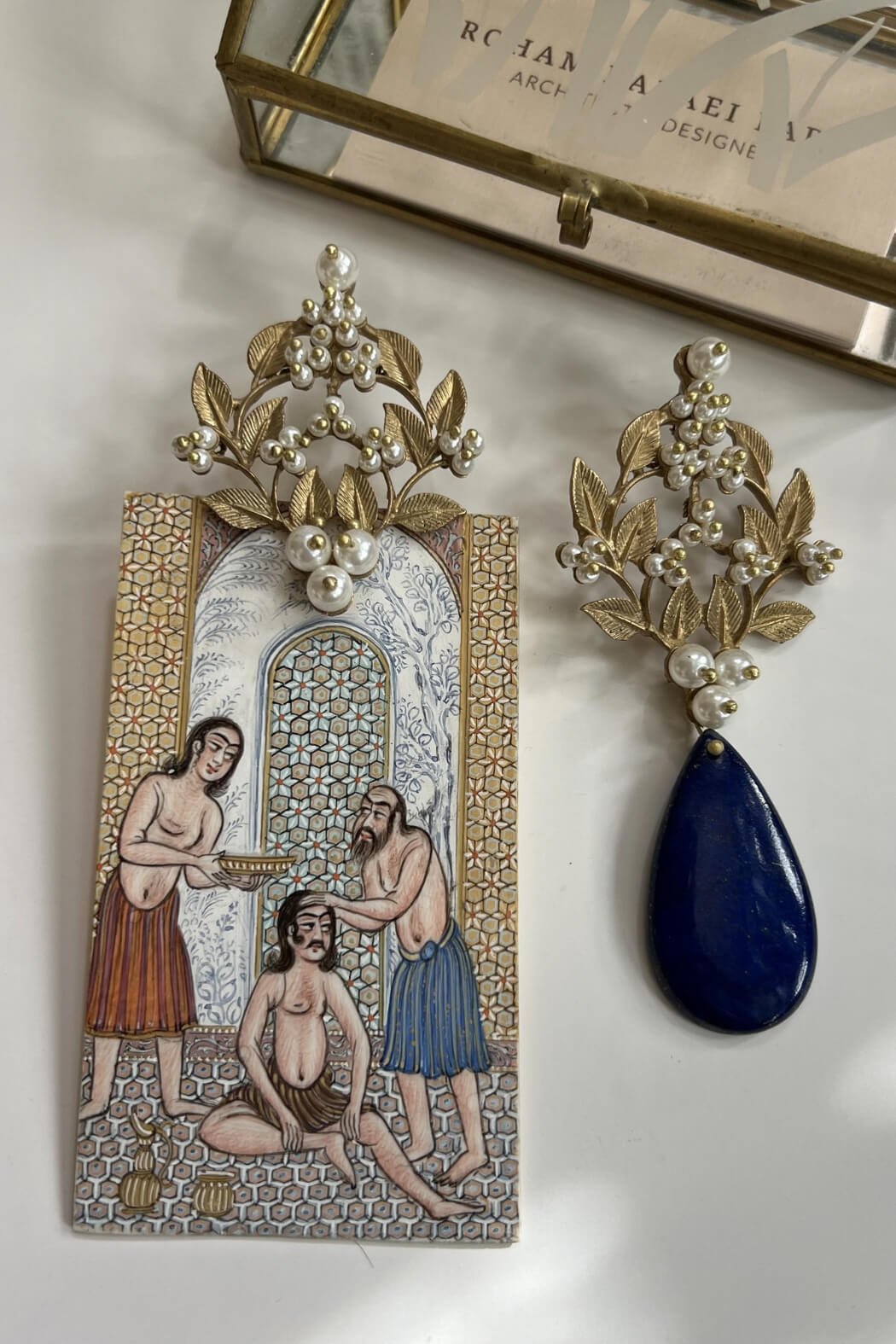
Flowers are equally important to me. I have been gardening since childhood and continue to do so today. I know many flowers intimately, and I enjoy floral design as well. My favourite flower is lily of the valley. Every spring, I dedicate a collection to it, and I grow it myself. I like my work to move with the rhythm of nature and the changing seasons, lily of the valley in spring, oak leaves in autumn. Perhaps this connection to nature is what sets my jewellery apart. While my work is rooted in Iranian culture and identity, it is also deeply personal. It reflects the things I live with, grow, observe and love. I do not simply use nature as a decorative motif; I see it as a living source of inspiration. That dialogue between Iranian heritage, contemporary design and the natural world is what gives my work its distinctive voice.
Emaho: Many of your pieces carry a nostalgic, pre-revolutionary sense of glamour, recalling stained glass and decorative richness. What continues to draw you to the aesthetics of that period?
Roham Babaei Fard: I have always been fascinated by grandeur, ornament and the rituals of ceremony. I think this fascination goes back to the very beginning of my artistic journey, when I first became captivated by the visual world of the Qajar era. From that moment on, royal courts, palaces and ceremonial traditions became an endless source of inspiration.
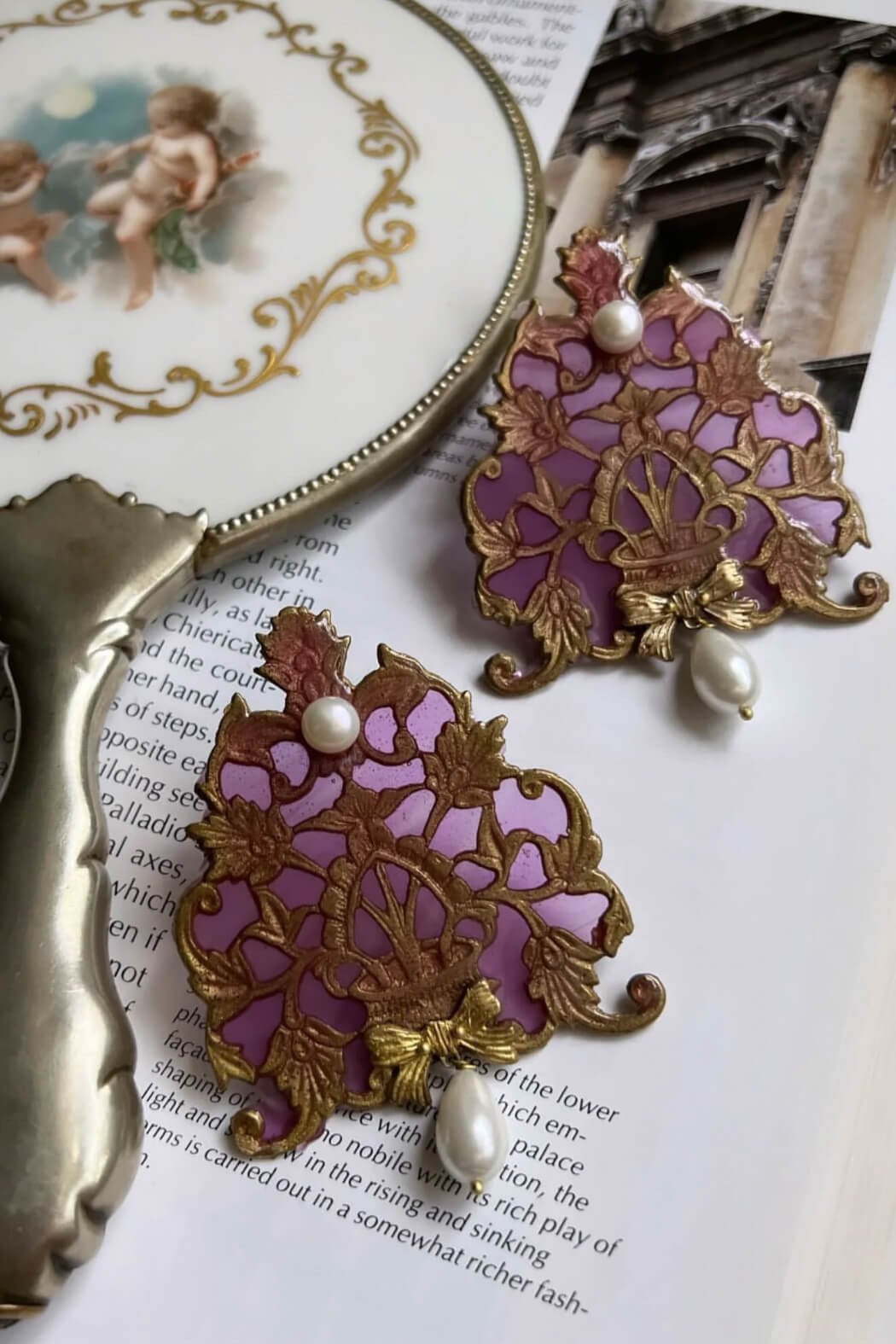
My interest is not limited to Iran alone. I have a deep love for Qajar antiques and decorative arts, but I also believe that the period between the late eighteenth century and the early twentieth century was one of the most beautiful and refined eras in many parts of the world. The architecture of Europe, particularly France during that time, has always captivated me with its elegance, grandeur and extraordinary attention to detail. What draws me most to the aesthetics of these periods is their visual richness. Every surface, every object, every detail seems to have been created with care and intention. From stained glass and architectural ornamentation to jewellery, textiles and decorative objects, everything feels layered with beauty, symbolism and storytelling. It is a world that celebrates craftsmanship, and that spirit naturally finds its way into my own work.
I have also always been drawn to royal ceremonies and celebrations. For me, jewellery reaches its fullest expression in those moments, where history, art, beauty and tradition come together. The flowers, the tiaras, the jewels, the sense of occasion. There is something incredibly inspiring about all of it. I am particularly fascinated by the way jewellery houses such as Van Cleef and Arpels appear in royal events and ceremonies. To me, these pieces are far more than adornments. They are carriers of history, culture, craftsmanship and the spirit of an era. That is what continues to draw me back to the glamour of the past, not nostalgia alone, but a deep appreciation for beauty created with imagination, skill and a sense of permanence.
Emaho: You often work with brass and semi-precious stones rather than gold, placing emphasis on form and concept over material value. Why is this choice central to your philosophy as a jewellery designer?
Roham Babaei Fard: The main reason behind this choice is that I have always wanted my work to be appreciated as art rather than valued simply for the materials it contains. Jewellery is often measured by the weight of its gold or the size of its gemstones, but I have always hoped that people would first notice the form, the idea and the story behind a piece.
Freedom is also very important to me as a designer. Working with materials such as brass and semi-precious stones allows me to create without the limitations that often come with fine jewellery. It gives me the freedom to explore ideas more openly and to ensure that the finished piece is seen primarily as a work of art. I often compare it to painting. A painting is made from canvas and pigment, materials that, on their own, may not have great monetary value. What gives the work its worth is the vision, the creativity and the thought behind it. Sometimes that is precisely what makes a painting worth thousands, or even millions, of dollars.
The same philosophy guides my jewellery. Every piece I have created is rooted in research, thought and storytelling. Each one has a reason for existing. I could spend hours speaking about the inspirations behind my collections because none of them are merely decorative objects. Every piece carries a cultural reference, a memory or a narrative that gives it meaning.
Emaho: On a deeper level, what is your goal as a designer and how do you want people to feel, emotionally and physically, when they wear a Roham Babaei Fard piece?
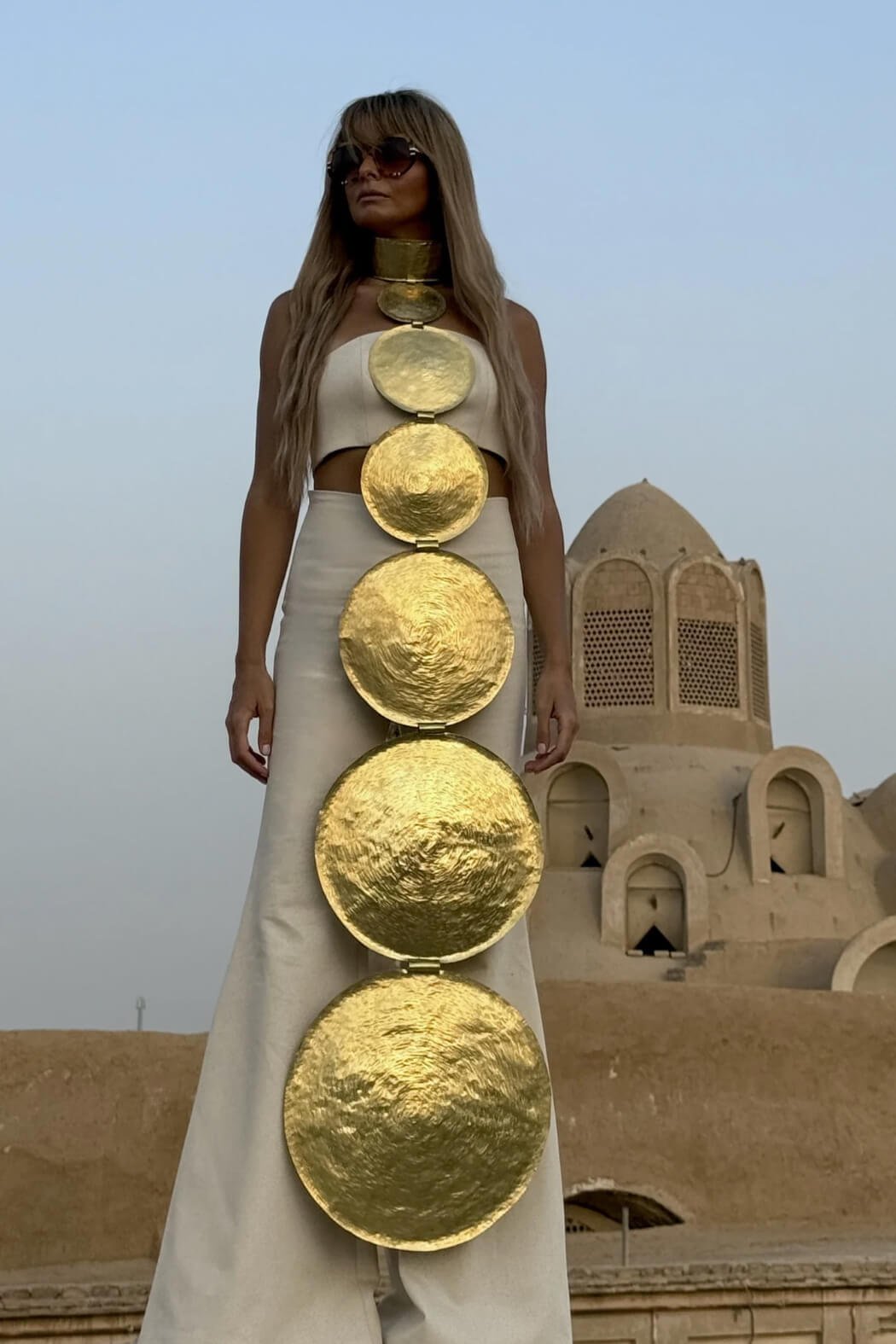
Roham Babaei Fard: What I hear most often from people, especially women, is that my pieces give them confidence. When they wear one of my earrings or accessories, they feel unique, and they feel they shine in any gathering. This is not something I say about my work myself; it is what my clients have told me, again and again. But my personal goal has always been something different. From the very first day I started, I dreamed that every remarkable woman, both in Iran and abroad, by which I mean beauty of spirit, not just appearance, would have at least one piece of mine.
Today, I feel that in Iran I have largely reached that goal. Almost every remarkable Iranian woman has worn something I have created, and that is a tremendous honour. Now, I want the same to happen on a global scale. If one day women around the world wear my work, I will feel that I have achieved one of my greatest ambitions.
I want anyone who wears my pieces to feel confidence and joy. When they enter a room, I want them to experience the feeling of being the most unique and distinctive person in that gathering. Yet my goal goes beyond jewellery design. I want Iranian art and culture to be wearable. I want people to travel with it, attend events with it, walk the red carpet with it, and let Iranian art be seen.
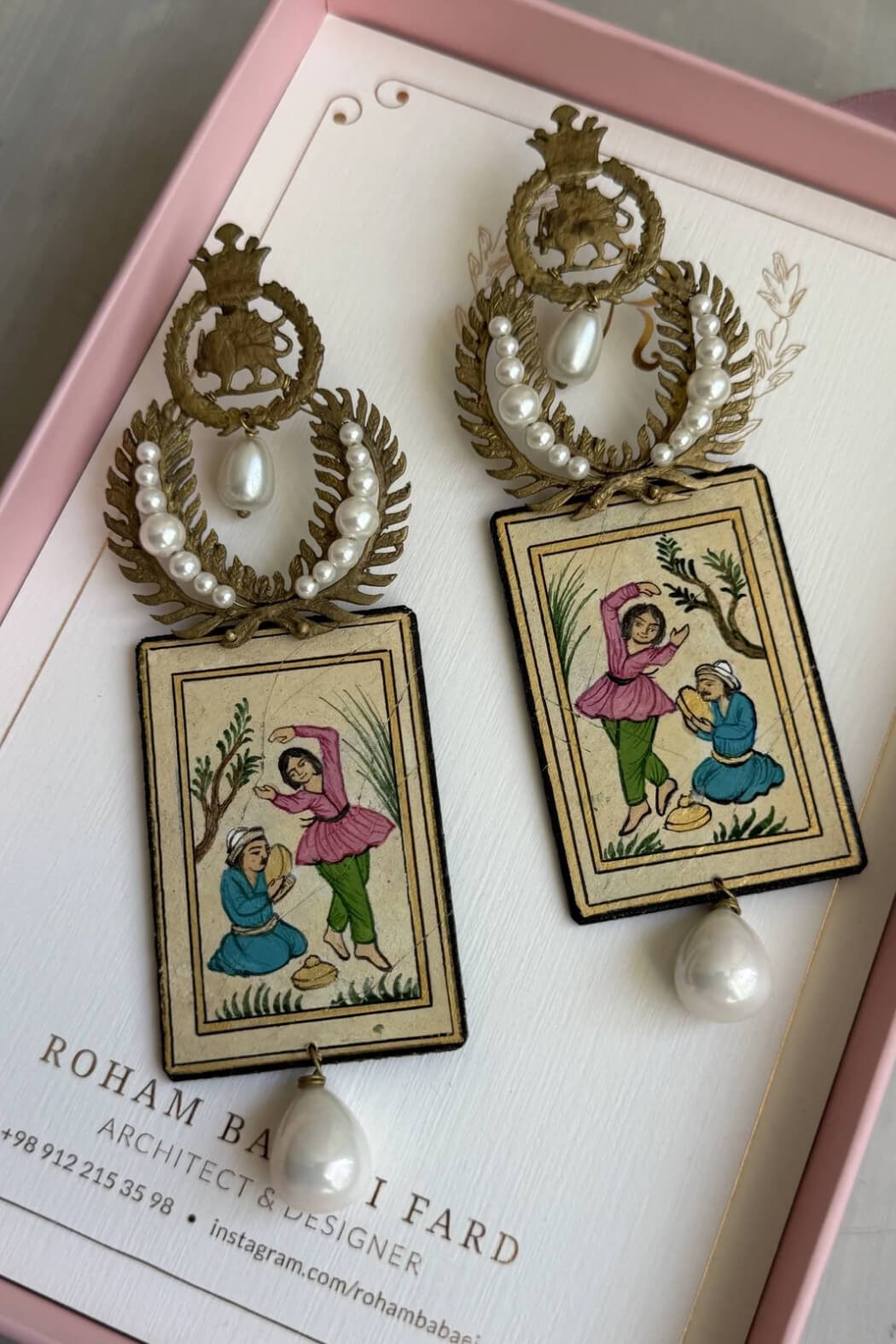
A painting or a traditional artwork often hangs on a wall and you cannot carry it with you, so only a limited number of people ever experience it. But a wearable piece lives with its owner; it is seen everywhere, at every moment. I have often heard women say that strangers in lifts, restaurants or at parties stop them to ask where they got those earrings, or what that piece is. I always encourage them to share the story, perhaps that the design is inspired by the game of polo, or that the earrings are drawn from Ganjifeh cards.
I used to collect Ganjifeh cards myself. They sat unseen in a drawer for years. That is why I decided to transform them into earrings. I did not want these designs to stay hidden. Today, those same motifs have become jewellery pieces that travel the red carpet, are seen by people across different countries and spark curiosity. Foreign audiences ask about them, and that is exactly what I want: a small piece of jewellery becoming a doorway to conversations about Iranian art, history and culture.
For me, the most beautiful part is that things which were once confined to a time and a place are now worn by a woman anywhere in the world, and their story continues to live on.
Emaho: How do you see the jewellery scene in Tehran today, its strengths, its limitations, and how does it compare to the international work you follow and admire?
Roham Babaei Fard: To be honest, because of the realities of living and working in Iran today, it often feels as though there is an invisible wall around the country. That makes it very difficult to compare our situation directly with what designers experience internationally.
Fashion and jewellery are fields that thrive on visibility, exchange and connection. Ideally, creativity should travel freely. If I were living outside Iran, my Instagram account would not need to be private, and there would be far fewer barriers between my work and a global audience. Many more people might discover what I do naturally. The circumstances would be very different.
One of my greatest wishes has always been either to work outside Iran or to see conditions evolve in a way that allows artists here to present themselves more openly to the world. Every designer hopes for the opportunity to be seen by the people they admire, to enter into a broader creative conversation and to share their work without limitation. That said, I have never allowed those challenges to define what was possible for me.
Despite all the obstacles, I have been fortunate enough to find my way into the international market. My pieces have been worn by well-known actresses, writers, singers and public figures, and through them my work has reached audiences far beyond Iran. Over the years, I have built a following across different countries, and what has been especially rewarding is the genuine curiosity and appreciation I have received from international audiences. In many ways, that response has reassured me that creativity can find its path, even when circumstances are difficult. Of course, I believe my work would have travelled further and faster under different conditions. But I am proud that it has crossed borders nonetheless.
The greatest strength of Tehran’s creative scene is its talent. There are extraordinary artists and designers here with unique perspectives and remarkable resilience. The limitation is visibility. Talent exists in abundance; what is often missing is the freedom and access that allow it to be seen on the scale it deserves.
For me, the most meaningful achievement has been proving that even from behind those walls, it is still possible to reach the world.