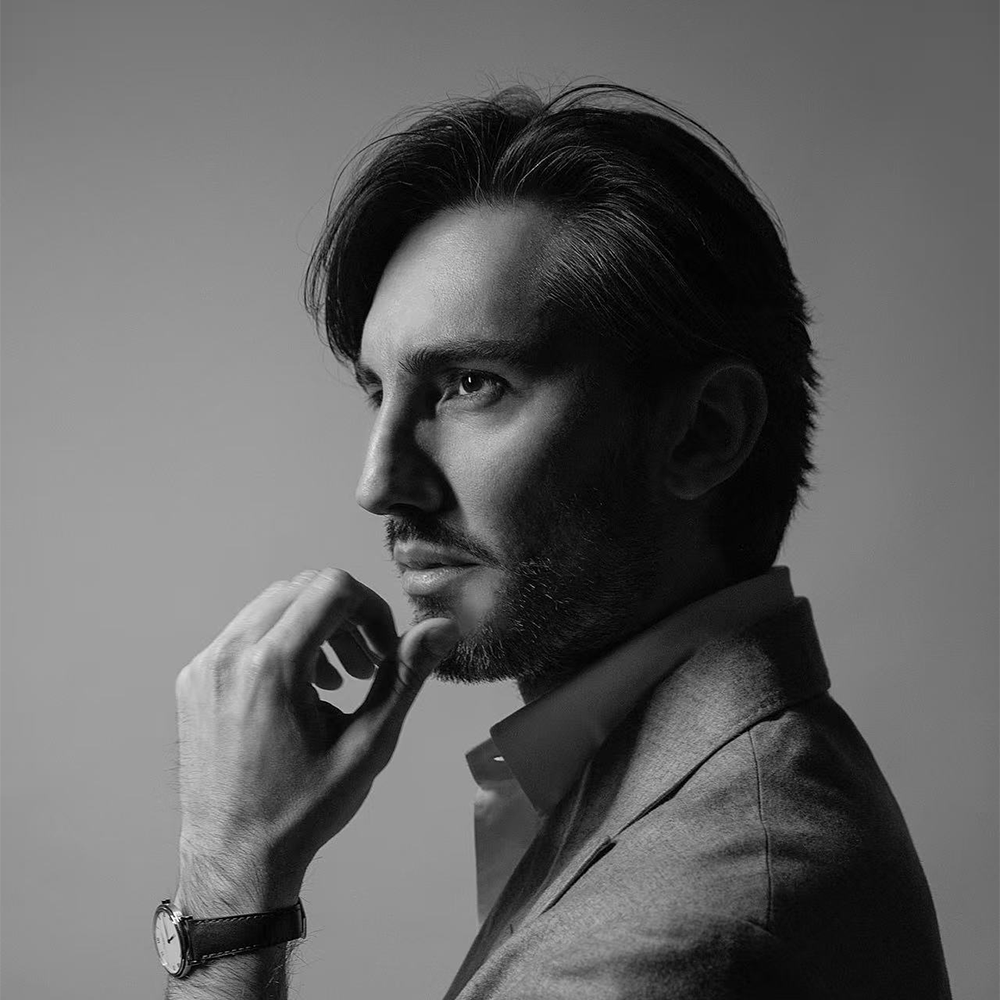
Emaho: Your work is often characterised by formal restraint and disciplined precision. When you begin a new project, what does a successful reduction look like to you, and how do you know when a design has reached just the right degree of refinement?
Boldizar: I don’t begin projects with fixed standards of reduction and refinement, but reduction happens gradually as the design progresses. For me, refinement is reached when the piece carries a strong sense of intention. I tend to lose superficial details that don’t serve a purpose while creating, this way I can identify and understand the piece better and it feels more sincere to me. Many of my pieces evolve over time, I revisit ideas and objects allowing them to change and execute them when they feel complete and the opportunity arises.
Emaho: Architecture informs the spatial logic of your furniture and object designs. How do you translate architectural concerns of proportion and structure into pieces intended for human scale without losing their spatial ambition?
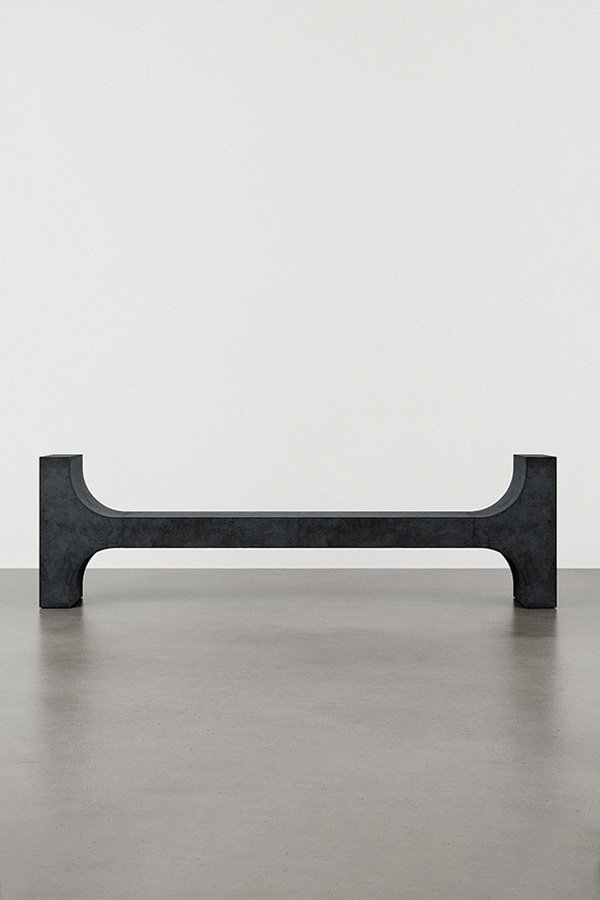
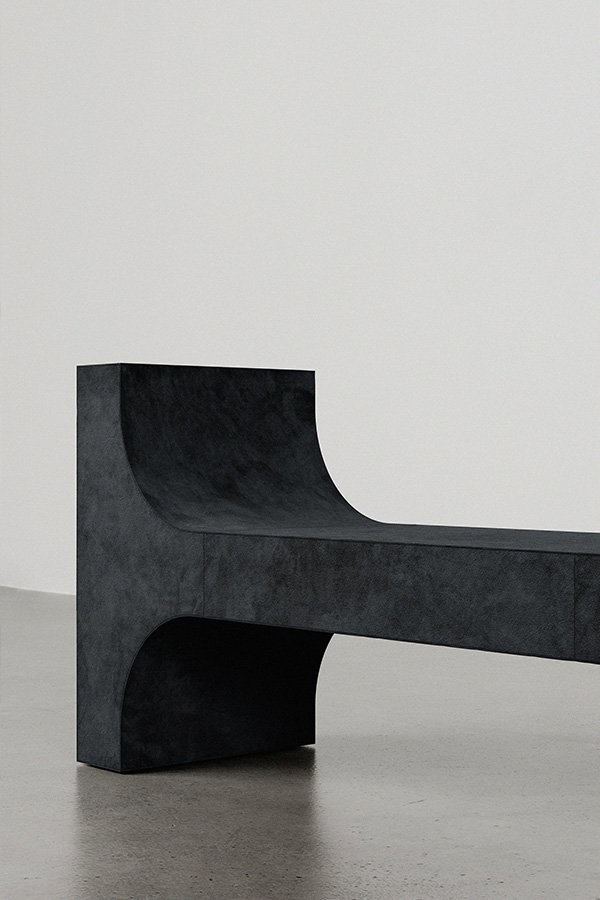
Boldizar: Although I don’t have an architectural background my built environment has definitely influenced my work and shaped my style. I am drawn to simple structures and robust shapes, a principle which can be translated into furniture and human proportions.
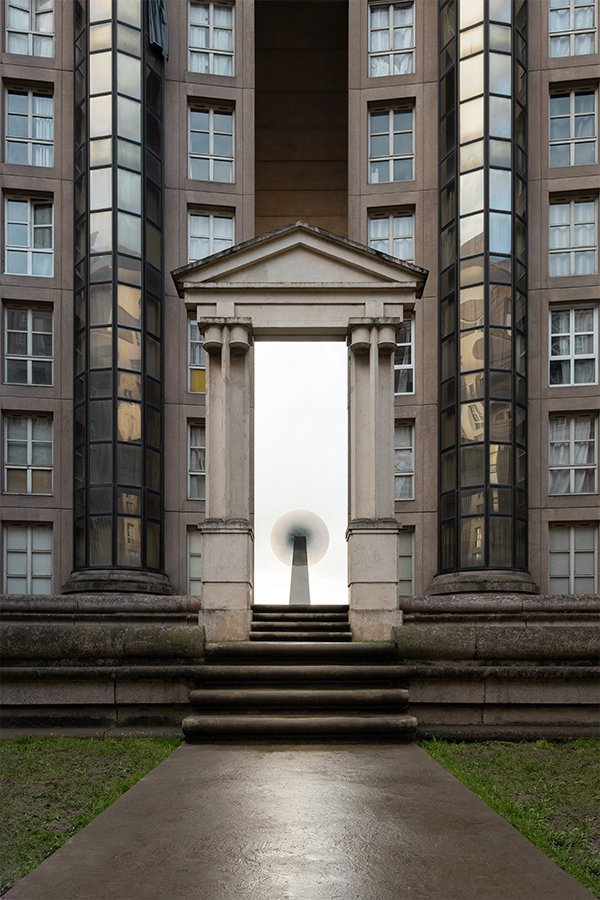
But what really interests me is the urban environment itself, where different materials, forms and layers from distinct times converge into an always evolving system. My objects become carriers of this gesture rather than form and function.
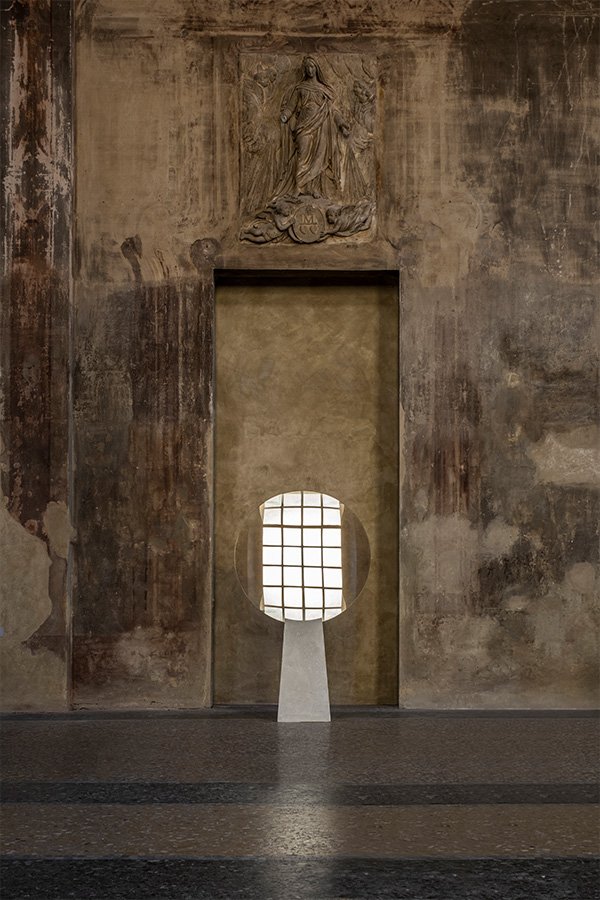
Emaho: Material selection appears central to your practice. How do you approach material research, and what qualities do you look for in materials that enable both expressive depth and structural integrity?
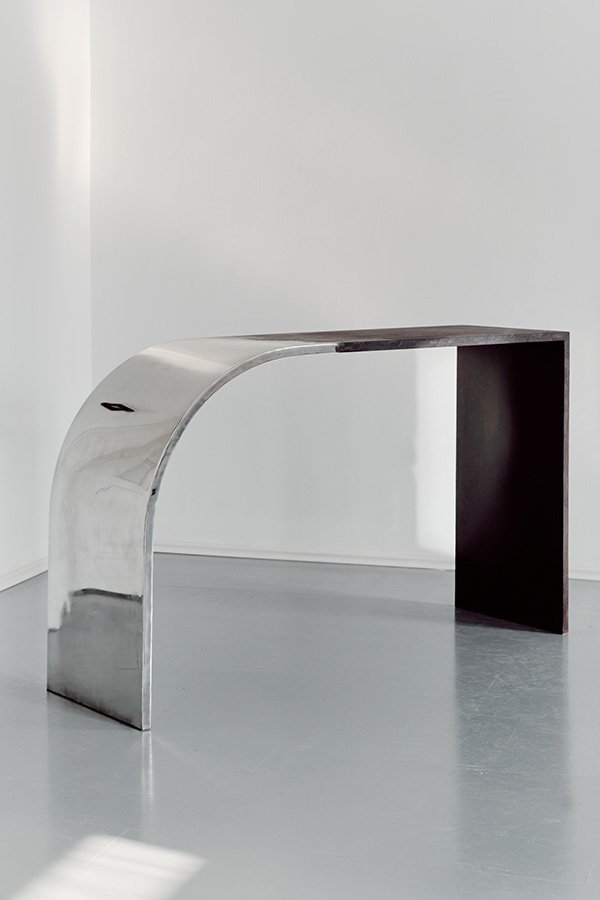
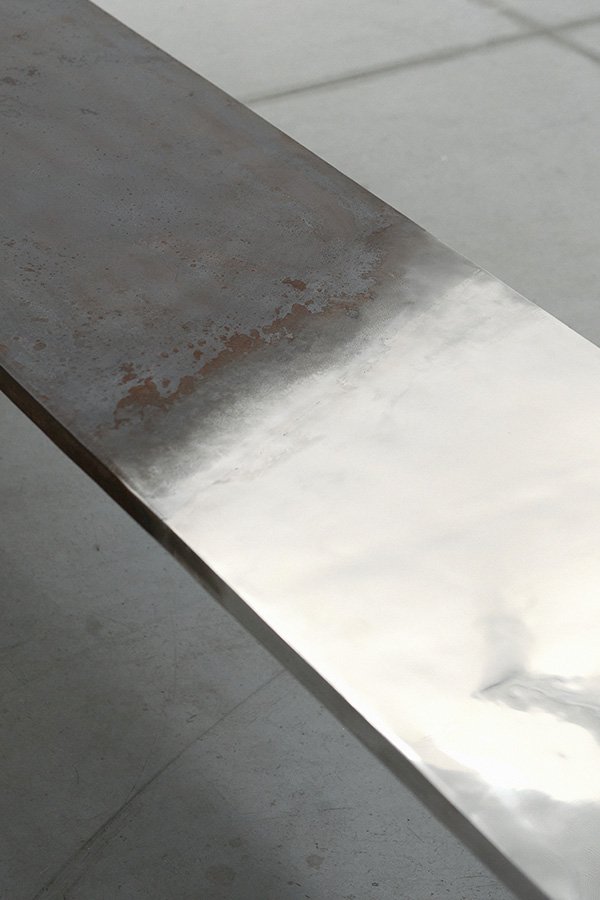
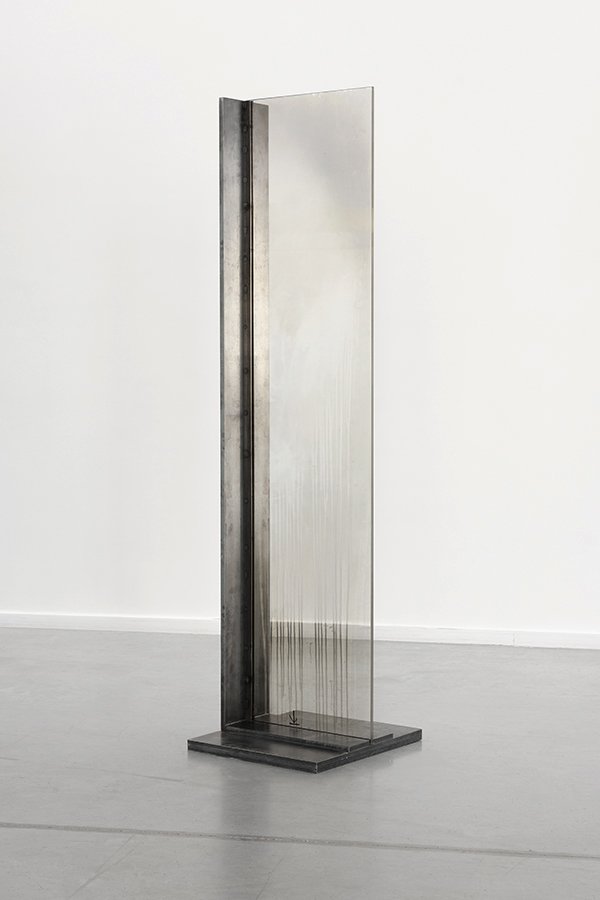
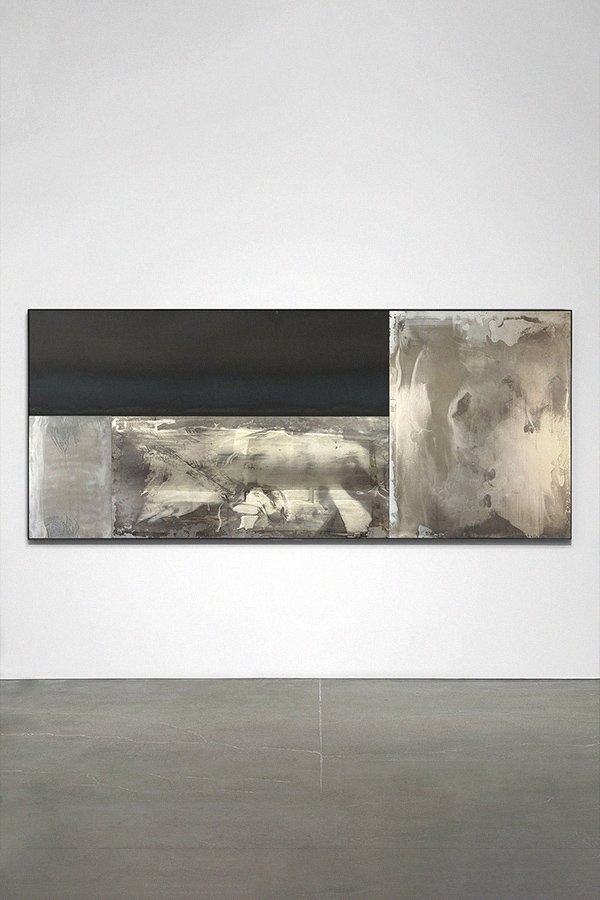
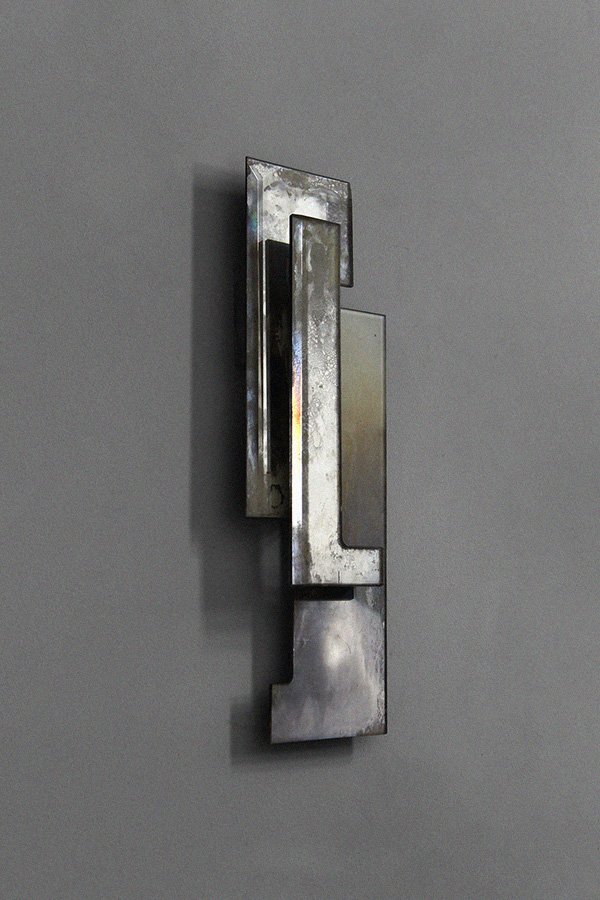
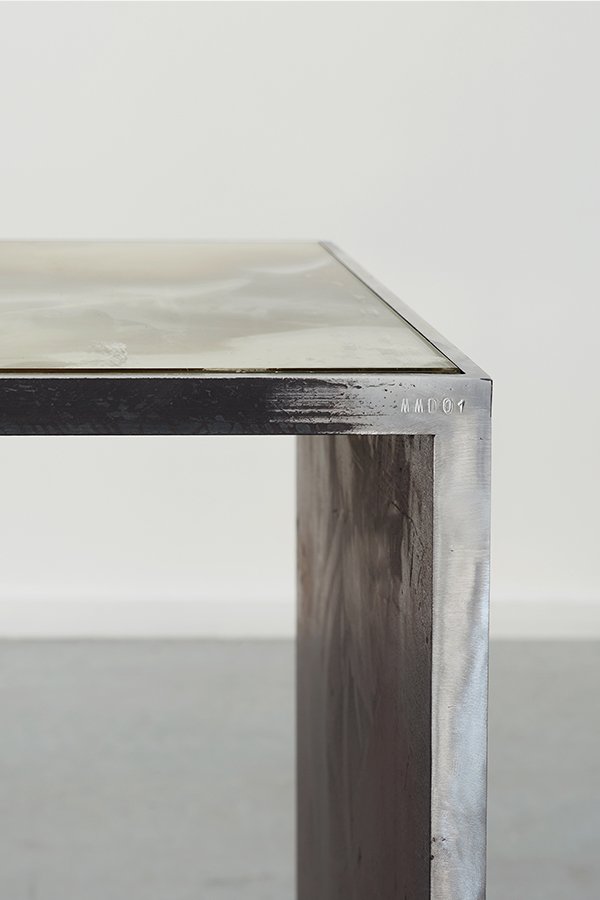
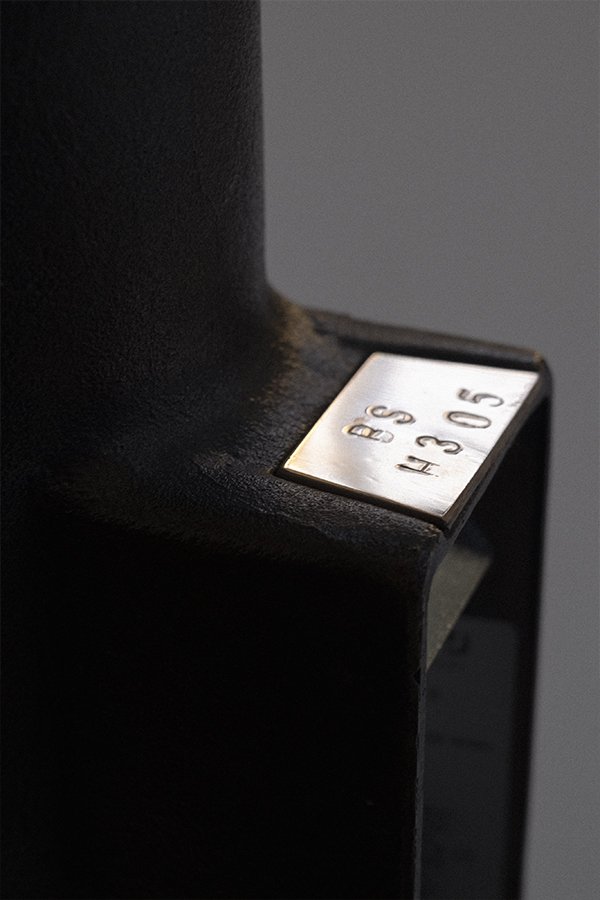
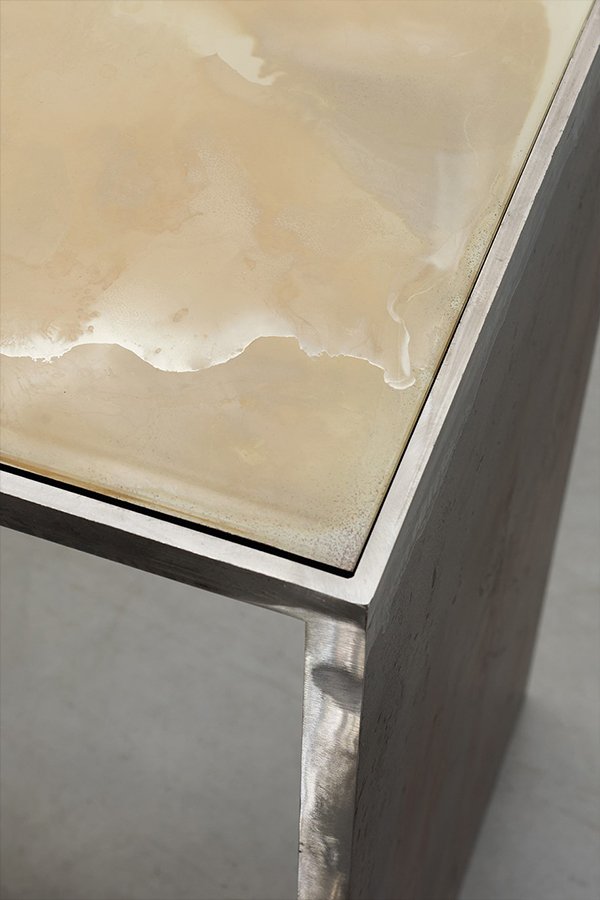
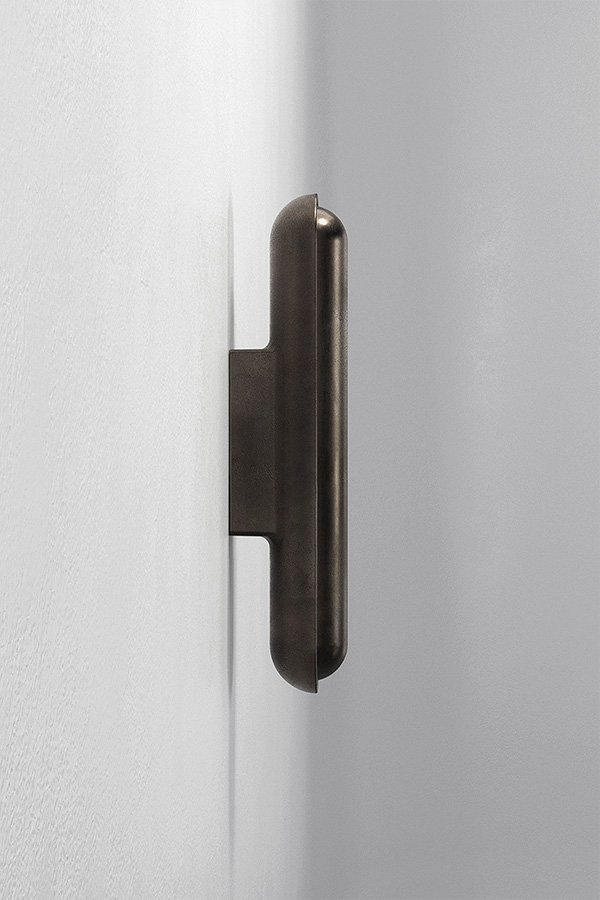
Boldizar: My research is rooted in my curiosity for interesting materials and techniques while balancing functional demands. I explore perception, memory, presence and absence through contrasting elements in my work and often choose materials to build on this tension. I primarily work with glass, distressed and mirrored surfaces, precious metals, and industrial materials, occasionally incorporating stone and wood.
Emaho: Many of your works resist overt narrative, yet they feel conceptually considered. How do you balance the functional demands of a piece with its conceptual underpinnings without allowing one to override the other?
Boldizar: I build a consistent world with my pieces which feel genuine to my vision, therefore I hope they create a whole. The balance between function and concept might shift depending on the specific collection, but there is an internal coherence that holds them together. This way they are not opposing forces but expressions of the same visual language.
Emaho: Coming from the Central and Eastern European design context places you within a specific lineage. How do you situate your practice in relation to that regional heritage while engaging with global design dialogues?
Boldizar: I recognize the importance and uniqueness of this heritage and it is becoming more and more important to me. The history of Central/Eastern European and post Soviet countries is very interesting for me because it created two opposing eras from the past that coexist.
The opulence and heritage were challenged to be replaced by industrialism and homogenization. These contrasting elements can be traced in my work by opposing art with functionality, craftsmanship with industrial solutions and technology. The tension created by these contradictions is a central theme that I constantly reflect on.
Being an outsider of dominant western design narratives of course has advantages and limitations, but sharing my time between New York and Budapest gives me the opportunity to be connected to the art and design scene and also to step back and look at it from a very different perspective.
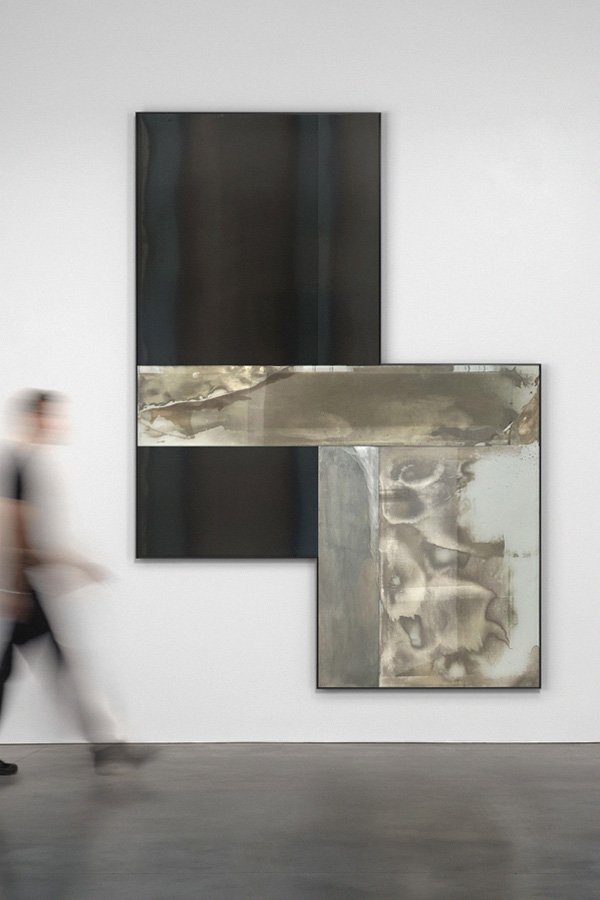
Emaho: The act of making and proximity to fabrication often shapes an object’s final form. How important is direct engagement with production – whether in workshop, studio, or factory – to your sense of authorship and control?
Boldizar: My work demands curiosity and experimentation which is only sustainable with a certain proximity. I tend to meditate on things, get into dialogue with the piece while in creation and this is where I feel the art and design approach can come together.
I don’t strictly define the boundary between them, but for me, art exists in moments of unconstrained decision-making during the process, while design emerges when those decisions must answer predefined questions. Proximity to the work allows for a greater degree of artistic freedom. This freedom is what is so addictive for me in creation.
Emaho: Exhibitions and installations require a different mindset than commissioned or production work. How does your approach shift when designing for a curated space rather than for use, and what freedoms or constraints does each context bring?
Boldizar: Commissioned works usually provide a more defined destination, while exhibitions can be quite open ended. However, my mindset remains consistent. Once you have established your own world, it is about how you apply it to different conditions while remaining true to your approach.
Emaho: In a contemporary design culture oriented toward visibility and immediacy, your work feels intentionally slow and durational. How do you think about longevity and durability as values in design, and why do they matter now?
Boldizar: Time is a factor in my work, materials have their own lifecycles, they grow patina, they change. Moving into fast-paced, large scale production is not a desired or realistic approach for me, as we established my practice requires time and proximity.
It doesn’t mean I have the luxury of time, but I create it by positioning my pieces and by seeking out opportunities that allow for that depth. With current technical overload I already see a shift back into this direction. In an ideal future I expect technologies not to replace crafts and handmade processes, but to augment and merge with them in new territories.