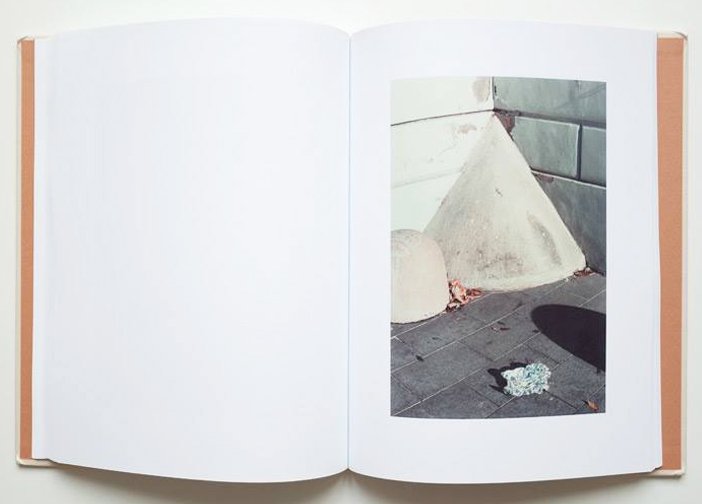
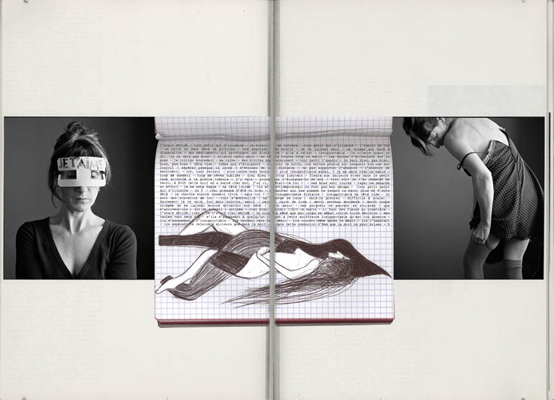
Emaho: Your early work emerged from documenting life in Baghdad during and after the 2003 invasion. How did witnessing conflict as a child shape the way you see photography as both a witness and a storyteller?
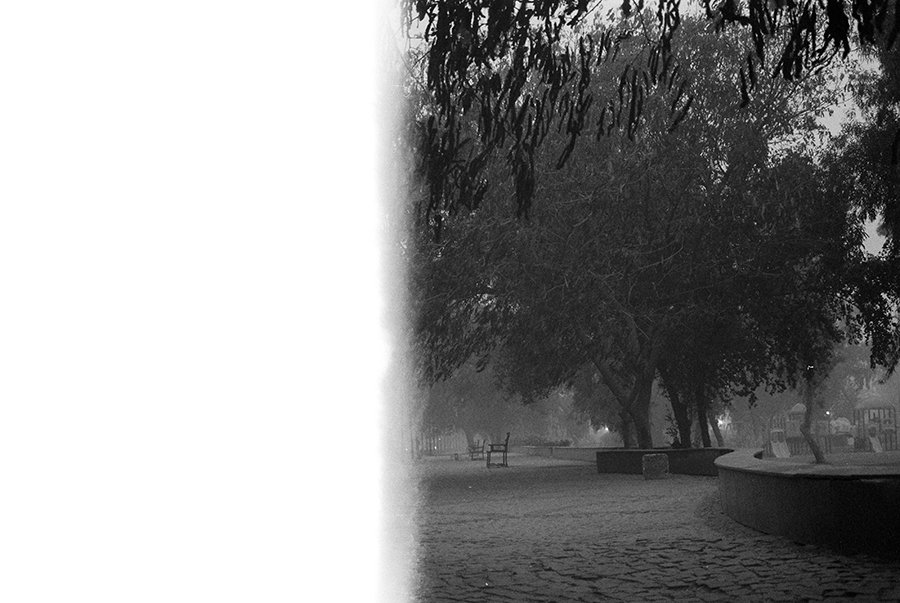
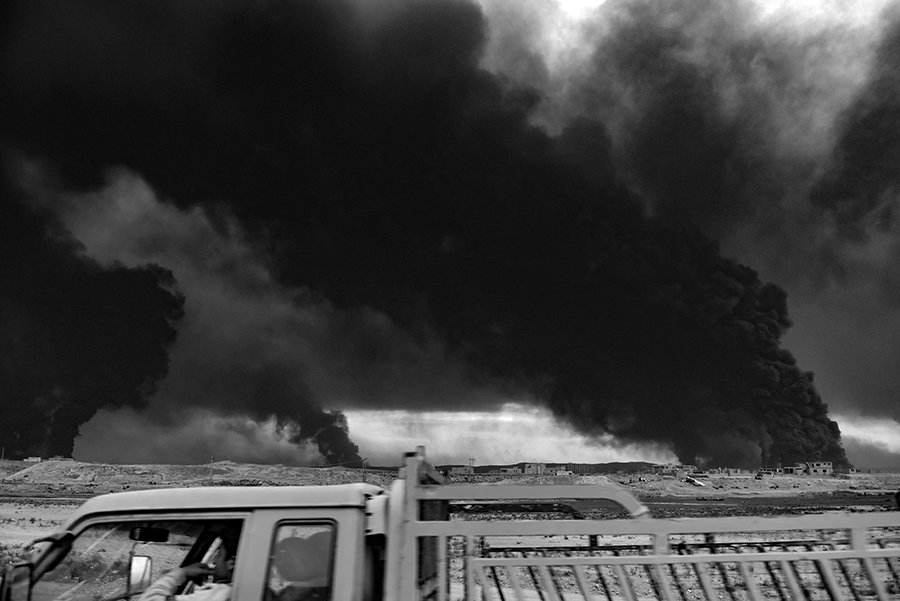
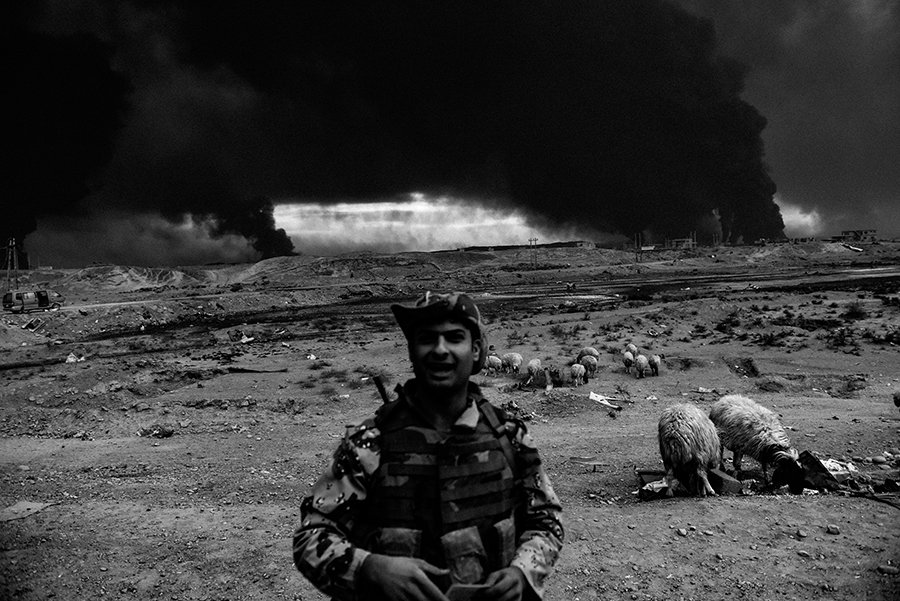
Aymen: Growing up in Baghdad during the 2003 invasion shaped my understanding of photography long before I understood it as a practice. As a child, the camera was not a tool of ambition or art, it was a way to make sense of chaos. I witnessed how images could hold onto fragments of life that felt constantly under threat of erasure. That experience taught me that photography is not neutral. It is both a witness to reality and a storyteller that carries ethical responsibility. For me, an image must testify to what happened, but it must also ask how people lived through it, how they endured, and how they remained human beyond the headlines.
Emaho: Through projects like Henna Magazine and Baghdad Photo Week, you are not only producing images but also curating spaces for Iraqi art. How do these initiatives shift the conversation about Iraqi identity and creativity today?
Aymen: Both Henna Magazine and Baghdad Photo Week emerged from a need to reclaim narrative space. Iraqi creativity has long been framed through conflict, crisis, or nostalgia. These platforms aim to shift that conversation by presenting Iraqi artists as thinkers, experimenters, and contemporaries engaged with the present, not frozen in tragedy. By creating spaces for dialogue, exhibition, and collaboration, these initiatives allow Iraqi identity to be expressed as layered, evolving, and self-defined rather than externally imposed.
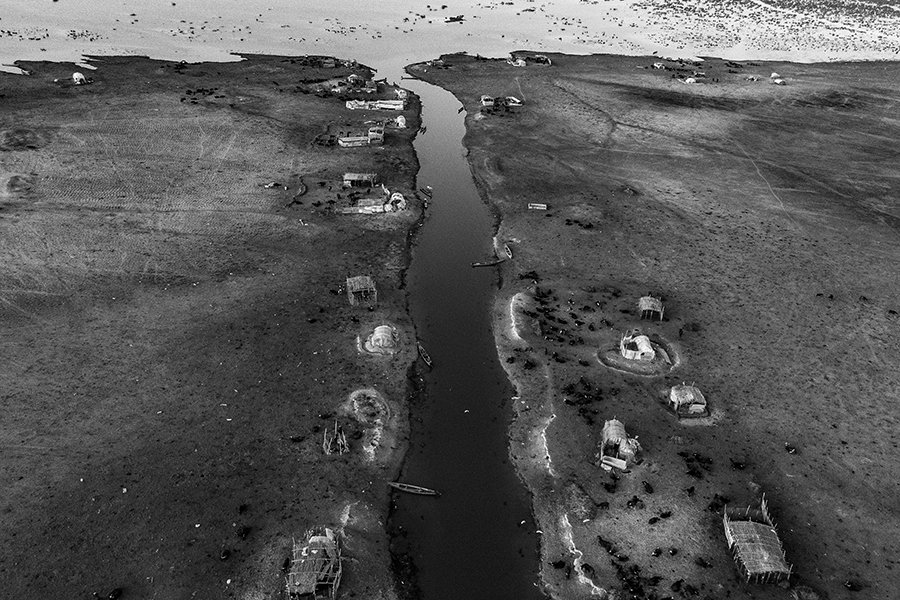
Emaho: Your photography often explores memory, loss, and transformation. You’ve mentioned that the camera allows you to “hold fragile moments of daily life before they disappear.” How do you balance intimacy and universality in this work?
Aymen: Intimacy comes from proximity and trust being close enough to a moment that it reveals its vulnerability. Universality comes from restraint. I try not to over-explain or over-dramatize. By allowing silence, gesture, and ambiguity to remain in the frame, the image can move beyond the personal and become a mirror for others. The balance lies in respecting the specificity of a moment while leaving space for the viewer to enter it with their own memories and emotions.
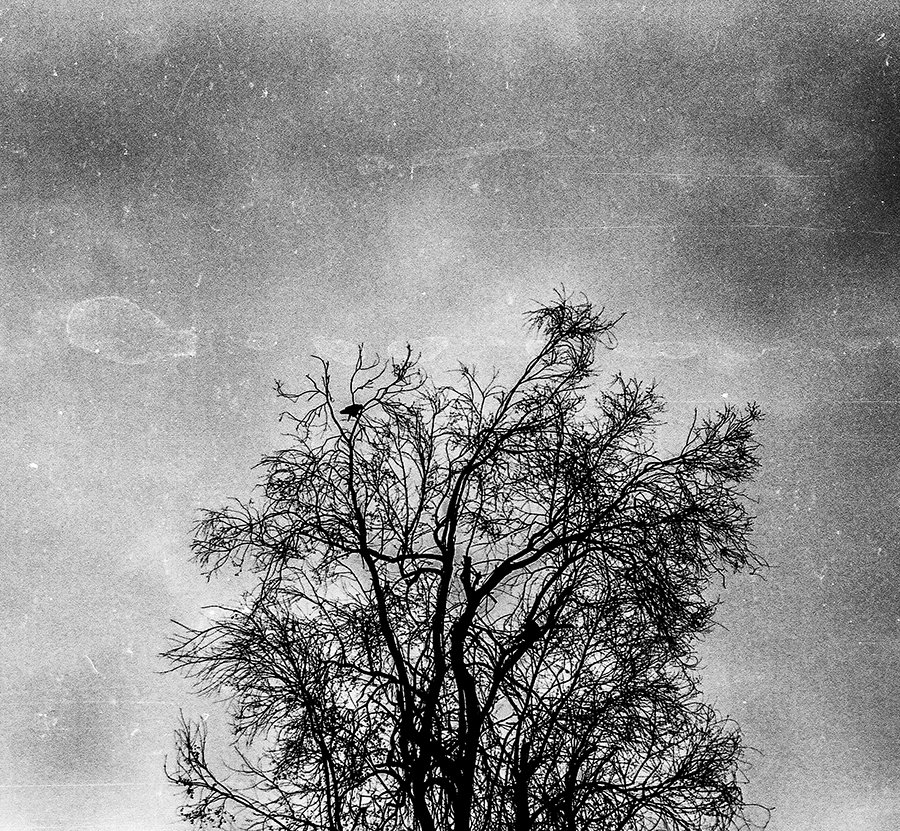
Emaho: Projects like An Imaginary Museum on the Ground focus on the Iraqi marshes, blending environmental concerns with cultural storytelling. What compelled you to document this threatened ecosystem, and how do photography and activism intersect in your practice?
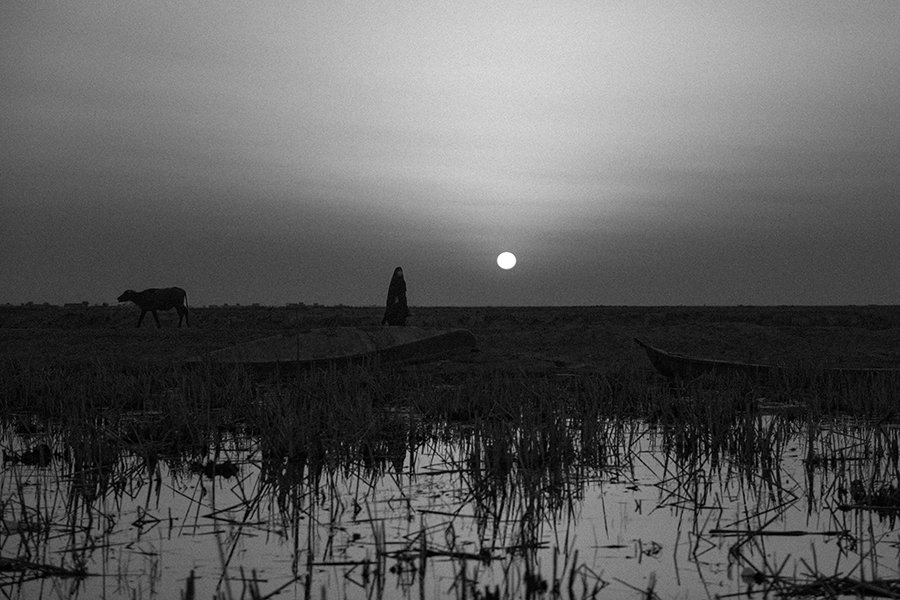
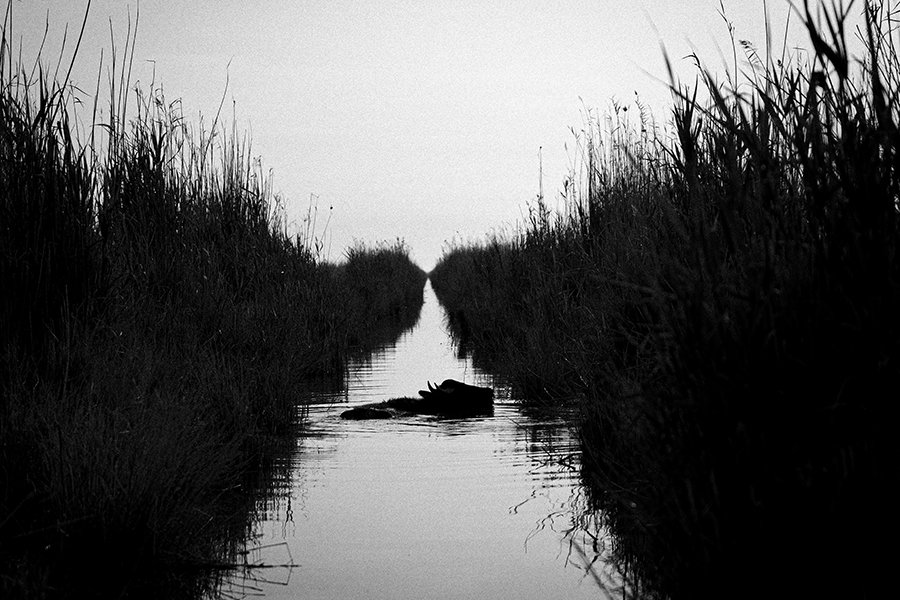
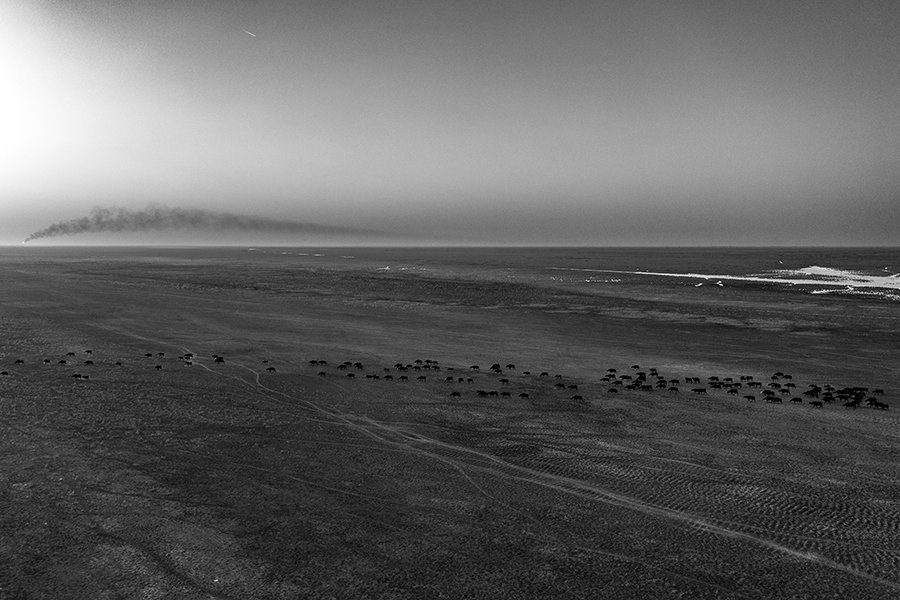
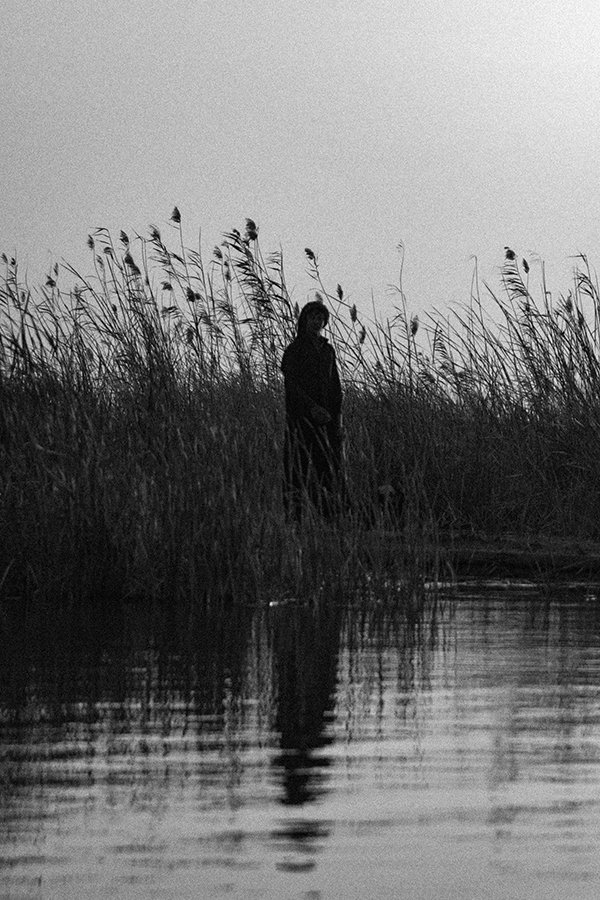
Aymen: The marshes are not only an ecosystem; they are a living archive of Mesopotamian history and identity. What compelled me was the realization that their disappearance would not only be an environmental loss, but a cultural one. In my practice, photography and activism intersect quietly. I do not see my role as providing solutions, but as making loss visible before it becomes irreversible. By framing environmental collapse as a human and cultural story, photography can shift awareness from abstraction to responsibility.
Emaho: Being a recipient of support from the Arab Fund has allowed you to expand your reach internationally. How has this backing influenced the scope of your projects, and what responsibility do you feel to represent Iraq globally?
Aymen: This support allowed me time to research, reflect, and develop projects beyond immediate production pressures. It also expanded the contexts in which the work could be seen and discussed. With that comes responsibility. I am aware that international audiences often encounter Iraq through limited lenses. I feel responsible not to simplify or aestheticize suffering, but to represent Iraq with honesty, complexity, and dignity allowing contradictions to exist rather than resolving them into a single narrative.
Emaho: Baghdad Photo Week is Iraq’s first international photography fair. What have you learned about the appetite for contemporary photography in Iraq, and how do audiences engage with work that reflects both trauma and beauty?
Aymen: There is a deep appetite for contemporary photography in Iraq, especially when people recognize themselves in the work. Audiences engage emotionally and intellectually—they ask questions, challenge images, and share personal stories. What I’ve learned is that trauma and beauty are not opposites here; they coexist. People are not looking to relive pain, but to see it acknowledged alongside resilience, humor, and daily life. That balance creates connection rather than distance.
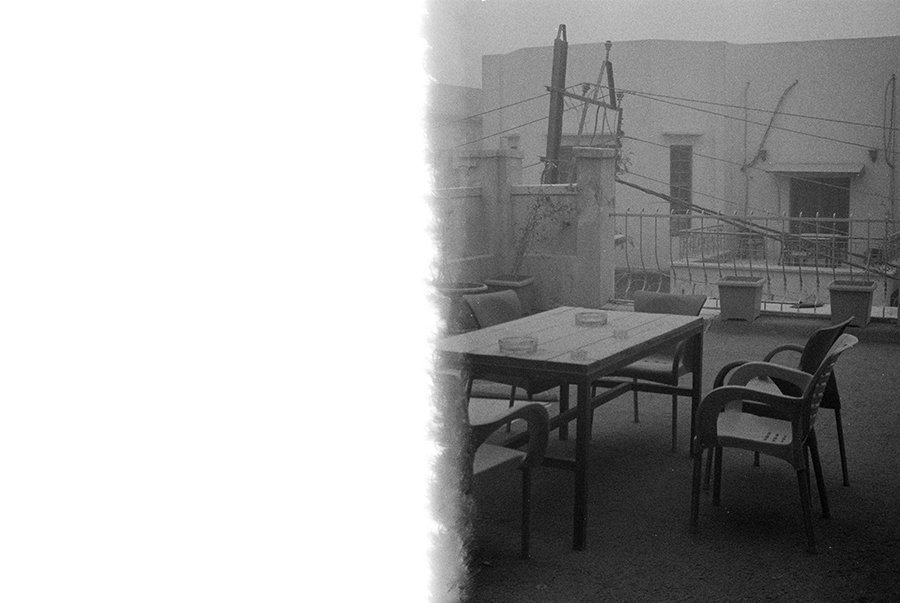
Emaho: Your images often play with light, shadow, and layered narrative. How do you decide when a photograph should be literal versus poetic or abstract?
Aymen: That decision comes from listening to the subject and the moment. Some realities demand clarity and directness; they resist metaphor. Others are too complex or fragile to be described literally. In those cases, abstraction and poetry become forms of respect. Sometimes I don’t impose a style beforehand; the image tells me what it needs to become.
Emaho: How has life in Iraq today influenced the themes you explore? Are there stories you feel compelled to capture now that would have been impossible earlier?
Aymen: Life in Iraq today exists in a space between exhaustion and quiet rebuilding. This has shifted my focus toward mental health, memory, and the long-term effects of survival. These are stories that require distance from immediate violence. Earlier, urgency dominated everything. Now, there is room to reflect on what remains after a crisis and what healing might look like, even if incomplete.
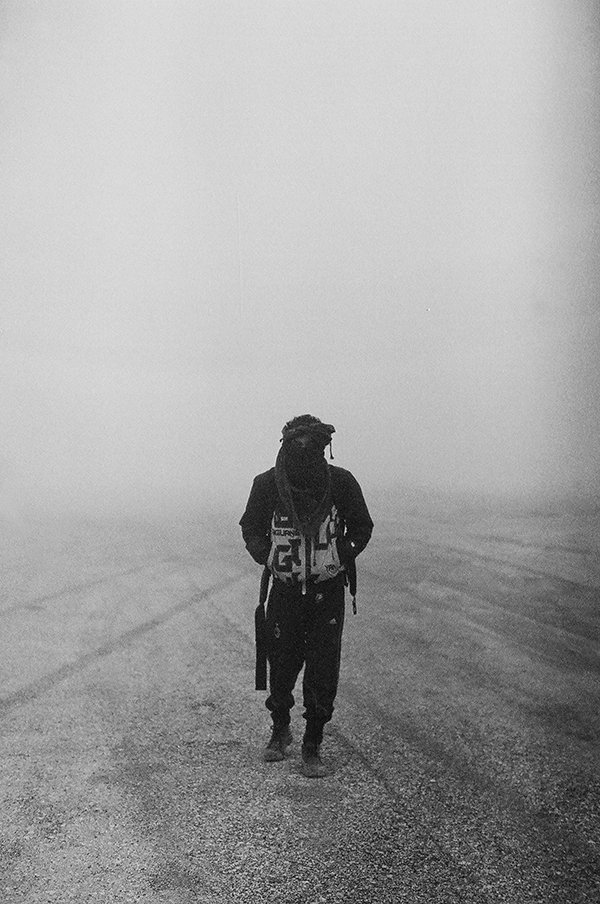
Emaho: The Iraqi art scene is evolving despite years of instability. How do you see emerging photographers redefining Iraqi visual culture?
Aymen: Many are less concerned with explaining Iraq to the world and more interested in speaking to each other. This shift is crucial; it signals confidence and ownership over representation. I believe the next decade will be defined by plurality rather than a single dominant narrative.
Emaho: Looking forward, what new directions or experiments are you curious to pursue, and how do you envision your role as both artist and cultural custodian?
Aymen: I am increasingly interested in hybrid forms where photography intersects with installation, archival practice, and film. I’m also drawn to long-term projects that unfold slowly, allowing ideas to mature over years rather than months. As an artist, I want to continue questioning how images function. As a cultural custodian, my role is to create conditions, platforms, archives, and spaces that allow others to tell their stories freely. Both roles are inseparable for me.