Emaho: You were born in Milan, moved to Japan in your early teens, trained in Japanese painting at Tama Art University through an MFA, studied for a time in the Netherlands, and now make photography in London. That’s four countries. Which of those places feels most like where your eye comes from, and what from painting still shows up in how you make a photograph?
Sayako Sugawara: It is hard to say which places in particular. I think that a person’s eye is made up of various layers of personal and visual experience from different places and times. These elements accumulate, and are carried through as a complex mixture. Sometimes dormant memories get activated through the working process. I find this aspect of memory and how we accumulate it very interesting. What shows up most from the time I was painting is the use of association. As I concentrate on the associations through the making process, different things from different moments in the past rise to the surface.
I was exposed to a lot of art from an early age when my family lived in Italy. That continued after we moved back to Japan but naturally more Japanese traditional art was added to the mix.
Growing up within a foreign culture for the first 12 years then moving ‘back’ to Japan created a situation where I felt like an outsider in my own country. I found this period really hard and traumatic. I spent a lot of time with my maternal grandparents who provided me with a refuge from the confusion I was experiencing while my parents were busy resettling back in to the culture they left many years earlier. As soon as we moved I was ready to go back to Italy, but when I eventually managed to revisit, I realised that in fact, I was a total outsider there too. Now that I’ve spent three quarters of my life in countries other than Japan, I often wonder what my connection is going to be once my relatives all leave us. I guess there is a part of me that always wants to belong somewhere but does not feel like it does: I am the one that is in between all these countries and remains a stranger. That is the eye that shows the strongest, I think.
Emaho: You completed your MA in Photography at the London College of Communication in 2013, long after your painting training in Tokyo. What was the moment you realized a camera and a darkroom could say something a brush couldn’t?
Sayako Sugawara: I was always interested in photography. My maternal grandfather gave me my first camera when I was a teenager, and I used to take portraits of friends and what we got up to, but at that point I had no idea about darkroom printing. Many years later as my children became a little more independent, I returned to studying and was introduced to the darkroom and I got really into it. So, I could say this was the beginning of it.
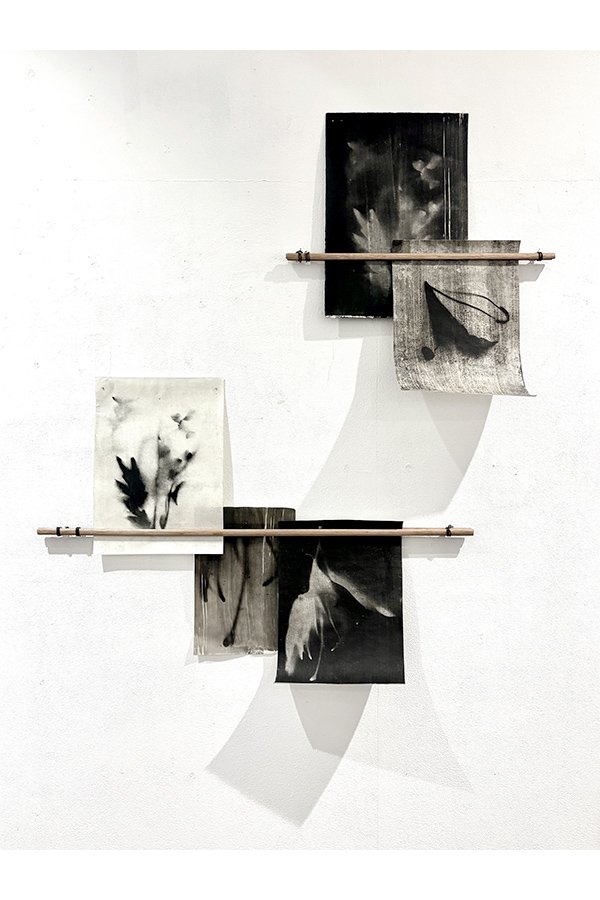
Increasingly I am looking for the combination of the two. Combining the best parts of each: the texture and expressiveness of painting, with the physical imprint of photography.
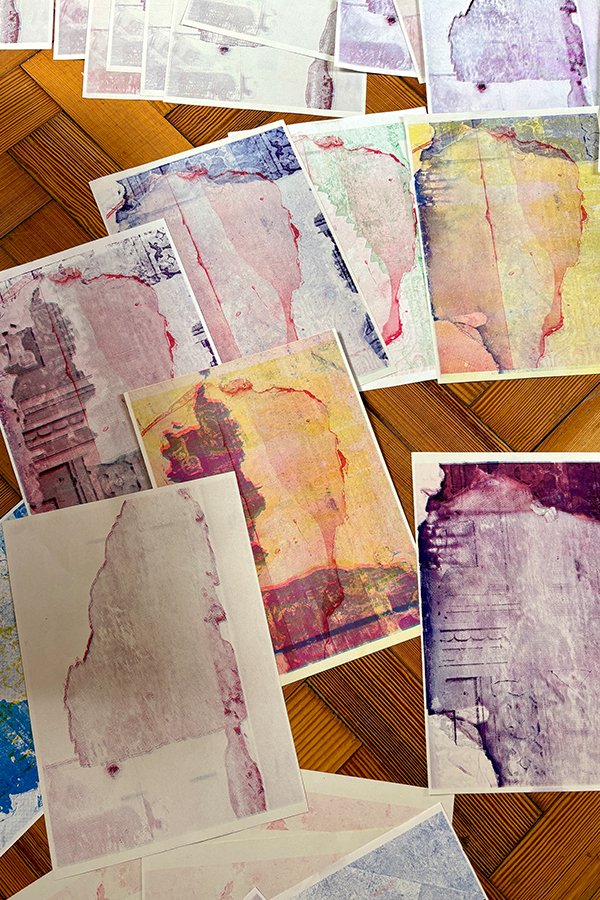
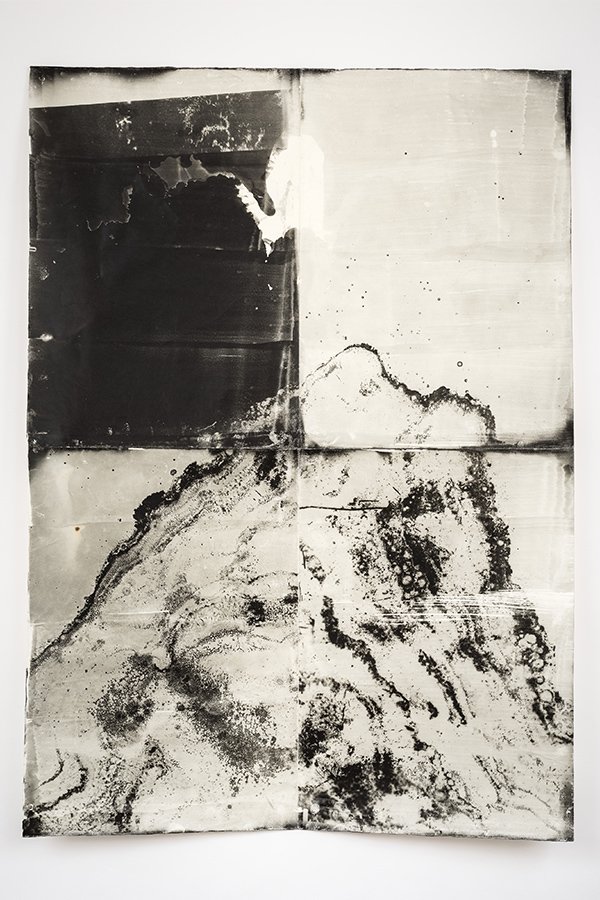
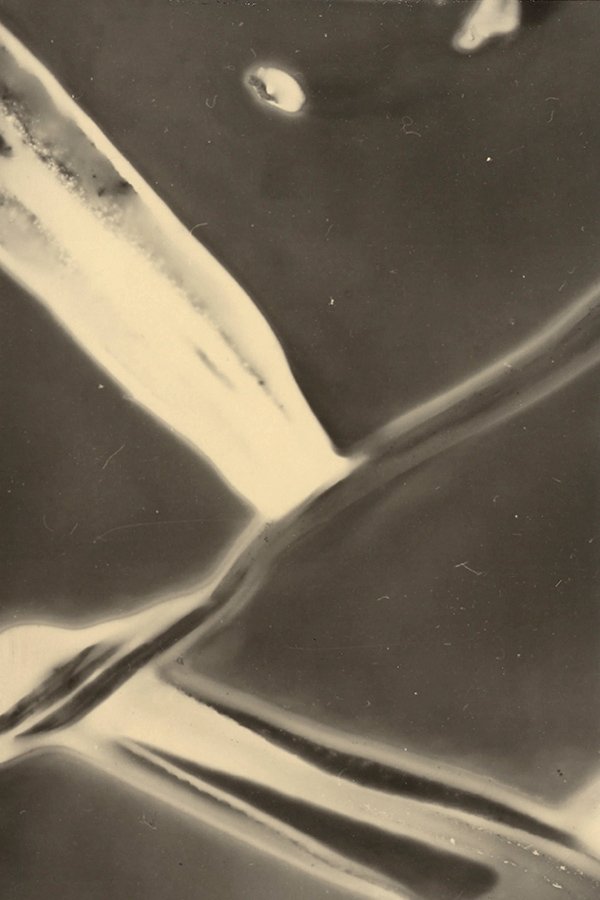
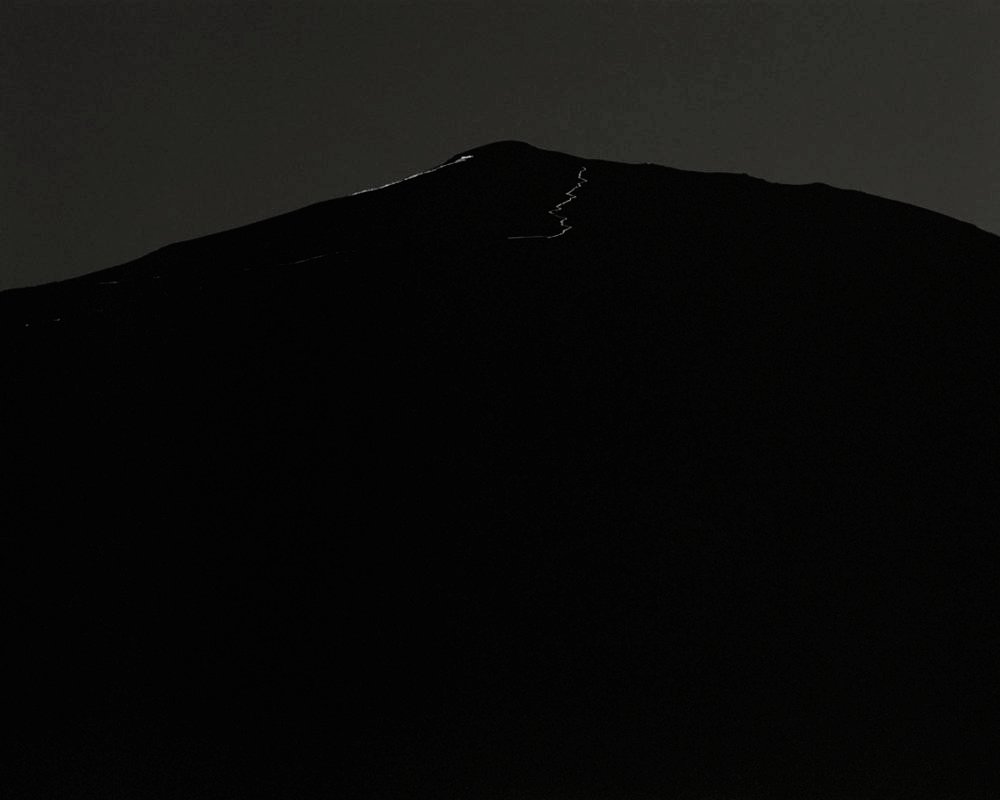
Emaho: For your 2018 solo show in Augsburg, you enlarged and printed the mould growing on 112 year old glass negatives onto large sheets of Japanese paper, turning the damage into mountain landscapes. Most people would see ruined negatives. When did you first look at that decay and see mountains instead?
Sayako Sugawara: After months in the darkroom investigating the glass negatives, the mountains started to appear from the mould that almost perfectly framed the image, as I began to super enlarge the plates. I developed this approach on a previous project I did with glass negatives which became part of the series Fragments and my first book, The Schwarze Mönch. I realised that glass plates carry traces and marks left by time and the people who handled them in addition to the actual contents of the slides. I found the idea of these layers really interesting.
I also became interested in the idea of an active archive, in which the glass plate functions as a vessel which carries all the traces and signs of time. In this case the water damage, caused by the glass negatives of alpine photographs being kept in a cellar which flooded, accidentally creating mountain scapes, echoing the content of the glass negative themselves.
I find that quite often when I keep on following what is led by the process, these beautiful serendipities happen. It takes a long while but it seems to end up full circle, where it was meant to go.
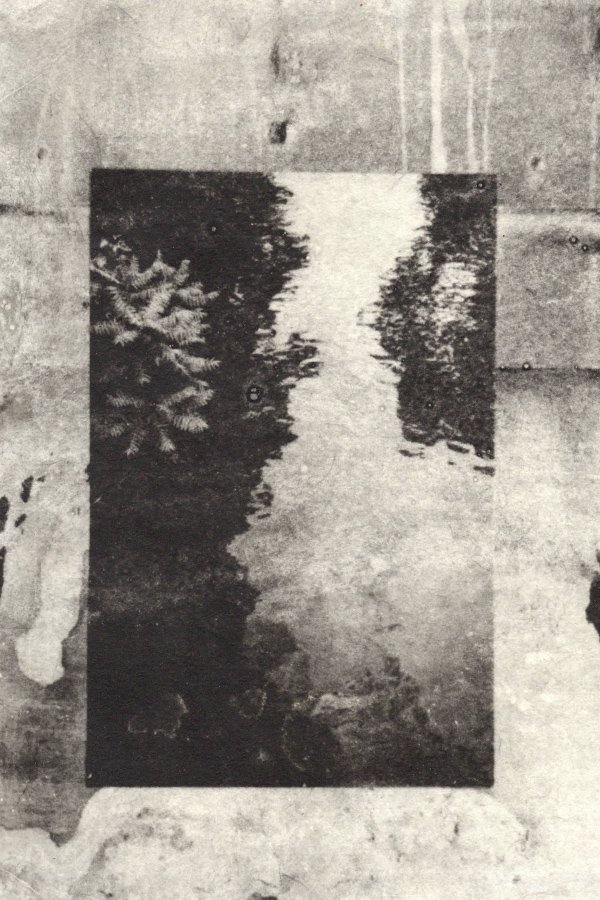
Emaho: Your Pond series was photographed at the same spot over two years, during your commute to work. Going back to one place that many times, you must have shot plenty of dull mornings. What did the pond give you on the days when nothing seemed to be happening, and how did you know when you had enough?
Sayako Sugawara: In those days the pond was just a pond and refused to give me anything other than that. There were plenty of those. The end of the project came naturally, when I moved house and I wasn’t taking this beautiful route to work any longer.
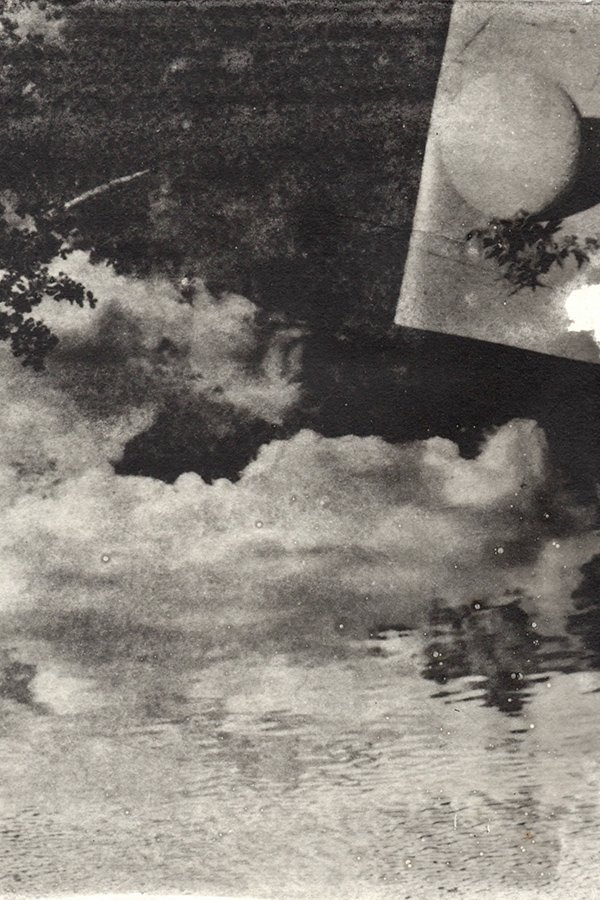
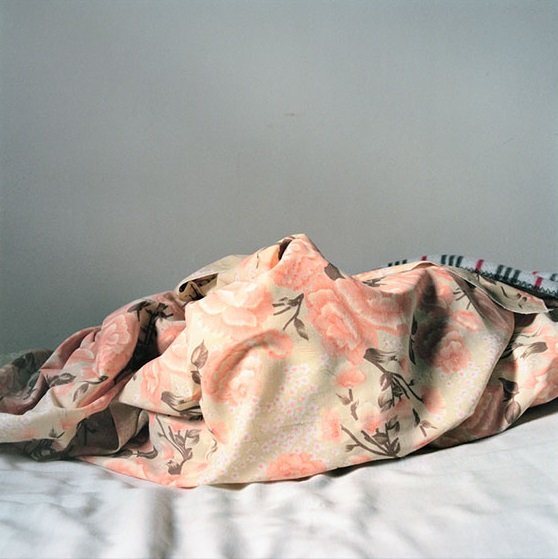
Emaho: Shadows of the Flowers, which you published in 2025 as a three volume set, grew out of an unexpected bereavement and looks at preserved funeral flowers, grief and ritual. Making work that is close to a real loss is very different from working on a landscape project. Did you know from the start that it would become something you’d show, or did that decision come later?
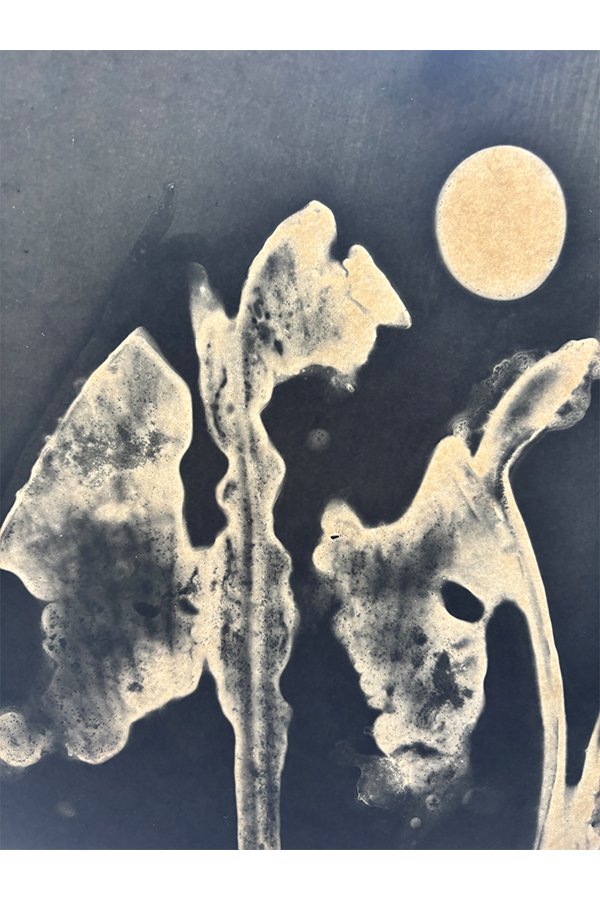
Sayako Sugawara: The decision came later. It felt like I was responding to the materials, and the work slowly grew, developed and became a series. For a long time it accumulated as part of a personal ritual to deal with the loss, and at one point it felt like there was no end to it. Making the book was a way to pause, take stock of what I had done, and give it structure. The Blue Shadows cyanotypes were made in the early days of the loss but put away for nearly five years. I initially made them while my sons and I spent 10 days in Covid isolation surrounded by my mother’s belongings in a space which she had used as a studio.
Later, I would take them out now and then, but they felt like nothing more than a record of a very strange and sad time. It wasn’t until this year that they felt ready to become Blue Shadows.
For The Shadows of the Flowers, flowers sent by well-wishers were frozen to postpone disposing of them, and then defrosted two years later. At this point the phytogram response came. In both Blue Shadows and The Shadows of the Flowers, I was following an intuitive reaction to materials that held a special meaning for me, and had an approaching best-before date. Between each stage in these processes there was a long hiatus when the materials were not ready. Grief has different stages too, and the work kept changing as I kept going. I’m interested in this idea of the work actually becoming a work, sometimes it takes five years, sometimes longer.
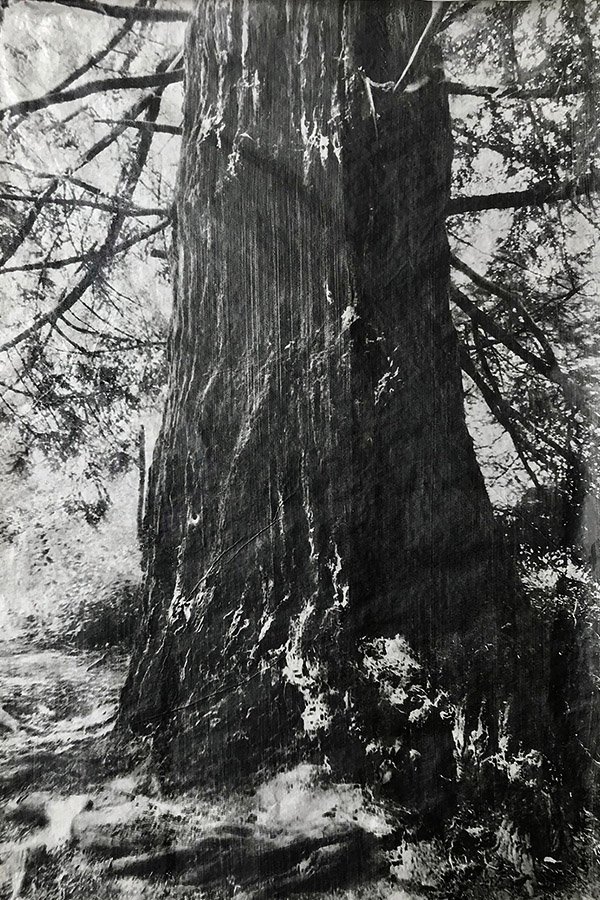
Emaho: Redwood Magdalene was shortlisted for the Ashurst Emerging Art Prize in 2021, and it grew out of a project you were commissioned to make for a national newspaper’s 2020 summer photography issue. Commissioned work and personal work usually pull in different directions. What did the commission give you that you wouldn’t have found on your own, and what did you have to protect from it?
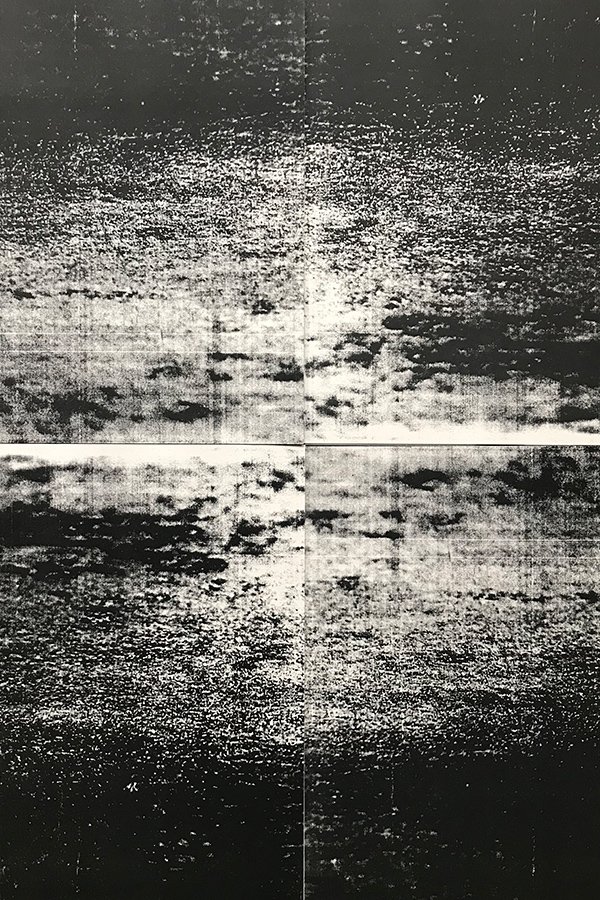
Sayako Sugawara: This commission gave me a chance to work in a different way from how I normally would. Being given the theme encouraged me to find a personal connection to the river Thames and to create an experience, in this case the walks I took from the sources of the tributaries to the river, and then make a project out of it.
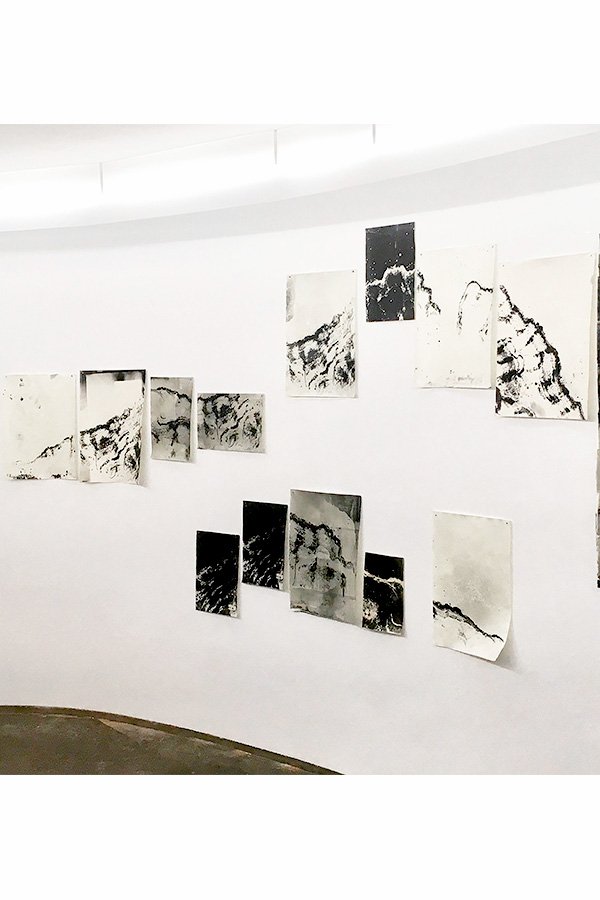
Emaho: You’ve said the tactile side of your process is essential. While staying and working at Convention House, where the Riso room is, you took rubbings and photographs of peeling wallpaper and a worn kitchen floor and turned them into overlaid prints. When you’re working that physically with a surface, who is making the decisions, you or the material?
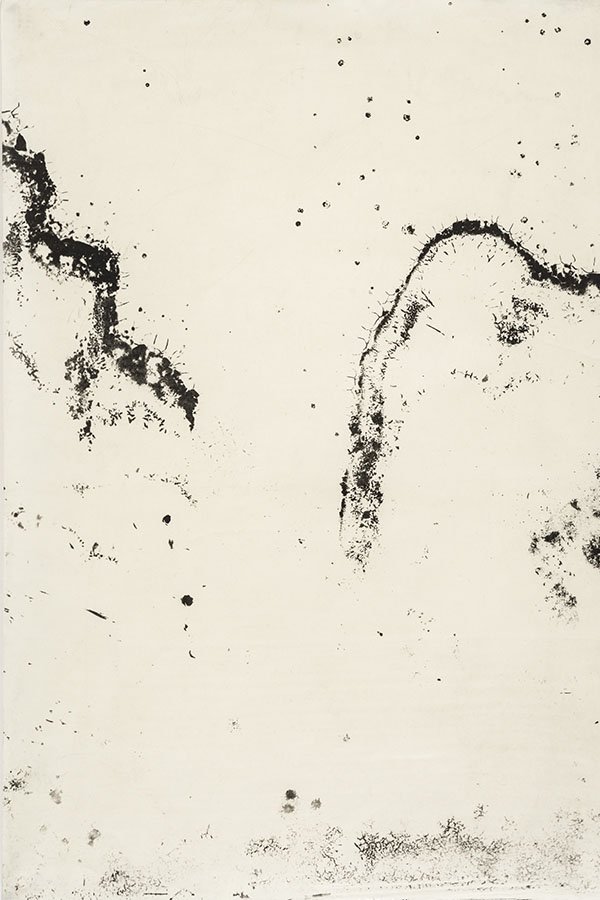
Sayako Sugawara: I often find that I create a situation or decide on an action to take, but the materials make the final decision on the outcome. What I imagine could be interesting often doesn’t work out at first, but there are often discoveries made in the process that only occur because I took the initiative.
Emaho: In a recent interview, you described trying to bring the past and the present together while questioning the very nature of memory. After years of working on that question, has the work changed how you remember anything in your own life, or made you trust your memory less?
Sayako Sugawara: I am finding that my memory is becoming less and less trustworthy. I don’t really have a clear memory of my childhood or the traumatic experience of moving countries when I was 12. I find that memory doesn’t come back directly through working on certain projects. It feels like there are many things that get lost only to accumulate in a half opaque mental soup. Occasionally they get triggered and they suddenly become clearer but otherwise they sadly remain lost.
Emaho: You’re a member of the London Group, part of a photography collective called Group|Matter, and you’ve exhibited at Photo London through Open Doors Gallery. Photography can be a pretty solitary practice. What do these groups give you that working alone in the studio and darkroom doesn’t?
Sayako Sugawara: I really enjoy working alone but collaboration is a newly discovered experience and I’m finding it very interesting. I am enjoying the process of making an action, leave it, and someone else taking that to a place I wouldn’t have imagined myself – and hopefully vice versa. So, I would say working in these groups give me pleasant and at times exciting surprises.
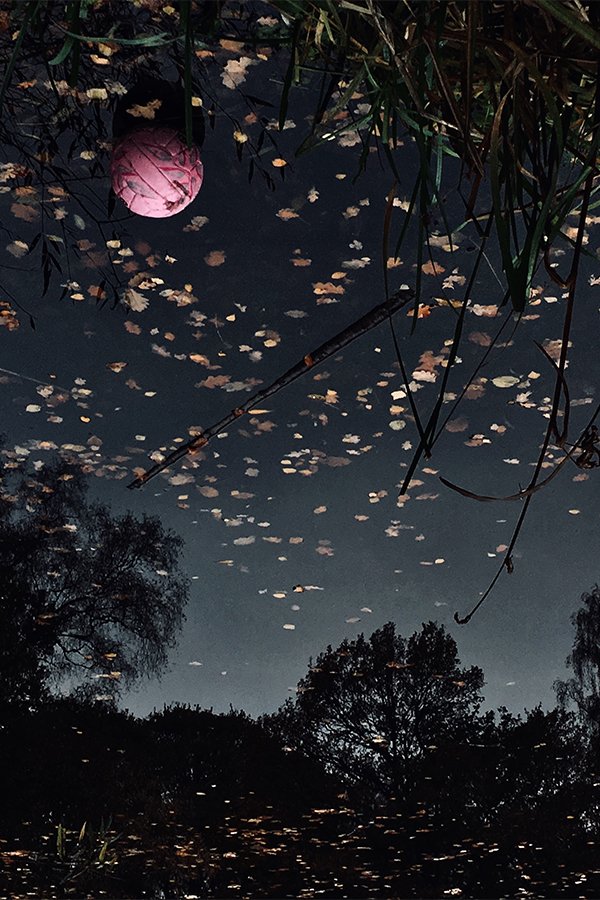
Emaho: Your image Pink Full Moon appeared in the book England on Fire, you showed Undercurrents at Ibasho Gallery in Antwerp in 2022, and this year you’ve self-published a book called Blue Shadows. Looking at everything you’ve made so far, is there a process or material you haven’t tried yet that you’re quietly saving for a future project?
Sayako Sugawara: Yes, there are loads more! Metal, wood, space, and so on. I would also like to revisit some things I used to do in earlier years. I am interested in my work becoming something to be experienced in relation to the space it is in, which I guess is a form of installation. I am also thinking of ways to utilise how materials behave in response to the environment they are placed in.
Photos © Sayako Sugawara