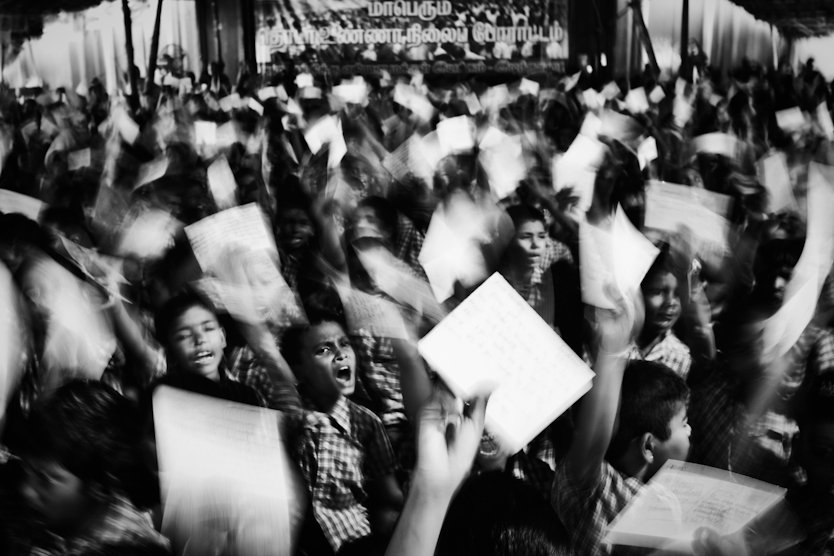
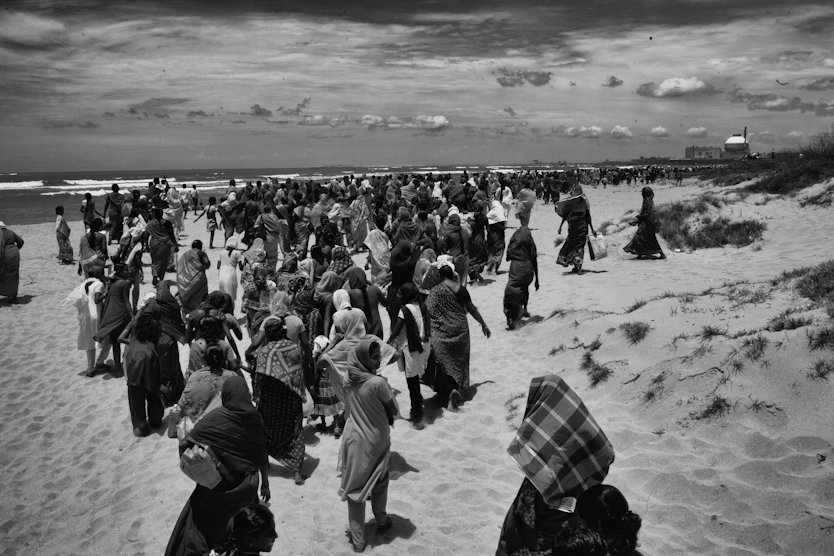
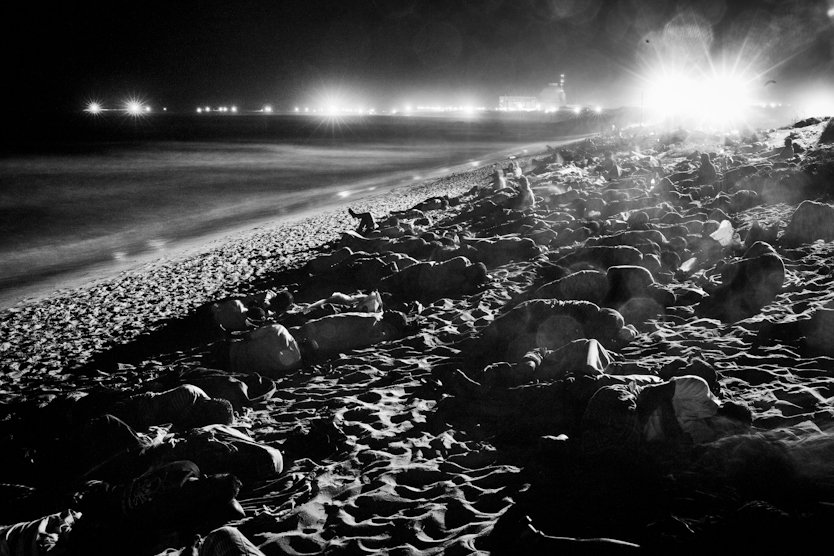
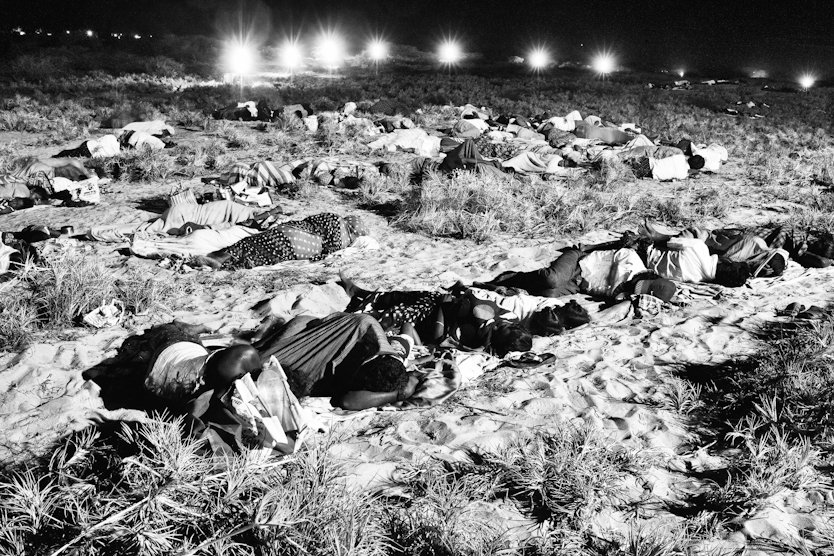
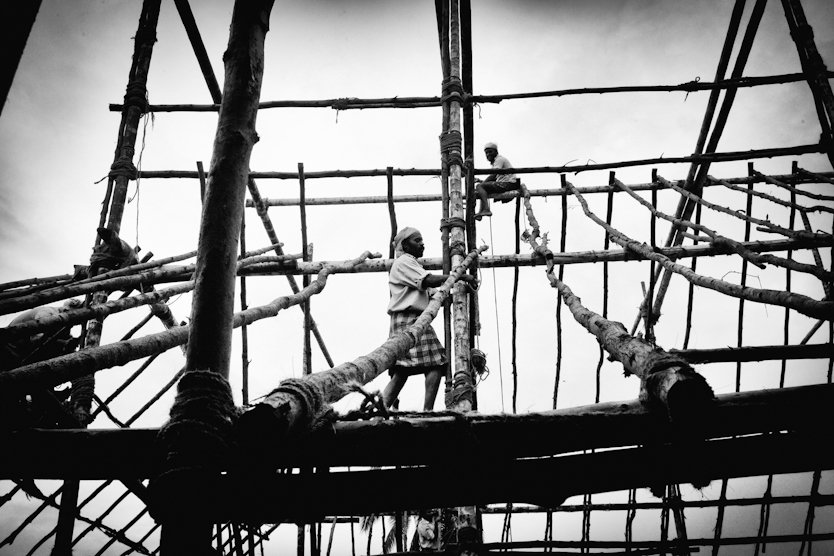
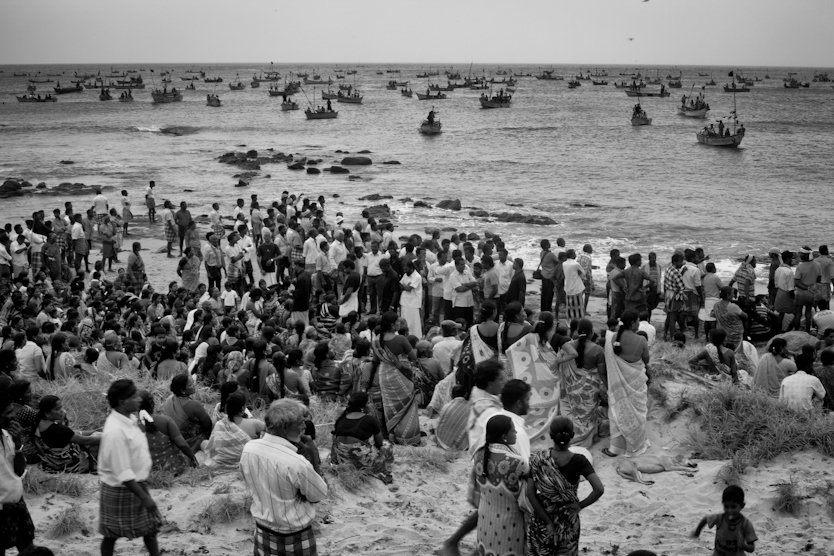
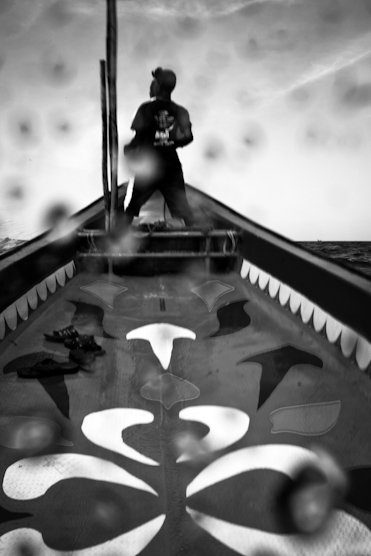
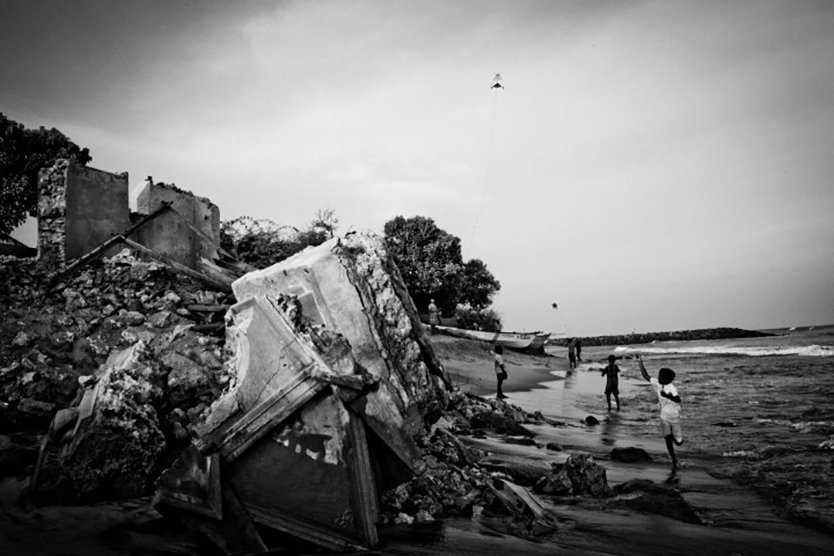
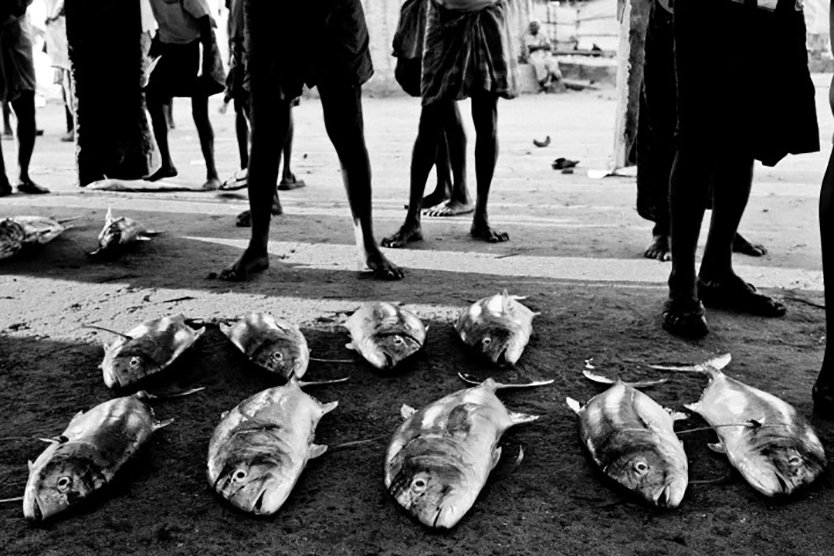
Koodankulam : In My Backyard – Amirtharaj Stephen

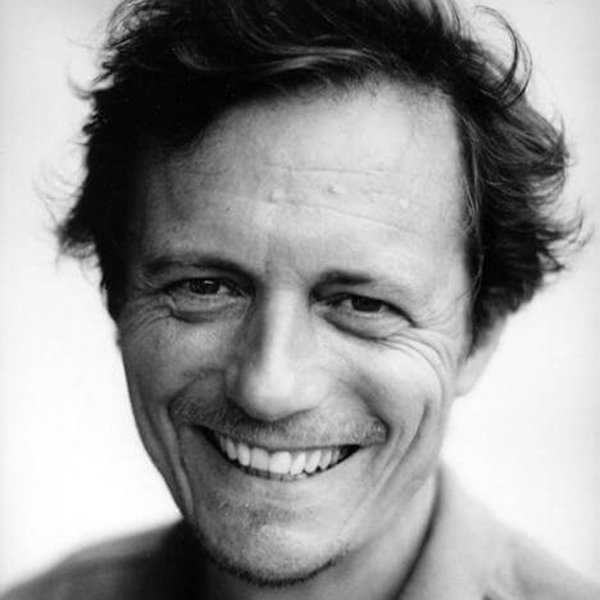
Amirtharaj Stephen is a Tamil photographer based in Bangalore, India. He is currently documenting the anti-nuclear protests around his native village

India –

‘Colorful Guizhou’, the 6th Photo China Original International Photographic Exhibition opened in the Guizhou Province of China on August 16, 2013. Manik Katyal, Editor-in-Chief of Emaho Magazine had nominated 5 photographers from South-Asia for the competition. One of the nominee, Amirtharaj Stephen won the 2nd Prize as well as the cash prize of 10000 Yuan for his series ‘Koodankulam: A Nuclear Plant in My Backyard’.

Organised by China curator Wang Xi, the recommendation panel for this exhibition was headed by Robert Pledge the CEO of Contact Press Images, USA. The other esteemed members of the panel included Pablo Bartholomew – World Press Photo winning photographer , Wang Jingchun – Director of Picture Department of Nanfang Metropolis Daily, Jia Guorong – Sr photojournalist of China News Agency, Lin Tianfu – Chairman, Chinese Photography and Art Exchange Association, Huang Wen – Director, Center of Xihua News Agency and Zhuang Wubin – Curator, Scholar.

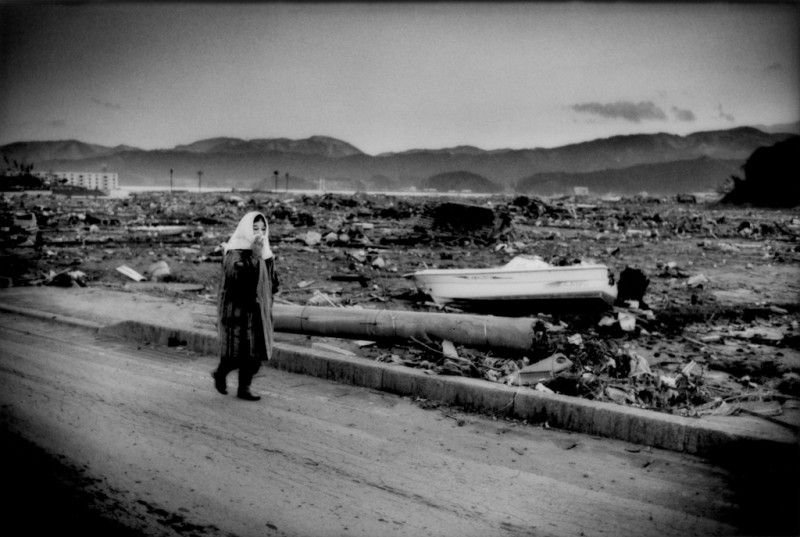
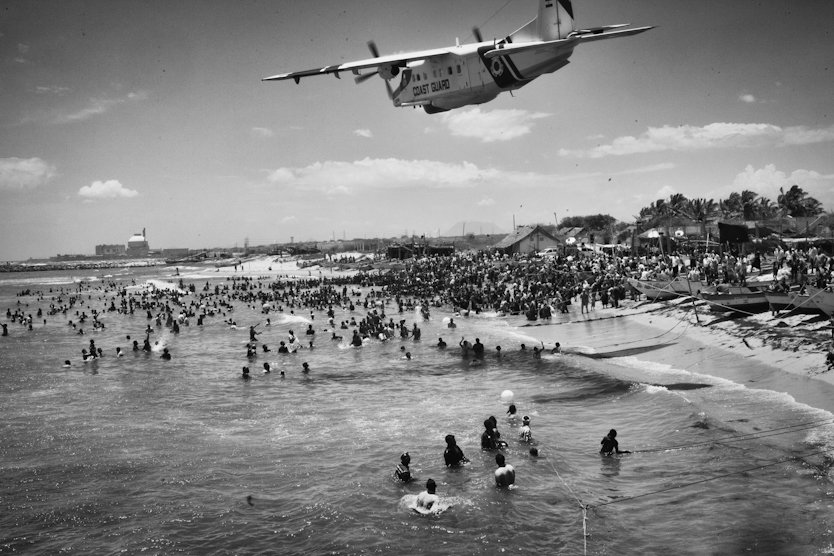
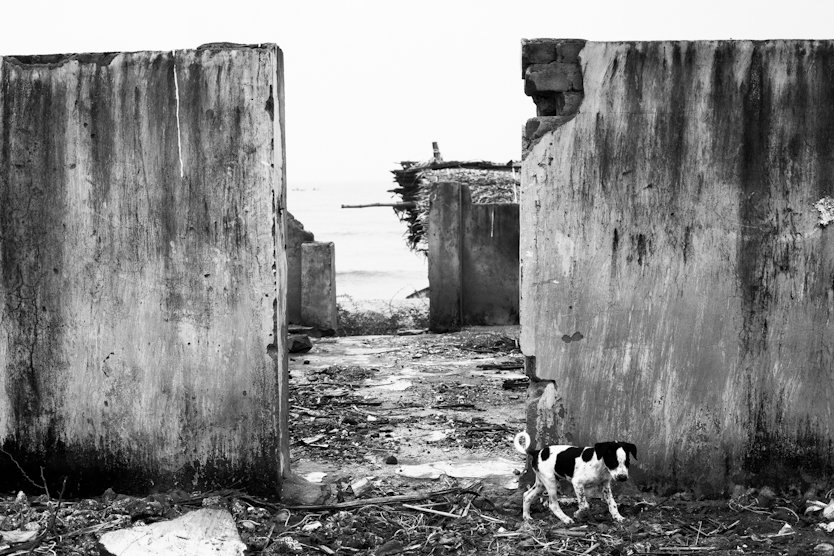
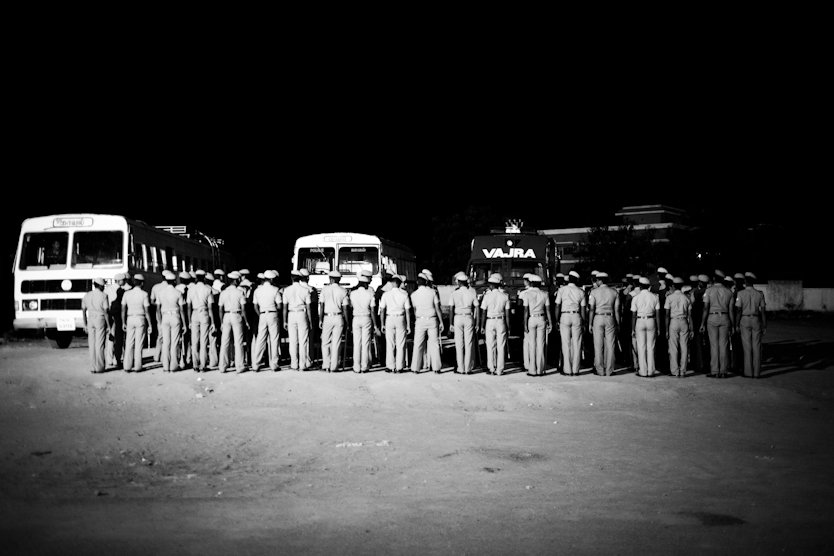
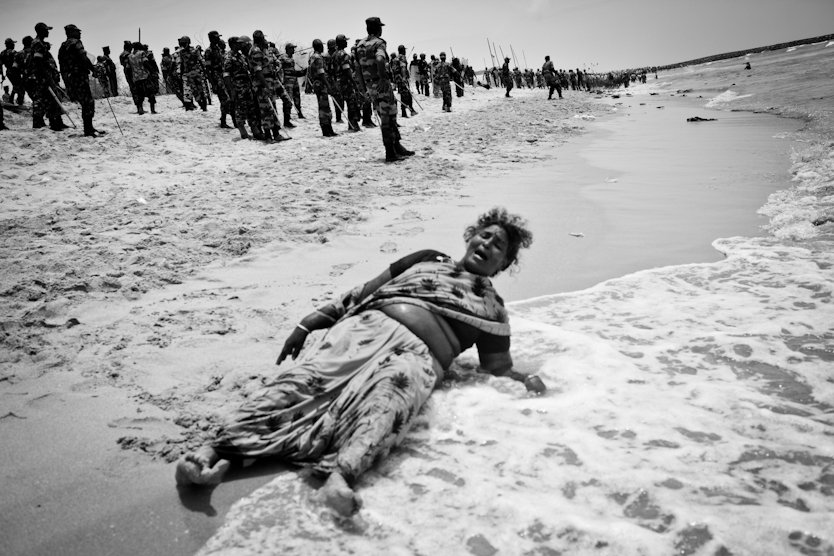
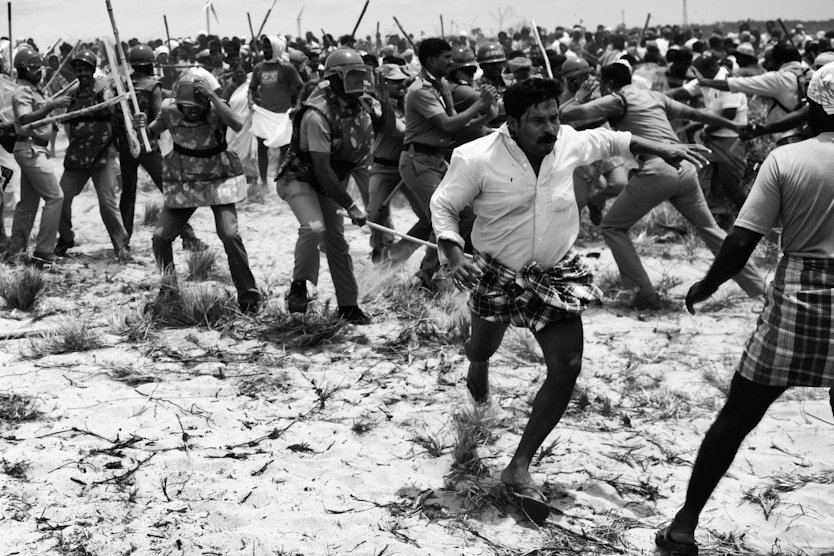
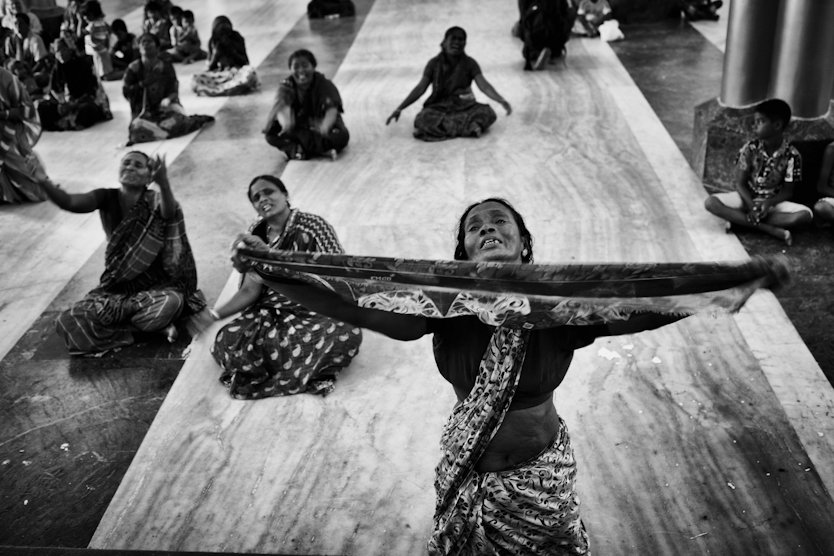
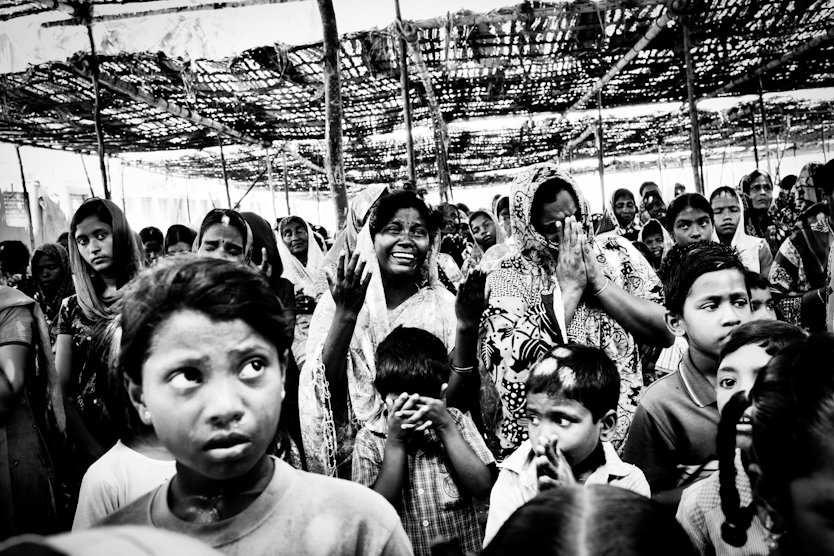
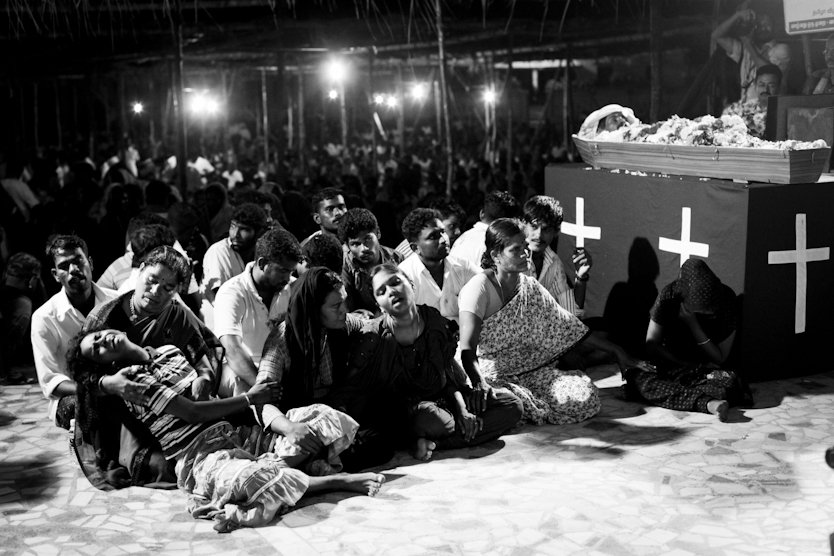
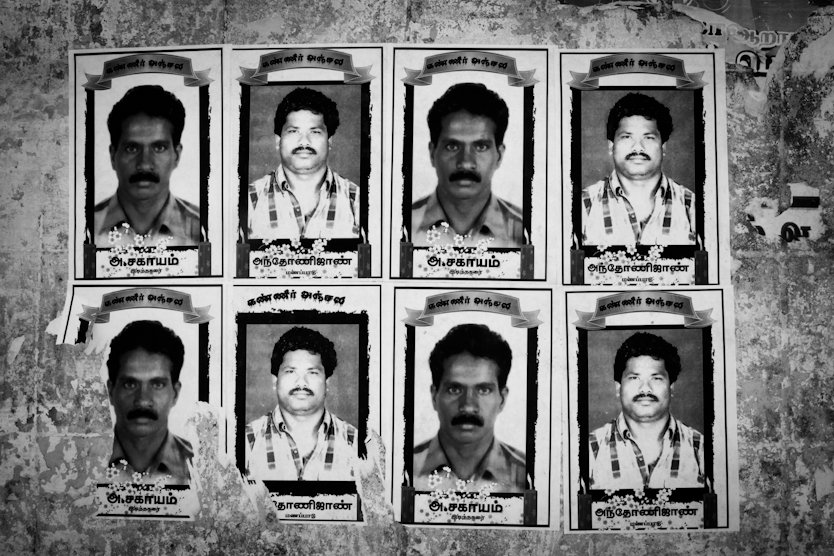
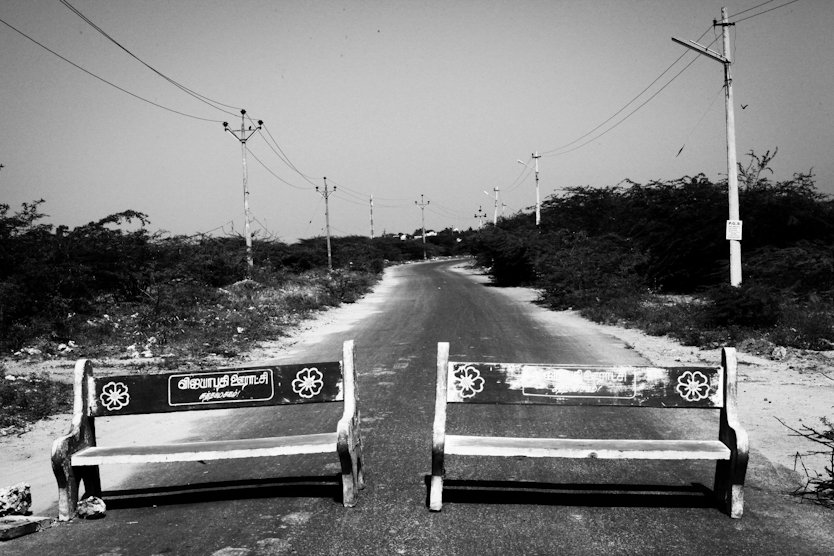
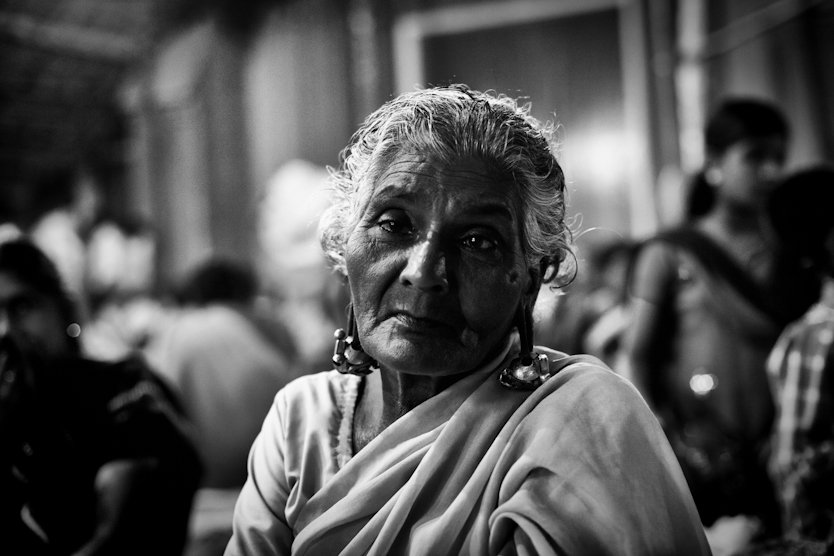
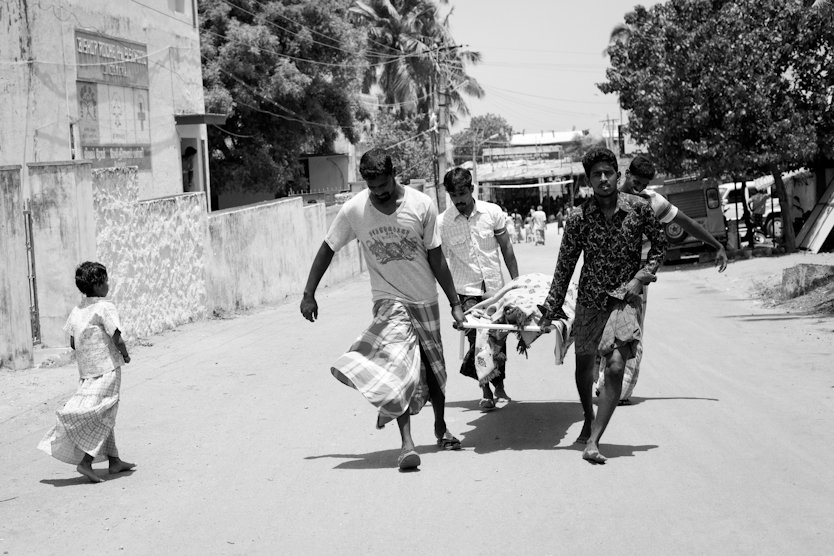
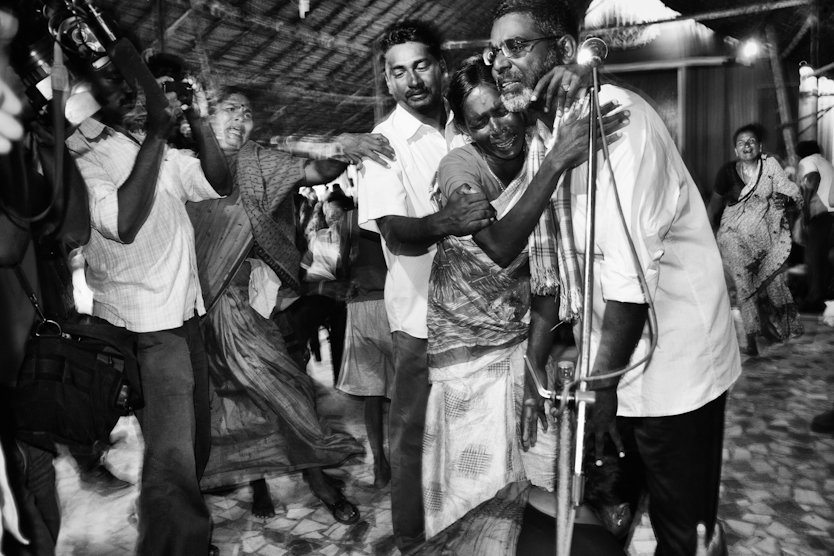
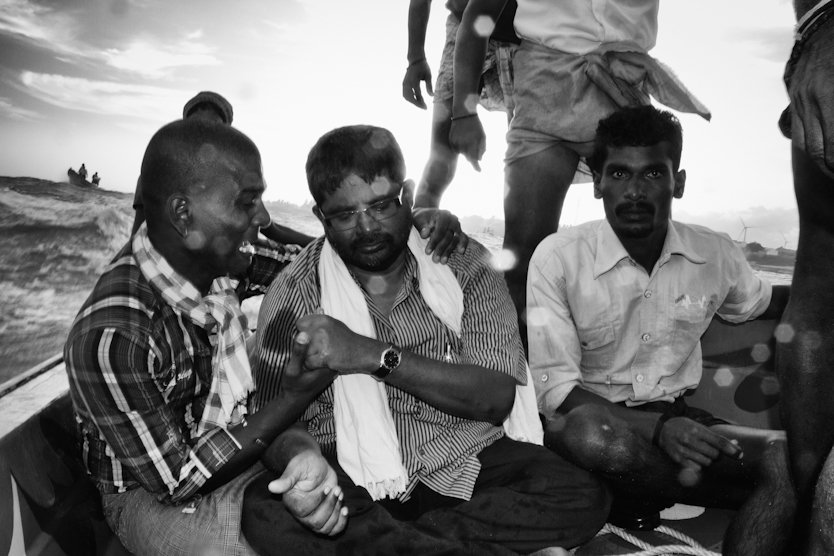
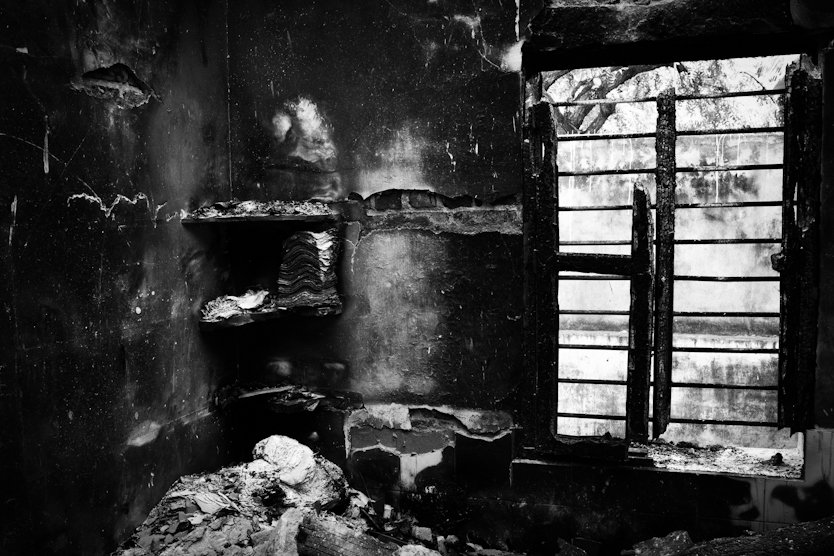
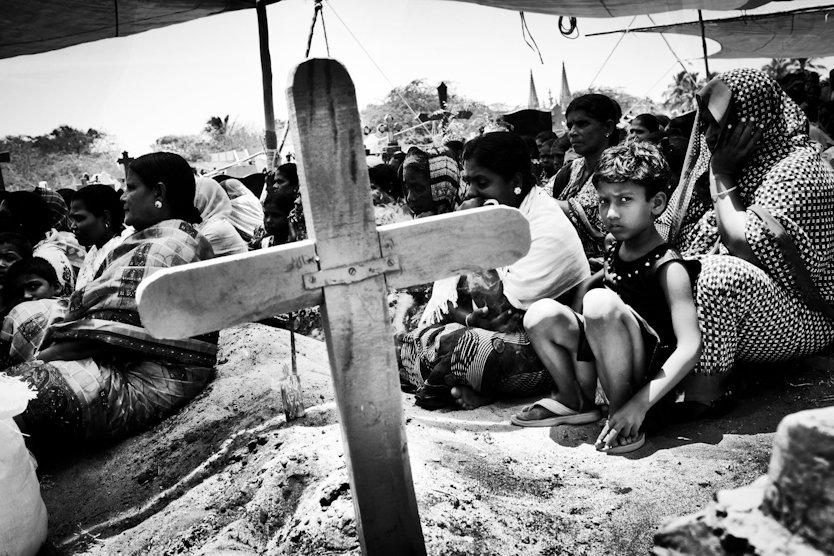
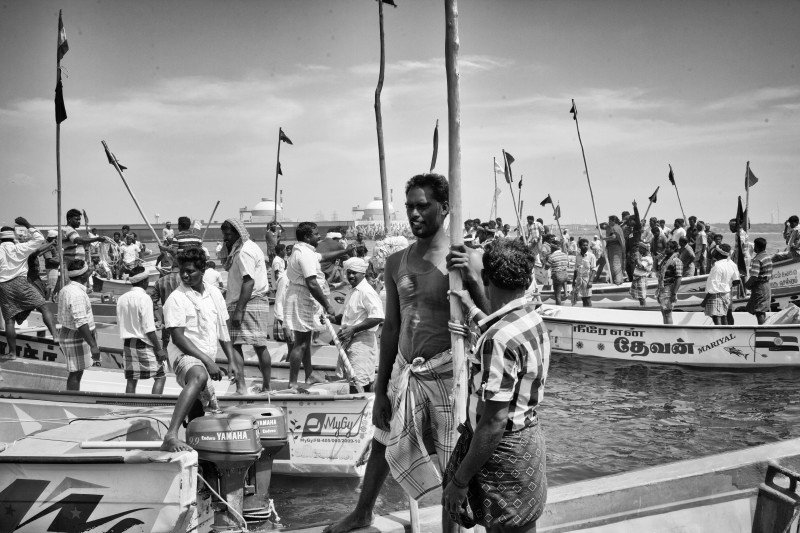
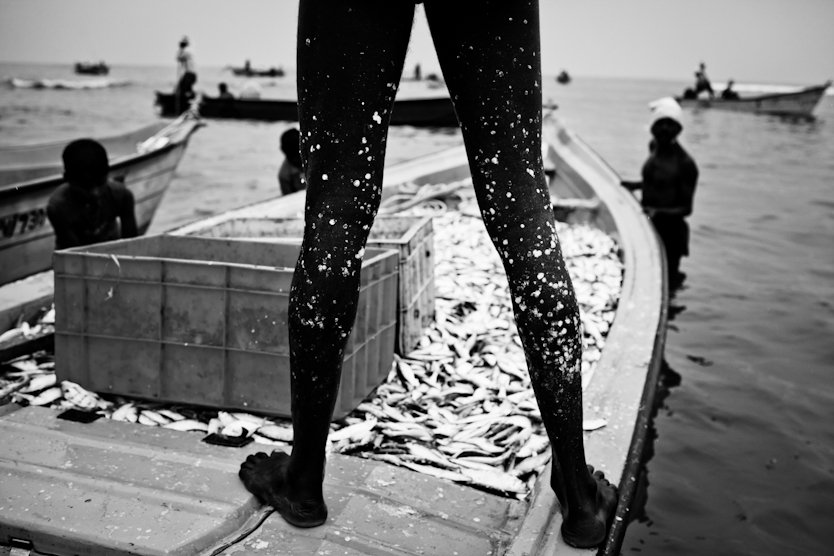
“Koodankulam: In my Backyard“ is a set of photographs from the uprising of the local community against the Indian and Russian Government on commissioning of the Koodankulam Nuclear Power Plant (KKNPP). The people have been protesting over 650 days post Fukushima Nuclear Disaster in a non-violent and peaceful manner which have been repeatedly subject to violence by the government forces to clamp down on the protesters. Today, the Koodankulam protests not only create a debate on nuclear energy in India, but also questions the philosophy of “Democracy” on which the world’s biggest democracy India was built.


Written and Photography by Amirtharaj Stephen.

Related Posts

Daisuke Hirabayashi: “Staying Naive Despite All the Knowledge Is Something I Strive For” – On Architecture, Photography and Learning to See Intuitively

In this interview, Daisuke Hirabayashi reflects on architecture, photography, and the process connecting both disciplines. From Herzog & de Meuron ...

Linda Zhengova: Photographing Eroticism, Memory and the Politics of Being Seen

Czech Chinese photographer and writer Linda Zhengová moves between memory, trauma, eroticism and human connection with startling emotional honesty. In ...

PhotoEspaña 13 : Body. Eros and Politics.

Spain –  PhotoEspaña, one of the most important photography festivals in Europe, which has its epicentre in Madrid (exhibitions also ...

Ayako Mogi: Travelling Tree

Japan – “Travelling Tree” collects photos taken by Photography feature – Ayako Mogi during her peregrinations throughout Europe and Japan ...

Jeroen Toirkens: Solitude

Netherlands – In April 2013 Jeroen Toirkens and Petra Sjouwerman travelled by car, boat, bus and snowmobile across the Barents ...

Erik van der Weijde: Home is where the Dog is

Holland –   Photography feature – Erik van der Weijde has produced more then 40 publications. Home is where the Dog is, his latest one, continues his ...

Football’s Lost Boys – Jason Andrew

Turkey – One evening in the basement of an Internet café in the Sisli neighbourhood of Istanbul, a small group ...

Manik Katyal on Halil Koyutork’s “I am Playing Ping Pong Now” – Photography, Sexuality, Society

Turkey –  “”I fell into a state of mental and psychological distress after my divorce. That triggered me in a ...

Stockdale on Alejandro Cartagena “Carpoolers”

 Mexico –  “Carpooling” is an American term for an occasion when multiple individuals ride in the same vehicle to the ...

Wasma Mansour: ‘I would really like to widen the debate on Saudi women’

Saudi Arabia  – Wasma Mansour shoots intimate scenes and portraits in large format and elucidates the great in the mundane. ...

Francois Hebel : The Arles Aesthetic

France –  Francois Hebel, one of the most influential man in photography today boasts of a prolific career, spanning 12 ...

Joanna Kinowska on Mateusz Sarello’s Swell – ‘For watercrafts the swell is more disturbing’

Poland –  The black book. Canvas. Pressed letters. The half poetic text is in English. The  photographs are black and ...