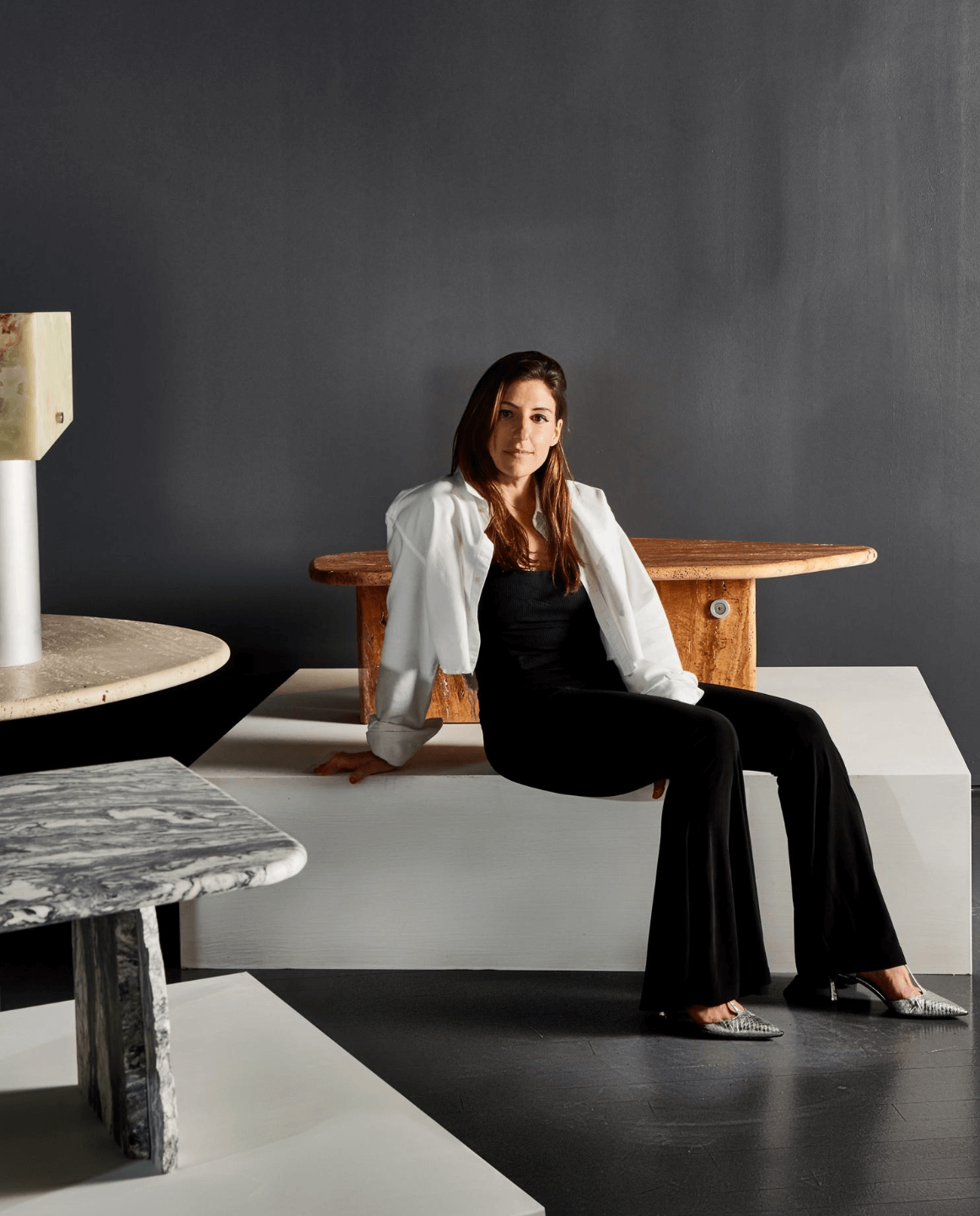
Emaho: What first inspired you to enter the world of hospitality, and what drew you specifically to boutique hotels in Shiraz?
Fara: I entered the world of tourism 25 years ago, and from the beginning it felt like a natural extension of who I am—someone fascinated by people, culture, design, and the stories hidden in every place. As an Iranian, I felt a responsibility to present my country with accuracy and beauty, which led me in 2011 to create ToIran.com, the first platform that offered travelers not just booking options, but firsthand information about Iran. We traveled to more than 60 cities with photographers, historians, and researchers to build a true, authentic database. Over time, I realized that my own city, Shiraz—one of Iran’s most culturally rich and poetic places—lacked boutique hotels that captured its spirit. That realization became the spark. I wanted to create spaces where travelers could truly feel Shiraz—its history, its elegance, its soul.
Emaho: Darb-e Shazdeh is known for blending Qajar-era elegance with modern comfort. Can you share the story of how you discovered and restored this historic property?
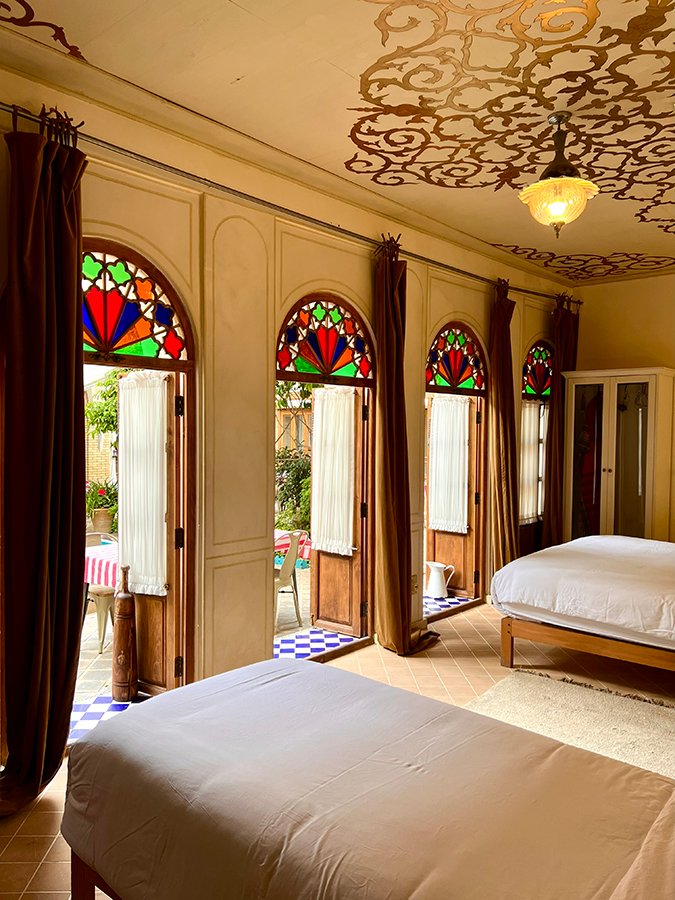
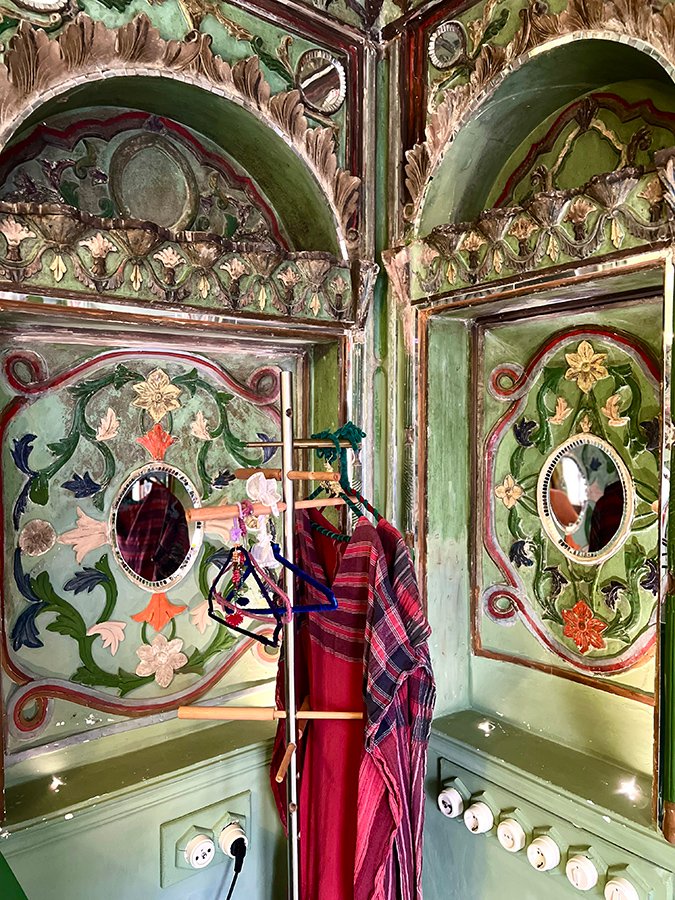
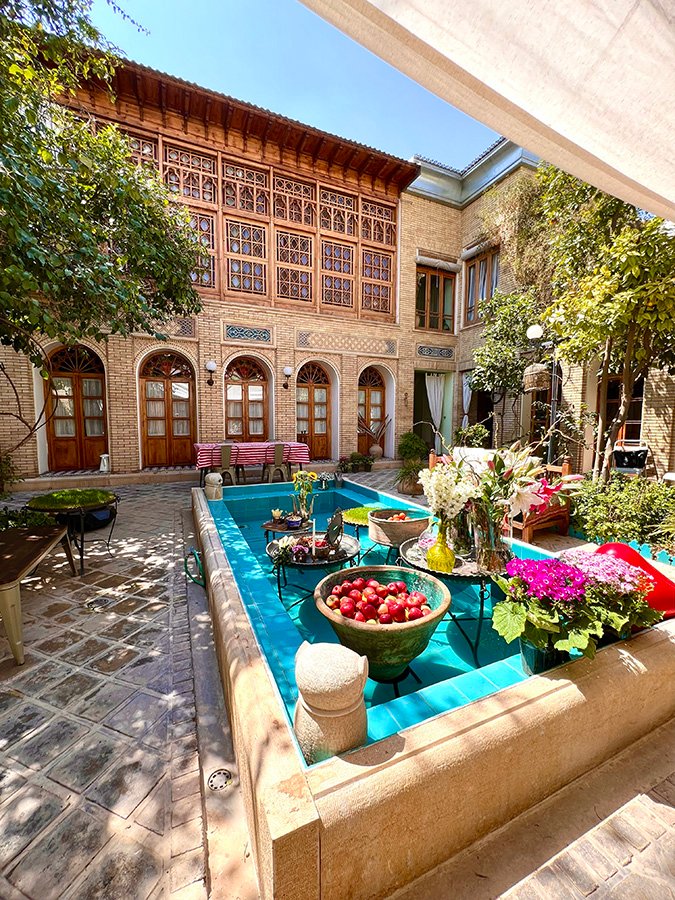
Fara: When I first stepped into the house that would become Darb-e Shazdeh, it was fragile and nearly forgotten, yet I felt an immediate and powerful connection. The beauty of the architecture was still there, hidden beneath layers of dust, as if waiting for someone to listen. It was my first restoration project, and the process came with challenges, but also with immense discovery. I built a team of skilled craftsmen, respected the building’s original language, and learned from every detail. Restoration is emotional work; it requires patience and intuition. Watching the house slowly reclaim its elegance remains one of the most meaningful journeys of my life.
Emaho: What core values or principles guide your approach to curating and designing beautiful hotels like Darb-e Shazdeh and Hotel The Paseo?
Fara: My work begins with presence and connection. I spend days and months walking through the property, studying its light, its energy, its proportions, and the stories embedded in its walls. I need to understand the soul of the house before choosing a single color or material. Everything—its history, its architecture, its culture—is already there, and my role is to listen, not impose. When I select furniture, materials, even trees or landscaping elements, each choice comes from a deep relationship with the space. I design through intention, allowing intuition and respect to shape the final experience so the building can express its true identity.
Emaho: How do you balance maintaining authentic Iranian architectural heritage with offering contemporary amenities for global travelers?
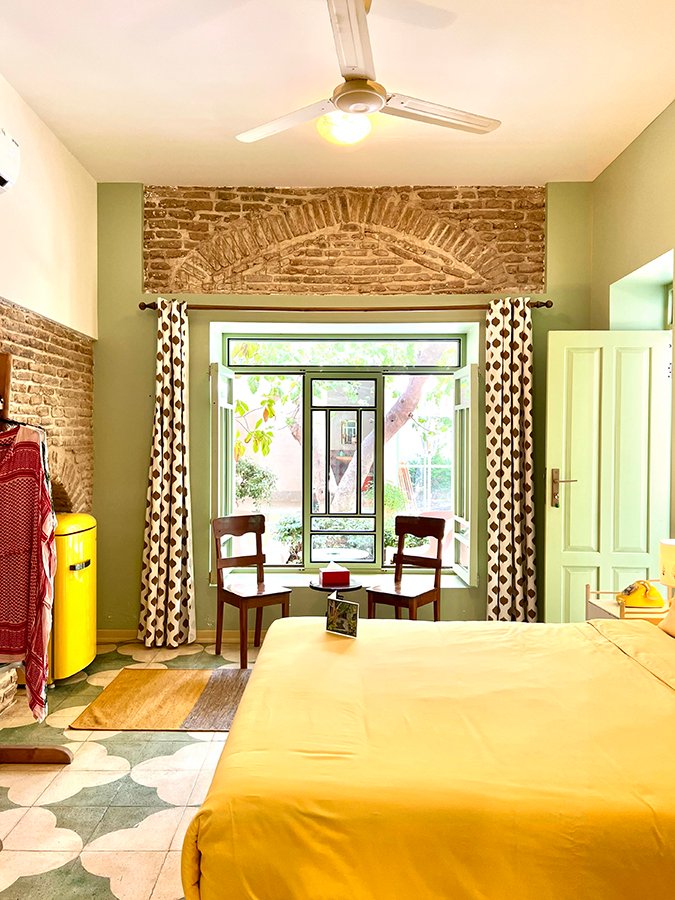
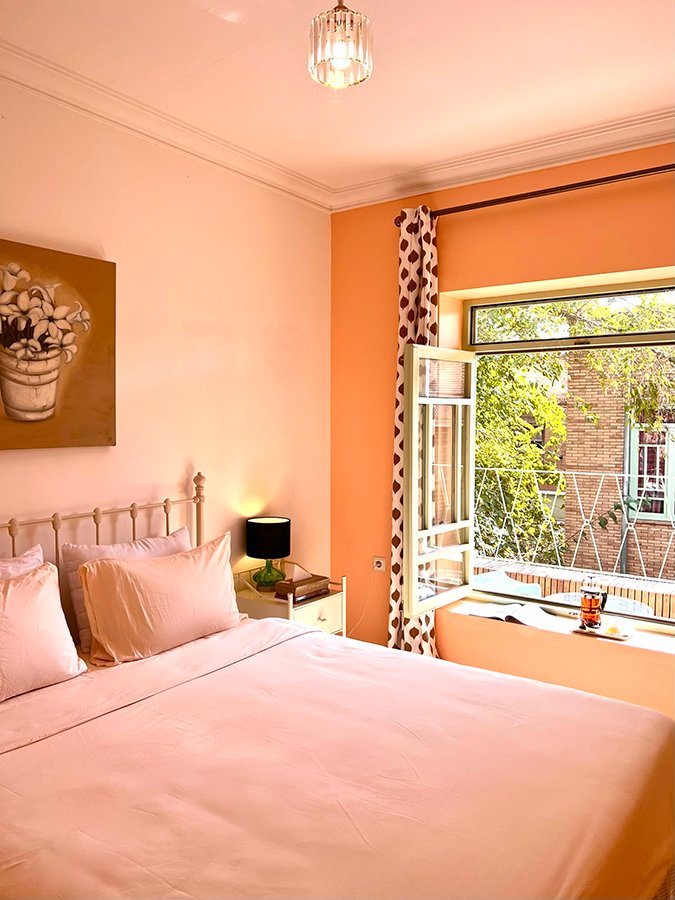
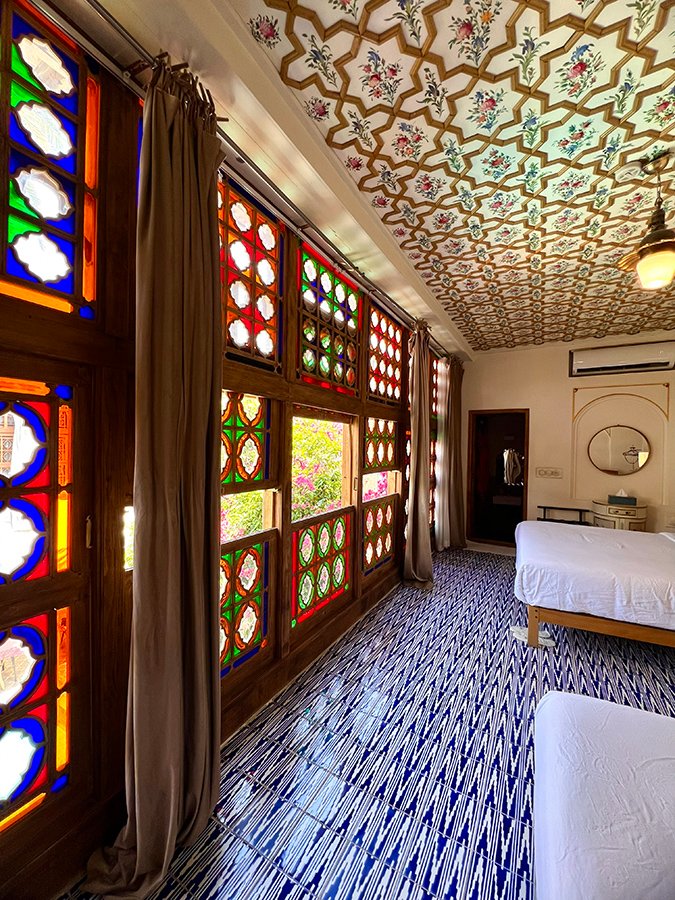
FA: Authenticity always leads the process. The historic structure sets the boundaries, and we never force modernity onto it in a way that would compromise its character. But when we create new additions—new sections that were not originally part of the house—we allow ourselves to use modern, world-standard design. These areas, such as bathrooms or service spaces, become fully contemporary to ensure guest comfort. My rule is simple: modern elements may enter only where they support the guest’s experience, but they must never overshadow the heritage. The architecture remains the heart; comfort simply enhances it.
Emaho: Boutique hotels are celebrated for their unique character. How do you ensure each property retains its own soul while delivering a consistent guest experience?
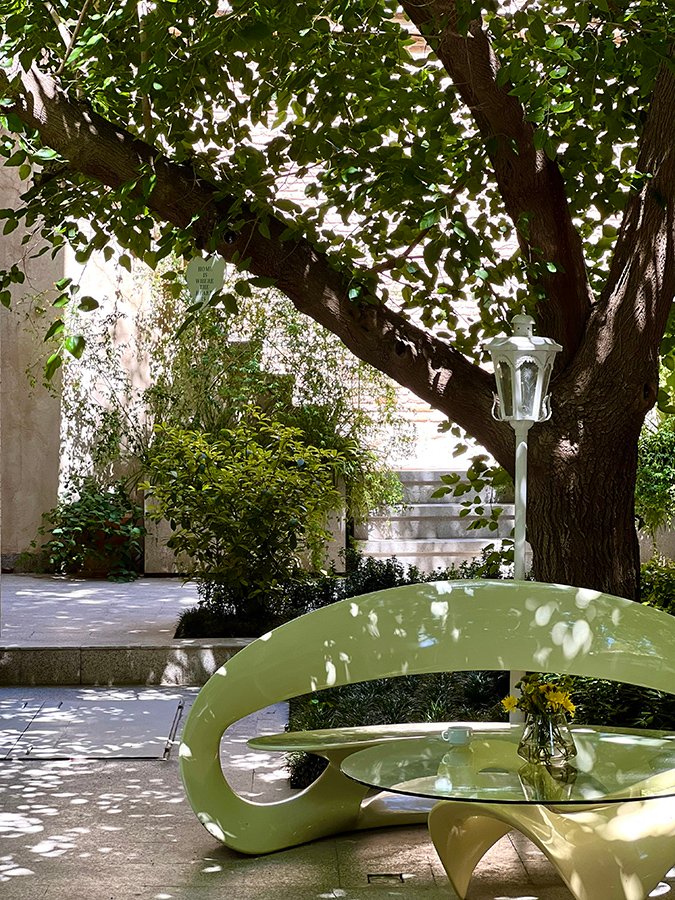
Fara: Every historic house has its own personality, and my work starts with understanding its essence rather than redefining it. I collaborate with artisans and designers from Shiraz and across Iran to create pieces—furniture, lighting, handcrafted objects—that are made specifically for each project. Nothing is generic. Because each element is chosen with intention and sensitivity to the building, every hotel expresses its own identity. Yet guests still feel the same warmth, care, and attention to detail that define our hospitality, creating a balance between uniqueness and consistency.
Emaho: What role does local culture, art, and cuisine play in shaping the guest experience at your hotels?
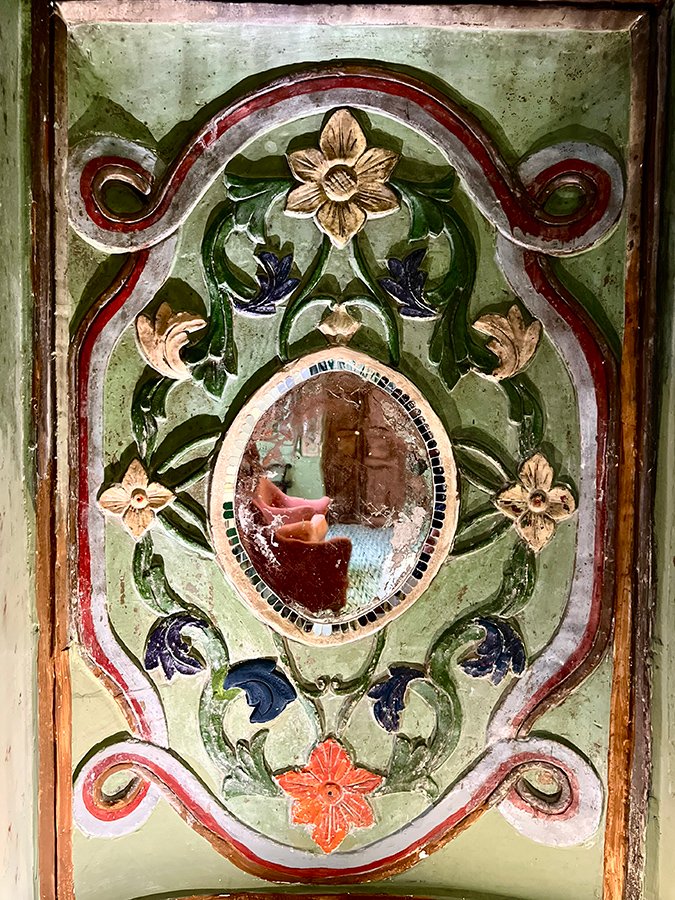
Fara: Local culture forms the very foundation of our work. We celebrate Shirazi cuisine with traditional dishes that reflect the region’s flavors and history. We collaborate with artists, sculptors, woodworkers, ceramicists, and other craftspeople so that nearly everything the guest sees or touches—from artwork to furniture—has been created by Iranian hands. This gives the experience authenticity and allows guests to feel connected to the cultural spirit of Shiraz in the most genuine way.
Emaho: You’ve spoken about transforming neighborhoods through hospitality. How has Darb-e Shazdeh impacted the local community since its opening?
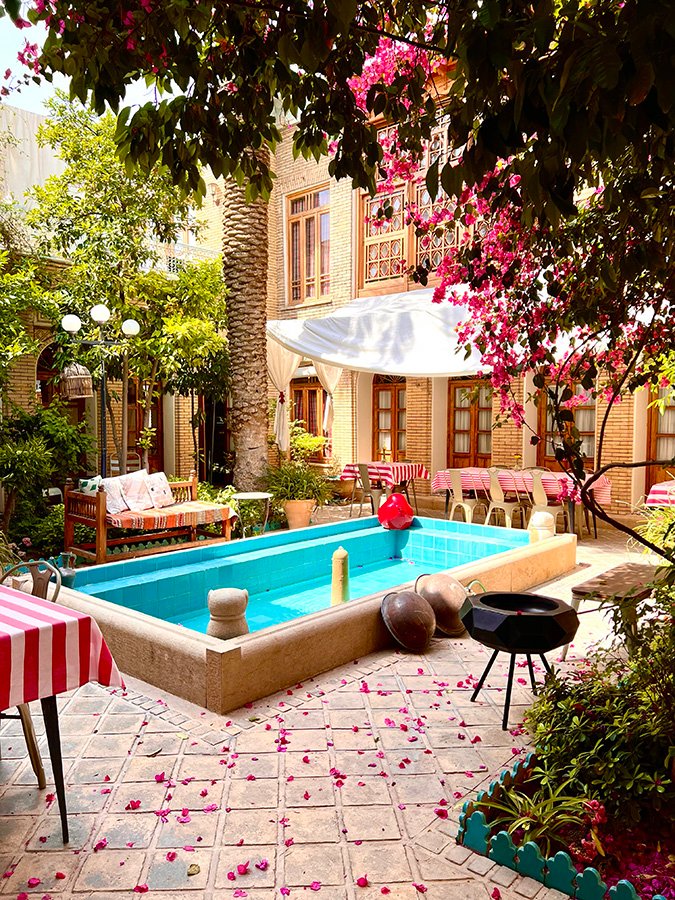
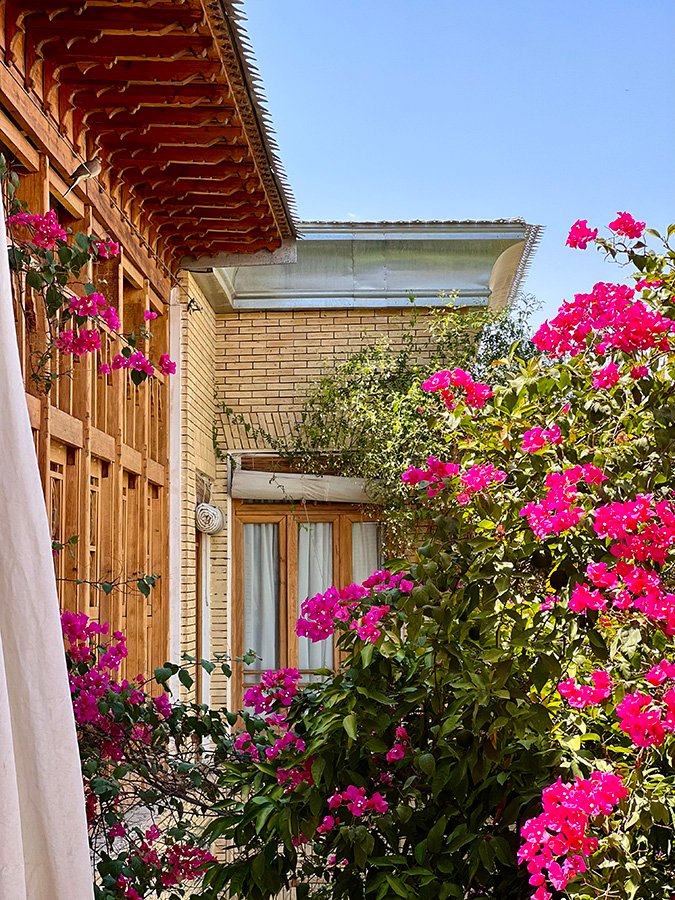
Fara: When we began, the neighborhood surrounding Darb-e Shazdeh was one of the most neglected areas in Shiraz—taxi drivers often refused to enter it. Over years of consistent restoration, landscaping, and investment, the area slowly transformed. Local families and young creatives started purchasing and restoring nearby houses, and new boutique hotels opened. The neighborhood has now become a vibrant, elegant, and safe cultural corner of the city that attracts artists, travelers, and residents. It’s proof that hospitality, when rooted in vision and respect, can uplift an entire community.
Emaho: What challenges have you faced as a female hotelier and entrepreneur working in Iran’s hospitality sector, and how have you overcome them?
Fara: I never allowed the idea of being a woman to define or limit me, and that mindset shaped my entire path. Yes, there were moments—rules, expectations, or individuals uncomfortable with women in leadership—but I never internalized those obstacles. I remained focused, confident, and committed to my work. By staying true to my vision and not accepting boundaries placed on me, I moved forward naturally and built what I believed in.
Emaho: How do your hotels and publication houses collaborate to promote Iranian cultural heritage to international visitors and readers?
Fara: Although we do not have a publication house, our work has been featured by various international media and publishers, which has helped introduce Iranian architecture and culture to a global audience. Alongside this, we use our own digital platforms to share the stories behind our restorations—the artisans, the design process, the cultural details, and the life of the neighborhoods. Through this combination of external recognition and our own storytelling, we present Iran with honesty, depth, and emotional authenticity.
Emaho: With the rise of experiential travel, how do you plan to evolve your hotels and business to keep surprising guests and preserve Shiraz’s rich legacy for the future?
Fara: We are growing with intention. Two new hotels will open this March, adding 14 rooms from different historical eras and creating a layered experience that deepens the story of the neighborhood. We have also secured land in Qeshm Island for our next project, allowing us to bring our philosophy of heritage-based hospitality to a new landscape. And within the Darb-e Shazdeh area, we have another exciting plan for additional land that we will reveal soon. My goal is to continue creating spaces where history, design, and emotion come together, while preserving the cultural soul of Shiraz for future generations.