Emaho: Your mom gave you a camera as a kind of welcome home gift after you ran away for a night as a teenager, back in 1985. That’s such a strange, loaded way for a lifelong practice to begin, half punishment, half gift. Do you think she knew what she was actually handing you, or did the camera just happen to become the thing that stuck?
Deanna Templeton: She had absolutely no idea. Unfortunately, neither she nor my father lived long enough to see what I was able to accomplish as a photographer. They never saw any of my zines, books or shows. To be honest, that gift, the Canon T90, was actually too much for a 16 year old. I had a friend from high school, who was my introduction to photography. She was older than me with a car and would get us into all these punk shows. I would go to watch the bands, she was there to try and shoot them. One day I went along with her to watch her develop some film from a show and when I saw the image appear on the paper in the darkroom I was hooked. So when I came home, (from less than 12 hours) from running away my mom later that day or the next took me to a store and I don’t remember what was said, all I know is I walked out of the store with the T90. I should also note, that I wasn’t running away because of my situation, I had another friend whose homelife sucked and she wanted to run away and I didn’t want her going at it alone. Especially considering she was leaving at night. It never even crossed my mind to invite her over to my house, I just left with her. So even though I scared the hell out of my parents for taking off, I’m sure when I got home I explained it wasn’t them, it was because of a friend. Maybe that was why I was rewarded.
Emaho: You were completely self-taught, and you didn’t start putting work out into the world until 2002 with your Blue Kitten Photos zines, even though you’d been shooting since your teens. What took up that long stretch in between? Were you shooting the whole time and just not showing anyone, or did life get in the way of the camera for a while?
Deanna Templeton: To start, when I first started shooting I had no idea what I was doing. I was just imitating my friend from school. I did not, unfortunately or fortunately for embarrassment sake, keep any of my early negatives. In 1988 I think, I was sent to meet my family from my fathers side in Guadalajara, Mexico. On the flight home I packed my T90 and well when I got home to unpack the camera was not in there. Lesson learned. I didn’t pick up another camera until 1990 when I turned 21. My parents bought me a Yashica T4 for my birthday. More so for fun and for memories from trips. By this time I was traveling around to skate events all over the US and Europe with my then boyfriend now husband Ed. So I was just shooting and documenting things I wanted to remember. And then a few years later, Ed gifted me a Canon AE1 as he thought I actually had a good eye and should explore or take my photography a little more seriously. He also invited me to be a part of a group show that the gallery, New Image Art, let him curate. I actually sold my first photo from that show. After that I enrolled in some college courses in photography, to help fill in any gaps from just learning about as I went on the street. And then yeah, finally I felt confident enough to start putting my work out there in some self published zines called Blue Kitten. Kind of a play on names from Kim Gordons and Julia Cafritz band Free Kitten.
Emaho: You spent years on the road with Ed and the other skaters, photographing a world that was almost entirely shot and owned by men up to that point. What did you notice that the guys behind the camera weren’t seeing, or maybe weren’t even looking for, because they were too close to it themselves?
Deanna Templeton: Well let’s start by saying that even though I was there I’m not sure everyone approved. At least in the beginning. Bringing your girlfriend on tour was a pretty big no-no. But luckily my husband was the owner of his company and didn’t give a fuck. But I knew that I couldn’t shoot everything. I mean Ed could, he’s one of the boys. But for me what I saw or shot was kind of selective. So I was mainly focused on the demo kids back then. There have been some team changes over the years and the later tours I would go on, the team was a little more settled, meaning that if they had a significant other back at home they pretty much honored that commitment so shooting then on tour there was nothing to worry about who might see the photos. And to be honest, I’m not sure what the actual skate photographers were getting outside of the demos or skate sessions on the tour. But Ed nailed all the behind the scenes. He captured everything, beautifully and honestly if I may say so.
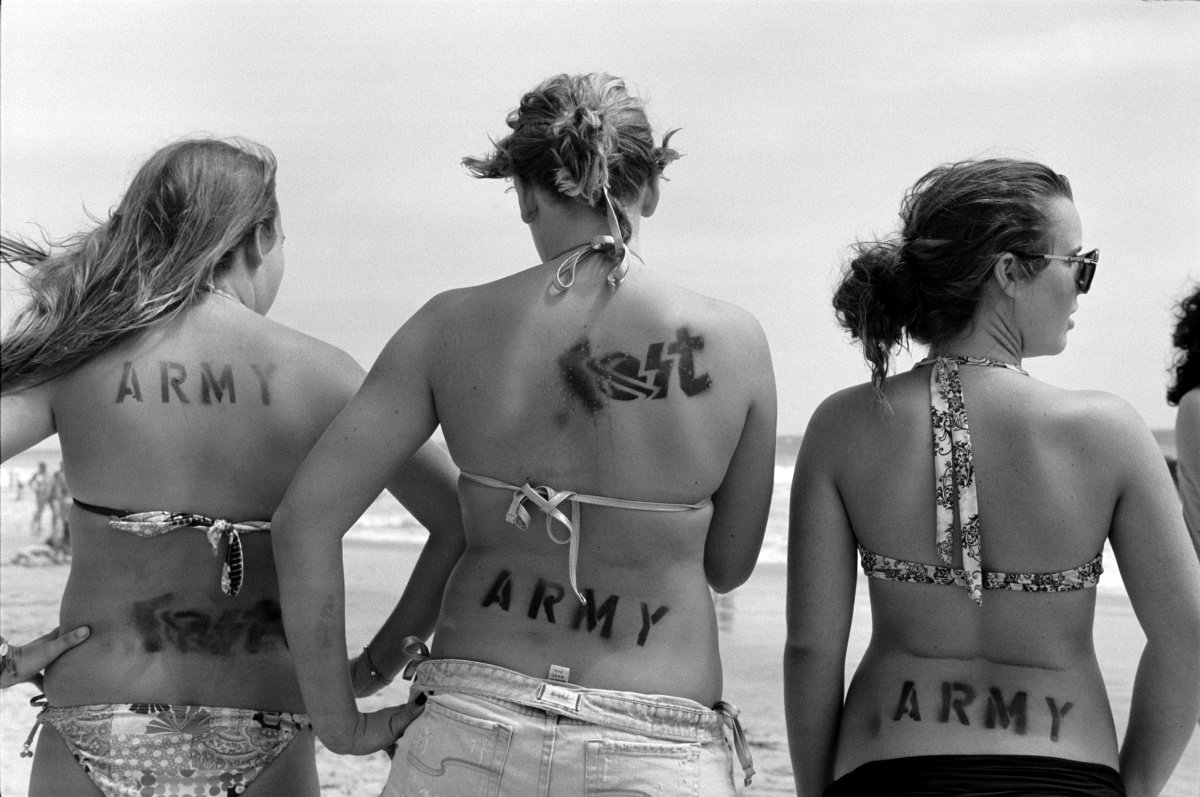
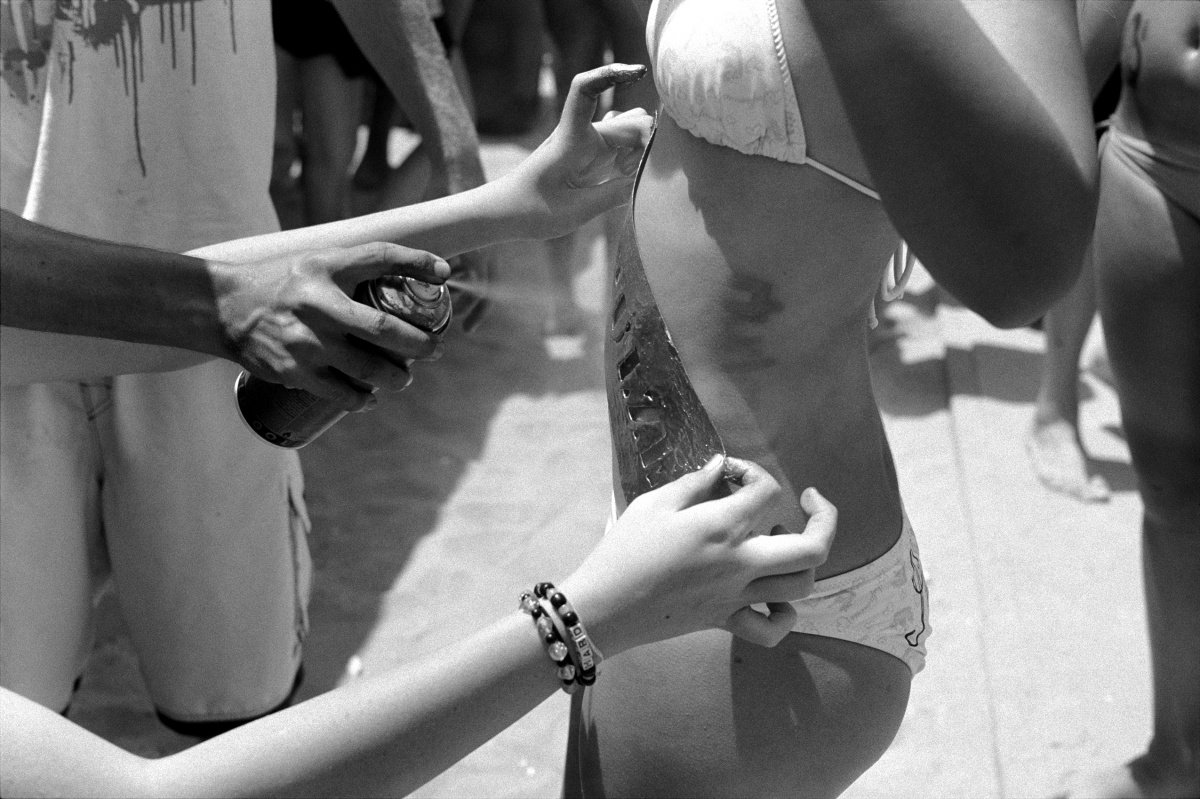
Emaho: Your Logo Here followed fans literally offering their bodies up for skaters to sign and for skate companies to brand. What made you want to sit with that specific act instead of just photographing the skating itself? There’s something almost uncomfortable about it, watching someone offer themselves up to be marked like that.
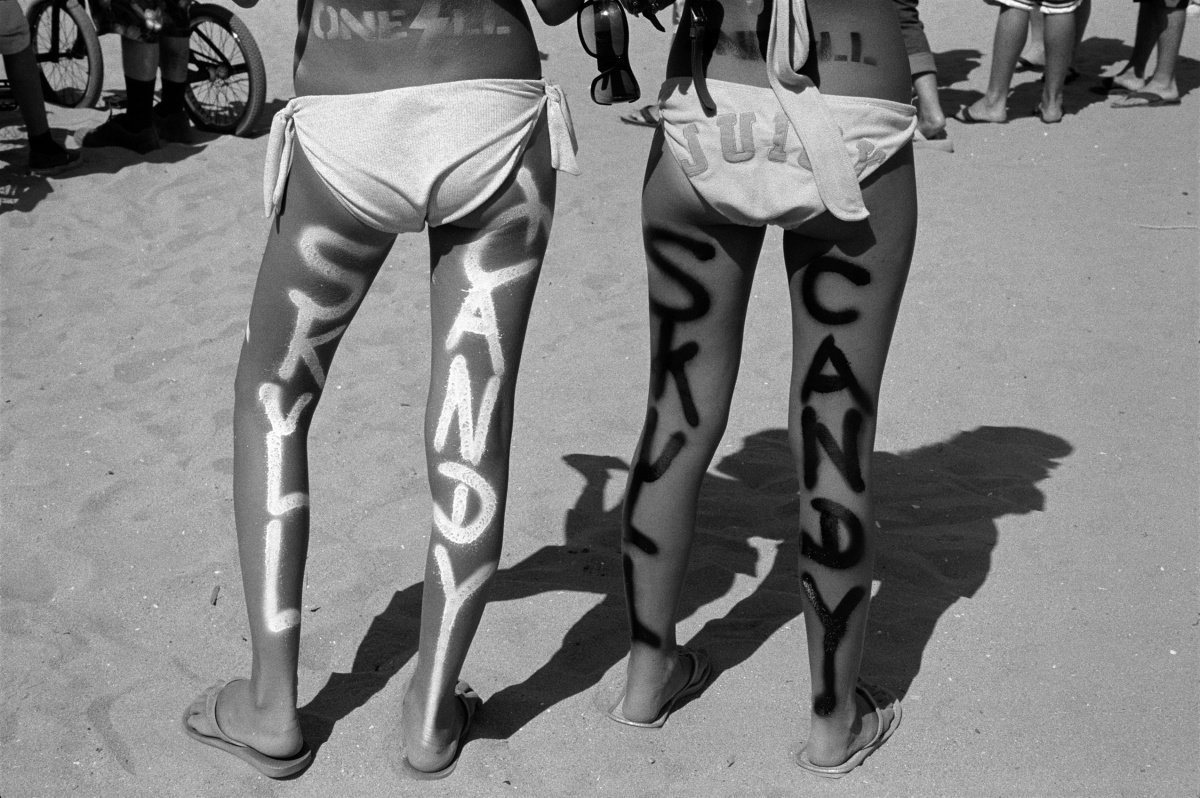
Deanna Templeton: Well as I was once a teenager who would go see bands play or record signings and try to get the band to sign my shirt or album cover. Or in one really embarrassing case after a PiL concert I offered the security crew like 20 dollars for Johnny Rotten’s sweat towel. I was just really interested with the new youth, of them getting autographs on their person instead of something they could keep forever. And then from there the more events I went to, especially the US Open of surfing where companies would come and set up booths to promote their brand. Someone had the idea of all these young, beach wearing attire bodies that they could use, willingly, as free advertising billboards. I mean there was magazine and television coverage of these events and here you have people advertising your product in the background for free! From there it just got crazier. The young people started writing messages and provocative slogans on their bodies. And like you said it did become uncomfortable, but instead of looking away, I started to try to figure out why this was happening. And to be honest, the conclusion I came to was that for the young women it was a sense of getting to know themselves, their power, to flirt, to connect with the young men they would ask to sign them. And for the young men that were getting signed or written on it seemed like a way to just have a laugh, I mean I saw a lot of penises drawn on young men by men. It all seemed to peak and then one year, I’m not sure if it was the event organizer or the city that kind of shut down writing on people, like I’m pretty sure markers were being confiscated on the beach. And as a photographer I was a little bummed that a subject for one of my series was coming to an end but as a human it was good timing. It was starting to get out of control. As for why I didn’t shoot the skating itself, it never crossed my mind, I wasn’t interested in shooting skateboarding.
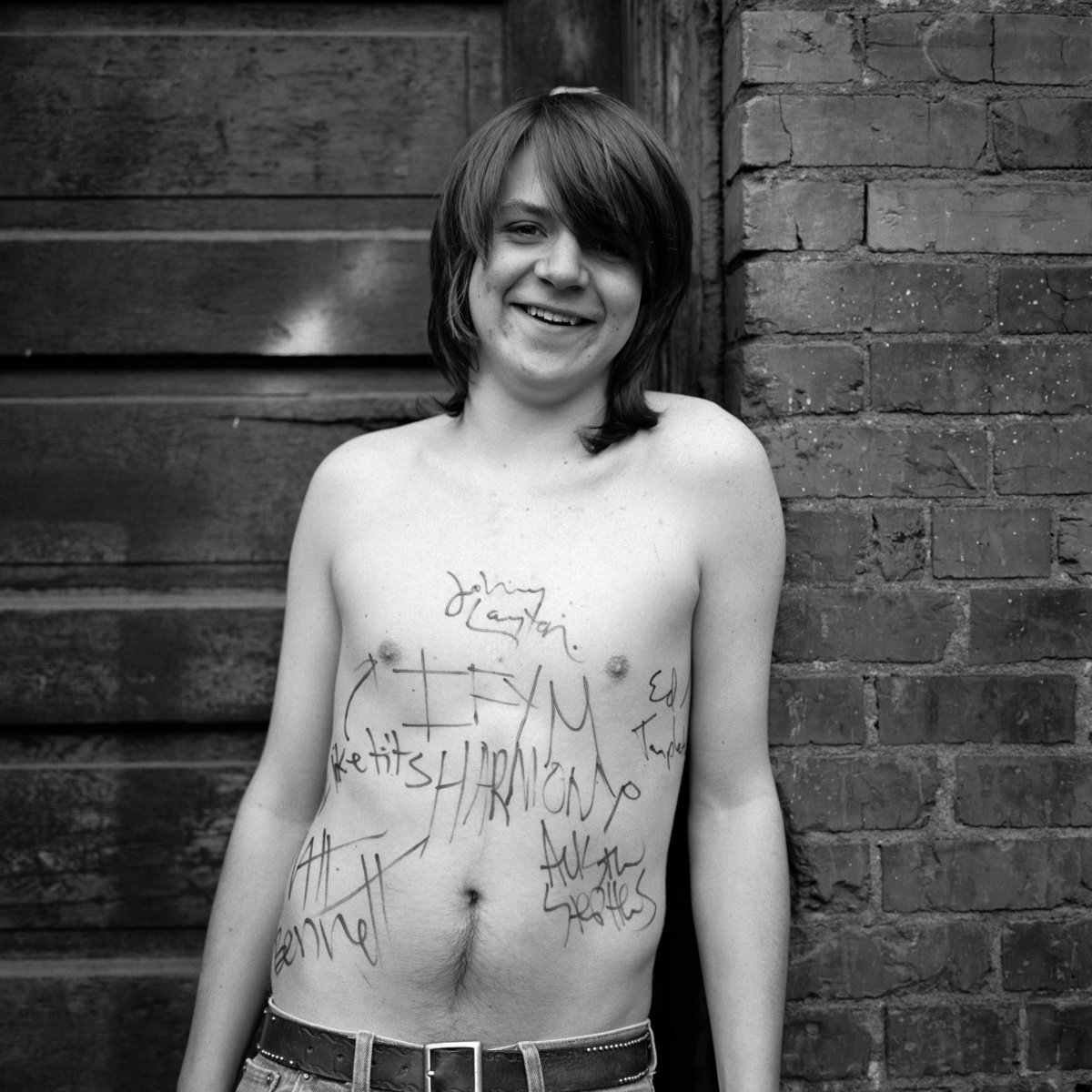
Emaho: Scratch My Name on Your Arm borrows its title straight from The Smiths, pulling from the exact music scene that shaped you as a teenager. When you’re naming a body of work, does the title usually come first and point you where to go, or do you only find it once the pictures already exist and you go looking for the right words to sit next to them?
Deanna Templeton: Photos first, title for books second. For example when I really started to work on What She Said, meaning going through my archive and having that realization of why I was shooting a lot of the girls I’ve shot. Seeing the connection between me and them and that I think I might have a book in there. I knew instantly what the title would have to be. The words in that song meant so much to me as a teenager.
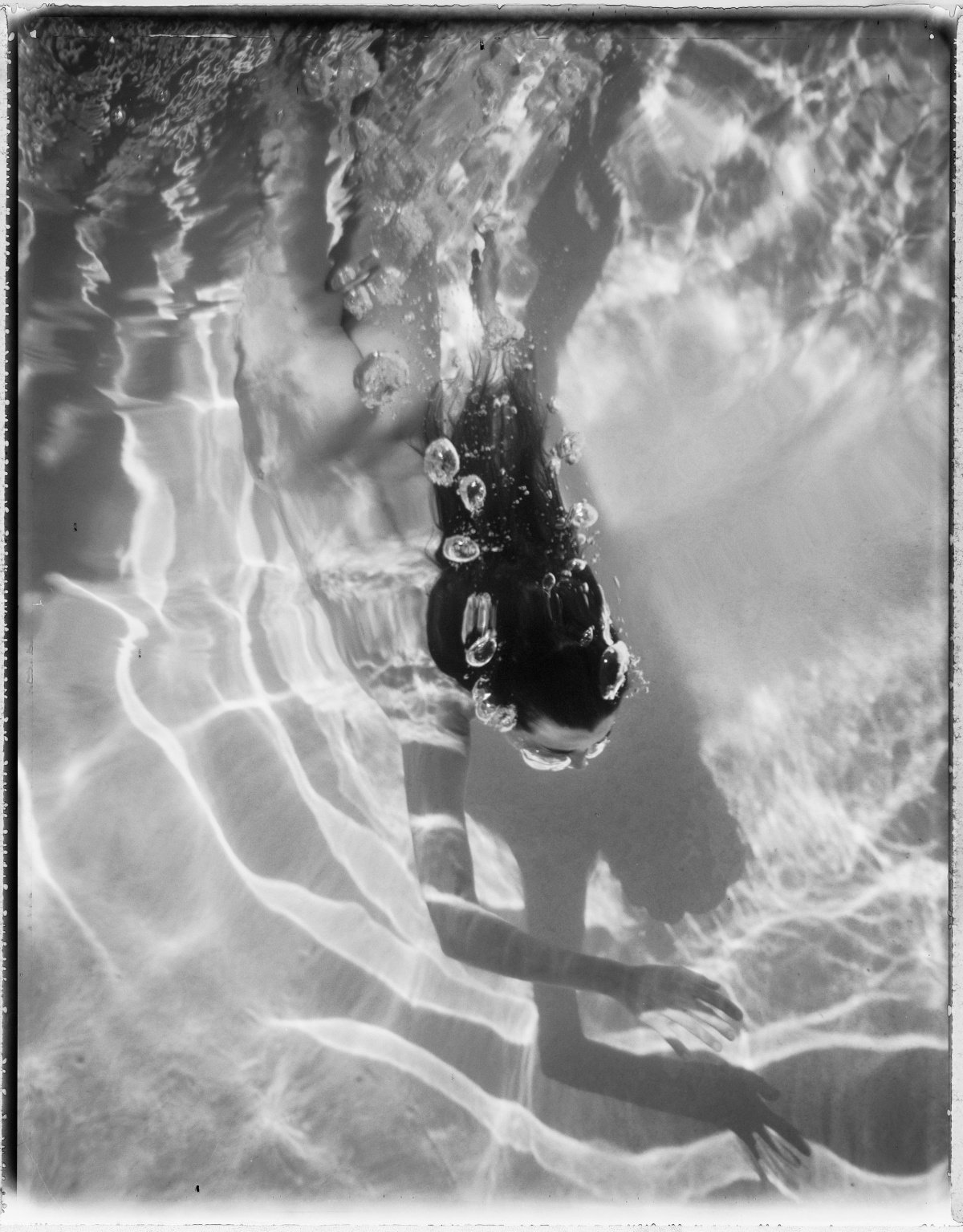
Emaho: The Swimming Pool took eight years to finish, which is an enormous stretch of time to stay with one idea, underwater nudes, without it going stale on you. What kept pulling you back into the pool project year after year, and how did you know, eventually, that it was actually done?
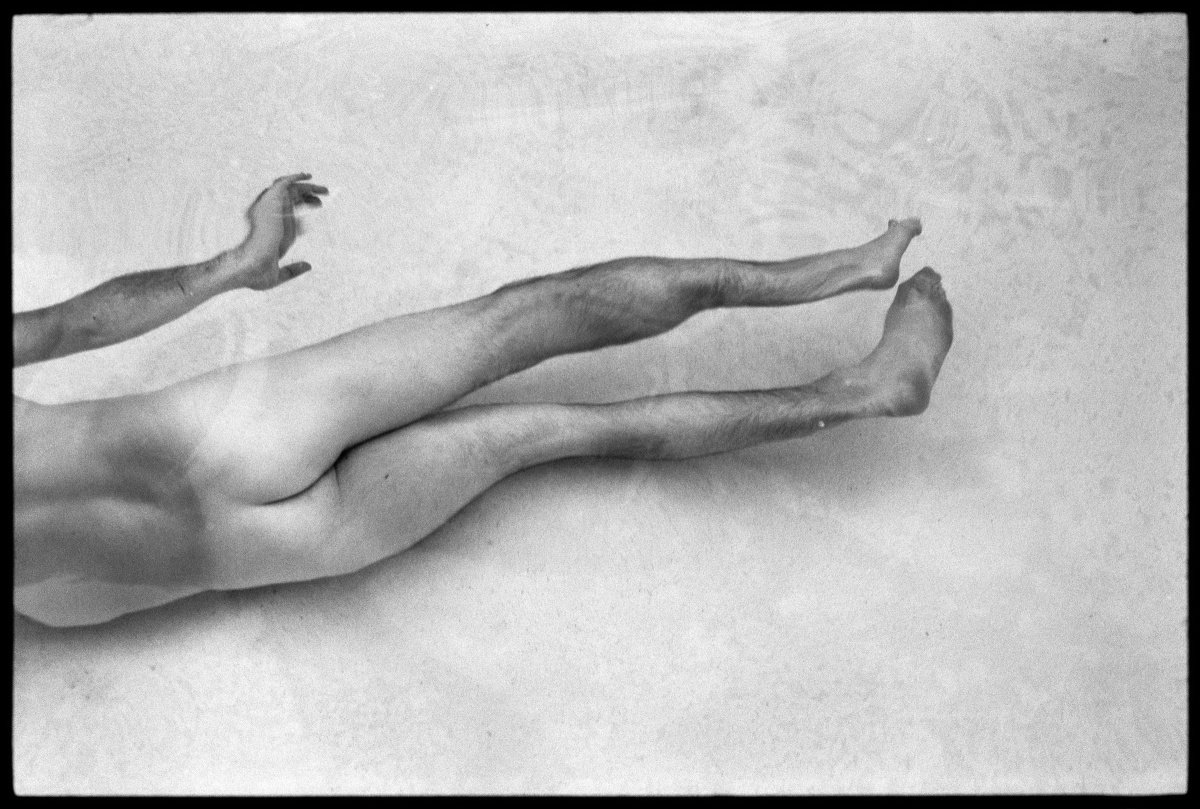
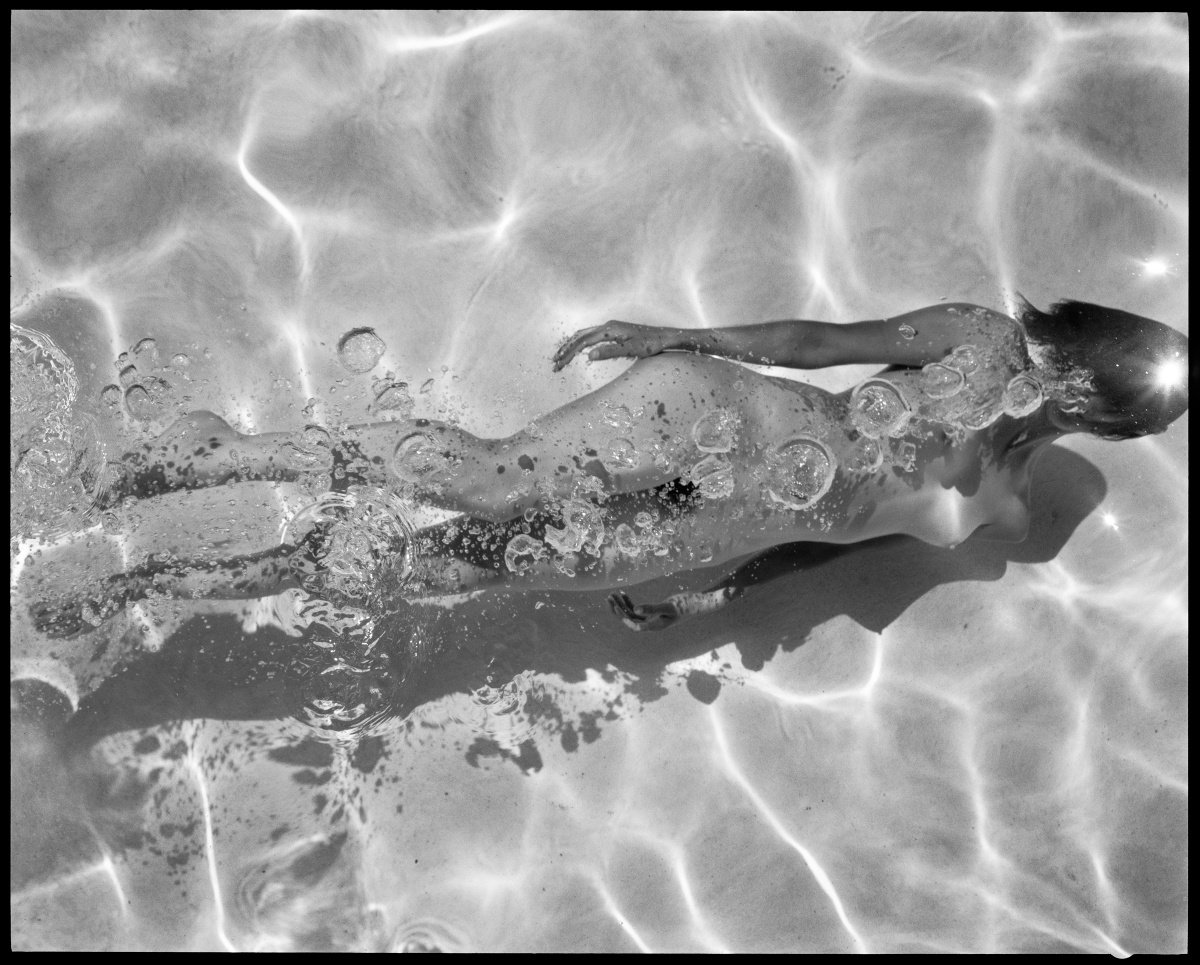
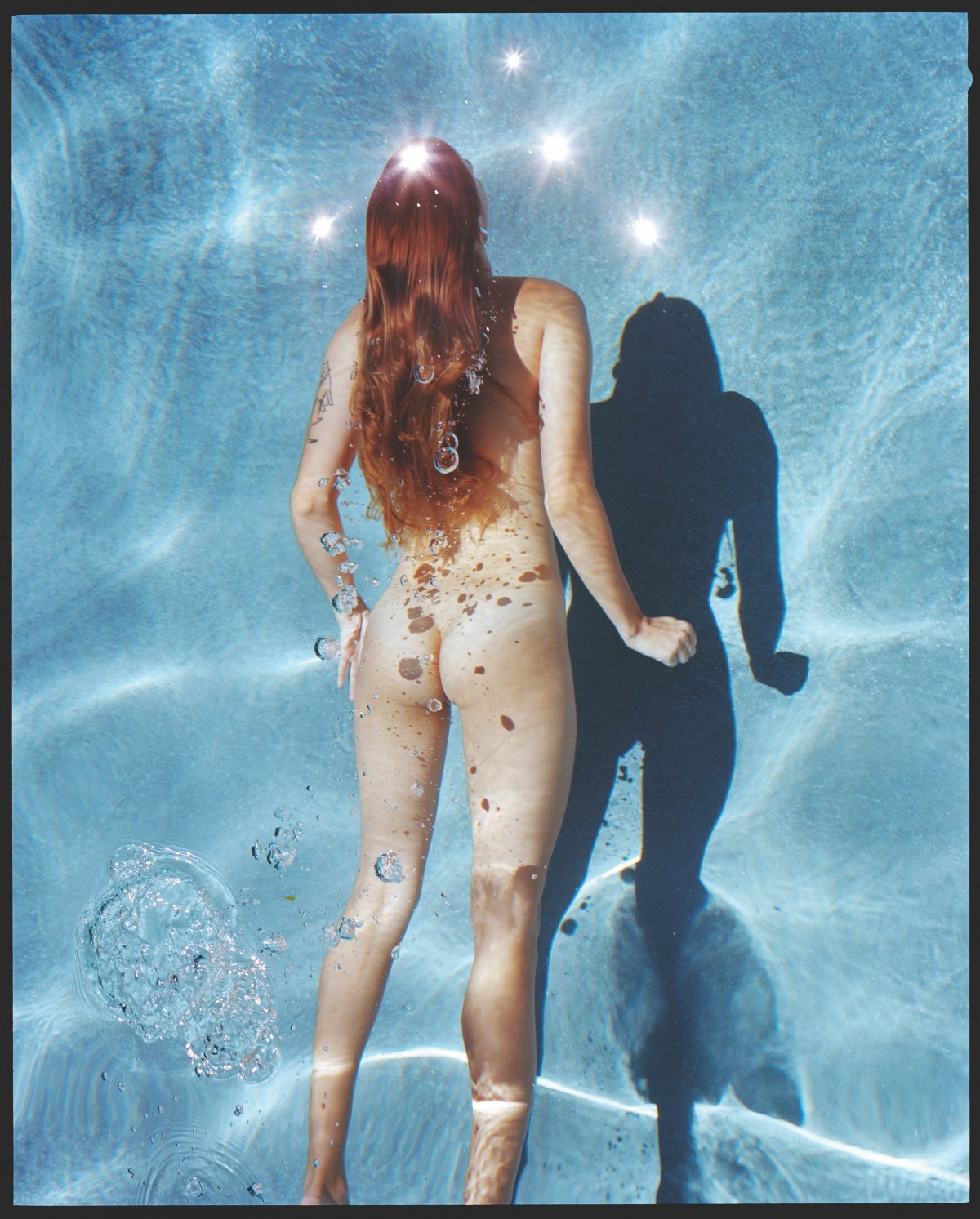
Deanna Templeton: Well it took so long first because I could only shoot in the summer, with a limited amount of hours per day. The shooting took place in our backyard pool. We don’t know how to work the pool heater, so summer weather made it more pleasing for the swimmers. And then we also have this patio covering that during the early day or late afternoon a shadow from it would creep over the pool and into the shot. Which I didn’t want. I really just wanted the water and the swimmer. No pool coping, no pool drain and definitely not a shadow from our patio cover. Also, no tattoos, I really wanted the body to be a blank canvas. It took me about 4 summers to even know what I was really looking for. In the beginning I would just shoot everything, really no direction to the swimmer. And then by the 5th summer I knew what I was looking for, what kind of images I wanted to make. I thought I was done after 7 summers of shooting. I made an edit and a book layout to show the publisher Um Yeah Arts who is run by Thomas Cambell and well he said he liked what he was seeing but thought I should shoot one more summer. I had a little chip on my shoulder and was like, what do you mean, it’s done. But took his direction and shot again and of course some of my favorite and best photos came from that last shoot.
Emaho: What She Said is such a brave book to put into the world, your own teenage diary pages sitting right next to photos of girls you’ve shot on the street over twenty years, including some honest writing about body image and starving yourself as a teenager. What made you decide those old pink pages were ready to be read by strangers, rather than staying something private you kept for yourself?
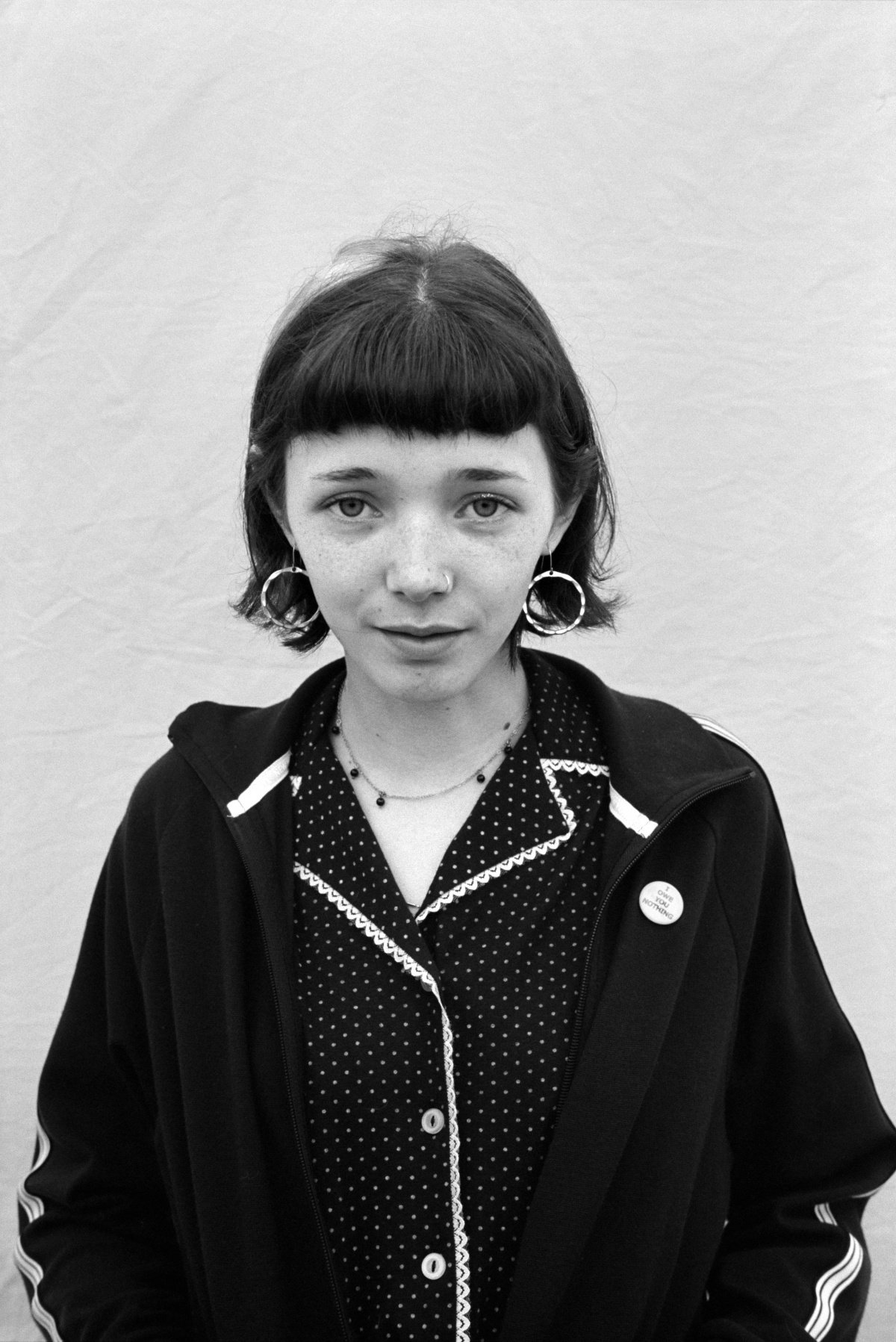
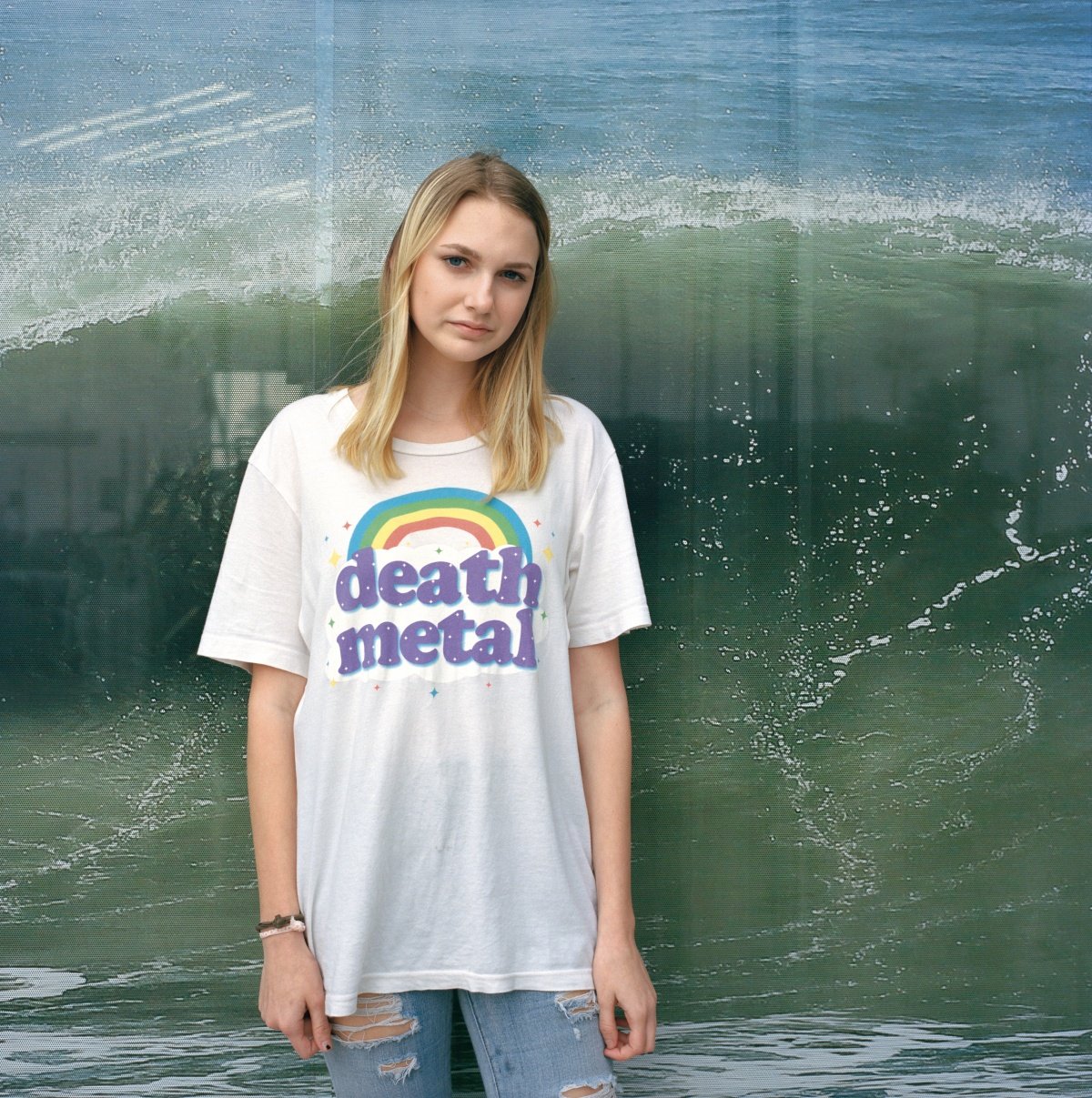
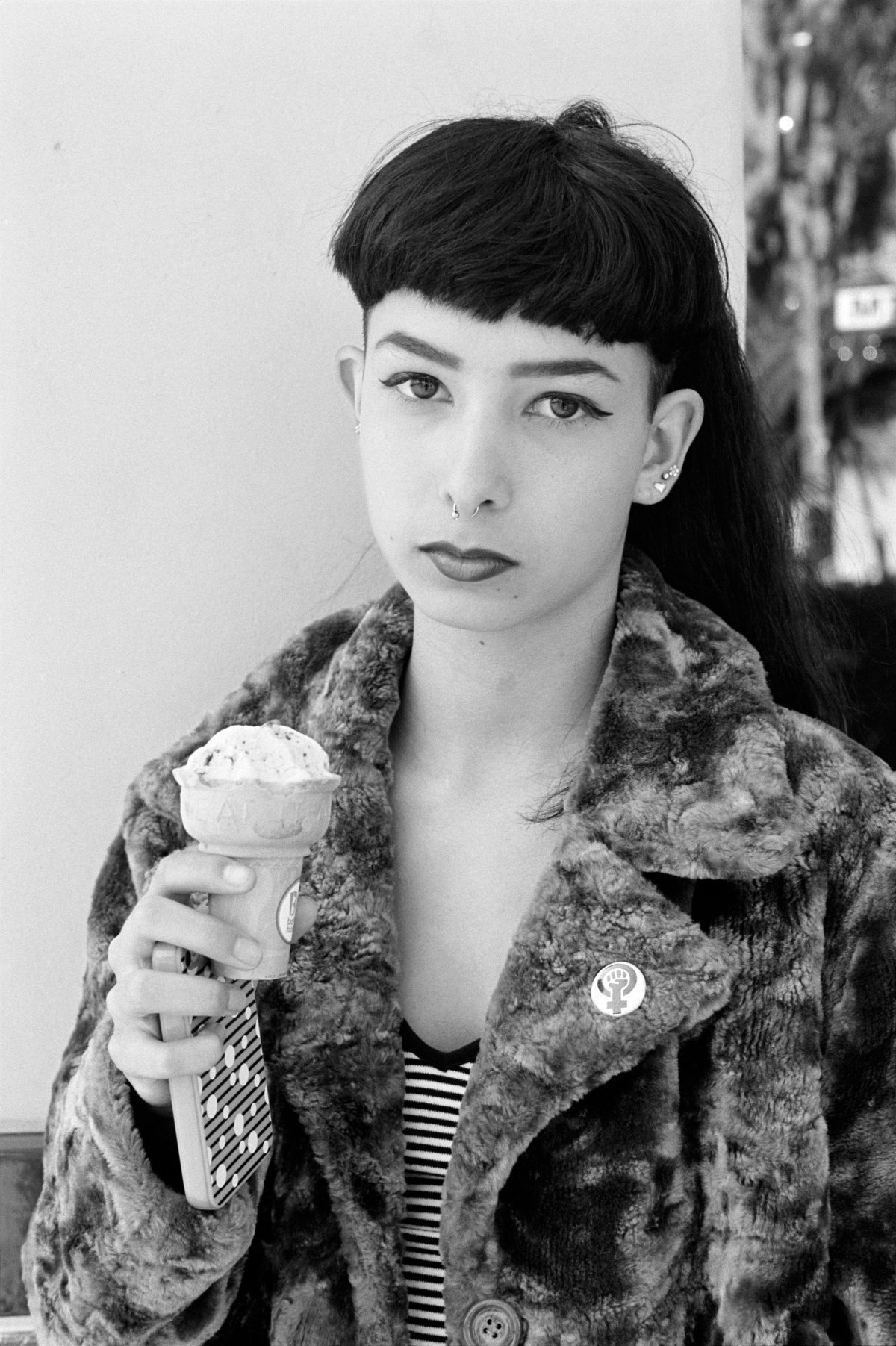
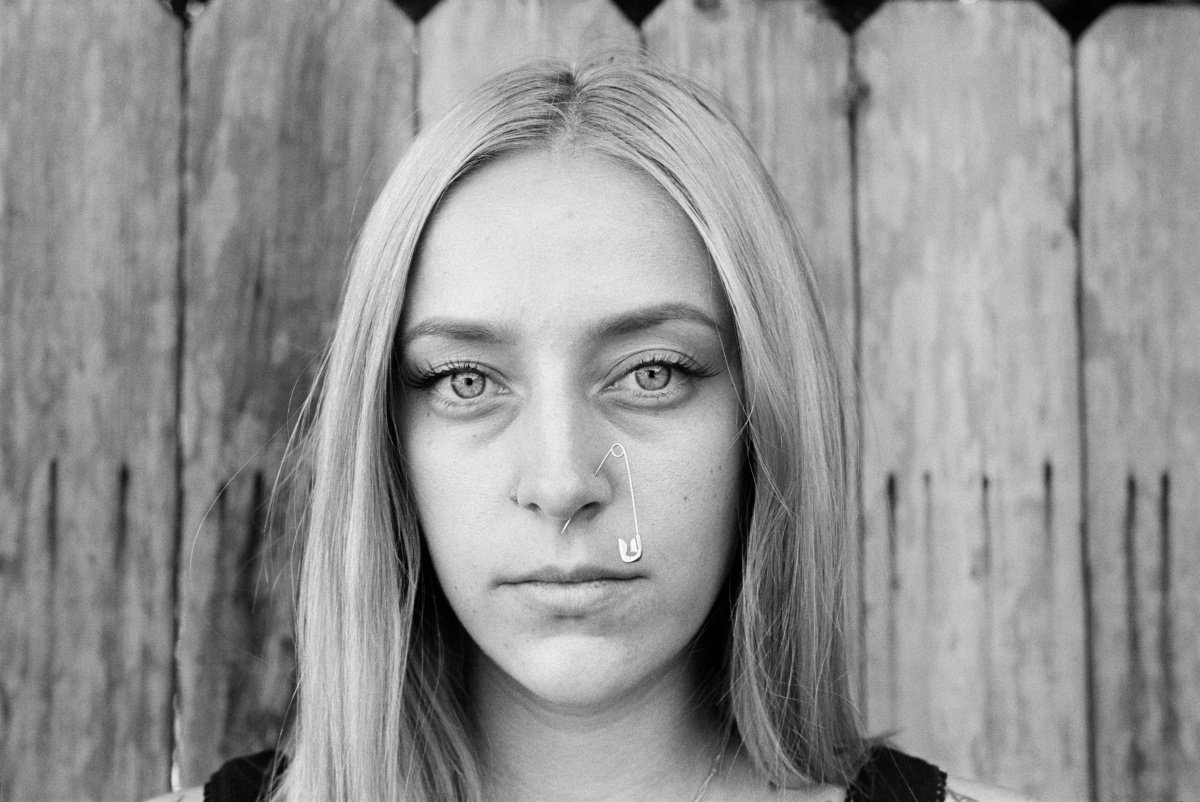
Deanna Templeton: So once I moved out of my parents house and into my and Ed’s life, my boxes of diaries and other ephemera were put up and away into my bedroom closets. Everytime Ed and I moved, the boxes came with. I never opened them to reread what was in them. They just came with, they were a part of me. One day, maybe like 20 something years ago, maybe during a move, I did read them. And I thought well, if I ever have kids and they start to have a hard time with life, I could let them know I knew what they were going through, that I could share with them my own doubts and pain and that they will make it through it. Well I wasn’t able to have kids so the boxes went back up into the closet until I started to really work on this series. And to be honest, when I reread them this time I was totally caught off guard by how sad I was then. How much I hated myself and how hard I was on myself. And then I thought, ok, I wasn’t able to share them with my own children but maybe they could still be helpful. Everything just pretty much clicked at once. The writing’s themselves and the photos of the girls I was connecting with. You know though, when I first started working on the book I had Ed proofread what was going in there. That was probably the most vulnerable I’ve ever felt. His were the first eyes on what I was feeling back then. It was nerve wracking. It took me about 3 times of rereading what I wrote for me to be able to laugh at myself. I mean the first time I cried. The second time maybe I felt a little numb and then the third time I laughed, not a mean laugh at myself, more out of love for myself. I would also like to add as I’ve been showing this body of work at a few museums over the last couple of years, I do get a little embarrassed when I seeing people reading my diary entries on the walls but from a far I see people laughing and pointing and if I’m around someone usually comes up and shares their story with me and I know right there that’s the reason why I shared everything. That’s why it was worth it.
Emaho: That same book ends with you meeting Ed as a teenager, which almost reads like the story folding back on itself, the person you’d eventually build a whole creative life alongside showing up right at the close. Did you always know that’s where the book needed to end, or did that only become clear once you were putting the whole thing together?
Deanna Templeton: It ended there because after a few years into dating Ed I stopped writing in my dairies. I mean most of the diary entries were about how miserable I was, so it was my safe place to complain, vent. Once I started dating Ed the things that troubled me before just didn’t consume me as much anymore. Over the almost 40 years Ed and I have been together I have written here and there, of course more so when things are a little rough and not going well. But I guess the difference is that back then I felt like I had no one to talk to that would understand and now when things get shitty I can talk to Ed or my friends.
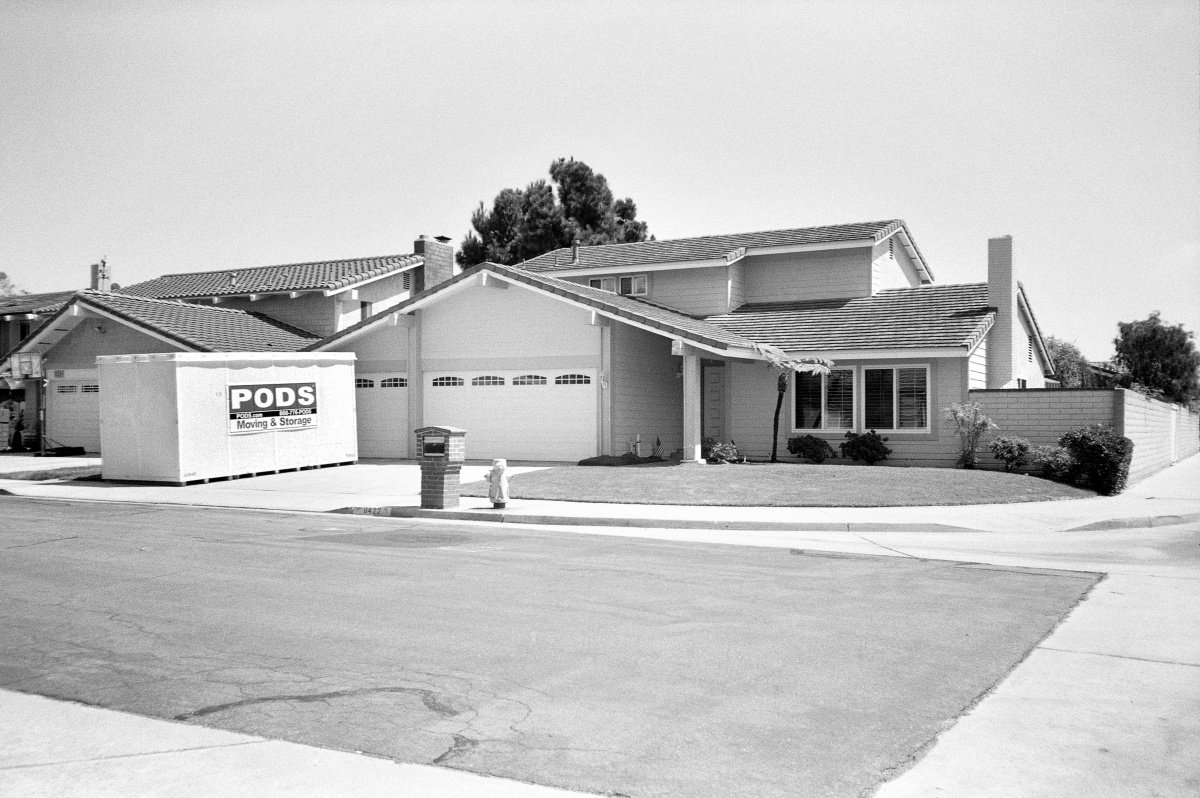
Emaho: You and Ed have also made work together, like Contemporary Suburbium, alongside decades of building your own separate bodies of work. What’s actually harder, collaborating with someone you’ve been married to for over thirty years, or making sure your own individual voice doesn’t get quietly absorbed into his?
Deanna Templeton: Going out shooting with Ed is fun, it’s just what we do. I think we work well out in the streets together. He looks out for me and I look out for him. So I would say it’s harder collaborating with Ed on books or shows because my work definitely gets absorbed into his. I mean Ed goes completely out of his way when we make an exhibit together to make a map of whose work is whose and still people share, tag my work as his and then he reshares correcting the mislabeling of whose work it actually is. But, I just don’t let it bother me. I mean I love working on shows with him. Life is too short to stress about that. And I also have solo shows and exhibitions so it’s all good.
Emaho: Looking at everything from Your Logo Here to What She Said, there’s this thread running through your work of girls figuring out who they are, sometimes through other people’s eyes, sometimes through their own. Do you feel like you’re still chasing something you haven’t quite gotten to the bottom of yet, or has the work finally answered whatever question first sent you out with a camera all those years ago?
Deanna Templeton: I’m not sure if I’m chasing anything. I do know that I still have a lot to share that hasn’t been seen before. Other stories to be told. My time traveling around Europe for the last 25 years. My love/hate for my hometown of Huntington Beach. Maybe a love letter to Ed.