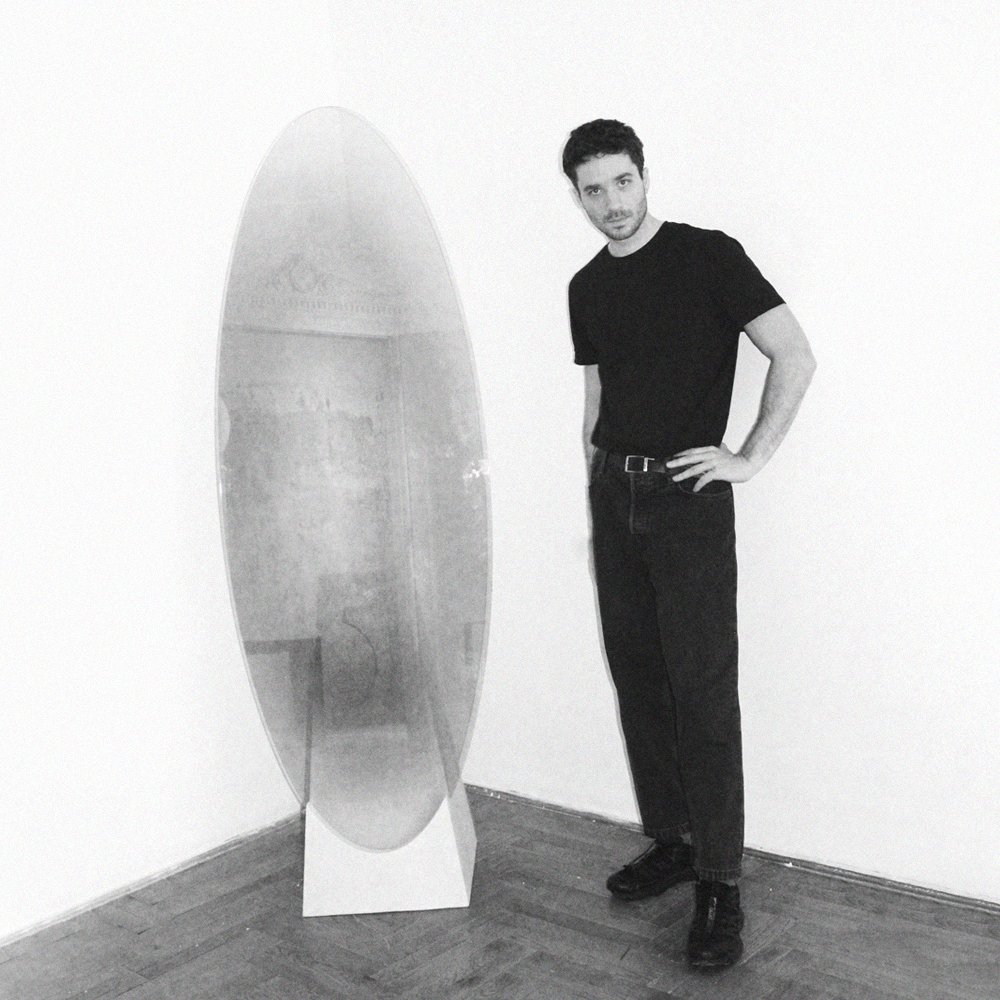
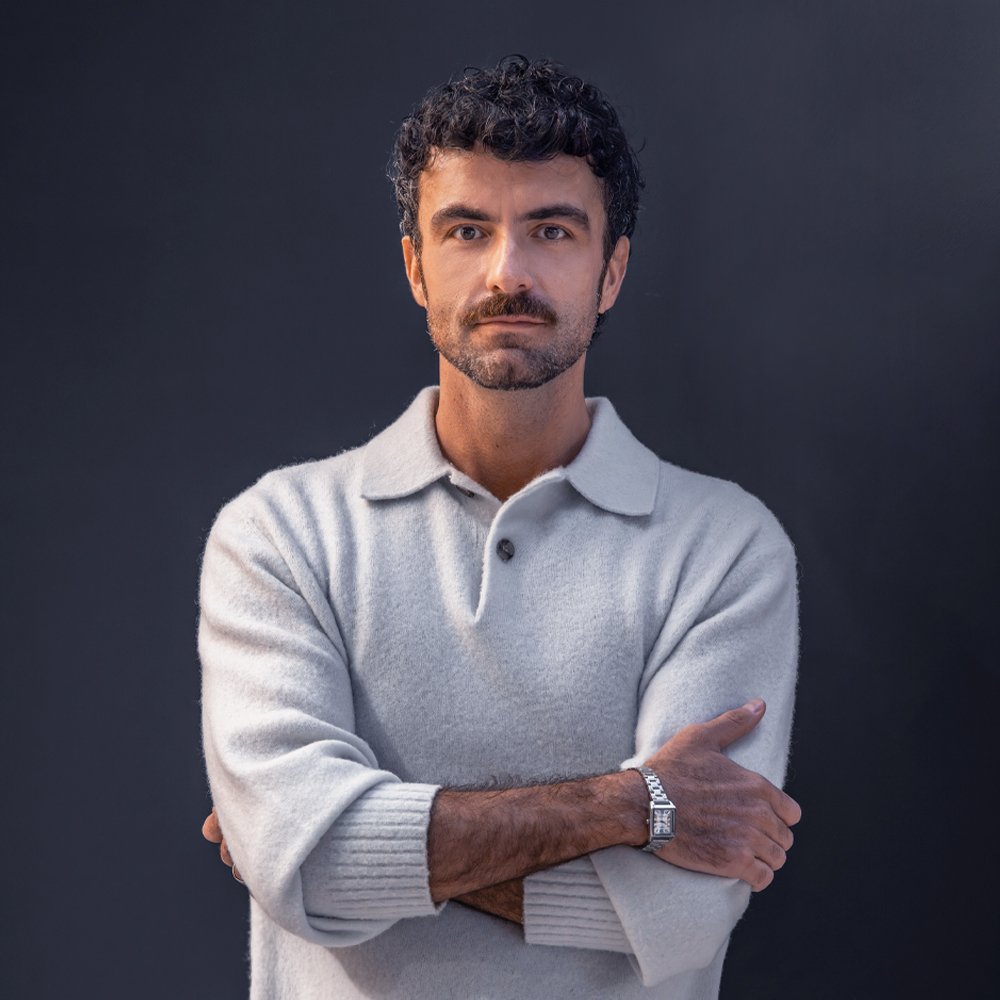
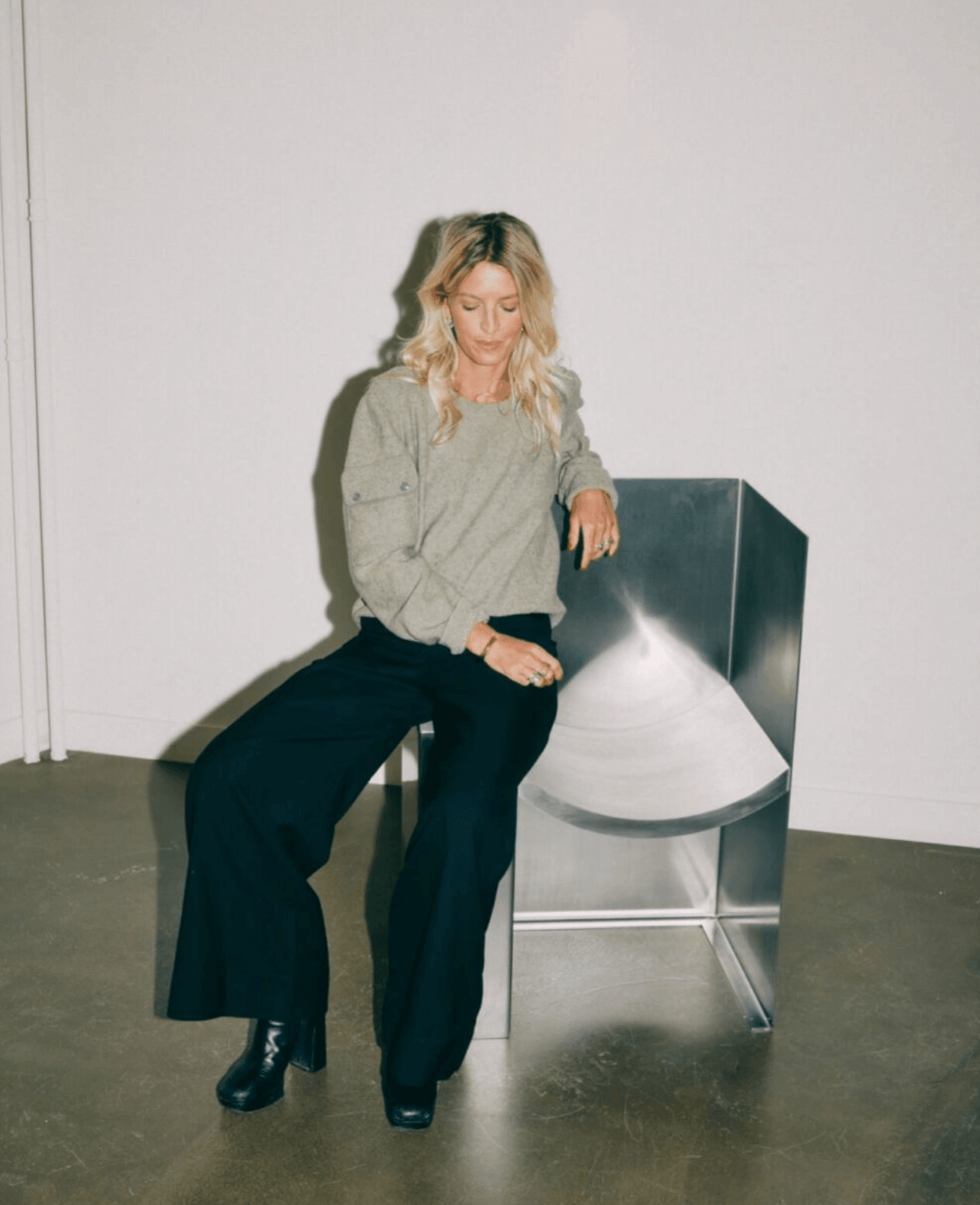
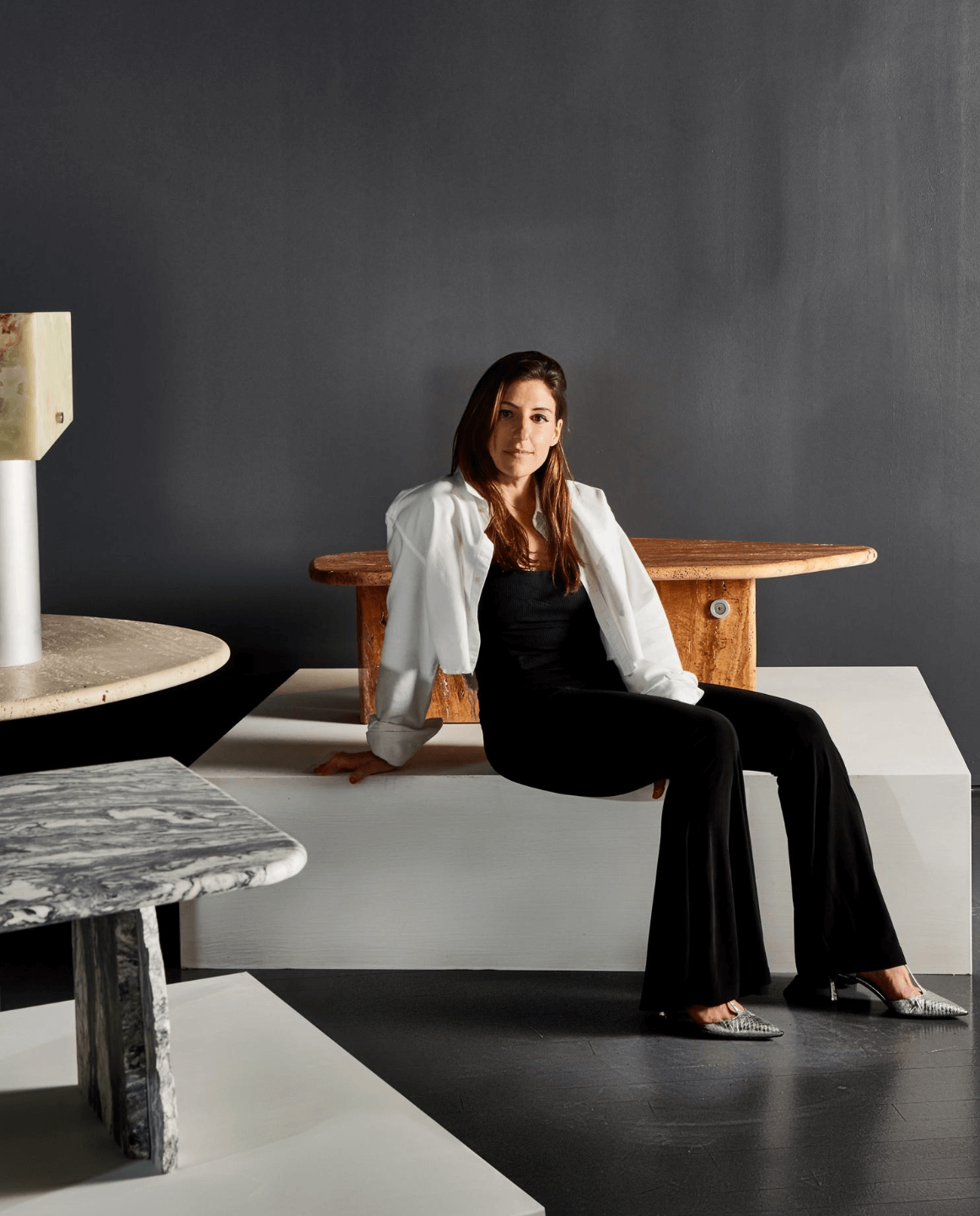
Emaho: The name CORPUS Studio suggests a focus on the body and physical presence. How does this idea translate into the way you shape space, materiality, and movement within your interiors?
Ronan & Konrad: Architecture and design have an innate connection to the body. Throughout history, since the Vitruvian man, through to Le Corbusier’s Modulor, designers have used the body not just as a metaphor but as an active measure. The name CORPUS already signals something essential: space is conceived not only to be seen, but to be inhabited, sensed, tested through movement, weight, touch. We are reminded of Merleau-Ponty’s idea that perception begins in the body. Materials are never neutral; they have temperature, resistance, and grain. Circulation is never abstract; it choreographs pauses, compressions, releases. We design rooms almost like scores of music where the body becomes the performer, and architecture listens back.
Emaho: From Lake Como Villa to Paros Villa, your residential projects unfold in very different landscapes. What core principles anchor your work across these contexts, and where do you allow each location to fundamentally alter the design?
Ronan & Konrad: Working across very different landscapes, whether it be coastal, rural, mountainous, or urban, we return to a few anchoring principles. Reduction is one of them. We try to remove everything that does not actively contribute to experience, not as an act of minimalism, but as one of intensification so that only the inevitable remains. This allows for greater design breadth and freedom from being boxed into one stream of thought.
At the same time, we allow each location to fundamentally reshape the project. Attentiveness to the genius loci is essential: to climate, light, orientation, topography, existing structures, history, and culture, as well as to local artisanal knowledge. These conditions are not treated as constraints but as active forces that recalibrate proportion, materiality, and spatial rhythm. In this way, while the underlying principles remain constant, each project is allowed to emerge as a singular, crafted response to its specific place.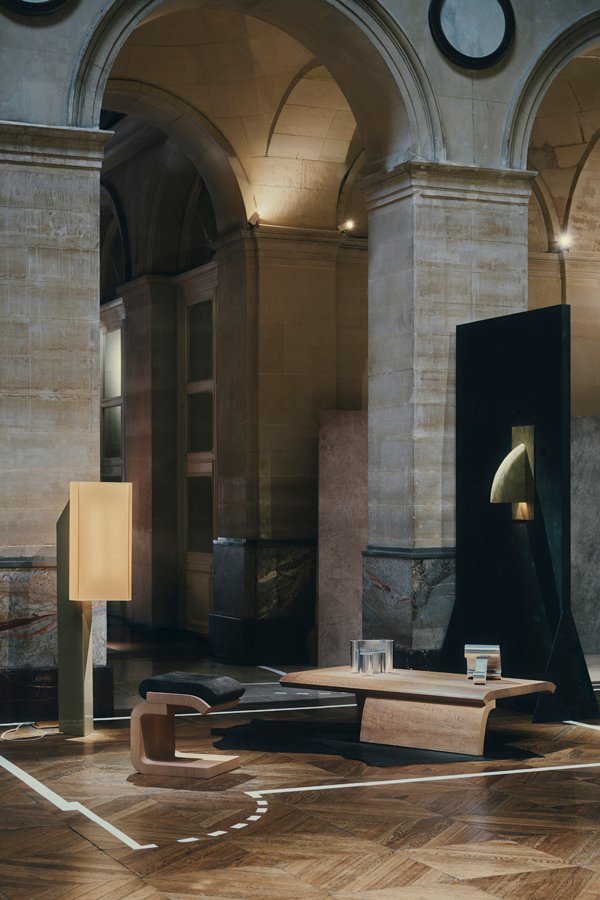
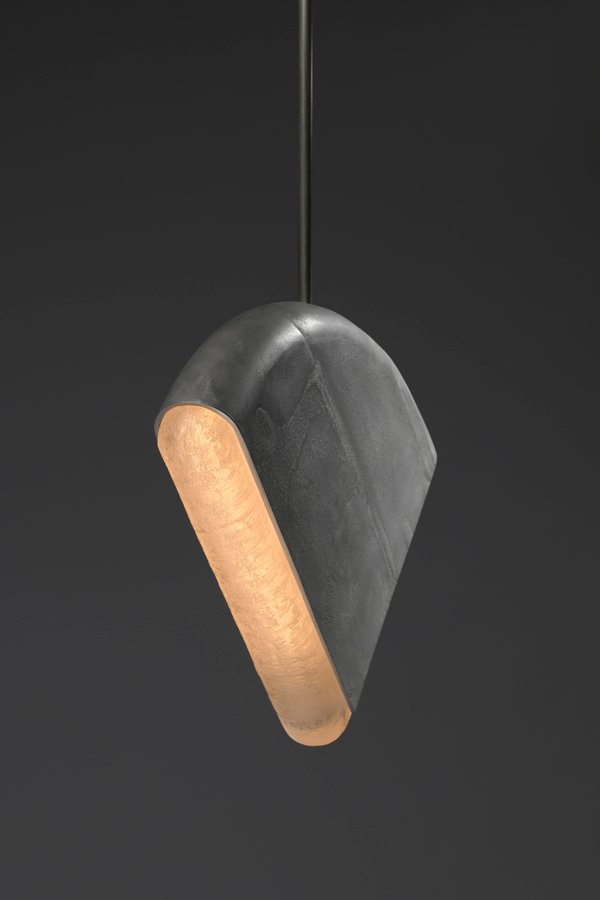
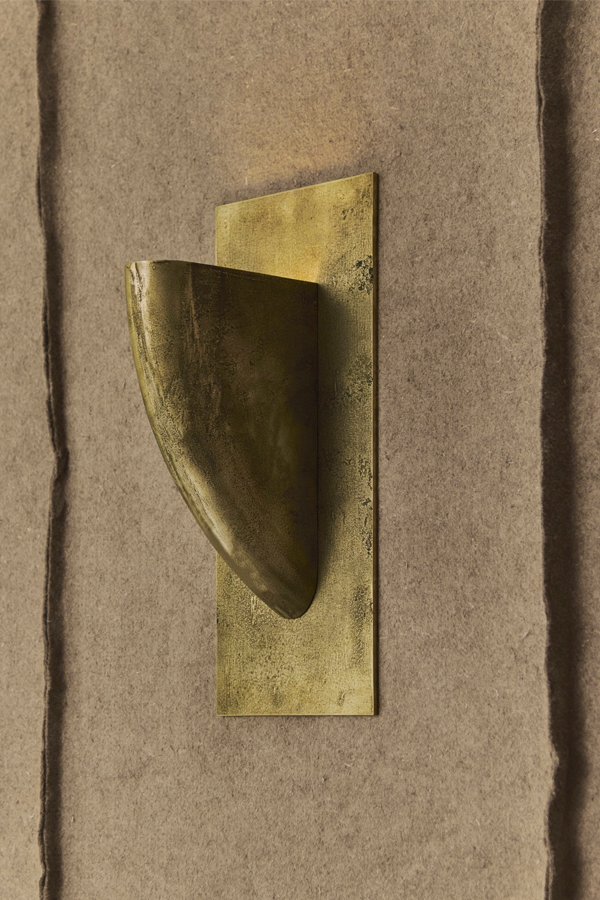
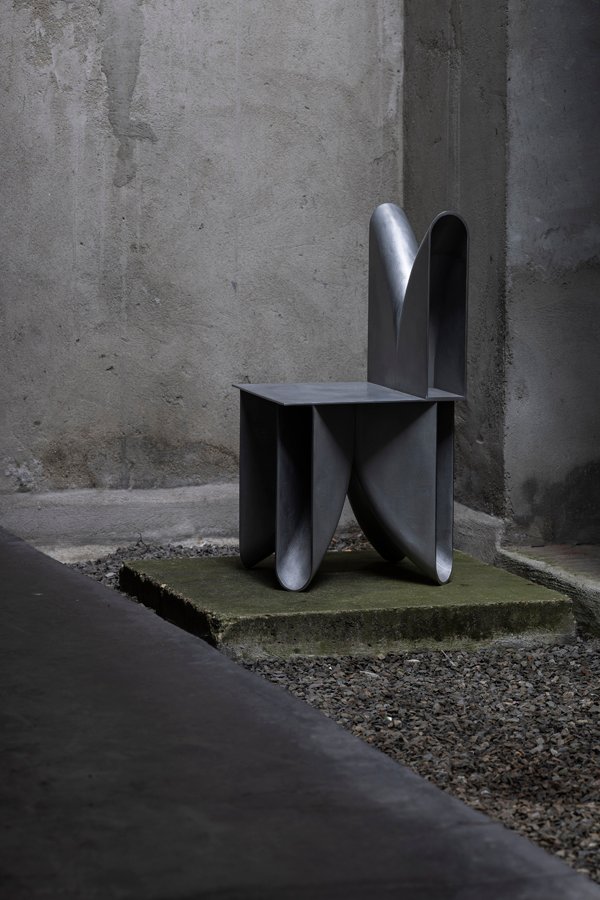
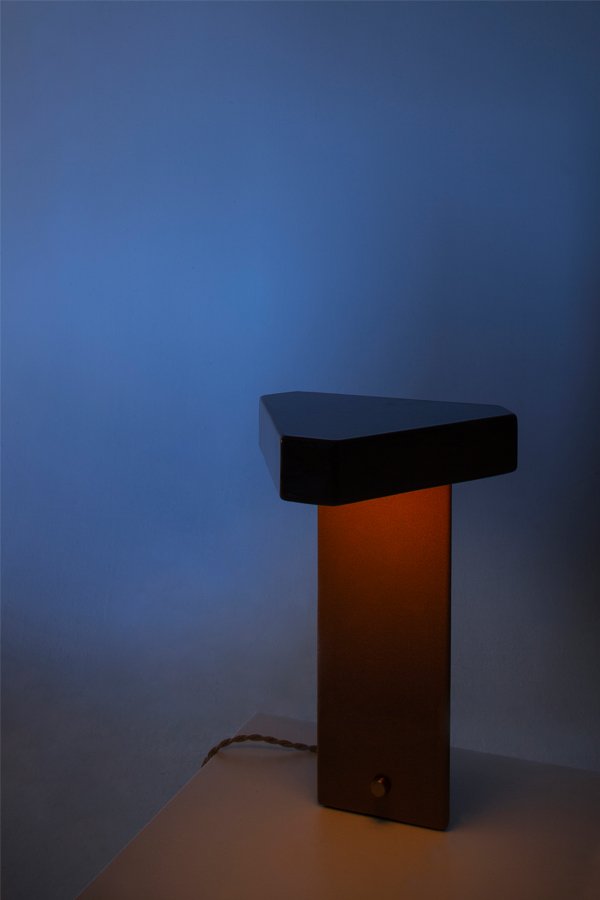
Emaho: In furniture pieces such as the BB Pendant Luminaire and Apollo tables, architectural restraint meets warmth and tactility. How do you distill architectural thinking into objects without losing intimacy or human scale?
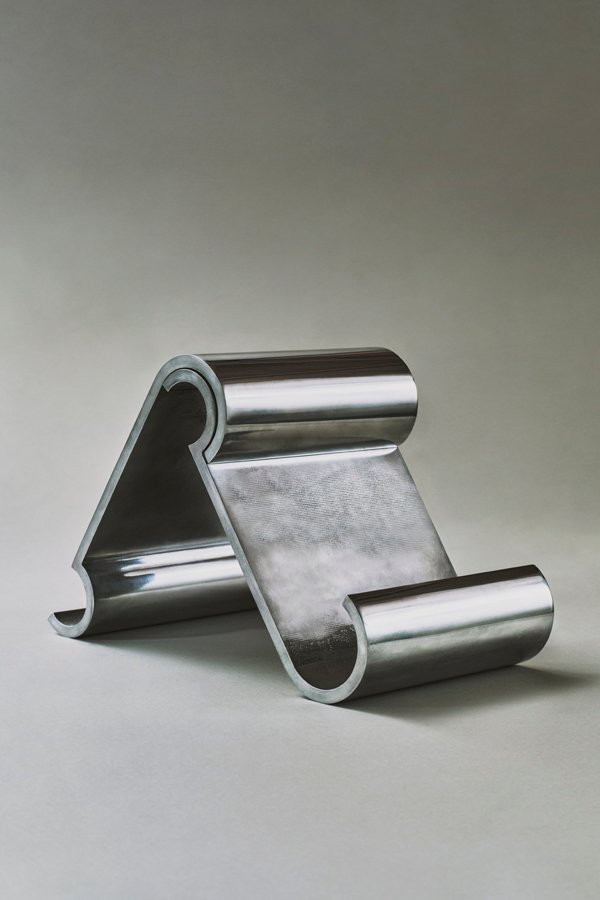
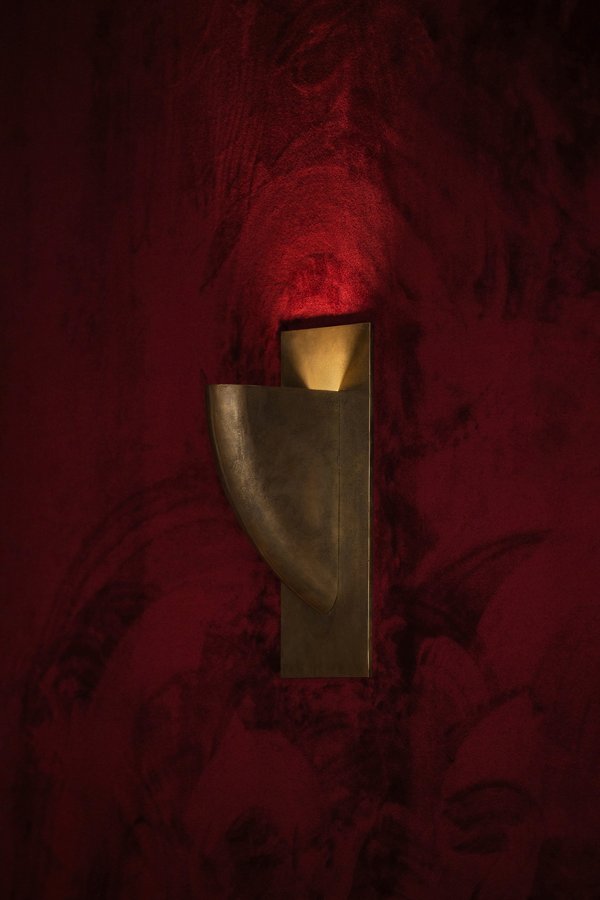
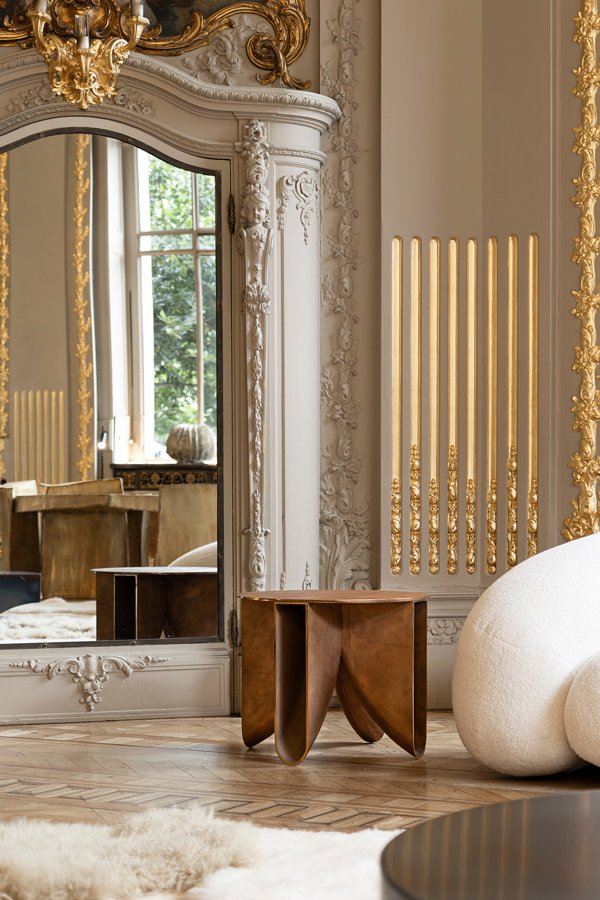
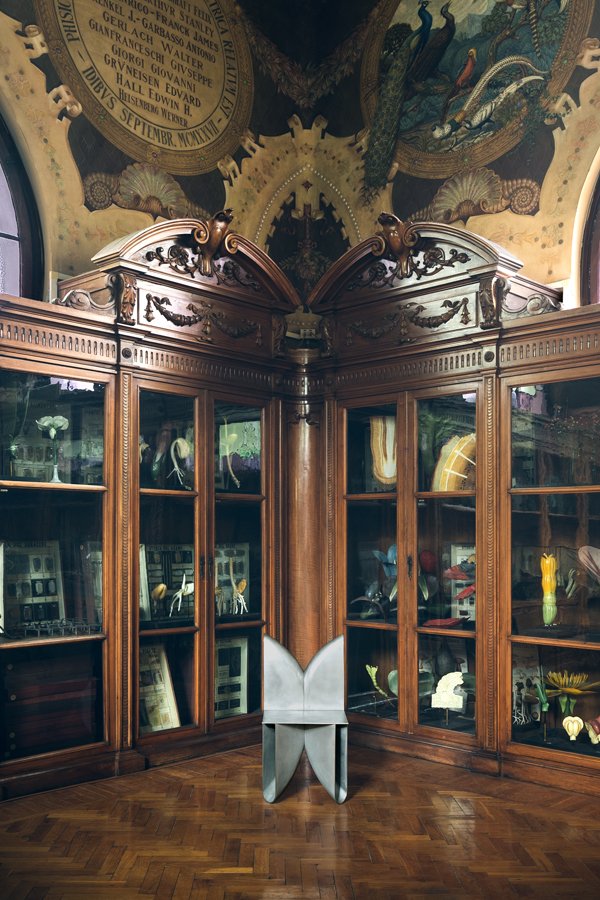
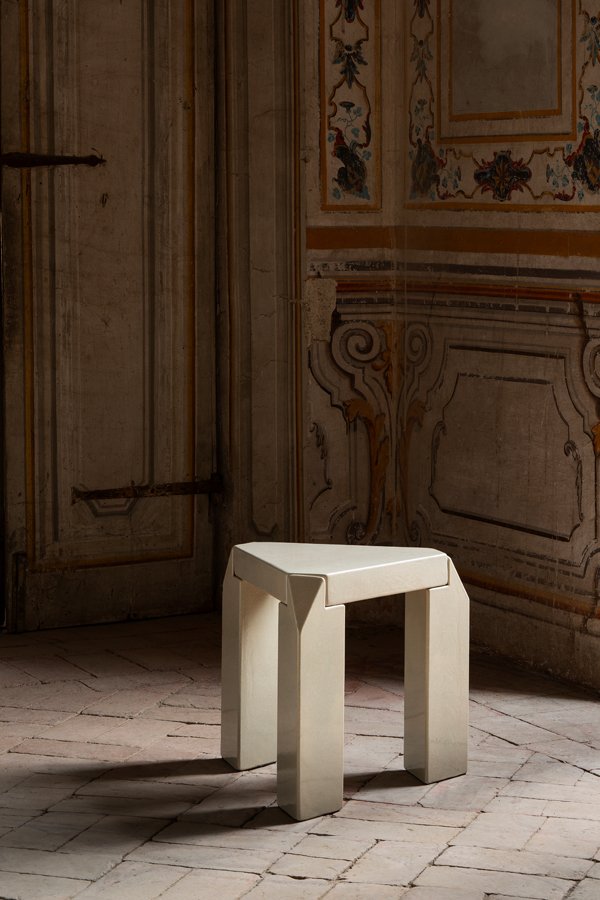
Ronan & Konrad: This translation of architectural thinking into furniture is something we find particularly compelling. In our BB and Apollo collections, you sense a clarity and permanence akin to architecture. That is because they carry an architectural logic, clarity of structure, legibility of form and tectonics, all while never losing intimacy because proportion is always calibrated to the human body. You feel the hand, the reach, the everyday ritual. Its architecture was brought down to eye level, to touch level. We often think of furniture here as a kind of micro-architecture, or even a dialogue between a room, a piece of furniture, and a person.
Emaho: Working in Parisian settings like Cherche-Midi Penthouse and Jardin du Luxembourg Loft, how do you negotiate the tension between historical architecture and contemporary minimalism without erasing either?
Ronan & Konrad: When working within historical settings, particularly in European contexts, we resist the idea of resolution. Rather than erasing the past or freezing it in time, we approach these projects through clarity and restraint. Contemporary interventions are deliberately reduced and precisely articulated, so that historical elements remain present and legible without being overwhelmed.
Many spaces are marked by successive layers of alteration; some thoughtful, others less so. Our task is not to add another layer, but to recalibrate the whole. Through careful selection, subtraction, and preservation, we seek to restore coherence while allowing different temporalities to coexist. Architecture, in this sense, gains strength not through dominance, but through measured juxtaposition.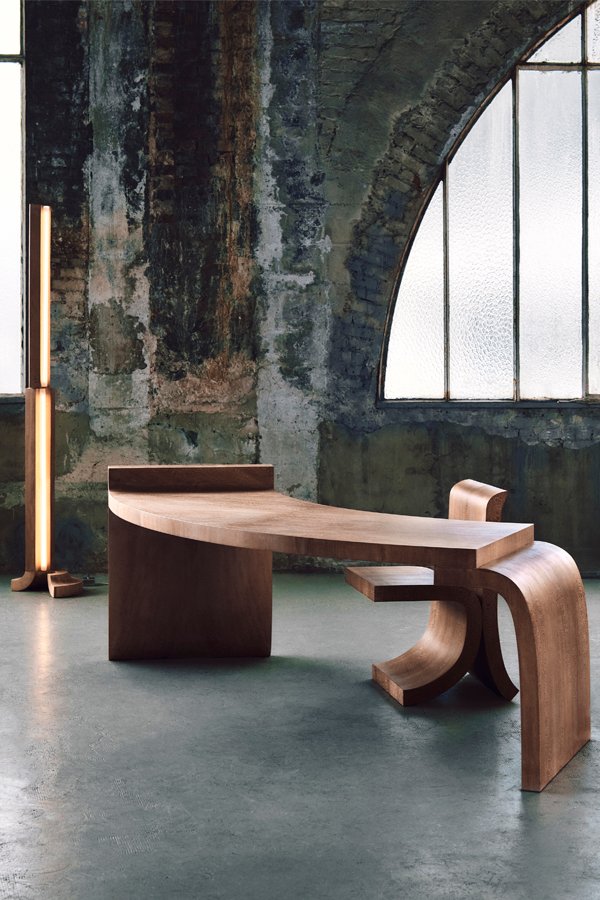
Emaho: Projects such as The Twins and A Craggy Cabin feel deliberately introspective and raw. What attracts you to these more rugged, contained environments, and how do constraints become a creative driver in your process?
Ronan & Konrad: It is very exciting to us to design a project in an isolated, rugged environment. These conditions demand rigor and allow the project to be approached with a high degree of conviction. Constraints such as remoteness, difficult terrain, and limited access do not reduce ambition; they intensify it. They clear the field and create a kind of reset, allowing the architecture to turn inward and focus on its essential spatial questions.
For us, constraints are never obstacles, but accelerators. We find that demanding sites force clarity and decisiveness. They eliminate distraction and ask better questions. In contrast to their surroundings, the architecture gains a strong presence, yet at the same time becomes more instinctive and more grounded, almost inevitable within its environment even if it is distinctly contrasted.
Emaho: Sustainability is often discussed in terms of performance and ethics, but your work also suggests durability and timelessness. How do you think about longevity – both material and emotional – when designing a space?
Ronan & Konrad: Sustainability, for us, is inseparable from time. Beyond performance and ethics, we think about endurance. How does a space age? How does it hold memory? Materials are chosen not for perfection, but for their capacity to patent, to register use. Emotional longevity is crucial. If people form a lasting attachment to a space, they care for it, adapt it, and keep it alive. This, too, is a form of sustainability.
Emaho: As CORPUS Studio evolves, what questions are currently guiding your practice, and what types of projects do you feel will define the studio’s next phase?
Ronan & Konrad: Through our furniture design work, we are working towards understanding the relationship between the structural expression and embodied perception. We started this research almost blindly in our first collection, the BB collection, and this has now grown to a guiding developmental interest. We are also working on a couple of interesting architectural projects in Morocco and Australia that explore these concepts at a larger scale while also considering the gesture of time in architecture.