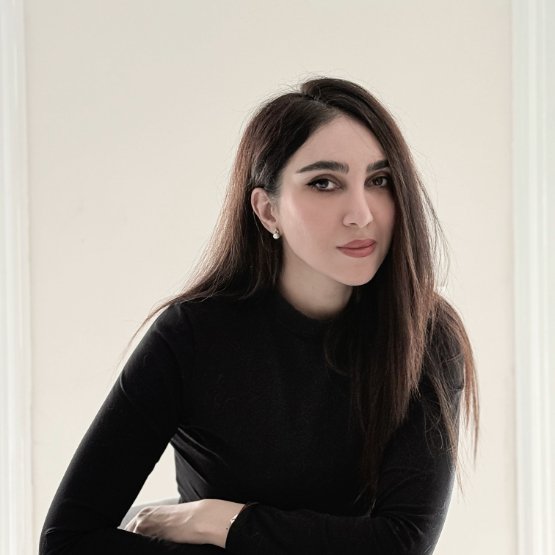
Emaho: You studied at the Sorbonne before moving into the world of post war and contemporary art dealing, eventually landing at Mennour. What was the first real deal or placement you were part of there that made you feel like you’d actually become a dealer, rather than someone still learning the ropes?
Charles Geoffrion: I would say it was when I sourced and sold my first work by Pablo Picasso, a beautiful work on paper. It was a real milestone in my career and gave me the feeling that I had truly become an art dealer.
Emaho: You now direct the gallery’s new space at 26 Avenue Matignon, the address that used to belong to Galerie Malingue, right next door to Mennour’s existing gallery at number 28. Taking over a space with sixty years of its own history and reputation behind it is a different kind of responsibility than opening somewhere brand new. What did you feel you owed to that legacy when you first walked in as the person now running it?
Charles Geoffrion: When Kamel Mennour announced that we would be taking over the legendary Parisian dealer Daniel Malingue’s gallery, it was a big moment for all of us. It felt like a natural step in the gallery’s growing commitment to modern art and the secondary market.
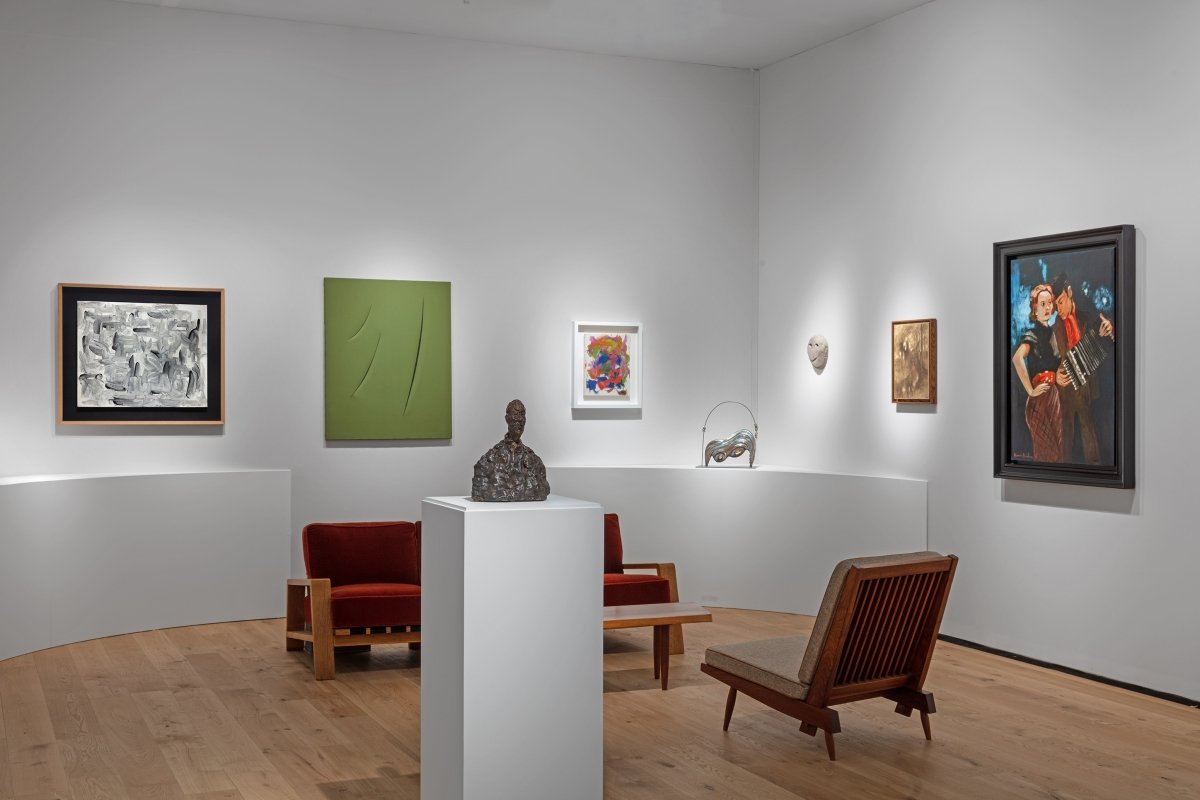
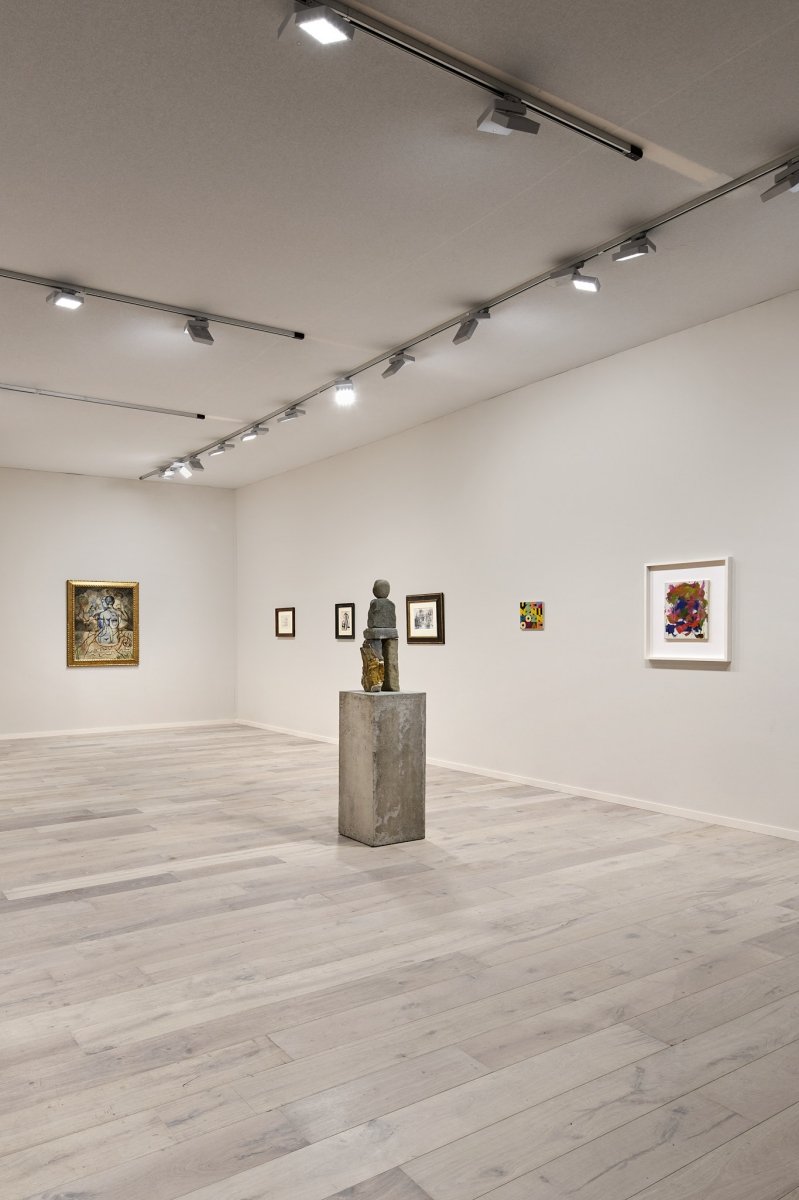
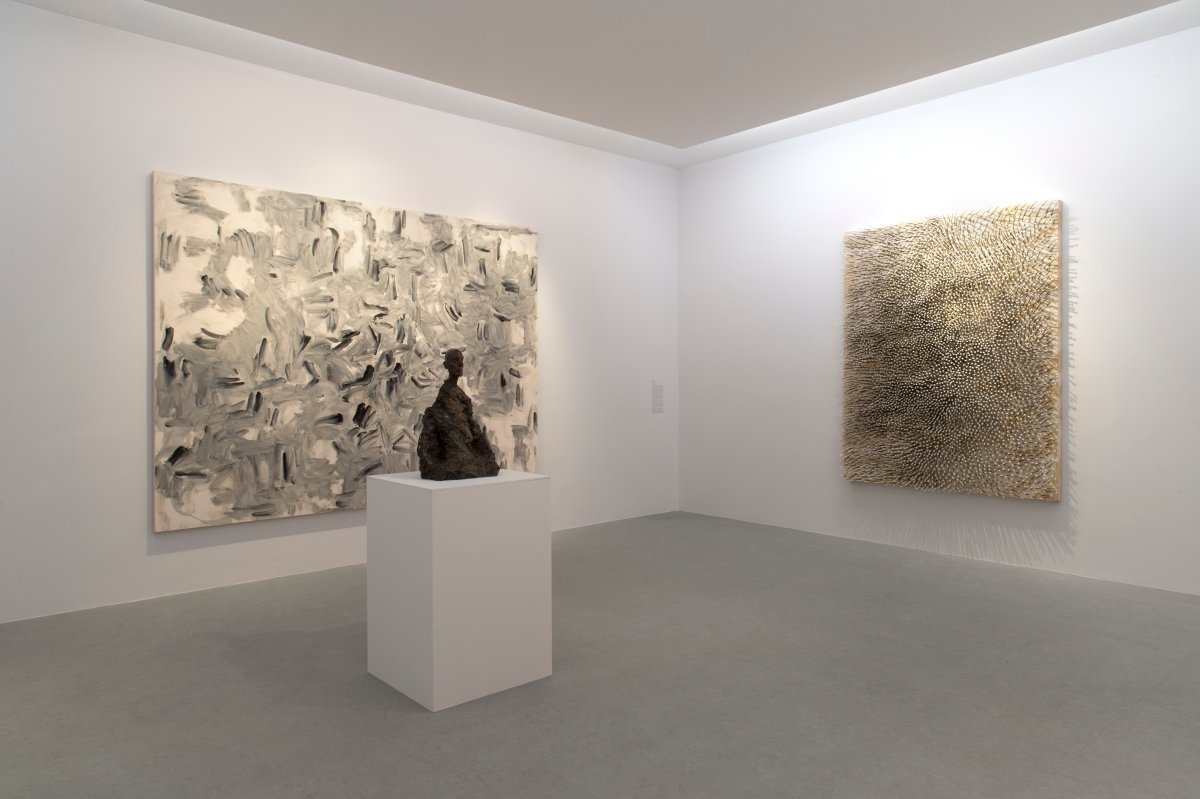
When we first visited the space after receiving the keys, I found it quite intimidating. The architecture feels like a small museum: high ceilings, large rooms with benches in the middle, and very distinctive, warm lighting.
But that feeling also came from the history of the place. You feel entrusted with its memory, with a responsibility to carry it forward and live up to the exacting standards of quality that Daniel Malingue had established.
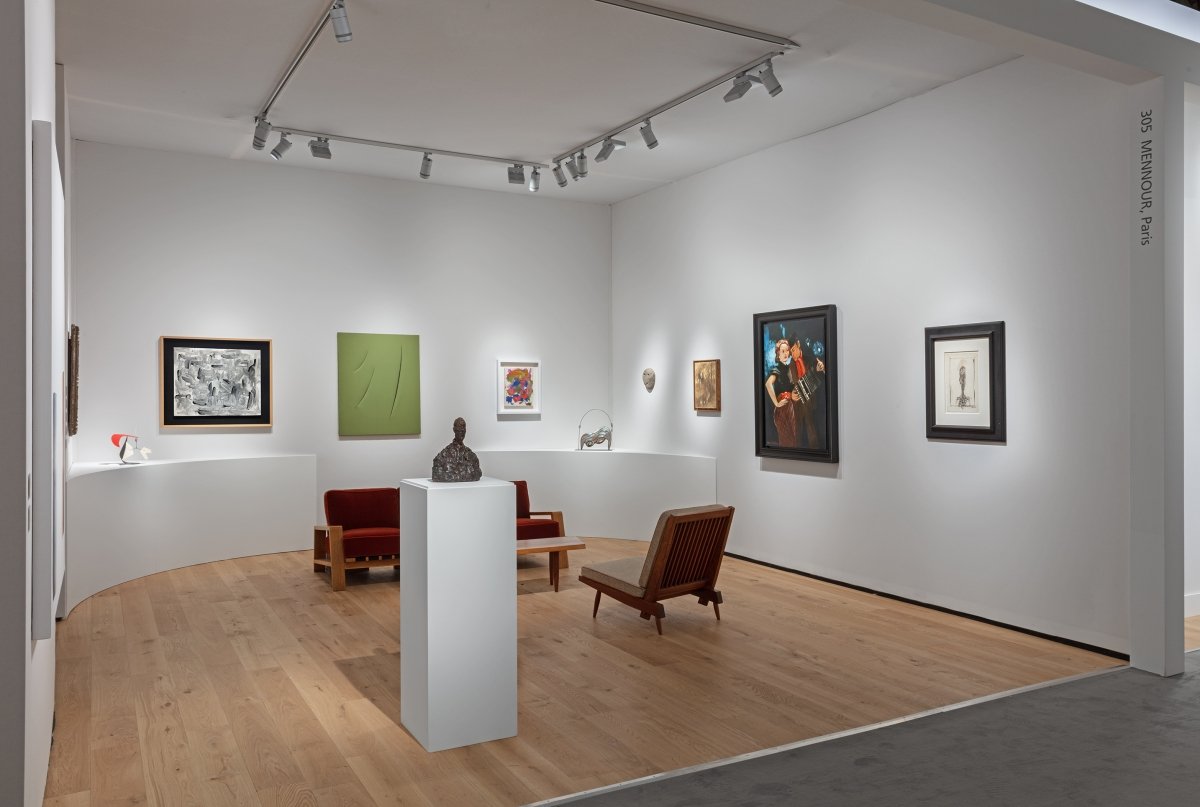
Emaho: That new space is built specifically around historical works, the secondary market, sitting right alongside Mennour’s primary market gallery focused on living artists just a few doors down. Moving between those two very different rhythms of the art world, one about discovery and the other about legacy, how differently do you actually have to think depending on which side of the street you’re working that day?
Charles Geoffrion: In practice, I see contemporary creation and historical art as deeply complementary. Understanding the past is essential to making sense of the present. So moving between the two is less about changing my way of thinking than finding connections between artists and periods.
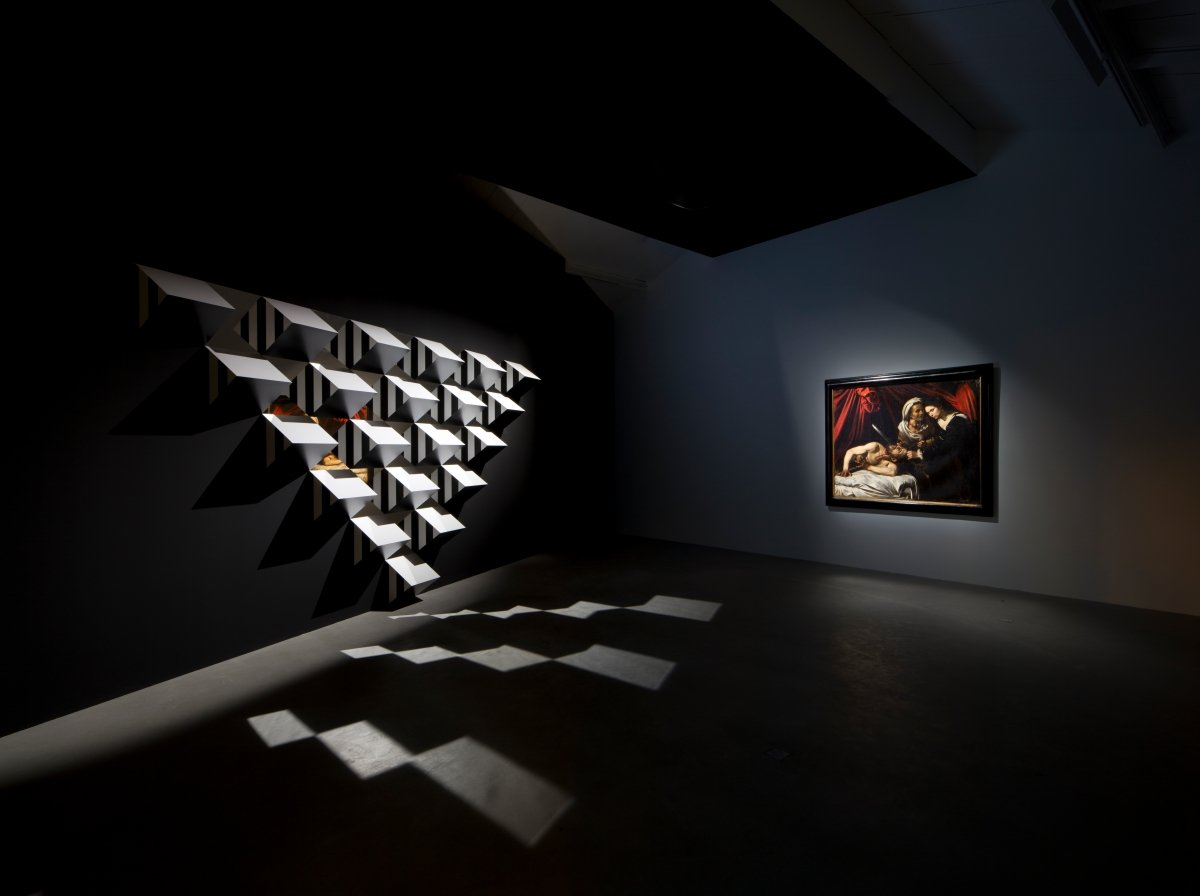
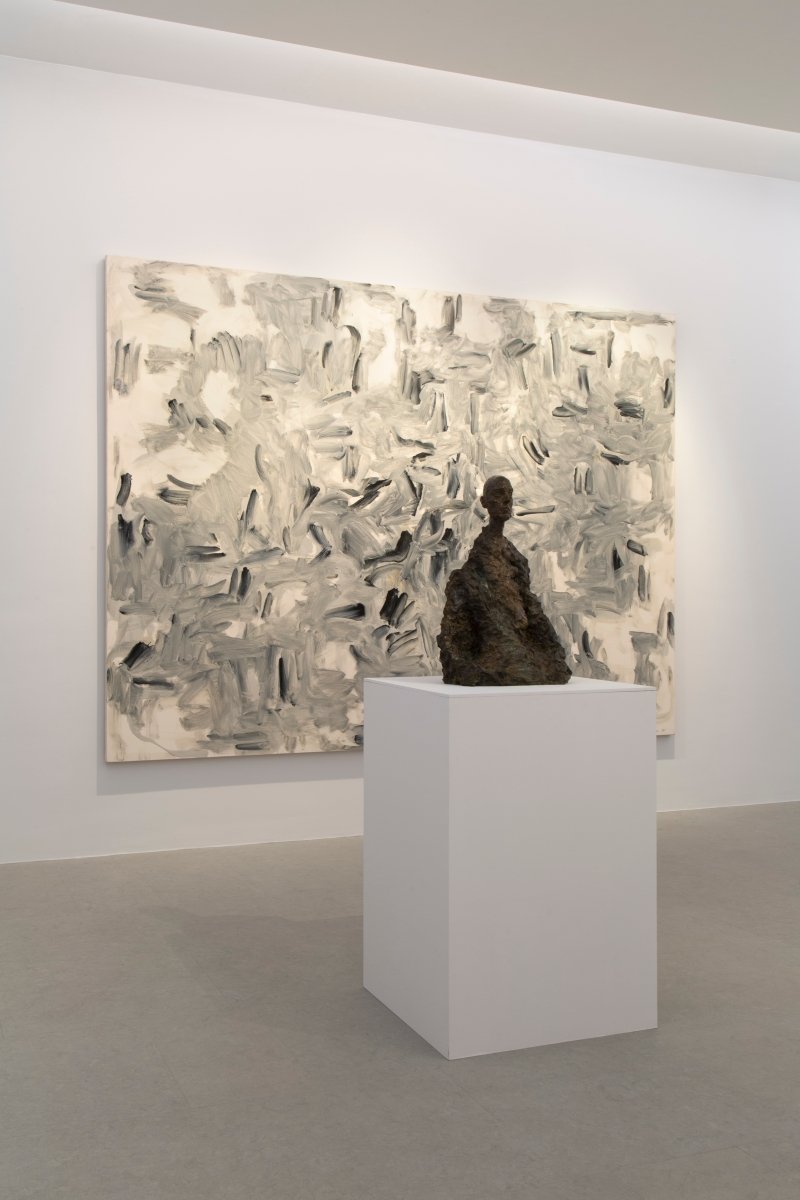
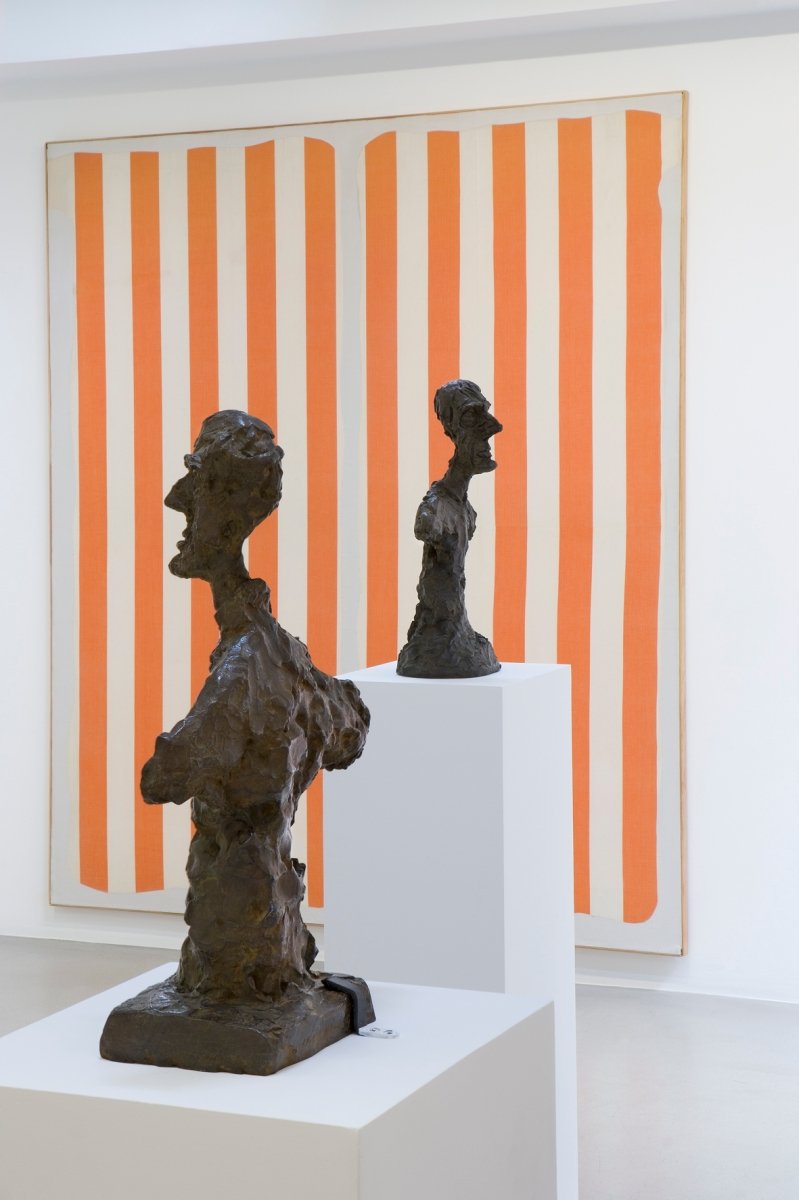
Our aim is to build bridges and create dialogues. The gallery has been doing this for years through exhibitions bringing together Daniel Buren and Alberto Giacometti, Daniel Buren and Caravaggio, Alicja Kwade and Louise Nevelson, or Ugo Rondinone in dialogue with Victor Hugo and Eugène Carrière.
We will continue to develop this approach by inviting contemporary artists to share their own perspectives on art history and propose exhibitions shaped by those perspectives.
Emaho: Mennour represents somewhere around forty living artists and estates, from Daniel Buren and Anish Kapoor to younger names still building their reputations. When you’re the one in the room with a collector, how do you decide whether you’re selling them on an artist’s history or on where that artist is headed next?
Charles Geoffrion: I don’t think you can really separate the two. An artist’s history helps us understand their work today, while their current work can also change the way we look at their earlier practice.
For me, the starting point is always the work itself and the person standing in front of it. I try to understand what interests the collector, what they already live with, and what has drawn them to this particular piece. From there, the conversation develops naturally, whether we’re discussing an established artist’s place in art history or the direction a younger artist is exploring.
My role is to give collectors the context to make their own judgment, while sharing why I personally believe in the work.
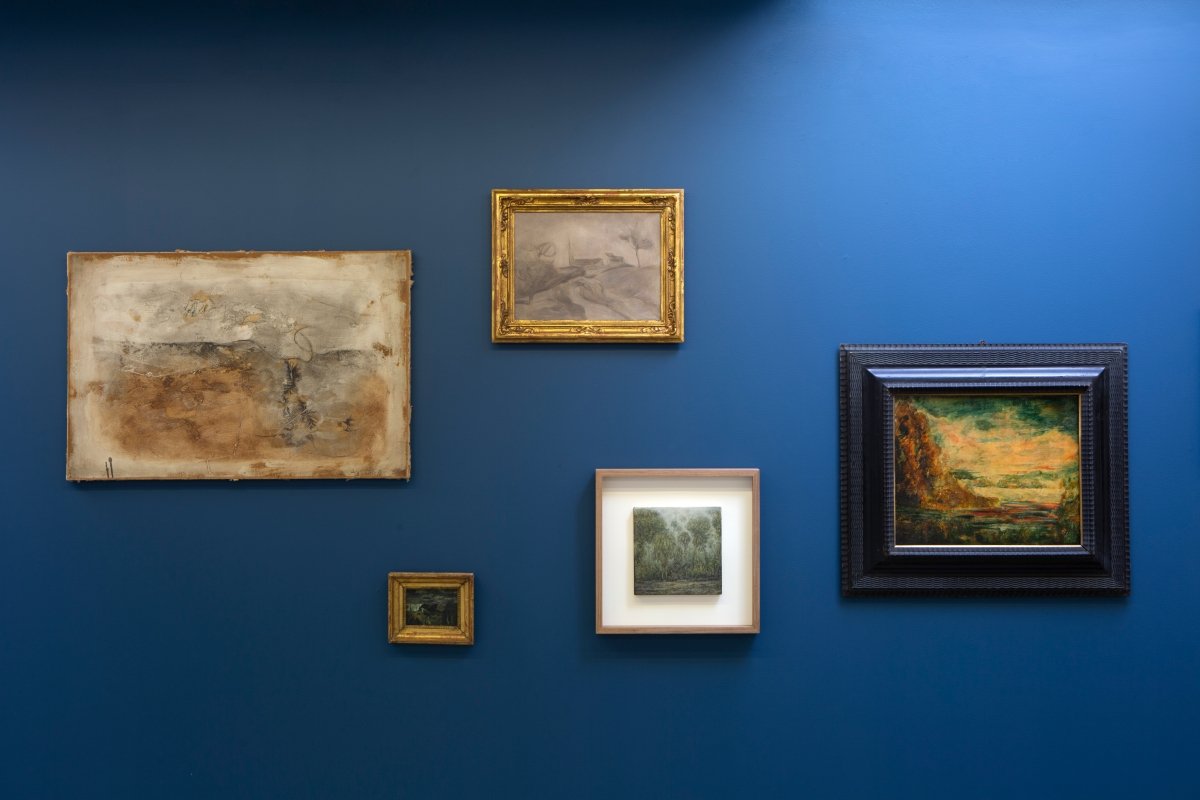
Emaho: You’ve built a pretty visible public presence on Instagram, sharing daily art content to tens of thousands of followers, which is a fairly unusual thing for someone inside a major gallery to do so openly. What made you decide that kind of public voice was worth building alongside your actual dealing work, rather than staying behind the scenes the way a lot of gallery directors do?
Charles Geoffrion: I started my Instagram in 2016 because I wanted to share my passion for art and the stories behind it. I think of it as a personal, virtual magazine where I can express my eye, my sensibility, and my discoveries.
It’s also a way to open up my daily life at the gallery to a wider audience, sharing our artists, exhibitions, and fairs. It has become an extraordinary channel for connecting with collectors around the world and starting conversations about our artists. For me, it’s a natural extension of being a dealer.
Emaho: Running a gallery space today means constantly balancing the fairs, Art Basel Paris and the rest, against the day to day work of actually building relationships with collectors and artists in Paris. Which of those two worlds do you find yourself more energized by, and is there one you’d happily do less of if you could?
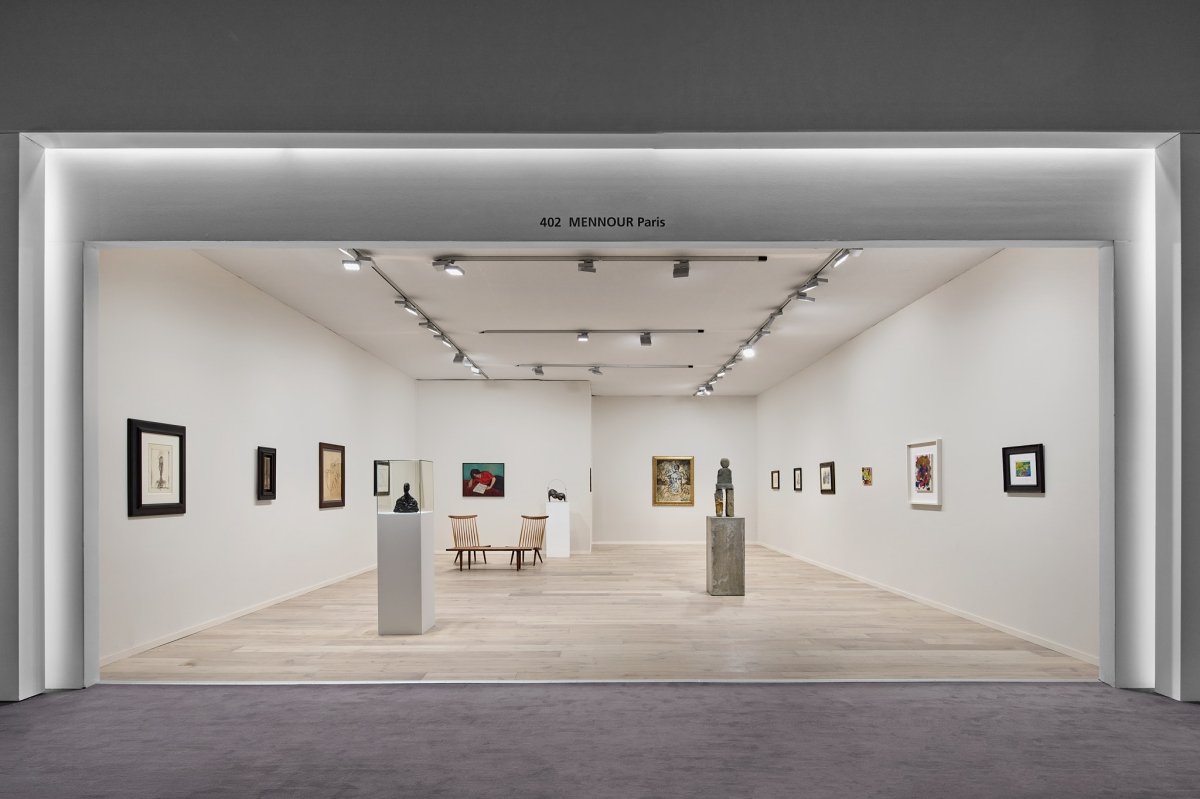
Charles Geoffrion: For me, the most exciting part starts before a fair or exhibition: finding the works, bringing them together, researching them, choosing frames, and preparing the photography and documentation. I love that whole process of presenting works in a way that tells a story.
Fairs are exciting because you see everything come together, discover people’s reactions, and see which works find a buyer. Exhibitions offer that same satisfaction, but over a longer period, with more time to develop ideas beforehand and build deeper conversations with visitors and collectors.
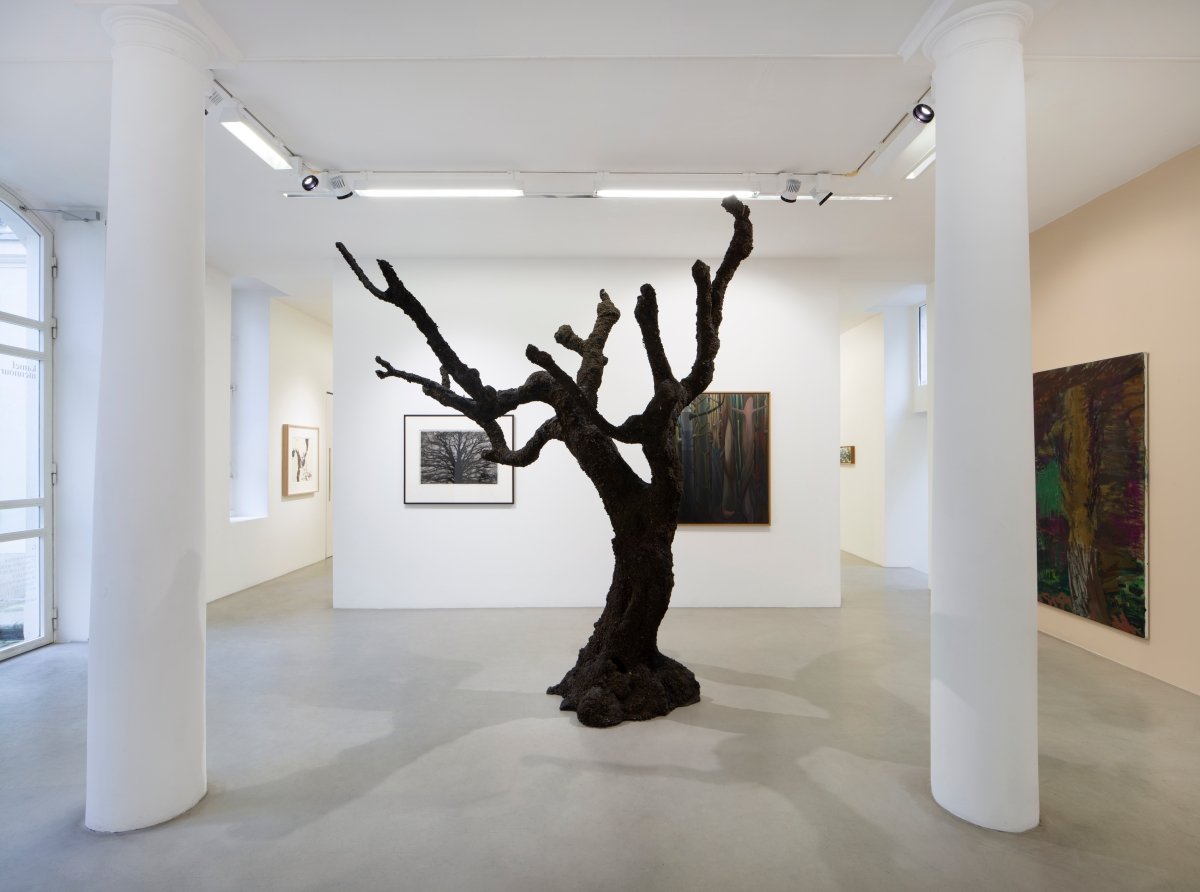
Emaho: Mennour has increasingly leaned into modern and historical art through its fair presence, well before this new Matignon space existed. Did you see that expansion coming from where you sat inside the gallery, or did the decision to take on an entire historical program still catch you a little by surprise?
Charles Geoffrion: It felt like a natural evolution. Kamel had been interested in historical figures for many years. When I joined, the gallery already represented François Morellet’s estate, had strong ties with the Giacometti Foundation, and had organised exhibitions bringing art history into dialogue with contemporary art. Kamel had also personally collected the work of the nineteenth-century painter Eugène Carrière for a long time.
When he hired me, we agreed that part of my role would be to develop the secondary market, sourcing works by major artists beyond the gallery’s existing programme. I have contributed significantly to that development, bringing in works by figures such as Lucio Fontana, Pablo Picasso, Francis Picabia, Henri Matisse, Nicolas de Staël among others. The new space gives this activity a home of its own, while remaining closely connected to the gallery’s wider vision.
Emaho: Being an art dealer means constantly reading a room, knowing when to speak and when to let a piece speak for itself in front of a collector. Is there a specific negotiation or sale early in your career that taught you something about that instinct you still rely on today?
Charles Geoffrion: I can’t point to one particular sale, but one thing I’ve learned is to give collectors time to look. When you’re passionate about a work, your instinct is to share everything you know straight away. But sometimes it’s better to pause and listen. Collectors can know more than you do, especially about an artist they’ve followed closely for years. You have to remain curious and open to learning from them. My role is to offer context while leaving room for their own connection with the work.
Emaho: Working inside a gallery built around the vision of one very established figure in Kamel Mennour, while also being trusted to lead your own space, must mean walking a careful line between following an established identity and bringing your own judgment into the room. Where do you feel you’ve been given the most freedom to make a space or a program genuinely your own?
Charles Geoffrion: Kamel has a very clear vision and a distinctive taste. You immediately recognise his aesthetic in the way works are presented, exhibitions are installed, and dialogues emerge between artists of different generations.
At the same time, he listens closely and gives us considerable freedom to bring ideas forward. He is curious, open to other perspectives, and willing to explore unfamiliar territory. That is where I feel I can contribute my own eye, particularly in proposing historical works and connections beyond the existing programme.
What makes working here so rewarding is that this exchange extends across the whole team. Everyone contributes a perspective, and that ongoing dialogue is a large part of the gallery’s richness.
Emaho: Looking at where you’ve landed now, running a significant piece of Mennour’s expansion in one of Paris’s most important gallery districts, what does the next stretch of your career actually look like from here, and is there a particular artist or historical figure you’re personally hoping to bring into the gallery’s world next?
Charles Geoffrion: What guides me is the search for works of the highest quality and fresh ideas for presenting them. I prefer to stay open to discoveries and let the works shape what comes next. The ambition is to create exhibitions that offer new perspectives and allow the beauty of the works to come through.