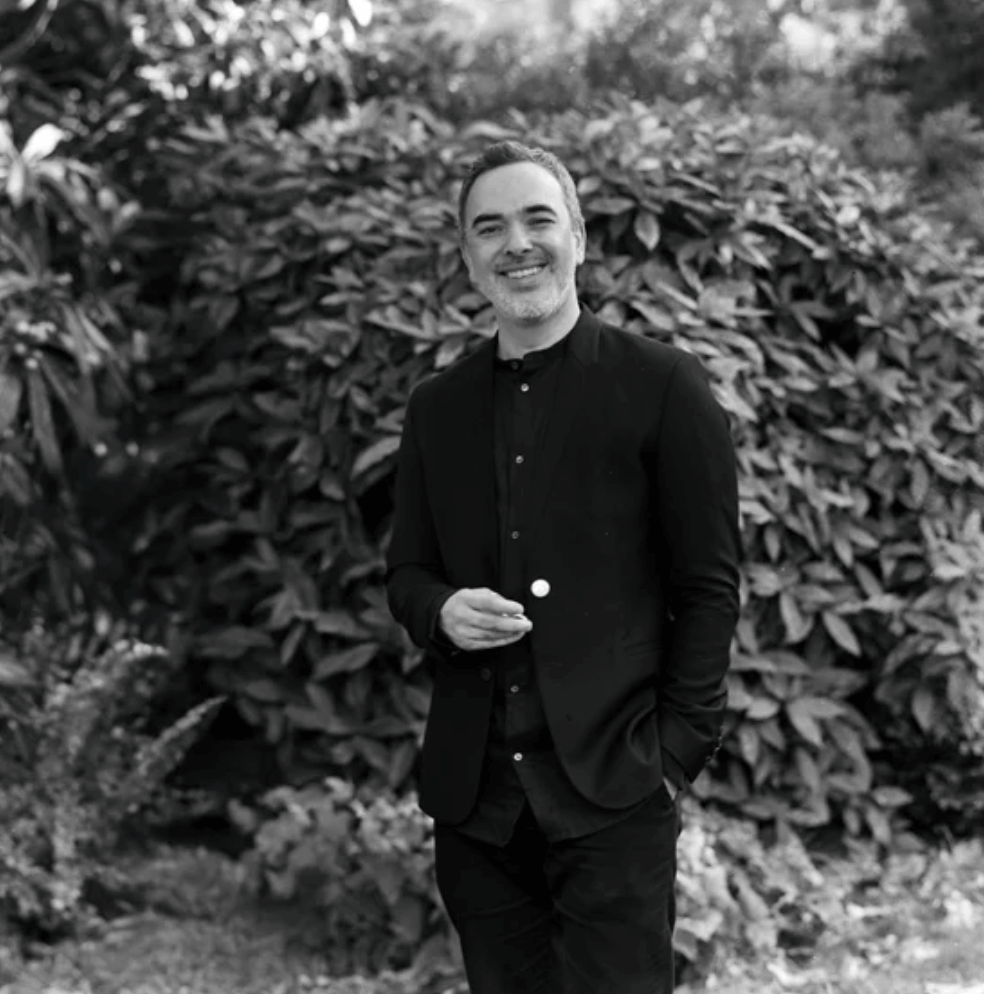
Emaho: Your creative and professional path has woven through hospitality, cultural spaces, and now hybrid curatorial platforms. When you reflect on your early life and the first impulses that drew you toward creative work, what do you recognise now that you couldn’t see then?
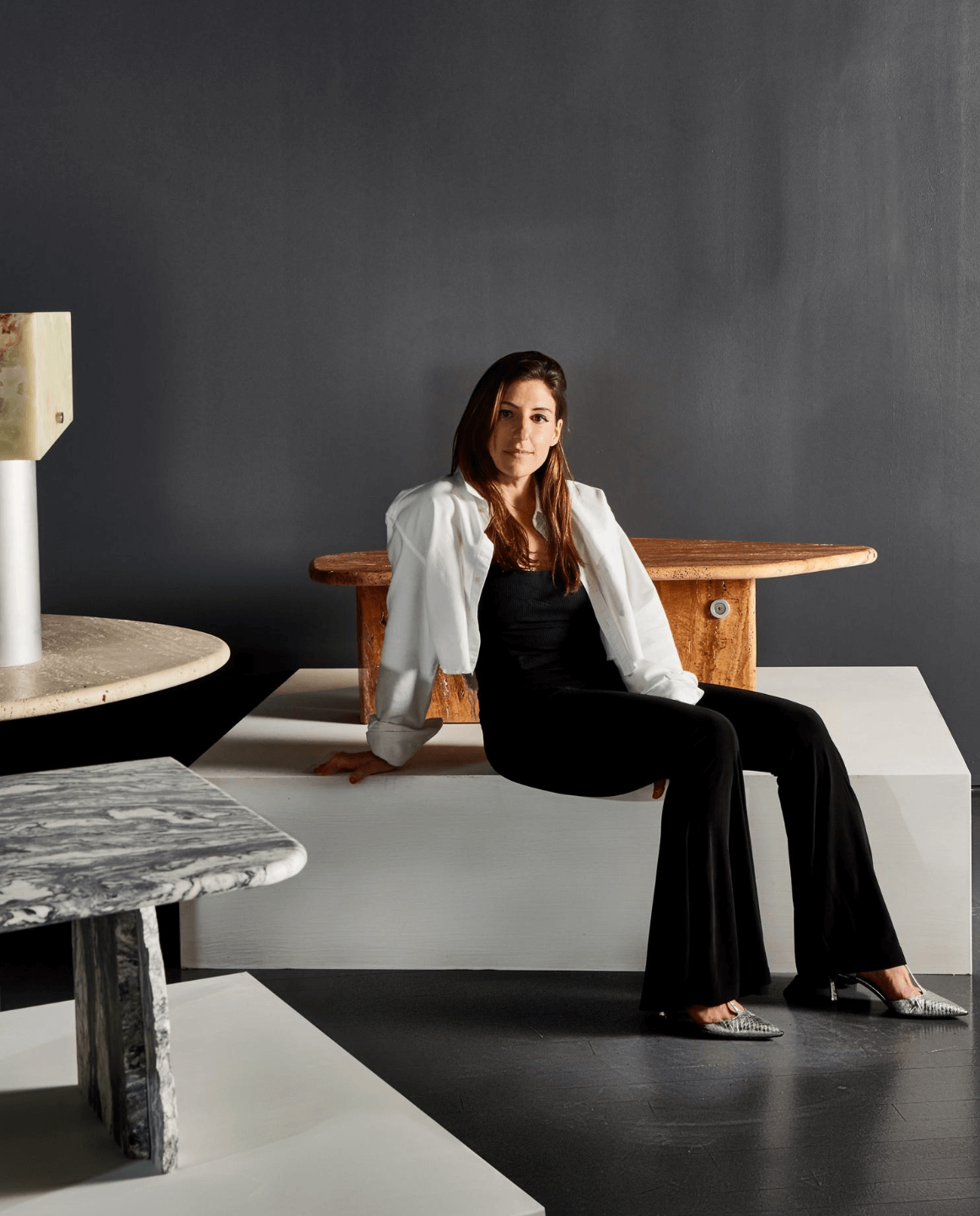
Holly Lucas: Looking back, I realise the impulse was never about working within a single discipline. It was always about creating experiences.Growing up around hospitality made me aware of how environments influence behaviour; how atmosphere, design, and gathering can shape memory and connection. What I recognise now is that I was instinctively drawn to curating moments where people, objects, and ideas intersect. That instinct ultimately informed Bureau of Innovation. Not simply as a gallery, but as a platform for constructing contexts in which design, material, and culture can be experienced together.
Emaho: With BOI (Bureau of Innovation) you and Sam Henley launched a platform that sits between gallery, experience, and curator-led design. BOI’s vision emphasises material innovation and future classics. What was the founding impulse behind BOI, and how has your understanding of “curation” evolved through this collaboration?
Holly Lucas: BOI began from a shared belief that many of the most compelling designers today operate between established categories; between art, architecture, furniture, and object. Yet there were few platforms presenting their work in a way that acknowledged this fluidity. Sam and I wanted to create a context where material-led practices could be encountered with intention, beyond the format of a traditional gallery.
Through this collaboration, my understanding of curation has expanded significantly. It is no longer just about selecting objects. It is about shaping the spatial, social, and narrative conditions around them. Curation becomes a form of authorship – constructing how work is experienced rather than simply displayed.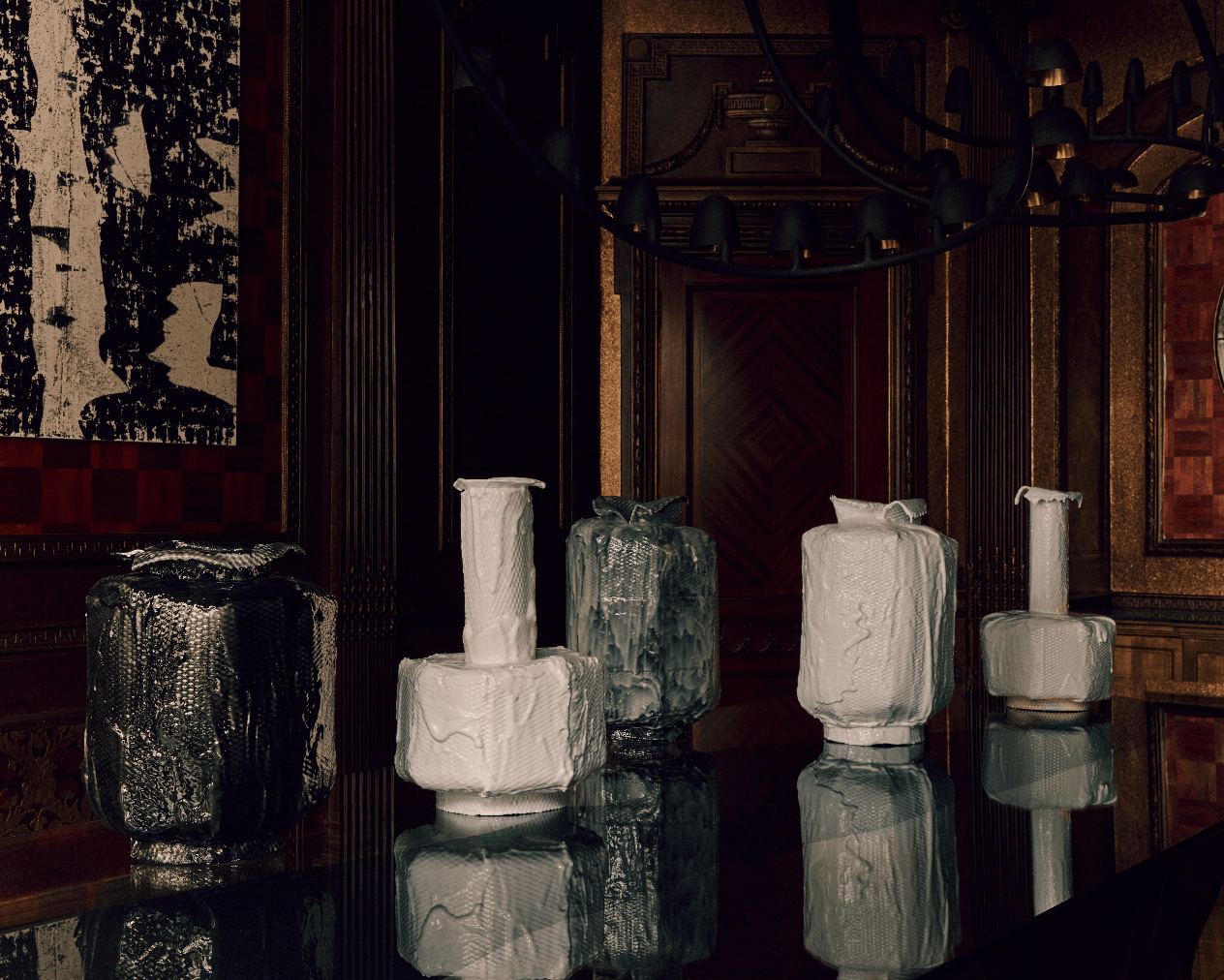
Emaho: You describe BOI as “orchestrating contexts for experiencing furniture design,” balancing narrative and materiality. How do you think this hybrid approach challenges traditional roles- between curator, designer, and audience – in contemporary creative ecosystems?
Holly Lucas: By situating furniture and objects within lived environments, exhibitions in homes, dining settings, cultural moments, BOI shifts design from something observed at a distance to something encountered directly. In this context, roles become more fluid. Designers operate as storytellers through material. Curators shape narrative frameworks and atmospheres. Audiences move from passive viewers to active participants in the experience.
This redistribution reflects broader shifts in contemporary culture, where meaning is increasingly constructed through interaction rather than presentation alone.
Emaho: Your partnership with Sam Henley brings together distinct sensibilities – yours in atmospheric experience and Sam’s work in studio design and fabrication. How does the interplay between your perspectives shape the way projects at BOI take form?
Holly Lucas: Sam and I approach projects from different but highly complementary perspectives. His thinking is grounded in material behaviour, fabrication processes, and structural clarity. Mine is more focused on context, atmosphere, and how work is encountered socially and spatially. The dialogue between these viewpoints is fundamental to BOI. It allows projects to develop both materially and culturally. Objects retain their integrity while gaining broader narrative and experiential resonance. Often the most resolved outcomes emerge from negotiating this tension.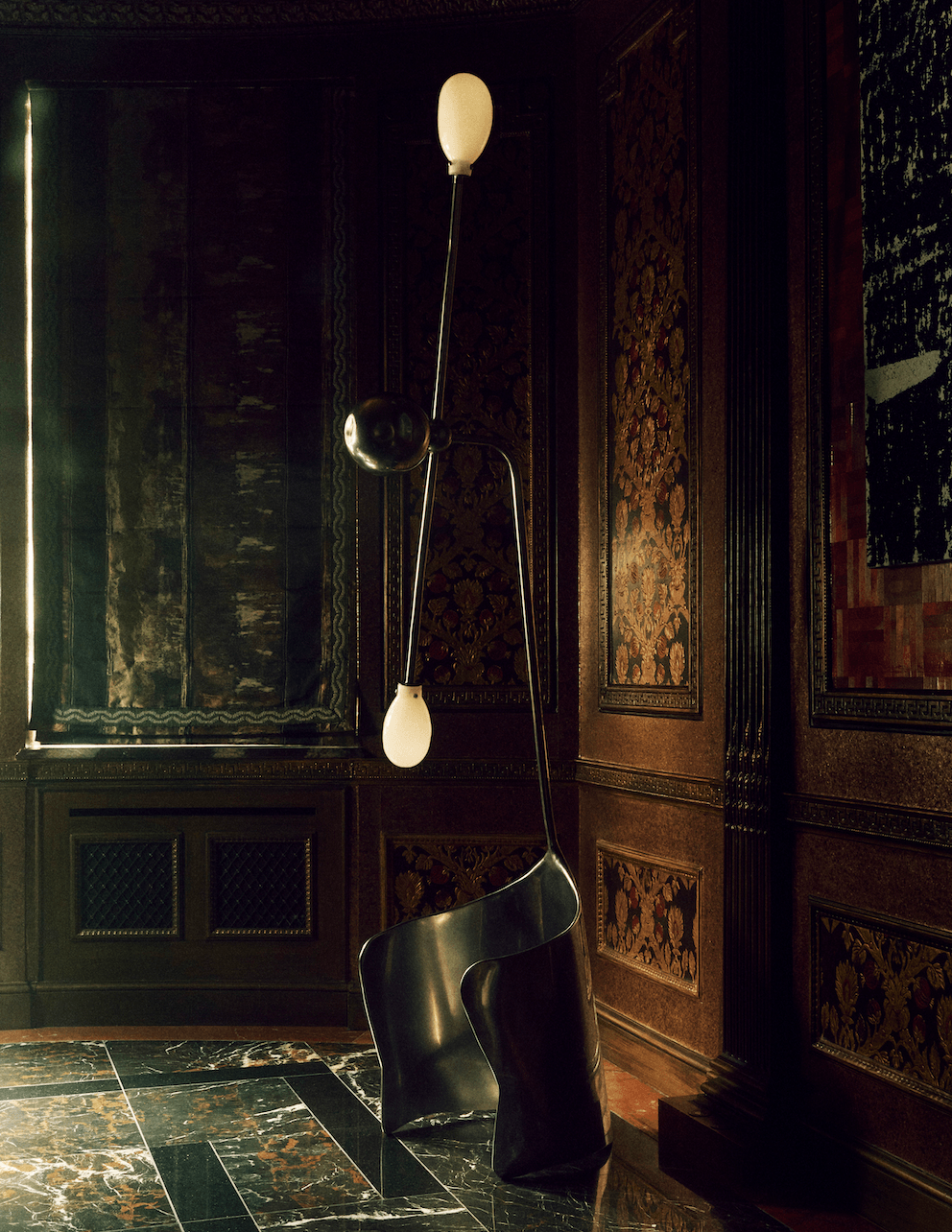
Emaho: Across your various ventures, there is a strong sense of shaping environments rather than just objects. What does experience mean to you in the context of design and curatorial work, and how do you ensure that intention stays visible without becoming didactic?
Holly Lucas: For me, experience is about perception and proximity. Objects are never isolated; they are understood through light, spatial relationships, conversation, and ritual. My role is to create environments that feel intuitive and immersive rather than overly explained. When context is carefully constructed, intention becomes felt rather than stated. The work communicates through atmosphere and encounter rather than instruction.
Emaho: In a world where art, design, and commerce intertwine, how do you maintain a commitment to meaningful, thoughtful work while navigating market expectations and cultural attention?
Holly Lucas: The anchor is always the integrity of the practice. If the material thinking, craftsmanship, and conceptual grounding are strong, market engagement can follow without compromising the work. At BOI we aim to frame design within thoughtful cultural contexts so it can be understood beyond pure commerce. This allows us to support practices that feel enduring while still engaging with collectors and the realities of the market.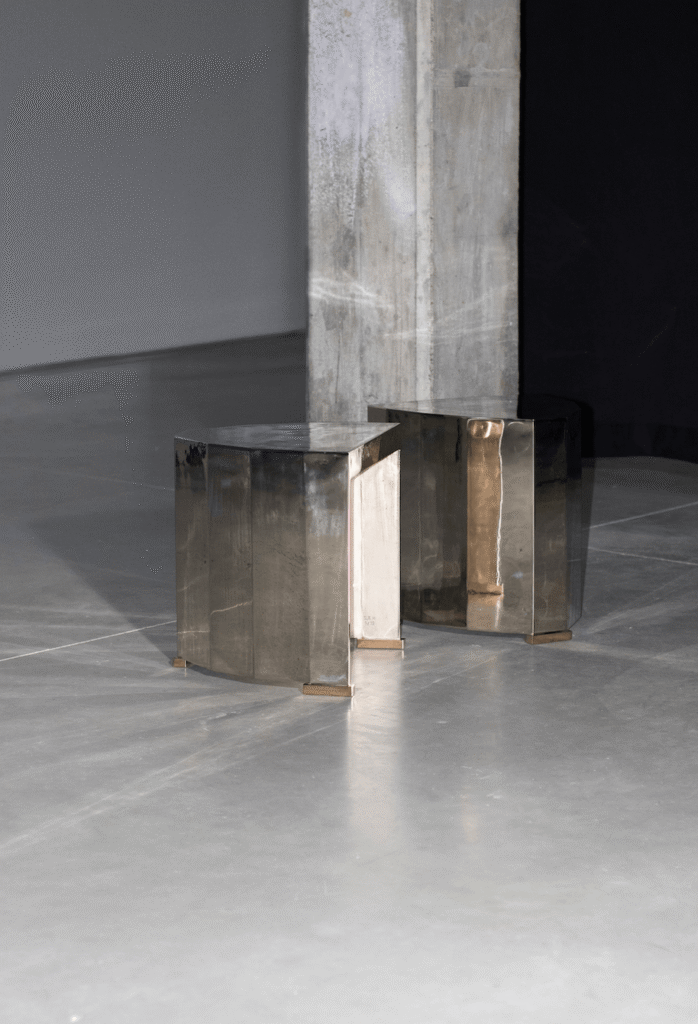
Emaho: Given the rapid shifts in how cultural platforms operate – physical shows, online presentations, experiential moments – where do you see the role of institutions like BOI in shaping what is considered valuable or enduring?
Holly Lucas: In a fragmented cultural landscape, context becomes a form of validation. Platforms like BOI can help shape what is considered enduring by consistently building narratives around materially rigorous and culturally relevant practices. Beyond visibility, the role is to create continuity – connecting designers, audiences, and collectors through meaningful encounters. Over time, this helps establish long term significance rather than momentary attention.
Emaho: Collaboration often involves negotiation between different visions. Can you share an example from your work with Sam where a moment of tension actually led to a breakthrough in the work or the platform’s direction?
Holly Lucas: There are frequent moments where Sam prioritises the autonomy of the object while I push for stronger contextual framing. These discussions can be challenging, but they are often where the most interesting breakthroughs occur. By challenging each other’s assumptions, we arrive at projects that are both materially resolved and experientially compelling. The tension becomes productive rather than obstructive.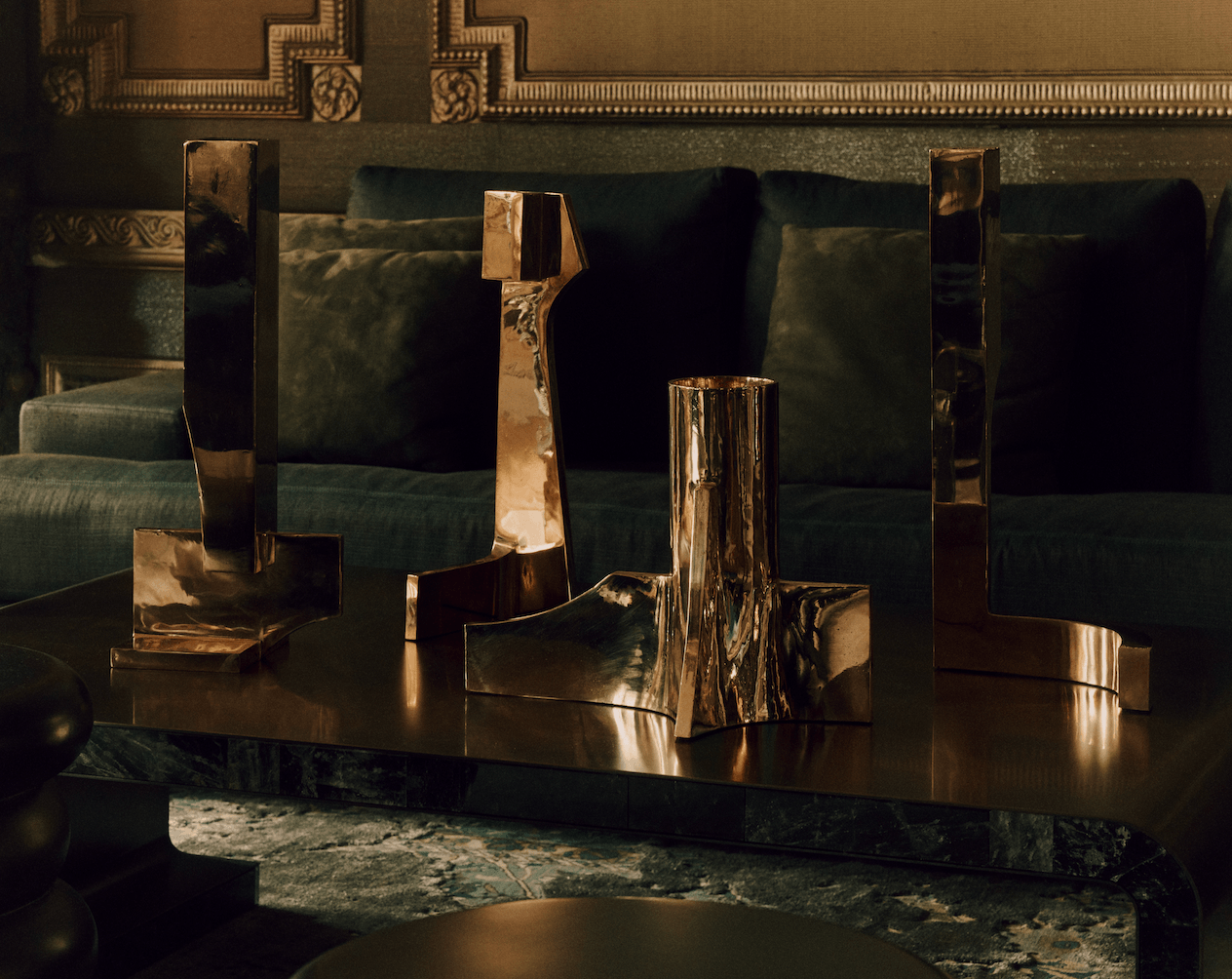
Emaho: Looking ahead, what kinds of collaborations, audiences, or creative fields excite you most? How do you imagine the next chapter of your work – whether through BOI, exhibitions, or other creative experiments?
Holly Lucas: I am increasingly excited by collaborations that place design in dialogue with other cultural fields – hospitality, fashion, architecture, performance. These contexts allow objects to operate within dynamic social environments rather than static display formats. The next chapter involves expanding BOI as a global platform through exhibitions, curated environments, and strategic partnerships, creating spaces where collectible design can be encountered in ways that feel both contemporary and lasting.
Emaho: Many creative leaders speak about the importance of intuition. For you, how do you balance intuition with strategy – and how has that balance shifted as your work has expanded across platforms and partnerships?
Holly Lucas: Intuition has always guided my sense of timing, people, and creative direction. It is often the starting point for recognising where an idea or collaboration feels right. As BOI has grown, strategy has become essential in translating instinct into sustainable frameworks. The balance now lies in allowing intuition to lead conceptually, while strategy provides the structure that enables those ideas to evolve and scale over time.