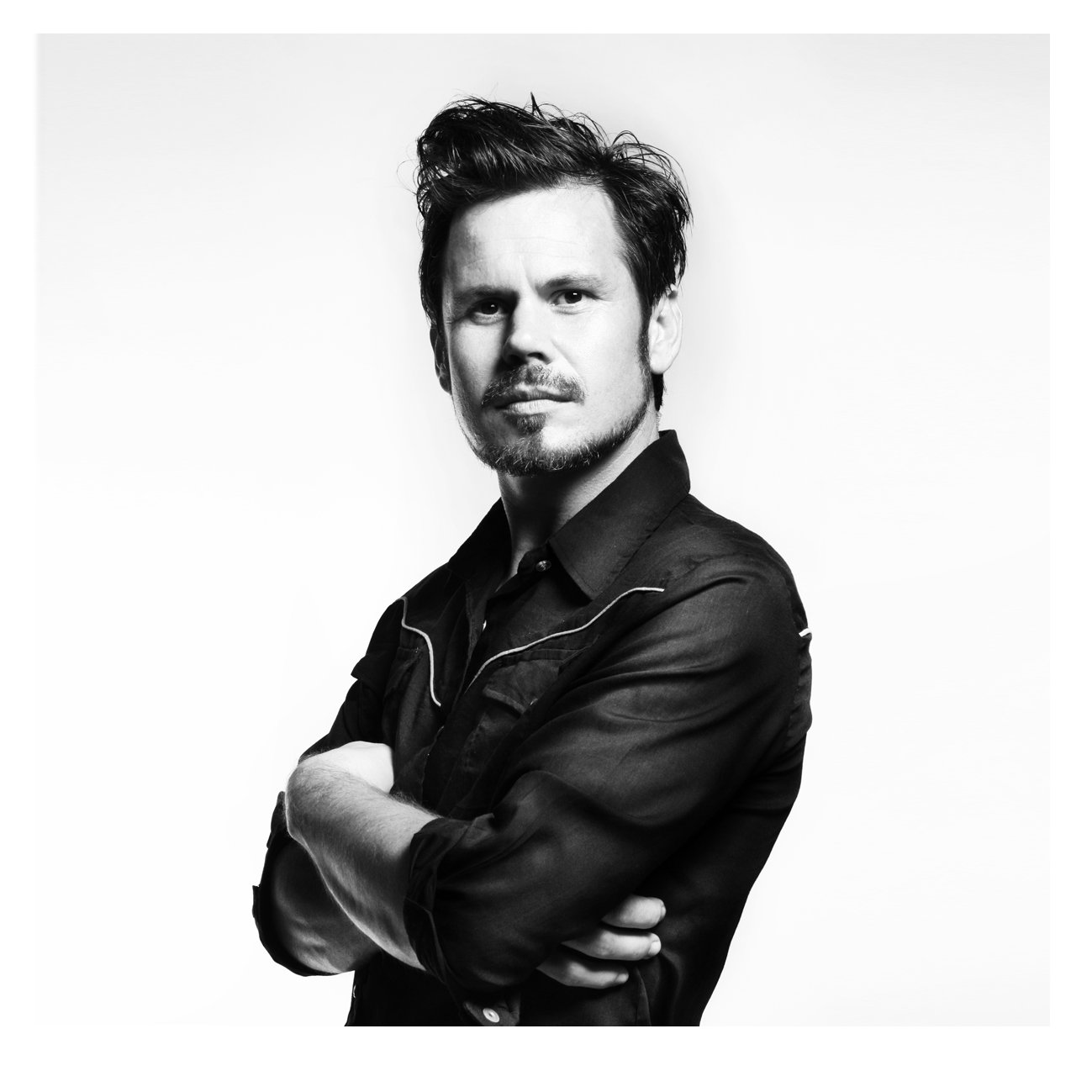
Emaho: You’ve previously spoken about developing an “eye” long before defining yourself as either an artist or a gallerist. Looking back, what moments or influences in your early life trained you to see – rather than simply look—and how does that way of seeing still guide both your studio work and your curatorial decisions today?
Emilia: Before I ever had the language for “artist” or “gallerist,” I was training my attention. Growing up between Hainan, Hong Kong, and eventually Los Angeles, I learned to read atmospheres — what’s said, what’s withheld, what people perform. I watched taste function like power: in homes, in cities, in who gets taken seriously and who gets overlooked. My parents were in the cosmetics industry, so I grew up around people who understood that surfaces carry meaning — that a choice of color or texture or packaging is never neutral. Cinema, fashion, the way a room is lit — all of it taught me that meaning lives in choices: spacing, timing, restraint, what you leave out.
That’s still how I curate. I enjoy composing situations. What do you see first when you walk in? What do you feel before you understand why? What stays with you after you leave? Those are the questions I was asking long before I knew they had anything to do with art.
Emaho: Your artistic practice is marked by restraint, material sensitivity, and a quiet intensity. When working on your own projects, what usually comes first—the conceptual question, the material, or an emotional state – and how do you know when a work has reached its natural resolution rather than being overworked?
Emilia: I should be honest: my primary creative practice is curatorial. I don’t maintain a traditional studio practice in the way that question implies, and I think it’s important to say that directly rather than borrow the language of studio artists. Curating is my form of making. It’s where concept, material, and emotion converge for me.
That said, the process isn’t a clean sequence. An idea, a material encounter, and an emotional charge usually arrive tangled together. I’ve stopped trying to figure out which comes first. What I pay attention to is persistence. Does the work keep returning in my mind when I’m busy or tired or distracted? If it does, something is alive in it, and my job is to figure out what context it needs to speak.
From there I pull threads between art histories, technologies, the body, the market, and the private associations a viewer brings into the room. I know an exhibition is resolved when the space starts telling the truth without me explaining it. When the tension between works becomes legible and the harmony feels earned, not decorated. The best ending is a quiet click, and then I stop. Restraint is the discipline I keep coming back to: leave enough oxygen for the viewer to complete the circuit. If I’m still “fixing,” I’m probably avoiding what the work is actually saying.
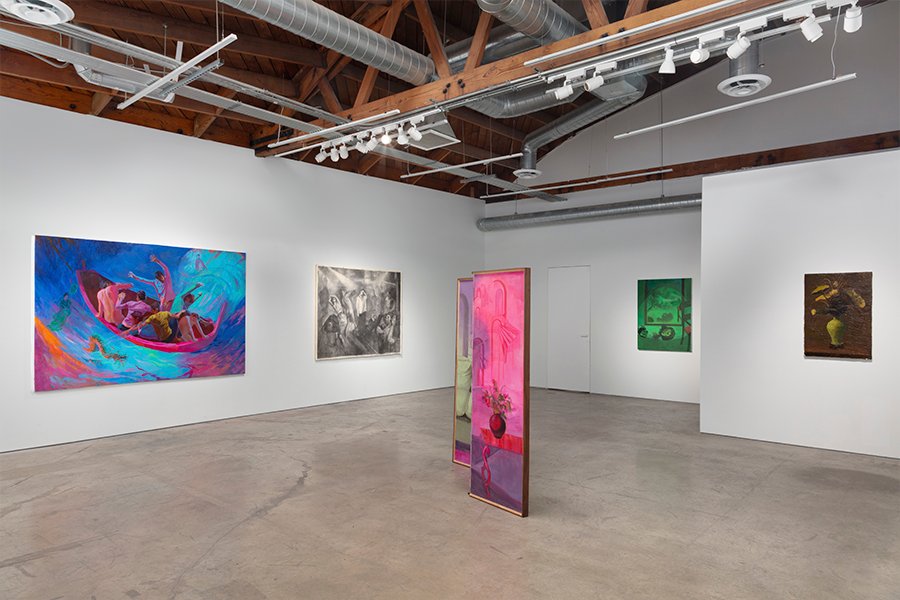
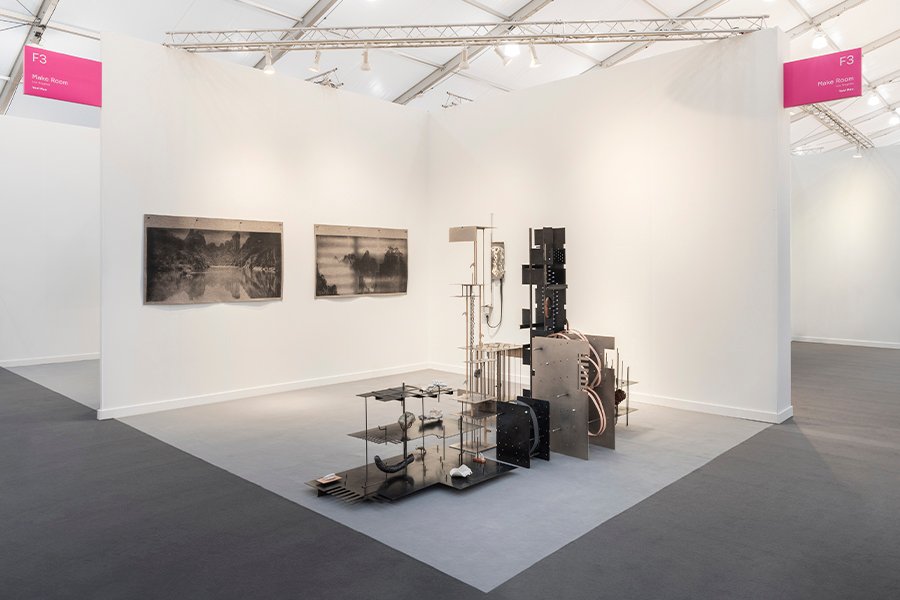
Emaho: You’ve described the gallery not as a neutral container, but as a living structure with its own rhythm and responsibility. When you founded your gallery ‘Make Room’, what was missing from the existing art ecosystem that you felt compelled to build differently, and how has that original intention evolved through specific exhibitions or projects?
Emilia: When I moved to L.A. for school, I kept looking for shows that reflected the artists and conversations I cared about, and they weren’t happening. There were very few galleries focusing on women and Asian diasporic artists, or on voices outside the polite market script. I didn’t see the exhibition I wanted to see as an audience, so I decided to organize one myself. I was 25.
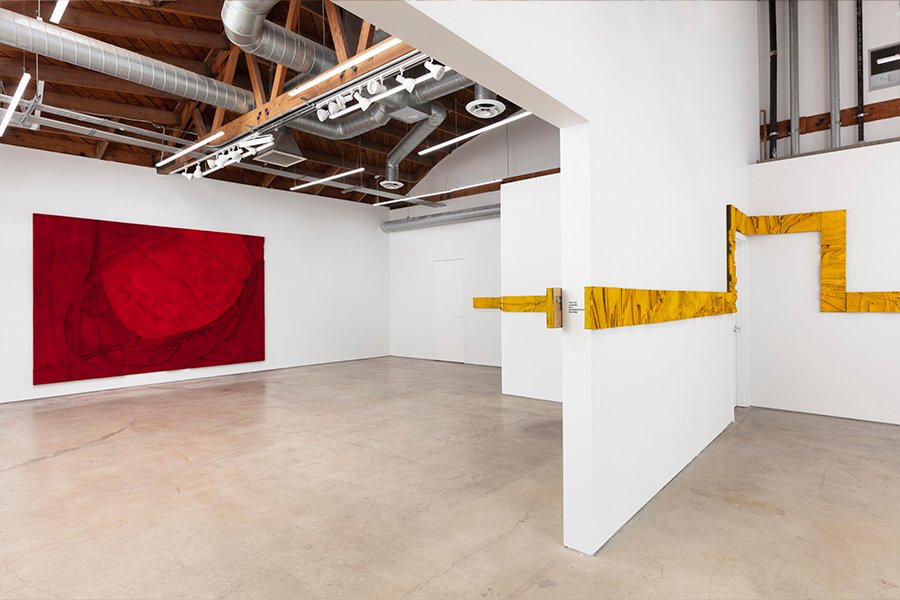
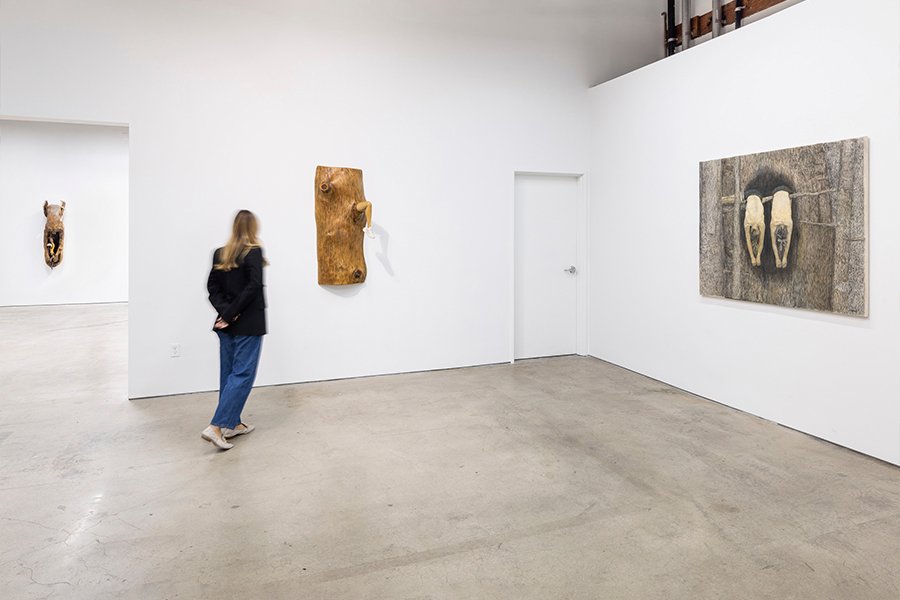
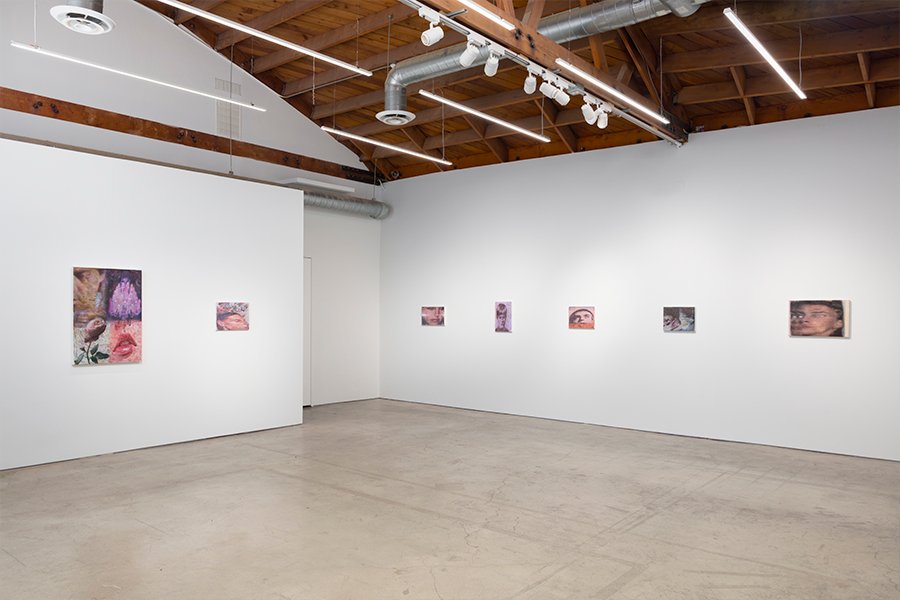
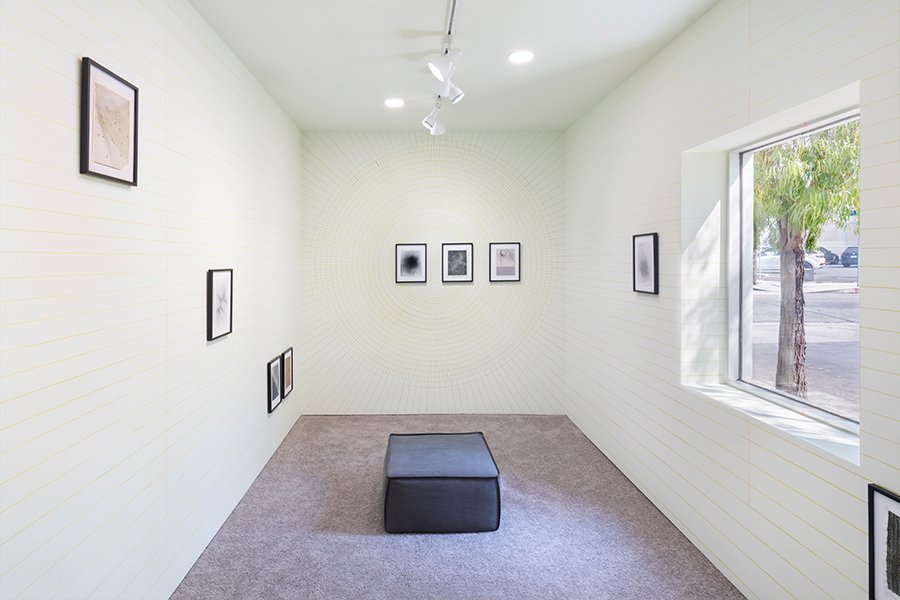
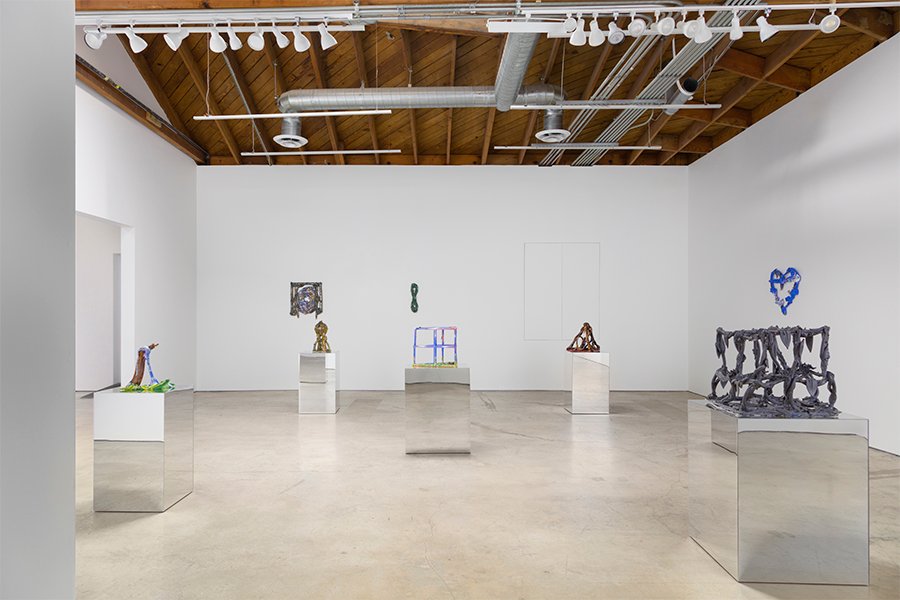
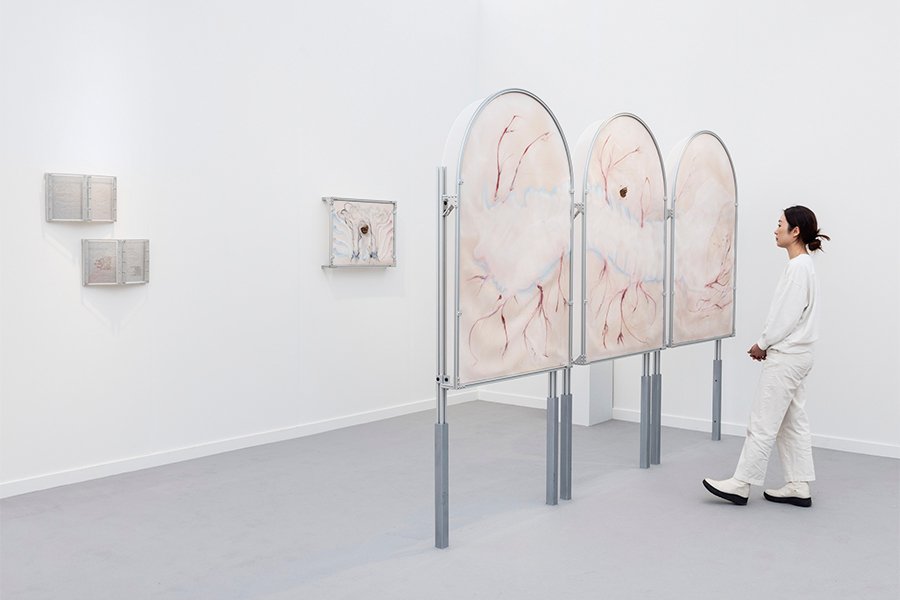
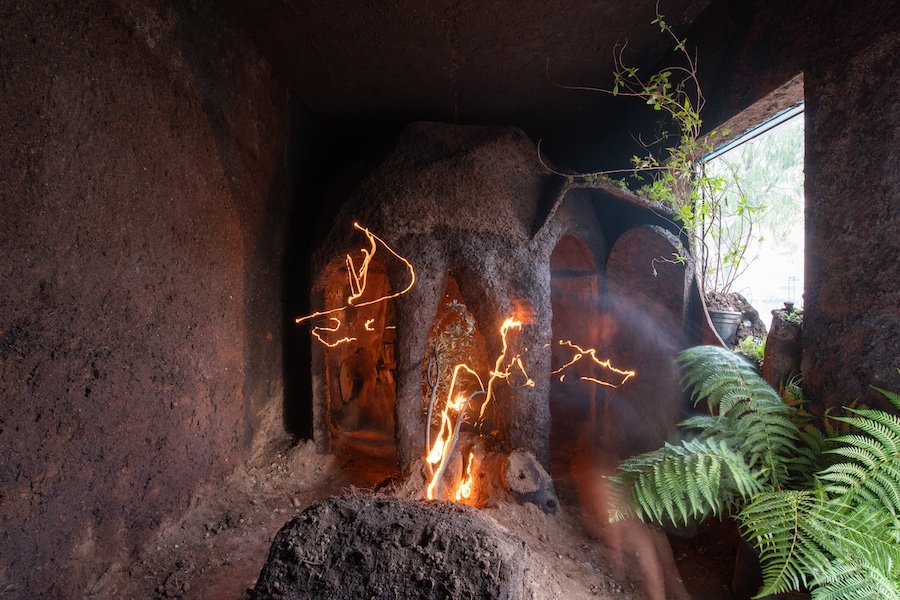
Make Room was never meant to be a white cube. I built it as an incubator. A place where an early-career artist could have their first L.A. solo, or where a historically overlooked figure could be reintroduced to an audience that should have known them years ago. When we worked with Terence Koh, we built a cave inside the gallery and ran a coffee ritual for months. That project cost us, but it mattered. It invited people to slow down during Frieze week and actually be present with an artist, not just consume and move on.
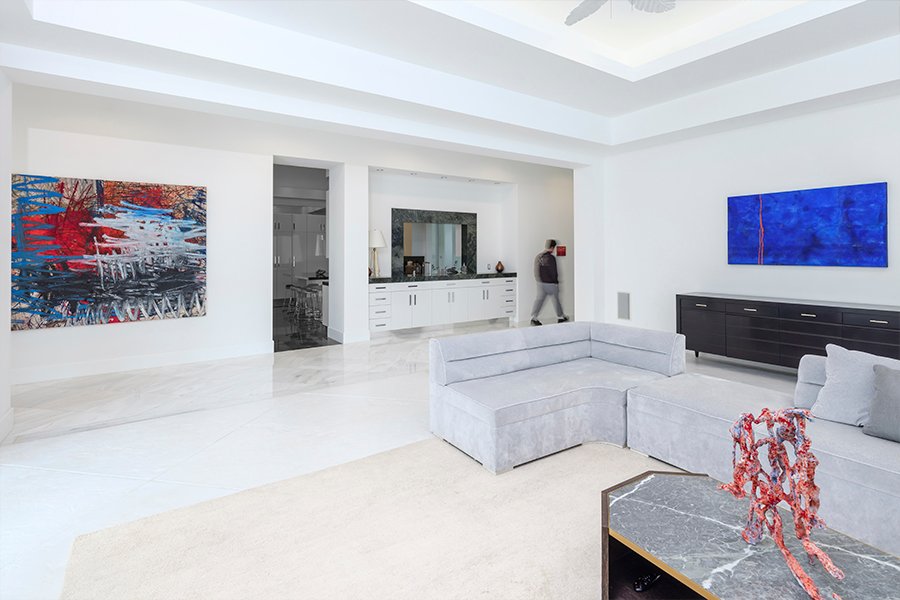
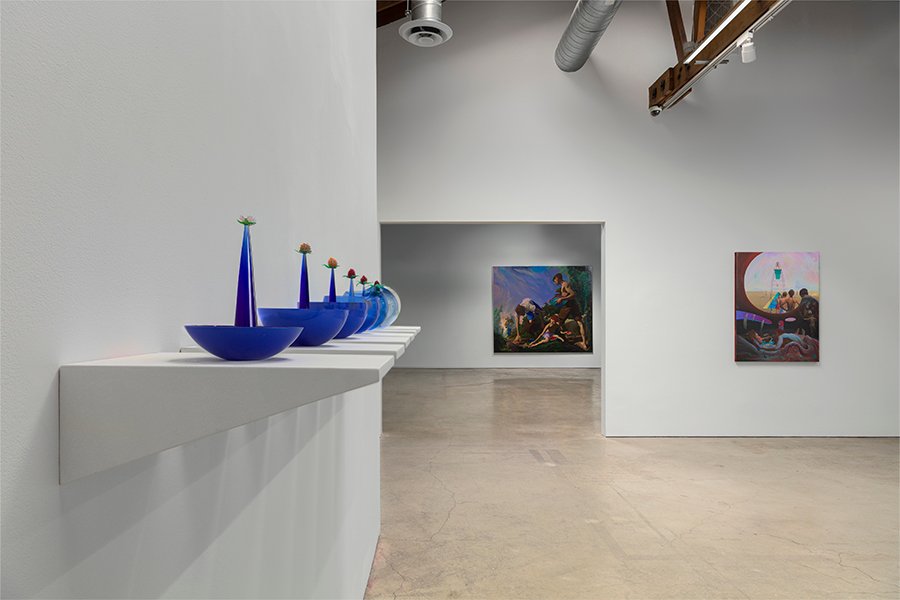
The original intention has held, but what surprised me is how far the institutional impact could reach. Reintroducing Yeni Mao’s practice at Frieze LA, placing Guimi You’s paintings in over 8 institutions, including the Hammer Museum and National Gallery of Victoria: those weren’t just good shows. They shifted how museums and collectors think about who belongs in the conversation. The moment that stays with me is when an acquisition goes through for an artist I fought for. That’s when Make Room’s reason for existing becomes something I can point to. Not a thesis, but a fact.
Emaho: Moving between making art and representing other artists requires constant recalibration. Has running a gallery ever changed the way you judge your own work – perhaps making you more critical, or more forgiving – and conversely, has being an artist affected how you advocate for the artists you show?
Emilia: The making, for me, lives in the architecture of an exhibition and the longer narrative of the gallery itself. Running Make Room has made me more critical of that curatorial work, more honest about whether the space I’m building actually serves the art or just flatters my own instincts. You learn that distinction fast when you’re responsible for someone else’s career.
And it cuts both ways. Because I understand what it takes to construct a show from the inside, I can advocate for my artists with more precision. I know when a work needs a different wall, a different sequence, more breathing room. I’m not a facilitator. I’m a partner in how their practice evolves, and that means sometimes pushing back on what feels safe in favor of what the work actually requires.
Emaho: Many of the projects you’ve been involved with – both your own and those you’ve presented – share a concern for material intelligence and conceptual clarity rather than spectacle. In a moment when visibility often rewards excess, how do you decide which voices or practices are worth slowing the audience down for?
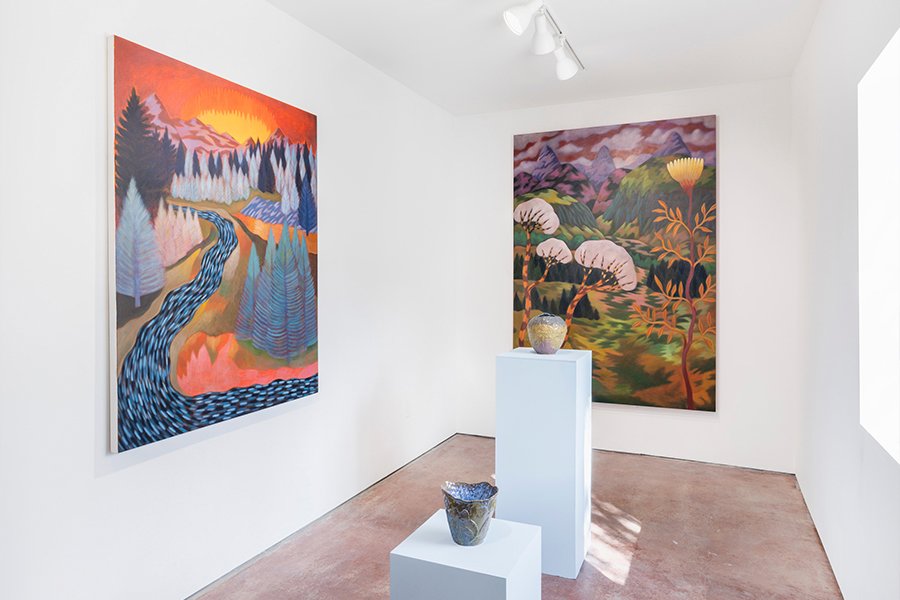
Emilia: I look for work that can’t be fully experienced through a screen. That’s become my compass. In a moment when most art gets consumed as a jpeg, I’m drawn to practices where the material itself holds knowledge that only reveals itself in person. A surface you need to stand close to. A scale that changes your breathing. That’s what I mean by material intelligence: the artist’s relationship to their medium is doing conceptual work, not just aesthetic work.
I’m less interested in gatekeeping and more interested in creating the conditions for slow looking. The goal isn’t to exclude. It’s to build an environment where stopping feels worth it, where the audience senses that something has been earned in the making and chooses to meet it halfway.
Emaho: You’ve noted in past interviews that you’re less interested in trends than in long-term resonance. When you think about the exhibitions and projects that have stayed with you the longest, what do they have in common – and how does that inform the future direction of your program?
Emilia: The shows that have stayed with me share a quality I’d describe as quiet inevitability. They didn’t feel like they were chasing a moment. They felt like they belonged to a longer conversation that would continue well after the walls came down. There was no anxiety about relevance because the work had its own internal clock.
That’s what informs our program going forward. I’m less interested in a trend’s velocity and more focused on a career’s trajectory. When I commit to an artist, I’m thinking about where they’ll be in ten years, not just what will sell this season. The future direction of Make Room is defined by that commitment: building a body of exhibitions that remain intellectually and emotionally resonant long after the press cycle ends.
Emaho: Operating between different cultural contexts, your work often feels rooted without being literal. How do questions of cultural translation, displacement, or hybridity surface in your decisions – whether in the studio or the gallery – without becoming a fixed narrative or aesthetic label?
Emilia: I approach cultural hybridity as a living methodology, not a thematic bracket. My own experience of moving from Hong Kong to Los Angeles shaped how I think about this. But in the gallery, I resist the impulse to essentialize an artist’s background. I never ask whether a work looks “Asian” or “diasporic.” I ask how an artist translates their specific reality into a language that opens up rather than closes down. That means focusing on the how and the why of someone’s practice rather than the where they come from. When we do that well, the work stays deeply rooted without being confined by a single narrative. The cultural specificity is there for anyone paying attention, but it’s not a frame imposed from outside. It’s embedded in the choices the artist has already made.
Emaho: Finally, what feels more important to you: the individual objects and exhibitions, or the quieter influence of having shaped a way of working, thinking, and supporting artists over time?
Emilia: Every exhibition matters, but what I care about most is the infrastructure underneath. Whether we’ve built something that can sustain an artist’s growth over years, not just generate a moment of visibility.
I think of Make Room as a long-term project in that sense. The shows are the visible surface, but the real work is the relationships, the institutional placements, the career conversations that happen between exhibitions.
If I’ve done my job well, the influence isn’t loud. It’s in an artist who got their first museum acquisition through us and is now showing internationally. It’s in a collector who came to one opening and has been building a meaningful collection ever since. The objects are artifacts of that process. The quieter architecture of support is what I want Make Room to be remembered for.