Emaho: Your practice is deeply shaped by Chile’s geography and cultural distance. How do landscape, isolation, and scale operate as working conditions rather than visual references within your projects?
Paulina: I am not interested in representing the Chilean landscape in my work. What does influence it is the experience of living and working from a distant place, where time moves differently and processes are not immediate.
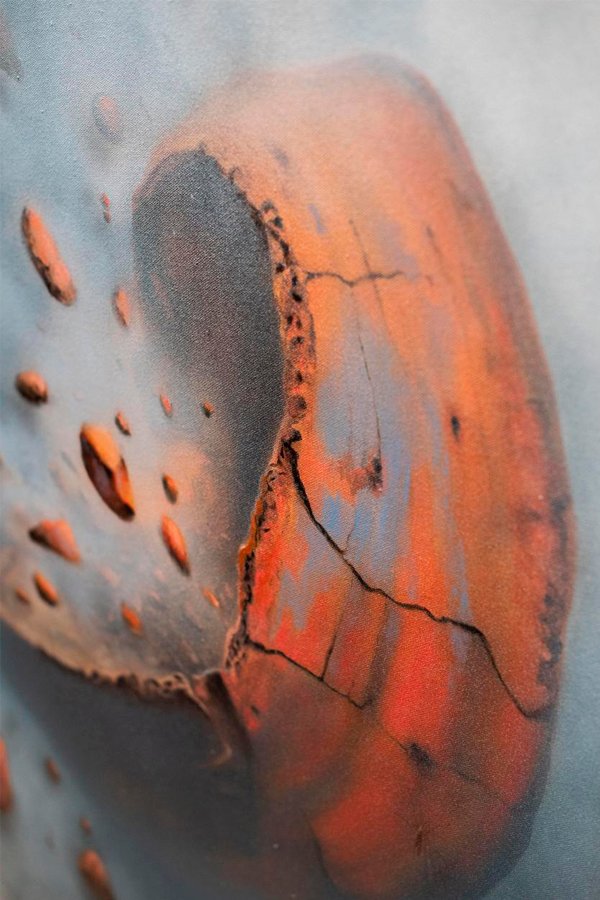
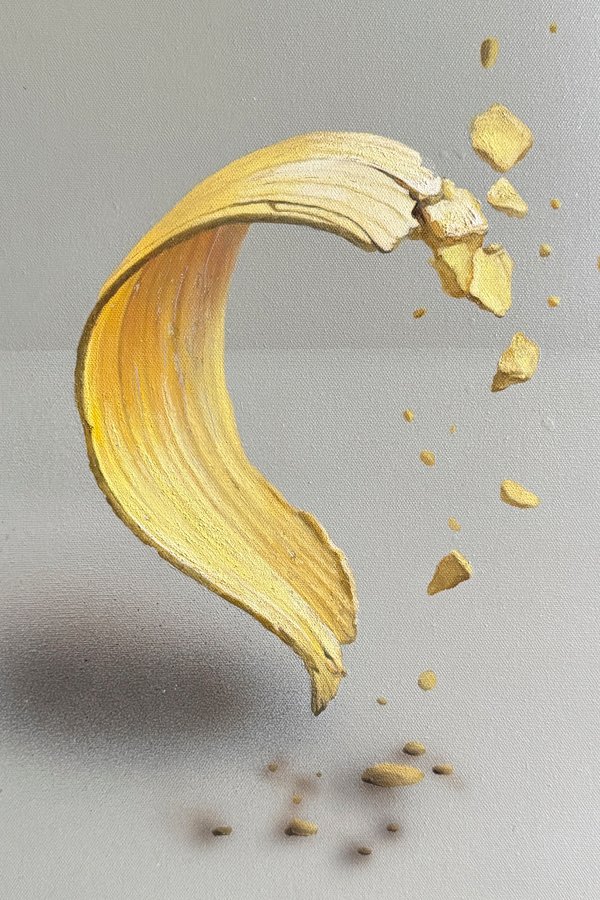
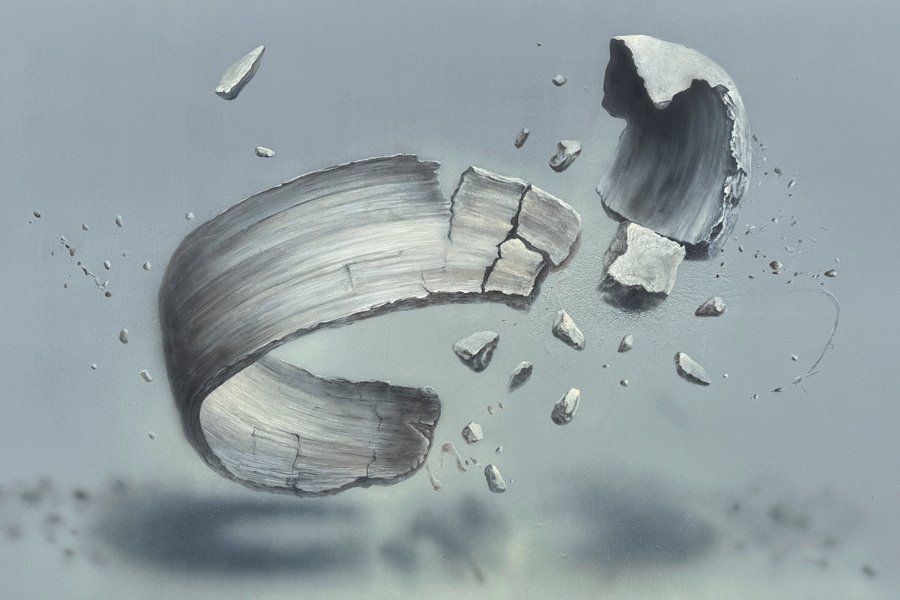
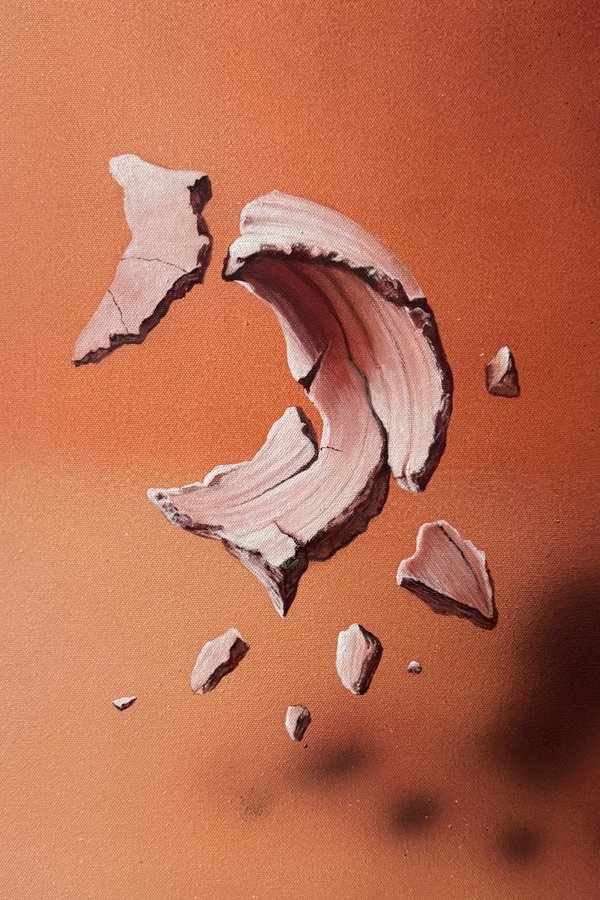
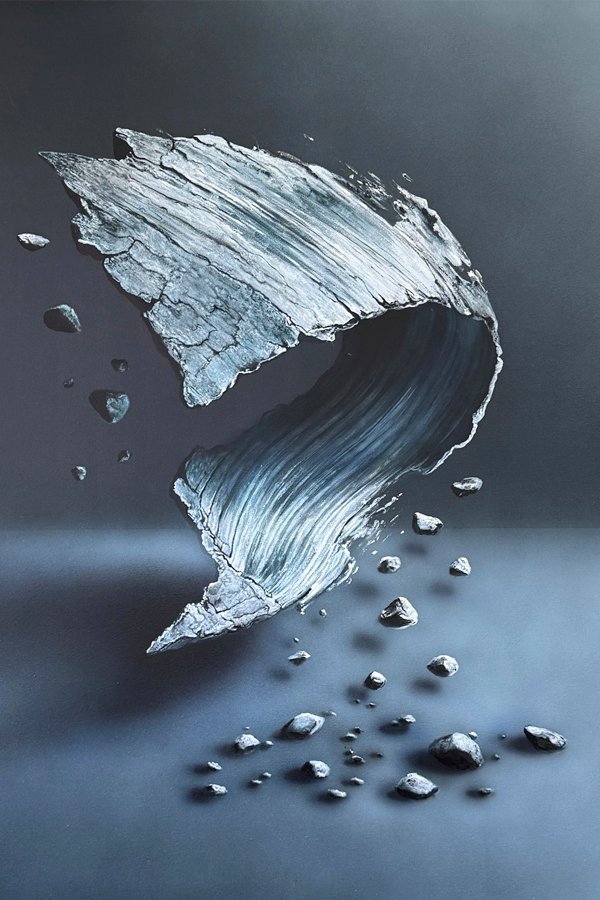
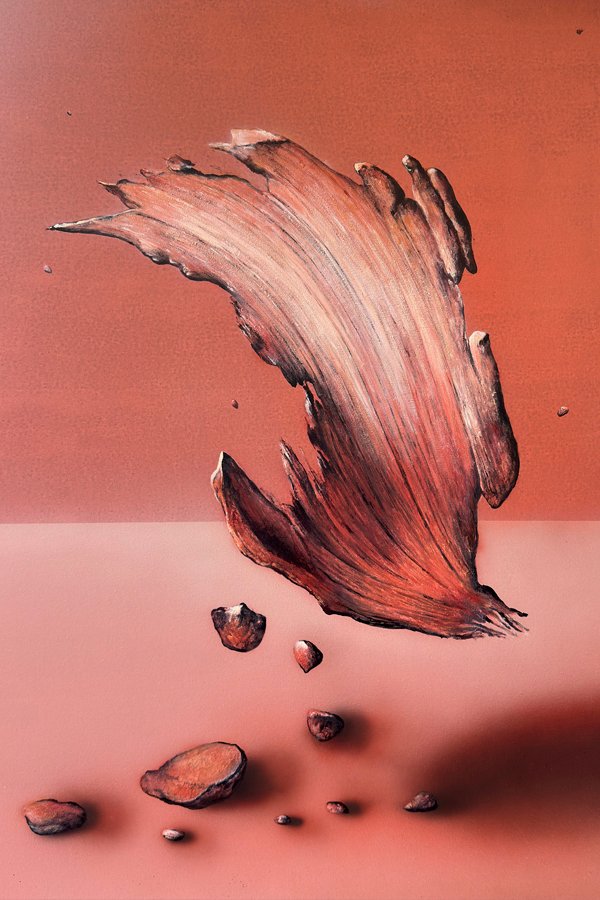
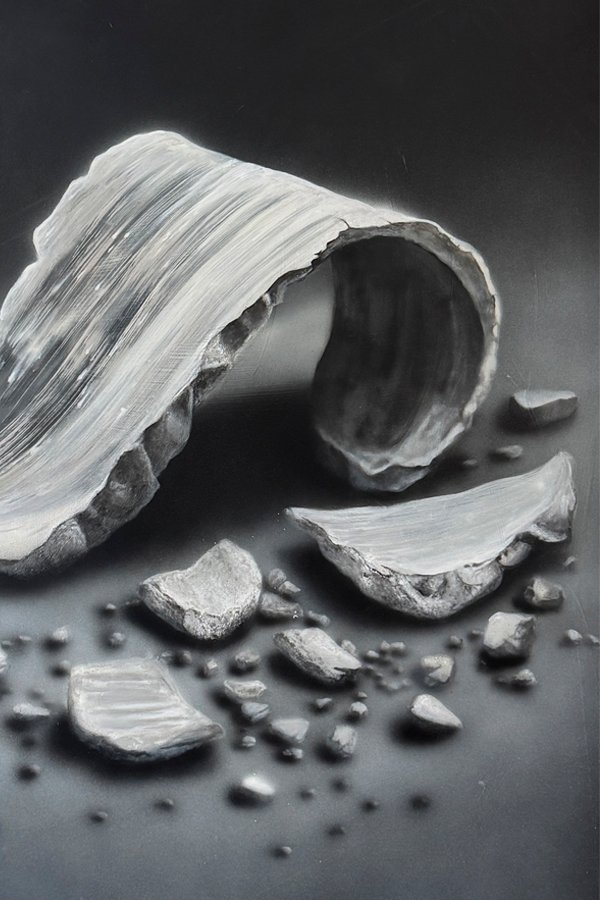
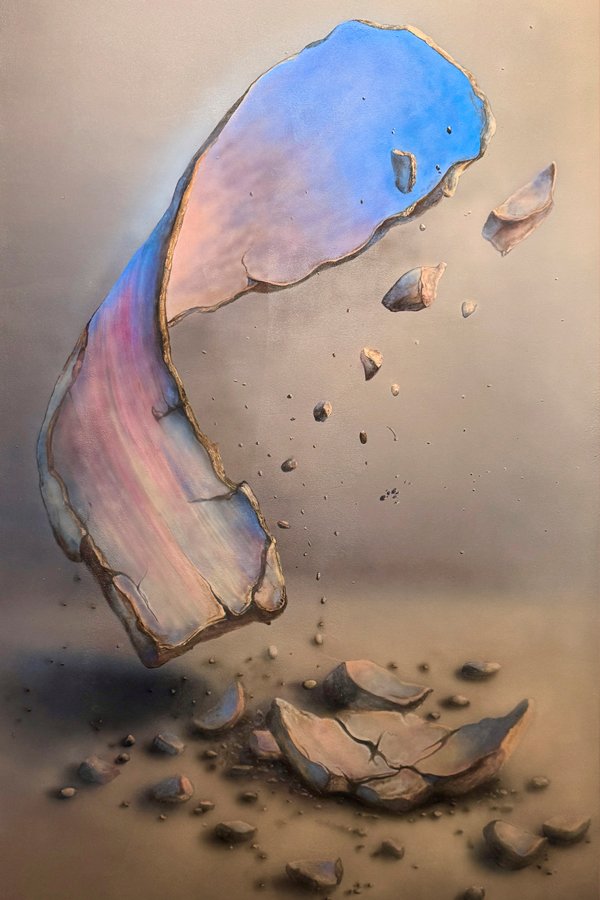
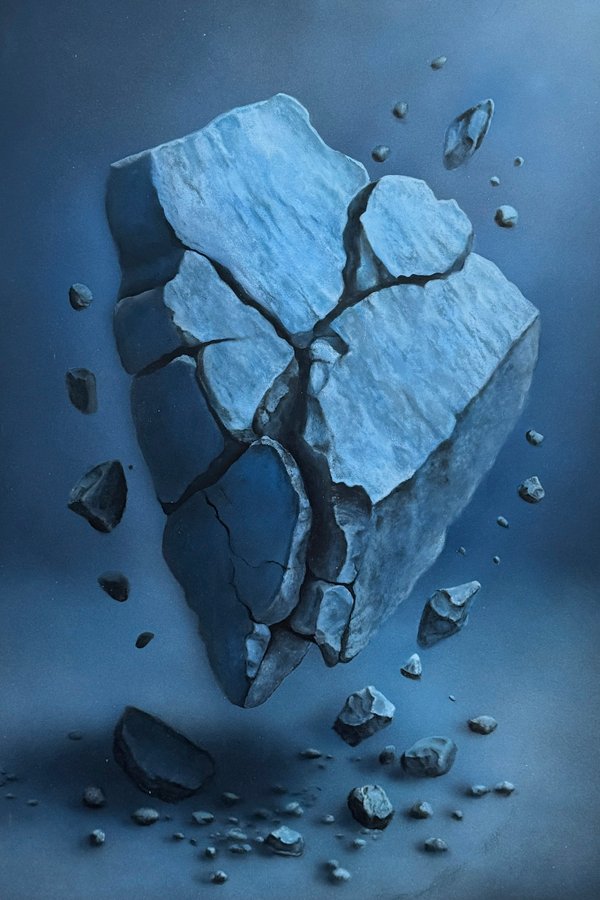
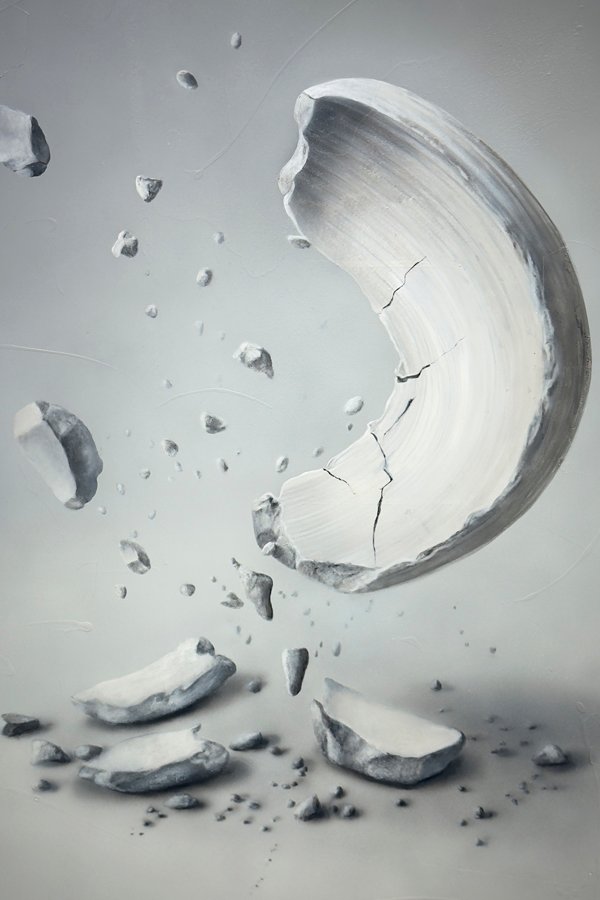
That distance has led me to work with more pause, to give time to the material, and to trust long processes. The works emerge from fragments, from what breaks or remains suspended, rather than from a closed or resolved image. In that sense, the landscape is not visible in the work, but it does shape how the work is constructed.
Emaho: Many of your series unfold slowly, resisting immediate resolution. What does duration allow you to access that a more direct or declarative approach would not?
Paulina: Slowness is essential for the work to transform. I need time for lived experience to settle and find a possible form. A fast process often stays on the surface, while extended time allows deeper layers to appear emotions that do not reveal themselves immediately and associations that emerge almost unintentionally.
Working slowly allows me to listen to the work, to accept its doubts, silences, and resistances. Many times, I do not know from the beginning what image will appear.
Duration opens a space where error, repetition, and insistence become part of the meaning. The work does not seek to resolve something, but to sustain an experience that continues to resonate.
Emaho: Material in your work feels restrained yet intentional. How do you think about material as a carrier of time, erosion, and lived experience without turning it into overt metaphor?
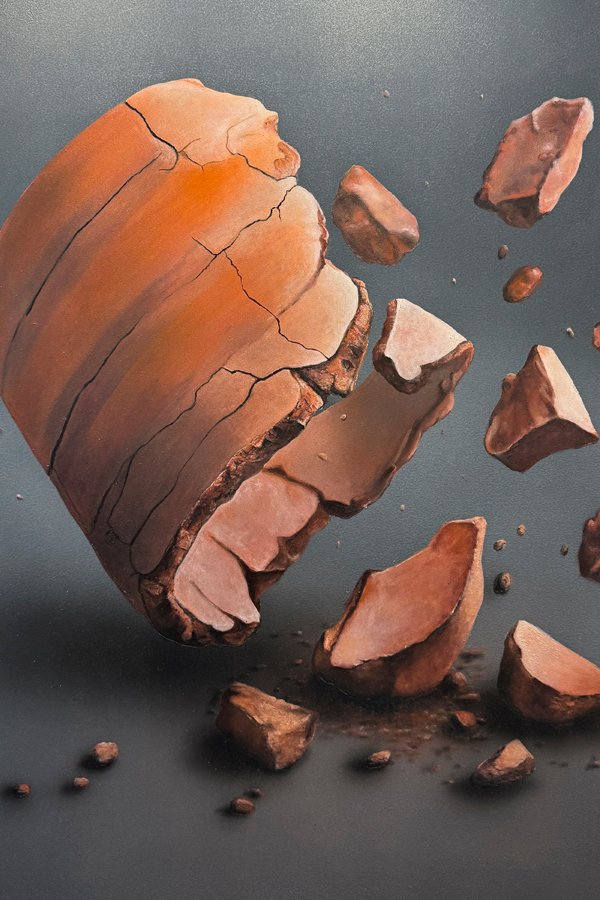
Paulina: For me, material is not a symbol, it is a body. I am interested in its physical presence its weight, fragility, and marks. Time manifests in the material inevitably: in layers, fissures, traces of gesture, and in what appears worn or on the verge of breaking.
I do not try to make the material represent time or experience, but to contain them. Painting accumulates what has been lived without the need to explain it. There are things that are not said, but remain inscribed in the material. That sense of restraint is important to me, allowing the material to speak without underlining its meaning.
Emaho: Several of your projects seem to begin from absence or tension rather than form. At what point does an idea become spatial, and how do you know when a work has found its necessary structure?
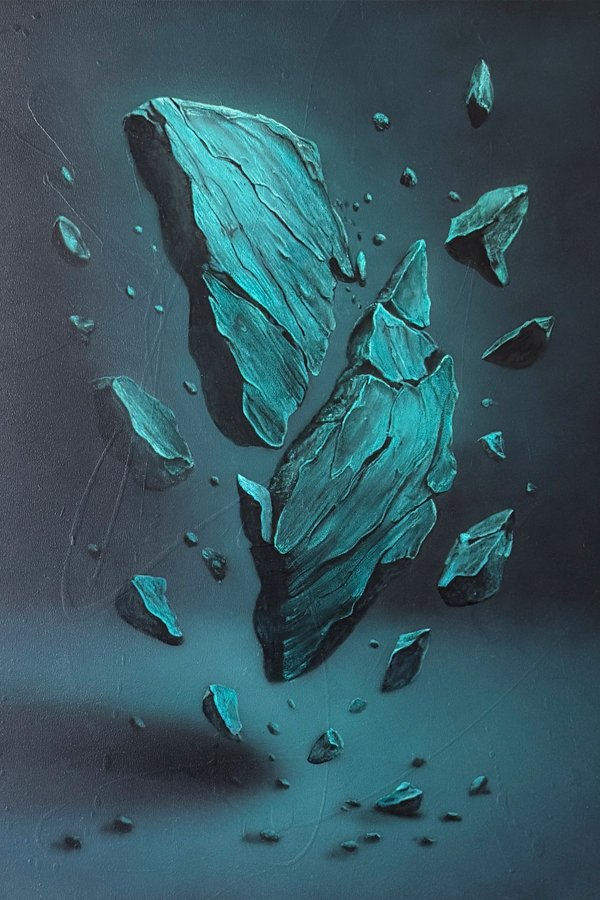
Paulina: I almost never begin with a clear form. The starting point is usually a sensation: fragility, inner tension, something that remains suspended or unresolved. An idea becomes spatial when it begins to demand a body when it needs to occupy space, to have weight, volume, and a relationship with emptiness.
I know a work has found its structure when it reaches a fragile balance, when any additional intervention threatens to break it. It is a very subtle moment, where the work holds itself, as if paused. A stillness appears that is not static, but expectant.
Emaho: Chile has produced a generation of artists whose practices are subtle, rigorous, and often conceptually quiet. How do you see your work in dialogue with the current Chilean art scene?
Paulina: I feel an affinity with ways of working rooted in restraint and rigor, where a work does not need to fully explain itself in order to exist. My practice dialogues with the Chilean scene from that place through contained gesture, attention to materiality, and a quiet relationship with the poetic.
At the same time, my work has gradually moved toward a more intimate and narrative territory, where the personal and the dreamlike gain strength. I do not feel a declared sense of belonging, but rather a sensitive closeness. I am interested in that kind of dialogue that is not explicit, but is recognized through ways of looking and constructing meaning.
Emaho: Looking beyond Chile, Latin American artists today are navigating visibility, institutional interest, and cultural translation. From your perspective, what distinguishes the region’s contemporary practices from how they are often framed abroad?
Paulina: There is often an expectation for Latin American art to respond to very specific frameworks political, identitarian, or contextual. However, I believe there is currently a wide diversity of practices that do not fit into a single reading.
What I recognize in many works from the region is an ability to work through tension, ambiguity, and memory without making them explicit. It is not about representing a reality, but about allowing history, experience, and what has been lived to filter through in quieter, more complex, and less literal ways.
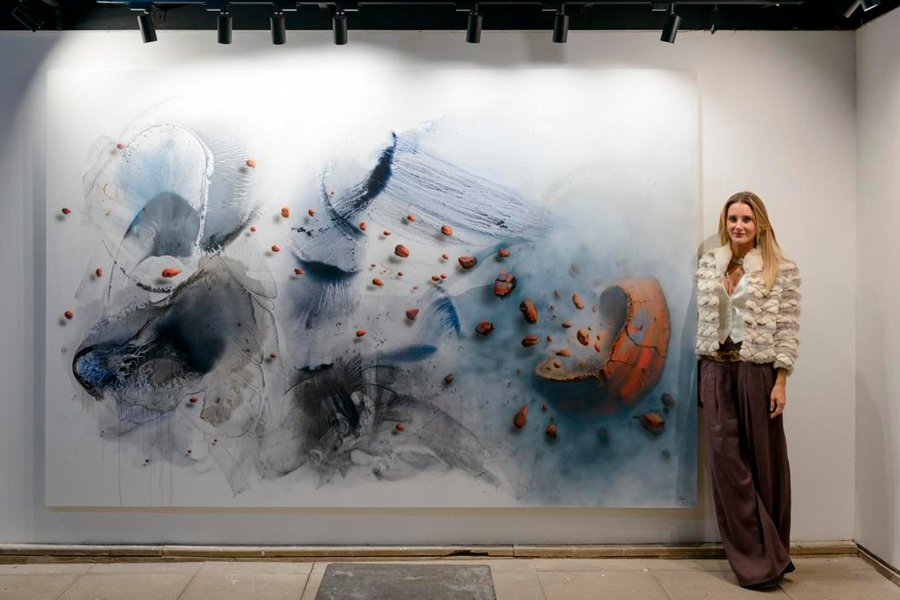
Emaho: Your work often resists fixed readings. How do you decide what to reveal, what to withhold, and where ambiguity becomes an essential part of the viewing experience?
Paulina: I do not try to direct a single interpretation. I am interested in the work as an open space, where the viewer can pause and project their own experience. I reveal what is necessary for the image to exist and hold strength, while leaving areas of silence and ambiguity that allow for other readings.
Ambiguity is not a strategy, but a natural condition of the work. Just as fragments contain history without fully narrating it, the image invites looking, but also listening. Each encounter with the work can be different, and that is something I deeply value.
Emaho: As your projects circulate within and outside Latin America, what questions feel most urgent for you now, formally, politically, or personally, as you think about the next phase of your practice?
Paulina: At this moment, I am interested in deepening the relationship between fragility and structure how a form can hold itself without losing its vulnerability. Formally, I want to continue exploring suspension, fragmentation, and that sense of a paused instant that runs through my work.
On a personal level, questions around memory and what remains after rupture have become increasingly central. Rather than responding to an immediate external context, I am interested in creating works that generate a space of pause, attention, and emotional resonance where looking also becomes a way of listening.