Emaho: Could you share a bit about your early life and how your surroundings first drew you toward art, writing, and the cultural world?
Luning: I grew up in Harbin, a northeastern Chinese city shaped by layers of history and cultural crossings. Surrounded by Russian architecture and endless winter snow, I became attuned early to atmosphere, images, and the presence of cultures beyond my own. I was the kind of student who always had an opinion to share—writing became one of my ways of thinking aloud, as well as public speaking. My parents also took me abroad during school holidays, and that steady exposure to different places and perspectives deepened my curiosity about the wider cultural world.
Emaho: Was there a specific early encounter with art that made you think, “This is the world I want to belong to”?
Luning: When I was in middle school, there weren’t many art museums available in my hometown yet, but I was surrounded by books and magazines. In our art and politics classes, we were required to give public speeches or do “news report” and I always chose topics related to art history or culture. I loved preparing those presentations far more than any other assignment. Looking back, that was probably the earliest clue to the path I would eventually pursue.
Emaho: Your background in writing and cultural commentary has given you a unique voice in connecting artistic communities across regions. How has this perspective informed your transition from media to becoming a cultural host and founder of an art space?
Luning: My background in writing and cultural commentary trained me to look at art not as objects or practices, but as entry points into humanity subjects or cultural stories. That perspective naturally shaped my transition from media into becoming a cultural host and, eventually, the founder of a platform. I wasn’t simply reporting on the art world; I was constantly connecting contexts, translating ideas, and building bridges between cultures. Over time, it became clear that I wanted to move from observing these conversations to actively convening them. RONG LU was never intended to be a gallery in the traditional sense. Its curatorial focus begins not with art for art’s sake, but with cultural exchange as an anchor for understanding and shared experience.
Emaho: Shanghai’s art scene is evolving rapidly. How would you describe its current energy, and what makes it unique within the global art landscape?
Luning: What makes Shanghai’s art scene distinct within the global landscape is the way it fuses art with lifestyle, culinary culture, fashion and design. This city’s relationship with art is more experiential and consumption-driven. Here, art is part of how people live, socialize, dine, and entertain themselves. This creates a highly dynamic ecosystem where creativity circulates not only through museums and galleries, but also through retail, hospitality, and everyday urban life. Things move incredibly fast here—new ideas, new spaces, new collaborations—and that velocity demands imagination from everyone involved. That energy gives it a unique openness and adaptability that feels very different from other art capitals.
Emaho: When curating an exhibition or collaboration, what matters most to you—concept, artists, space, or audience? And why?
Luning: The starting point is always the narrative. Given my background in media and cultural commentary, I naturally think in terms of stories and synergies. So the concept anchors everything, from the cultural connections I want to generate and the larger dialogue I want to spark.
Naturally, the artists come in. This part becomes a negotiation: unlike editorial work, where cutting-edge ideas are simply published, physical exhibitions must take the market reality into account. A concept that is too ahead of the curve may travel well editorially, but in an exhibition context I also have to consider local context and collector reception.
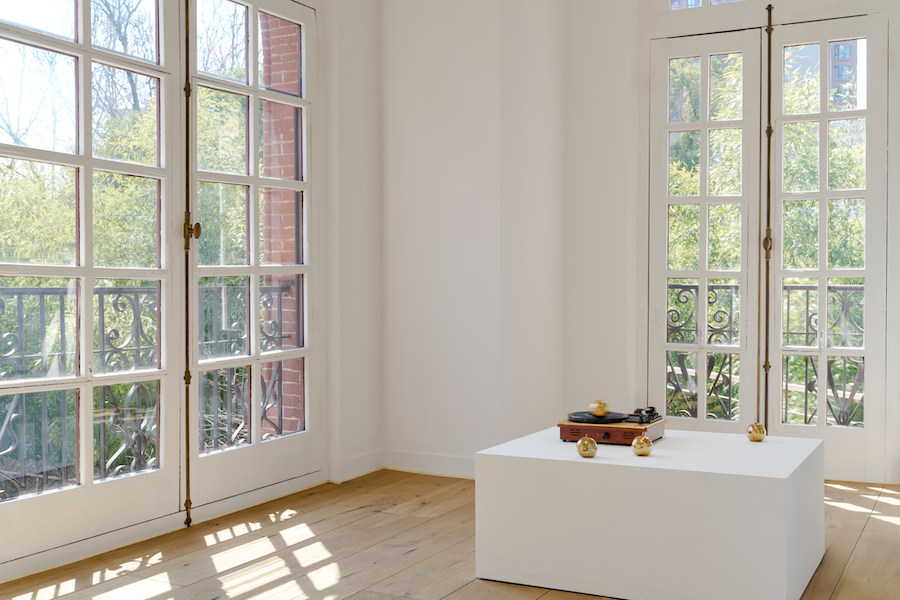
Space is the stage for storytelling, its unique history, cultural background, architectural details, and even simply how it interacts with natural light shapes how an exhibition can be read and received. Ultimately, the audience sits across all decisions. Every project I do aims to bridge cultures and communities, so I consider who will receive the narrative, and how the experience will influence or inspire them.
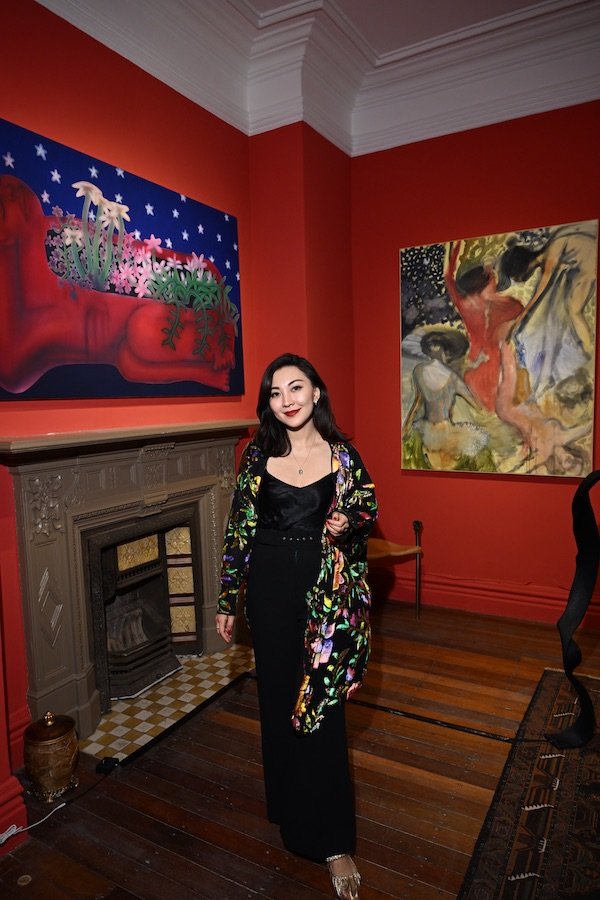
Emaho: RONG LU has been described as a “cultural furnace” art space. What was your founding vision, and what kinds of conversations or connections did you hope it would spark?
Luning: My vision was to create an offline extension of my editorial and digital works – a space offering cultural exchanges and international dialogue through curation and a series of educational programmes online and offline, while simultaneously offering a platform that could bring local trends to international view. Thus, an exhibition is merely a medium, it was meant to spark conversations and foster bridges between international galleries and institutions to local audiences and collectors.
Emaho: RONG LU operates within historic architecture and often partners with international galleries. How do space, history, and collaboration shape your curatorial approach?
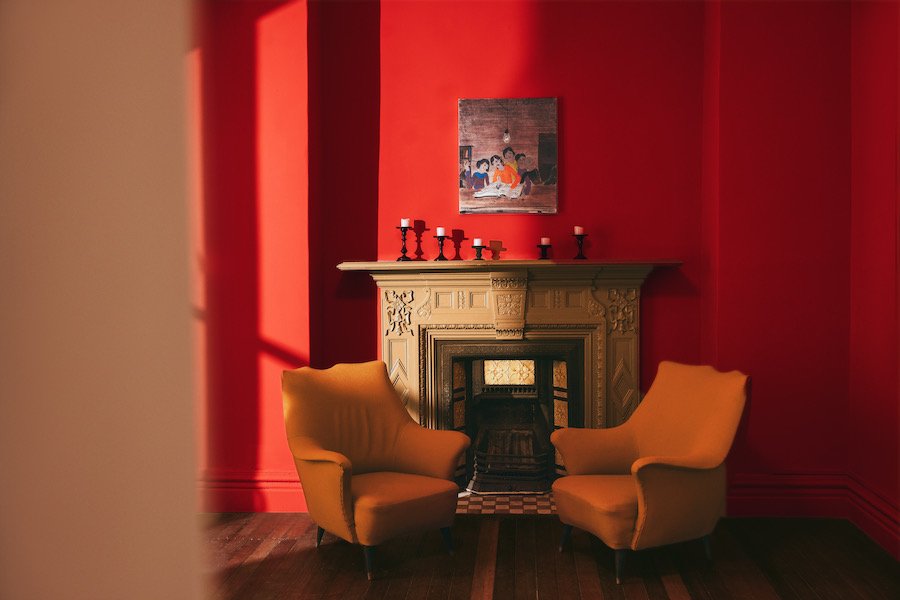
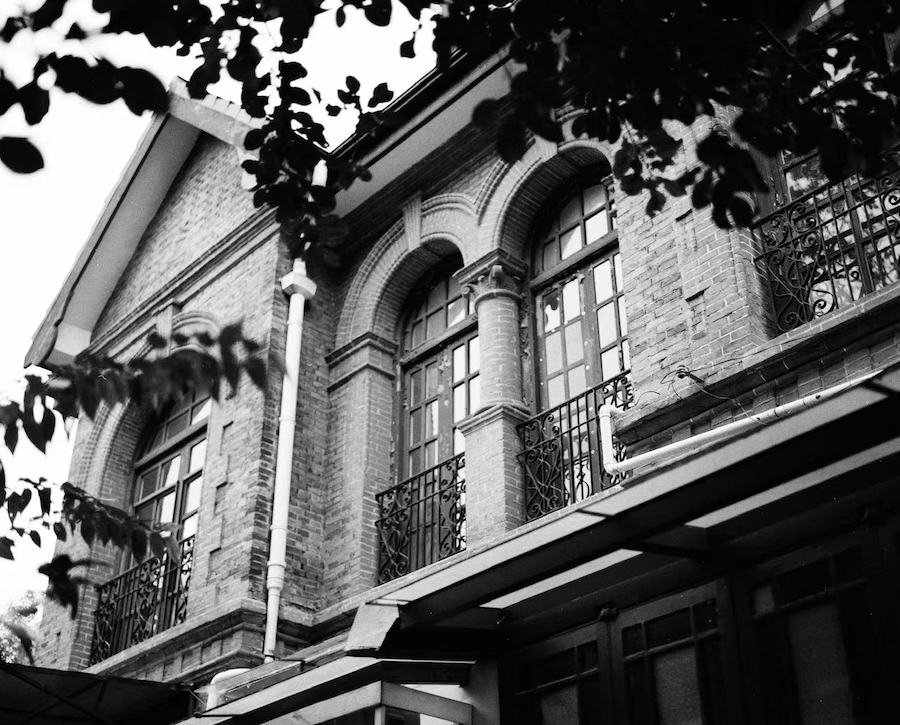
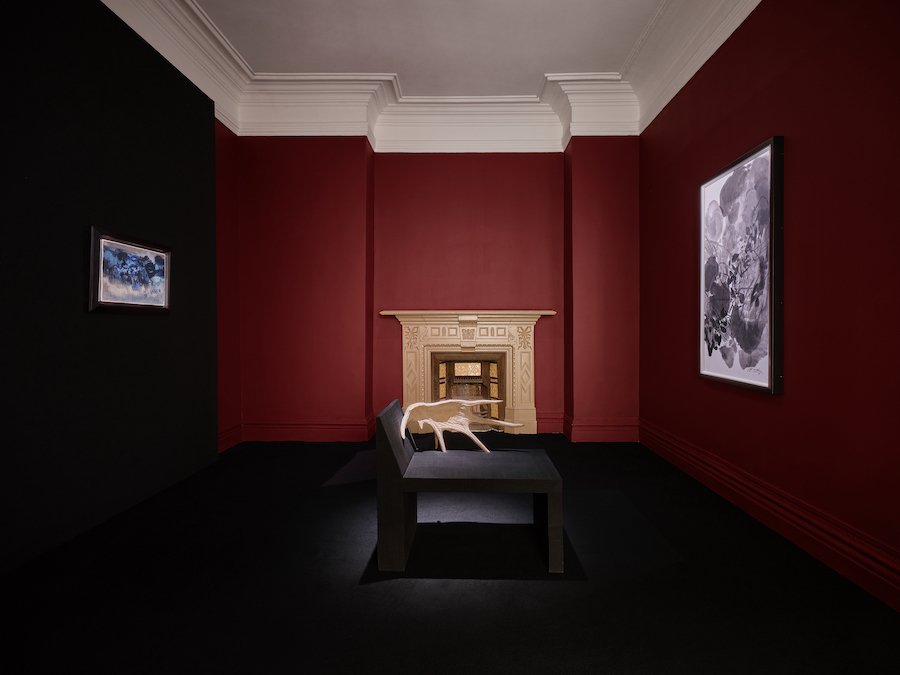
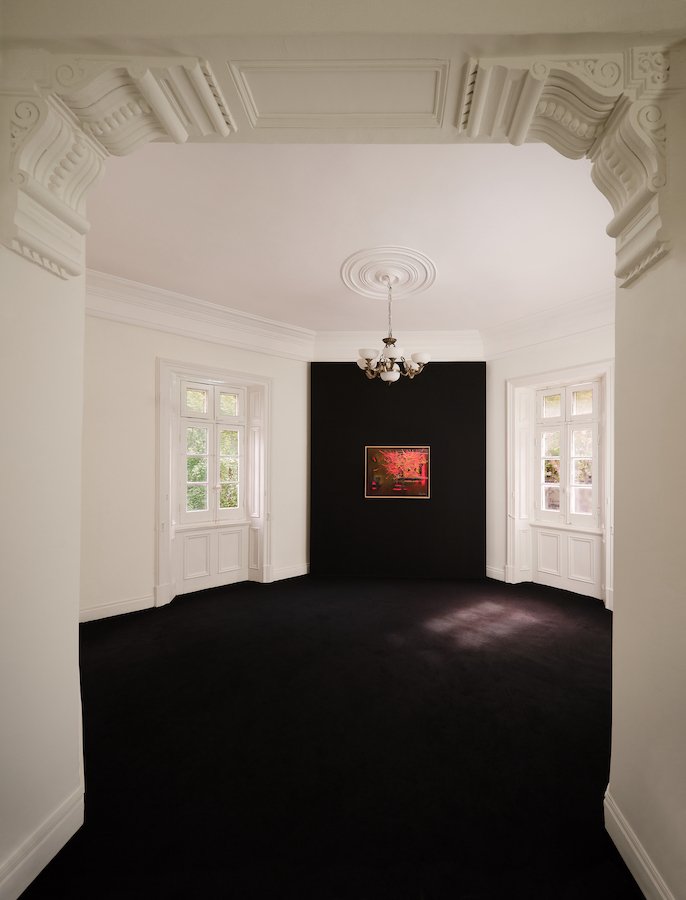
Luning: RONG LU was housed in a building with a layered history—originally commissioned by Li Hongzhang during the Qing Dynasty as a private members’ club for his parents, later becoming the residence of the Republican-era industrialist Rong Desheng, whose family lineage also ties to Prada’s Rong Zhai and a former mayor of Shanghai. Working in such a historically charged space naturally shaped my curatorial approach: exhibitions had to speak to both the present and the past, engaging contemporary ideas while remaining sensitive to historical narratives.
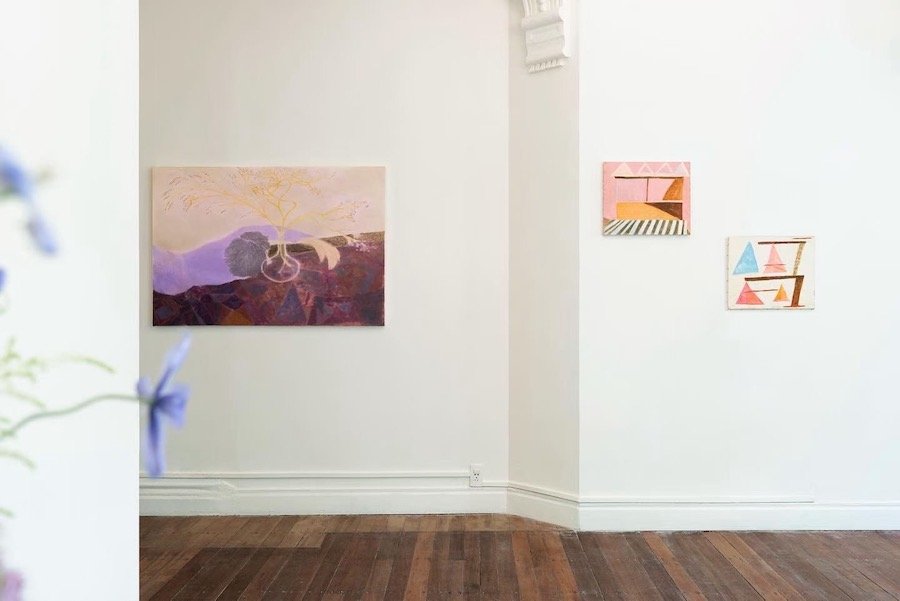
This is why our programming moved between spotlighting emerging global trends and revisiting historical cross-cultural exchanges. For instance, we organised a group show of Japan’s new-generation artists—Ulala Imai, Rika Minamitani, among others—precisely because we noticed a gap in how the local audience understood contemporary Japanese art, often associating it only with Murakami or Kusama. Introducing these quieter, more intimate voices allowed the space’s heritage to frame a new conversation.
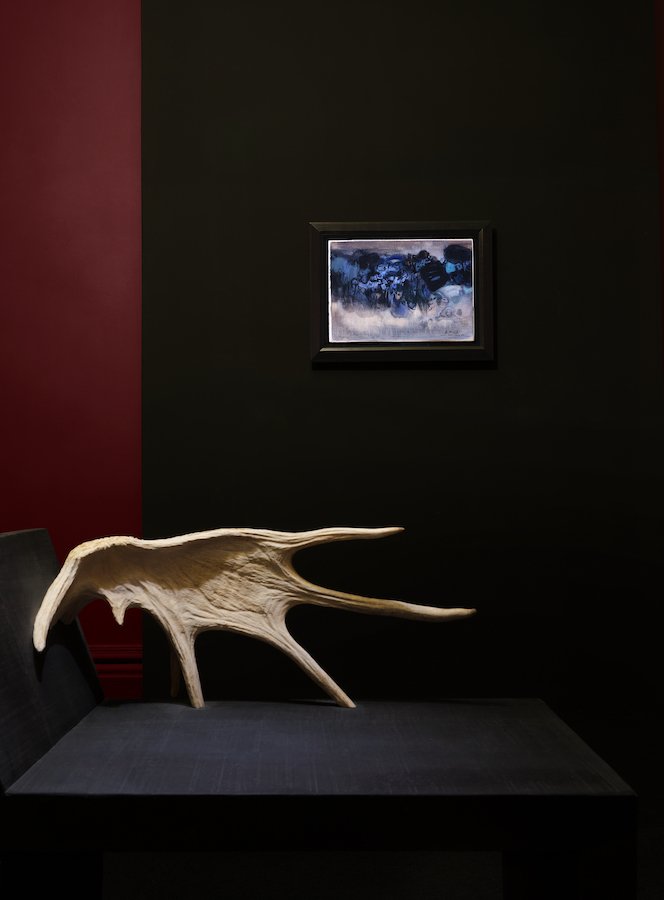
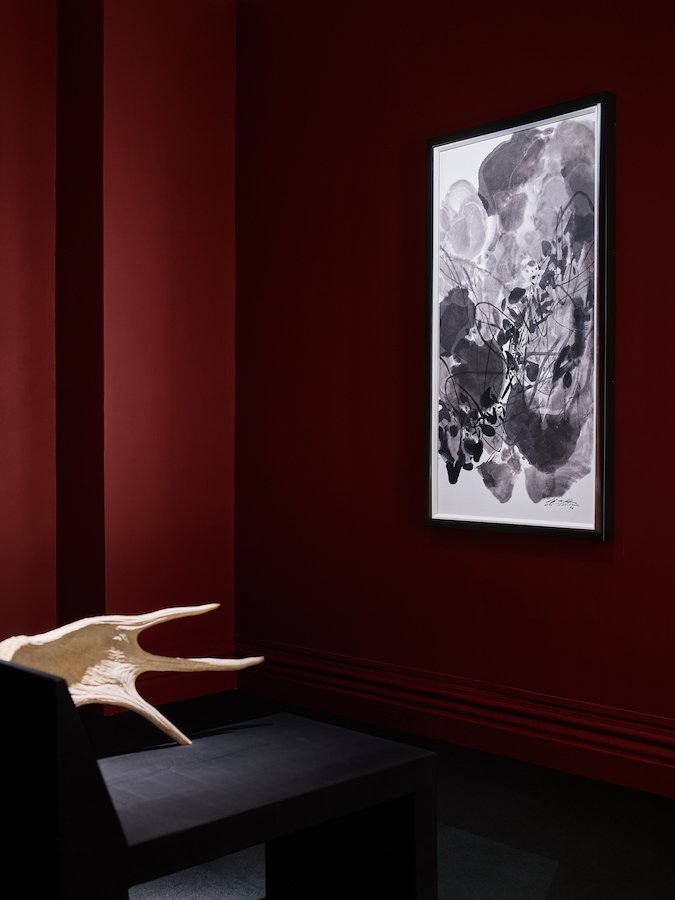
Then, the Chu Teh-Chun and Georges Mathieu exhibition signalled the direction we want to continue pursuing: “cultural exchange” as a curatorial engine. We traced back to the 50s-70s, when Chu absorbed Western abstraction and reinterpreted it through Chinese calligraphic sensibilities, while Mathieu drew inspiration from Japanese calligraphy and was later acknowledged in the Gutai Manifesto alongside Pollock. These historical echoes resonated beautifully within the architecture.
Collaboration is another crucial layer. We worked with boutiques like B1ock (a cutting-edge fashion and design boutique store owned by By Art Matters in Hangzhou, the previously invited Theaster Gates to curate an exhibition in store) to bring in contemporary furniture, creating an evolving dialogue between modern masters and cutting-edge design. And through the international networks I’ve built, Rong Lu acts as a bridge for international galleries looking to engage with the Chinese market—offering them an economical entry point, while providing local collectors with fresh perspectives and access to international practices.
Emaho: From your viewpoint, how is the broader China landscape shifting—both in terms of collectors and the types of work being championed?
Luning: China’s collecting landscape has become far more diverse and globally attuned. A new generation of collectors—many of whom were educated overseas or grew up engaging with international culture—are building collections that extend well beyond the traditional categories favoured by their parents, such as ink, calligraphy, jade, or classical ceramics. They are very fast learners and sophisticated in their taste.
At the same time, the ecosystem within China retains its own distinctive rhythm. The domestic market has developed a strong, self-sustaining momentum, operating in parallel to the Western art world. Chinese diaspora artists often circulate internationally—studying in Western academies and represented by global galleries—while many China-based artists build their trajectories within the local institutional and market frameworks.
Medium-wise, painting continues to be favoured by collectors. There remains a strong preference for works with vivid colors, expressive surfaces and straightforward readability, or works rooted in Chinese cultural narratives. At the same time, more experimental or conceptual works are gaining visibility through institutions, biennials, even if their market trajectory follows a slower rhythm.
Emaho: You’re active across media, writing, and social platforms. How do you see your role in making the art world more accessible to a wider public?
Luning: Chinese audiences engage with information very differently from Western readers. Here, cultural knowledge is circulated primarily on mobile apps: WeChat, where both international media and independent voices publish through subscription accounts, and RED, which has effectively become the search engine for art, lifestyle, and even professional knowledge. Within this context, my WeChat and RED platforms function as windows through which audiences encounter the international art world.
It’s interesting that my international network often introduces me as a writer for the Financial Times, while in China most people know me through my digital platforms. Rather than seeing myself simply as a content creator, I see my role as a kind of cultural “translator”—someone who interprets the global art-world scene for a Chinese audience, and vice versa, in a language and format that resonates locally.
Beyond culture commentary, I also produce educational content on topics such as how the art market works, how to begin collecting, or what trends to watch. These formats make learning informal and approachable, yet still grounded in professional insight. Some young collectors have told me that they first learned how to navigate collecting and understand the international art market through reading my articles.
In that sense, accessibility means demystifying how the art world actually works and equipping audiences with practical tools—from understanding market dynamics to navigating exhibitions—so they can engage confidently with art-world professionals or even begin acquiring their first works.
Emaho: Looking ahead, what are your ambitions for your gallery space RONG LU – and for your own curatorial journey within Shanghai, China, and the wider global art ecosystem?
Luning: RONG LU began as an art space, but its future won’t be confined to a single villa in the French Concession. While the historic architecture provided a context-rich beginning, my ambition is for it to evolve into a more flexible platform—one that connects art, culture, and conversation across multiple geographies rather than being defined by a fixed address. As I move between Europe, the Middle East, and China, I see RONG LU growing through collaborations, travelling projects, and cross-city partnerships that cultivate cultural dialogue in a more organic way. I’m interested in building meaningful connections: introducing international voices to China, bringing Chinese perspectives abroad, and developing programmes that foster mutual understanding across different formats and contexts.