Andy Rocchelli: “Russian Interiors” – Intimate Portrait of Women in their Private Spaces

Andy Rocchelli graduated in 2007 at the Polytechnic University of Milan where he was awarded a master's degree in Communications Design. Subsequently, he was trained by Magnum Photos photographer Alex Majoli. In 2008, with other four photographers, he founded Cesura, a photographic collective aiming to produce independent projects. He worked as a freelance photojournalist with a diversified curriculum. He documented the Arab Spring in Libya and Tunisia, the violation of human rights in Kyrgyzstan and Ingushetia, the conditions of migrants in Southern Italy and organized crime.

Italy – 

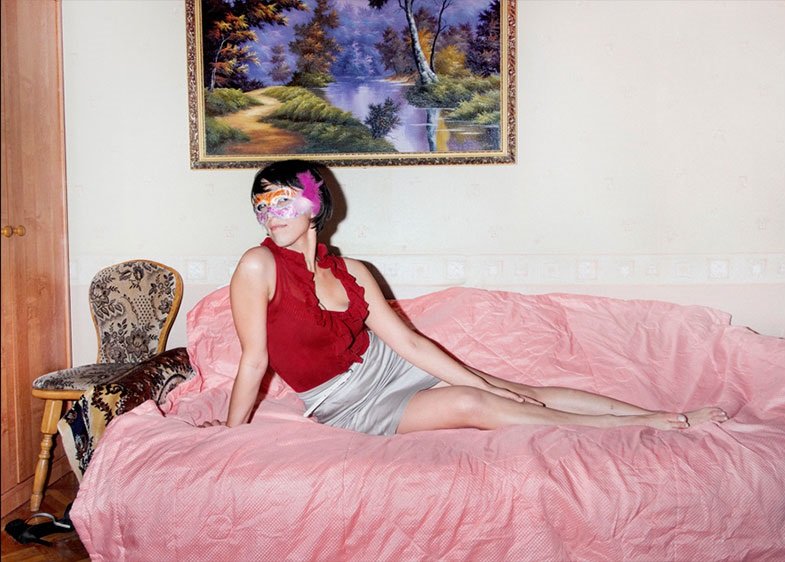
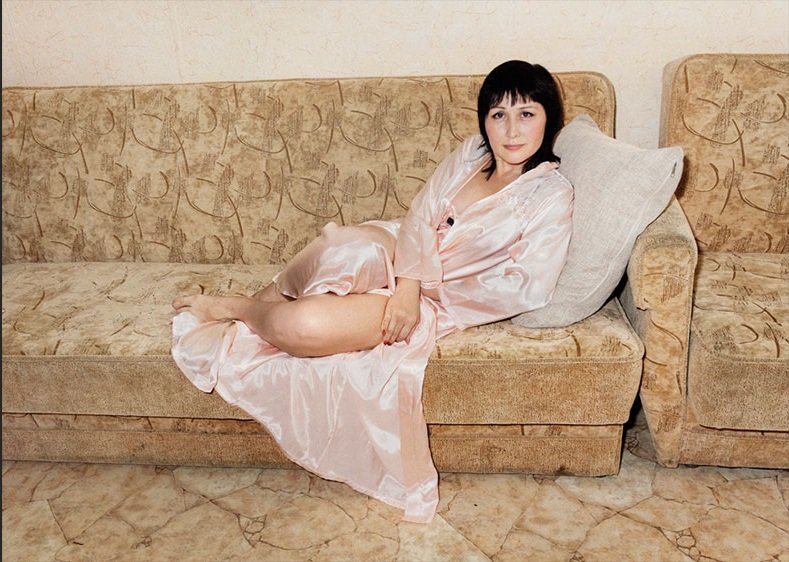
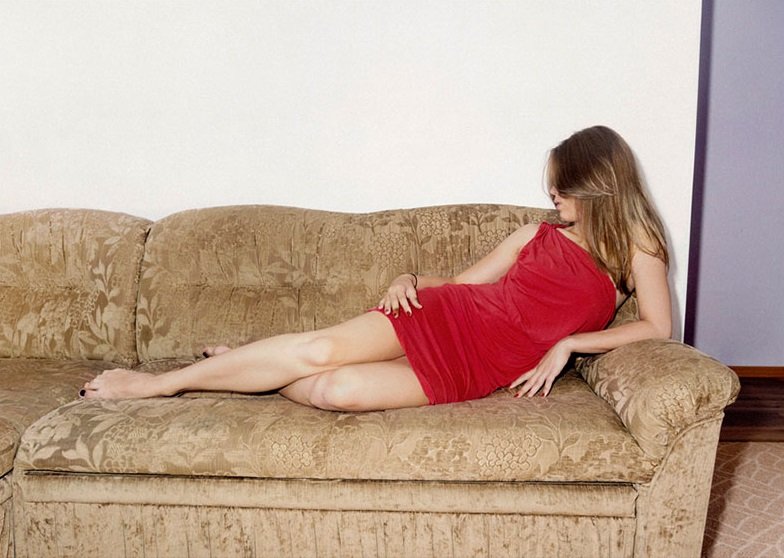
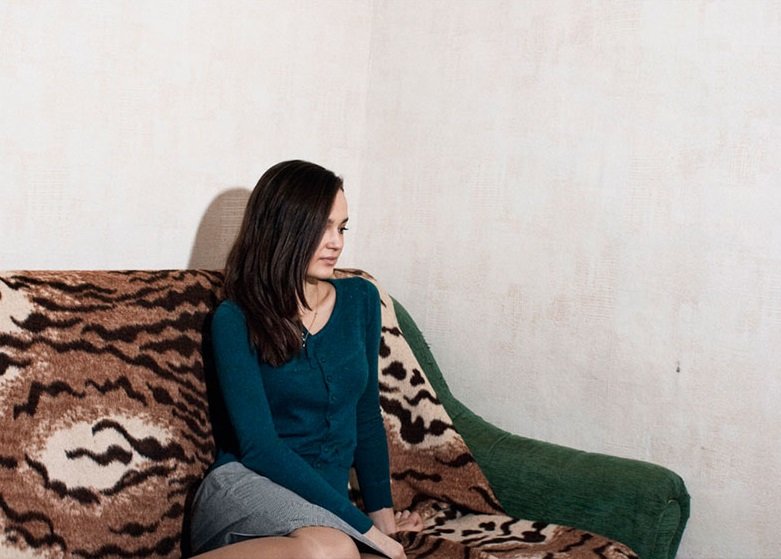
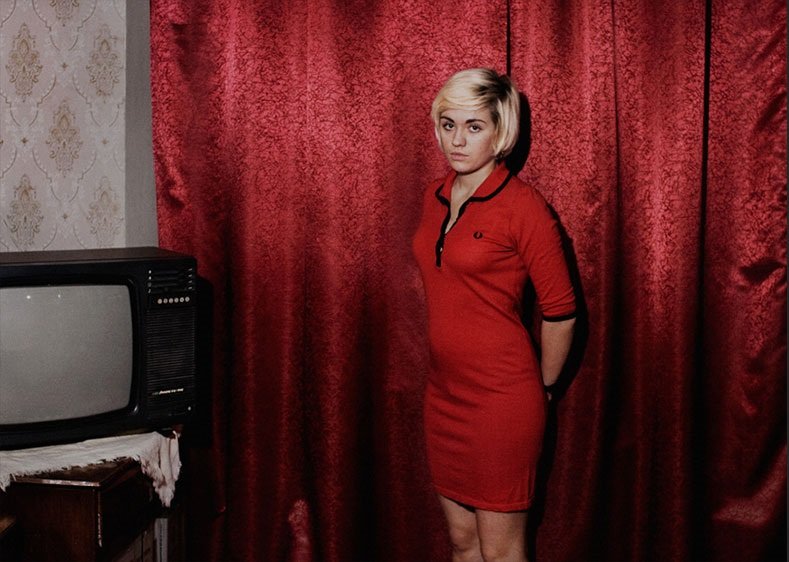
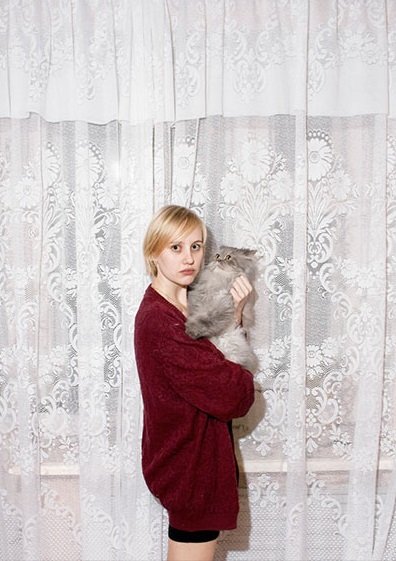
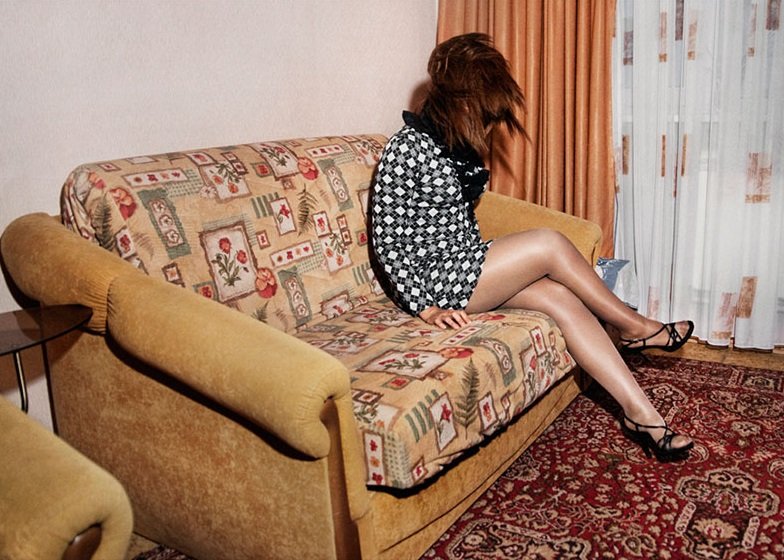
Andy started to travel to Russia in 2010; there he spent a considerable amount of time working asa freelance photographer. During this time he covered several stories in different places.The book Russian Interiors, however, sees the light as side job to cover his expenses while staying in Moscow; he challenged local professional competitors, accustomed to work in dedicated environments, by offering low cost portraits to single women in their apartments. Quickly this expedient bloomed into a hefty body of work.

This obtained women’s archive takes all kinds including photos he shot for his customers and photos he kept for himself. The core of this work though is deeper than what the commercial shot he was paid for portrays. Soon this method developed into a key to get access to private spaces and stories, to better understand an intimate side of Russian women.


_MG_0072


“Personal and sensuous portraits of Russian women taken to cover up for the side expenses, for me is an unforgettable reflection that allures into Andy Rocchelli’s archive, who left us quite early.” – Manik Katyal

Photography feature – Andy Rocchelli‘s ‘Russian Interiors’ was selected as one of the ‘Most Interesting Photobook of 2014‘ by Manik Katyal.

Related Posts

Matthieu Gafsou: Only God Can Judge Me

Switzerland –  Based out of Lausanne, Switzerland, Photography feature – Matthieu Gafsou spent more than a year immersed in the lives of ...

Ed Kashi: Four Decades of Witnessing Humanity Through Photography

For more than four decades, Ed Kashi has documented some of the world’s defining human, environmental and social crises through ...

Exploding the Mundane – Ami Vitale

U.S.A. – Two-time World Press Award winning photojournalist and Nikon Ambassador Ami Vitale found herself among the jury of the ...

Yoshikatsu Fujii: “Incipient Strangers” – Photographying Family’s Internal Conflicts

Japan –  Siblings can be incipient strangers. Even siblings sharing the same blood can become distant and turn into strangers ...

Colin Pantall on Paul Gaffney’s We Make the Path by Walking

Ireland – Paul Gaffney sent me his lovely book, We Make the Path by Walking. It’s a gorgeous book that creates a ...

Linda Fregni Nagler: The Hidden Mother

United Kingdom –  In the vein of Francis Alÿs’s Fabiola and Andy Warhol’s Time Capsules, Linda Fregni Nagler has collected ...

Katja Stuke & Oliver Sieber: Nothing To My Name

China –  Music plays an important role in subcultures and protest movements. Music brings people together – both in clubs, ...

Azu Nwagbogu: “A Curator Who Is Never Uncomfortable Is Only Confirming What They Already Believe” – On African Photography, Artistic Freedom and the Politics of Representation

In this interview, Azu Nwagbogu reflects on how public health shaped his curatorial practice, why LagosPhoto is embracing a biennial ...

Adil Hasan: When Abba was Ill

India – Mahmood Hassan passed away in November 2012 in Jamshedpur, his hometown, where he had worked with Tata Steel ...

Davide Monteleone: Spasibo

Chechnya –   “Chechnya has won, Russia has won”. Perhaps the losers are the many Chechens who chose to go into ...

Miti Ruangkritya: Christmas Trees Vol. 1

Thailand –  Towards the end of each year public spaces and commercial centers throughout Bangkok undergo a temporary aesthetic shift ...

Marlous Van Der Sloot: Le Corps Vecu

Netherlands – In modern society we often forget that ‘the physical’ is also a source of information. Because of rationalization, ...