Emaho: You’ve said that your art journey began when a work “defied [your] powers of interpretation,” leading you to overhaul your entire collection. Can you recall what you first felt that moment, and how that experience continues to shape the way you encounter and champion art today?
Peter: The first time a work really “defied my powers of interpretation” it produced almost physical resistance: annoyance, doubt, a feeling that someone was playing a trick on me. It was monochrome, minimal, stripped of all the colourful narrative and gestures I associated with “good painting,” and that shock forced me to admit that the problem might be my own habits of looking rather than the work itself. That moment led me to sell almost every art piece I owned and start again from scratch with a new compass: if I didn’t understand a work, I had to stay with it longer, read more, talk to the artist, and allow myself to be challenged. Today that experience still shapes how I champion art—I trust friction more than instant beauty, and I look for artists whose works continue to challenge me after the first impression, not just decorate my walls.
Emaho: Around a decade ago you shifted your focus entirely toward abstract, minimal and monochrome works, saying you now collect pieces where “less to see means you have to look a little harder.” How does minimalism — as visual language and perceptual practice — inform the way you engage with artists and audiences?
Peter: Minimalism as language and as practice Minimal and monochrome works demand a different tempo: you don’t get the “story” in five seconds, you’re forced to adjust your eyes to small shifts of surface, light, repetition. For me, minimalism is not about emptiness but about concentration; it compresses decisions into very few visible gestures, and that density rewards patience. When I work with artists, I’m interested in that discipline—the willingness to keep refining a narrow vocabulary instead of adding more and more elements to seduce the viewer. With audiences, especially in domestic or apartment settings, minimalism becomes almost a training ground for perception; people arrive expecting “nothing to see” and leave realising how much is actually happening in a so-called simple painting or actually the idea and steps going into the process of the painting.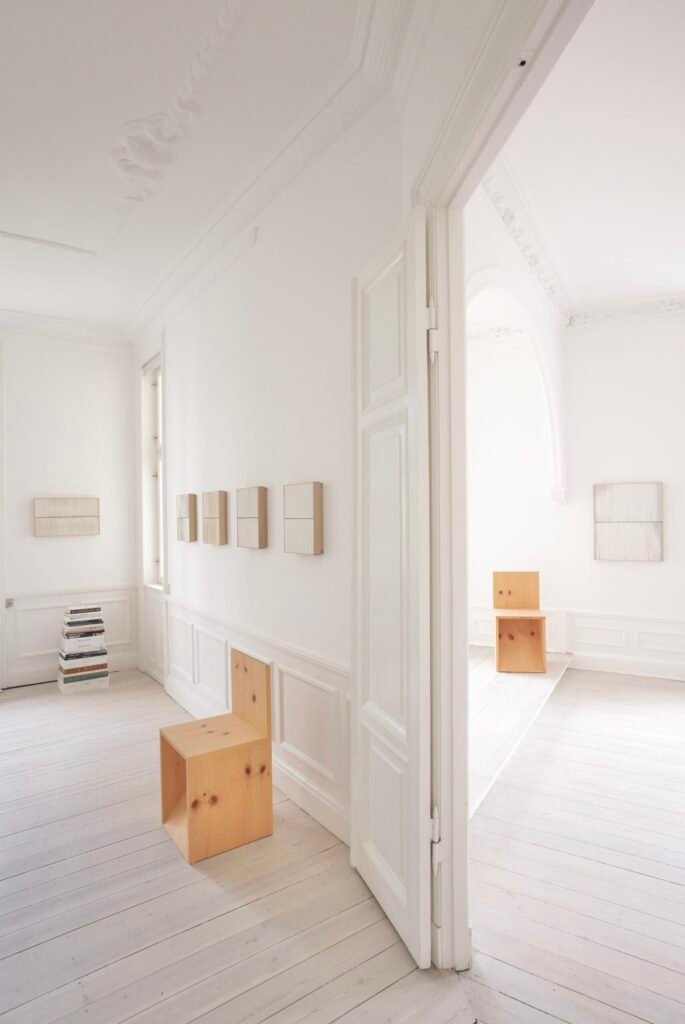
Emaho: You’ve observed that early in your collecting you bought impulsively, only later realising the value of depth over breadth. How does that philosophy translate to how you curate at Sunday-S Gallery, where a more disciplined view of an artist’s oeuvre seems central?
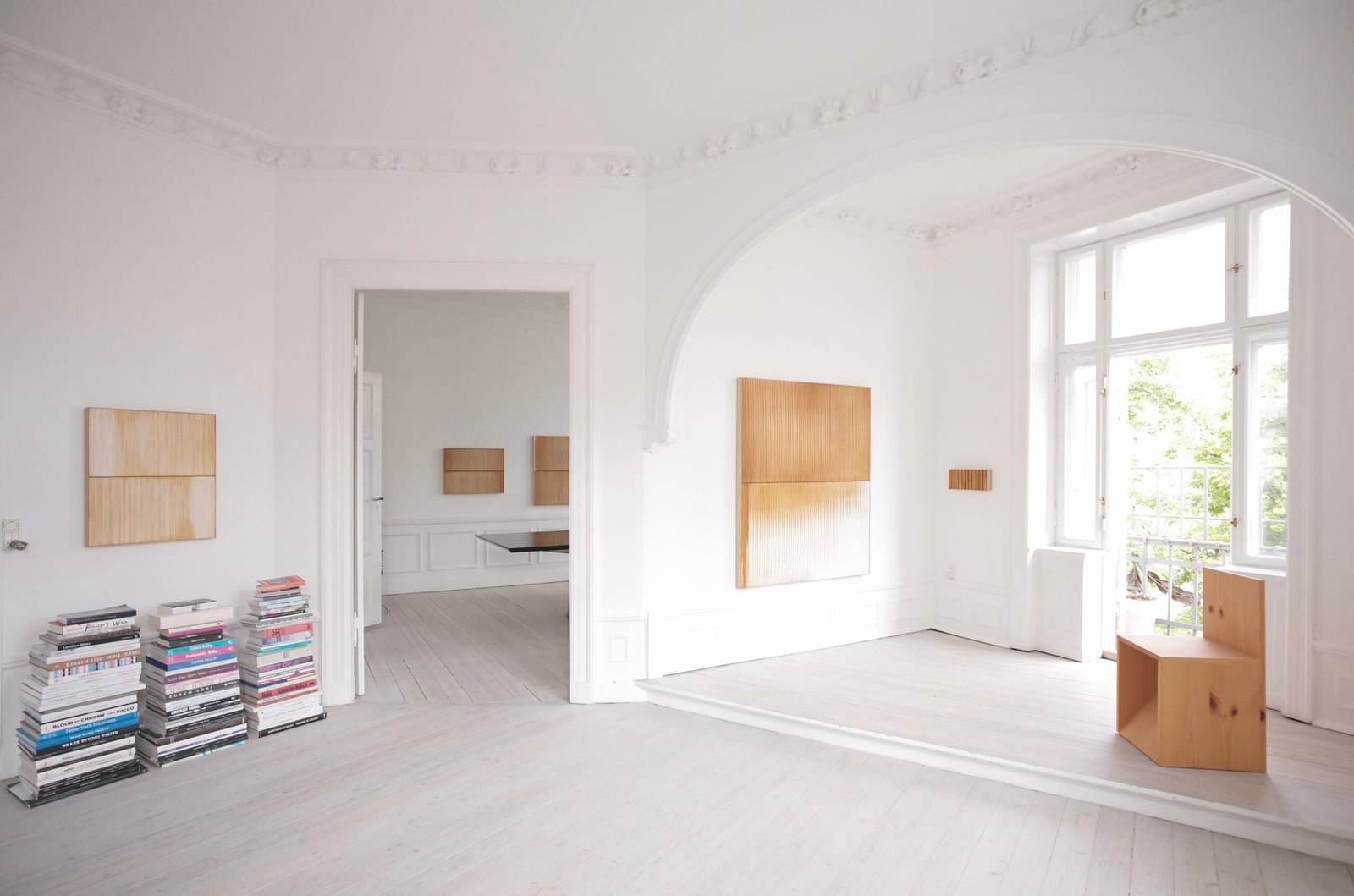
Peter: In the beginning I collected like many people do: impulsively, across many styles and names, with very little sense of a long-term narrative. Over time I realised that I wasn’t interested in having a little bit of everything; I was interested in following a small number of artists deeply, across many works and many years. Sunday-S is built on that shift. The gallery grew out of my own collection, and from the start it has been about a focused programme rather than constant rotation. I prefer to exhibit artists I know intimately, whose development I’ve watched in the studio and at home, so that each show is part of an ongoing conversation rather than a one-off event. Curating in that spirit means fewer, calmer hangs and a strong sense of continuity—visitors can feel that they’re entering a living, evolving ecosystem, not just a shop window of unrelated objects.
Emaho: Speaking about painting, you once suggested that the idea of “painting is dead” misses the point, saying critics should “look a bit closer” and visit galleries in real life. How do you think physical encounter – the artist, the object, the room – remains critical in an age of digital mediation?
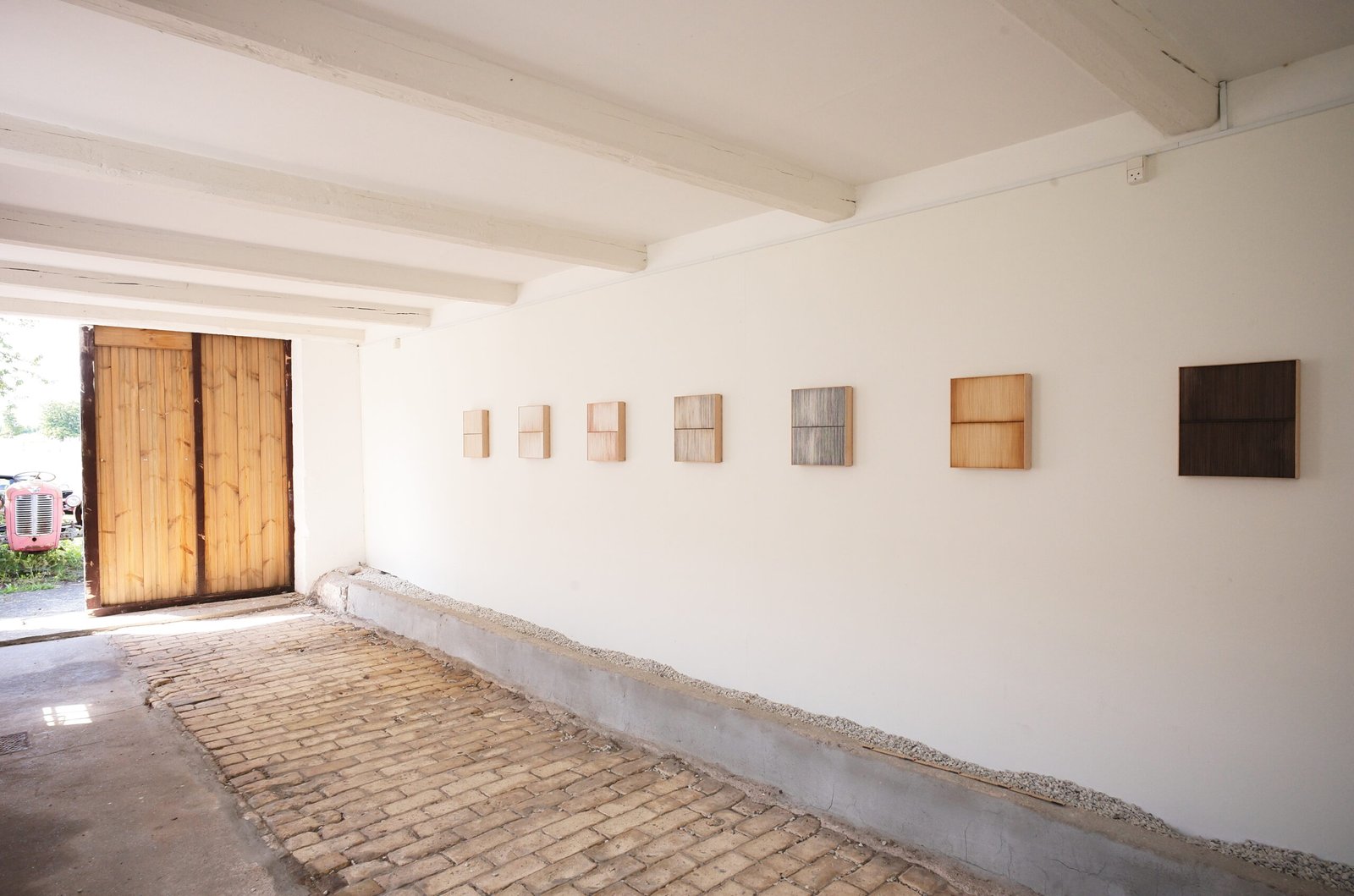
Peter: Why the physical encounter still matters when “painting is dead” keeps returning Whenever people claim that “painting is dead,” my instinct is to say: go and look properly. As long as there are painters working seriously, painting is very much alive; the problem is usually not the medium but the way we view it—on screens, in a hurry, reduced to content. In a room, everything changes: you deal with scale, glare, surface, the physical weight of a piece in relation to a doorframe or a chair. In my daylight spaces, whether Sunday-S in Copenhagen or the new apartment gallery in Paris, I rely entirely on natural light because it keeps the work anchored in real time; shadows shift, colours open and close, and you understand that painting is not a static JPEG but something breathing with the room. Meeting artists in their studios adds a further layer—you see unfinished canvases, experiments that fail, the rhythm of their day—and all of this resists the idea that painting could be “over” just because a headline says so.
Emaho: Your living spaces – both your meticulously curated Copenhagen apartment and your summer house – double as private galleries. How does inhabiting art as part of daily life shift the way you think about display, scale, and dialogue between works?
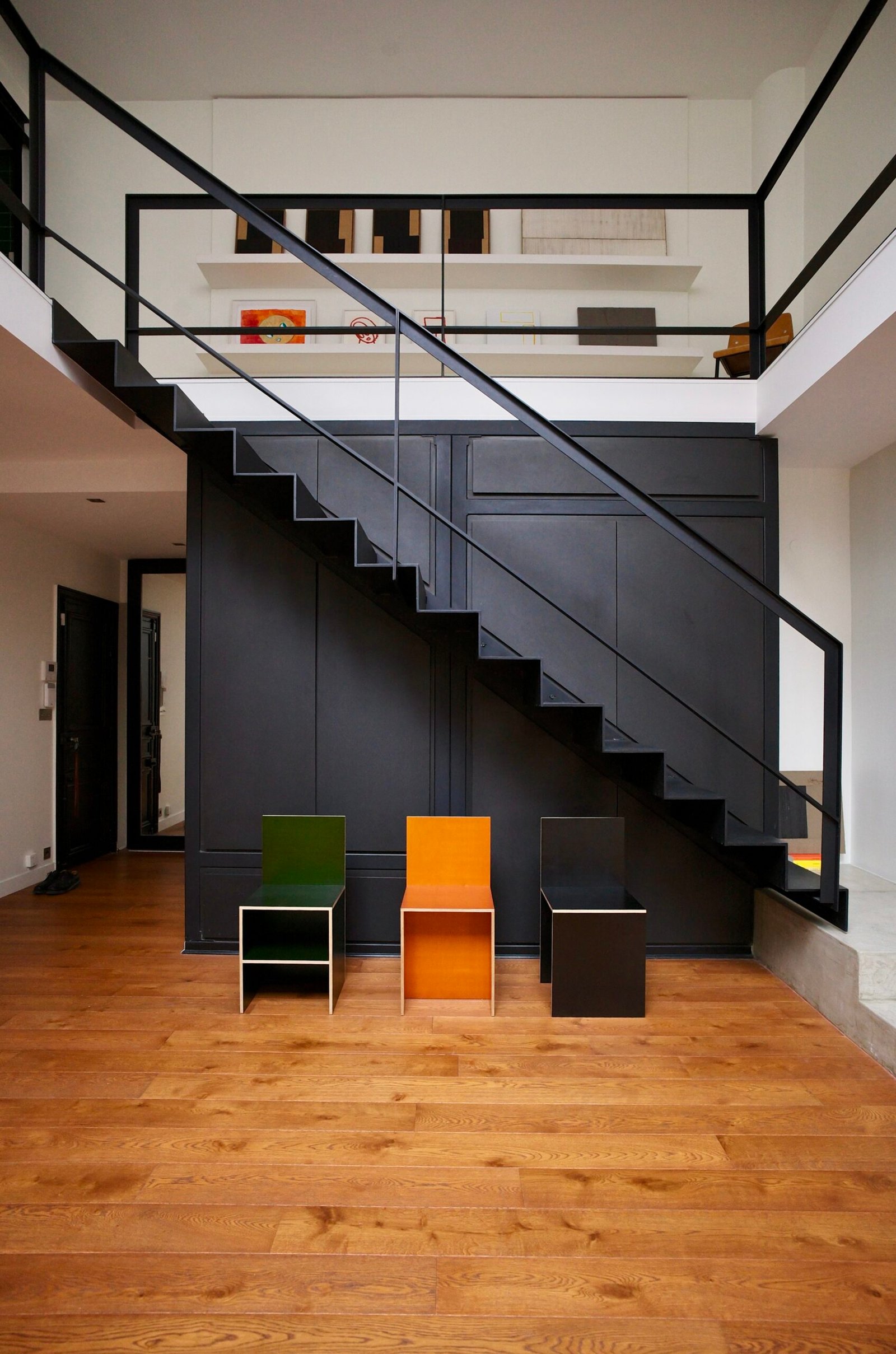
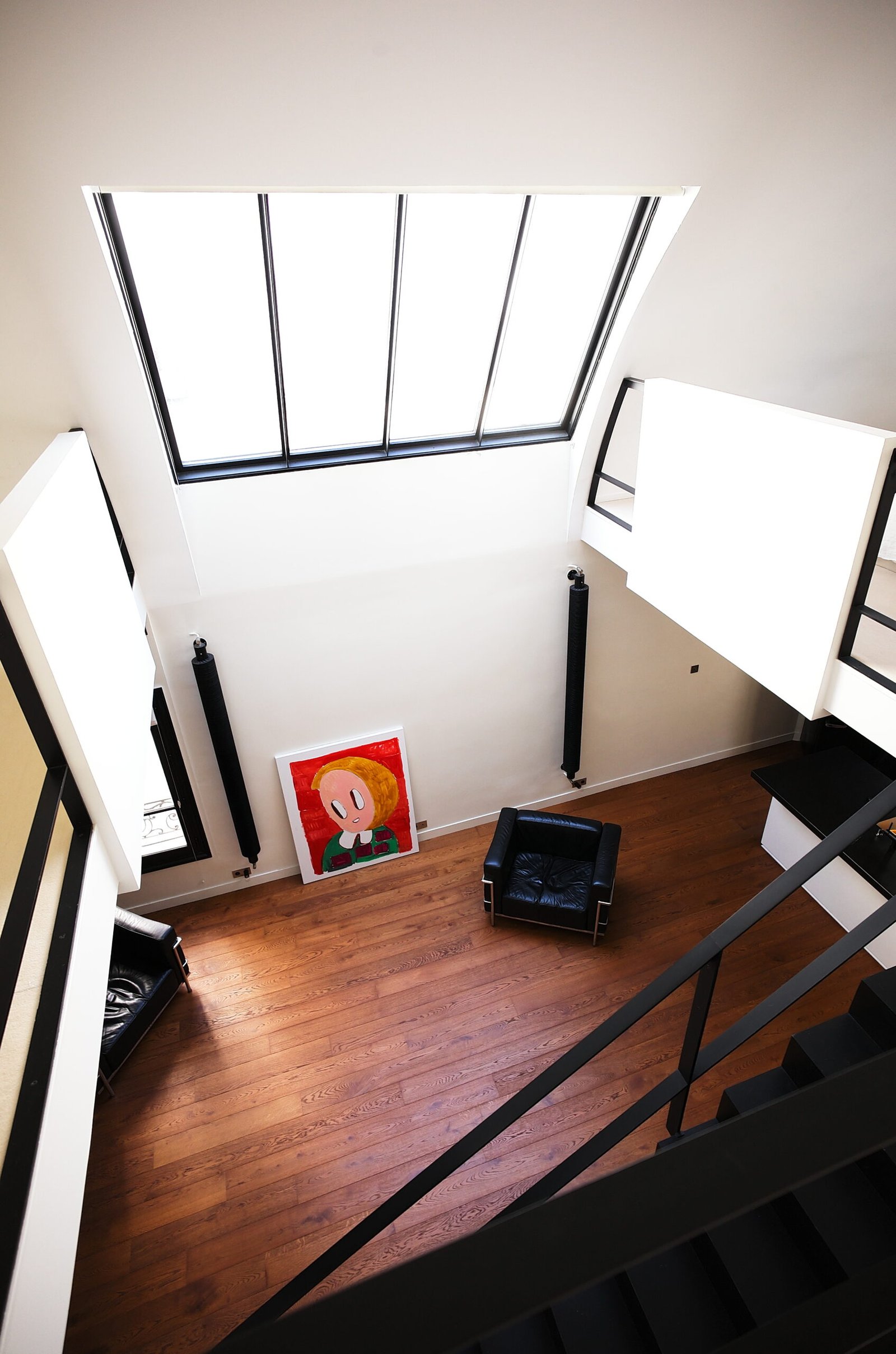
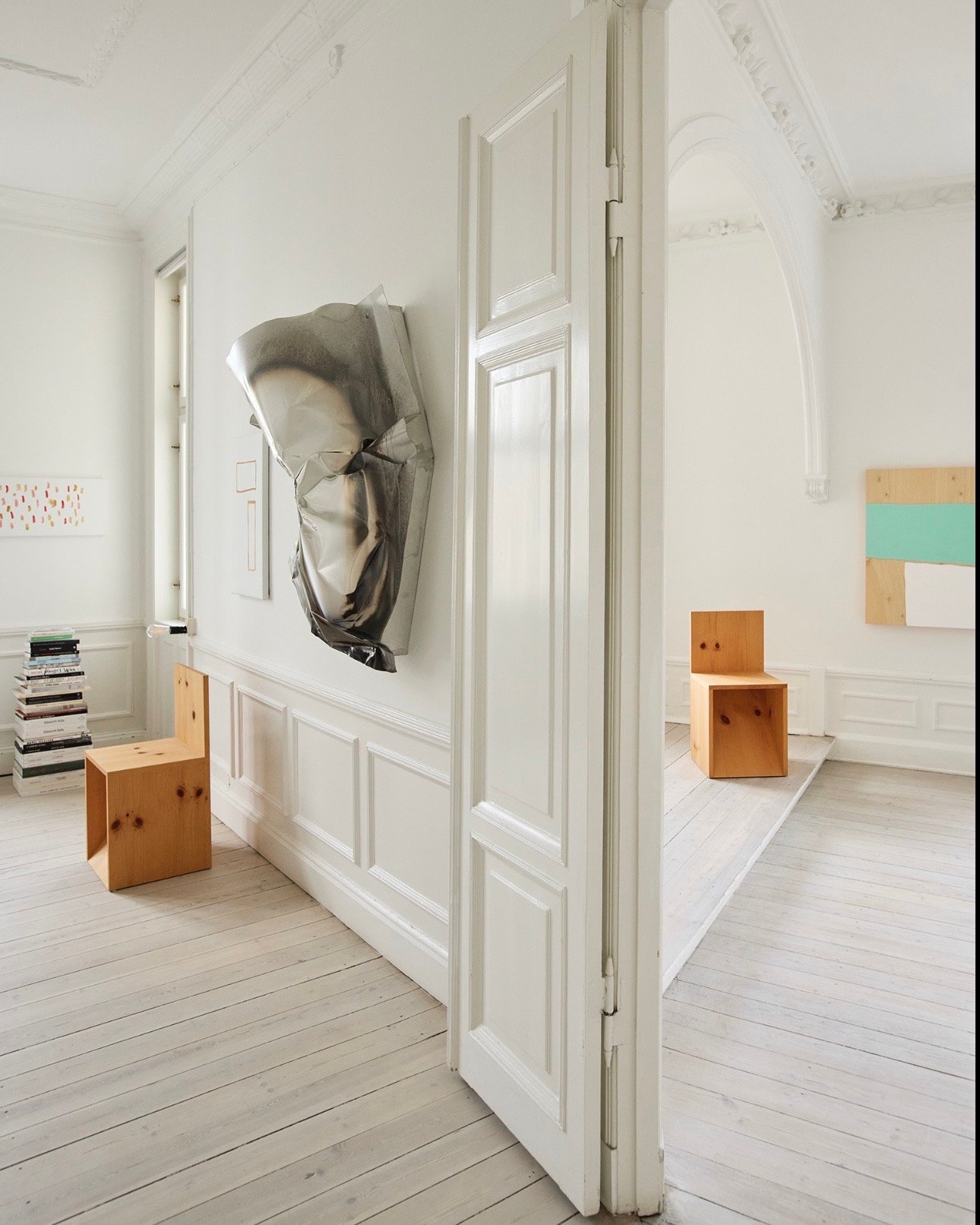
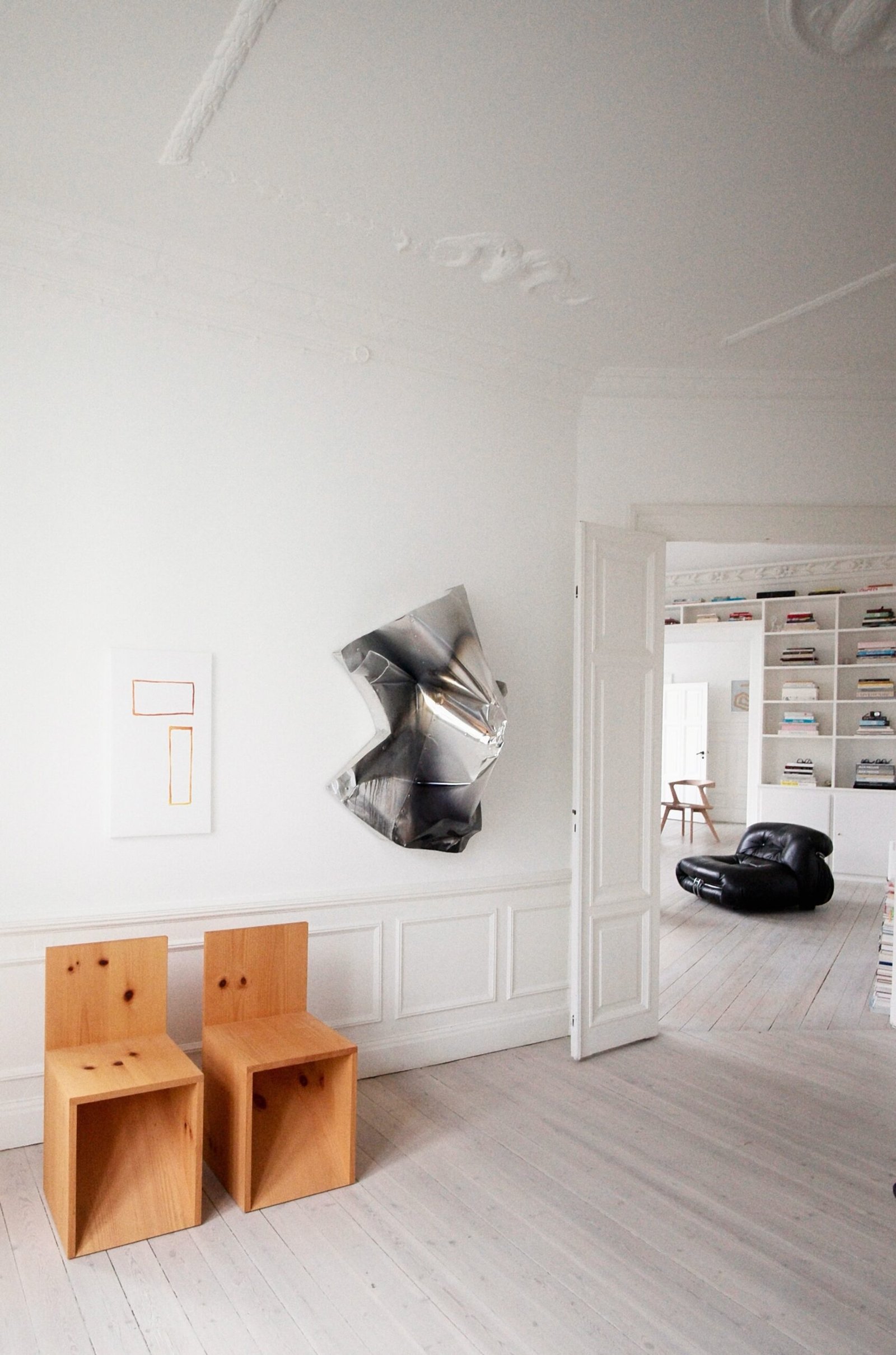
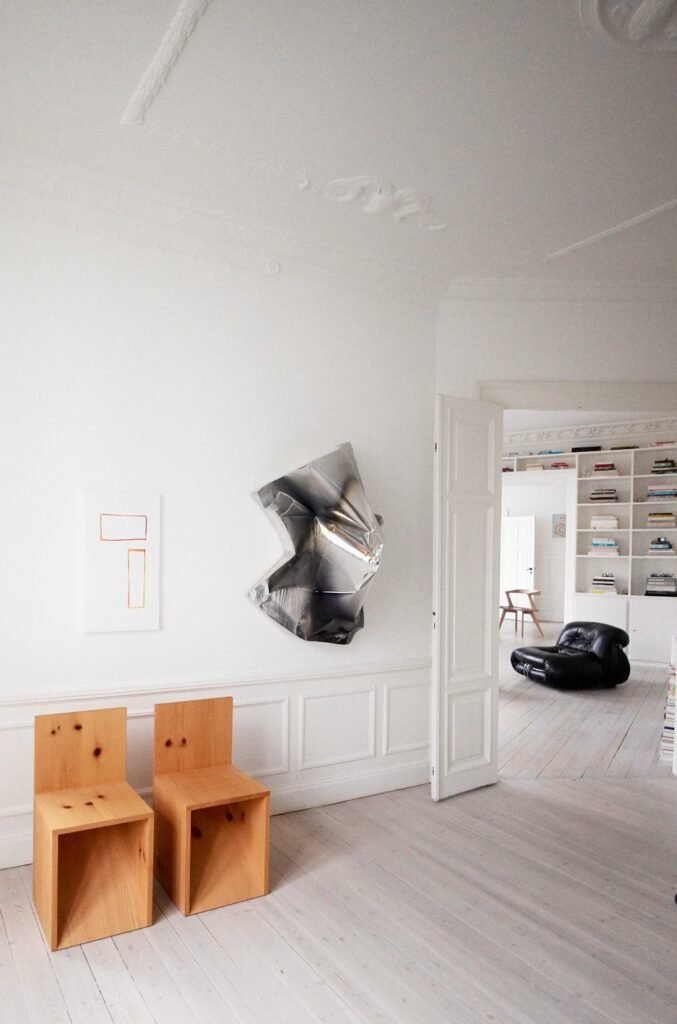
Peter: Living in a gallery: Copenhagen, the summer house, and now Paris. My Copenhagen apartment and my summer house already blur the line between home and gallery: towering canvases, sculptural furniture, almost no “spare” objects, everything chosen with the same rigor I apply at Sunday-S. Collectors and friends visit by appointment, walk through the living room, the kitchen; it’s a setting where art is not put on a pedestal but woven into the choreography of daily life. The Paris apartment gallery continues this logic in a new city: it’s an intimate space where you visit by appointment, ring a bell, step into a lived-in interior, and encounter works in a scale closer to how most people actually live with art. This domestic context changes how I think about display and dialogue: a painting has to coexist with a chair, table, sofa, a door you open ten times a day, a neighbour’s window across the courtyard, and those constraints often bring out subtleties you would miss in a white cube. Across all three spaces, the goal is the same: to show that art doesn’t just belong to special rooms on Friday nights; it can—and should—be part of your mornings, your children’s games, your conversations at the table.
Emaho: You’ve continued to support young, lesser-known artists rather than chasing market trends, noting that supporting galleries and artists directly is important. In a market often driven by speculation, what do you see as the role of loyalty and long-term investment in building a meaningful collection?
Peter: Loyalty and long-term commitment in a speculative market I’ve always insisted on supporting young or lesser-known artists and the galleries that work with them, even when there are louder, more fashionable options on offer. Loyalty, for me, means coming back: buying a second or third work, showing up for the next show, staying in touch when the market hype moves somewhere else. In a speculative market, that long horizon is one of the few ways to build something that feels ethical and meaningful. It gives artists a base from which to take risks, and it allows a collection to function as a history of relationships and convictions rather than a record of peaks in an auction graph. The apartment gallery in Paris is an extension of that attitude: I want it to be a place where collectors are invited into more personal, slower encounters with work and with the people who make it, far away from the tempo of fairs and feeds.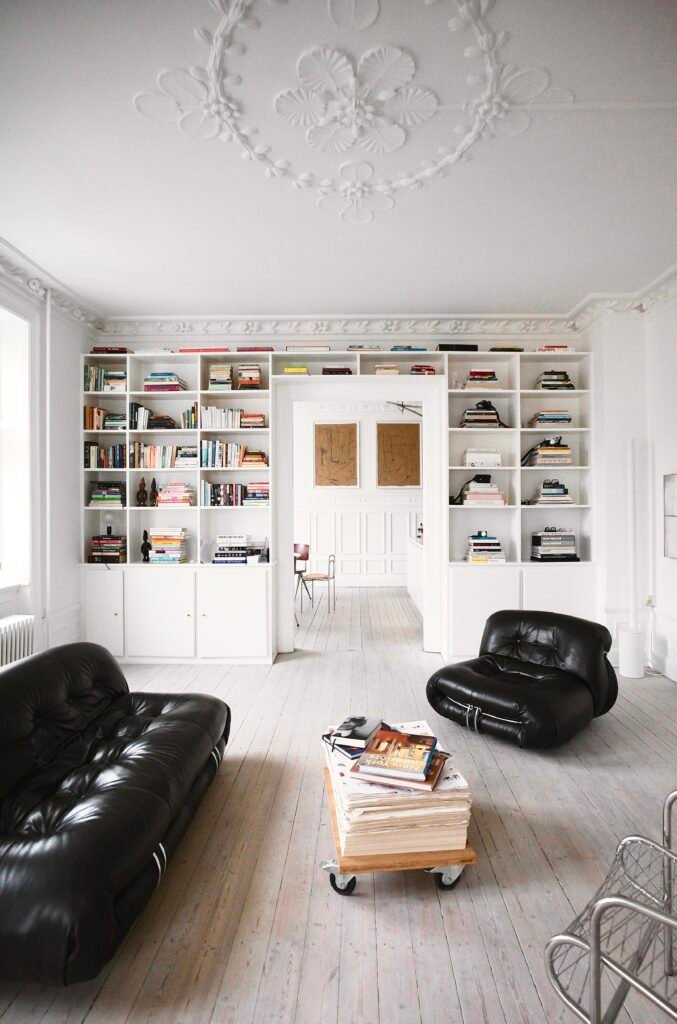
Emaho: Many collectors talk about emotional or visceral reaction as the first point of engagement. You’ve suggested that works you initially liked often fade, while the ones that challenged you stick with you. How do you think about difficulty in art as a generative force rather than a barrier?
Peter: Difficulty as a source of attachment, not a barrier Over the years I’ve noticed a pattern: the works I immediately “like” tend to fade, while the ones that disturb, confuse or even irritate me often become the ones I can’t live without. That initial difficulty forces you to slow down and to question your own expectations—Why do I want colour here? Why do I think this isn’t finished? Why do I assume labour looks a certain way?—and that questioning is where a real bond can form. I don’t see difficulty as elitist; I see it as an invitation to a deeper conversation. In my spaces I try to frame that difficulty gently—through how I hang the works, how many pieces I show at once, how I talk about the process—so visitors feel encouraged to stay with the challenge rather than turned away at the door.
Emaho: Looking toward the future – with Sunday-S Gallery expanding its scope and new projects such as the opening in Paris – what questions or provocations are you most committed to exploring now, both in your own practice as a curator and in the voices you want to bring forward?
Peter: Looking ahead, with Sunday-S maturing in Copenhagen and the Paris apartment opening, I’m less interested in growth for its own sake than in intensifying the questions I’ve been orbiting for years. How can we create spaces where people truly have time to look—spaces that feel more like carefully composed homes than like showrooms—and how can we support artists who work quietly, with slow, process-based practices that don’t necessarily scream for attention online? Curatorially, I’m committed to painting and to adjacent practices that keep expanding what painting can be—sculptural walls, hybrid objects, works that “break the rules” of what a canvas should look like but still operate within that lineage. In Paris, I’m especially curious about dialogues between local histories of abstraction and the international network that has grown around Sunday-S; the apartment becomes a kind of hinge where those different narratives can meet at domestic scale. If there is one provocation I want to keep alive, it’s this: in a world where images move faster and faster, can a painting in a quiet room still change how you see everything else once you step back out onto the street?