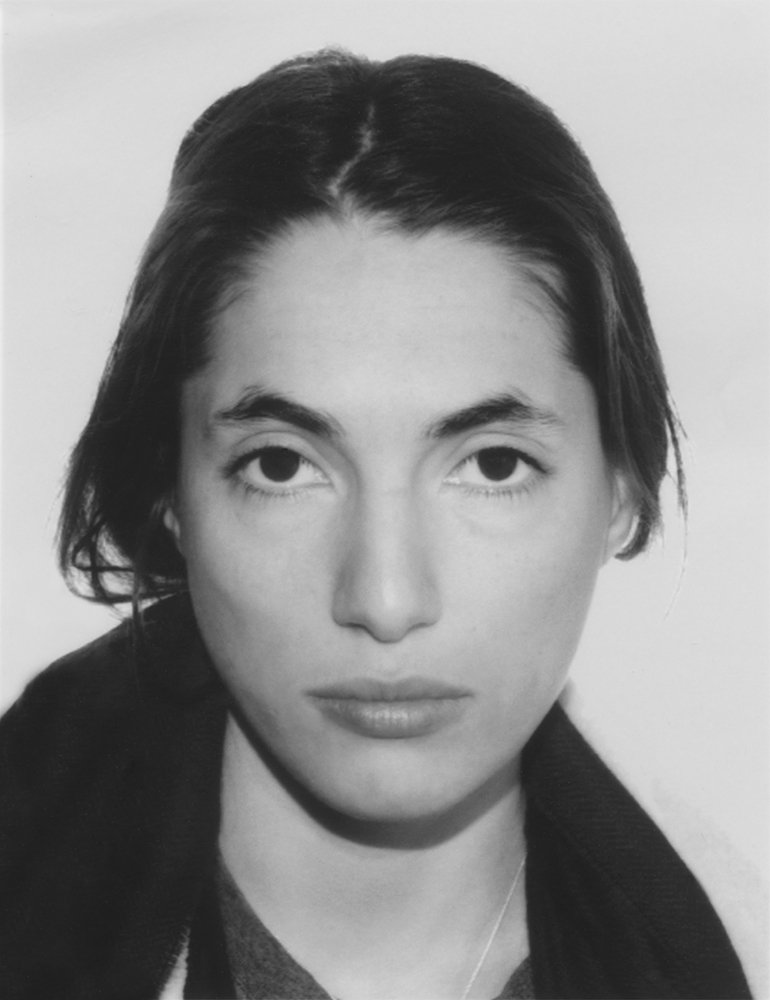
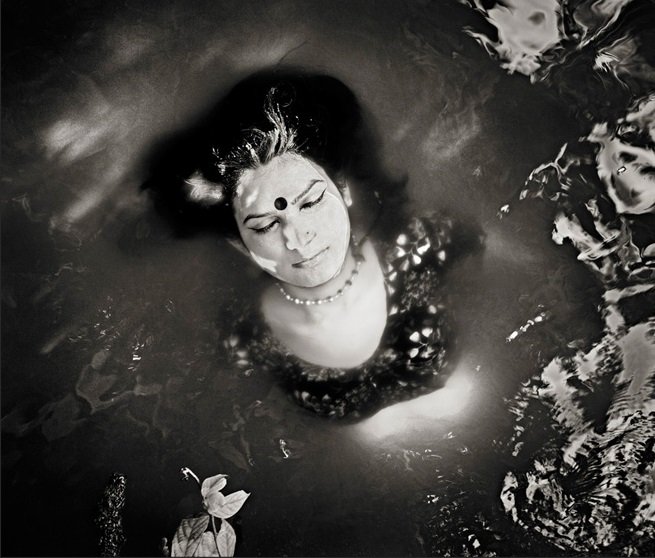
Emaho: What did working that close to a photographer of van der Elsken’s stature teach you about what photography actually was, and is there a line you can draw between that encounter and the gallery you eventually founded twenty years later?
Roy Kahmann: Working that close to Ed van der Elsken in 1979, even as a junior assistant under Anthon Beeke at Total Design, was the exact moment everything changed for me. It was a masterclass in the raw power of the photographic image. When you are dealing with a master like Ed, you quickly realise that a true photograph is not just a design element to be manipulated for a layout; it is a complete, sacred world of its own. It taught me to respect the photographer’s singular vision and the absolute integrity of the print.
There is a direct, unbreakable line between that encounter and the gallery I founded two decades later. I fell so deeply in love with photography during that project that I ended up buying my very first original van der Elsken print right then. It still hangs in my home today. The gallery was born out of that exact same impulse: a desire to protect, champion and share that profound emotional connection to the physical print.
Emaho: How has having a co-collector who applies a second and independent standard of judgment shaped the gallery’s identity, and what has it kept out that you might have regretted acquiring alone?
Roy Kahmann: Building a collection of nearly 10,000 original prints with my wife Lindy was never a calculated business plan. It grew entirely out of shared passion. Our strict rule, that if only one of us loved an image it did not come in, has been fundamental. It completely removed the trap of personal ego or impulsive accumulation. Because of this second, independent standard of judgment, the collection has maintained a beautifully cohesive, shared vision over nearly 35 years.
What has it kept out? It stopped me from making random, risky or trendy purchases just because I felt like it at the moment. In the art world it is easy to get caught up in the noise of what is currently fashionable or what a market trend dictates. Lindy’s eye served as the perfect anchor. By forcing us to only acquire pieces where our instincts aligned, we avoided buying works that lacked long-term emotional resonance, saving us from the regret of owning pieces that did not truly speak to the core of who we are as collectors.
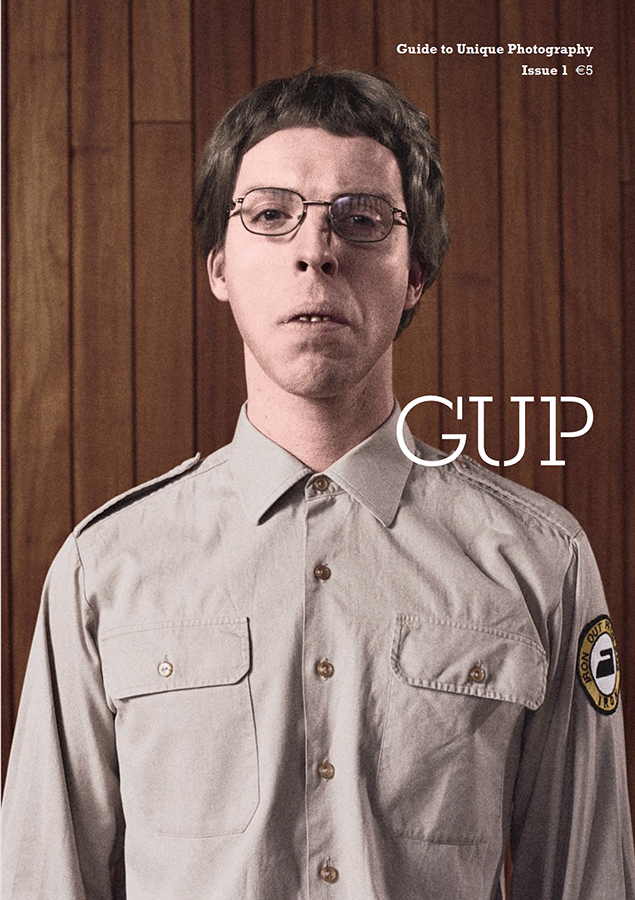
Emaho: What did publishing GUP give photographers and audiences that the gallery model could not, and is there something you miss about the print edition that the online version cannot replicate?
Roy Kahmann: A gallery is a wonderfully intimate space, but it has physical and geographical limits. When we launched GUP Magazine – Guide to Unique Photography – in 2005, it provided us with a borderless, international platform. It allowed us to showcase hundreds of emerging talents and established photographic artists to a worldwide audience of collectors, curators and institutions, many of whom could never have physically visited our gallery. It provided democratic visibility; for many young artists, it was the first time their work was seen beyond their immediate local network, acting as a massive catalyst for their careers.
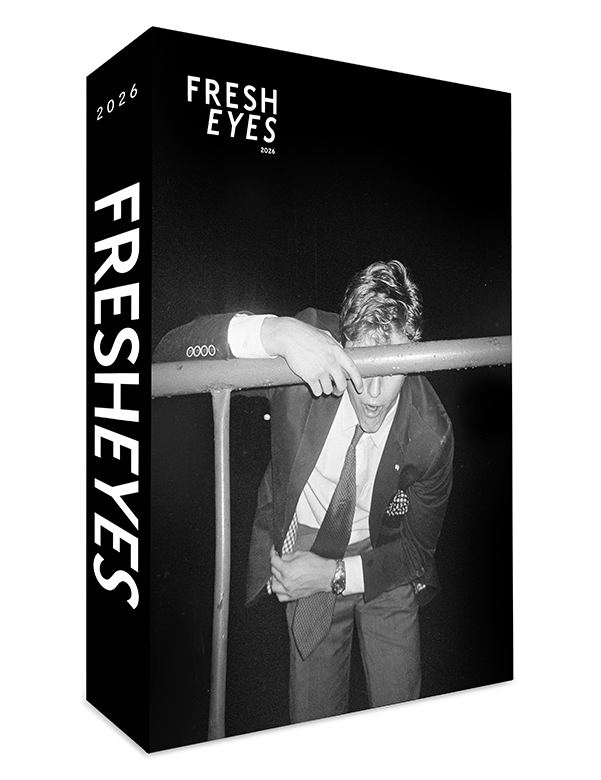
Following the discontinuation of GUP’s print edition after surviving nearly two years of lockdowns, I did not want our platform to exist solely online. Driven by the many young talents reaching out to us from all over the world, I wanted to offer them the reach they deserved. This led to the creation of the Fresh Eyes books. Today this has grown into a biannual phonebook for talent, featuring a hundred photographers per edition. The book is partly made possible by the talents themselves: once selected, they commit to purchasing a set number of copies. This guarantees us a baseline circulation and covers a portion of the printing costs. This model has been highly successful for over a decade and is increasingly accepted and embraced internationally.
As for what I miss most about the print edition of GUP, my background is in design. I spent my formative years at Total Design, and I still design all my books and magazines myself. For me, print is tactile. The weight of the paper, the smell of the ink, the way a photograph rests on a physical page. Those are things a digital screen simply cannot replicate. Online is efficient and fast, but print has a soul and a permanent presence that demands you slow down and actually look.
Emaho: What made the Rotterdam model successful enough to carry into a new city, and what does Amsterdam give the fair that Rotterdam, for all its ten editions, could not?
Roy Kahmann: The success of the Rotterdam model came down to one deliberate choice: we rejected the conventional, clinical art fair format. I cannot stand those soulless rows of standard commercial booths. Instead, we created a personal, museum-like atmosphere with curated exhibitions that offered genuine emotional and visual resonance. People did not just come to make transactions; they came to celebrate photography as an art form and meet the artist. That focus on curated storytelling and a deeply immersive atmosphere is exactly what we carried forward. Crucially, the next evolution of this model introduces a fundamental shift in how we support the future of photography.
We are the very first organisation to genuinely give, not just allocate but truly gift substantial exhibition space to emerging young talent. In the traditional art world, these fresh, unknown faces are almost never shown at fairs because galleries simply cannot justify the financial risk. They cannot recoup the heavy investment of a booth on an unestablished artist whose work naturally starts at a lower price point. By removing that financial barrier, we are changing the game.
Moving the fair to Amsterdam in September and unifying it under the Hungry Eye Group brand was the next natural step to amplify this mission. While Rotterdam was a fantastic, gritty and creative home for ten editions, Amsterdam brings an unparalleled global stage. It offers immediate access to an established international art hub, a denser network of global collectors, major institutions and a vibrant cultural infrastructure. Amsterdam gives the fair the ultimate visibility needed to push our core mission: putting Dutch and exceptional international photography on the global map at the highest level while actively launching the careers of the next generation.
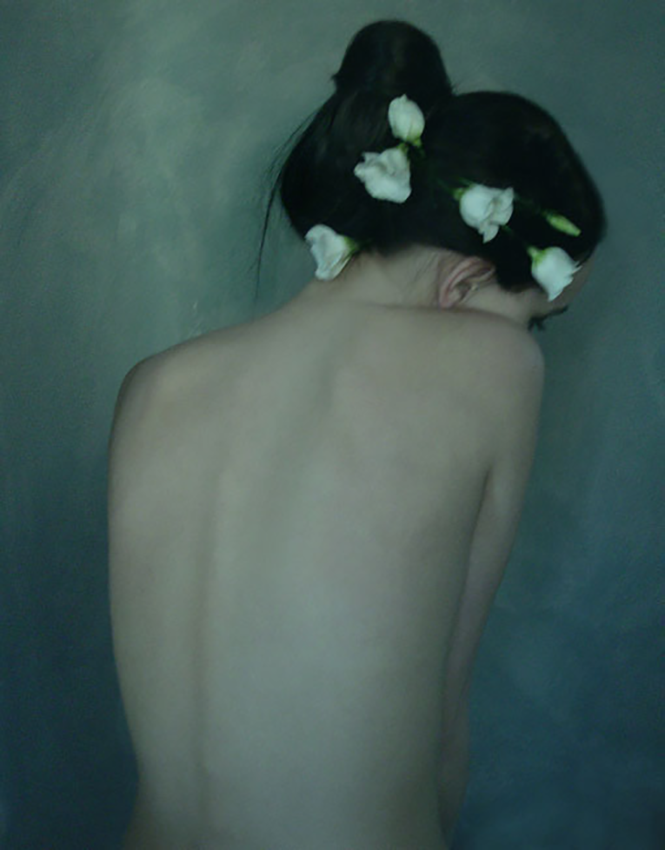
Emaho: What does it take to get an independent photographer in front of the kind of audience that changes a career, and is there something the fair format can give an unrepresented photographer that a gallery cannot?
Roy Kahmann: To truly transform a career, an independent photographer needs intense, concentrated visibility in front of the right audience. Their work must be seen by collectors, curators and press who are actively looking to make new discoveries. In our 2026 edition, we deliberately highlight over 50 unrepresented artists, inspired by the incredible, undiscovered talent that emerged during the lockdowns. As it turns out, we were not only the first to create such a platform for this elusive group of talents, but even now, four years later, no similar initiative has emerged anywhere else in the world.
The fair format offers these independent photographers something a traditional gallery relationship cannot: immediate, high-volume exposure to a diverse, multi-layered audience all at once. Within a gallery, the focus is curated, structured and deliberate over a longer period. A fair, however, acts as a vibrant accelerator. It drops an unrepresented artist straight into the heart of the art market ecosystem, allowing them to test the waters, receive instant feedback and gain international exposure in a matter of days that might otherwise take years to build.
Emaho: What do you think a photography book actually does for an artist’s career that an Instagram presence, a fair booth and a gallery relationship cannot replicate, and is there a form of book the photography publishing world is still not making well enough?
Roy Kahmann: An Instagram presence is fleeting; people scroll past images in a fraction of a second. A fair booth is temporary, and a gallery exhibition eventually comes down. But a photography book is permanent. It is a physical monument to an artist’s vision. It forces a coherent, structured narrative where the layout, the sequence and the design tell a deeper story.
For a career, a book serves as an enduring calling card that lands on the desks of curators and collectors worldwide long after an exhibition closes. Where the publishing world still falls short is in making books that strike the right balance between high-end design objects and accessible cultural context. Too often, books are either over-designed, hyper-conceptual objects that alienate people, or cheap, sterile catalogues. Because of my design background, I believe we need more books that treat the tactile layout as an art form while remaining deeply committed to educating the reader on the context of the work.
Emaho: What is the quality you look for in an emerging photographer that no portfolio review, no social media feed and no exhibition history can actually reveal, and has a photographer ever changed your mind about that quality after you had already decided they did not have it?
Roy Kahmann: The quality I look for is a distinct, recognisable visual language. A voice that is entirely their own, where you can identify their style instantly without even seeing their name. No social media feed or portfolio review can fake that; it requires deep curiosity and critical observation. I look for someone who is not just making a lucky one-off image but has the internal drive to build a sustainable, coherent body of work.
Has anyone ever changed my mind? Rarely, because identifying talent is like a top athlete training for years. Experience means doing the same thing a thousand times until your gut instinct is incredibly sharp. However, I have seen young photographers whose early work felt too busy or chaotic, which usually made me disengage. But then, through maturity or strict mentorship, they learned the power of simplicity, graphic lines and leaving things unresolved. When an artist shows they can strip away the noise and master that restraint, it absolutely proves their capacity to grow.
Emaho: What does including AI-inspired work inside a gallery built on the tradition of Dutch photography say about where you think the medium is going, and where do you personally stand on AI as a creative force in photography?
Roy Kahmann: Rebranding to Hungry Eye Gallery and expanding our scope to include contemporary, experimental and AI-inspired projects alongside iconic analogue prints might look like a radical shift, but it is actually a continuous exploration of visual culture. The image landscape is constantly changing. Including AI within a gallery deeply rooted in Dutch photography tradition is an acknowledgment that the boundaries of the medium are expanding.
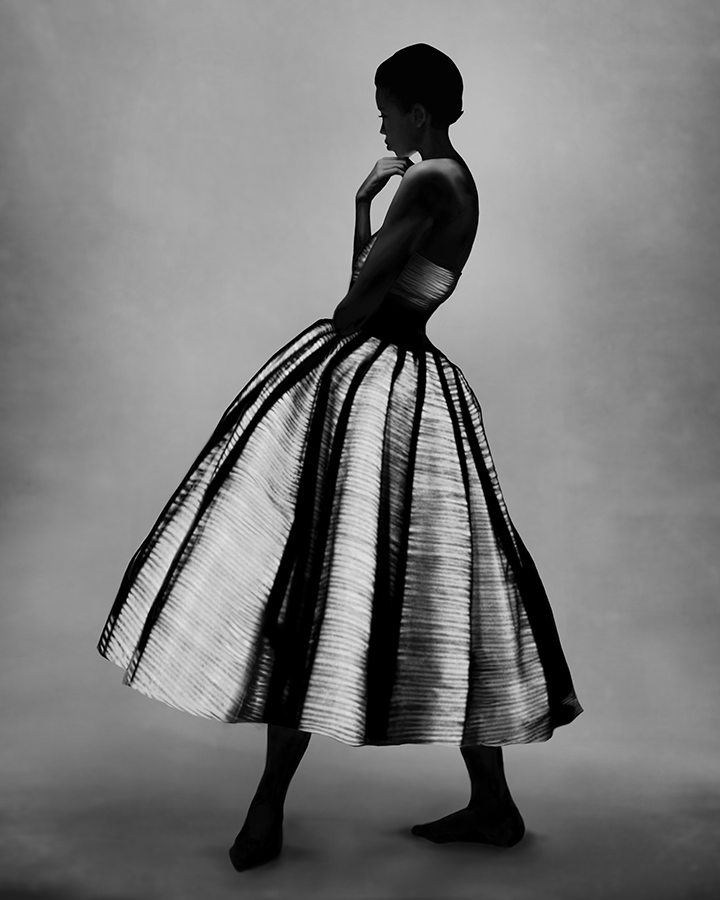
Dutch photography has always been celebrated because our education system fosters relentless curiosity and critical observation. AI is simply a new tool for that observation. Personally, my heart will always belong to the physical, silver-gelatin analogue print. I love black-and-white portraiture, graphical lines and the tactile nature of film. But I am an entrepreneur and a bridge-builder; I cannot ignore the future. AI as a creative force is fascinating as long as it is driven by a strong, recognisable artistic voice and a clear conceptual framework, rather than just digital trickery. It is another way of creating images that challenge us, and as a gallery, we must be where the conversation is happening.
Emaho: How do you programme a fair and run a gallery around a standard that sophisticated collectors understand and first-time visitors might find opaque, and where is the creative tension in making the unfamiliar feel welcoming?
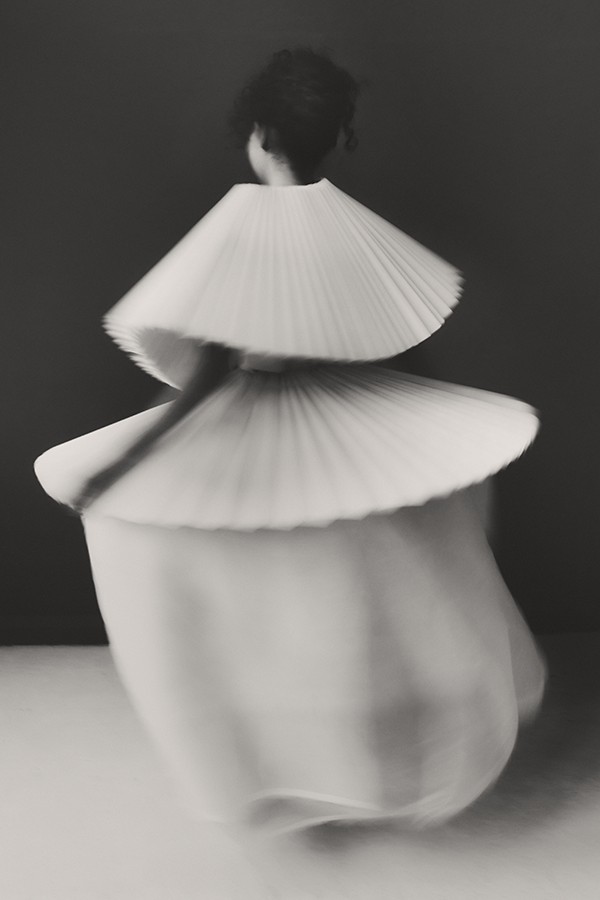
Roy Kahmann: The creative tension lies in the atmosphere you create. For me, a powerful photograph is one that resists explaining itself too quickly, leaving room for interpretation. Sophisticated collectors inherently understand this mystery. But a first-time visitor might initially find a blurry, minimalist or highly conceptual image opaque or intimidating.
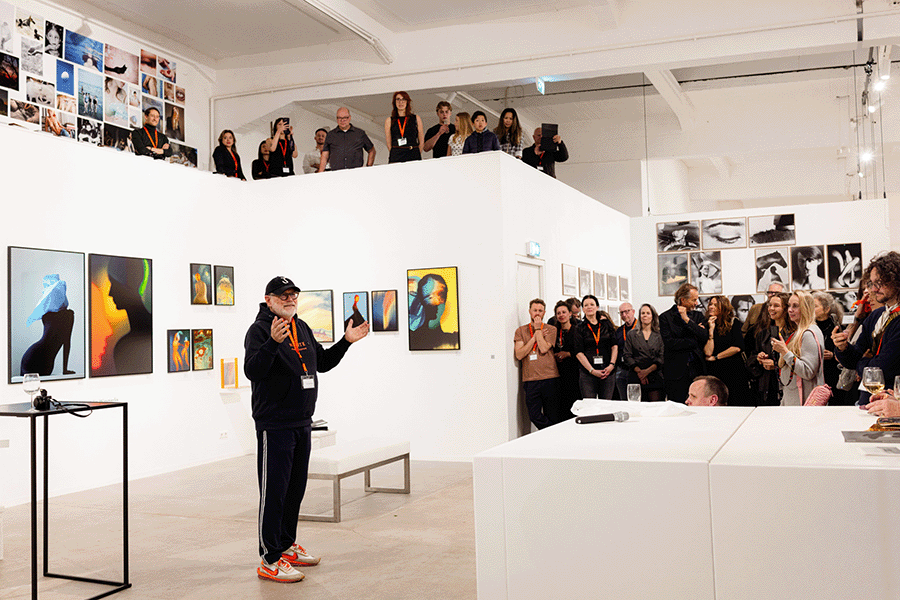
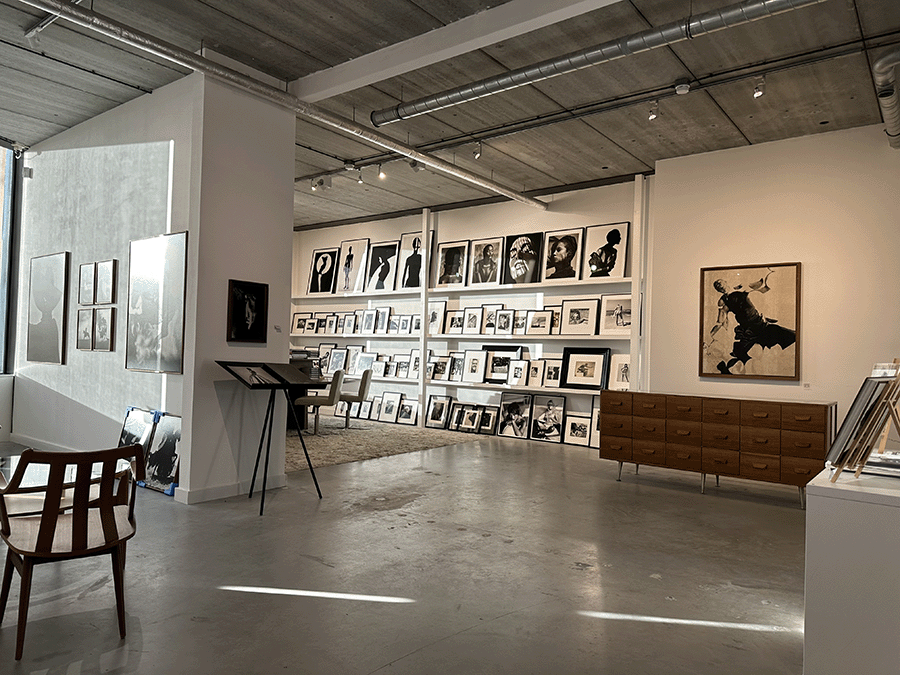
The key to making the unfamiliar feel welcoming is removing the elitist barrier. We do not use dry, academic pretension. Whether at the Hungry Eye Gallery or the Hungry Eye Fair, we design the spaces to feel personal, warm and immersive, and let the viewer be in contact with the artist. We try to make every event closer to a museum experience than a sterile marketplace.
We bridge the gap through mentorship and dialogue. Our Hungry Eye LAB and our staff are there to ask questions, tell the stories behind the photographers and guide visitors. Once a newcomer realises they do not need a degree to appreciate the graphic beauty or the haunting simplicity of an image, they stop trying to solve the photograph and start feeling it.
Emaho: Where do you see photography in five years, what form of the medium do you think is currently most undervalued, and what are you building inside the Hungry Eye Group right now that is a direct response to where you think it is going?
Roy Kahmann: In five years, the tension between the handmade analogue print and the algorithmically generated image will only intensify because the digital landscape is completely oversaturated, with everyone being a photographer on Instagram. I believe that vintage and contemporary analogue prints are currently the most undervalued forms of the medium in terms of their cultural significance. The more digital the world becomes, the more valuable the rare, signed, physical and historical artefact becomes.
What we are building right now inside the Hungry Eye Group is a direct response to this shift. My ultimate dream is to correct what is missing in photography education, which currently focuses too much on technique and too little on historical and cultural context.
We are working toward a permanent centre, a permanent Hungry Eye Spot and academy, where people can view, learn, discover and truly connect. It is a complete ecosystem, merging our gallery with publications like The Collectibles, talent books like Fresh Eyes and our international fairs into a definitive photography mecca that champions the physical art form while guiding the next generation into the future. The next step is finding the right location.