Egypt –
During the Egyptian january 2011 revolution, women were at the frontline equally with their male angry fellows. The players of this historical moment make mention of a period full of magic, when all differences were ironed out for the sake of a greater cause. Euphoria was short-lived. The old patriarchal rules resurfaced. Women became again a traditionnal and easy target. The video footage of « The girl in the blue bra », beaten up by the police in december 2011, became a mediatic landmark of this disenchantment.
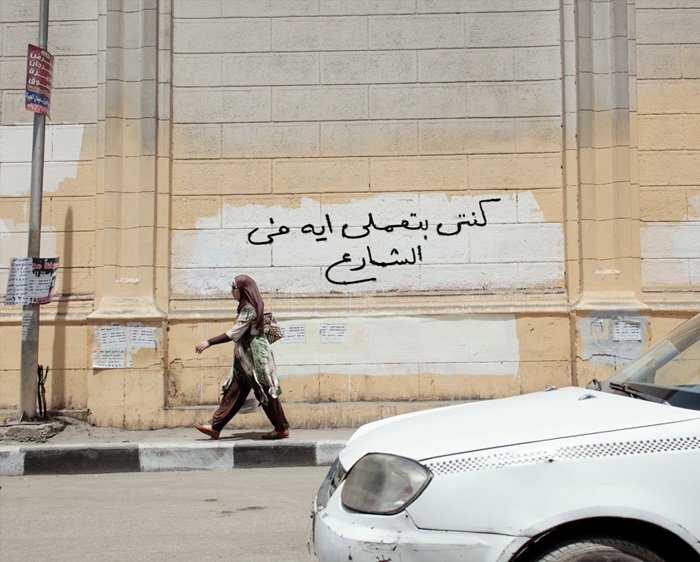
The whole world was shocked by the gang rapes which skyrocketed mostly during 2012 and 2013 protests. The words « sexual terrorism » replaced those of sexual harassment. Today this appalling sexual terror wave has fainted out, but the usual harassment, a cocktail of frustrated pulsions and an extremely phallocratic regime are still ruining Egyptian women’s daily life.
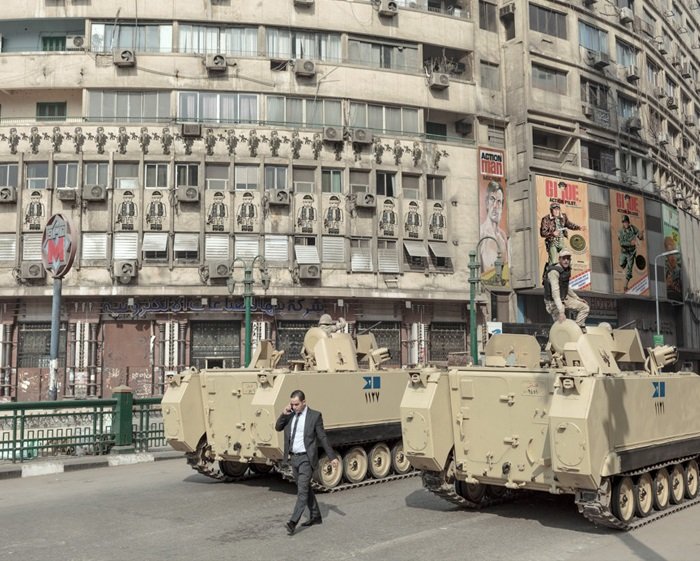
 Cairo, Egypt, May 2014. Phallocracia. Young boys hanging out in downtown streets.
One cannot say it is like anywhere in the world. There seems to be an Egyptian syndrome. Feminist organizations have worked for years, and are still working, to combat this phenomenon. They are trying to break out of the complexities of the social taboos that blame women for participating in demonstrations, a process that reaches the extent of blaming women for leaving their houses in the first place. Women are also blamed for what they wear, though according to statistics those dressed modestly or islamically correct undergo as much if not more harassment. Such cliches are legion.
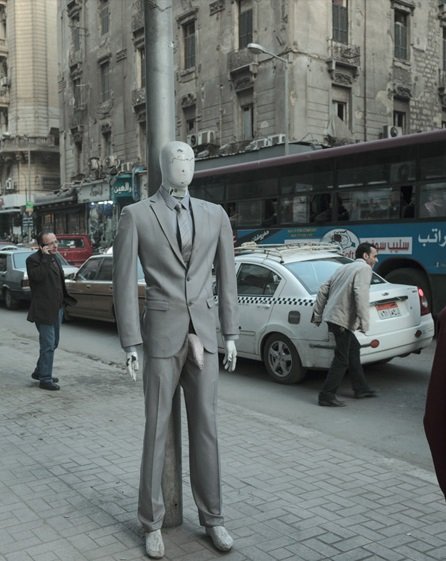
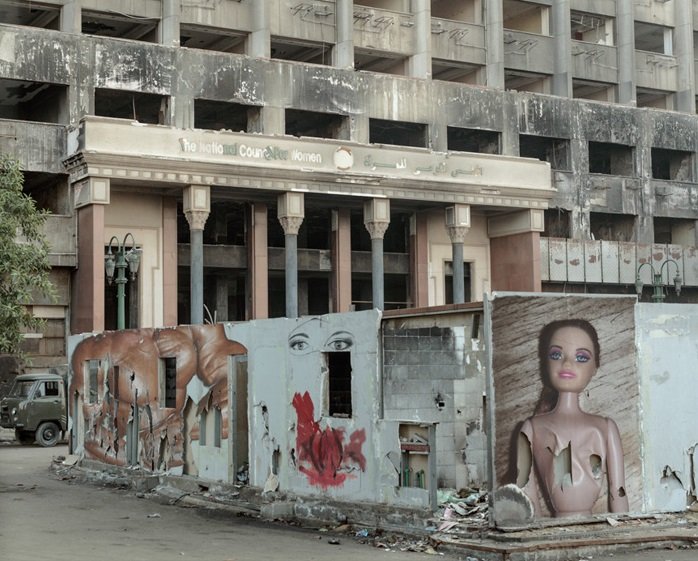
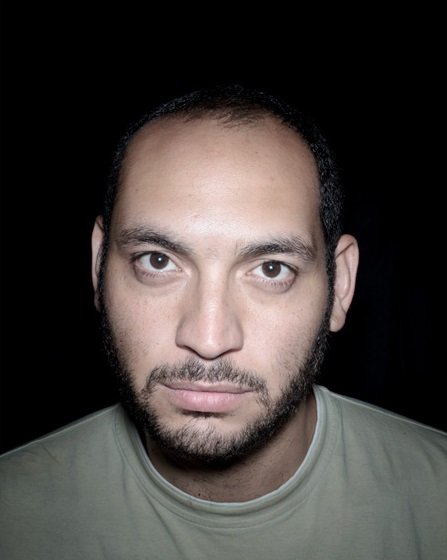
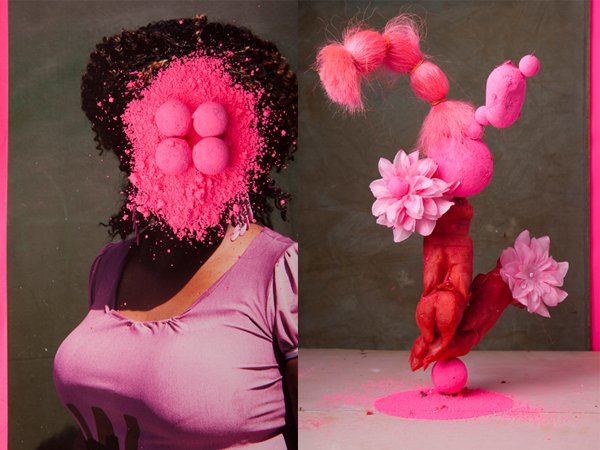
My work to condemn this is a photographic essay, which takes from my usual documentary background and mixes with conceptual thinking and digital collage technique. Starting from the political injustice that reached its climax with the organised gang rapes, I decided to extend it to the sourcing cause, that is a phallocratic ruling regime and general state of mind.
Written & Photography by Johann Rousselot