Diego Saldiva: Momentos e Maculas

Diego Saldiva studied Social Communication at ESPM/São Paulo between 2001 and 2005. Between 2009 and 2011 he studied at the School of Photography in Vevey, Switzerland. He was the winner of the Prix Photoforum 2011, Biel (CH), finalist of the 15.

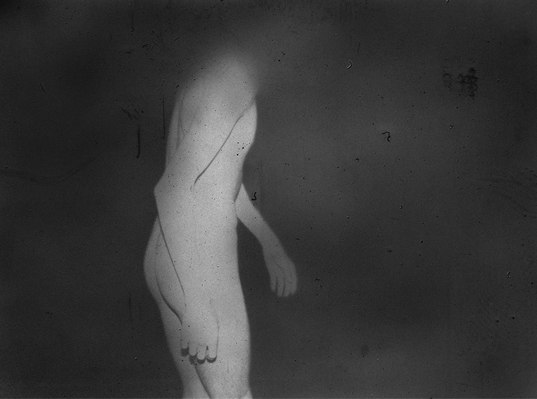
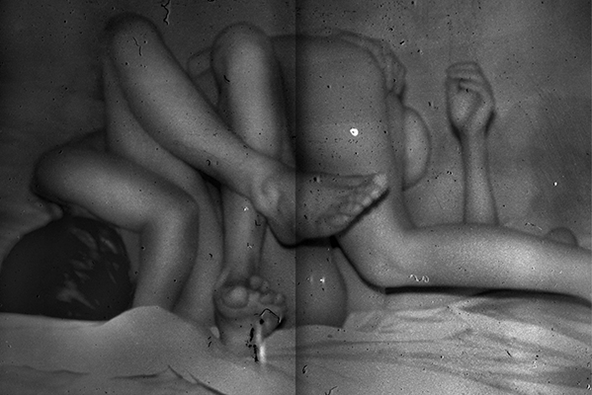
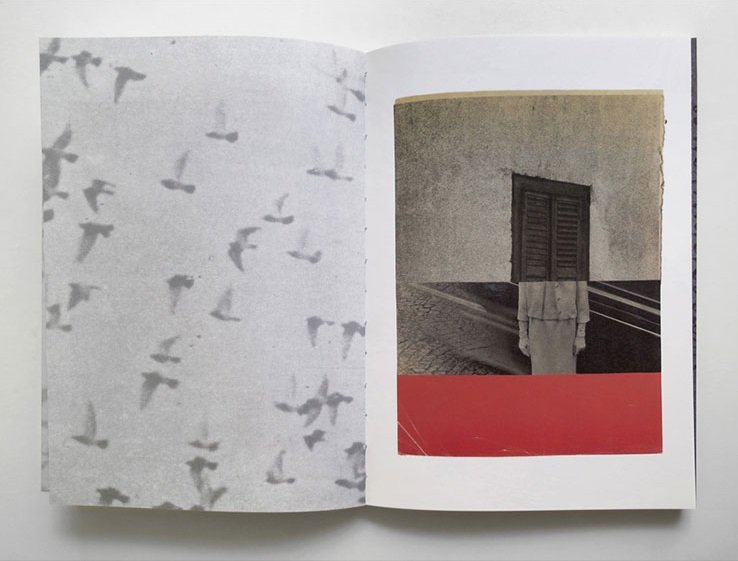
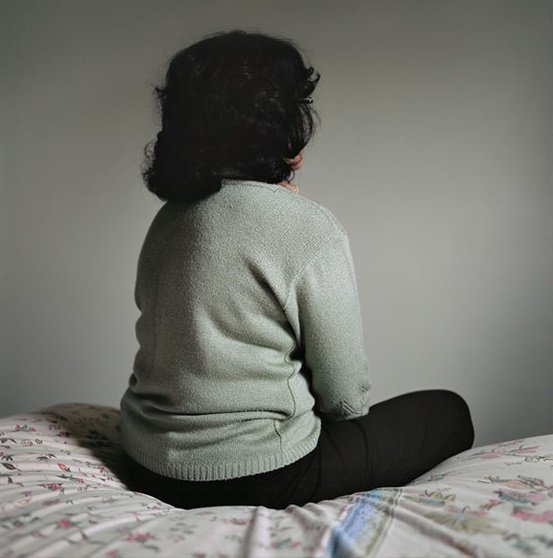
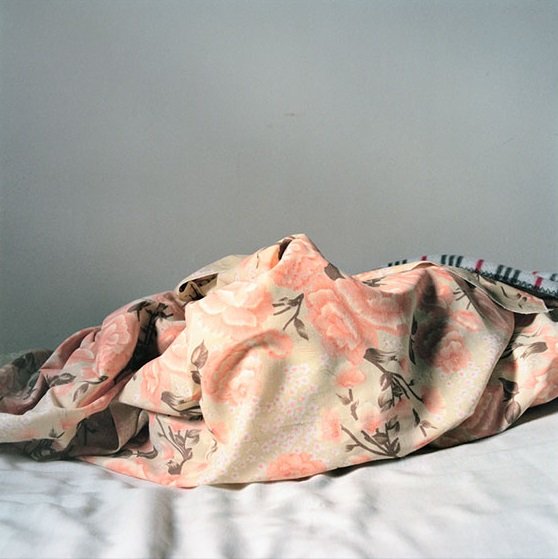
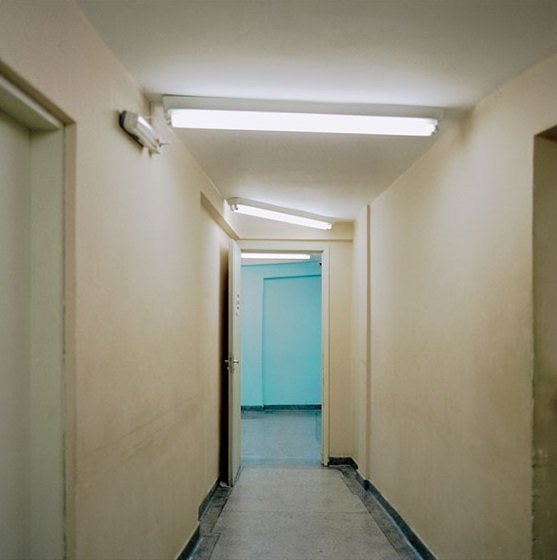
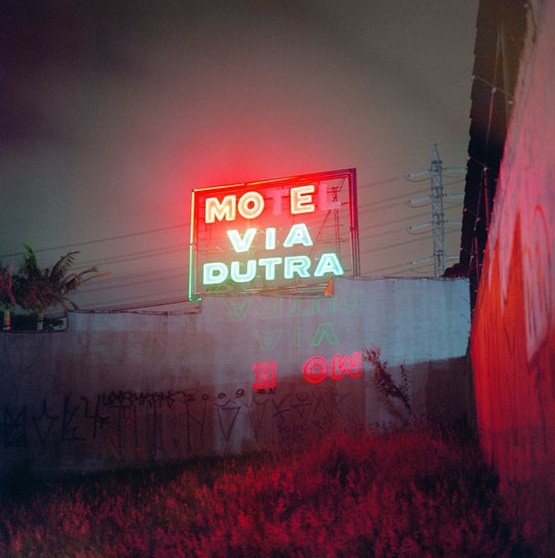
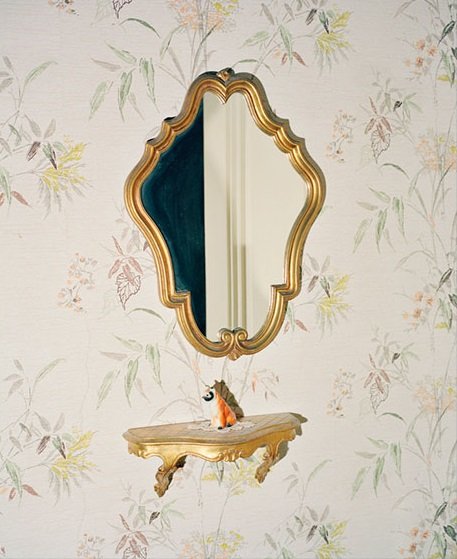
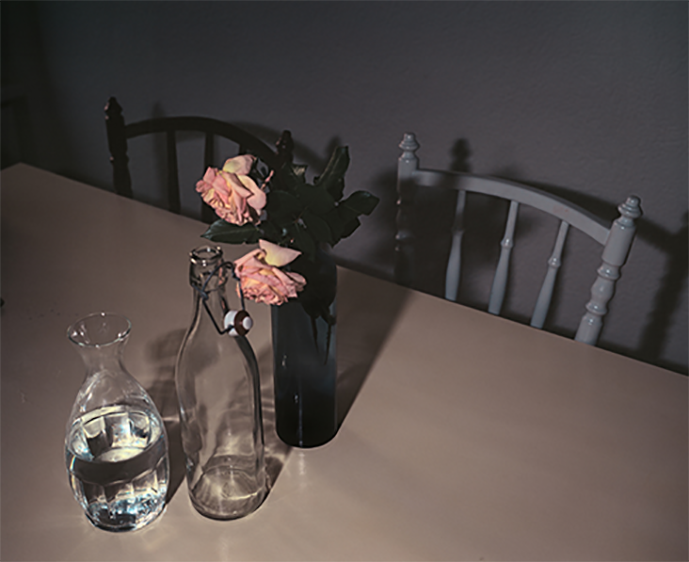
Brazil – Besides being a shelter, the house is as well a home, an emotional and intimate place, a private space, a limited territory. The series Momentos e Máculas (Bad Spots in Our Best Times) departs from a personal investigation about the issues of home and territory. Starting from my own experience, the work focuses on the process of frenetic urbanization that the city where I born and grew up, Guarulhos, Brazil, knows since the last years. This is a continuous and intense transformation as dozens of new buildings are raised every month, causing changes both in the landscape and cohabitation. According to the British Philosopher Roger Scruton, as modern architecture prioritizes function, utility and short-term effects over population, permanence and dwelling, it becomes a kind of “No Home”, a profanation to human residence. Major part of this work is the search and exploration of the evidences. My interest is to explore meanings of territory, not just in the geopolitical sense, but also delve into its psychological and sociological terms, linked to cultural identity and social membership, the way space is structured, organized and planned; how it turns into an Oikos and how we attach to it. The result of the project aims to show spots on a physical space as might be forgetting over memory.

Related Posts

Erik Kessels: “Photography is definitely not dead. Quite the opposite: the overwhelming abundance of images forces artists to think differently”

Erik Kessels, renowned Dutch artist and curator, discusses the dynamic evolution of photography in the digital age. He asserts that ...

Justin Maxon: When the Spirit Moves

USA- “The Sun Village is a place where families shut themselves into their homes; where people sleep in their basement ...

Jannatul Mawa: “Close Distance” – Powerful Portraits of Bangladesh Maids and Their Women Employers

Bangladesh –  Historically, domestic servants worked (only) for food and lodging in better-off homes of predominantly rural eastern Bengal. The ...

Karen Paulina Biswell: “Against Extraction: Photography, Right to Opacity, and the Refusal to Translate”

In this Emaho Magazine interview, Colombian-French photographer Karen Paulina Biswell reflects on 14 years collaborating with Emberá-Chamí artist Maria Amilbia ...

Brett Rogers: 30 Years of Curating

Tom Wood, Not Miss New Brighton, 1978/79 © Tom Wood England –  In March, 2013, Emaho’s Editor-in-Chief Manik Katyal caught ...

Asim Rafiqui : Bagram – The Other Guantanamo

Pakistan – They are ghosts, and I have spent nearly two months trying to find any evidence of them. They ...

Hideka Tonomura: “They Called Me Yukari” – Vivid Fantasy of a Japanese Hostess

Japan –  Hideka Tonomura has left a grave shock in the art scene with her debut collection of photographs, “母恋ハハ・ラブ/ ...

Exploding the Mundane – Ami Vitale

U.S.A. – Two-time World Press Award winning photojournalist and Nikon Ambassador Ami Vitale found herself among the jury of the ...

Tom Hunter: Life on the Road

United Kingdom –  Life on the Road captures a remarkable moment in time, in the 1990s, when young people travelled ...

Begum Yamanlar: Memory, Ruin and Photographing Vanishing Spaces

Turkish photographer and visual artist Begum Yamanlar explores the fragile intersections of memory, architecture, landscape, and time. In this conversation ...

Wasma Mansour: ‘I would really like to widen the debate on Saudi women’

Saudi Arabia  – Wasma Mansour shoots intimate scenes and portraits in large format and elucidates the great in the mundane. ...

Jeroen Toirkens: Solitude

Netherlands – In April 2013 Jeroen Toirkens and Petra Sjouwerman travelled by car, boat, bus and snowmobile across the Barents ...