Emaho: Can you share an early childhood memory that sparked your interest in art or inspired you to pursue painting as a career?
AH: Fortunately, I discovered my love for art very early in Life. As a child, I was fascinated by observing people – their gestures, emotions, and expressions. I often spent hours drawing my parents, trying to capture their warmth and presence on paper. Those quiet moments felt magical and made me realize how deeply I wanted to communicate through images. Later, I chose to study graphic design in art school, which gave me a solid foundation and eventually led me to painting as my true passion.
Emaho: What drew you to study painting at university, and how did your academic experiences shape your artistic style?
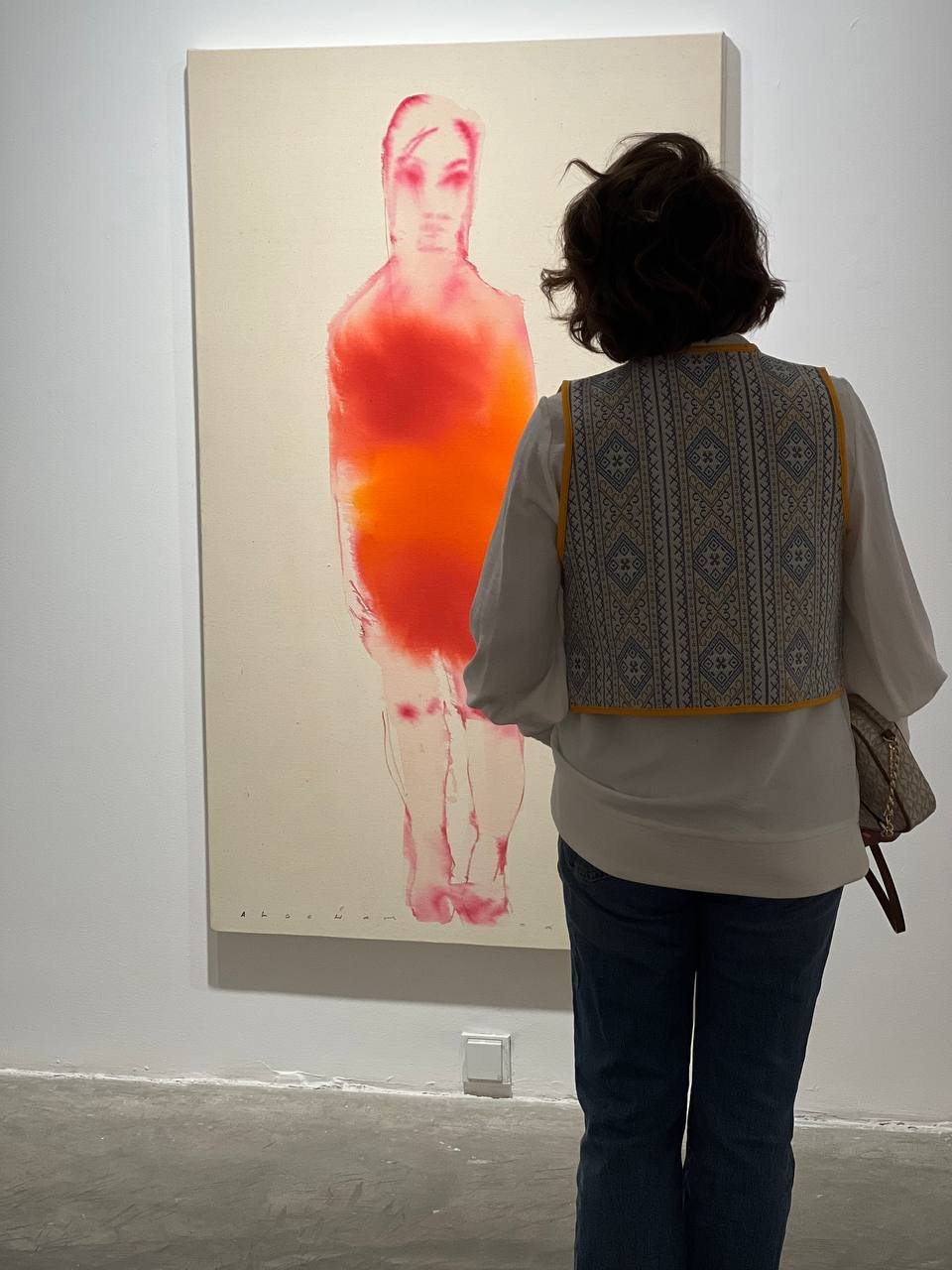
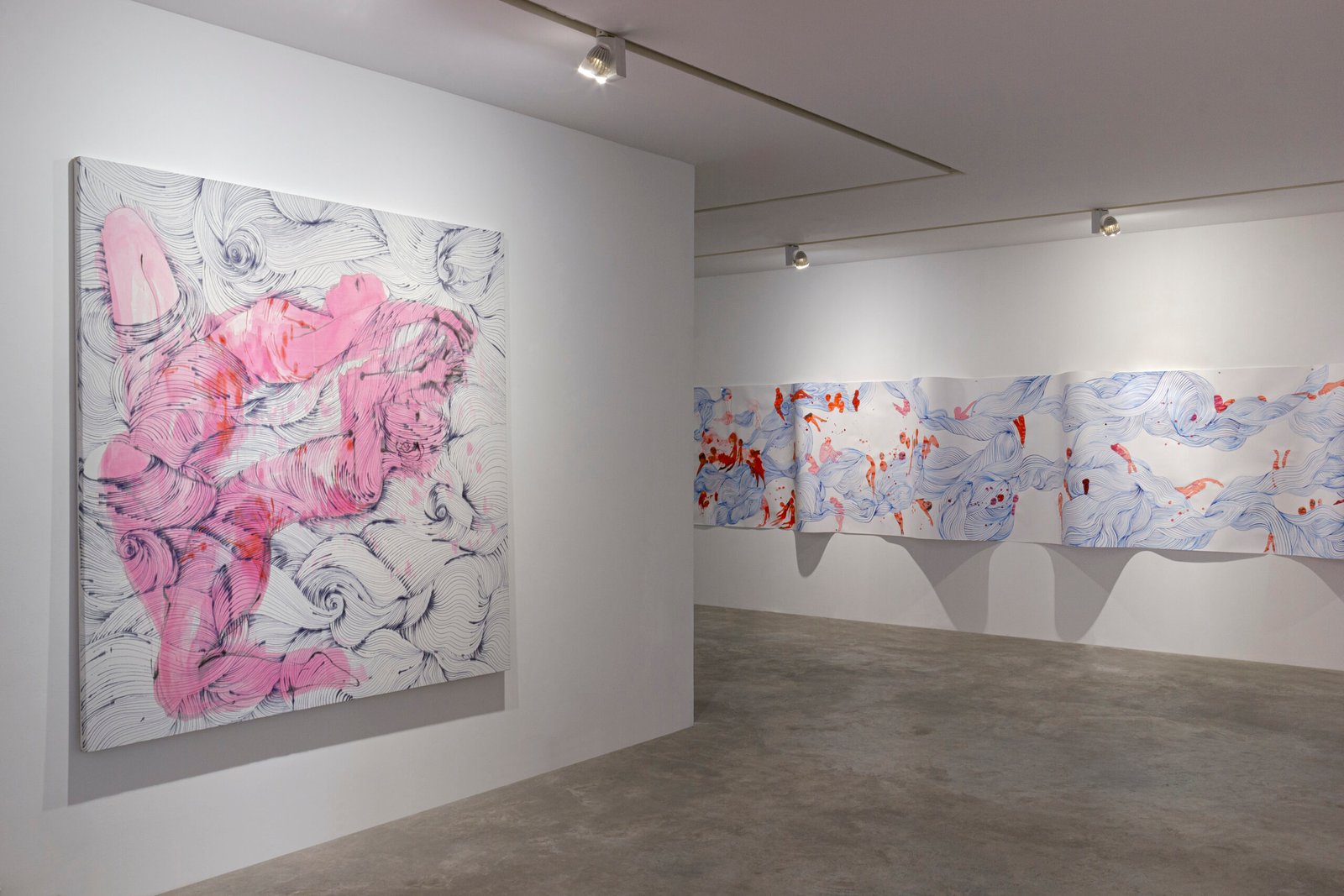
AH: I studied at the University of Art and Architecture in Tehran, earning my bachelor’s degree in painting. Even before university, I had begun experimenting with ink, which felt almost magical – as if I had discovered my own language. Ink became my favorite medium because of its honesty and unpredictability; it flows freely, like human emotion. I’ve always been drawn to the human figure, and ink allows me to express energy, vulnerability, and rhythm.
Emaho: Your first solo exhibition was in 2007. What was it like preparing for that debut, and how did it influence your journey as an artist?
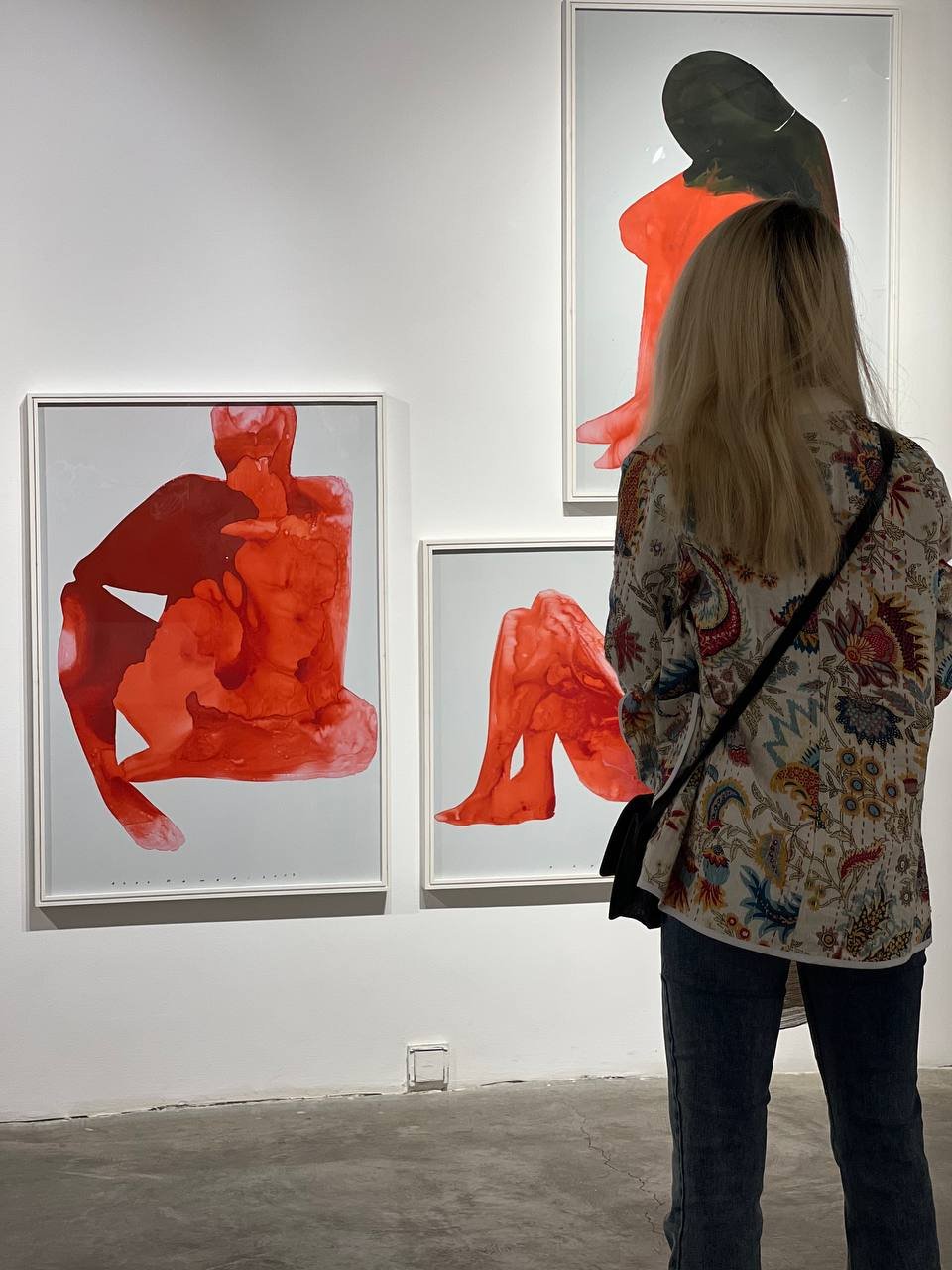
AH: My first solo exhibition took place in 2007 at Homa Art Gallery in Tehran. Preparing for it was both exciting and formative, and the positive reception gave me a strong sense of encouragement. It was a defining moment that reinforced the importance of developing my own artistic voice. Since then, I have held ten solo exhibitions across Tehran, Dubai, Switzerland, and Canada, including my two most recent shows at Bavan Gallery in Tehran. I’ve also participated in over thirty group exhibitions internationally, as well as two major art fairs in London and Istanbul. Each of these experiences has broadened my perspective and strengthened my commitment to experimentation, growth, and staying true to my artistic vision.
Emaho: Many of your pieces use mixed media – what attracts you to working with watercolour, plexiglass, or recycled materials, and how do these choices express your voice?
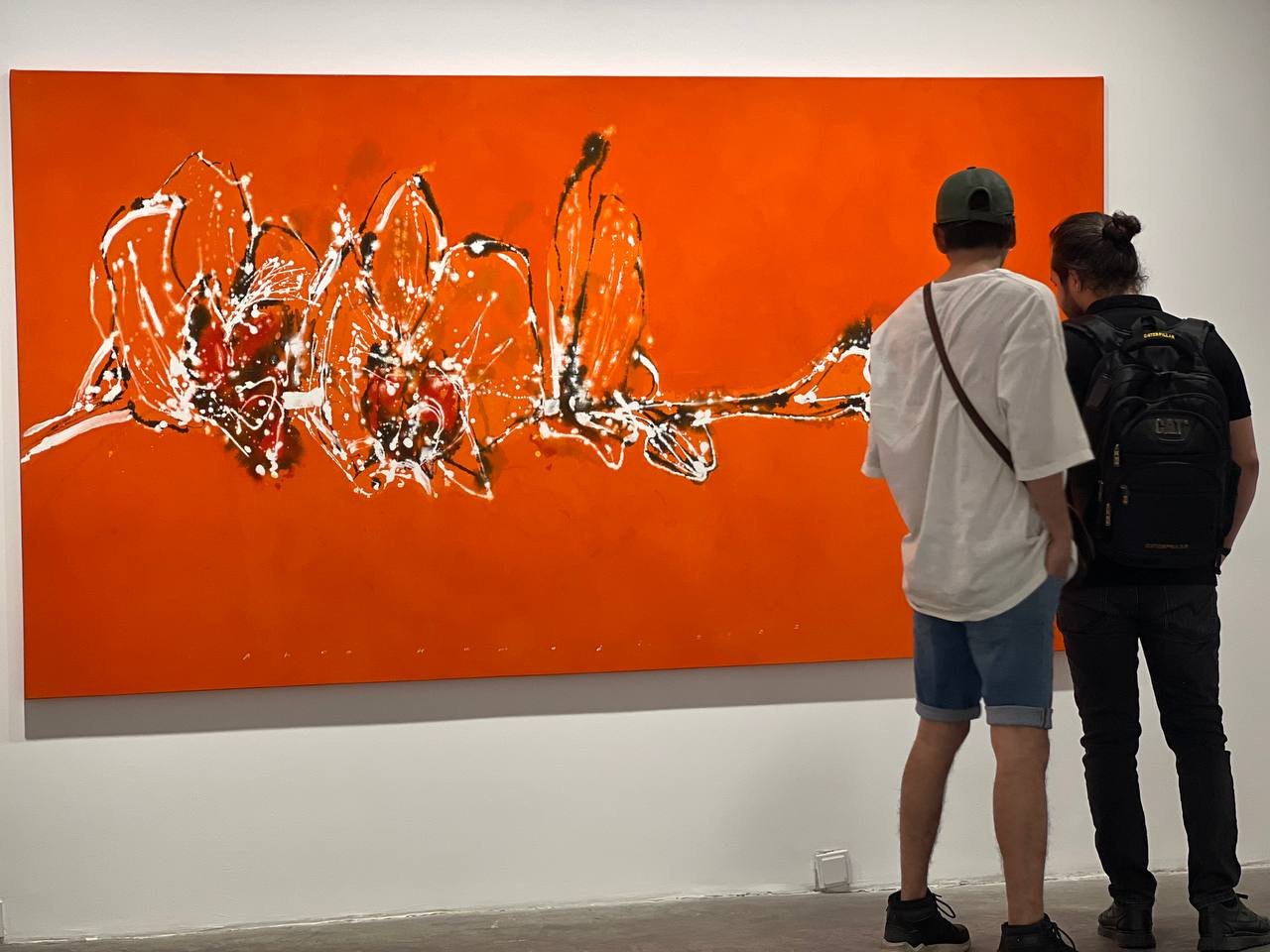
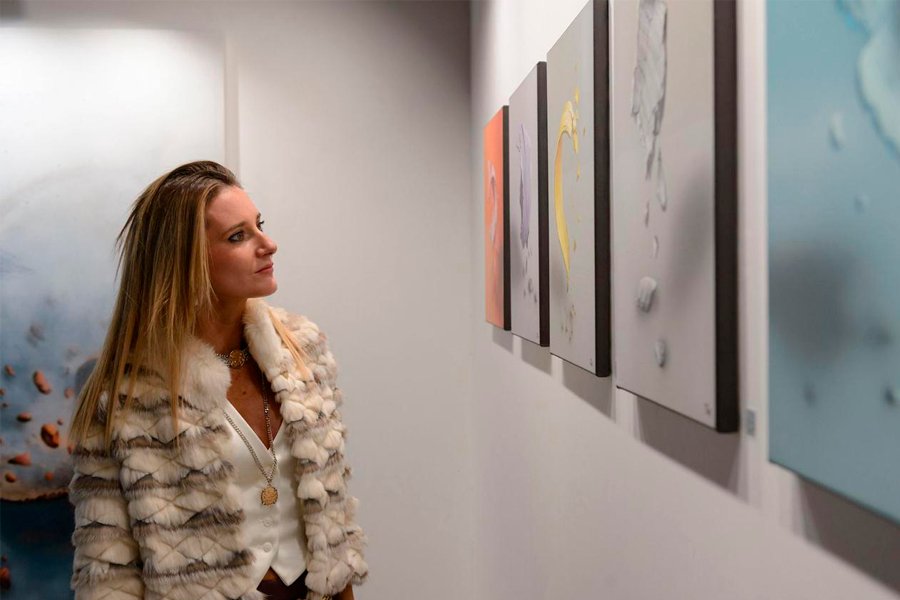
AH: I enjoy exploring different materials to find the best way to express my ideas and emotions. I am drawn to lightness, transparency, and minimal space. Water-based media like ink have a magical quality: when wet, they shine, and when dry, the light changes. Plexiglass offers a similar luminosity, maintaining shine and transparency while interacting with light in ways that add depth and dimension. These qualities align closely with my artistic voice and vision.
Emaho: Animals, people, and objects recur throughout your work. How do you choose your subjects, and what stories do you hope to tell through them?
AH: My subjects usually emerge organically from my process. One series often leads to the next, with ideas evolving naturally from previous work. Nature has always been a major source of inspiration, offering endless patterns, forms, and stories. Even when I focus on people or objects, these elements remain connected. For example, my plexiglass series explored fauna and flora, while my newer work emphasizes figures, reflecting my ongoing fascination with the human presence.
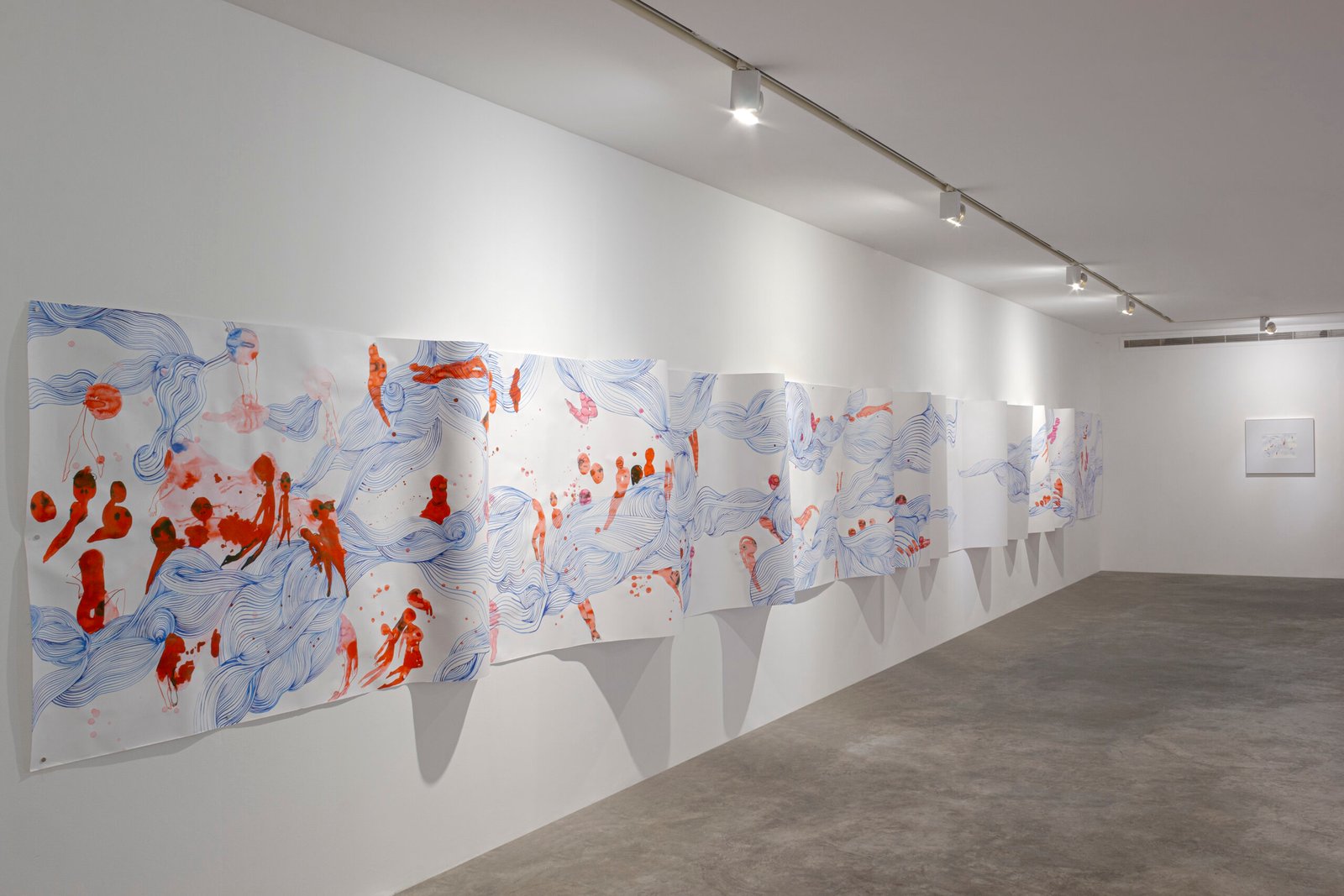
Emaho: Your “Red Dude Series” stands out for its playful energy. What was the inspiration behind this body of work, and what message or mood did you want viewers to experience?
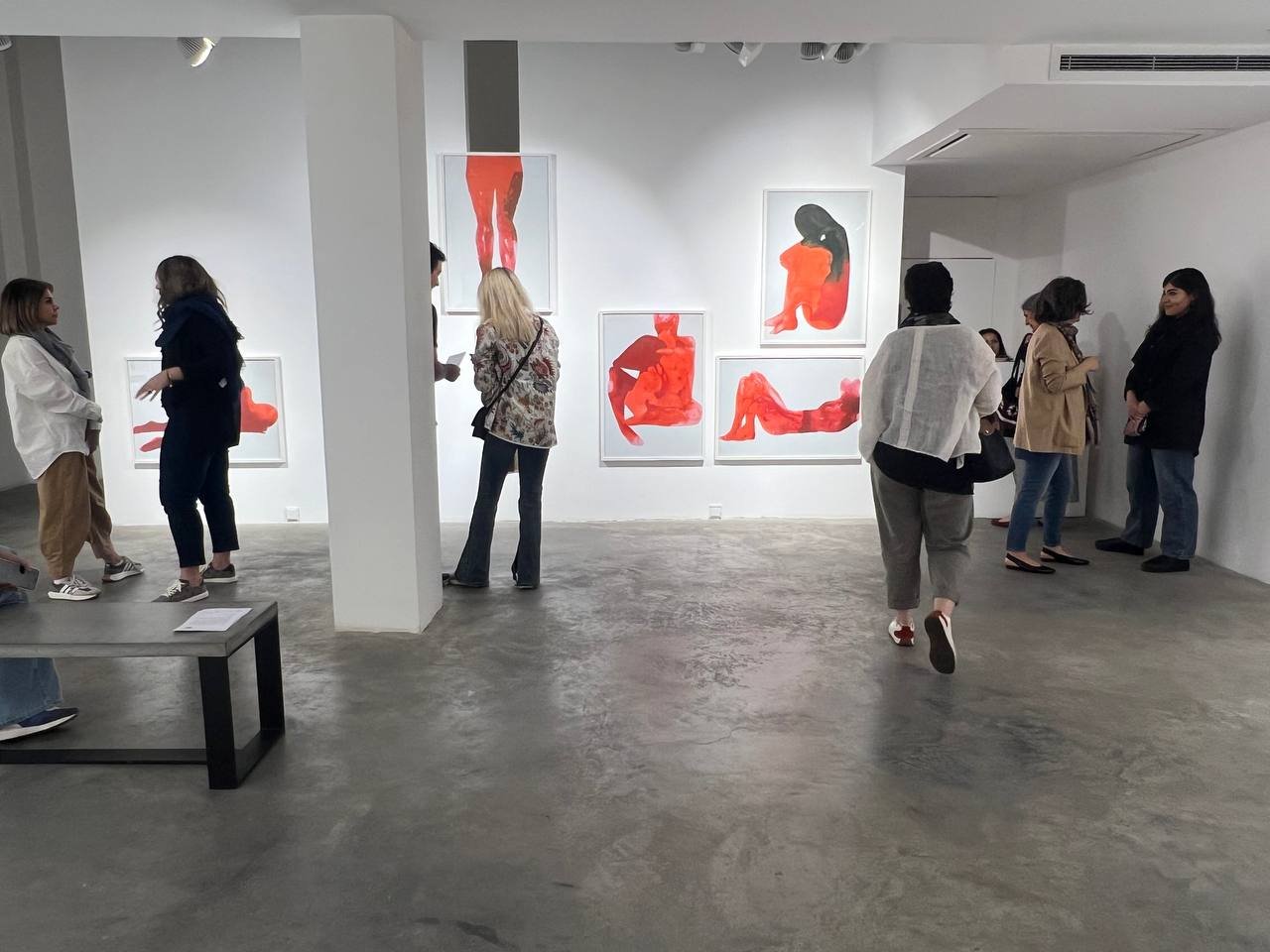
AH: I believe that viewers should feel free to interpret my work themselves. I don’t aim to impose a specific message; I see art as a conversation with the viewer’s unconscious. For the ‘Red Dude Series,’ I started without a plan, allowing my brush to move freely across the paper. Using red and pink ink, I painted figures from imagination rather than observation. Their simplicity and minimalism convey spontaneity, while plexiglass collages inspired by natural forms add layers and interact with light, enhancing the playful and energetic quality of the series.
Emaho: How do personal experiences or the world around you influence the mood, color, and form found in your paintings and sculptures?
AH: My personal life has a profound impact on my work, particularly as a woman living in Tehran. My experiences shape the mood, color, and form of my paintings and sculptures, reflecting both my surroundings and inner life. The energy, challenges, and culture of Tehran naturally find their way into my work, giving it a sense of place. At the same time, I explore universal human qualities, creating a connection between local experiences and broader human understanding.
Emaho: As an artist active in Tehran’s contemporary scene, how do you see the creative community evolving and how do you find your place within it?
AH: Tehran is a vibrant and complex city, blending contemporary, modern, and traditional influences. Artists are constantly shaped by this mix, whether consciously or unconsciously. The creative community here is evolving, with growing experimentation and dialogue, even as many artists remain rooted in cultural traditions. I find my place by observing, experimenting, and responding to this environment, letting it inform my artistic voice while maintaining a unique perspective.
Emaho: Sustainability and recycling are visible in your material choices. Why is this important to you, and how does it shape the way you approach art-making?
AH: Although sustainability and recycling are not central to my work, I believe they are important issues today. We all need to be mindful of our environmental impact. Even when it doesn’t directly influence my medium, thinking about sustainability encourages responsibility in material choices and in how our work engages with the world.

Emaho: You’ve taken part in many group and solo exhibitions. What role does public interaction play in your practice—do audience reactions ever reshape your work?
AH: Public interaction has a meaningful influence on my work. Encouragement and constructive feedback can shape how I reflect on my pieces, and sometimes audience reactions reveal aspects I hadn’t noticed – moments of discovery that are always fascinating. I aim to offer viewers visual pleasure first, and then invite them to explore the human qualities within my work, while leaving room for personal interpretation.
Emaho: What is your process like from idea to finished piece—do you plan meticulously or follow intuition and experimentation as you create?
AH: Most of my paintings are created with ink, which dries quickly and requires working with speed and precision. This demands technical skill, but intuition is equally essential. I let the process guide me, especially when working with minimal forms. Every stroke matters, and achieving clarity and simplicity requires both control and spontaneity. I use plexiglass when I want to maintain luminosity and transparency, allowing light to interact with the work in ways ink alone cannot.
Emaho: Looking ahead, are there new themes, mediums, or projects you’re excited to pursue in your artistic journey?
AH: Unpredictability is very important in my practice. I prefer to let my art evolve naturally rather than forcing it into a predetermined direction. I am excited to continue exploring new ideas, mediums, and forms in ways that feel organic and spontaneous. Sharing my work online also allows viewers to engage freely, noticing both the visual qualities and human aspects, while my journey as an artist continues to unfold as one of discovery.