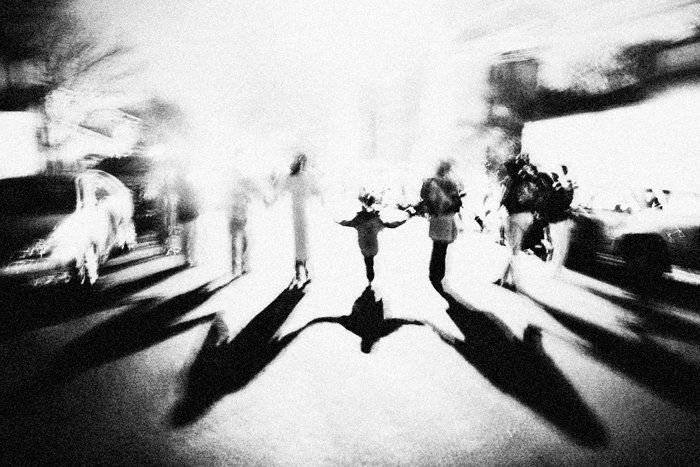
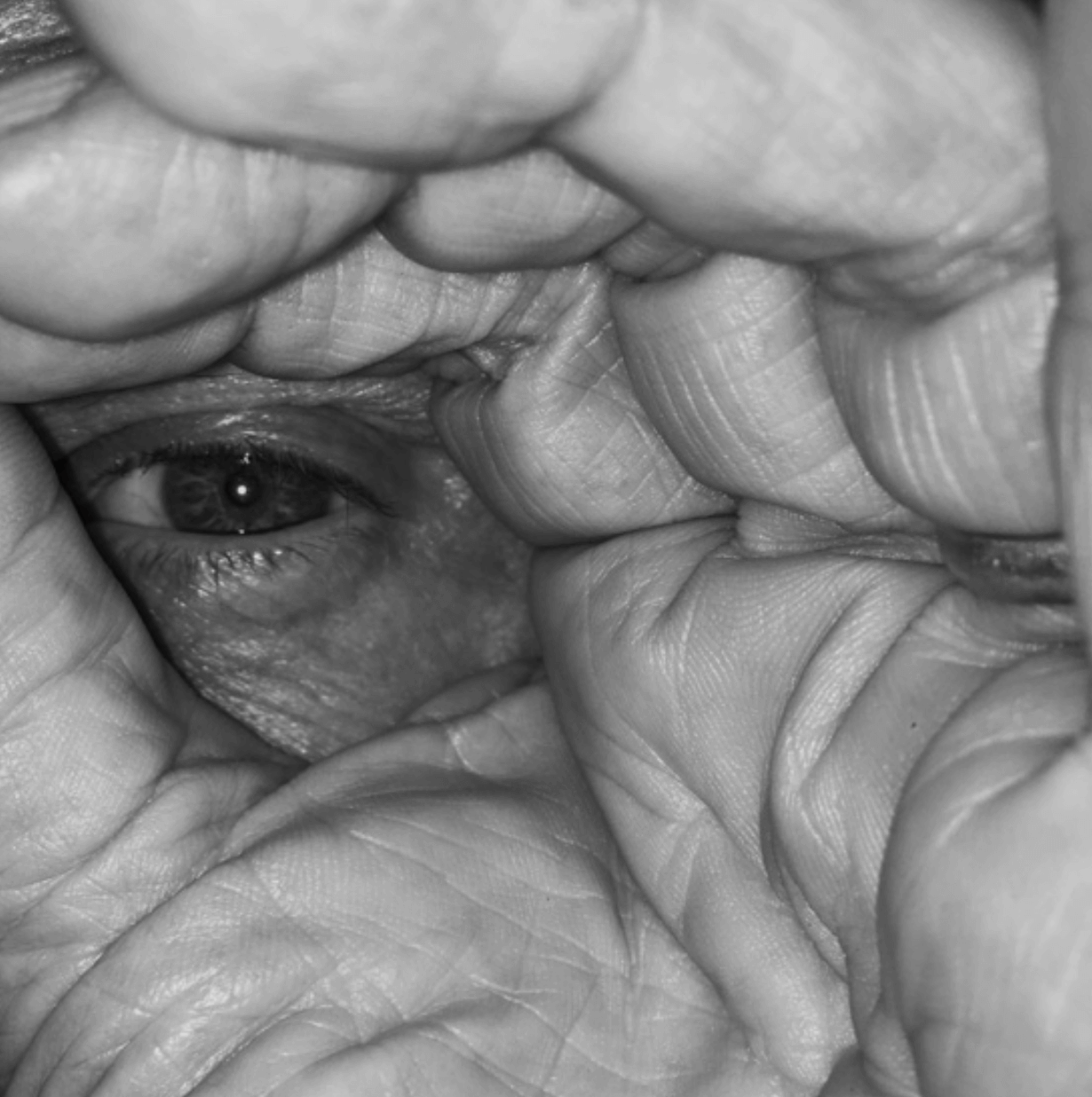
Alvaro Laiz: Wonderland

Alvaro Laiz is a Spanish photographer, specializing in the field of anthropology and environmental photojournalism.

Venezuela –

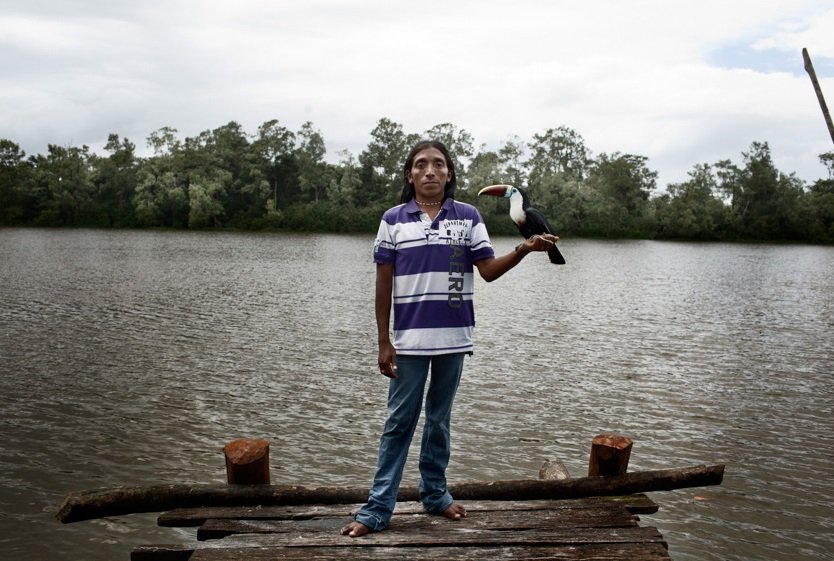
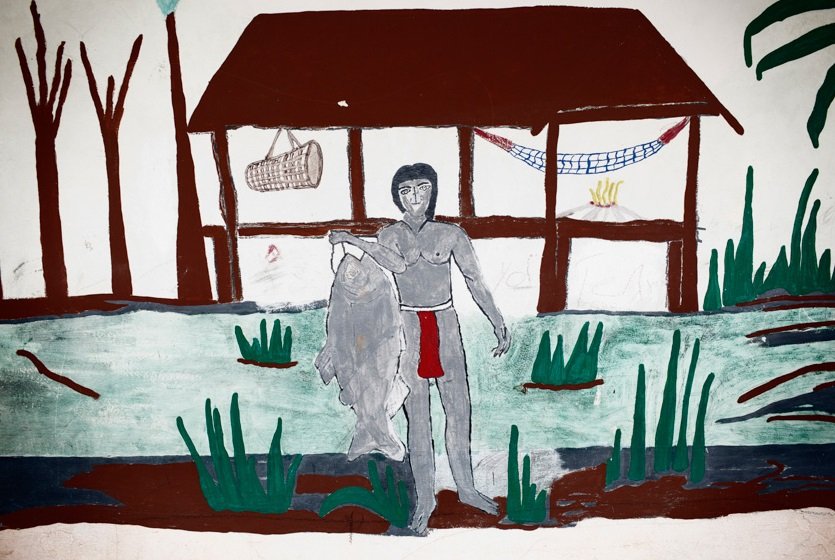
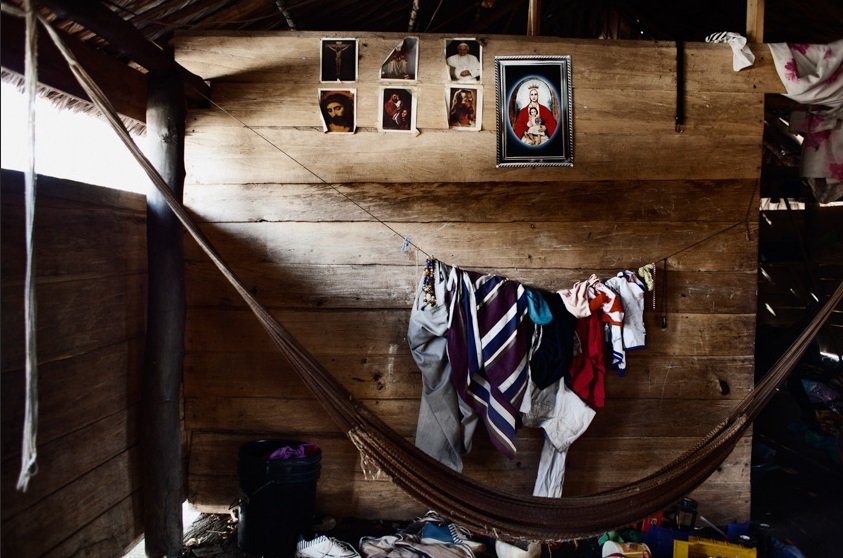
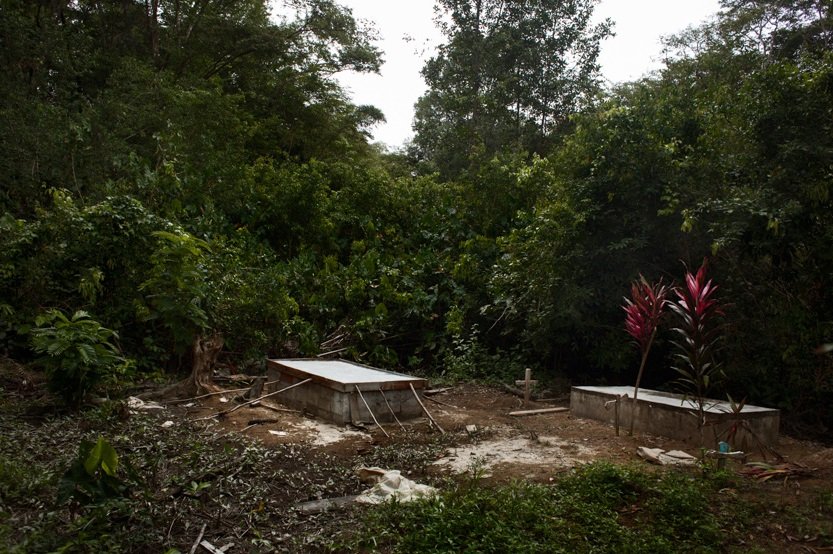
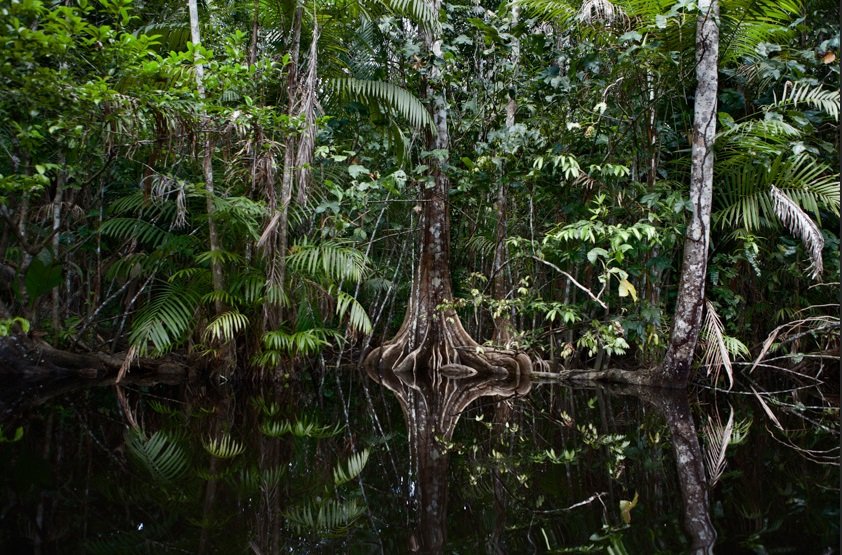
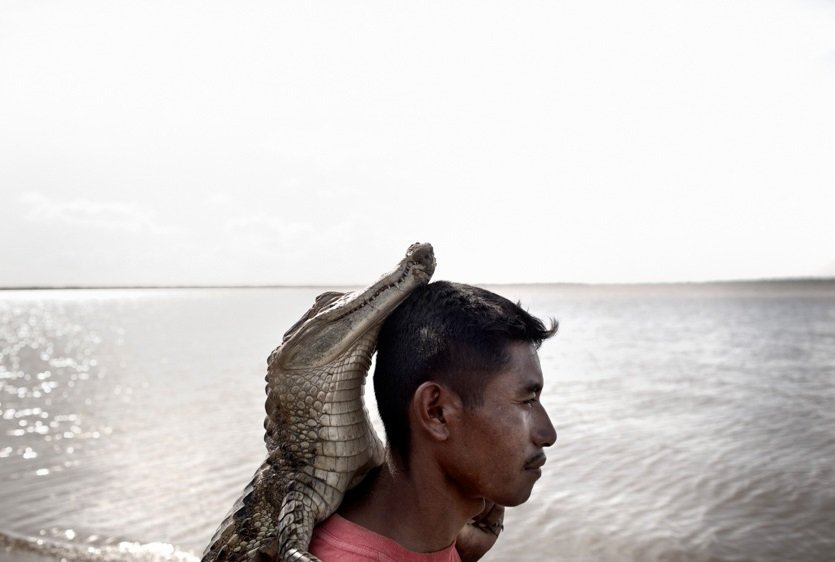
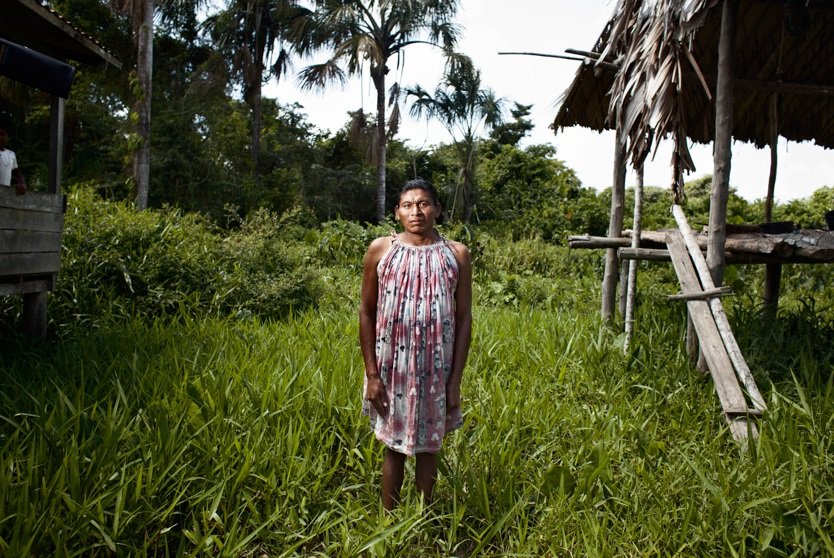
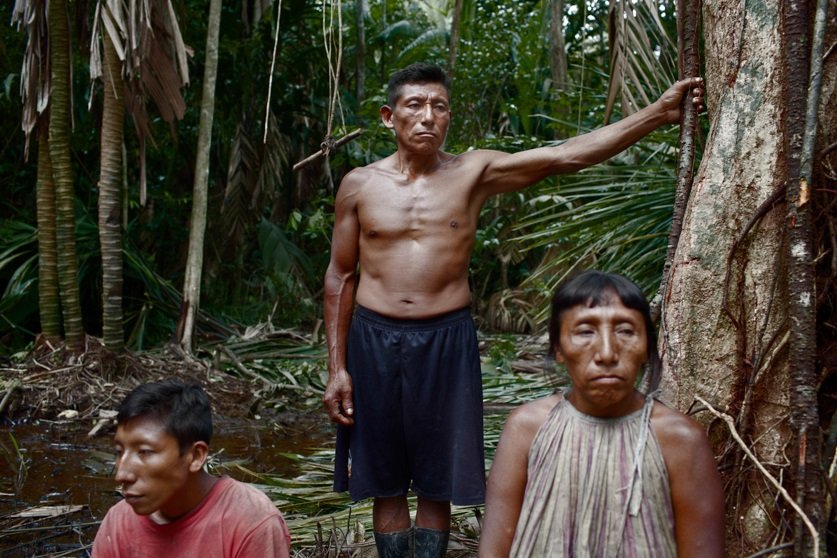
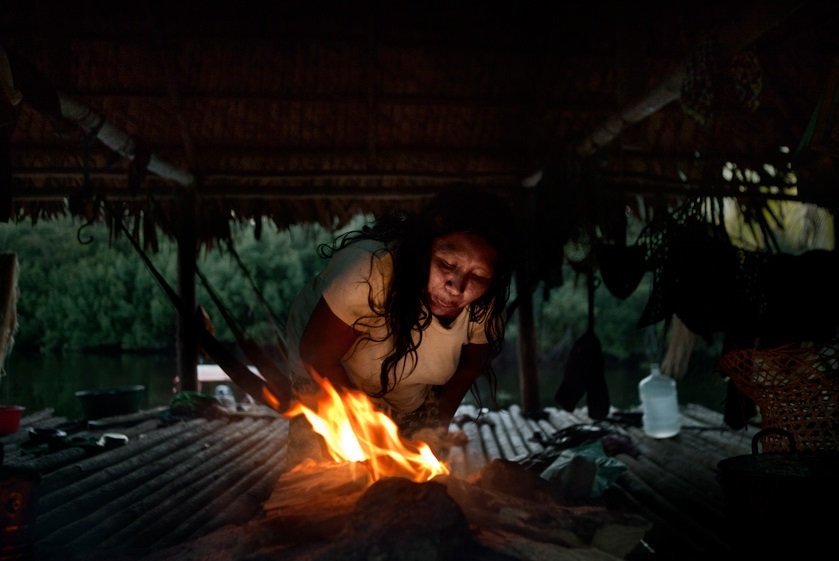
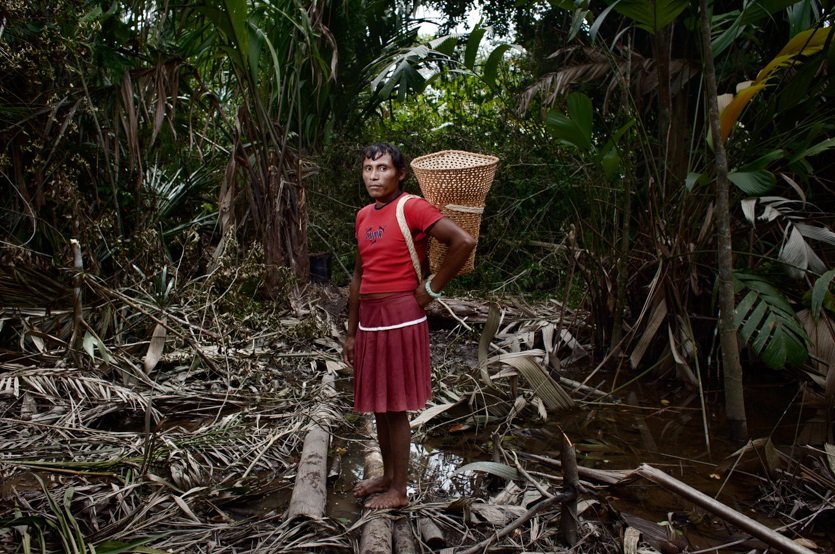
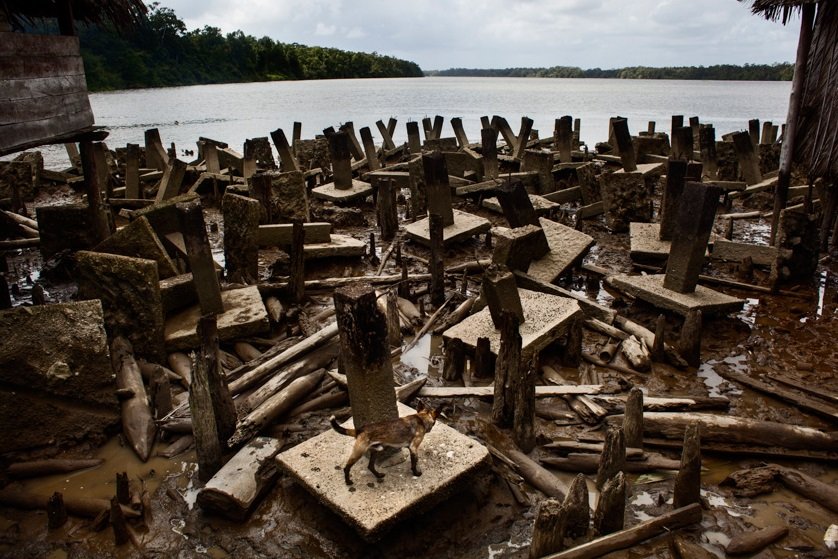
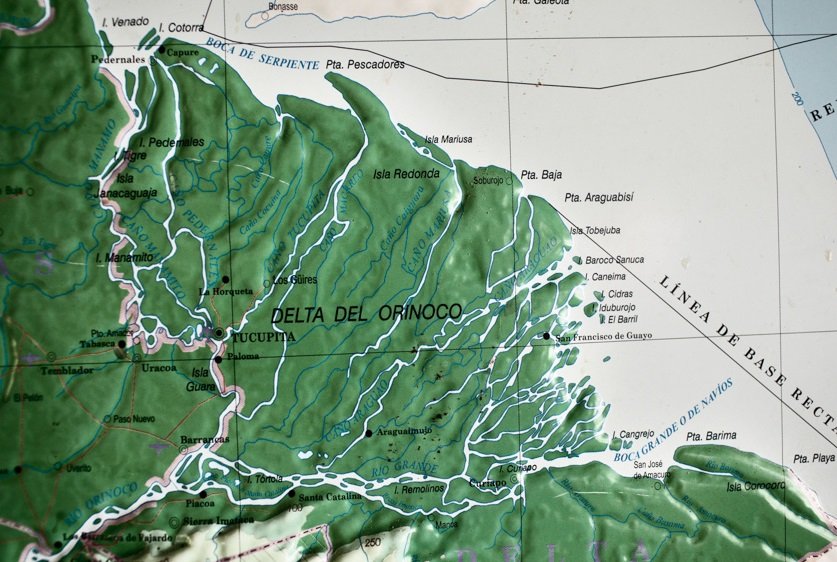
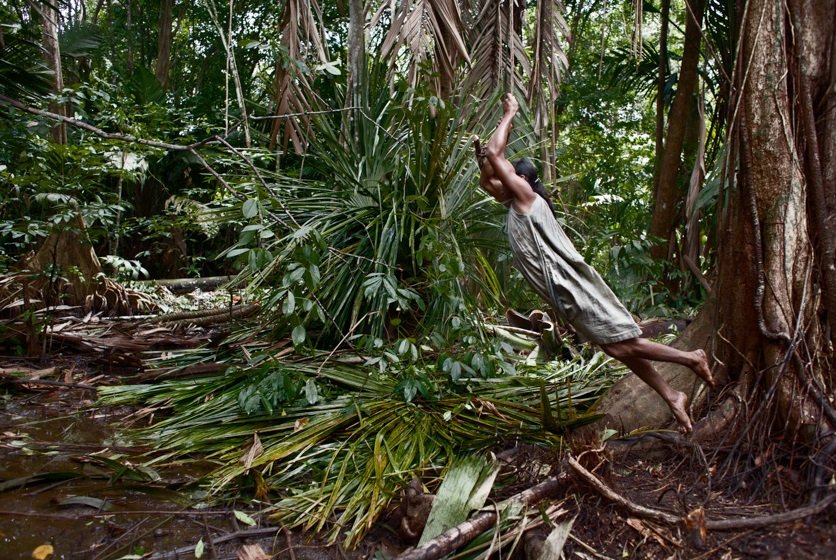
Wonderland The Delta of Amacuro in eastern Venezuela is one of the most inhospitable places in the world. For the last 8500 years ago the Warao indians have turned its 20.000 km² of water canals and swamps into their home. Despite the strong acculturation they have suffered because of colonialism, Warao people have managed to keep their culture and way of life deeply rooted into this environment.
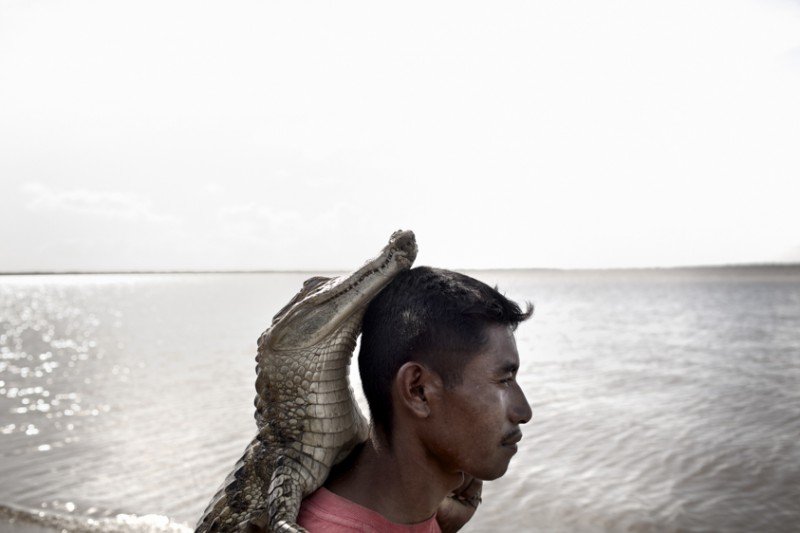
The Warao tribes are extremely sensitive to the outdoor influence.There is a fundamental fact that is strongly complicating their survival: a few independent investigations indicate that about 40% to 80% of the Warao tribe are infected with HIV whereas the Venezuelan government does not support these official numbers. Having HIV has become a taboo and these days people refuse to receive treatment to avoid social pressure and eventually face death. Collectives at risk such as Tidawenas and homosexuals have often been rejected and being accused of being responsible for this pandemic which is devastating the Warao people.
 

WONDERLAND_EMAHO_AL-23Wonderland © Alvaro Laiz

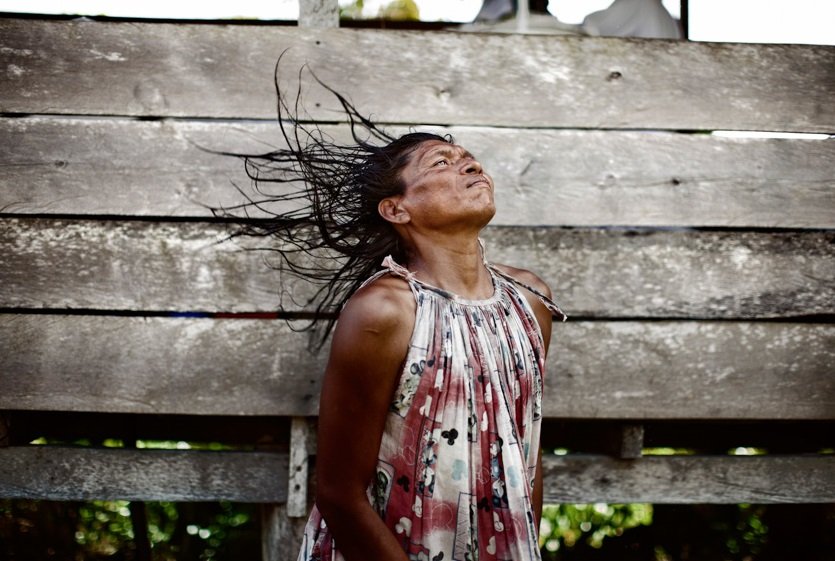
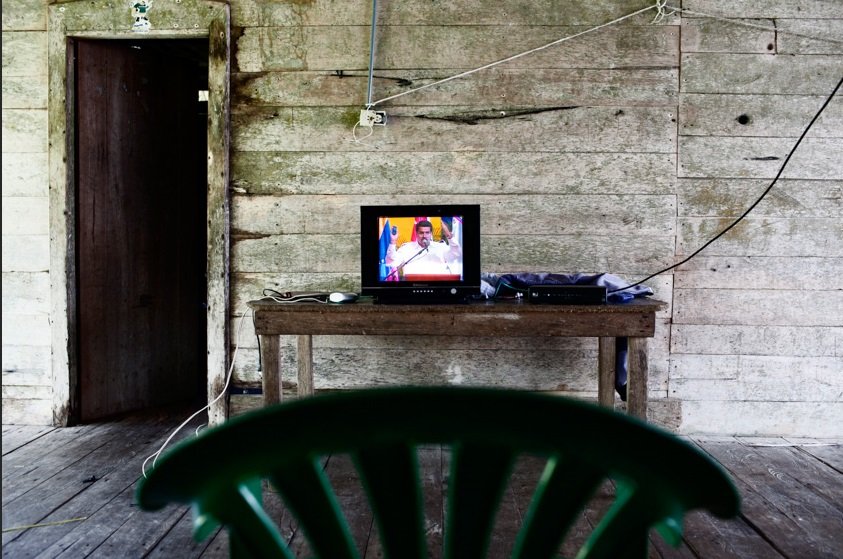
On the other side, the high levels of infantile mortality are extreme. One out of two newly born have a maximum life span of 3 years. The unrestrained progress, the lack of a united educational and reproductive sexual responsibility plus the peculiarities of their cosmology where illness represents the evil spirits, contributes to the creation of a potentially fatal scenario to the Warao tribe and the disappearance of those old traditions and knowledge represented by the existence of transgender people among the Warao society.

As a documentary photographer I have spent the last two years photographing the unstoppable process of acculturation experienced by Warao people. I have documented these process by portraying the survivors of that lost world such as wisiratus (shamans) and Tidawenas (transgender). My goal was to capture the last remnants of a culture that has survived in the depths of Delta since Neolithic times and which has not pre-twentieth century visual documentation.

But during my stay there I discovered a parallel path: the story of one man, born on September 19, 1831, who have had traveled the same places I was travelling 150 years before me…

Wonderland by Alvaro Laiz from DEVELOP Tube on Vimeo.


In 1863, a german ethnobiologist called Albrecht Stift stepped into the swamps of the Orinoco Delta for the last time. He arrived two years earlier to pursue his electrobiology studies with electric eels. He was also assigned by the German Geographical Society to develop a photographic record of the Orinoco basin. Only one of his manuscripts survived.

Stift drew on it a totally unknown place by that time, illustrating it with the ambrotypes he took. Unfortunately, Stift died dissapearing after navigating into the mouth of the Orinoco Delta on his own in 1863. With him the manuscripts and pictures he took of that lost world vanished forever… 

Written and Photography by Alvaro Laiz

Related Posts

Fosi Vegue: XY XX

Spain – THIS STORY CONTAINS EXPLICIT CONTENT An inner courtyard faces a row of rooms where prostitutes take their clients. ...

Yoshikatsu Fujii: “Incipient Strangers” – Photographying Family’s Internal Conflicts

Japan –  Siblings can be incipient strangers. Even siblings sharing the same blood can become distant and turn into strangers ...

Joan Fontcuberta: The Photography of Nature / The Nature of Photography

Catalan photographer Joan Fontcuberta is the 33rd recipient of the prestigious HasselbladFoundation International Award in Photography. To celebrate the award ...

Takeshi Ishikawa: HIJRAS – The Third Gender of India

THIS STORY CONTAINS EXPLICIT CONTENT In Indian society, it is said that when a hermaphrodite baby is born in an ...

Tsutomu Yamagata: Thirteen Orphans

Japan –  One day an old man in a plain suit sat next to me by a pond in a ...

Bombay Dreams – Aparna Jayakumar

India – Emaho caught up with Mumbai-based photographer Aparna Jayakumar who has done some very interesting documentary, editorial and commercial ...

Adam Lach: Stigma

Poland –  “STIGMA” tells the story of 60-person family of Romanian Romas living in the encampment in Wroclaw. This is ...

The English Islamophobia and 2041’s Burqa Fetish

England –  ‘2041’ is an eponymous collection of self-portraits, concealed beneath various forms of burqa or niqab. Using the camera ...

What Remains – Sarker Protick

Bangladesh –  It was in the afternoon, I was sitting on my grandpa’s couch. The door was slightly open and ...

Noriko Hayashi: “I saw many bride kidnappings in Kyrgyzstan”

Kyrgyzstan – Represented by Panos Pictures, Japanese photojournalist Noriko Hayashi has worked in diverse regions around the world, including Pakistan, ...

Joanna Kinowska on Mateusz Sarello’s Swell – ‘For watercrafts the swell is more disturbing’

Poland –  The black book. Canvas. Pressed letters. The half poetic text is in English. The  photographs are black and ...

Manik Katyal on Ernesto Bazan “ISLA”

Cuba –  With an eclectic body of enriching, honest and deeply committed work, one can only admire the talent that ...